Every homeowner knows that a successful project starts with good planning. Whether you’re refreshing a room, repairing a fence, planting a new garden bed, or finally tackling that weekend renovation you’ve been postponing, attention usually goes to materials, labor, and timelines. Yet one cost is surprisingly easy to overlook: the number of trips it takes to get everything done.
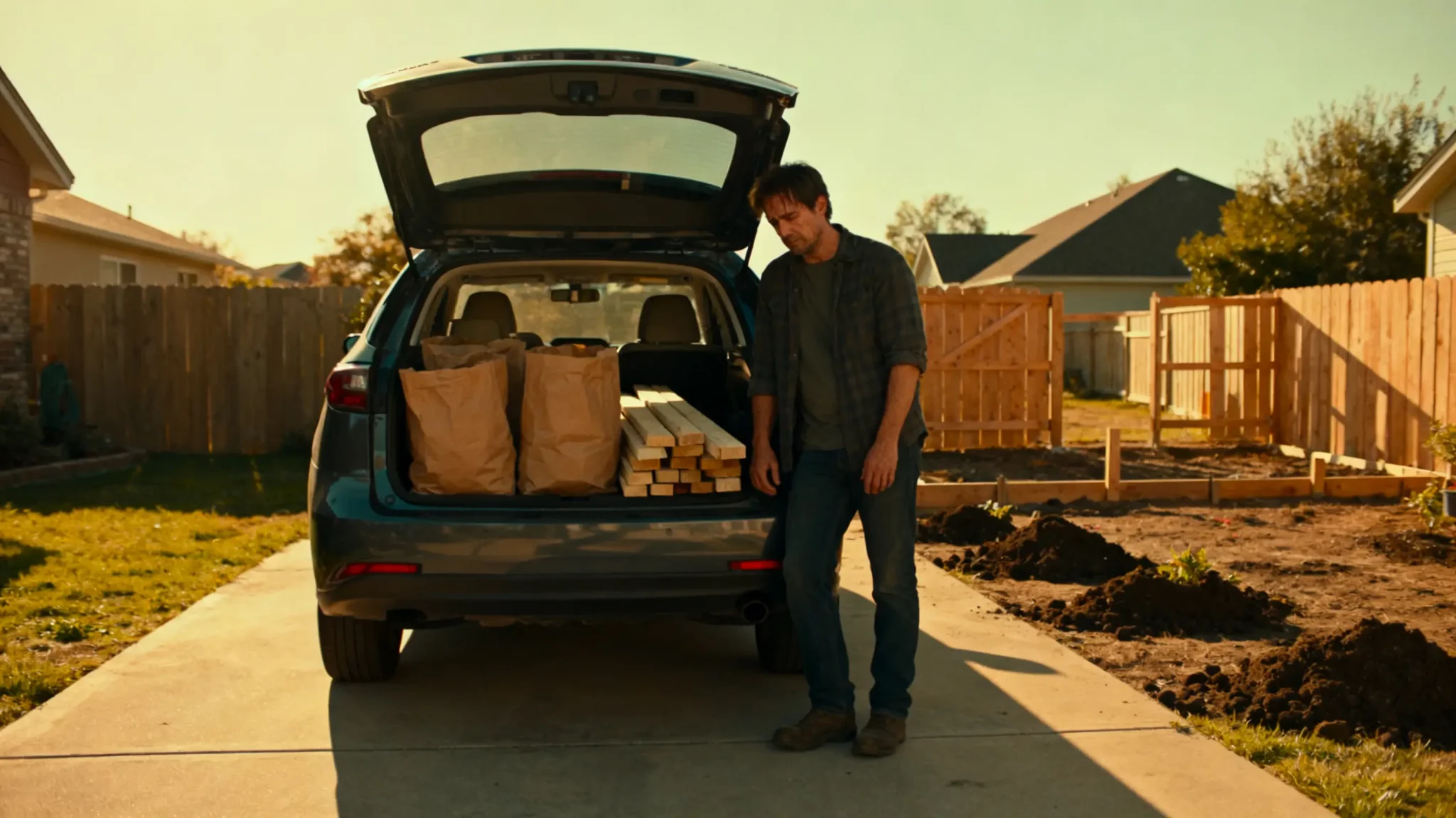
A single stop at the hardware store rarely stays a single stop. Forgotten screws, extra paint, replacement tools, or one more bag of mulch can quickly turn into multiple drives across town. Individually, these trips seem insignificant, but together they become a meaningful part of the overall cost of maintaining a home.
The Reality of Weekend Projects
Home improvement projects have a way of evolving once they begin. A simple shelf installation might reveal damaged drywall. A landscaping project could require additional soil or edging. Even assembling furniture often means realizing halfway through that another tool or accessory is needed.
These unexpected adjustments are part of the process, but they also create additional travel. Instead of one carefully planned outing, homeowners often find themselves making several journeys over the course of a weekend.
The result isn’t just extra time spent in traffic. It’s additional fuel, more wear on the vehicle, and less time actually enjoying the finished project.
Small Trips Create Big Expenses
People naturally focus on large purchases because they’re easy to notice. A new appliance or expensive flooring immediately stands out on a credit card statement. Fuel, on the other hand, tends to disappear into everyday life.
Five or six short trips over the course of a project might not seem expensive individually, but repeated month after month, they become part of a recurring pattern that quietly affects household budgets.
For families juggling maintenance, gardening, seasonal decorating, and routine errands, transportation often becomes one of the most consistent ongoing expenses associated with homeownership.
Planning Ahead Pays Off
One of the easiest ways to reduce unnecessary spending is simply to organize projects more carefully before leaving the house. Creating detailed shopping lists, measuring twice, and confirming inventory can eliminate multiple return trips.
Some homeowners even dedicate one day each month to purchasing supplies for several upcoming projects instead of making separate visits every weekend. Combining errands with hardware store runs or landscaping purchases can further reduce unnecessary driving.
These habits don’t require major sacrifices. They simply encourage better organization and make every trip more productive.
Looking Beyond Material Costs
When estimating a renovation budget, many people calculate lumber, paint, fixtures, or decorative finishes but rarely account for transportation. Yet fuel costs can become surprisingly noticeable during larger projects that require repeated visits to suppliers.
For homeowners who regularly spend weekends traveling between hardware stores, garden centers, and project sites, finding practical ways to save on gas with BP rewards Visa card can become one small piece of a broader strategy for keeping ongoing home improvement expenses under control without compromising the quality of the work.
The key isn’t necessarily spending less on projects themselves. It’s making smarter decisions about the costs that surround them.
Time Has Value Too
Every extra trip represents more than fuel consumption. It also consumes valuable personal time.
An additional thirty-minute drive to pick up forgotten materials can interrupt momentum, delay progress, and reduce the satisfaction that comes from completing a project efficiently. For busy families balancing work, school schedules, and household responsibilities, those interruptions can become frustrating.
Planning transportation as carefully as the project itself often leads to smoother execution and a more enjoyable experience overall.
Seasonal Maintenance Adds Up
Unlike one-time renovations, routine maintenance happens year after year. Spring landscaping, summer deck repairs, autumn yard cleanup, and winter preparation all require supplies and transportation.
Because these tasks repeat annually, even modest improvements in planning can create noticeable savings over time. Purchasing materials strategically, grouping errands, and reducing unnecessary mileage all contribute to a more efficient approach to homeownership.
The benefits extend beyond finances. Fewer trips also mean less stress and more time available for the activities that make a house feel like home.
Smarter Habits Lead to Better Projects
Experienced homeowners often discover that successful projects are built on preparation rather than improvisation. Careful measurements, organized supply lists, and realistic timelines reduce mistakes while also minimizing wasted travel.
Even when unexpected situations arise, having a flexible plan helps avoid the cycle of constant back-and-forth driving that so many DIY enthusiasts experience.
Ultimately, improving the process is just as valuable as improving the final result.
Conclusion
Home improvement is about more than choosing the right materials or mastering new skills. It’s also about understanding the hidden patterns that shape the overall cost of every project.
Repeated trips to suppliers, garden centers, and hardware stores can quietly influence both budgets and schedules, especially when they become routine. By planning more effectively and paying closer attention to transportation habits, homeowners can complete projects with greater efficiency while keeping recurring expenses under better control.
Sometimes the smartest investment isn’t another tool or a more expensive finish. It’s simply making every trip count.