A kitchen renovation almost always starts with excitement. You’re picturing new cabinets, fresh worktops, good lighting, appliances that finally work properly. Those visible changes matter — but they’re rarely what decides whether the renovation still feels like a success a few years down the line.
The decisions that end up mattering most are usually made before a single cabinet goes in. They’re the ones that shape how the kitchen actually functions, how comfortable it is to use, and how well it copes with everyday life.
Give those often-skipped details some real attention early, and you can sidestep expensive changes later and end up with a kitchen that keeps working long after the dust has cleared.
Start With How You Actually Use the Kitchen
Every household runs its kitchen differently. Some people cook a proper dinner every night; others need a room that handles entertaining, homework, and the odd working day just as well. Before you get anywhere near finishes or appliances, it’s worth thinking hard about what actually happens in that room day to day.
Write down what currently works and what drives you mad — the cupboard you can never reach, the counter that’s always cluttered, the spot where two people collide. That list is a far stronger foundation than a folder of inspiration photos. When the renovation is steered by your real habits instead of trends, the finished room is much more likely to suit you for the long haul.
Plan the Layout Before You Choose Materials
Gorgeous materials can’t rescue a bad layout. A kitchen with generous work surfaces, appliances placed where they make sense, and walkways you can actually move through will always feel more successful than one built around expensive finishes and little else. Good planning also cuts the wasted steps, which makes the daily cooking and cleaning genuinely easier.
A lot of homeowners find that bringing experienced kitchen Designers in early surfaces practical improvements they’d never have thought of — storage, workflow, lighting, the small moves that add up. That kind of planning usually delivers far more than upgrading the materials ever would.
A well-planned layout stays useful long after the trends have moved on.
<h2
Think Past Today’s Needs
A renovation should serve the household for years, not just this season of life. Kids get older, work routines shift, the way you entertain changes. Planning with a bit of flexibility built in makes it far easier for the kitchen to adapt without dragging you into another full renovation.
An island that doubles as a workspace, seating that can grow with the family, storage you can reconfigure — all of it makes the room more versatile. And thinking ahead almost always costs less than changing things after the fact.
Don’t Underestimate Storage
ne of the most common regrets after a renovation is simply wishing there was more storage. Usually the problem isn’t the amount of cabinetry — it’s how well it backs up the daily routine. Deep drawers that actually fit the pans, a pantry that’s organized, a corner solution that isn’t a black hole, a proper home for the small appliances so they’re off the counter.
Storage should mirror how the household really cooks and lives, not just follow a standard run of cabinets. That kind of practical organization tends to do more for the room than another decorative flourish ever would.
Lighting Deserves More Attention
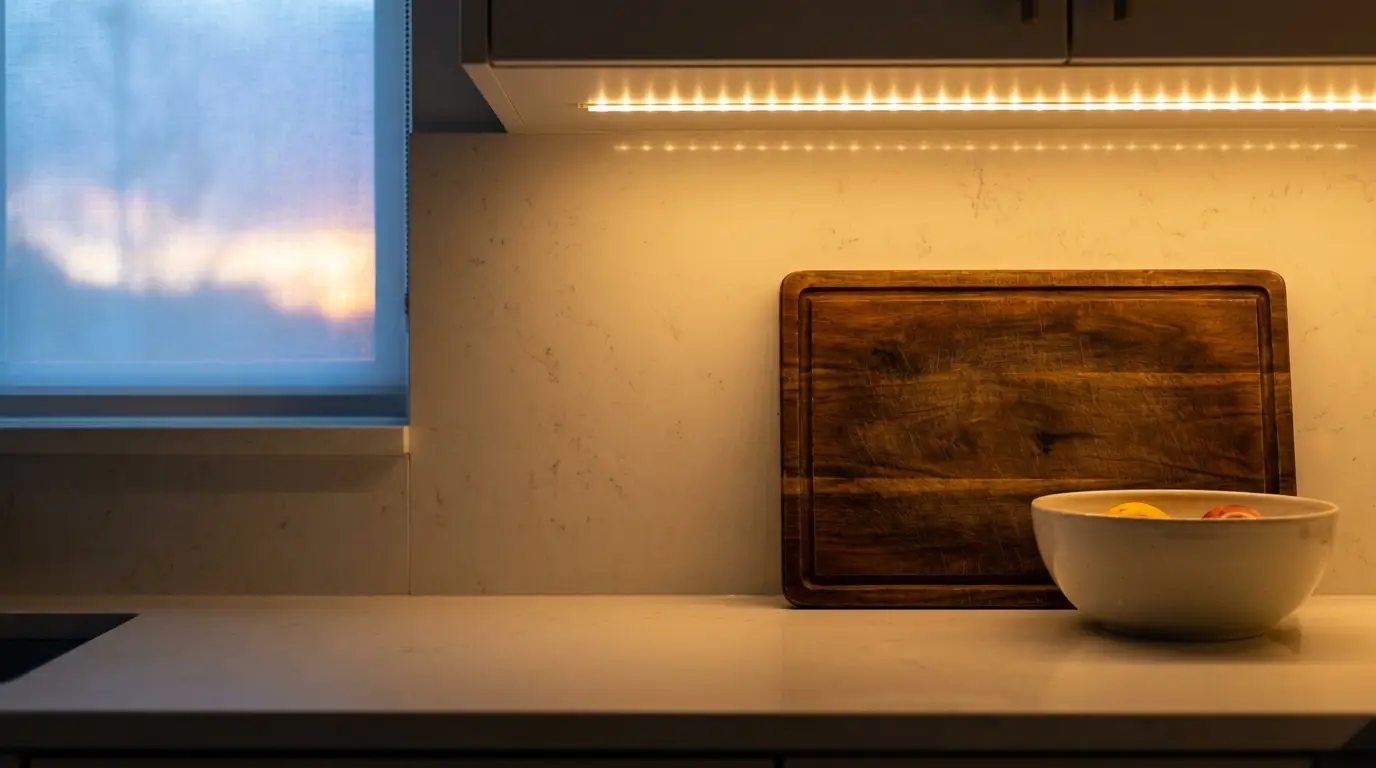
Lighting gets treated as the finishing touch, when it really should be in the plan from the start. A single fixture in the middle of the ceiling almost never gives you enough for prepping food, eating, and everything else that happens in there. Layering the light is what makes the room work through the whole day.
Task lighting under the cabinets for the work surfaces, ambient light for the general glow, a bit of accent lighting to pick out a feature — each does a different job. Sort all of that early and you avoid the awkward compromises that turn up once the walls are open and the wiring’s half in.
Choose Materials for Real Life
It’s easy to fall for a material that looks stunning under showroom lights. But a kitchen is a hardworking room, and it has to take constant use. Worktops, flooring, and cabinetry all need to be picked for how they wear and clean, not just how they photograph.
A family with young kids might put easy-to-wipe surfaces first. A serious home cook might care more about worktops that shrug off heat, or flooring that hides the everyday scuffs. The best choices land somewhere between good-looking and genuinely practical — the showroom marble that stains the first week isn’t the bargain it looks like.
Think About How the Kitchen Connects to the Rest of the House
A kitchen doesn’t sit in isolation. How it relates to the rooms around it shapes how comfortable and welcoming the whole home feels. Clear sightlines, easy access to the dining area and the garden, smooth movement between spaces — all of it feeds into the daily experience.
Even small tweaks to a doorway, the furniture, or the path through the room can make the kitchen feel far more connected to everything else. Those changes have a way of mattering more over time than the cosmetic ones do.
Leave Room in the Budget for Surprises
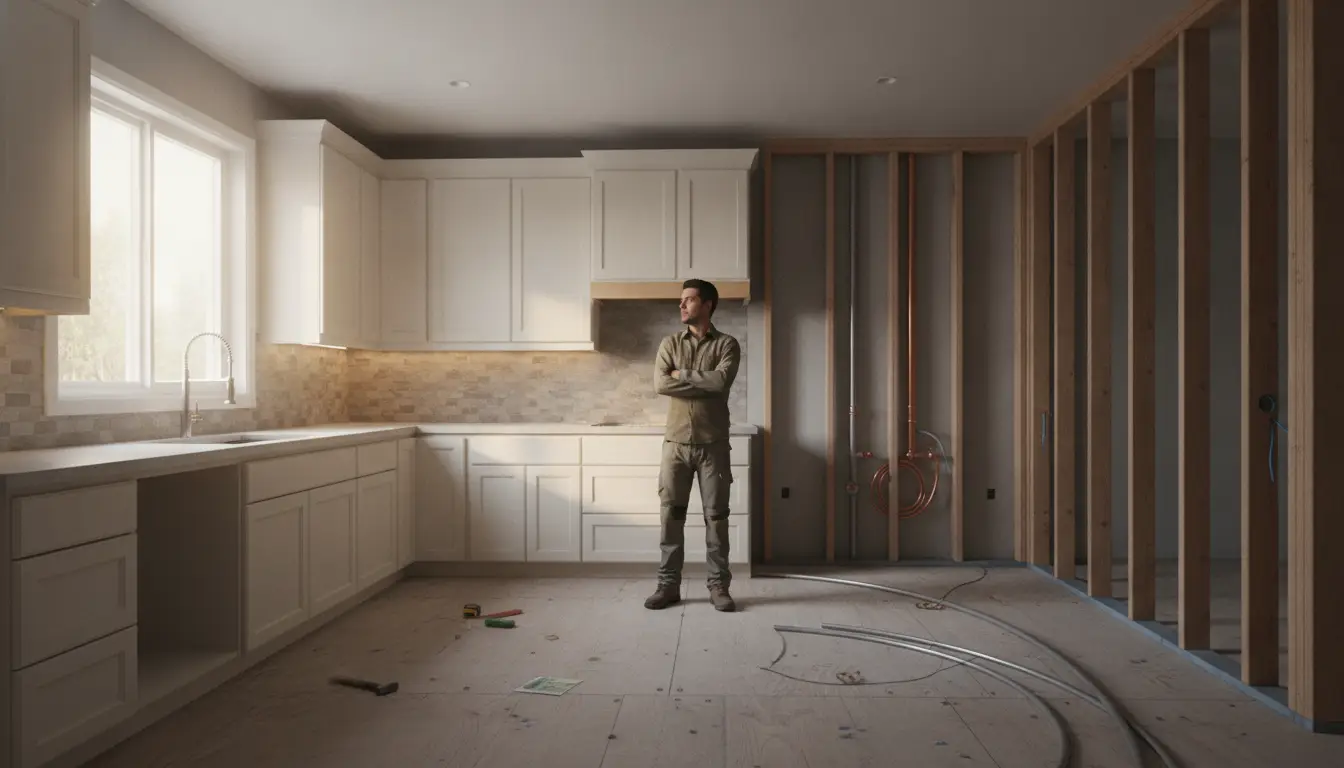
Even a well-planned renovation can turn up the unexpected. Older houses in particular love to reveal a hidden plumbing problem, some outdated wiring, or a bit of structural repair once the work actually starts. A contingency fund takes a lot of the stress out of those moments.
That financial breathing room also lets you make good decisions mid-build instead of feeling cornered into compromising on something that matters. Proper planning includes planning for the stuff you can’t see coming.
Keep Long-Term Value in View
A good kitchen renovation should improve everyday living first — but it can strengthen the home’s appeal at the same time. Timeless layouts, practical storage, solid workmanship, and durable materials stay attractive to future buyers precisely because they improve how the room functions rather than just refreshing how it looks.
Even if you’ve no plans to sell, you tend to benefit from choices that hold up over time. A kitchen that works well today is very likely to still be worth something tomorrow.
Final Thought
The most important decisions in a kitchen renovation are often the ones homeowners spend the least time on. Layout, storage, lighting, workflow, and a bit of long-term thinking shape daily life far more than the latest colour or finish.
Slow down at the planning stage, focus on how the kitchen will actually be used, and you can dodge the usual regrets and end up with a room that stays practical and enjoyable for years. The best renovations aren’t remembered for how impressive they looked on completion day. They’re remembered for how well they kept supporting everyday life long after the work was finished.