That stain has been sitting there for three days. You’ve blotted it, scrubbed it, and hoped it would just disappear. It didn’t.
Store-bought carpet cleaners are expensive, packed with chemicals, and not always available when you need them most.
A homemade carpet cleaner made from simple kitchen staples can do the job just as well. White vinegar, baking soda, and dish soap are more powerful than most people expect.
In this guide, you’ll get DIY carpet cleaner recipes, a step-by-step cleaning method, and practical tips to help you clean your carpet like a professional without spending a lot.
Why Make Your Own Carpet Cleaner at Home?
Making your own carpet cleaner costs a fraction of what you’d spend on store brands, and most of the ingredients are already sitting in your kitchen.
White vinegar breaks down stains, baking soda absorbs odors, and dish soap cuts through grease.
You control exactly what goes onto your floor, which matters a lot in homes with children, pets, or anyone sensitive to strong chemical smells.
What You Need Before You Start
Before you mix anything, gather your supplies. Having everything on hand makes the process quicker and less messy.
| Ingredient / Tool | Purpose |
|---|---|
| White vinegar | Breaks down stains and removes odors |
| Baking soda | Absorbs moisture and lifts smells |
| Clear dish soap | Cuts through grease and surface dirt |
| Hydrogen peroxide (3%) | Lifts tough, set-in stains |
| Warm water | Dilutes ingredients for safe use |
| Salt | Draws out fresh liquid spills quickly |
| Spray bottle | Applies solution evenly |
| Clean white cloths | Blotting without color transfer |
| Soft-bristle brush | Gentle scrubbing on tough spots |
| Vacuum cleaner | Removes dry dirt before wet cleaning |
Always test any solution on a small hidden patch of carpet first. Wait 5 to 10 minutes and check for color change or fiber damage before treating the full stain.
Best Homemade Carpet Cleaner Recipes
Here are tried-and-true DIY carpet cleaner recipes. Each one uses simple ingredients and works best on specific stain types.
Recipe 1: Basic Vinegar and Dish Soap Cleaner
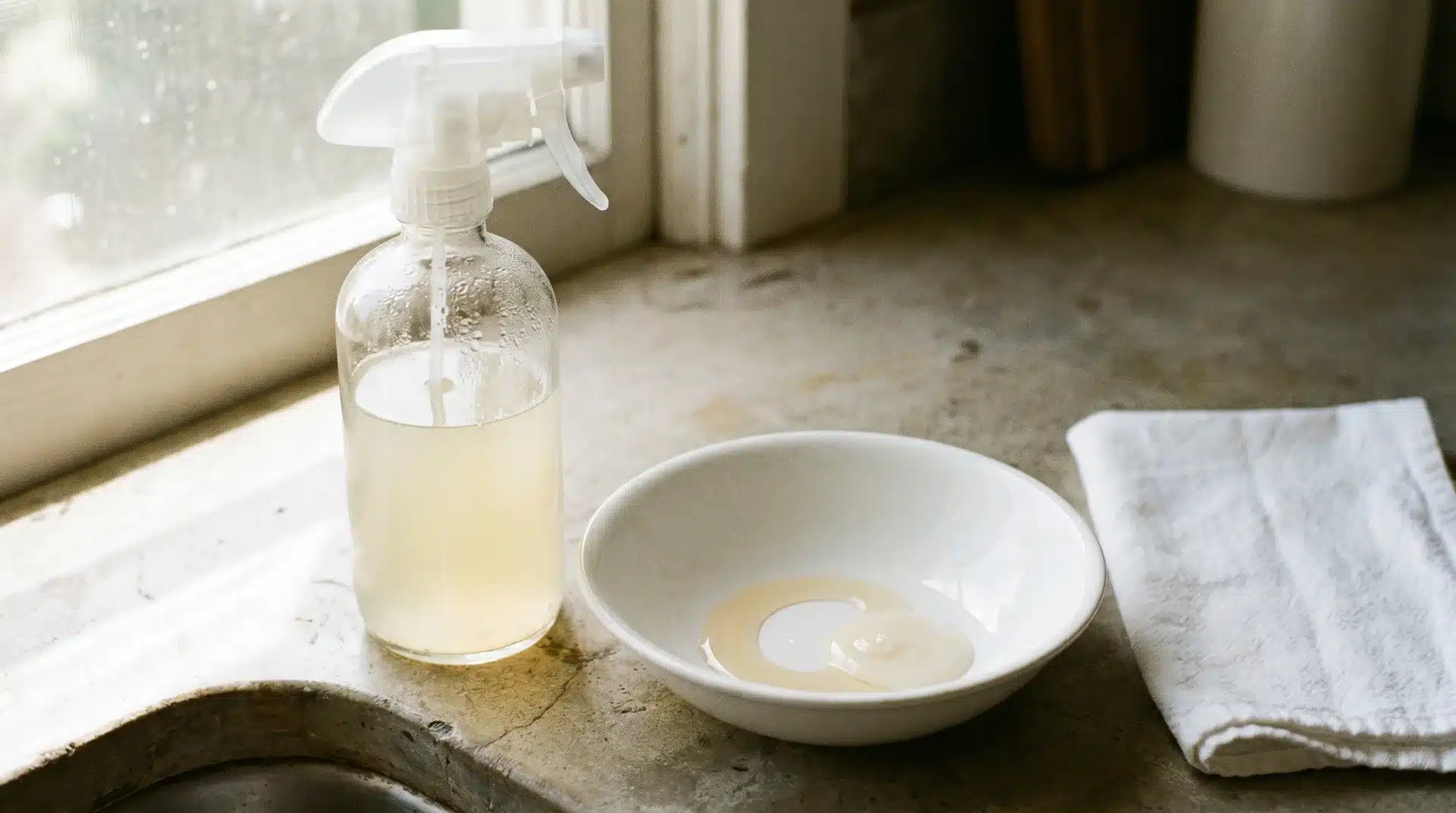
A simple mix that handles most common household spills quickly and without fuss.
What You Need:
- 1 cup warm water
- 1 tablespoon white vinegar
- 1 tablespoon clear dish soap
How to Make It:
- Combine: Pour all three ingredients into a clean spray bottle.
- Shake: Close the bottle and gently shake to mix.
- Check: Make sure the soap is fully blended before use.
How to Use It: Spray lightly on the stain, blot firmly with a clean white cloth working from the outside edge inward, then rinse with cold water and blot dry.
Best for: Coffee, juice, and general food spills.
Recipe 2: Baking Soda and Vinegar Cleaner
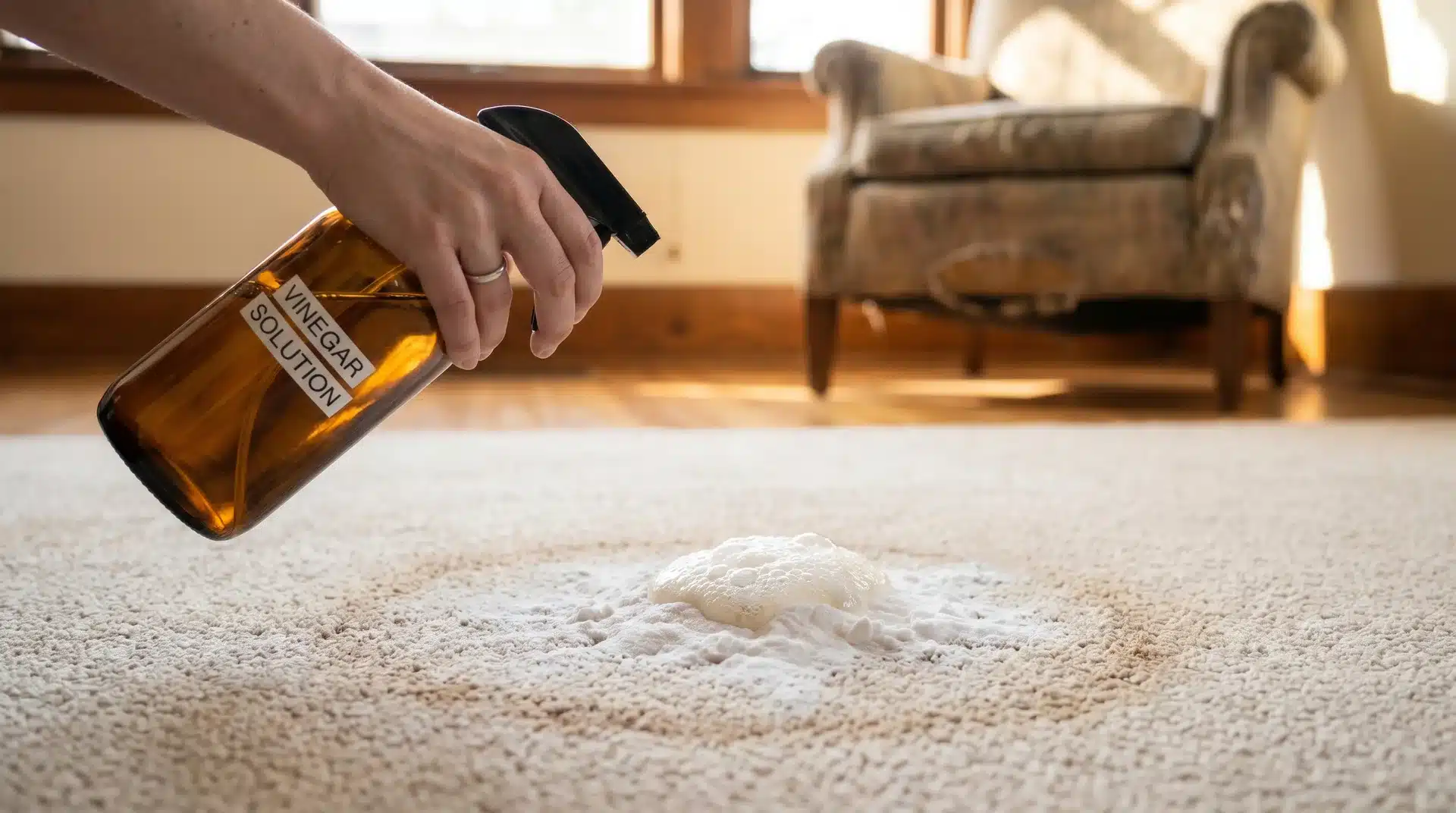
This one fizzes when it hits the stain, and that reaction is what makes it work so well on smells and fresh accidents.
What You Need:
- Baking soda (enough to cover the stain)
- 1 cup white vinegar
- 1 cup warm water
- A few drops of clear dish soap
How to Make It:
- Mix liquid: Combine vinegar, warm water, and dish soap in a spray bottle.
- Shake gently: Make sure everything is blended before using.
- Set aside: Keep the dry baking soda separate until ready to use.
How to Use It: Sprinkle baking soda on the stain and let it sit for 10 minutes, then spray the vinegar mixture on top and let it fizz for 5 minutes. Blot firmly with a clean cloth, let dry completely, and vacuum up any remaining powder.
Best for: Pet urine, odors, and musty smells.
Recipe 3: Hydrogen Peroxide Cleaner
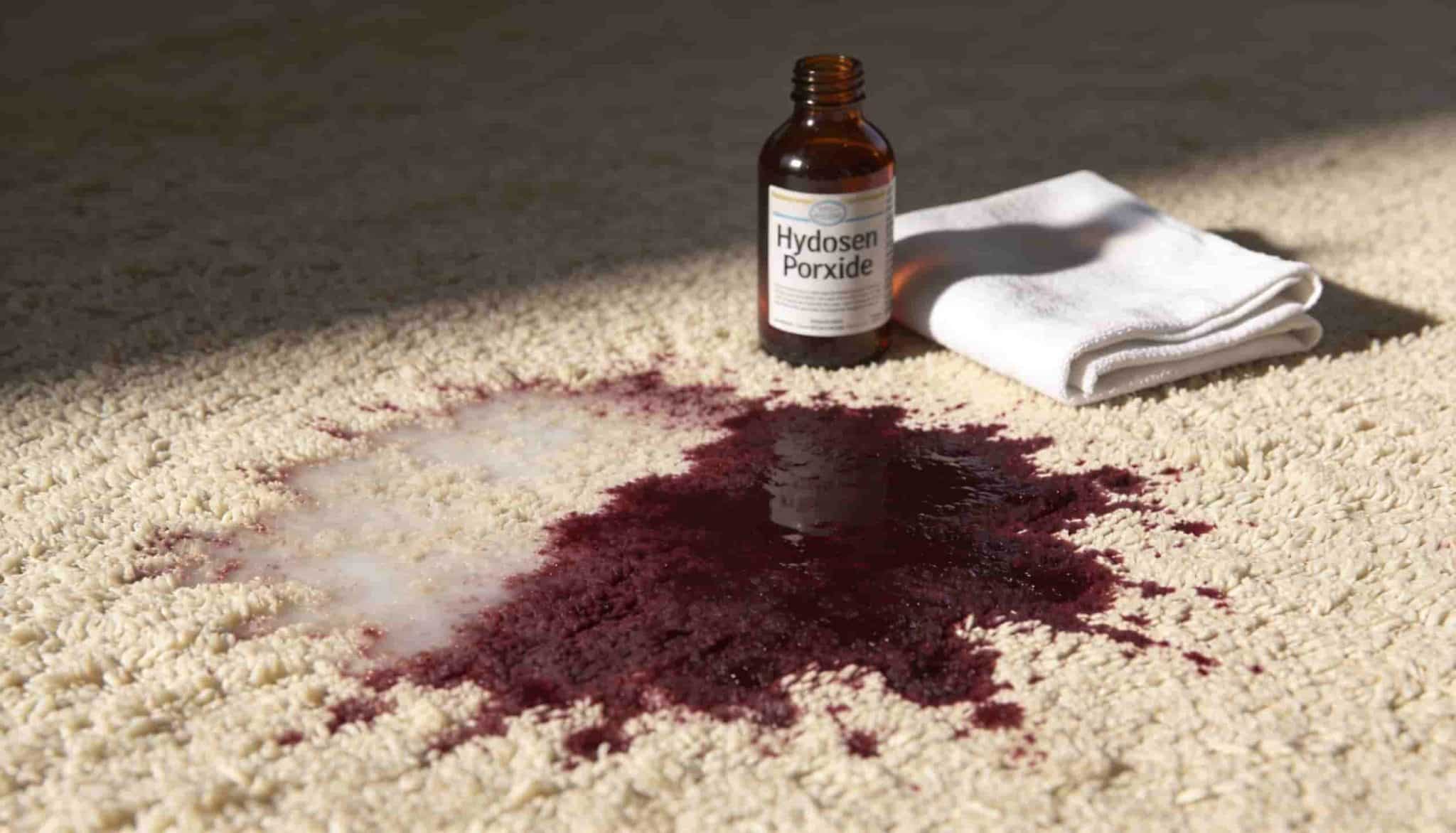
This is the stronger option in the lineup. It works well on dark stains, but you must test it first.
What You Need:
- 1 cup hydrogen peroxide (3% solution only)
- 1 teaspoon clear dish soap
How to Make It:
- Mix: Combine hydrogen peroxide and dish soap in a spray bottle.
- Use right away: This solution loses strength quickly, so apply it immediately.
- Do not store: Discard any leftover solution after use.
How to Use It: Test on a hidden carpet area first, then spray on the stain and let it sit for 5 to 10 minutes. Blot firmly with a dry cloth without scrubbing, then rinse with cold water and blot dry.
Best for: Wine, blood, and dark stains on light-colored carpets.
Warning: Do not use hydrogen peroxide on dark or brightly colored carpets. It can cause permanent fading.
Recipe 4: Salt and Cold Water Cleaner
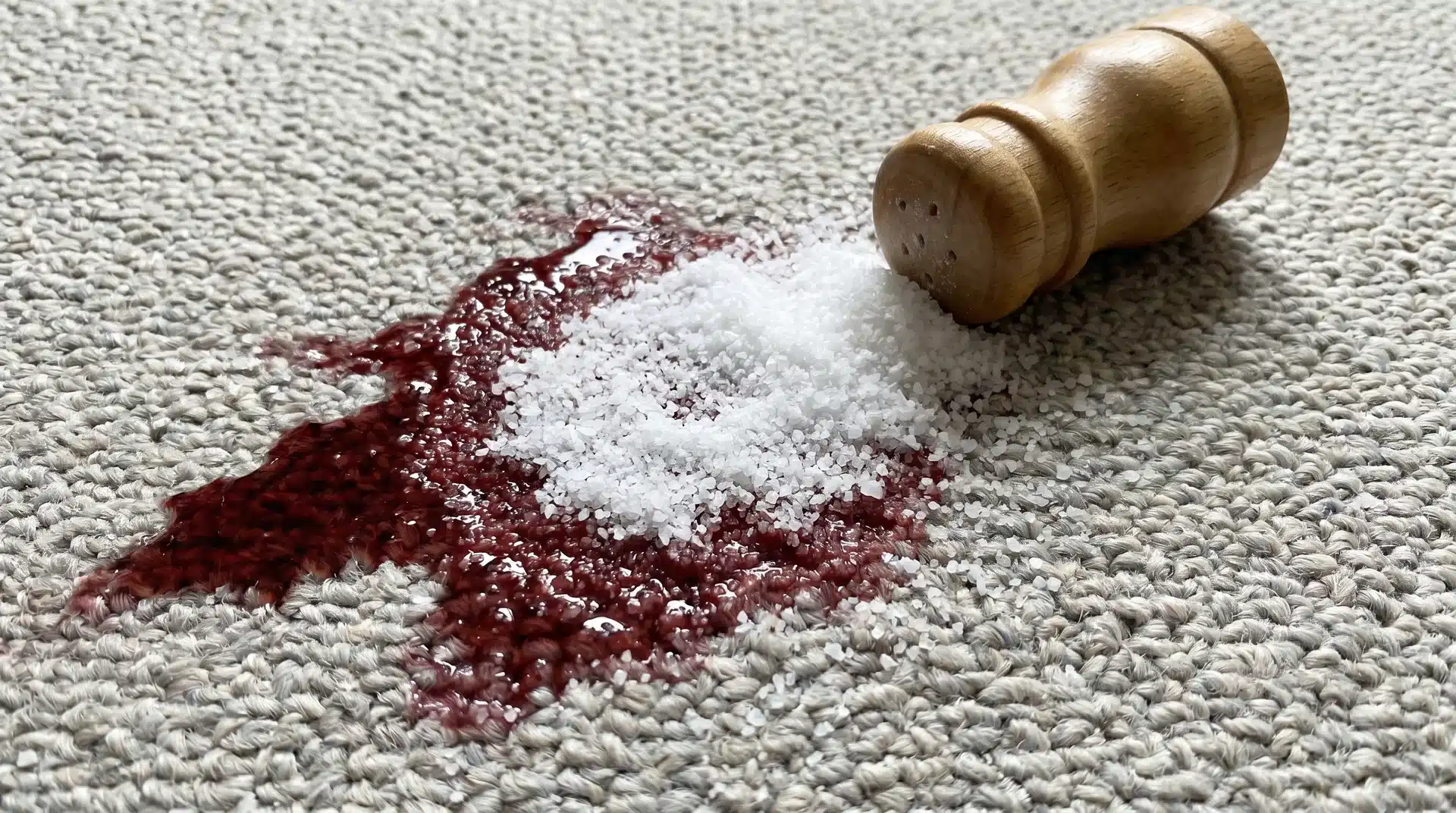
Speed is everything with this one. The faster you act, the better it works.
What You Need:
- Table salt (a generous amount)
- Cold water
How to Make It:
- Do not mix: Use the salt dry, directly from the container.
- Have cold water ready: Keep a bowl of cold water and a clean cloth nearby.
- Act fast: This only works on spills that just happened.
How to Use It: Pour salt directly onto the fresh spill to draw up the liquid, wait 5 minutes, scoop away the salt, then blot the area with a cold damp cloth until the stain lifts.
Best for: Wine, juice, or any fresh liquid spill.
Pro Tip: Never use hot water on a fresh stain. Heat can push the stain deeper into the carpet fibers and set it permanently.
Recipe 5: Club Soda Cleaner
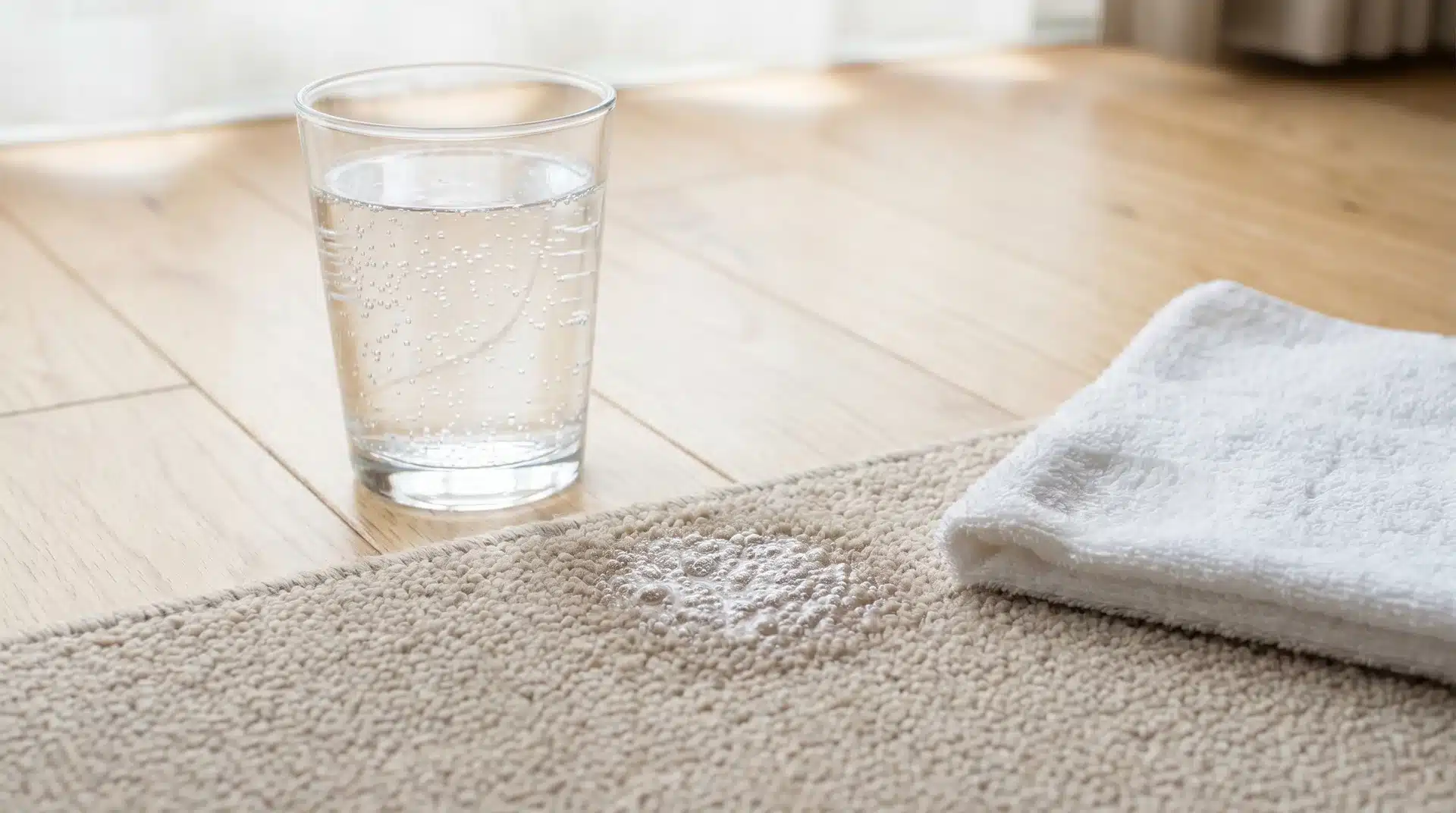
This is the gentlest option and safe for most carpet types including those used in carpet cleaning machines.
What You Need:
- Club soda (plain, unflavored)
- Clean white cloth
How to Make It:
- Keep it cold: Club soda works best when it’s cold and still carbonated.
- No mixing needed: Use it directly from the bottle.
- Check carbonation: Flat club soda will not be as effective.
How to Use It: Pour a small amount of club soda directly onto the stain, let it fizz for 2 to 3 minutes, then blot firmly with a cloth and repeat if needed until the stain fades.
Best for: Light stains, general freshening, and use in carpet cleaning machines.
How to Clean Carpets Like a Professional at Home
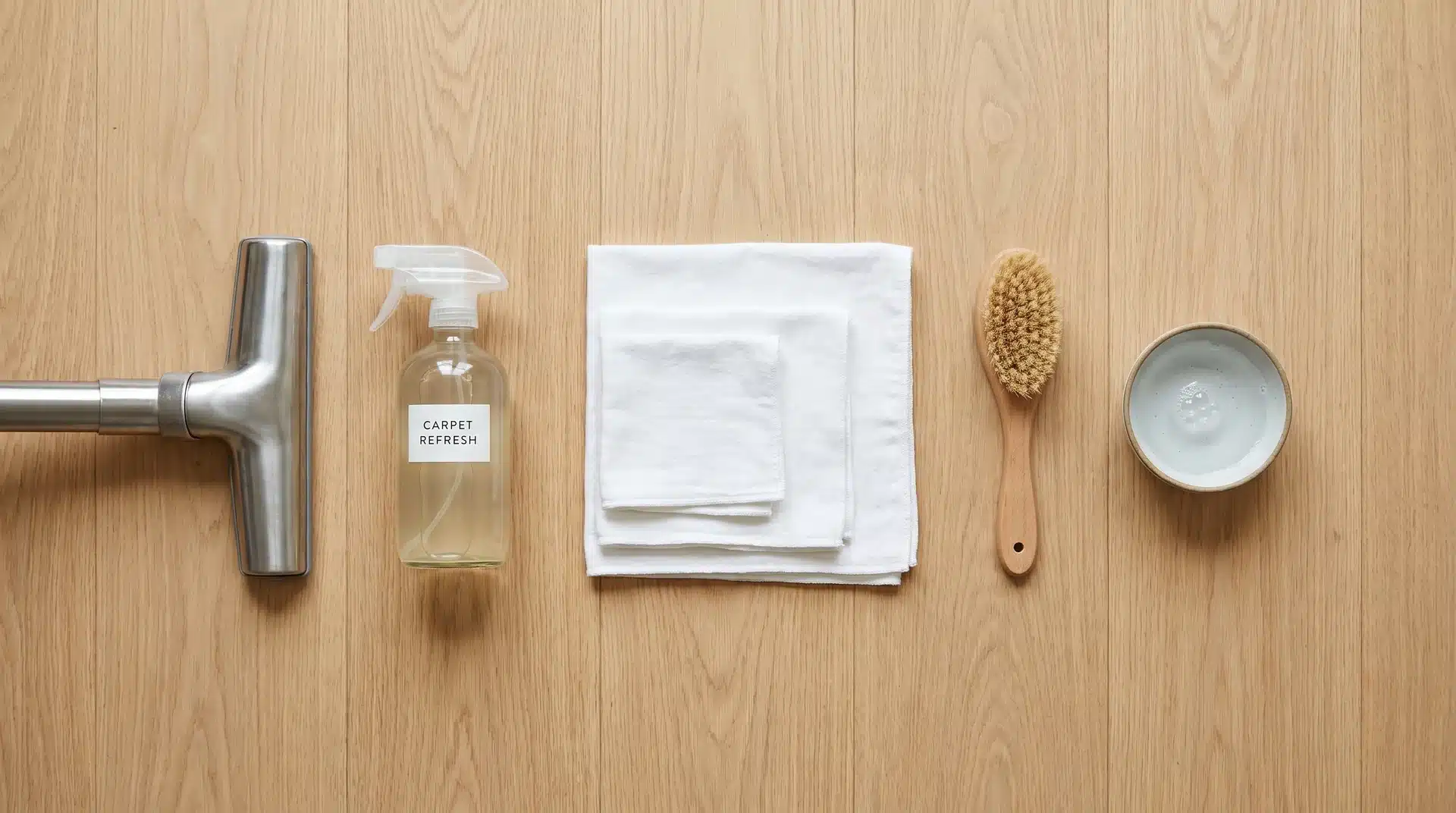
Knowing the right recipe is only half the job. The way you apply it makes a big difference in your results.
Step 1: Vacuum First, Always
Wet cleaning over dry dirt pushes grime deeper into carpet fibers. Vacuum thoroughly before applying any liquid, moving slowly in multiple directions to pull up as much loose debris as possible.
Step 2: Identify the Stain Type
Not all stains respond to the same treatment. Protein stains like blood, egg, and pet waste need cold water only since hot water sets them permanently. Oil-based stains like grease and butter need dish soap first. Tannin stains like coffee, wine, and tea respond best to a vinegar-based cleaner.
Quick reference:
| Stain Type | Best DIY Recipe |
|---|---|
| Coffee or tea | Vinegar and dish soap |
| Pet urine | Baking soda and vinegar |
| Wine | Salt first, then hydrogen peroxide |
| Grease | Dish soap and warm water |
| Mud | Let dry fully, then vacuum and blot |
Step 3: Apply the Right Amount
Less is more. Too much liquid soaks the carpet backing and can cause mold to grow underneath. Use a spray bottle for controlled application and always spray lightly rather than pouring directly.
Step 4: Blot, Do Not Scrub
Scrubbing spreads the stain wider and can fray carpet fibers. Always blot with firm, steady pressure using a clean white cloth. Work from the outer edge of the stain toward the center so you don’t spread it.
Step 5: Rinse and Dry Completely
After cleaning, blot the area with a cloth dampened with plain cold water to remove any soap or vinegar residue left behind. Residue left in the carpet will attract more dirt over time. Place a dry towel over the damp spot, press down firmly, and let the carpet air dry fully before walking on it.
Pro Tip: Place a fan near the cleaned area to speed up drying. A damp carpet left sitting too long can develop mold under the surface.
Homemade Carpet Cleaner vs. Store-Bought: Which One Wins?
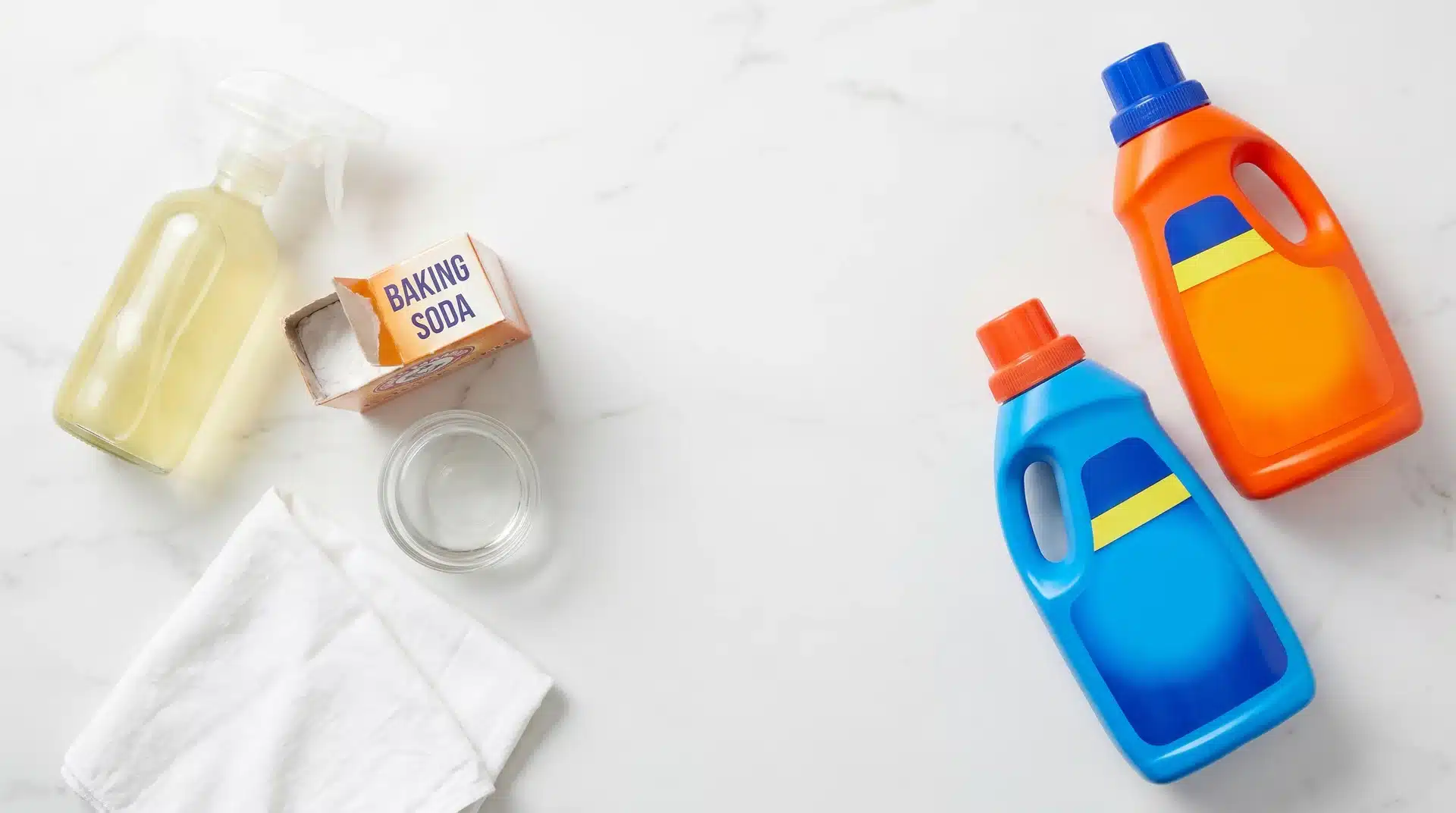
Both have their place, and the right choice depends on what you’re dealing with. Here’s a straightforward comparison.
| Category | Homemade Carpet Cleaner | Store-Bought Cleaner |
|---|---|---|
| Cost | Very low (under $5) | $10 to $25 per bottle |
| Ingredients | Known, simple, kitchen-based | May contain harsh chemicals |
| Safe for kids and pets | Yes, when made with gentle ingredients | Varies by product |
| Availability | Always on hand | Requires a store trip |
| Fresh stain performance | Very good | Good to very good |
| Old or set-in stains | Limited | Better, especially enzymatic formulas |
| Odor removal | Good with baking soda and vinegar | Varies |
| Shelf life | Short (make fresh each time) | Long |
| Best use case | Regular upkeep and fresh stains | Deep cleaning and stubborn old stains |
For everyday maintenance and fresh spills, a good DIY carpet cleaner works very well. For deeply set stains that have been sitting for weeks, a store-bought enzymatic cleaner may do a better job. Many homeowners keep both on hand.
Safety Tips and Risks You Should Know
DIY cleaners are generally safe, but a few things can go wrong if you skip some basic precautions.
- Ventilate the room: White vinegar has a strong smell while wet. Open windows during cleaning. The odor fades as the carpet dries.
- Test hydrogen peroxide first: It can bleach or lighten dark and patterned carpets permanently. Always patch test in a hidden corner.
- Never mix different cleaning products: Combining vinegar and hydrogen peroxide, or either with bleach, creates harmful fumes. Use one recipe at a time.
- Label your spray bottles: Mark any bottle clearly so no one uses it by mistake for something else.
- Discard peroxide solutions after use: Hydrogen peroxide mixtures lose their strength fast and should not be stored overnight.
- Know your carpet type: Wool and silk carpets are fragile. Avoid vinegar and hydrogen peroxide on natural fiber carpets entirely. When in doubt, call a professional.
How Often Should I Clean the Carpet?
For general freshness, a light clean every one to two months is plenty for most households. Treat stains as soon as they happen since fresh spills are far easier to remove than ones that have had time to set.
For a more thorough clean across the whole carpet, aim for every six to twelve months depending on foot traffic, pets, and kids in the home.
Conclusion
A good homemade carpet cleaner does not require a trip to the store or a long ingredients list.
White vinegar, baking soda, dish soap, and a little cold water handle most common stains when you use them the right way.
The key habits to remember are simple: vacuum first, blot instead of scrub, use less liquid than you think you need, and always let the carpet dry fully.
For deeply set stains that won’t budge, a commercial enzymatic product may be the better call. Keep your carpets clean and they’ll last much longer.
Which of these DIY carpet cleaner recipes are you going to try first? Share your results in the comments below.
Frequently Asked Questions
What Can You Use Instead of Carpet Shampoo?
You can use a mix of white vinegar, warm water, and a few drops of clear dish soap as a direct substitute for carpet shampoo on most stains.
Can Dawn and Vinegar Clean Carpet?
Yes, a mixture of Dawn dish soap and white vinegar diluted in warm water works well on most everyday carpet stains without damaging fibers.
Can I Make My Own Carpet Shampoo for a Machine?
Yes, combine warm water, white vinegar, and a small amount of clear dish soap in your machine’s tank, but always check your machine’s manual first to confirm.
Can I Make My Own Solution for the Bissell Carpet Cleaner?
Yes, a mix of warm water, white vinegar, and a few drops of dish soap works in most Bissell machines, but avoid excess soap to prevent foam buildup.