The moment you hang curtains in a room, everything shifts. Suddenly, the space feels intentional, layered, and pulled together in a way that furniture alone never quite achieves.
But get the length wrong, and that same room can look awkward, unfinished, or just a little off.
So, should curtains touch the floor? Almost always, yes, but the real answer is a little more nuanced than that.
Ahead, find every designer-approved length, the exceptions worth knowing, and the mistakes that are surprisingly easy to avoid.
The Real Reason Designers Always Go Floor-Length
Walk into any beautifully styled room, and you will almost never see curtains that stop halfway down the wall.
There is a reason for that.
Floor-length curtains are the default standard in interior design because they do something shorter lengths simply cannot: they complete the room.
They draw the eye upward, making ceilings feel taller, and they give the entire space a sense of proportion that feels intentional and refined. It is a small detail with a quietly dramatic payoff.
The 3 Designer-Approved Curtain Lengths
Not all floor-length curtains are created equal. Depending on the look you are going for and how you actually live in your space, one of these three styles will feel like it was made for your room.
1. “Kiss the Floor” Length
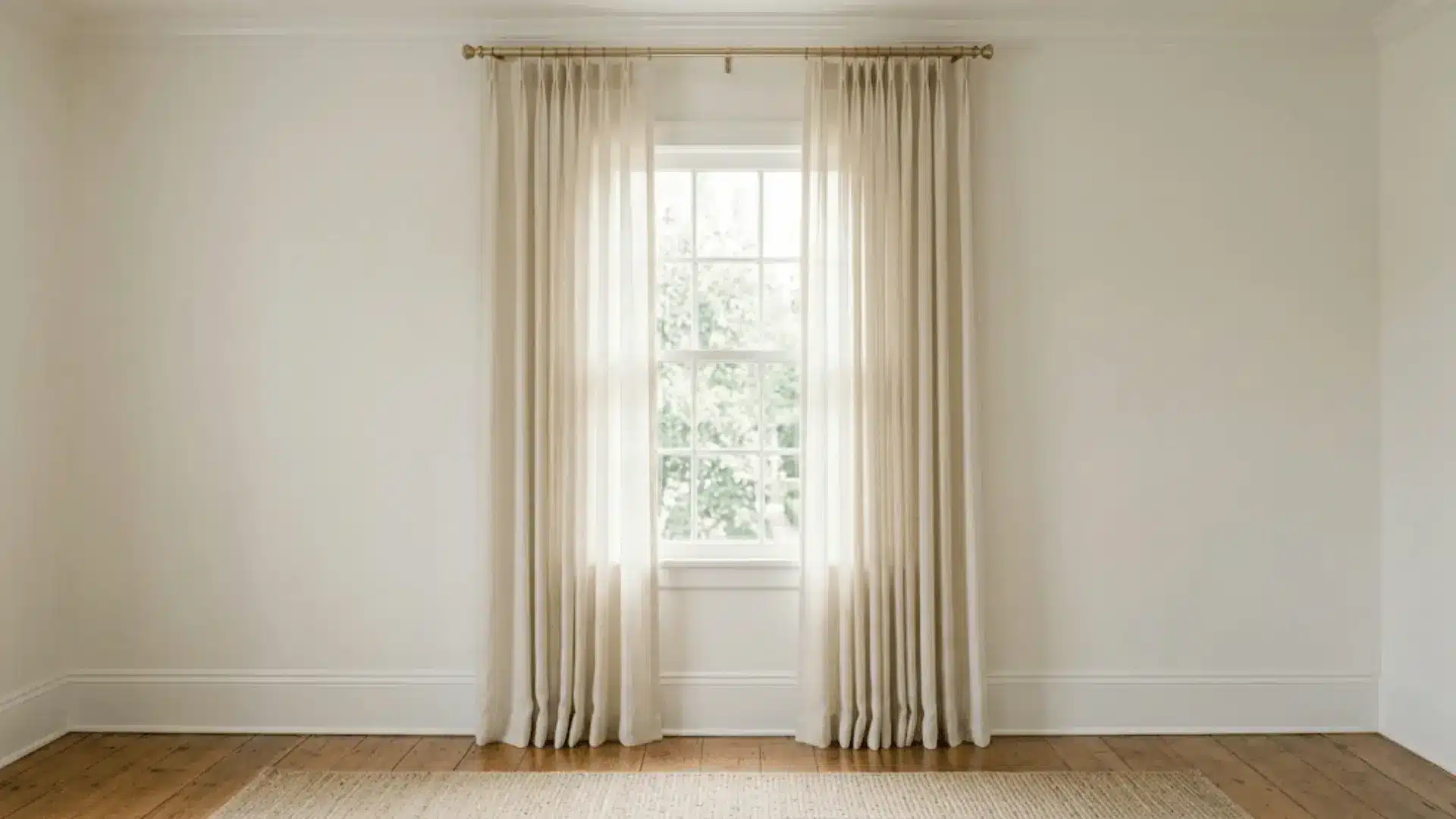
This is the one designers reach for almost every single time. The curtain fabric lightly grazes the surface, creating a look that feels clean, tailored, and quietly sophisticated.
It works across almost every interior style, from minimalist to maximalist, and it is genuinely hard to get wrong. If you are ever unsure about which length to choose, this one is your answer.
2. Float Slightly Above the Floor
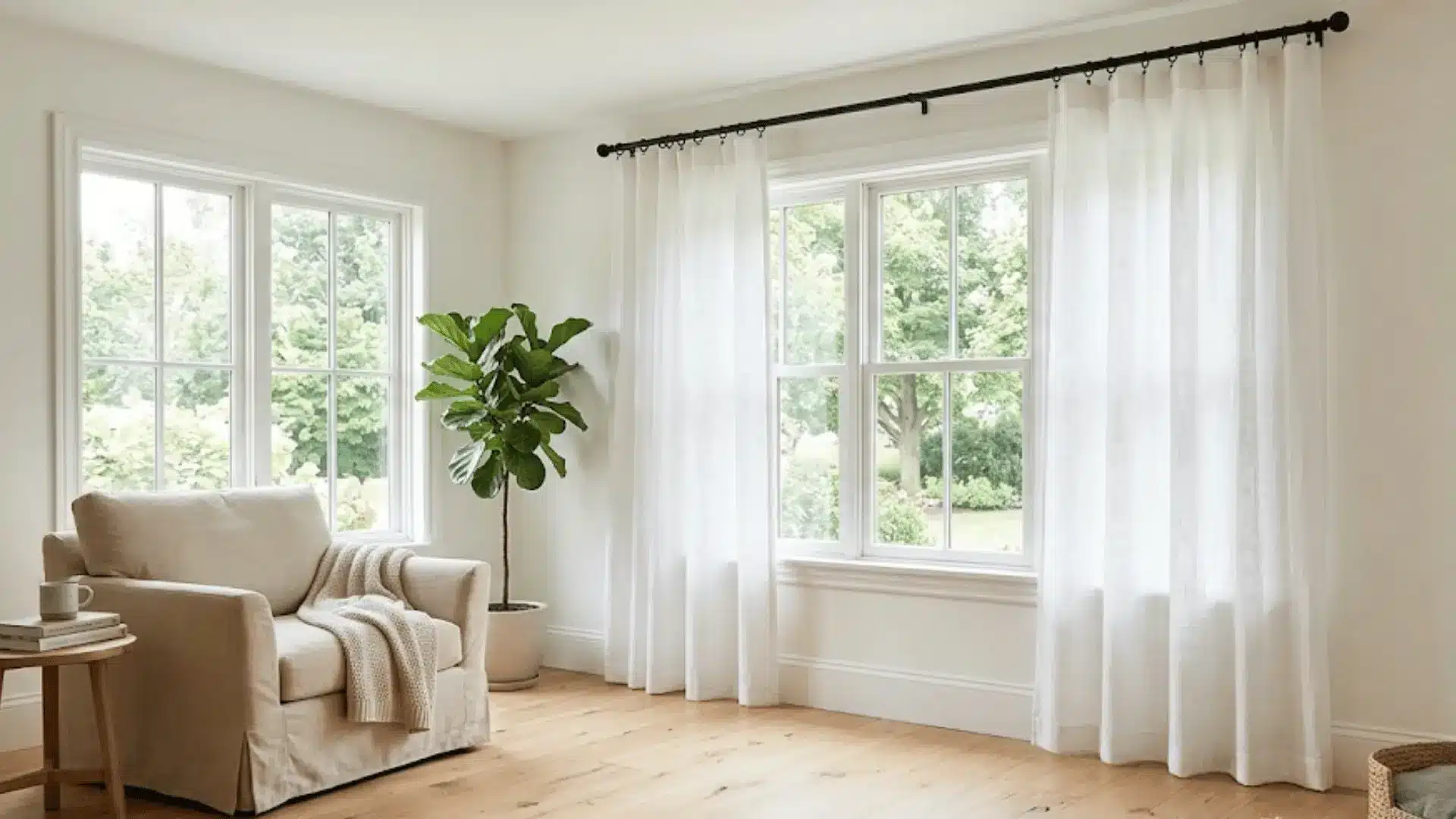
Hovering just a breath above the floor, this style is the practical person’s alternative to perfection. It still reads as intentional and polished, but it comes with real-life advantages.
Homes with pets, kids, or high-traffic areas benefit most here since there is no fabric dragging, collecting debris, or fraying over time. Designers approve it wholeheartedly, especially in casual or functional spaces.
3. Puddling Curtains
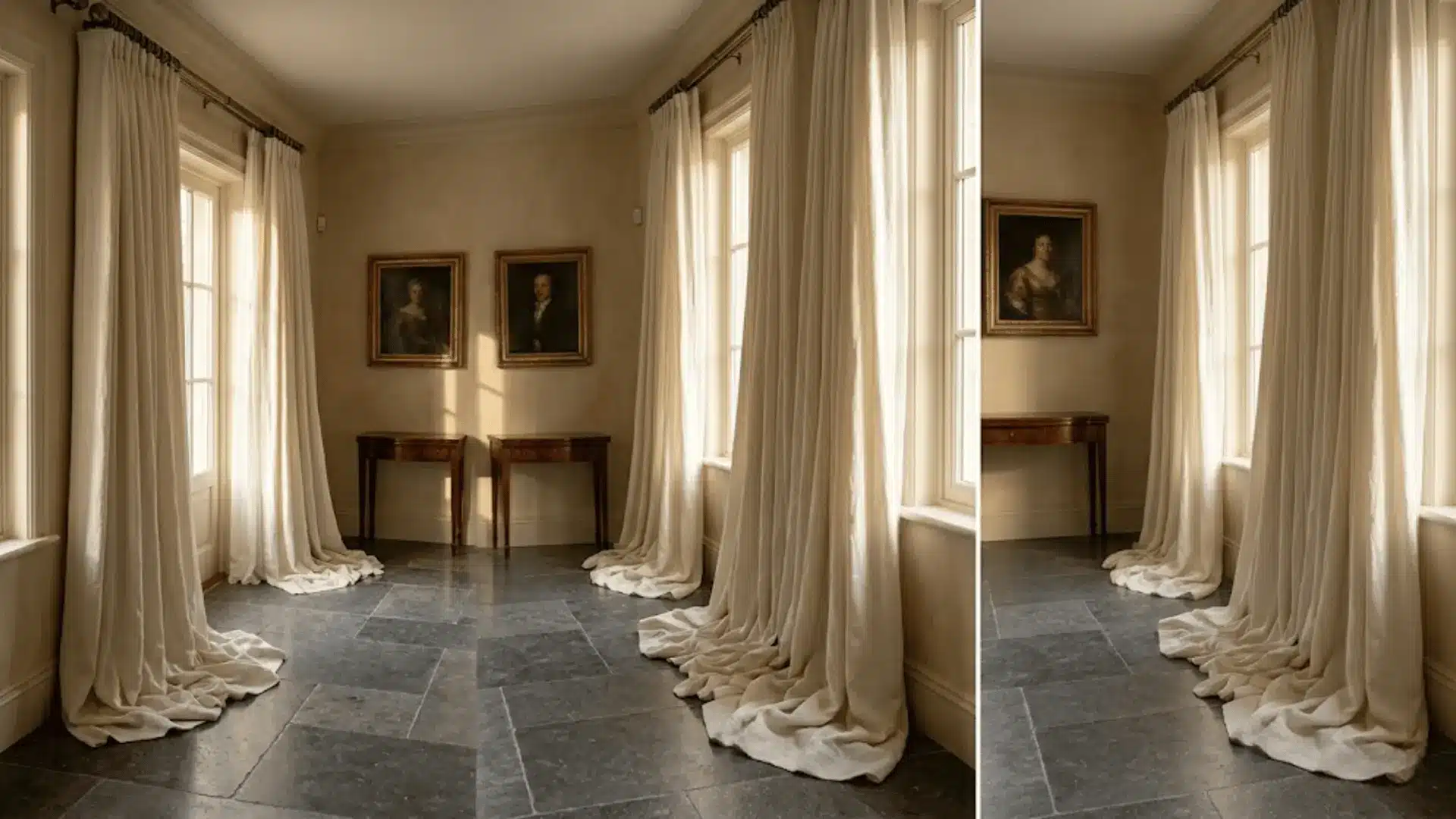
Puddling is essentially a curtain drama turned all the way up. The extra fabric spills and pools onto the floor, evoking something straight out of a grand, romantic interior.
It is undeniably beautiful and works wonderfully in formal living rooms or bedrooms styled for atmosphere. That said, it collects dust faster and is harder to maintain, making it a deliberate aesthetic choice rather than an everyday one.
Why Floor-Length Curtains Just Work?
Floor-length curtains earn their reputation for a reason. They draw the eye upward, creating the illusion of taller ceilings and a more spacious room overall.
They also bring a sense of cohesion to a space, making everything feel deliberately designed rather than randomly assembled.
On a practical note, longer curtains naturally conceal hardware, rods, and any awkward wall gaps that shorter lengths tend to expose.
And above everything else, they simply add a layer of softness and classiness that converts a room from ordinary to genuinely considered.
When Floor-Length is Not the Right Call
As much as floor-length curtains are the gold standard, they are not always the most sensible choice.
Some spaces genuinely call for something different, and knowing when to break the rule is just as important as knowing the rule itself.
Practical Exceptions
Sometimes the smarter choice is the shorter one. If any of these apply to your space, floor-length curtains may cause more trouble than they are worth:
- Radiators or Heaters Beneath Windows: Fabric that sits too close to a heat source is a safety concern and can damage the curtains over time.
- Kitchens and Bathrooms: Moisture, steam, and everyday mess make long curtains impractical and harder to keep clean in these rooms.
- High-Traffic Areas: Hallways or busy living spaces where curtains get brushed past constantly are better served by a length that stays out of the way.
- Homes with Pets or Small Children: Pulling, chewing, and general chaos make floor-length fabric more of a liability than a design feature.
Smarter Alternatives Worth Considering
Shorter curtains are not your only option when floor-length does not fit.
These alternatives offer both function and style without compromising the look of your space:
| Alternative | Best For | Why It Works | Style Vibe | Maintenance Level |
|---|---|---|---|---|
| Blinds or Shades | Kitchens, bathrooms, and small windows | Clean, minimal, moisture-resistant | Modern, minimalist | Low |
| Café Curtains | Kitchen windows, street-facing rooms | Lets light in while maintaining privacy | Cottage, vintage, casual | Low to medium |
How to Choose the Right Curtain Length?
The right length is rarely just about aesthetics; it is about how your space functions and what you want it to feel like every day.
Keep these in mind before you decide:
- Modern or Minimal Spaces: The kiss or float length keeps things sleek and contemporary.
- Traditional or Formal Rooms: A slight puddle adds the warmth and drama these spaces are styled for.
- High-Use Areas: Prioritize easy cleaning and practicality over a purely decorative length.
- Heavier Fabrics: Account for natural stretch over time, which can push your length longer than intended.
- Light, Airy Fabrics: These move and drape more freely, making them especially forgiving across all three lengths.
At the end of the day, the best curtain length is the one that fits how you live in your space, just as much as how you want it to look.
What Real People Actually Think?
The consensus among everyday homeowners lines up closely with what designers say, just with more lived-in reasoning behind it.
In this Reddit thread on r/HomeDecorating, the general lean is toward curtains that just graze or kiss the floor for that effortlessly custom feel, while those prioritizing practicality prefer hovering slightly above to keep things manageable.
Floor-length always reads better than anything shorter, but how close you get to the floor often comes down to how you actually live in your space.
Curtain Length by Room
Every room has its own personality, and the right curtain length should speak to that.
Here is a quick breakdown to help you decide without second-guessing:
| Room | Recommended Length | Ideal Drop | Why It Works | Best Style |
|---|---|---|---|---|
| Living Room | Floor-length | 96–108 inches | Elevates proportions and adds height | Kiss or slight puddle |
| Bedroom | Floor-length with soft break | 96–108 inches | Adds warmth and a restful feel | Kiss or gentle puddle |
| Kitchen | Hover or shorter | 36–45 inches | Stays clear of moisture and mess | Float or café curtains |
| Bathroom | Above floor | 24–36 inches | Resists humidity and stays hygienic | Blinds or short panels |
Wrapping Up
At the end of the day, whether your curtains kiss the floor, hover just above it, or pool dramatically, the goal is always the same: a space that feels intentional and entirely yours.
Should curtains touch the floor? In most rooms, yes, and now you know exactly why.
Trust the length that suits how you live, not just how a room looks in a photograph.
Got a curtain length that worked beautifully in your space? Drop it in the comments below. We would love to see what you went with.
Frequently Asked Questions (FAQs)
How Far Should Curtains Be from the Floor?
Ideally, curtains should sit anywhere from flush with the floor to just one inch above it. Anything beyond that starts to read as too short and can throw off the entire proportion of the room.
Are Short Curtains Outdated?
In most modern interiors, yes. Short curtains tend to make ceilings feel lower, and spaces feel less finished, though they remain a practical exception in kitchens and bathrooms.
Is Puddling Still in Style?
Puddling is very much still in style, but it works best as a deliberate, decorative choice. It suits formal living rooms and bedrooms beautifully, but is not ideal for everyday, high-traffic spaces.