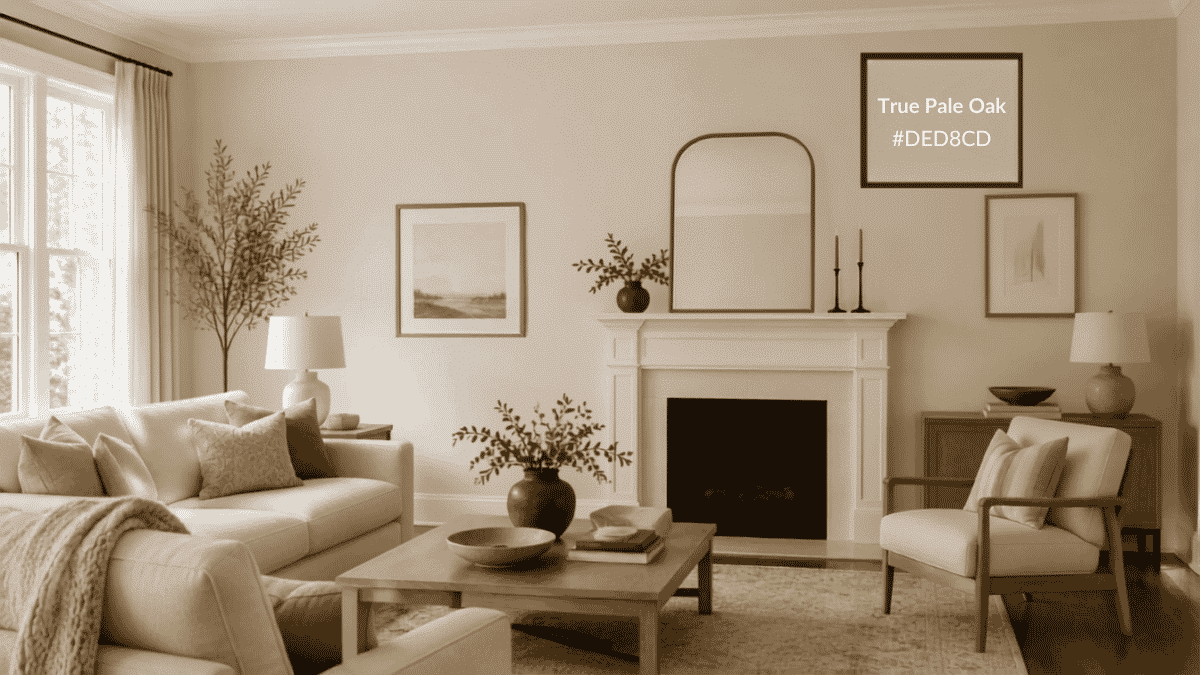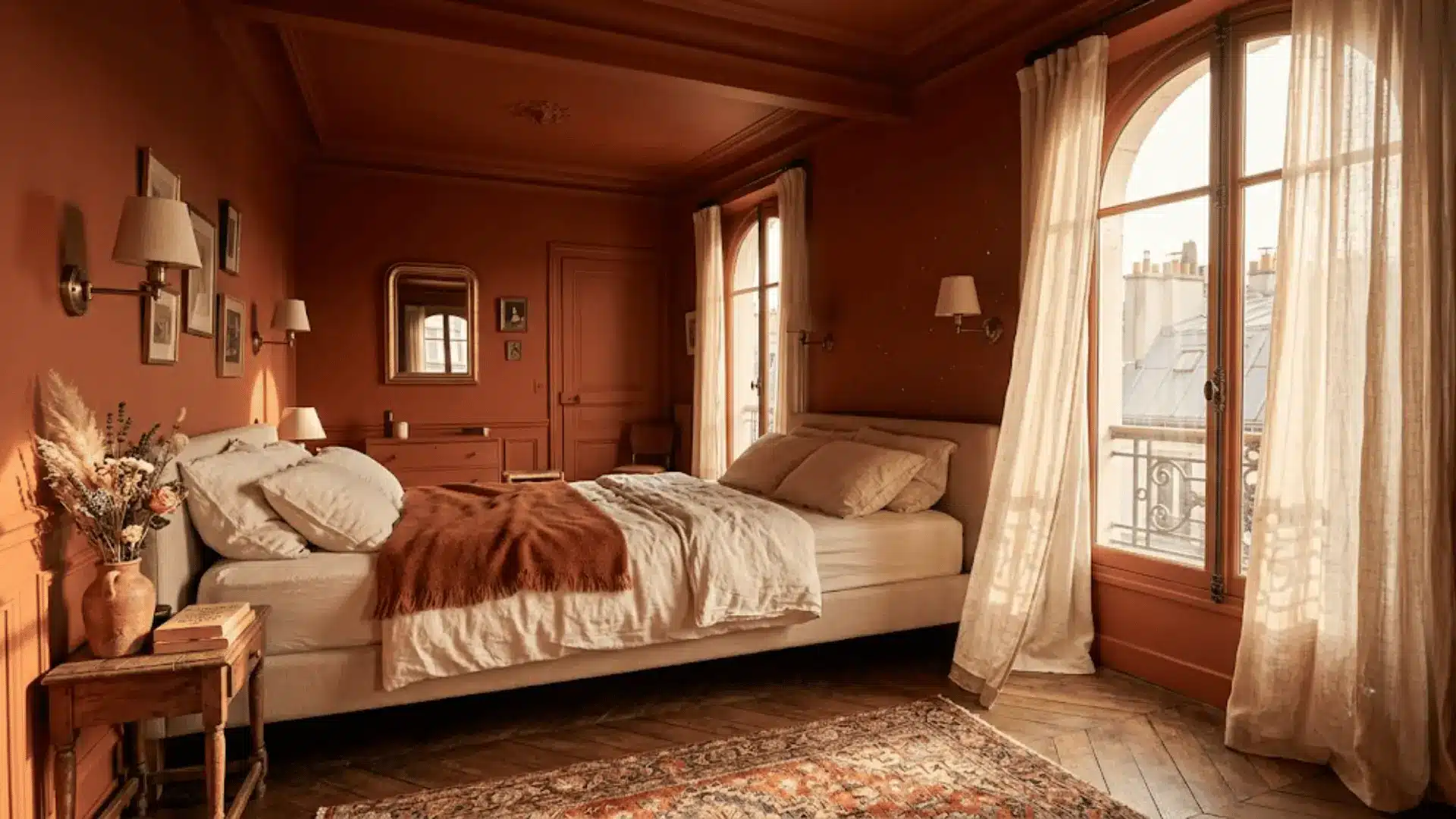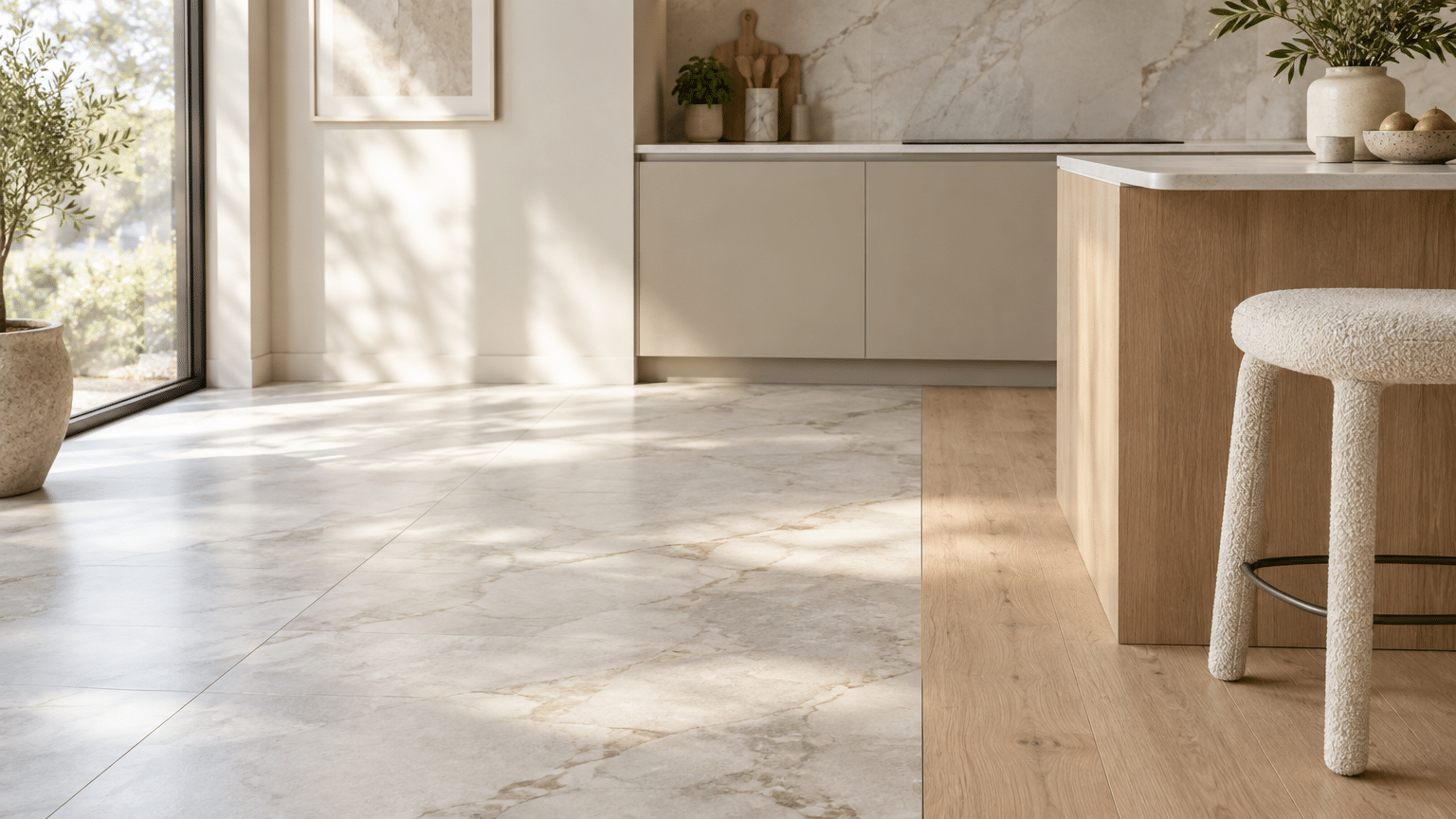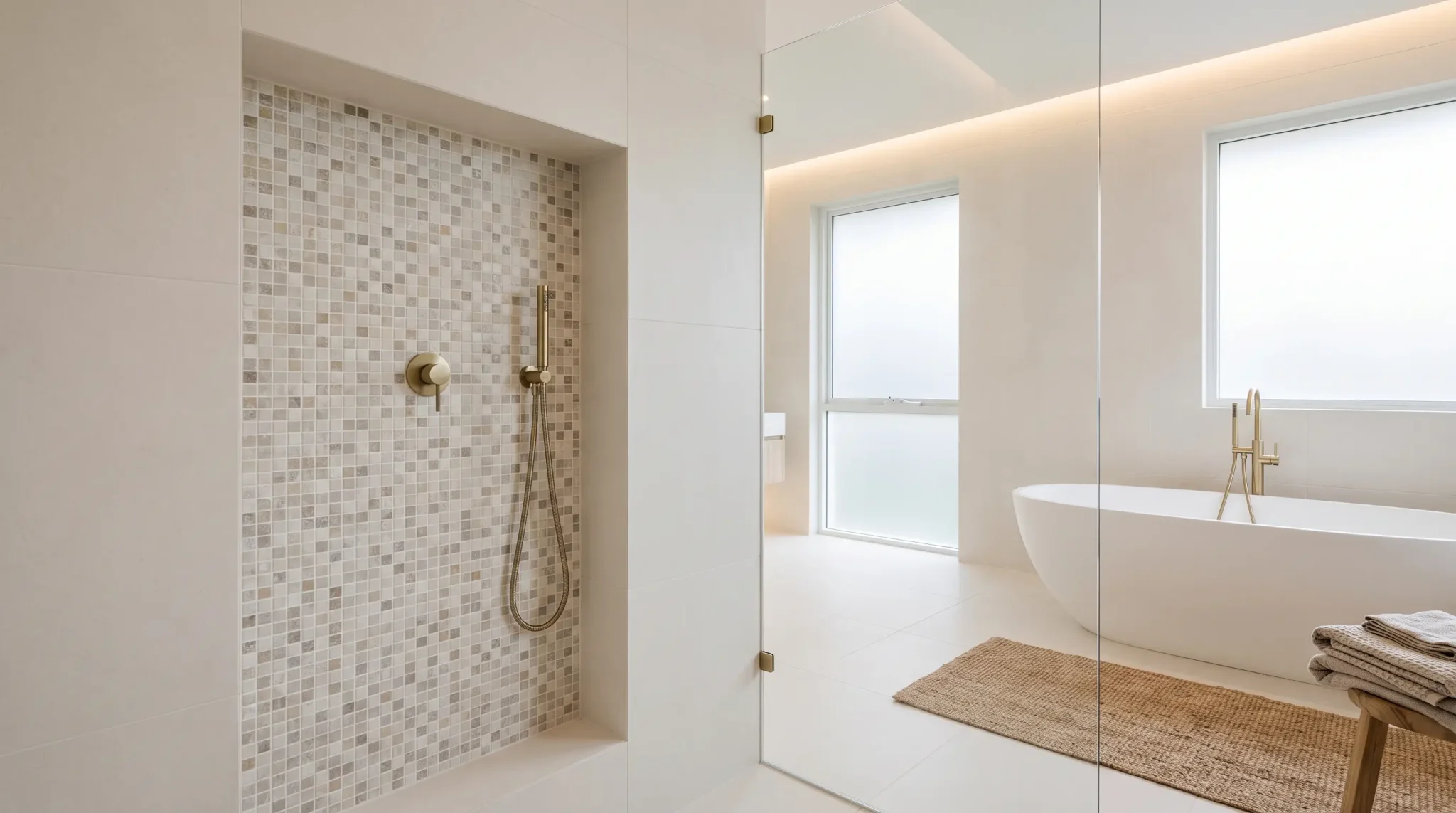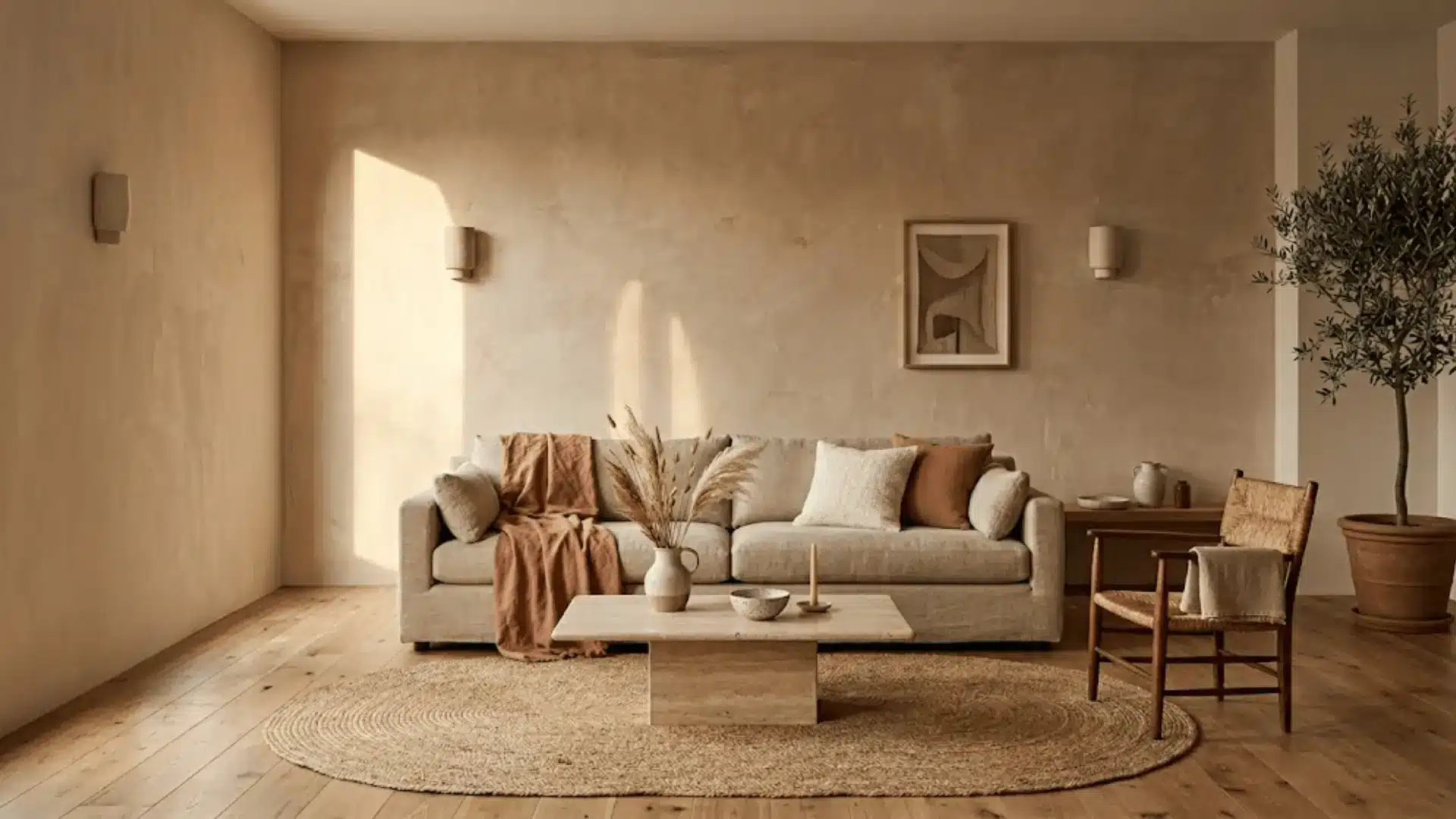
Scroll through any home decor feed, and you’ll notice accent walls look a little different lately.
The bold, standalone feature wall has quietly evolved, and honestly? It’s for the better.
Accent walls aren’t going anywhere, but the way we’re using them has shifted in the most beautiful direction.
If you’ve been wondering whether yours feels current or a little dated, you’re about to find out exactly where the trend stands, what still works, and how to pull it off in a way that feels intentional and effortlessly stylish.
So You Want One Wall to Do All the Talking?
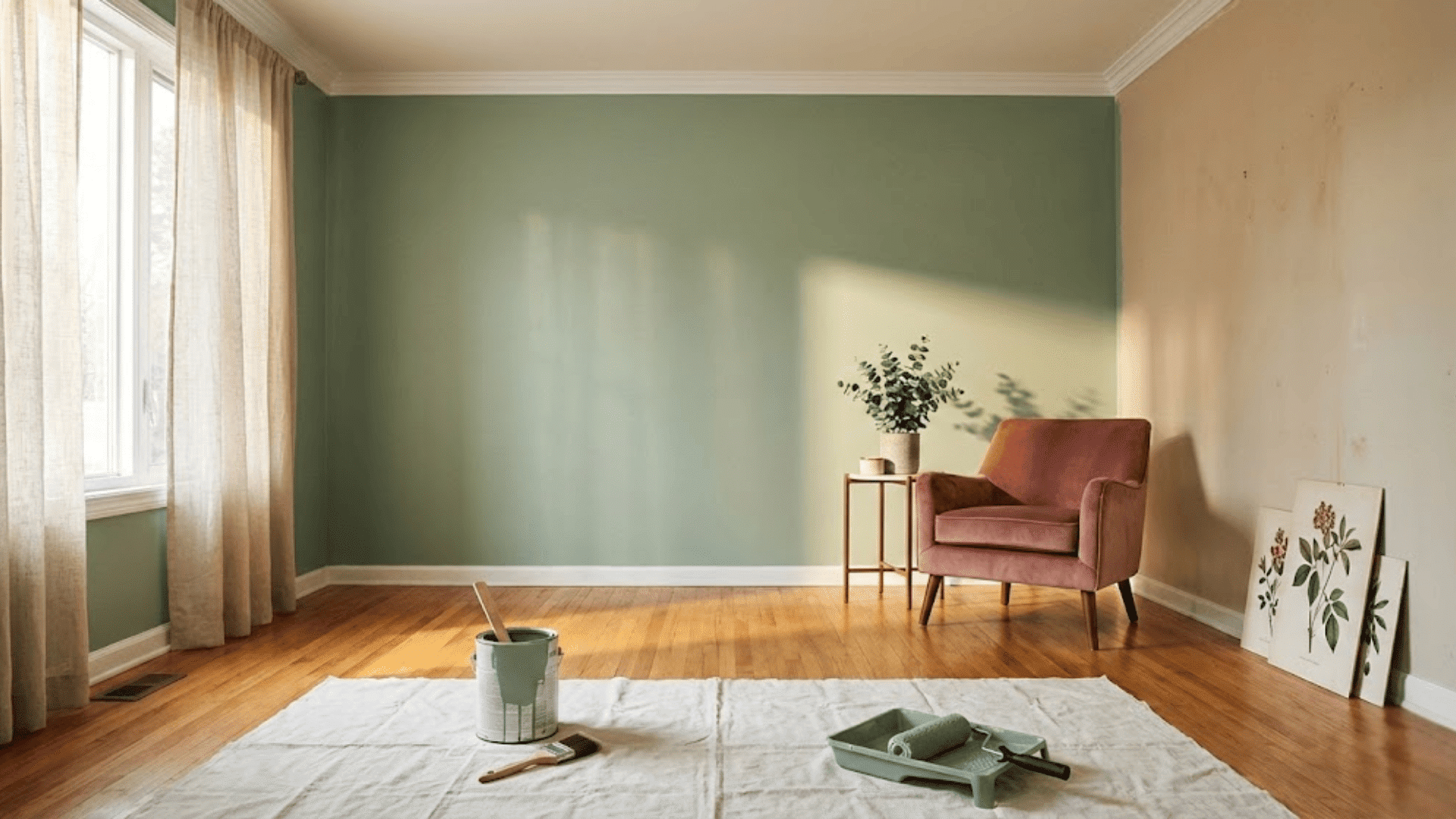
An accent wall is simply one wall in a room that’s designed to stand out, and for a long time, it felt like the easiest design move you could make.
One coat of a bold paint color, and suddenly your space had personality.
It became so popular because it delivered real visual impact without a big budget or a full room overhaul. It gave every space a clear focal point, something for the eye to land on.
High-contrast colors and dramatic feature walls were everywhere, and it made sense why.
Why Some Accent Walls are Starting to Feel a Little Tired?
Design moves in cycles, and the traditional accent wall is hitting that awkward phase where it feels more expected than exciting.
Here’s what’s making it feel dated:
- Random contrast can make a wall feel disconnected from the rest of the room.
- The “one dark wall” formula has become too predictable to feel intentional.
- Modern interiors are leaning into immersive, whole-room design instead.
- Flat, single-color walls lack the depth and texture that contemporary spaces are built around.
When a design trick becomes a default, it stops feeling like a choice.
Are Accent Walls Still in Style?
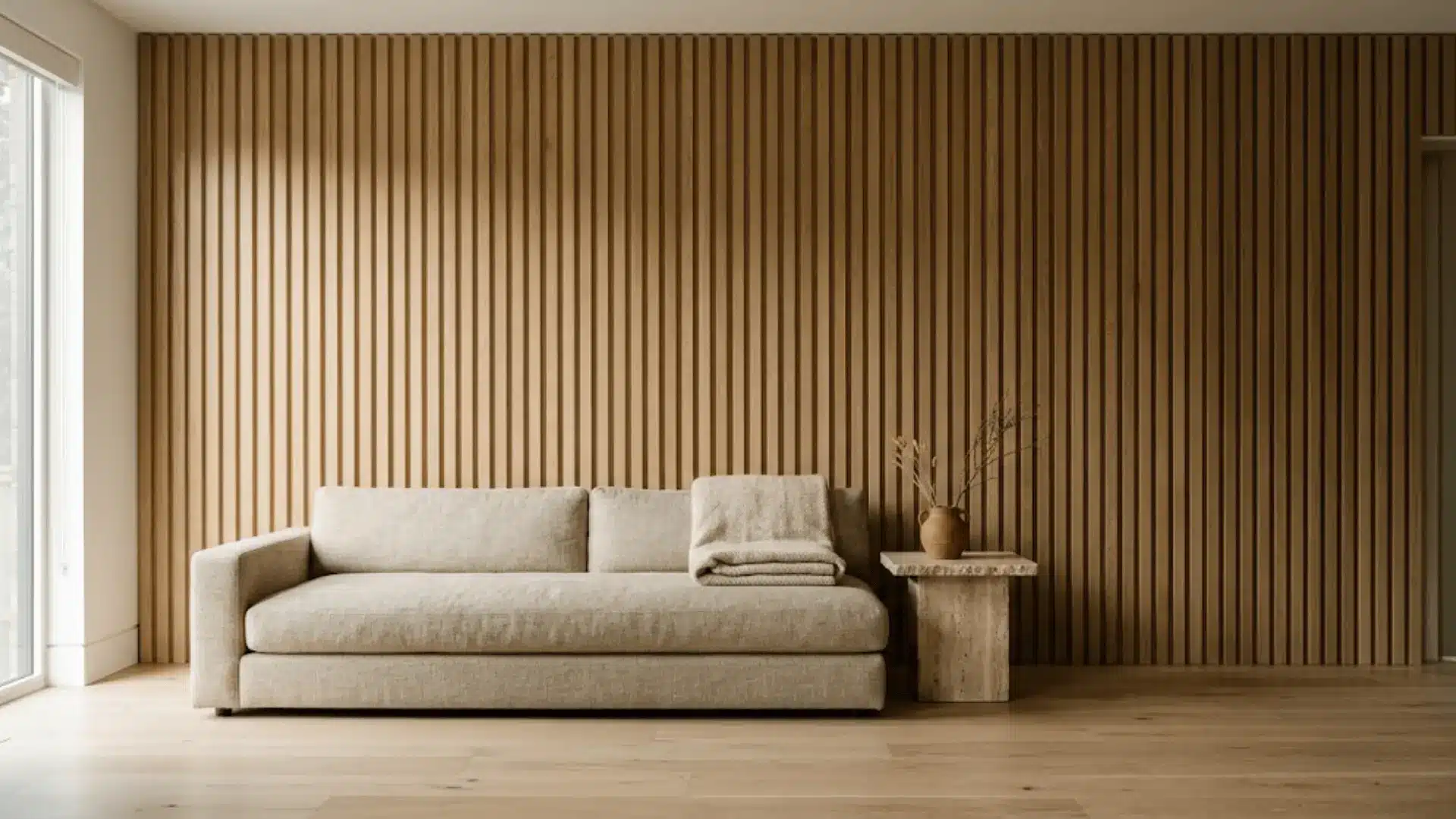
The accent wall isn’t dead, it just grew up. What works now is more intentional, more layered, and a lot more interesting than a single coat of contrast paint.
1. Textured Walls
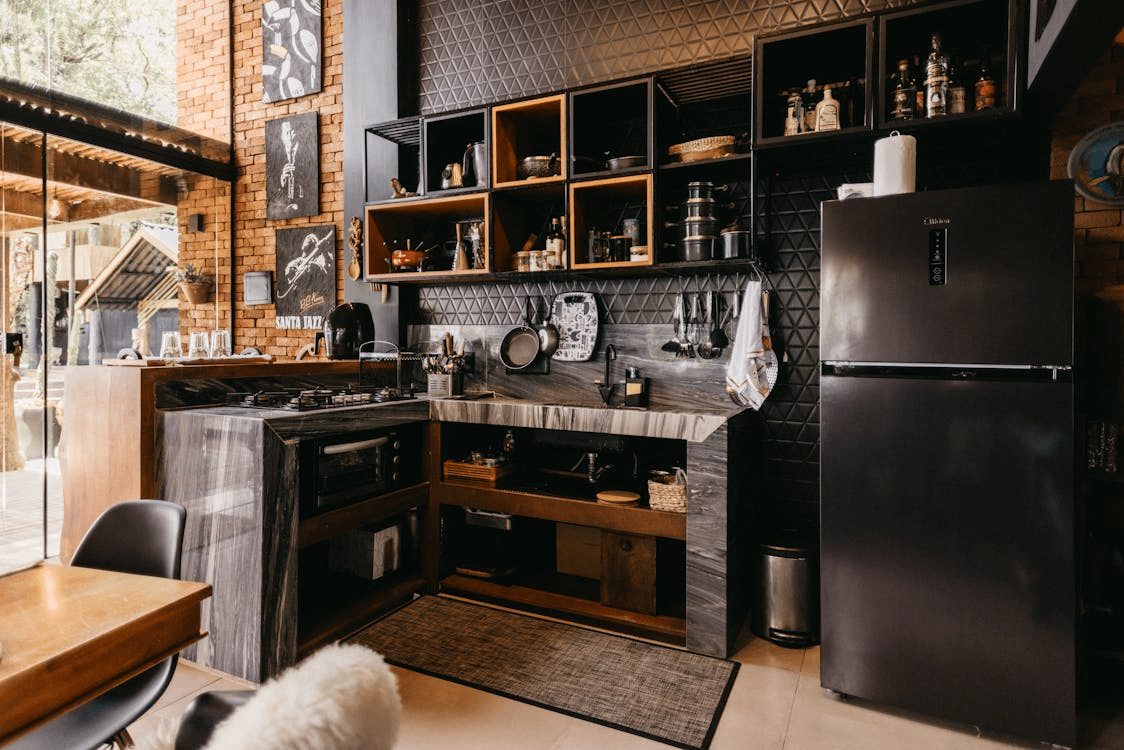
Wood slats, plaster finishes, and stone cladding have completely changed what an accent wall can feel like.
Instead of color doing all the work, texture adds dimension that shifts with the light throughout the day. It feels architectural rather than decorative, which is exactly why it reads as intentional and modern rather than a quick fix.
2. Statement Wallpaper or Murals
A well-chosen wallpaper or hand-painted mural turns a wall into something you actually want to look at.
The difference now is in the restraint, one wall, the right pattern, and nothing competing with it. It anchors the room without overwhelming it, and when done well, it feels more like art than a trend.
3. Subtle Tonal Contrast
Harsh contrast is out, tonal contrast is very much in. Think a deeper shade of the same color family rather than two completely different hues fighting for attention.
It creates a soft, genteel depth that feels cohesive and considered, the kind of thing that looks expensive without announcing itself too loudly.
4. Architectural Features
Paneling, molding, and built-in details bring a structural quality to accent walls that paint simply cannot replicate.
These elements add character and permanence to a space, borrowing from classic design language while feeling completely current. It’s the kind of accent wall that looks like it was always meant to be there.
When an Accent Wall Works Against the Room
Not every accent wall is pulling its weight, and sometimes the signs are subtle enough that you don’t notice until something just feels off.
A few things that tend to date a space quickly:
- One wall is painted darker with no real connection to the rest of the room
- Colors that clash instead of complement the furniture and decor around them
- A wall that draws the eye without actually giving it anywhere meaningful to land
- Contrast for the sake of contrast, with no clear intention behind it
If your accent wall feels more like an afterthought than a design decision, it probably reads that way, too.
How to Do an Accent Wall That Actually Works?
A great accent wall doesn’t happen by accident; it happens by design. Before you commit to anything, keep these in mind:
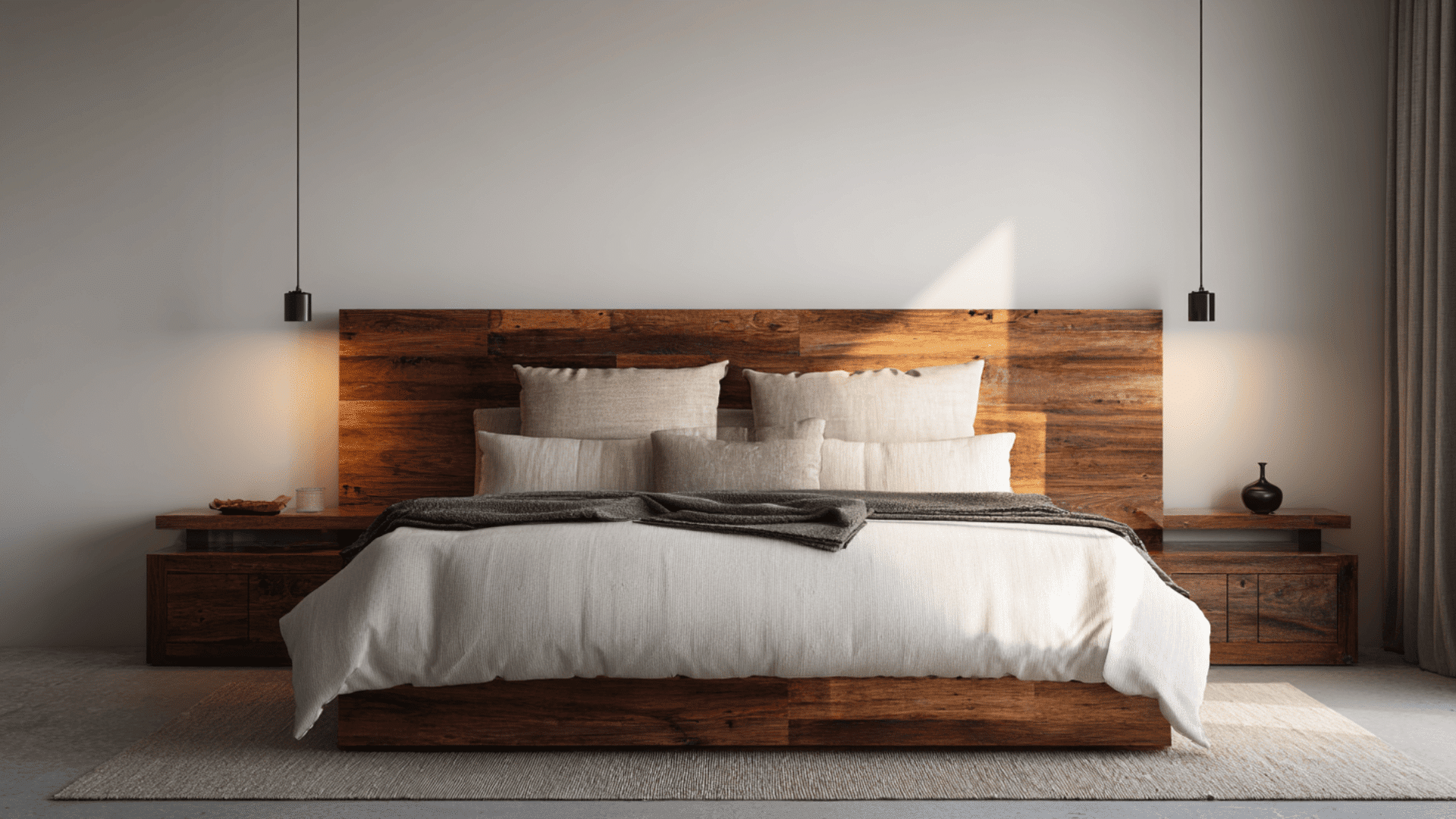
- Always choose a wall that already has natural significance, behind the bed, sofa, or fireplace.
- Let texture and material do the heavy lifting, wood, plaster, brick, and fabric panels all add depth that paint alone can’t.
- Keep your tones anchored to the furniture and decor already in the room.
- Make a clear choice, either softly blended into the space or boldly intentional, but never somewhere in between.
- Think past the trend cycle and lean toward finishes and colors with staying power.
When it’s done right, you stop thinking about the wall and just love the room.
Modern Alternatives That Might Work Even Better
If the accent wall isn’t feeling right for your space, there are other ways to create that same visual interest, often with a lot more impact and intention.
1. Color Drenching
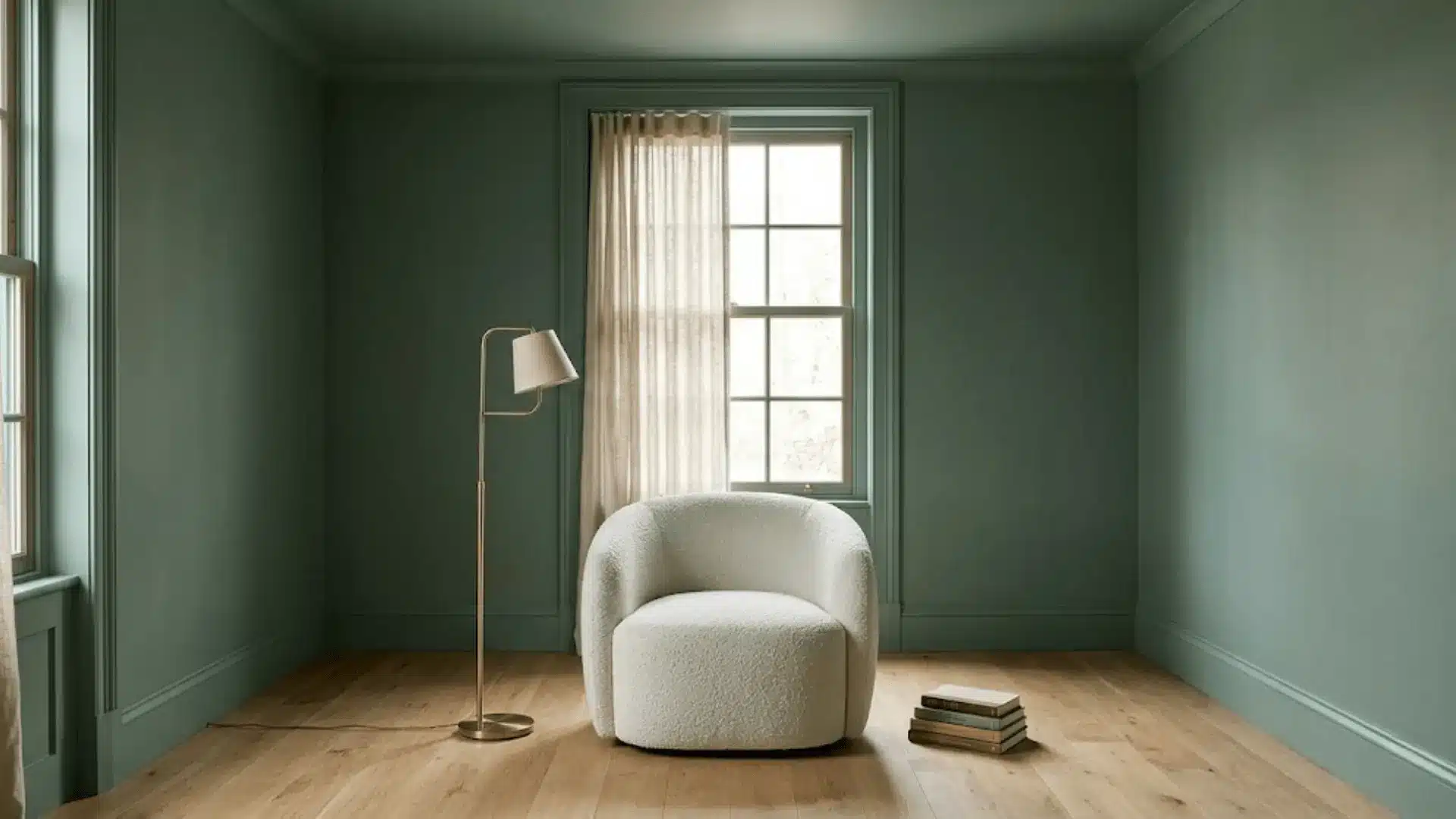
Color drenching is what happens when you commit fully, walls, trim, and ceiling all in the same shade.
The result is an immersive, enveloping feeling that makes a space look incredibly considered. It skips the contrast entirely and leans into cohesion, which is exactly where modern interior design is heading right now.
2. Statement Ceilings
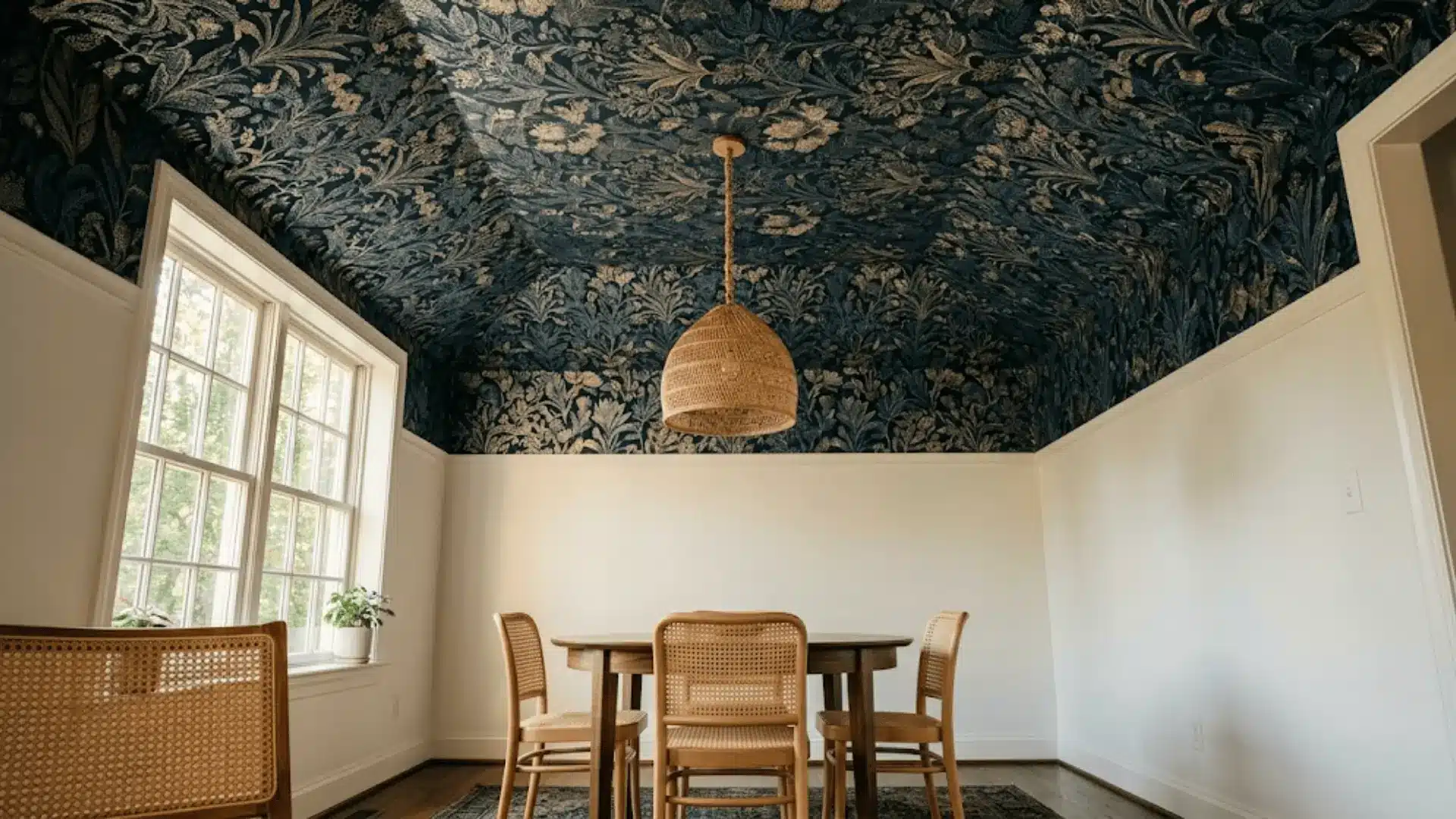
The ceiling is genuinely the most underused surface in a home. A bold color, a wallpaper print, or even a textured finish up top adds serious visual interest without interrupting the flow of your walls at all.
It draws the eye upward in the best way and gives the room a sense of height, drama, and personality all at once.
3. Layered Decor
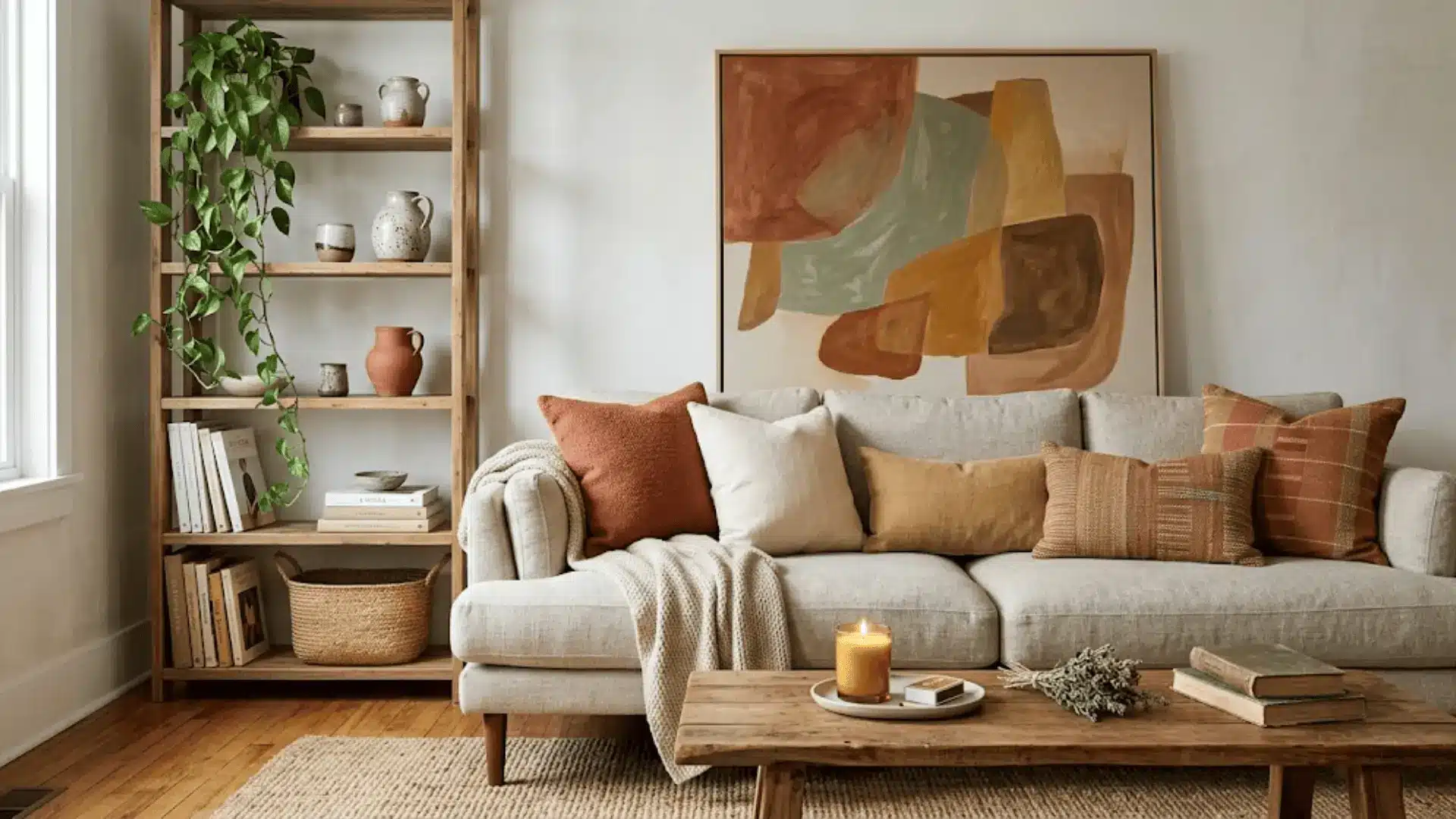
Sometimes depth doesn’t come from the walls themselves but from everything in front of them. Art, textiles, shelving, and thoughtfully placed objects build visual richness in a way that feels organic rather than planned.
This approach lets the room evolve over time, which makes it feel lived-in and curated rather than designed all at once.
4. Architectural Features
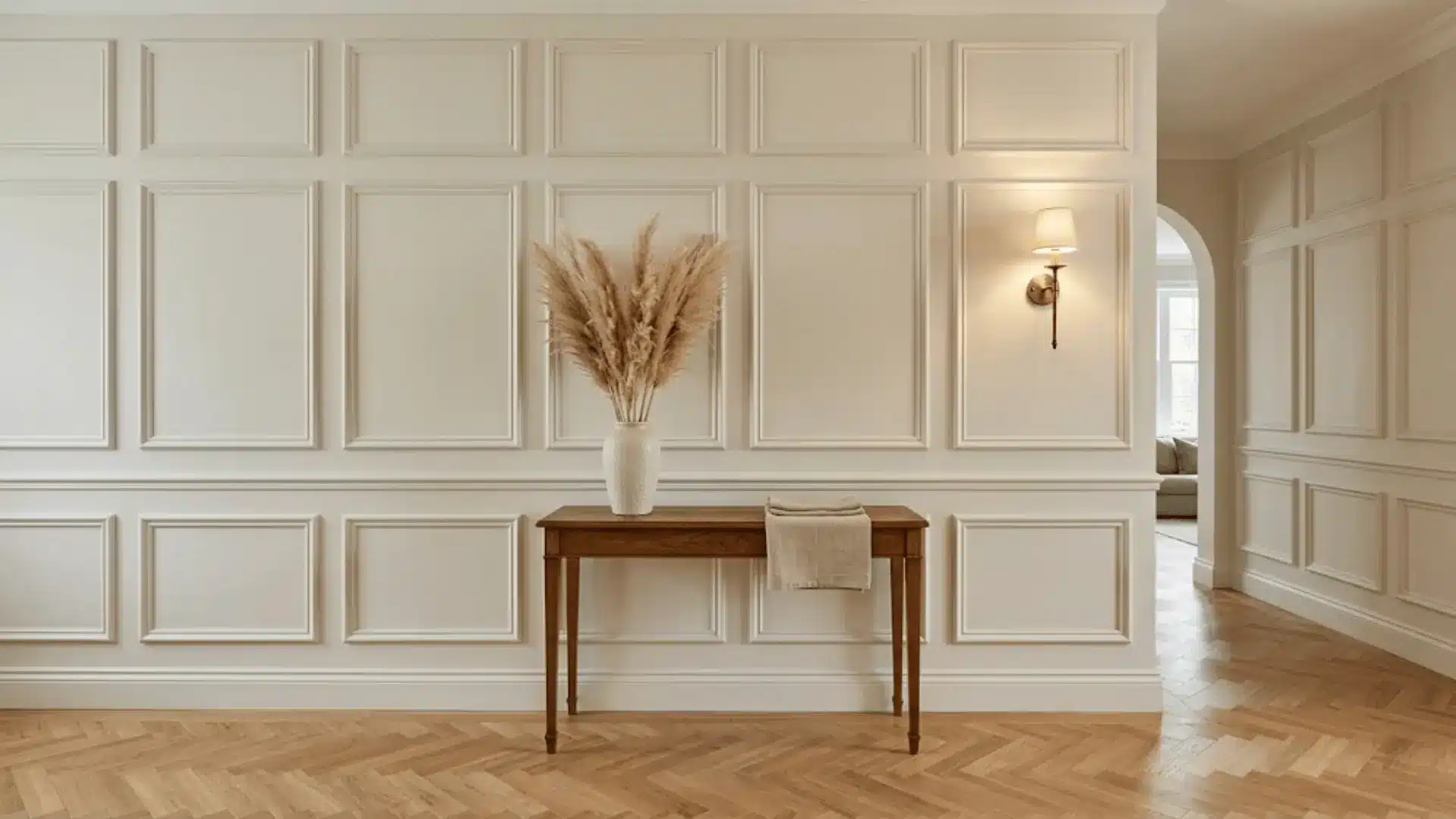
Paneling, built-ins, and molding bring something to a space that paint simply cannot, a sense of structure and permanence.
These details add character without relying on color contrast, and they tend to photograph and age beautifully. If you want your walls to feel intentional without committing to a bold design choice, this is where to start.
Accent Walls: Worth It or Not?
Like any design choice, accent walls come with their own set of strengths and limitations. Knowing both sides helps you decide whether it’s the right move for your space.
Where Accent Walls Work in Your Favor
Done right, an accent wall can genuinely transform a room without a full redesign.
- They add depth and visual interest without touching the rest of the room.
- A well-placed accent wall can define zones in open-plan layouts naturally.
- It’s one of the most budget-friendly ways to shift the feeling of a space.
Where They Can Work Against You
But like any design decision, the execution matters just as much as the idea.
- Poorly executed contrast can disrupt the visual flow of an otherwise cohesive room.
- A bold choice that dates quickly becomes harder to update than a neutral one.
- Without a clear intention behind it, it can make the space feel unfinished rather than designed.
Accent Wall vs. Feature Wall: Are They Actually the Same Thing?
These two terms get used all the time interchangeably, but there is a subtle difference worth knowing, especially if you want your space to feel current.
| Aspect | Accent Wall | Feature Wall |
|---|---|---|
| Primary Tool | Color and contrast | Texture, material, and design |
| Visual Effect | Stands out from the room | Adds depth within the room |
| Design Approach | Often, a single bold paint choice | Wallpaper, paneling, plaster, stone |
| Feel | Can feel isolated if not done well | Feels intentional and architectural |
| Modern Relevance | Fading in popularity | Very much still in style |
Modern interiors are naturally gravitating toward feature walls because they bring something more layered to a space than contrast paint alone ever could.
The Bottom Line
Not quite, but the version we knew is definitely evolving.
The spaces that feel most beautiful right now aren’t built around one dramatic wall; they’re built around intention, texture, and a design language that flows from corner to corner.
If your accent wall feels right, keep it. If it’s been nagging at you, now you know why. Either way, your space deserves something that feels considered.
Drop a comment below and tell us, are you team accent wall or are you ready to try something new?
Frequently Asked Questions (FAQs)
What is Replacing Accent Walls?
Color drenching, textured finishes, and architectural details like paneling and molding are taking over. They bring the same visual interest but with a lot more depth and cohesion throughout the space.
Do Accent Walls Make a Room Look Bigger or Smaller?
It really depends on the color, placement, and how the light moves through the room. A darker wall can add intimacy, while a lighter tonal contrast can actually open a space up.
Which Wall Should Be the Accent Wall?
Always go with the wall that already holds the most natural weight in the room. Behind the bed, sofa, or fireplace tends to work best because the eye already travels there.