Growing blueberries in my backyard has taught me that these bushes are surprisingly forgiving, if you get a few basics right.
I’ve watched mine go from scraggly sticks to berry-loaded powerhouses, and it really came down to understanding what they actually need versus what I thought they needed.
How to care for blueberry bushes isn’t complicated, but it does require some attention to soil, watering, and pruning at the right times. You’ll find that once you nail down their preferences, they practically take care of themselves.
In this guide, you’ll learn the essential care steps that keep your bushes healthy, productive, and thriving year after year. I’ll cover everything from soil prep to pest management, so you can grow sweet, abundant berries without the guesswork.
What Makes Blueberry Bushes Thrive?
Blueberry bushes thrive when their specific needs align with what you’re giving them. They’re acid-loving plants that prefer soil pH between 4.5 and 5.5, and they need consistent moisture without sitting in waterlogged ground.
I’ve noticed they grow slowly at first, building strong root systems before they really take off. Most varieties produce fruit on wood that’s one to three years old, so patience pays off.
Proper care directly impacts your harvest size. When you maintain the right soil conditions and prune correctly, you’ll see noticeably more berries each season. Healthy bushes also fight off disease better and live longer, giving you years of reliable production.
The biggest mistakes I see are planting in neutral or alkaline soil, overwatering or underwatering, and skipping annual pruning.
Many gardeners also expect huge harvests immediately, but blueberries need time to establish. Understanding these patterns helps you avoid frustration and set realistic expectations while your bushes mature.
Essential Soil and pH Requirements
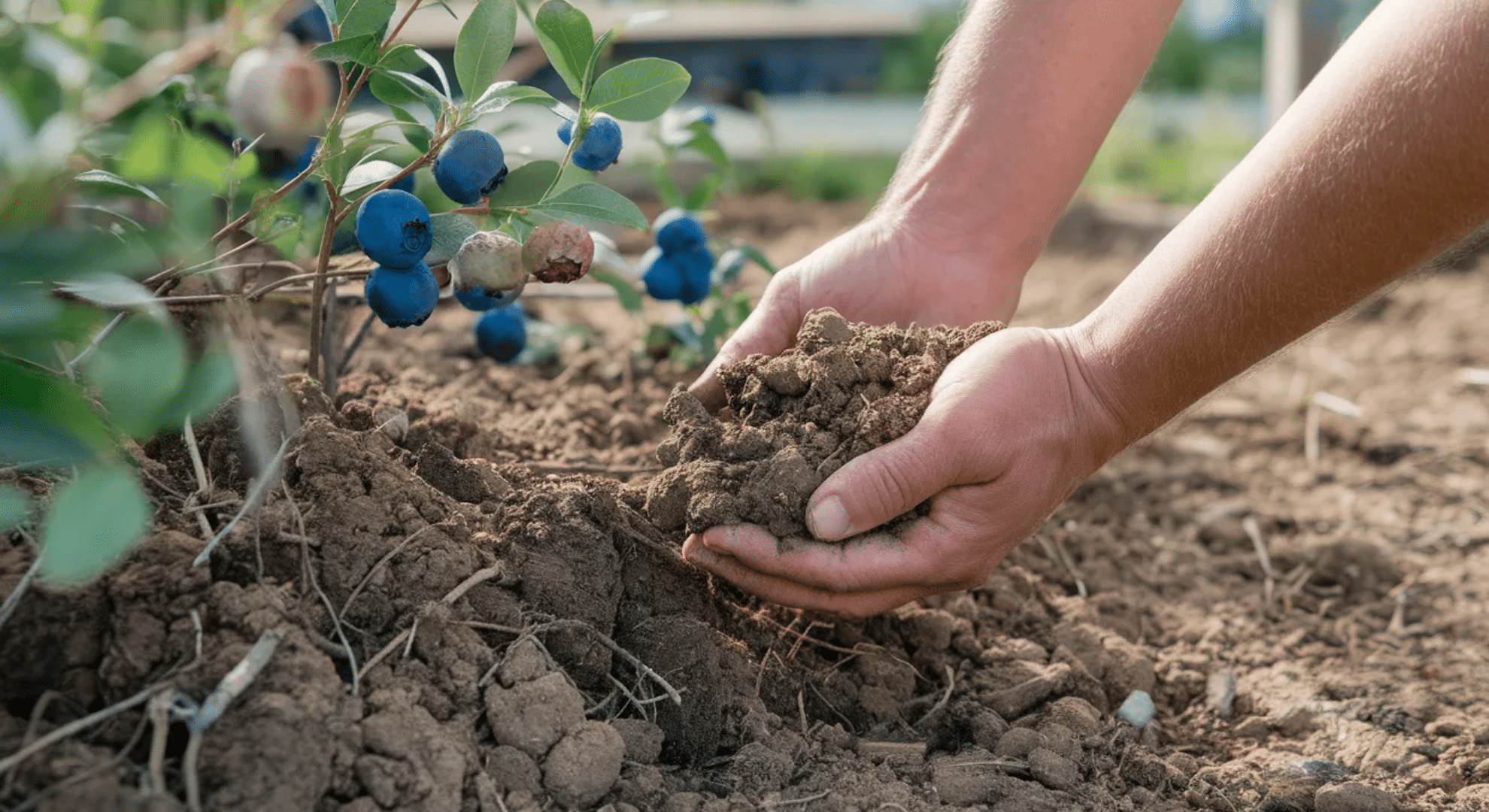
Acidic soil is non-negotiable for blueberries. They absolutely need pH between 4.0 and 5.5 to absorb nutrients properly. Without it, the leaves yellow and growth stalls no matter how much you fertilize. I’ve seen bushes struggle for years simply because the soil was too neutral.
Testing your soil is simple. Grab a pH test kit from any garden center and follow the instructions. If your pH is too high, work in elemental sulfur several months before planting since it takes time to lower pH. Peat moss also helps acidify while improving soil structure. Mix it generously into your planting area.
Blueberries prefer loose, well-draining soil rich in organic matter.
Sandy loam works great, but you can amend clay soil with compost and peat to improve drainage. They hate wet feet, so avoid areas where water pools after rain.
If you’re stuck with alkaline soil, containers are your best friend. Fill large pots with acidic potting mix designed for azaleas or rhododendrons. You’ll have complete control over pH and can move them as needed.
Planting Your Blueberry Bushes Right
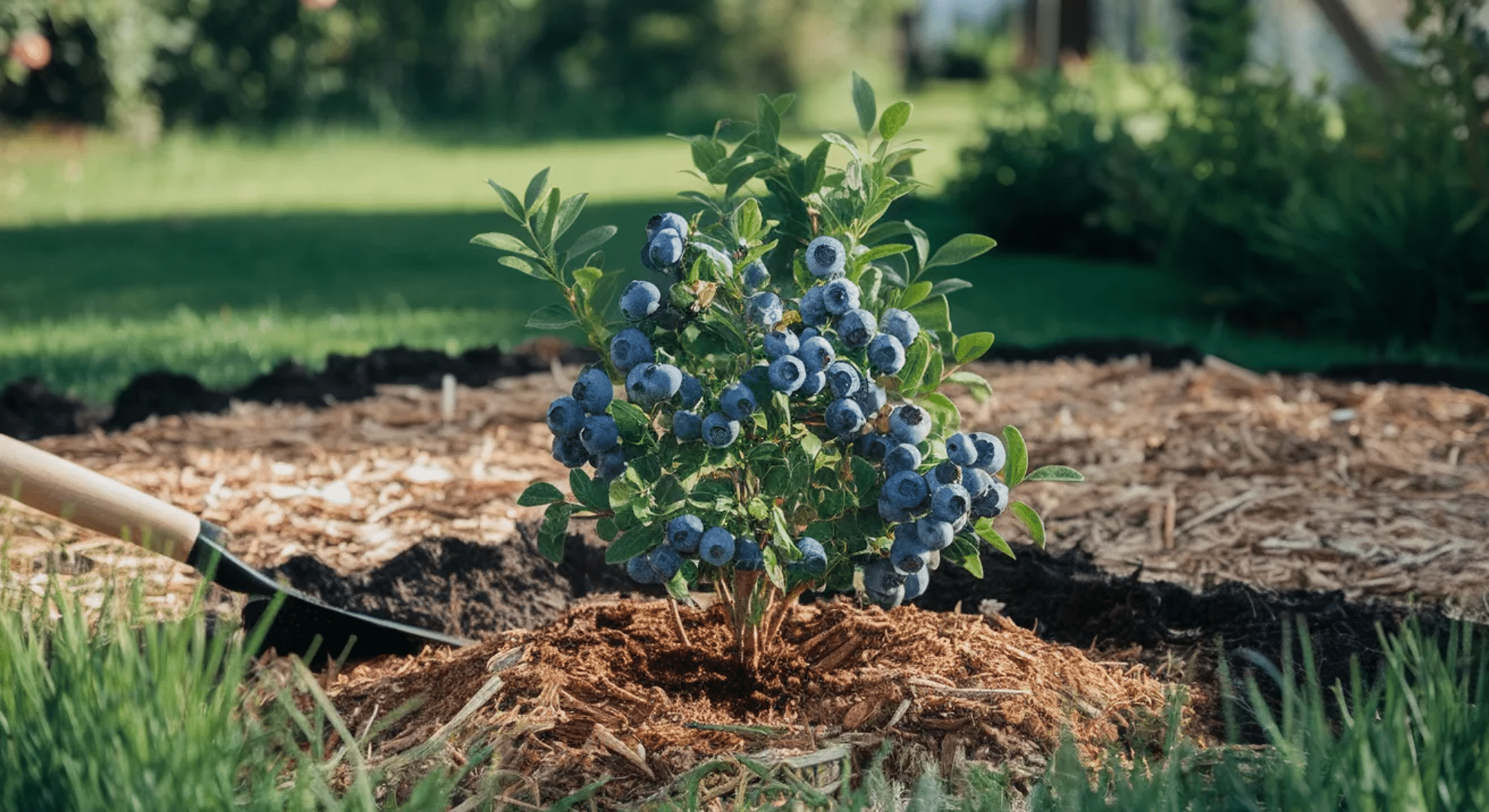
Location makes or breaks your blueberry success. Choose a spot with full sun, at least six hours daily. I’ve planted some in partial shade thinking they’d be fine, but the harvest was noticeably smaller. More sun means more berries.
Spacing matters more than you’d think. Give each bush 4 to 6 feet of space, not 18 to 24 inches.
They grow wider than you expect and need air circulation to prevent disease. Crowded bushes also compete for nutrients.
When planting, dig a hole twice as wide as the root ball but just as deep.
Loosen the roots gently if they’re circling the pot. Set the bush at the same depth it was growing, backfill with acidic soil mix, and water thoroughly. Mulch with pine needles or wood chips to retain moisture.
Plant at least two different varieties that bloom around the same time. Cross-pollination dramatically increases berry size and quantity. Even self-fertile varieties produce better with a partner nearby.
Early spring or fall are ideal planting times. The bushes establish roots before facing summer heat or winter cold.
Watering Strategies That Work
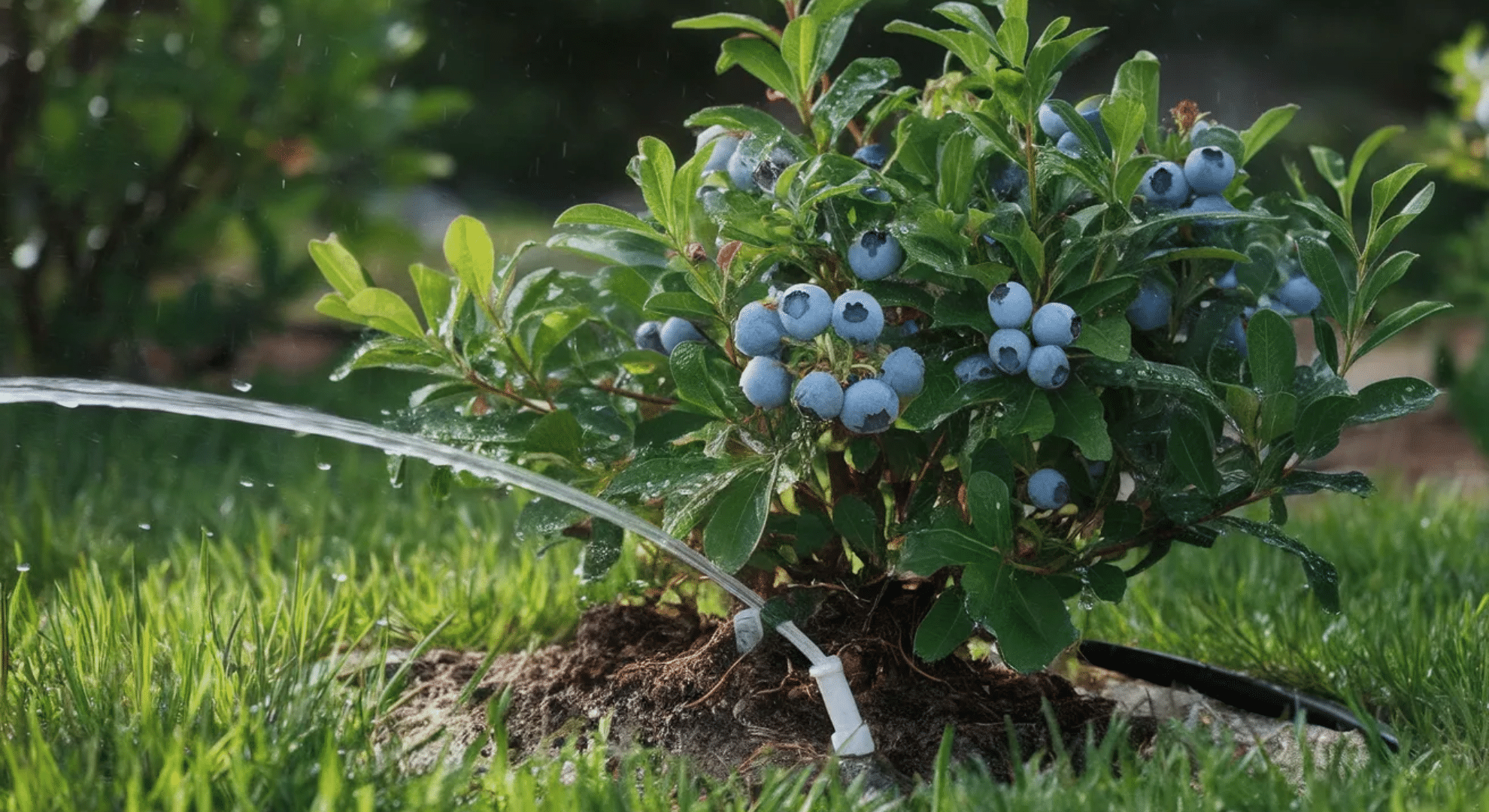
Blueberries need consistent moisture but not soggy soil.
Think of it like a wrung-out sponge, damp throughout but not dripping. I check by sticking my finger two inches into the soil near the bush. If it feels dry, it’s time to water. If it’s still moist, I wait another day or two.
In general, they need about 1 to 2 inches of water per week during the growing season. That includes rainfall, so adjust accordingly. During fruiting, they’re especially thirsty and may need more frequent watering.
Drip irrigation is my preferred method. It delivers water directly to the roots, reduces disease risk, and conserves water.
Overhead watering works but wets the foliage, which can invite fungal issues if leaves stay damp too long.
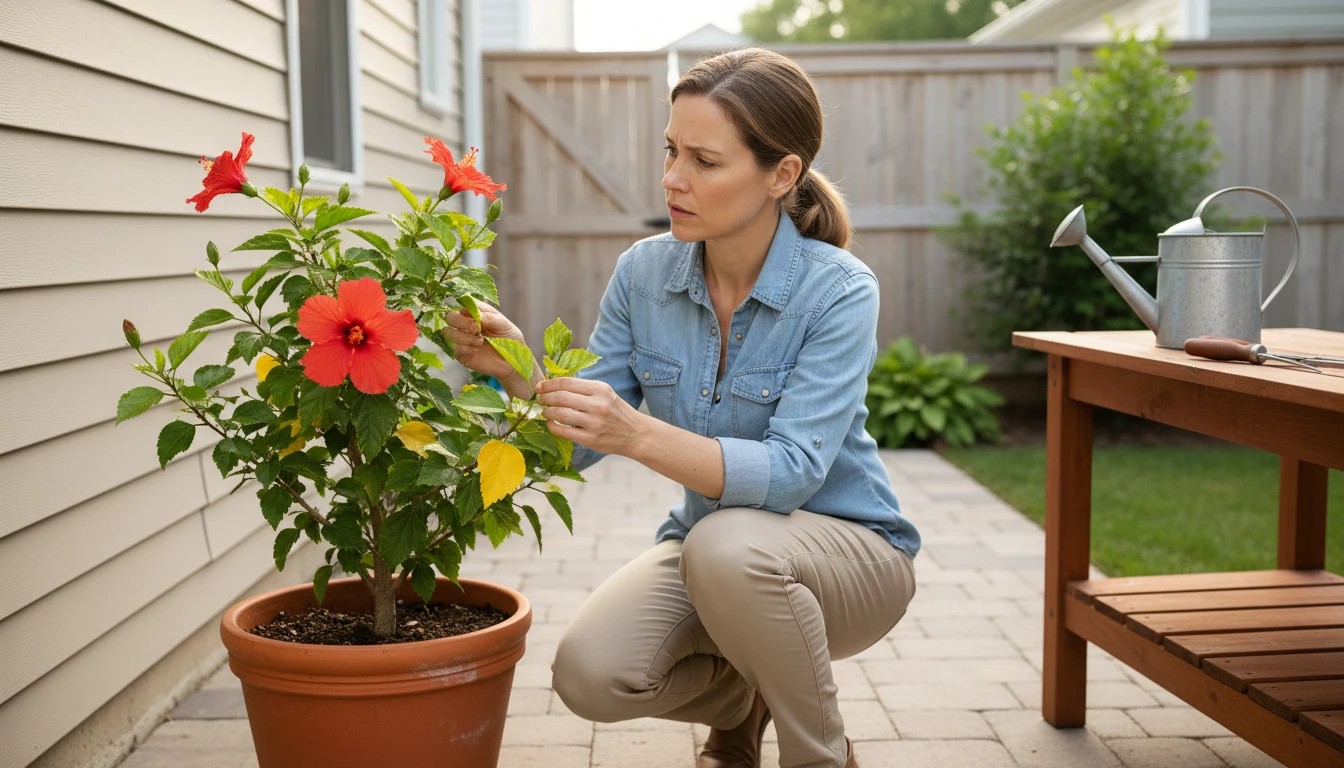
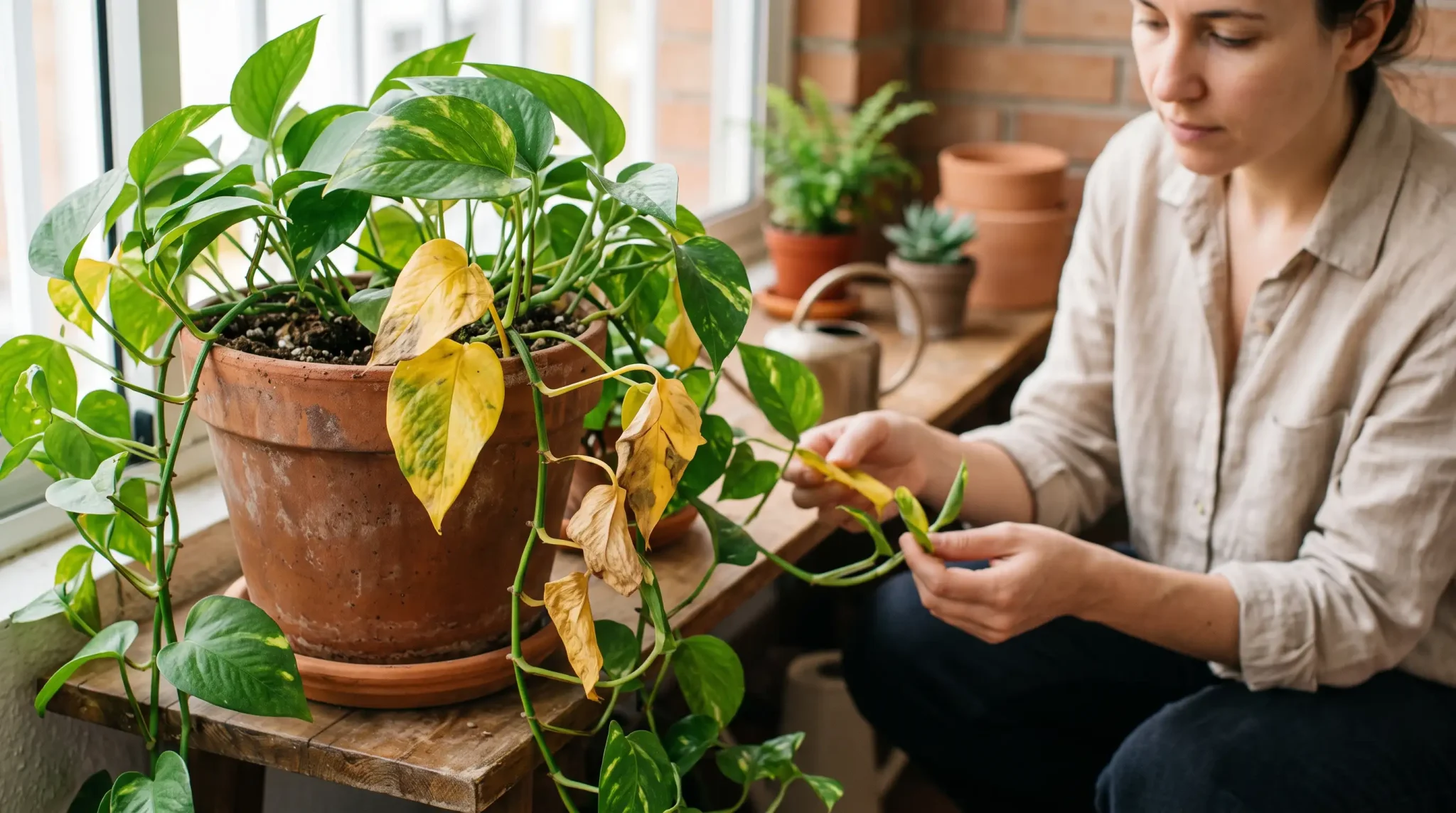
Overwatering is just as bad as underwatering. Roots sitting in waterlogged soil suffocate and rot. You’ll see yellowing leaves and stunted growth as warning signs.
Adjust your watering with the seasons. Spring and summer require more as bushes actively grow and fruit.
Fall needs less as they prepare for dormancy. Winter usually needs minimal intervention unless it’s unusually dry.
Protecting Your Berries from Pests and Wildlife
Birds are your biggest competition for ripe blueberries. I’ve lost entire harvests to them in a single morning.
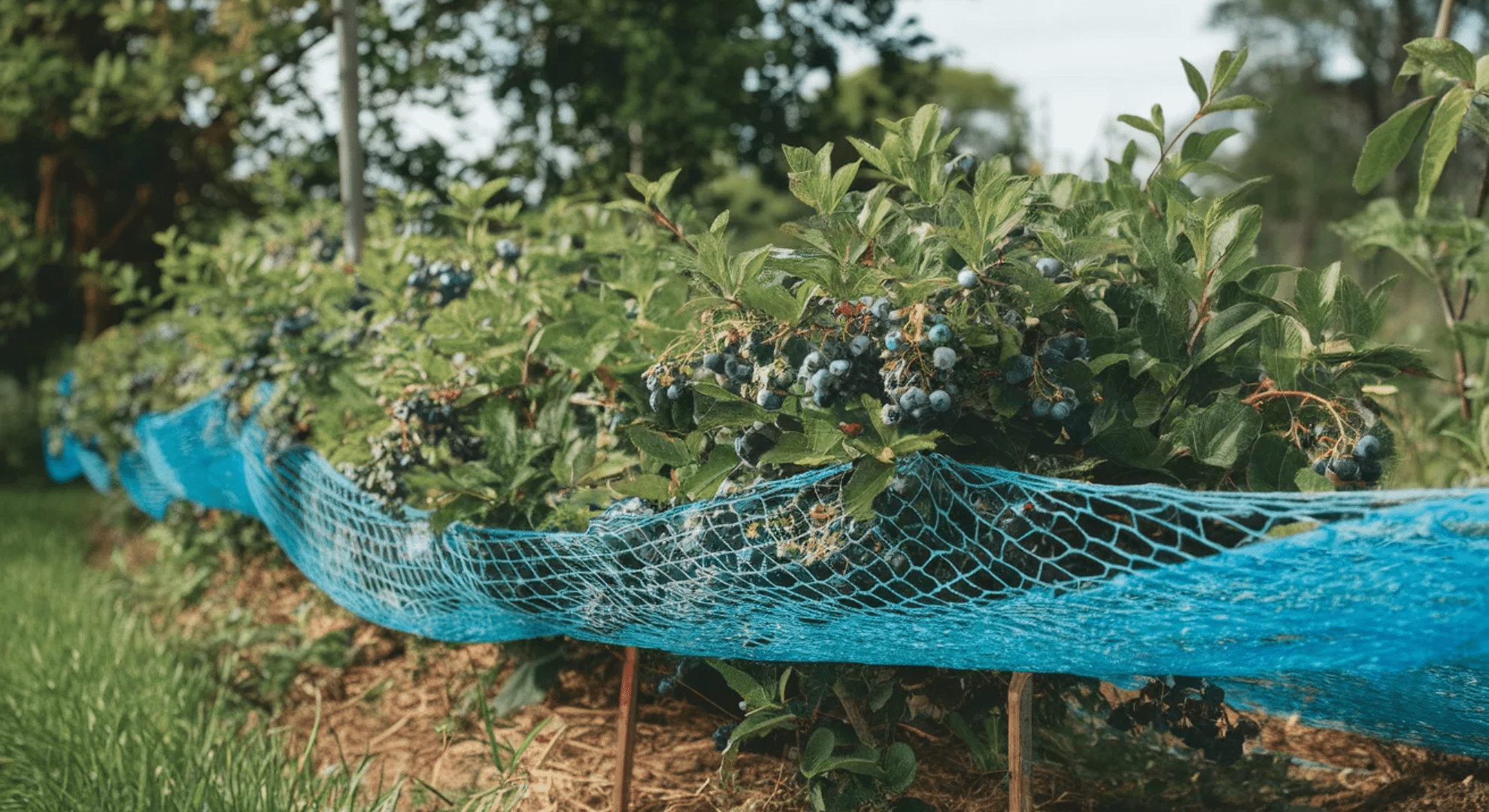
Bird netting works best when draped over a frame so it doesn’t touch the branches. Secure the edges to the ground so birds can’t sneak underneath.
Reflective tape fluttering in the wind scares some birds away. Decoy owls or hawks help too, but move them every few days so birds don’t realize they’re fake. These work better as supplements to netting, not replacements.
Japanese beetles chew leaves into lace. Hand-pick them early in the morning when they’re sluggish, or use neem oil spray. Aphids cluster on new growth and leave sticky residue.
Blast them off with water or apply insecticidal soap. Fruitworms tunnel into berries, remove affected fruit immediately and keep the area clean.
Organic controls like neem oil, insecticidal soap, and beneficial insects work well for most pests without harsh chemicals.
Rodents and deer love blueberries. Fencing is the most reliable solution. I use chicken wire around the base for rabbits and taller fencing for deer.
Mummy berry causes shriveled fruit. Remove and destroy infected berries. Powdery mildew appears as white coating on leaves. Improve air circulation and avoid overhead watering to prevent both diseases.
Seasonal Blueberry Care Guide
Blueberries need different attention throughout the year as their growth cycle changes. Adjusting your care with the seasons keeps them healthy and productive.
Each season brings specific tasks that set your bushes up for success. Here’s what to focus on during each part of the year.
| Season | Key Care Tasks | Why It Matters |
|---|---|---|
| Spring | Apply acidic fertilizer as buds swell. Refresh mulch layer to 2-4 inches. Check for frost damage on early blooms and cover if late frost threatens. | Supports new growth and flowering. Mulch retains moisture and suppresses weeds. Frost protection saves your harvest. |
| Summer | Water consistently, especially during fruiting. Watch for wilting in extreme heat—provide shade cloth if needed. Harvest berries regularly to encourage continued production. | Berries need steady moisture to develop properly. Heat stress reduces fruit quality and can damage plants. |
| Fall | Gradually reduce watering as leaves drop. Add fresh mulch layer for insulation. Remove dead or damaged branches. Rake up fallen leaves to prevent disease overwintering. | Helps plants transition to dormancy safely. Mulch protects roots from freeze-thaw cycles. Cleanup reduces spring disease pressure. |
| Winter | Wrap young bushes with burlap in zones 3-5. Gently brush heavy snow off branches to prevent breakage. Avoid walking near bushes when ground is frozen. | Prevents winter damage to tender plants. Heavy snow can snap branches. Frozen ground compacts easily and damages shallow roots. |
Following this seasonal rhythm becomes second nature after your first year. Your bushes will respond with stronger growth and better harvests when their needs are met at the right times.
Container Blueberry Care
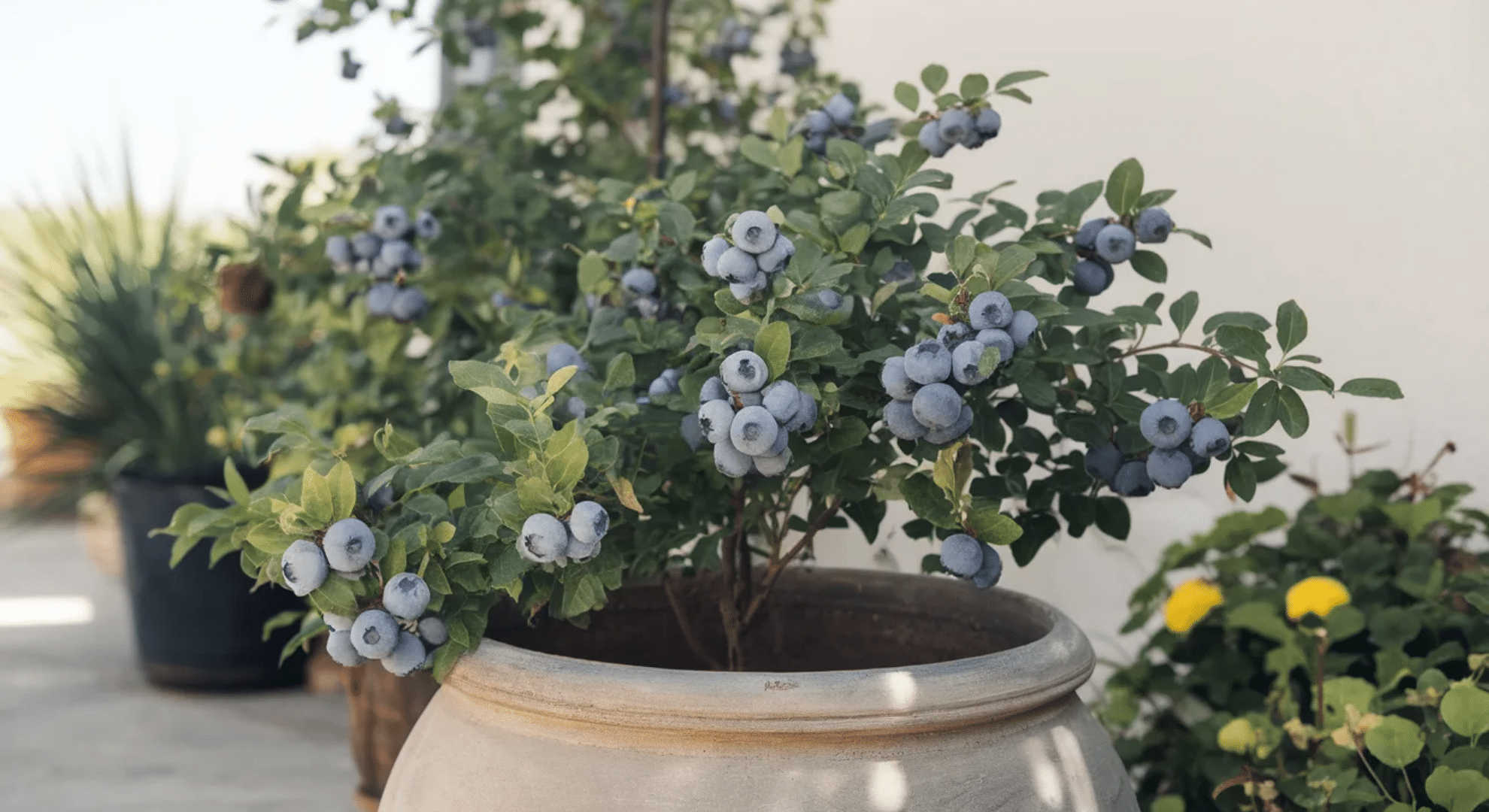
Growing blueberries in containers gives you total control over soil conditions, which is perfect if your ground soil isn’t ideal. I’ve had great success with potted bushes on my patio.
How to care for blueberry bushes in pots comes down to meeting their needs in a confined space. They require more attention than in-ground plants but reward you with flexibility and convenience.
1. Choosing the Right Container
Start with at least an 18-inch diameter pot, but 20 to 24 inches is better for mature bushes. Make sure it has multiple drainage holes. I prefer plastic or resin containers over terra cotta since they retain moisture better and won’t crack in winter.
2. Soil Mix for Success
Use acidic potting mix designed for azaleas or rhododendrons. You can also make your own by mixing equal parts peat moss, perlite, and pine bark. Never use garden soil, it compacts in containers and drains poorly.
3. Watering and Feeding
Container blueberries dry out faster than ground-planted ones. Check soil moisture daily during summer and water when the top inch feels dry. They may need watering twice daily in extreme heat.
Fertilize with acidic fertilizer formulated for blueberries every 4 to 6 weeks during the growing season. Container plants leach nutrients faster through drainage.
4. Overwintering Potted Plants
In cold climates, move pots to an unheated garage or shed once plants go dormant. You can also insulate them with bubble wrap or burlap and group them together against a sheltered wall. Water occasionally if soil dries completely.
5. Repotting and Root Care
Repot every 2 to 3 years in early spring before new growth starts. If roots are circling the pot, gently tease them apart. Move up one pot size or trim roots and refresh the soil in the same container.
Harvesting Your Blueberries
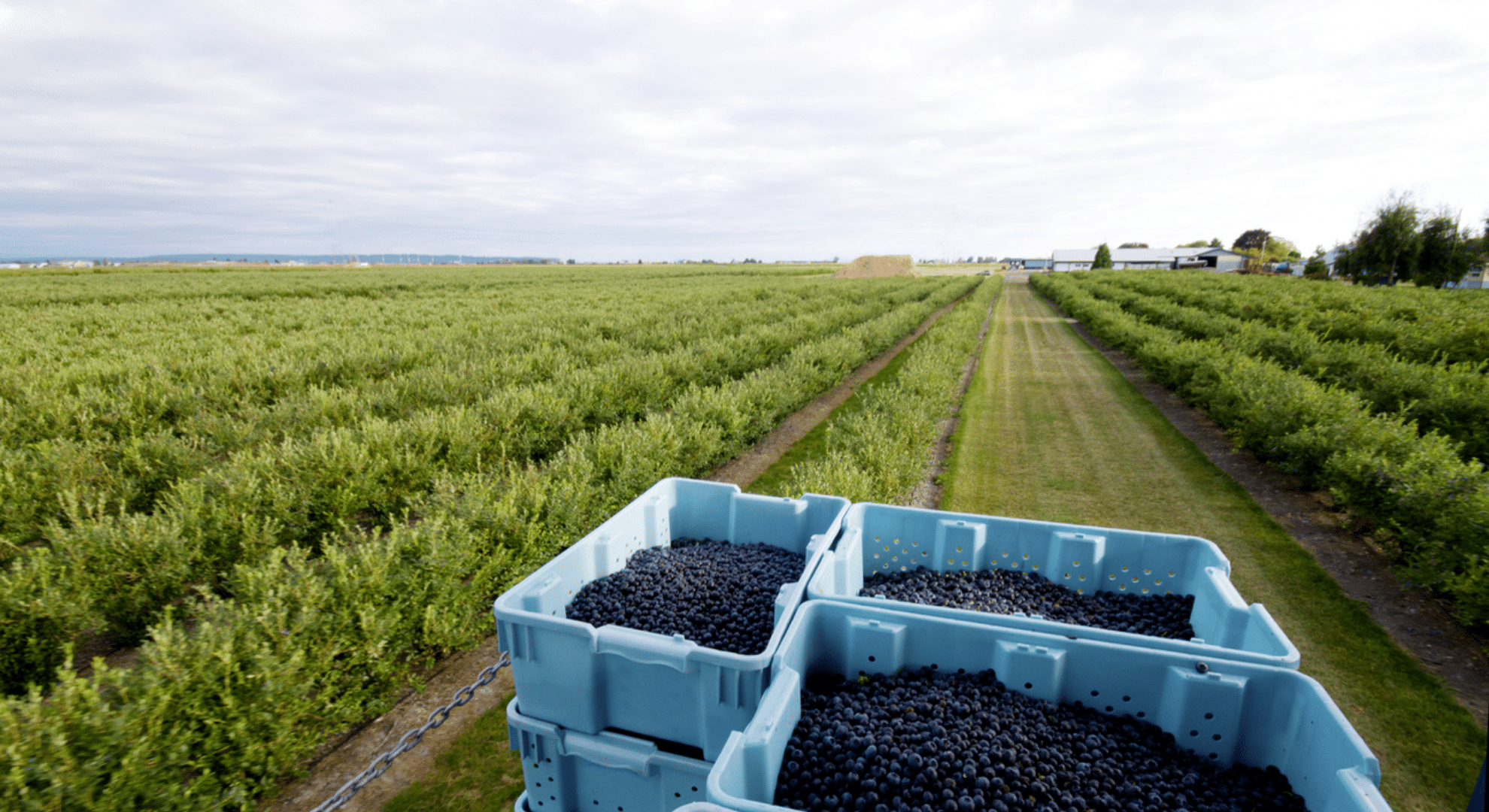
Timing your harvest right makes a huge difference in flavor. I’ve learned that patience pays off when it comes to picking blueberries at peak ripeness.
Wait until berries are completely blue with no red or green near the stem. Ripe berries come off easily with a gentle touch. Taste one—it should be sweet, not tart. The waxy bloom on the skin is normal and actually a sign of freshness.
Give berries a few extra days after they turn blue. They sweeten considerably in those final days on the bush.
Cup your hand under a cluster and gently roll ripe berries with your thumb. They’ll drop right into your palm if they’re ready. Never yank or pull—that damages the fruiting spurs and reduces next year’s harvest.
Pick selectively. Not all berries in a cluster ripen at once, so you’ll harvest the same bush multiple times over several weeks.
Early morning after dew dries is ideal. Berries are firm and cool, which helps them last longer. Avoid picking in hot afternoon sun when berries are soft and warm.
Don’t wash berries until you’re ready to eat them. Moisture promotes mold. Store unwashed in a shallow container in the fridge—they’ll keep 7 to 10 days.
For longer storage, freeze them on a baking sheet, then transfer to freezer bags.
Green or partially red berries won’t ripen after picking. Leave them on the bush. If you accidentally pick some, compost them rather than trying to use them—they’ll just be sour and disappointing.
Troubleshooting Common Blueberry Problems
Even with good care, blueberry bushes sometimes show signs of stress or struggle. Recognizing problems early helps you fix them before they affect your harvest.
- Yellow leaves with green veins: This is chlorosis from iron deficiency, usually caused by soil pH that’s too high. Test your soil and add sulfur to lower pH back into the 4.5 to 5.5 range.
- Stunted growth and small leaves: Often means nutrient deficiency or poor soil drainage. Check that water isn’t pooling around roots and apply acidic fertilizer formulated for blueberries.
- Leaves turning red in spring or summer: This signals stress from drought, root damage, or extreme pH issues. Water deeply and investigate what’s affecting the roots.
- Few or no berries: Could be lack of cross-pollination, insufficient chilling hours for your variety, or overpruning. Plant a second variety and choose cultivars suited to your climate zone.
- Berries shriveling before ripening: This is likely mummy berry disease. Remove all affected fruit immediately, rake up debris, and improve air circulation through pruning.
- Branches dying back: Check for canker diseases or boring insects. Prune out dead wood several inches below damage and sterilize pruners between cuts.
- Leaves with brown edges: Usually from salt buildup in containers or overfertilizing. Flush containers with water and reduce fertilizer amounts.
Most problems have straightforward solutions once you identify the cause. Don’t panic if issues pop up—blueberries are resilient and bounce back with proper adjustments.
Conclusion
Caring for blueberry bushes has been one of the most rewarding parts of my gardening journey. Once I understood their need for acidic soil, consistent moisture, and proper pruning, everything clicked into place.
The harvests got better each year, and the bushes became healthier and more productive. You now have everything you need to grow thriving blueberry bushes that produce sweet, abundant berries season after season.
Focus on getting the soil right from the start, stay consistent with watering, and don’t skip annual pruning. Those three things make the biggest difference. As you gain experience, you’ll develop your own rhythm and intuition for what your bushes need.
If you’re looking to expand your fruit garden, check out other blogs on growing strawberries, raspberries, and other backyard favorites!