You spend all year keeping your Gulf Coast home and garden in shape. Then a nasty storm rolls through, and suddenly you’re staring at roof damage, shredded siding, and an insurance company that won’t pay up. Texas has been the hail damage capital of the US for 11 straight years, so reliable coverage isn’t just nice to have; it’s a must.
Yet coverage often falls short when you need it most: nearly 47% of Texas homeowner claims close without payment. Don’t let a rejection letter convince you to give up. You have the tools and rights to fight back.
Why Insurance Companies Deny Wind and Hail Claims
The “Wear and Tear” Excuse
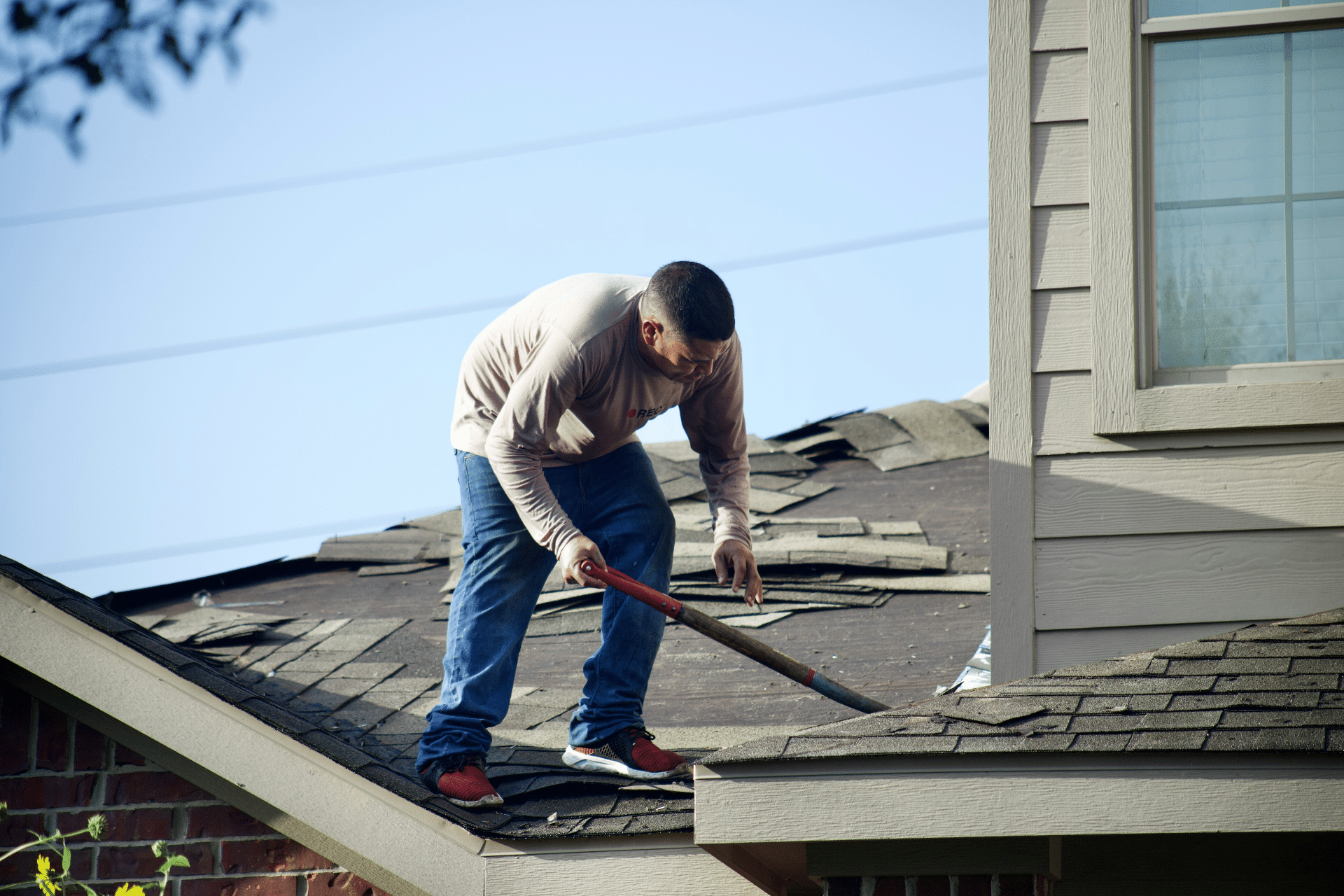
Adjusters often blame roof damage on aging rather than on the recent storm. That wear-and-tear argument becomes their excuse for denying your claim.
Pressure is building nationwide as homeowners file lawsuits accusing major insurers of running strict internal programs to deny claims. These companies reportedly rely on their own definitions of “wear and tear” rather than the language in your policy.
The Documentation Trap
A phone call describing your broken shingles won’t cut it. You need hard, dated visual proof to back up your story. Inadequate documentation accounts for 40% of property damage claim denials. So grab your phone and take clear photos of your roof, gutters, and siding right after the storm passes. That evidence is your lifeline.
Missing the Hidden Deadlines
Waiting around to see if your roof actually leaks? That gamble can cost you thousands. Many homeowners don’t realize their policies have strict timelines for reporting damage.
Some policies limit the filing window to just 12 months from the date of the storm. Get a damage inspection scheduled as soon as possible so you don’t blow past a hidden deadline.
Aging Roof vs. Legitimate Storm Damage
Knowing the difference between normal wear and actual storm damage helps you spot when an adjuster is lowballing you. Here’s what to look for:
|
Damage Sign |
Normal Wear & Tear (Not Covered) |
Legitimate Storm Damage (Covered) |
|---|---|---|
|
Shingle granules |
Gradual loss and fading over several years |
Sudden heavy accumulation in gutters right after a storm |
|
Shingle appearance |
Curling or blistering from prolonged summer heat |
Creased or blown-off shingles with a clear directional wind pattern |
|
Metal fixtures |
Minor rust or fading on older components |
Distinct circular dents on vents, flashing, and gutter faces |
Your 5-Step Action Plan After a Denial
A rejection letter isn’t the end of the road; it is simply the beginning of the negotiation. Take these five steps to fight back:
- Request a written explanation: Force your insurer to state their exact reasons for the denial in writing. Under Texas law, they are legally required to provide this documentation.
- Gather independent evidence: Hire a reputable, licensed roofing contractor to conduct an objective assessment. An independent, professional report carries massive weight during disputes.
- Analyze local weather data: Pull official meteorological reports showing the exact wind speeds and hail sizes recorded in your specific zip code on the date of the storm.
- Compile pre-storm proof: Locate older photos of your home. Even casual photos where your roof is visible in the background can prove that the damage was not a pre-existing condition.
- File a formal appeal: Submit your newly gathered evidence package directly to the insurer, along with a formal request for a reinspection led by a different adjuster.
When to Escalate: Using Texas Law to Protect Your Home
Know Your Rights
The Texas Insurance Code sets strict timelines under the Prompt Payment of Claims Act and enforces harsh penalties for bad-faith claim handling. Insurers cannot string you along indefinitely or deny valid claims without consequences.
However, policyholders still face a steep uphill battle during the appeals process, where unfair denials and delays remain incredibly common. This makes it all the more important for Texas residents to know and aggressively enforce their statutory rights.
Bringing in the Experts
If your insurer refuses to negotiate fairly, bring in professionals who know property insurance law and can hold the company accountable.
If negotiations stall, exploring the legal process for reversing a storm damage claim denial can force your insurer to comply with the Texas Insurance Code. Lean on dedicated experts who know exactly how to counter a bad-faith denial and get your claim back on track.
Protecting Your Gulf Coast Investment
A denial letter is just an opening move, not the final word on your situation. You’ve got the legal rights and practical tools to demand fair treatment from your insurer.
Keep your focus on getting the funds you need to restore your home and garden. Have you successfully fought back against a denied roof claim? Drop a comment below and share what piece of evidence finally turned things around for you.