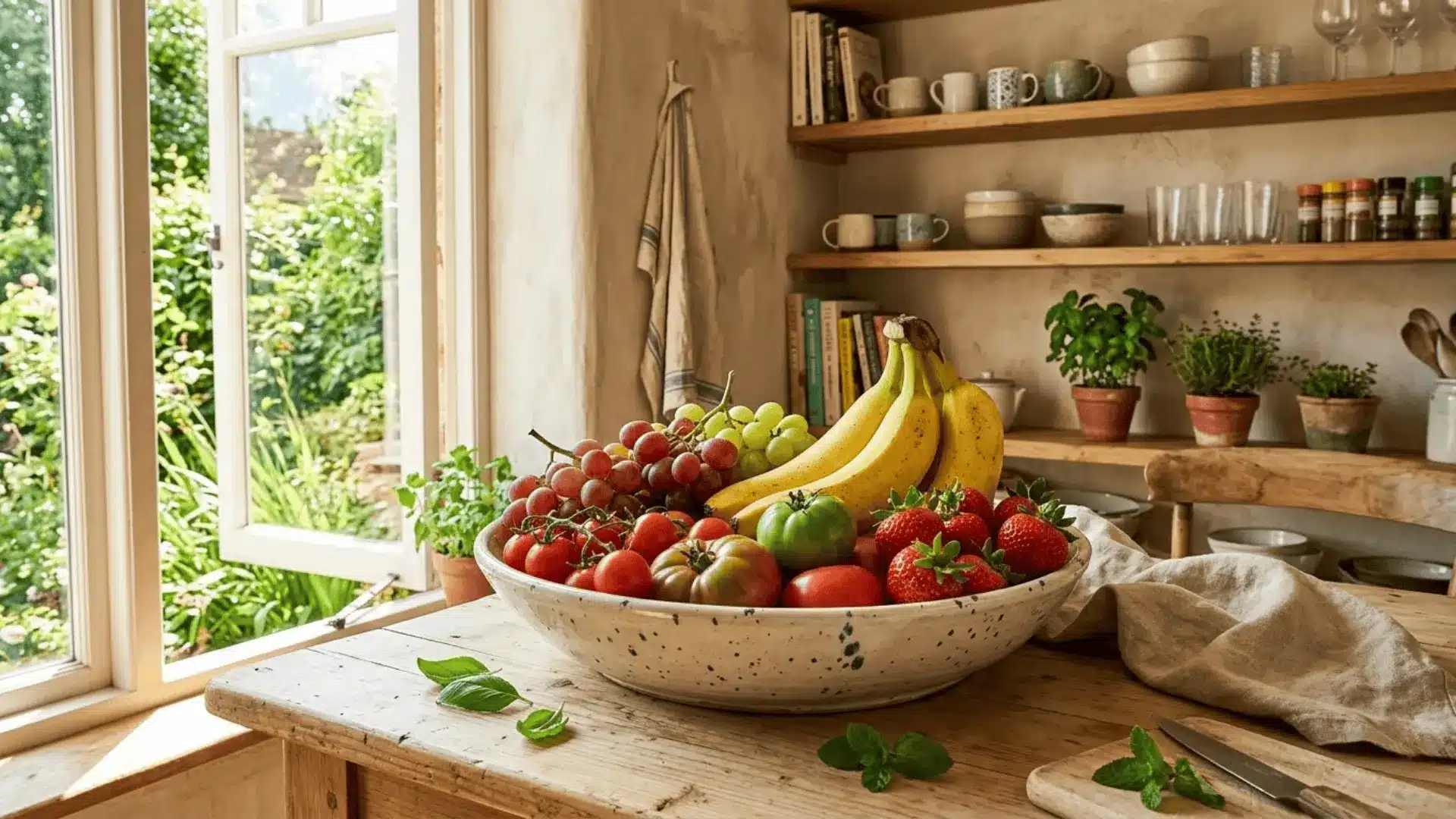
You probably grew up calling strawberries berries without a second thought, and honestly, same.
But botany has a few surprises tucked up its sleeve, and one of them is that a banana is more of a berry than a strawberry ever was.
Wild, right?
Fruit classification is one of those quiet little rabbit holes that starts with a casual question and ends with you rethinking your entire grocery haul.
So if you’ve ever been curious about what’s actually in your fruit bowl, from a science standpoint, this one’s for you.
The Basic Botany Behind Fruits
Fruits are one of those things we interact with daily but rarely think about scientifically. In botanical terms, a fruit develops from the ovary of a flower, and its whole purpose is to protect and carry seeds.
Pretty straightforward, until you realize how many foods we casually label as fruits or vegetables that don’t quite fit the definition.
Every fruit, at its core, has three layers working together:
- Exocarp: the outer skin
- Mesocarp: the fleshy middle layer
- Endocarp: the innermost layer surrounding the seeds
The Scientific Definition of a Berry
Botanically, a berry is far more specific than the casual, everyday use of the word.
To qualify, the fruit must develop from a single flower with one ovary, have its seeds embedded directly in the flesh, and be soft all the way through, with no pit or stone layer in between.
That last part is what trips most people up.
No hard core, no stony layer, just continuous soft flesh from skin to seed. It’s a neat little checklist, and surprisingly, a lot of your favorite “berries” don’t make the cut.
Examples of True Berries
Not everything that earns the berry label looks the part, and that’s exactly what makes this list so fun. Here are some true berries that might genuinely catch you off guard.
1. Banana
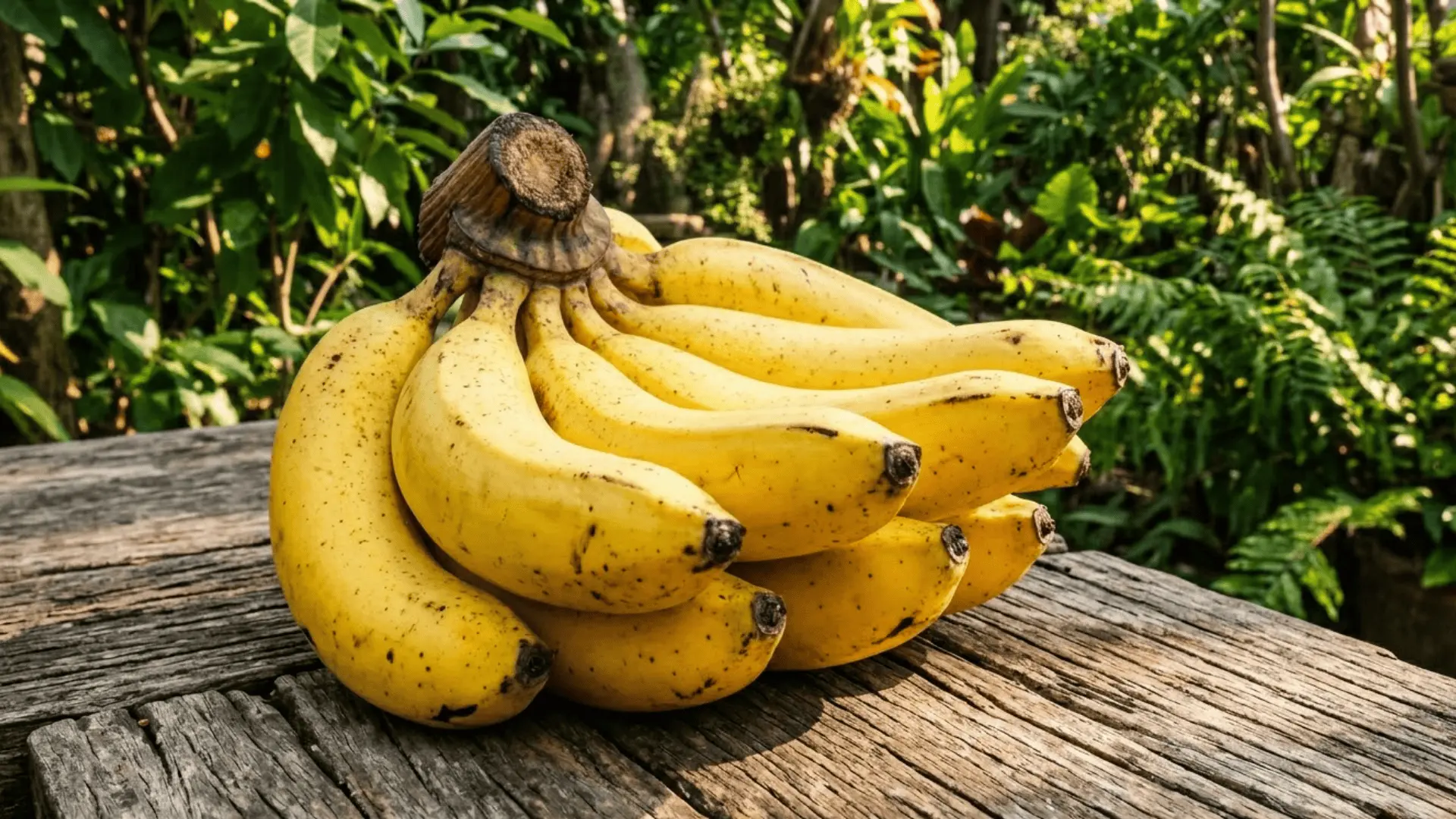
Flavor Profile: Sweet, creamy, and mildly tropical with a soft, melt-in-your-mouth texture.
Nutritional Profile: Rich in potassium, vitamin B6, and natural sugars that make it a quick energy source.
Bananas develop from a single flower with one ovary and have seeds so tiny they’re barely noticeable.
The entire fruit is soft flesh with no pit, which makes it a textbook berry, even if it looks nothing like what you’d toss into a smoothie bowl under that name.
2. Tomato
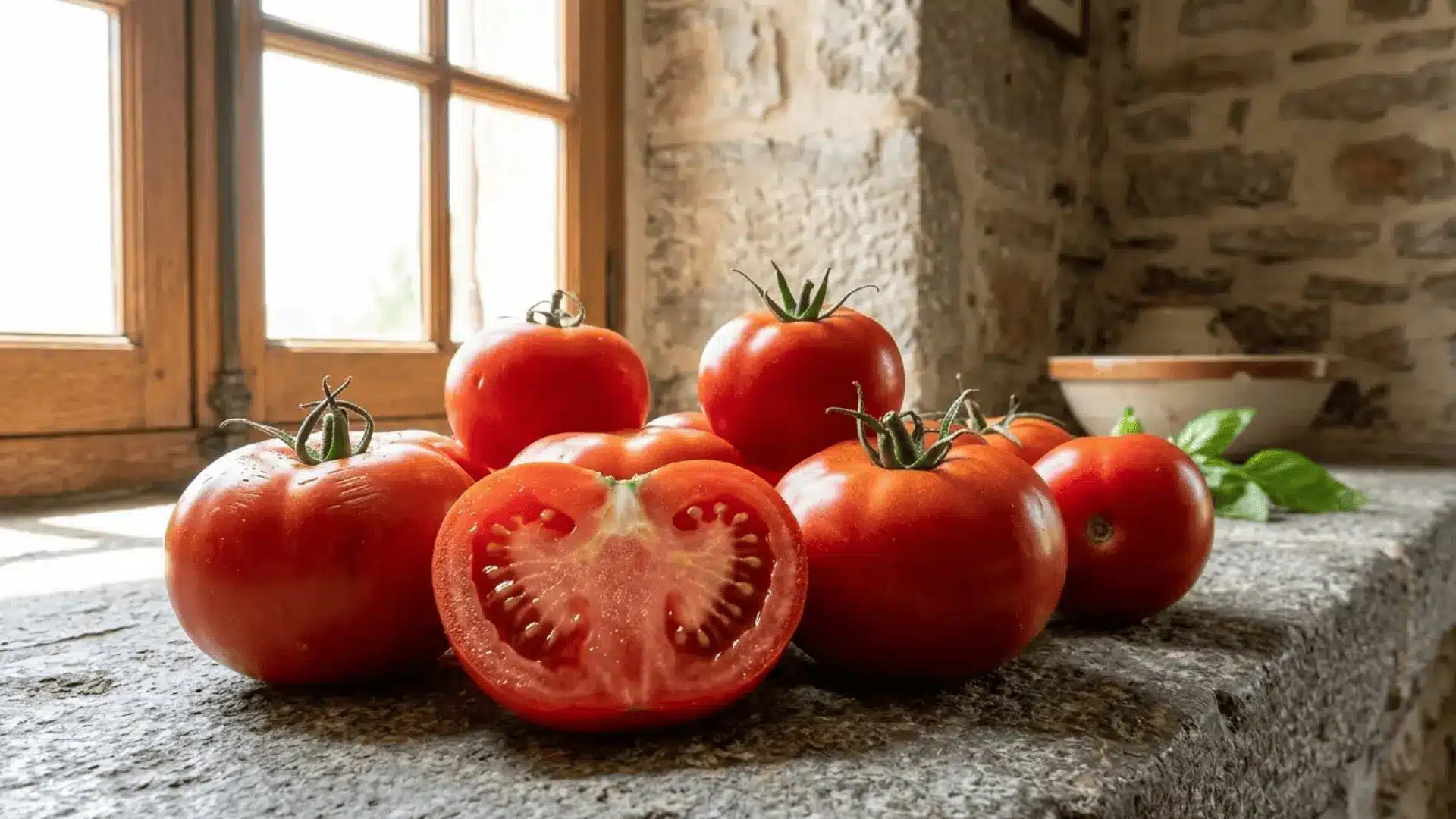
Flavor Profile: Ranges from bright and tangy to deep and sweet, depending on the variety.
Nutritional Profile: Packed with lycopene, vitamin C, and antioxidants that support overall health.
The tomato debate usually lives in the kitchen, but botany settles it cleanly. It grows from a single ovary, holds its seeds in a soft, juicy flesh, and has no hard inner layer.
Scientifically, it checks every box, making it one of the most classic examples of a true berry.
3. Grapes
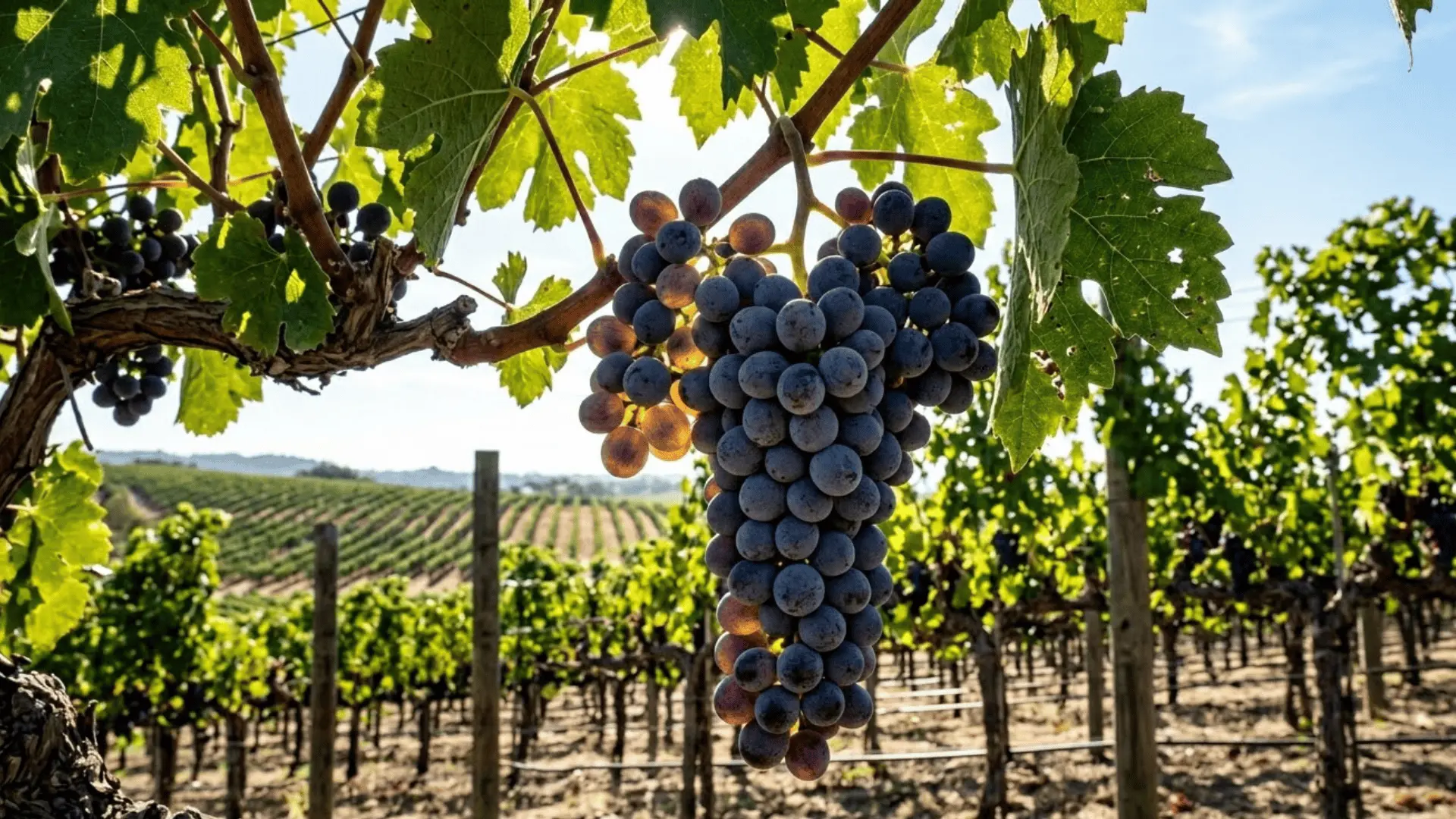
Flavor Profile: Sweet to tart, with thin skin and a juicy, almost burst-in-your-mouth quality.
Nutritional Profile: A good source of vitamin K, resveratrol, and natural antioxidants.
Grapes are actually one of the easier ones to accept as true berries once you know the criteria.
Soft all the way through, seeds embedded in the flesh, single ovary origin. They fit the definition naturally, and yet most people are still a little surprised to hear it confirmed.
4. Blueberries
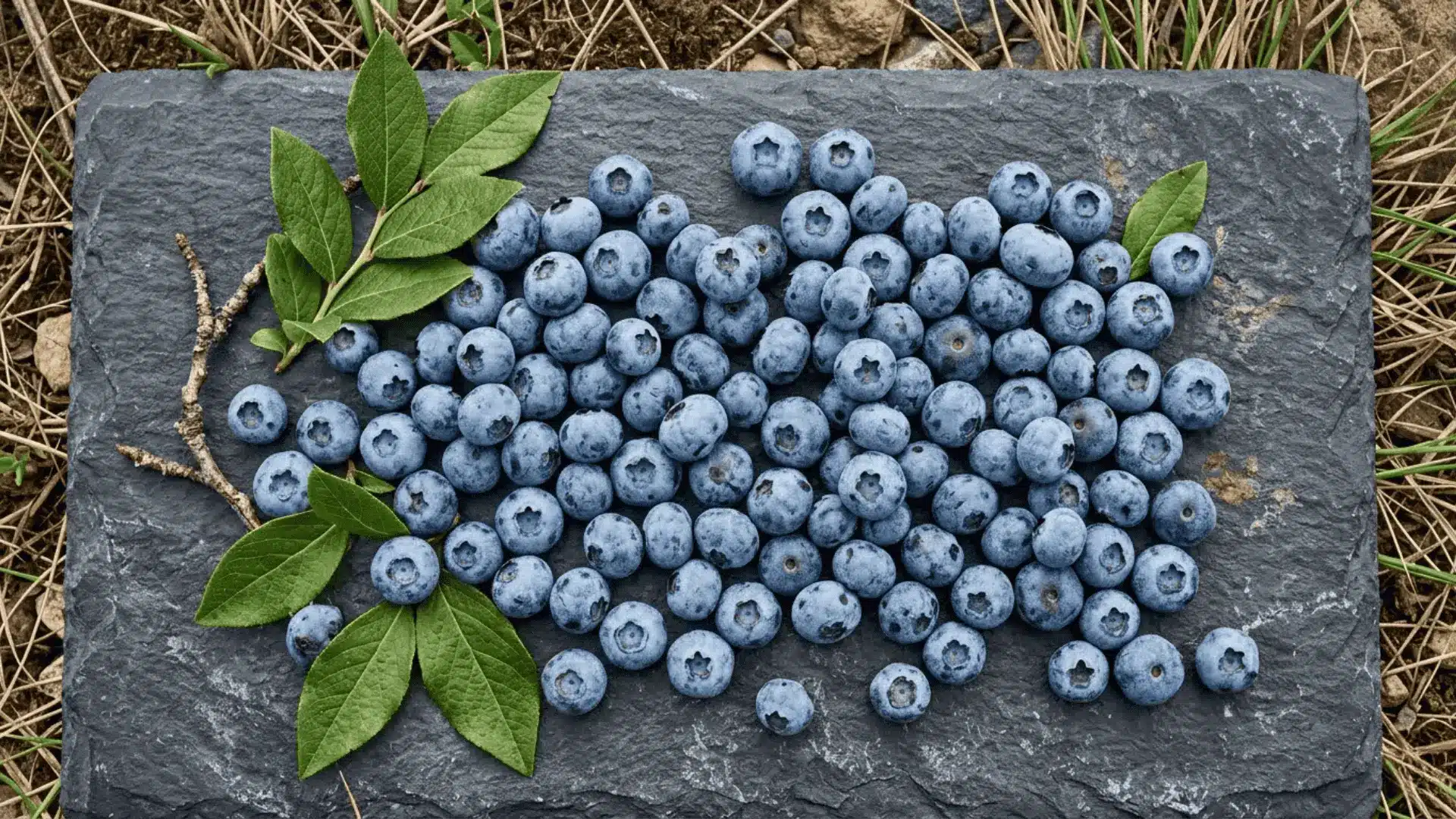
Flavor Profile: Mildly sweet with a subtle tartness and a deep, jammy finish.
Nutritional Profile: High in antioxidants, fiber, and vitamin C, often called a superfood for good reason.
Blueberries are one of the rare cases where the common name and the botanical classification actually agree. They develop from a single ovary, have soft flesh throughout, and carry their seeds internally.
So while most berries on this list come as a surprise, blueberries are simply true berries in every sense of the word.
5. Eggplant
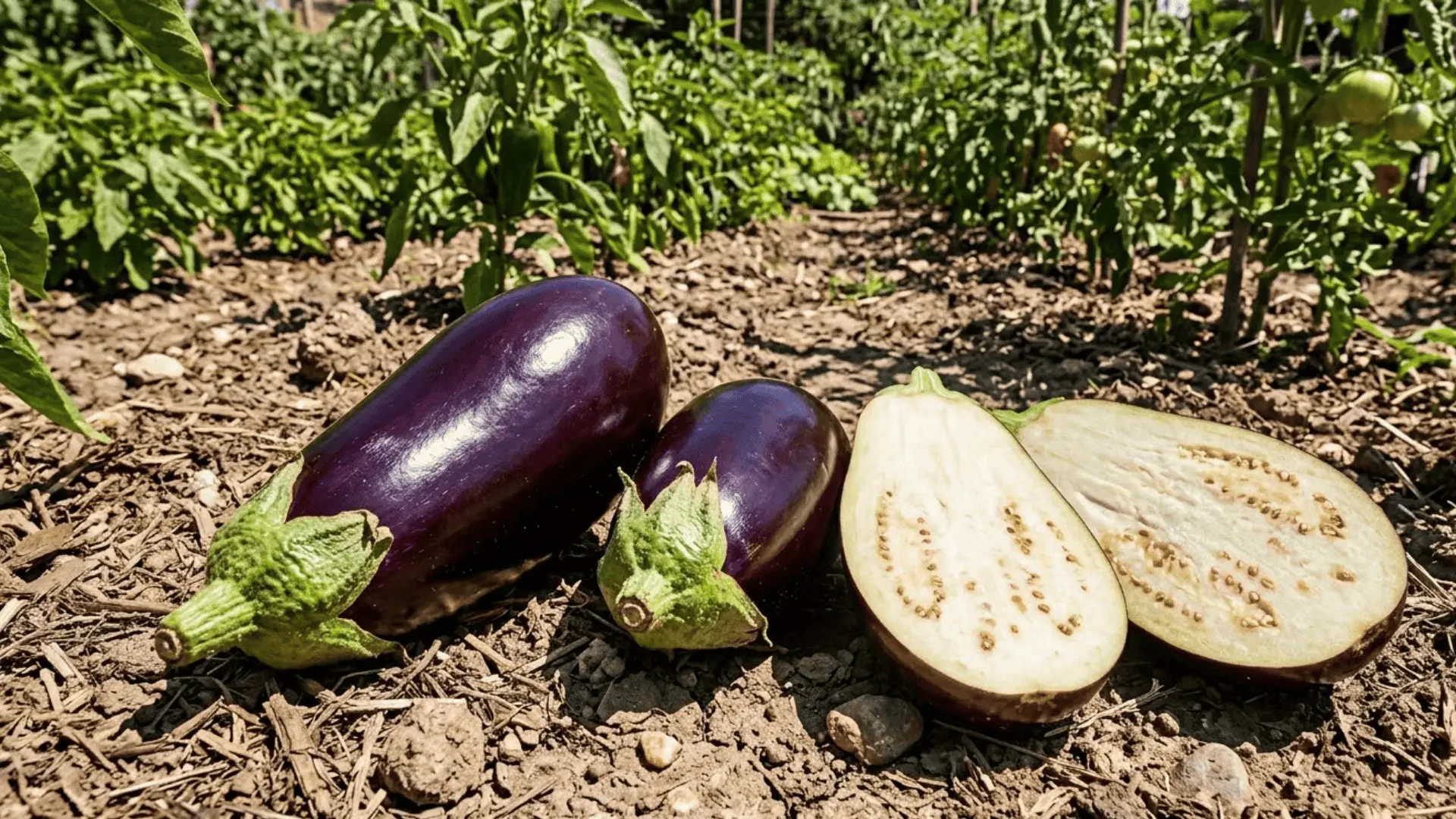
Flavor Profile: Mild, slightly earthy, and savory with a spongy texture that absorbs flavors beautifully.
Nutritional Profile: Low in calories, with a decent amount of fiber, manganese, and B vitamins.
Eggplant is probably the most unexpected name on this list, and understandably so. It grows from a single ovary, its small seeds are scattered through soft flesh, and there’s no pit anywhere in sight.
It meets the botanical definition of a berry just as cleanly as a grape does, which is a fun fact to bring up at dinner.
6. Kiwi
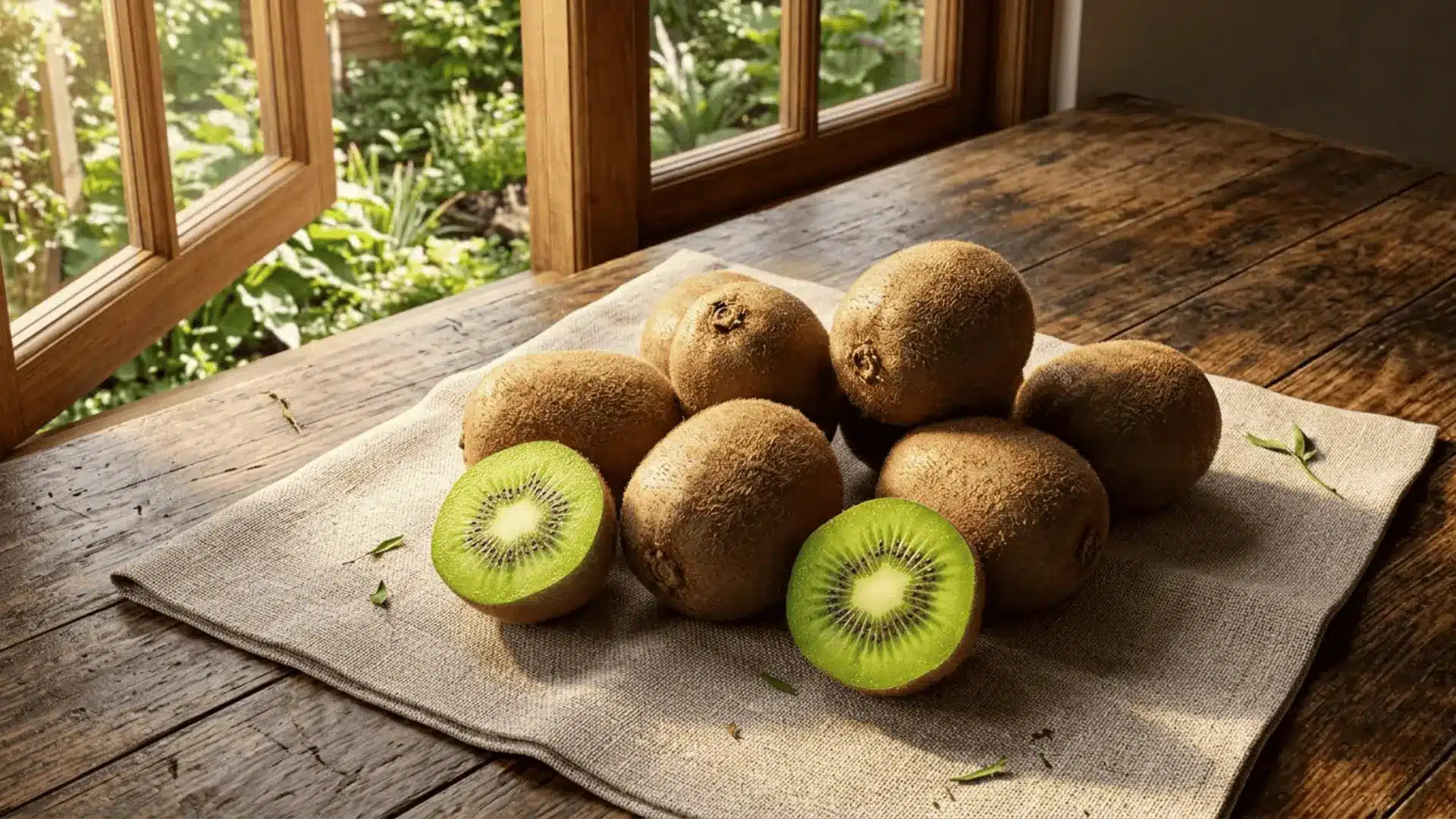
Flavor Profile: Bright, tangy, and tropical with a refreshing sweetness that lingers.
Nutritional Profile: Exceptionally high in vitamin C, vitamin K, and digestive enzymes like actinidin.
Kiwi earns its place on this list quietly but confidently. It develops from a single ovary, its seeds are embedded throughout the soft inner flesh, and the entire fruit gives way without any hard core.
The fuzzy exterior might be deceiving, but underneath, it follows the berry blueprint to the letter.
Types of Fruits Explained Simply
Fruit classification goes deeper than most of us realize, and breaking it down side by side makes it a lot easier to see where everything actually belongs.
| Fruit Type | How It Forms | Key Trait | Examples |
|---|---|---|---|
| Berry | Single ovary, one flower | Soft flesh, many seeds | Banana, tomato, kiwi |
| Drupe | Single ovary, one flower | Hard pit encasing the seed | Peach, cherry, mango |
| Aggregate Fruit | Multiple ovaries, one flower | Cluster of small fruitlets | Strawberry, raspberry |
| Multiple Fruit | Multiple flowers fused together | Forms from an entire cluster | Pineapple, mulberry |
Why Botanical Definitions Differ from Culinary Terms?
The confusion exists because botany and the kitchen follow completely different rules.
In culinary terms, a berry is anything small, round, and sweet.
In botany, it’s a precise structural classification based on how a fruit develops.
Chefs and home cooks categorize fruits by flavor and use, while botanists look at ovary structure and seed placement. Language also plays a role since common names stuck long before science had a say.
Neither definition is wrong; they just serve different purposes, which is exactly why a tomato is a berry in a lab and a vegetable on your plate.
Fun Facts About Berries
Botany is full of little plot twists, and berries have some of the best ones. Here are a few worth knowing.
- Bananas are true berries; strawberries, despite the name, are not.
- Tomatoes qualify as berries botanically, yet culinarily, they live firmly in vegetable territory.
- Not all berries are safe to eat freely, and juniper berry safety is a good reminder that botanical knowledge has real, practical stakes.
Once you start seeing fruit through a botanical lens, the grocery store starts feeling like a very different place. Everything you thought you knew gets a quiet, satisfying revision.
Why This Matters?
Knowing the difference between fruit types isn’t just a fun fact to pull out at parties. For gardeners and farmers, understanding how a fruit develops directly influences how they grow, prune, and harvest their plants.
Botanists rely on these classifications to study plant behavior and relationships across species.
And from a general food knowledge standpoint, it sharpens how you read ingredient labels, understand nutrition, and follow recipes.
The science behind your food is quietly practical, and the more familiar you are with it, the more confidently you move through a garden, a market, or a kitchen.
Final Thoughts
Fruit classification is one of those subjects that starts as a curiosity and slowly reshapes how you see everyday things.
Understanding what makes a berry goes beyond botany textbooks; it connects to how food grows, how language evolves, and how much there is to learn from the most ordinary items on your plate.
The next time you reach for a bunch of grapes or slice into a tomato, you’ll know exactly what you’re holding. And that kind of quiet knowledge is always worth having.
Did any of these surprise you? Drop your thoughts in the comments below!