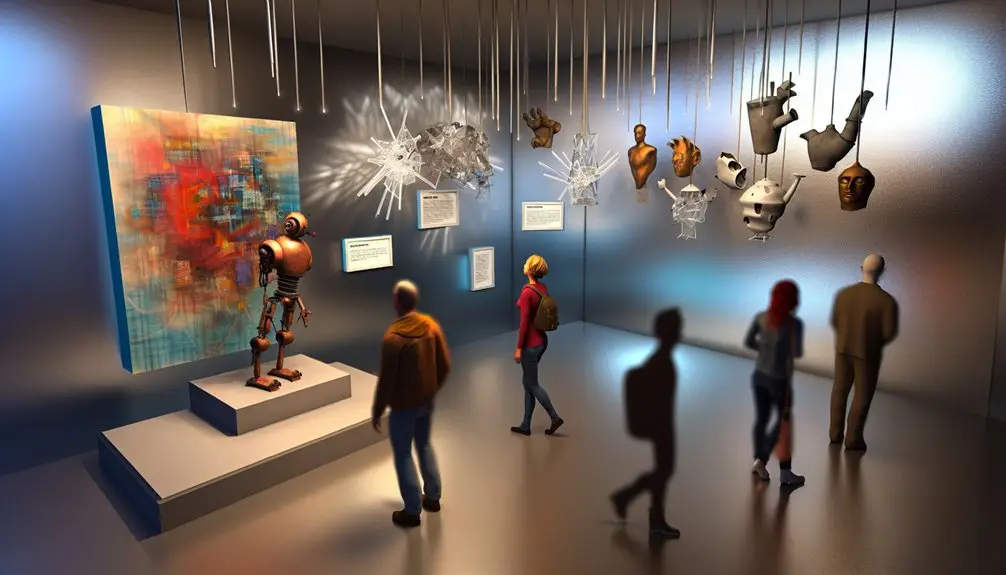
The “Mistake Museum” celebrates failed experiments that reveal essential insights and foster innovation. By showcasing blunders, it highlights how setbacks can lead to breakthroughs, encouraging resilience and creative thinking. Each misstep illustrates that failure isn’t the end but rather an important part of the learning process. You’ll discover inspiring stories of inventors who turned their failures into remarkable successes. Explore how these lessons not only shape the future but also redefine our understanding of innovation.
Understanding the Value of Failure in Innovation
While many fear failure, it’s often the key to revealing true innovation. Embracing failure can lead to invaluable feedback, guiding you toward innovative insights that you mightn’t uncover otherwise.
When you experience setbacks, each misstep offers a chance to reassess your approach and refine your ideas. Instead of viewing failure as an endpoint, see it as a stepping stone on your path to creative freedom.
Each failed experiment teaches you something unique, shaping your perspective and enhancing your problem-solving skills, much like how online schools for elementary students incorporate trial-and-error learning to build critical thinking early on. By analyzing what went wrong, you cultivate resilience and adaptability—essential traits for any innovator.
Key Lessons From Failures That Fuel Innovation
As you navigate the landscape of innovation, you’ll quickly realize that failures often carry powerful lessons that can propel your ideas forward.
Embracing failure analysis allows you to dissect what went wrong, turning setbacks into stepping stones. Each misstep reveals insights that can spark creativity and refine your approach.
Cultivating an innovation mindset means viewing failures not as roadblocks, but as opportunities for growth. You learn to ask the right questions and pivot your strategies accordingly.
This resilience fosters an environment where experimentation thrives, encouraging you to explore uncharted territory.
Ultimately, these lessons from failures empower you to innovate boldly, reminding you that every stumble is merely part of the journey toward success.
Innovative Failures on Display
As you explore the fascinating world of innovative failures, you’ll uncover valuable lessons hidden within notable experimental blunders.
Each misstep redefines success, showcasing how setbacks can spark creativity and lead to groundbreaking ideas.
Lessons From Failed Innovations
Innovation often emerges from the ashes of failure, revealing valuable lessons that can shape future successes. When you examine failed prototypes, it becomes clear that each misstep offers insight into what doesn’t work.
Embracing an iterative design approach allows you to refine ideas through trial and error, transforming setbacks into stepping stones. Think of those who’ve faced rejection yet persisted; they learned to pivot, adapt, and innovate beyond their initial concepts.
Notable Experimental Blunders
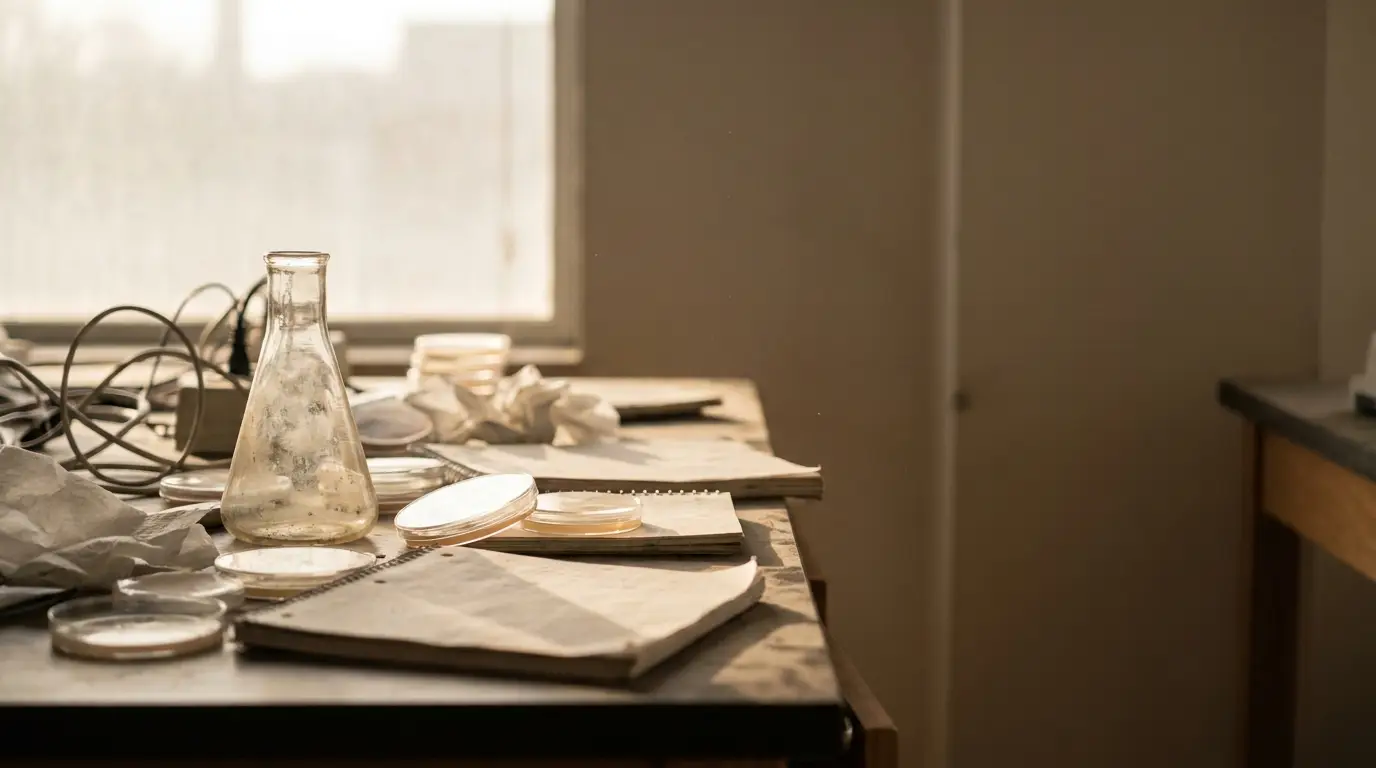
Every innovation journey is marked by a series of experiments, some of which take unexpected turns. You’ll find that many famous flops have led to accidental discoveries that changed the course of history.
Take, for instance, the invention of the Post-it Note, born from a failed adhesive that couldn’t stick. Instead of discarding it, 3M embraced the mishap, creating a revolutionary product.
Similarly, penicillin emerged from Alexander Fleming’s messy lab, showcasing how blunders can yield groundbreaking results.
These notable experimental blunders remind us that innovation isn’t just about success; it’s about the freedom to explore, fail, and learn. Each failure can spark creativity, leading you to uncharted territories where innovation thrives.
Embrace the unexpected—it’s often where the magic happens.
Redefining Success Through Failure
When you shift your perspective on failure, it can transform the way you view success. Embracing a failure mindset allows you to see setbacks not as dead ends but as stepping stones toward innovation.
In the “Mistake Museum,” innovative failures take center stage, demonstrating that success is often redefined through experimentation and risk-taking. Each exhibit tells a story of resilience, showcasing how missteps lead to breakthroughs in creativity and understanding.
By analyzing these experiences, you learn that failure isn’t the opposite of success; it’s a crucial component. This shift encourages you to embrace your own mistakes, fostering a culture of freedom and exploration.
In this light, failure becomes an essential part of your journey, paving the way for true success.
Inventors Who Turned Setbacks Into Success
Though setbacks can feel discouraging, many inventors have harnessed their failures to spark groundbreaking successes.
Take Thomas Edison, for instance. His countless experiments led to the invention of the light bulb, showcasing incredible invention resilience. Each misstep was a stepping stone, driving him to refine his ideas.
Similarly, James Dyson faced thousands of prototypes before perfecting his bagless vacuum cleaner, embodying a true perseverance story.
These inventors teach us that failure isn’t the end; it’s an essential part of the journey. By embracing setbacks, you cultivate creativity and innovation.
Their experiences remind you that every stumble can lead to unexpected breakthroughs, empowering you to pursue your own passions without fear.
Celebrate these stories; they’re the essence of transformative success.
How Failure Fuels Scientific Breakthroughs
Failures in experimentation are often the unsung heroes behind scientific advancements. When you immerse yourself in the domain of research, you realize that every setback can spark innovation.
This is where scientific resilience comes into play; each mistake teaches invaluable lessons that shape future experiments. It takes experimental courage to embrace failure, to view it not as an endpoint but as a stepping stone to success.
By analyzing what went wrong, you can identify new strategies and approaches, pushing the boundaries of knowledge. Each failure offers a unique perspective, illuminating paths previously unseen.
In the end, it’s through these trials that breakthroughs are born, creating a culture where exploration thrives, and the spirit of inquiry remains unshackled.
Fascinating Examples of Innovative Failures
While it might seem counterintuitive, some of the most groundbreaking innovations have emerged from unexpected setbacks.
Think about the Post-it Note; it started as a failed invention, a weak adhesive that didn’t stick well. Yet, it transformed into a beloved office staple.
Similarly, the microwave oven was born from a melted candy bar in a scientist’s pocket, showcasing how unexpected outcomes can lead to revolutionary products.
These stories remind us that failure isn’t the end—it’s often the beginning of something remarkable. Embracing these innovative failures can free us from the fear of mistakes, encouraging us to explore uncharted territories.
Conclusion
In the world of innovation, failure isn’t the end; it’s a stepping stone. Each misstep can spark a new idea, leading to breakthroughs you never imagined. Just like a phoenix rising from the ashes, these failed experiments illuminate the path to success. So, next time you stumble, remember: every setback is a chance to learn and grow. Embrace the lessons, celebrate the mistakes, and let your creativity flourish in the face of adversity.