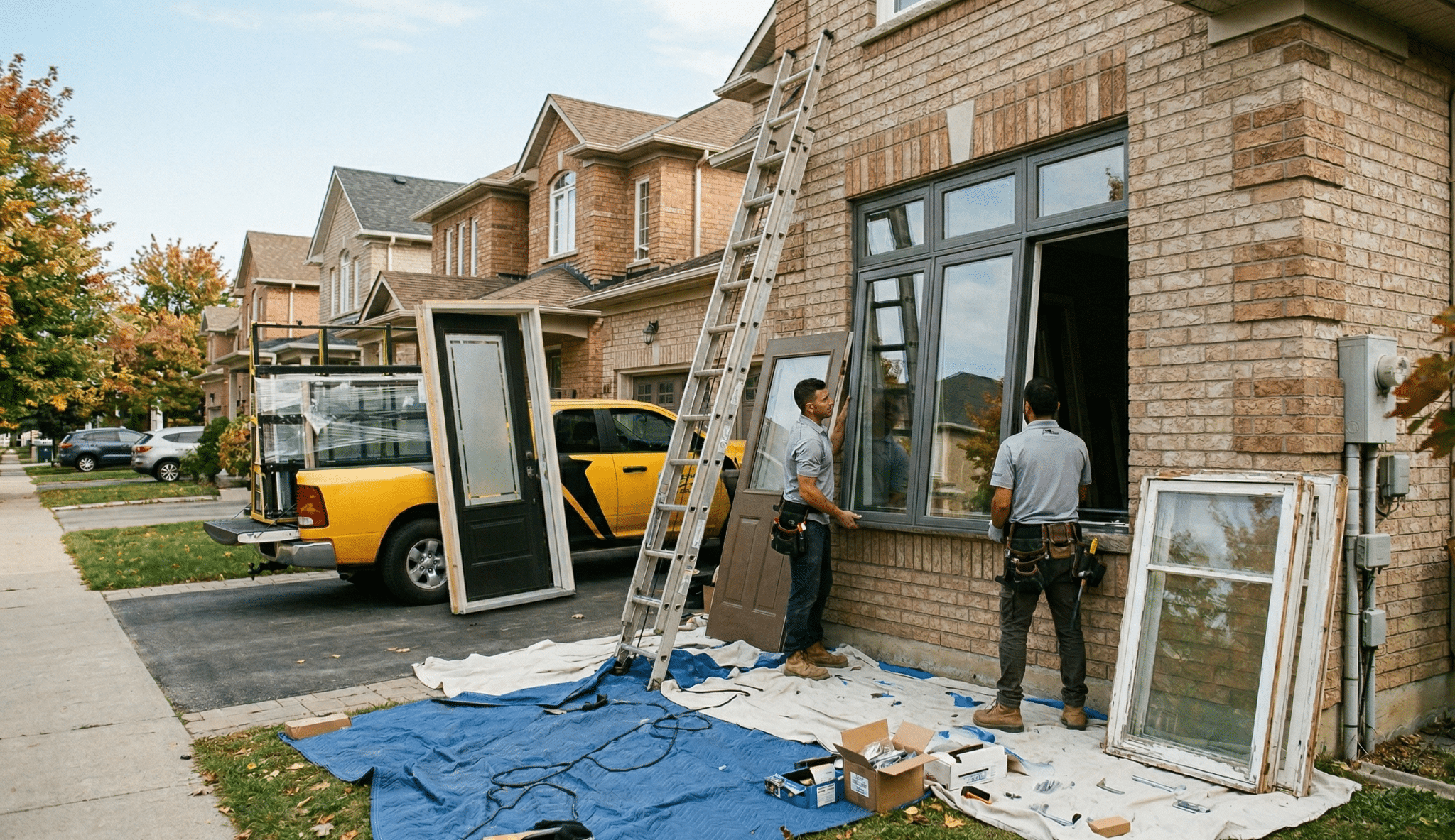
Moving to a new place is both exciting and challenging. The thrill of exploring new streets, meeting new people, and creating a fresh environment often comes with a sense of uncertainty. Turning a new house or apartment into a true home requires more than unpacking boxes; it involves a deliberate process of adapting, personalizing, and connecting. While the journey may seem daunting, embracing each step with intention can transform the experience from stressful to rewarding.
Embracing the Change
Starting over means letting go of old routines and familiar surroundings. This transition can feel unsettling at first. However, it also offers a unique opportunity to rethink your lifestyle and make intentional choices about how you want to live. The first days in a new place are often filled with small victories, like finding your favorite grocery store or discovering a quiet park nearby. Recognizing and celebrating these moments helps you gradually feel settled and anchored.
Change can be uncomfortable, but it also sparks growth. By approaching your new environment with curiosity rather than resistance, you open yourself to new experiences. A mindset of exploration allows you to notice subtle details—a local café with the best coffee, a street lined with charming houses, or a community event that brings neighbors together.
Personalizing Your Space
One of the most crucial steps in turning a new place into home is personalization. Your living space should reflect your personality and daily habits. Start with simple touches: rearranging furniture, hanging artwork, or adding decorative items that bring comfort and familiarity. Over time, these small adjustments create a sense of belonging.
Lighting, color schemes, and textures can significantly influence how you perceive a space. Warm lighting and soft fabrics create coziness, while bold colors or unique decorations add character. Don’t rush the process; a home evolves gradually. Each item you introduce contributes to a narrative that tells your story in this new environment.
Building a Sense of Community
Feeling connected to your neighborhood and local community is equally important. Attend local events, visit nearby shops, and engage in social activities. Even simple interactions, like greeting neighbors or chatting with a barista, help cultivate a sense of familiarity.
Networking in your new area can also uncover helpful resources and opportunities. Libraries, community centers, and recreational clubs offer a welcoming environment to meet like-minded individuals. Establishing relationships within your community not only reduces feelings of isolation but also enhances your overall well-being.
The Role of Professional Services
Moving and settling into a new home can be overwhelming. Professional services can ease the transition significantly, allowing you to focus on personalizing and adapting to your new surroundings. For example, if you’re moving to Northern Virginia, hiring moving companies in Fairfax, VA, ensures a smooth relocation process. They handle logistics, heavy lifting, and transportation efficiently, which reduces stress and saves time.
Local solutions often provide the added benefit of familiarity with the area. Professionals understand the best routes, regulations, and local nuances that can make the moving process faster and more organized. Choosing a reliable, local service means you benefit from experience and personalized support. This approach allows you to start your new chapter with a clear, organized plan rather than being bogged down by the challenges of relocation.
Creating Comfort Through Routine
Once you’ve settled into your new space, establishing daily routines helps solidify a sense of home. Regular schedules for meals, work, and leisure activities create stability and predictability. Familiar routines can transform an unfamiliar environment into a space that feels secure and welcoming.
Incorporate habits that bring joy and comfort. Whether it’s morning coffee by the window, a weekly walk around the neighborhood, or weekend cooking sessions, these small rituals foster a sense of belonging. Over time, routines anchor your life in the new space, giving it meaning and familiarity.
Making It Your Own
Beyond furniture and decoration, a home becomes truly yours when it aligns with your lifestyle and needs. Optimize spaces for convenience, storage, and functionality. Organize rooms according to how you live, rather than adhering strictly to conventional designs. Flexibility in designing your environment allows you to feel in control and comfortable in your surroundings.
Consider incorporating elements that evoke positive emotions. This could include photographs, souvenirs from past experiences, or plants that brighten a room. These personal touches create emotional connections, turning a house into a home rather than just a living space.
Staying Patient and Mindful
Adapting to a new home is rarely instantaneous. Patience is essential. Some days may feel disorienting or lonely, and that is natural. Mindfulness practices, such as journaling, meditation, or simply observing your environment, can help you process the transition.
Being present in the moment allows you to appreciate the subtleties of your new environment. Over time, spaces that initially felt foreign begin to evoke comfort and belonging. Mindfulness nurtures gratitude and awareness, enhancing your connection to your new home.
Embracing the Journey
Starting over is not just about physical relocation; it is a holistic process of adaptation, personalization, and emotional integration. Each step, from unpacking boxes to forming community connections, contributes to the broader experience of making a place your own.
Celebrate progress, no matter how small. Each day that passes in your new space strengthens your sense of home. By combining intentionality, patience, and practical support, the process becomes less about adjustment and more about opportunity.
Conclusion
Turning a new place into home is an art that requires attention, effort, and mindfulness. From embracing change to building routines, each action contributes to a sense of belonging and comfort. Professional support and local services can simplify the process, but ultimately, it is your personal touches, connections, and routines that transform a space into a home. By approaching each stage thoughtfully, starting over becomes not just a challenge but a chance to create a living environment that reflects your life, values, and personality.