Every gardener has been caught off guard by a wave of aphids in spring or a sudden slug invasion after the first autumn rains. These unwelcome visitors rarely show up at random. Most garden pests follow predictable seasonal patterns, driven by temperature shifts and breeding cycles.
Understanding seasonal pest activity before it peaks gives gardeners a real prevention advantage. Rather than reacting to damage already done, a reliable pest calendar makes it possible to prepare weeks ahead. The sections that follow break down what to watch for in each season, offering a practical, year-round reference built around timing.
A Quick Pest Calendar for Gardeners
Most garden pests follow a rhythm tied to temperature and daylight, and knowing that rhythm turns guesswork into preparation. Here is a season-by-season snapshot of what gardeners are most likely to encounter.
Spring (March to May): As soil warms, the spring pest surge begins. Ants, aphids, and beetles become active in beds and borders, while termite swarms emerge near wooden raised beds and garden structures. Breeding cycles accelerate quickly during this window.
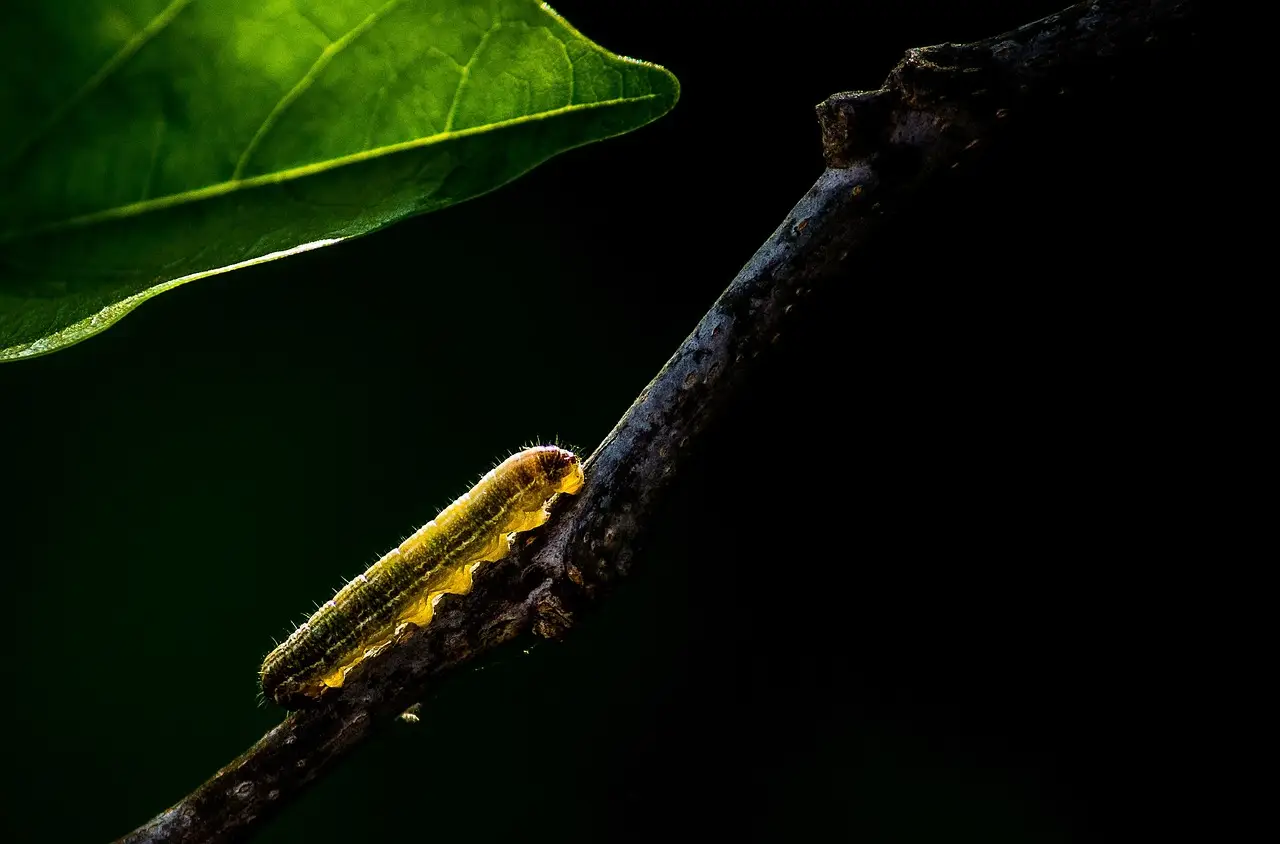
Summer (June to August): The summer peak season brings the heaviest pressure. Mosquitoes breed in standing water, wasps build nests near eaves and sheds, and spiders settle into dense foliage. Caterpillars feed aggressively on leaves and stems throughout these months.
Fall (September to November): As temperatures drop, fall shelter seeking kicks in. Rodents, cockroaches, and stink bugs migrate toward garden sheds, compost bins, and raised bed structures looking for warmth and protection.
Winter (December to February): Activity slows but does not stop. Overwintering insects tuck into mulch, soil layers, and wood structures, while rodents remain active around stored garden supplies. Research on seasonal variations in insect abundance confirms that even dormant months host pest populations waiting for the next warm spell.
Keeping this calendar visible near a potting bench or garden journal helps gardeners stay one step ahead. When pest pressure escalates beyond prevention or multiple species overlap, professional assessment can help identify species and breeding sites accurately through services like advancedexterminating.com.
Spring and Summer: When Pest Pressure Peaks
Once spring temperatures climb above 50°F consistently, the garden becomes a breeding ground. Ants, beetles, and aphids begin egg-laying almost immediately, and their colonies expand fast. A single ant colony can multiply several times over within weeks if left unchecked.
This early window matters more than most gardeners realize. Identifying common garden pests during the first signs of spring activity allows for targeted intervention before populations spiral. Waiting even a few weeks can mean the difference between a manageable problem and a full infestation.
Termites also swarm in spring, and their targets are not limited to houses. Wooden raised beds, garden borders, and sheds often go unmonitored, giving termite colonies a foothold that goes unnoticed until structural damage appears.
Breeding Cycles and Why Timing Matters
Pest breeding cycles compress dramatically in warm months. Many common garden insects can complete an entire generation in just two to three weeks during summer, which means a small population in June can become overwhelming by mid-July. Accordingly, delayed response during this period carries a steep cost.
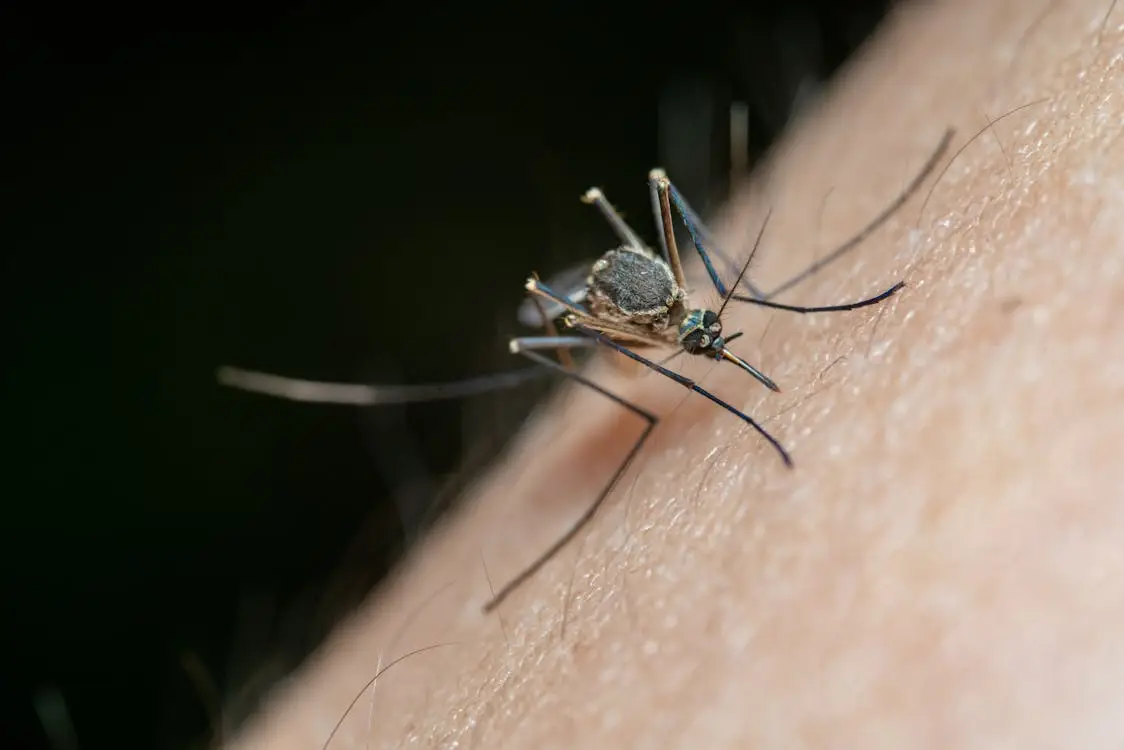
Summer also brings peak activity from mosquitoes and wasps. Standing water is the primary driver for mosquito breeding, and gardeners often create it without thinking. Overwatering, pooling around drip lines, and water collecting in saucer trays under containers all provide ideal breeding sites.
Moisture control is one of the most effective forms of pest prevention during these months. Emptying saucers after watering, fixing pooling issues along irrigation lines, and improving drainage in low spots removes the conditions mosquitoes and other moisture-loving pests depend on.
Gardeners who also watch for early warning signs of spider mites during hot, dry stretches can catch yet another summer threat before it takes hold.
Fall and Winter: What’s Hiding in Your Garden
As the growing season winds down, many gardeners step back from their plots, assuming pest pressure fades with the flowers. That assumption, however, leaves the door wide open for problems that quietly build through the cold months.
Rodents are among the first to make their move. As temperatures drop, mice and rats seek out sheds, compost bins, and the hollow cavities inside raised beds. These spaces offer warmth and easy access to stored seeds, bulbs, and garden supplies.
Cockroaches and spiders take a similar approach, tucking themselves into stacked pots, garden debris piles, and thick mulch layers where conditions stay insulated enough for survival.
Below the surface, overwintering insects are also settling in. Beetle larvae burrow into soil, and ant colonies retreat deeper underground or beneath wooden structures. These populations are dormant but far from gone, and they emerge rapidly once spring soil temperatures rise.
A focused fall cleanup goes a long way toward reducing next year’s pest loads. Key tasks include:
- Clearing leaf litter and plant debris from beds and borders
- Inspecting wooden structures for signs of decay or entry points
- Draining any standing water sources, including forgotten buckets and saucers
- Thinning dense mulch layers to eliminate sheltered harborage
Winter may look quiet, but active rodents and dormant insects continue to affect stored supplies and garden infrastructure. Treating pest prevention as a year-round effort, rather than a spring-only task, keeps cold-season threats from compounding into warm-season infestations.
Staying Ahead of Pests All Year
The most effective year-round pest control does not start when damage appears. It starts with consistent monitoring at every seasonal transition, from the first spring warm-up through the quietest weeks of winter.
Each season’s prevention work directly reduces the next season’s pest pressure. Fall cleanup limits overwintering populations, which means fewer emerging pests in spring. Similarly, summer moisture control cuts down on breeding sites that would otherwise fuel autumn migrations toward sheltered spaces.
A pest calendar works best as a living planning tool, not something checked once and forgotten. Revisiting it at the start of each season, alongside notes on what appeared the previous year, turns seasonal pest activity patterns into a reliable, personalized defense strategy.