A brief power cut usually means finding a flashlight and waiting for the lights to return. An outage that continues through a freezing night changes the situation. Heating, refrigeration, communication, and even access to water may depend on systems that no longer work.
Preparing for that possibility starts with understanding what your household needs to remain safe. For Texas homeowners, the same weekend spent covering outdoor faucets and protecting tender plants is a good opportunity to check indoor supplies and backup arrangements. The aim is to make essential decisions while the house is warm and there is time to act.
Identify What Needs Electricity to Keep Working
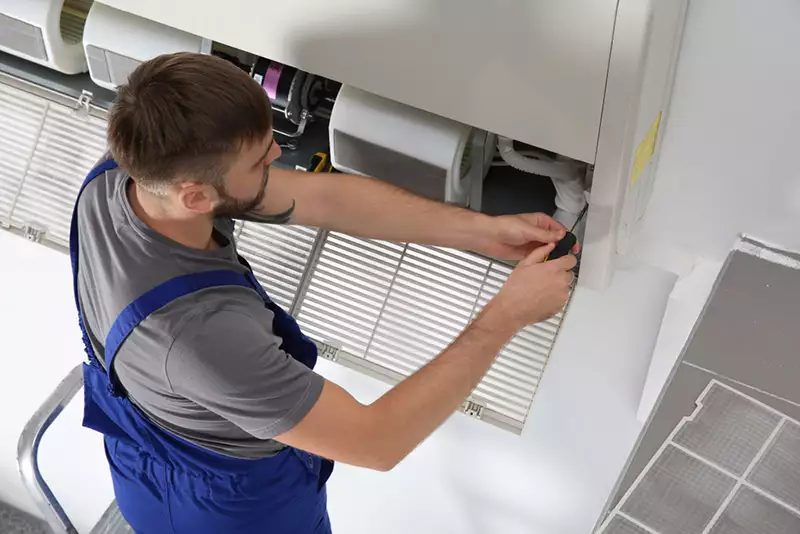
Walk through the house and list the equipment that supports essential needs. Include heating controls and blowers, refrigeration, medical devices, well pumps where applicable, and equipment needed for communication. A gas furnace may still require electricity, so confirm how your particular heating system operates.
Separate those needs from conveniences. Keeping the refrigerator and necessary medical equipment running involves different priorities from powering every kitchen appliance. If you have backup power, understand which circuits it serves and which devices must remain off.
Discuss medical requirements with the equipment supplier and healthcare team before an outage occurs. Ask about battery duration, charging arrangements, and when relocation would be necessary. Utility notification programmes may be useful, but they should not replace an independent plan for essential care.
Plan Backup Power Around More Than Fuel
A standby generator can support a household during a prolonged outage, but ownership alone does not establish how long the home can remain powered. Fuel availability, connected loads, equipment condition, and maintenance requirements all matter.
Understanding how long a standby generator can run helps homeowners plan for an interruption that lasts beyond the first evening. Start with the instructions for your exact model and ask the servicing company to explain the checks required during extended operation. Avoid treating a general runtime estimate as permission to leave equipment unattended indefinitely.
Manufacturer guidance illustrates why those details matter. Generac advises that a home standby generator powering a house must be properly shut down before checking its oil. The shutdown procedure and maintenance schedule should come from the applicable manual, with professional help where needed.
For propane systems, discuss expected consumption and delivery arrangements before winter weather arrives. For natural-gas systems, account for the possibility of a fuel-service interruption. Keep the service number and operating instructions accessible without relying entirely on internet access.
Decide Where You Can Stay Warm Safely
Choose a comfortable gathering area away from obvious drafts and prepare blankets, warm clothing, and suitable bedding. Close curtains after dark and reduce unnecessary movement through exterior doors. These steps can help conserve warmth, but they cannot make an increasingly cold house safe indefinitely.
Any alternative heating arrangement needs preparation. Have fireplaces and other fuel-burning equipment maintained appropriately, and use them only as intended. Never use an oven, outdoor grill, or camping stove to heat the house.
If you use a portable generator, operate it outdoors at least 20 feet from doors, windows, and vents, with exhaust directed away from the home. Never run it in a garage, even with the door open, and never connect it to house wiring through a wall outlet. A connection to household circuits requires properly installed transfer equipment.
Test smoke and carbon monoxide alarms according to their instructions, including backup batteries. Identify somewhere else to stay before conditions deteriorate, particularly if your household includes infants, older adults, or people with health concerns.
Protect Food Before the Refrigerator Warms
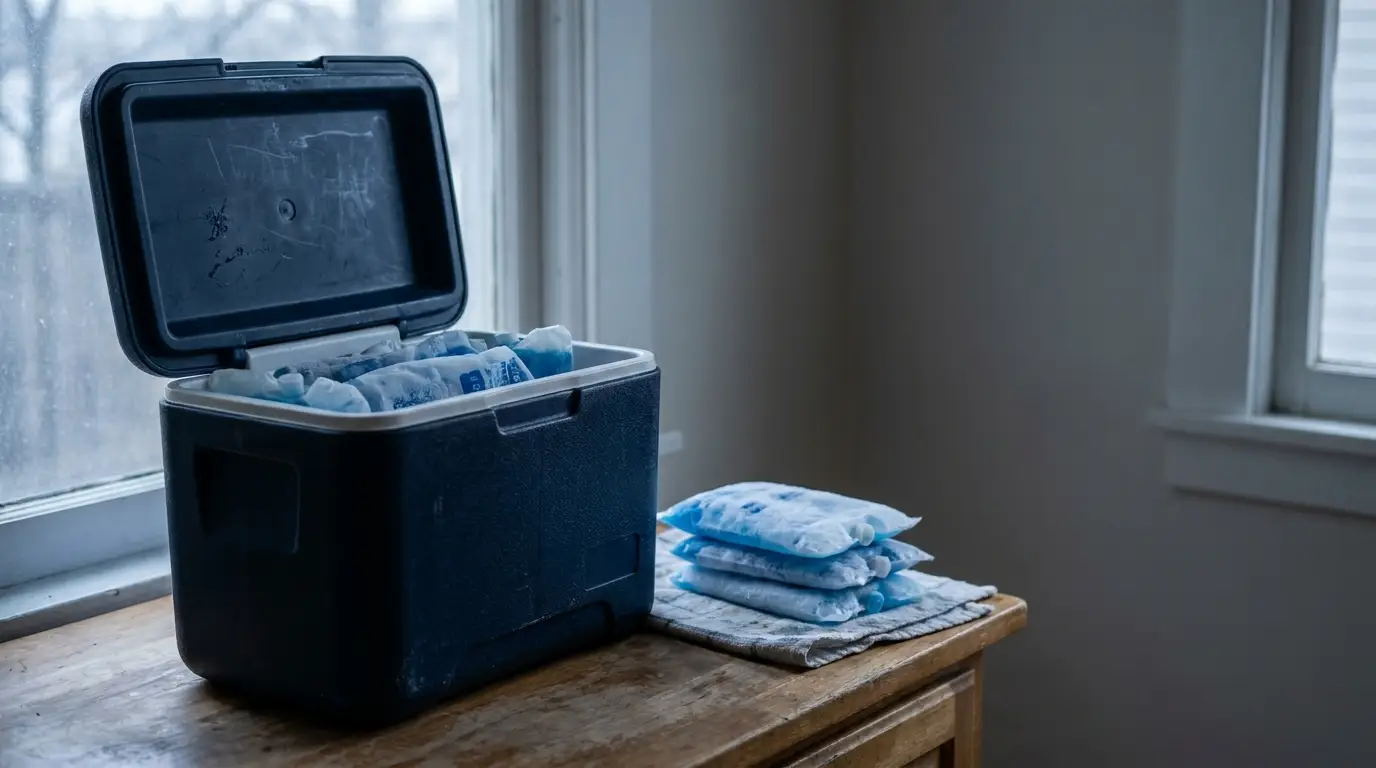
Put appliance thermometers in the refrigerator and freezer before an outage. Freeze ice packs and keep a cooler available so you have options if refrigeration cannot be maintained. Plan meals around food that needs little preparation and does not require electricity to cook.
The U.S. Department of Agriculture’s power-failure guidance explains that an unopened refrigerator keeps food cold for about four hours. A full freezer can maintain its temperature for approximately 48 hours, or about 24 hours when half full, provided the door remains closed.
Treat those figures as planning guidance rather than a substitute for checking conditions. Keep doors closed as much as possible and consult food-specific disposal guidance when deciding what can be retained. Never taste food to determine whether it is safe.
Cold weather outdoors does not make a porch a reliable refrigerator. Temperatures change, sunlight can warm containers, and animals may reach the food. Use appropriate cold storage and temperature checks instead of assuming freezing weather solves the problem.
Prepare Water and Plumbing Together
Store drinking water before severe weather and include the needs of pets and anyone requiring special food preparation. If your home uses a private well, find out whether backup power supports the pump. Keep drinking water separate from any water stored for household uses.
Locate the main water shutoff and make sure an adult can reach and operate it. If you do not know which valve serves the house, ask a plumber before an emergency. Knowing how to respond to a burst pipe can limit additional damage.
Disconnect garden hoses and protect exposed plumbing before temperatures fall. Ask your plumber or water provider which freeze precautions suit your property, especially if indoor heat may be lost. Do not use an open flame to thaw a pipe.
Keep Light and Information Within Reach
Place battery-powered flashlights or lanterns in familiar locations, including beside beds. Keep spare batteries with them and avoid relying on a phone flashlight for every task. Hands-free lighting can make it easier to manage stairs, prepare food, and care for children.
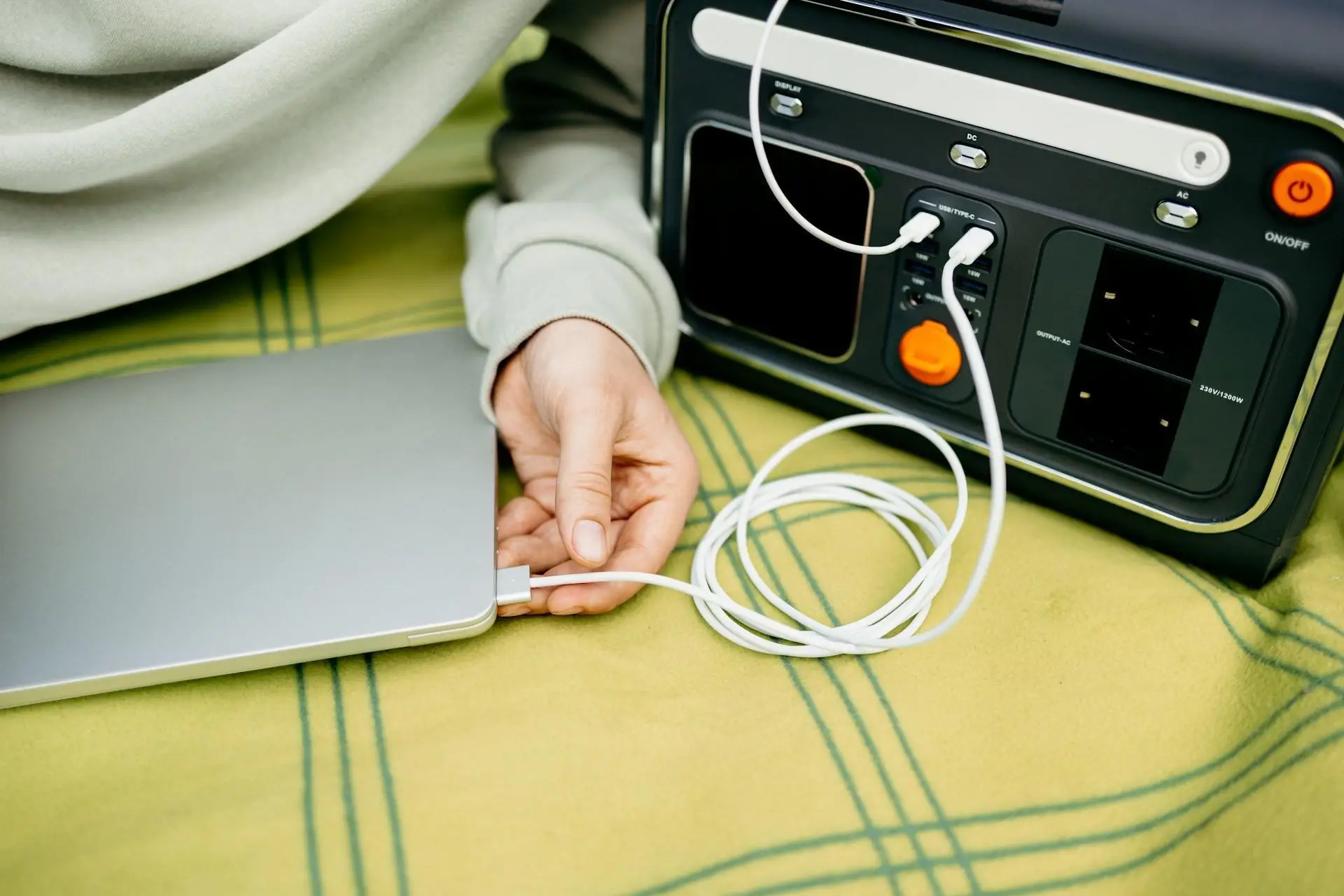
Charge power banks before the storm and keep the correct cables together. Write down important contacts, including the utility outage line, generator service company, and a nearby person who can help. A battery-powered radio provides another way to receive updates when internet service is unavailable.
Agree on a simple check-in arrangement with relatives or neighbours. Tell them how you will communicate and where you might go if you leave home. Keep pets’ carriers, essential documents, medication, and warm clothing ready for that possibility.
Choose Your Leaving Point Before You Need It
A backup plan should explain when staying home is no longer reasonable. Loss of essential medical power, unsafe indoor temperatures, an alarm, or instructions from emergency officials can require action. Do not wait for every supply to run out before considering a safer location.
Review arrangements with the whole household while conditions are normal. Make sure people know where supplies are, who will handle equipment checks, and how to leave if necessary. Preparing for several days without electricity is easier when responsibilities are shared and the plan is ready before the lights go out.