Designing a garden yourself sounds romantic until you’re on your third trip to the garden centre. By then, you’ll be steering a wobbly trolley full of sun-loving lavender towards a patio that sits in shade until 4pm.
Meanwhile, the border you started digging in April is still half-finished, and the sketch you drew on an envelope made far more sense at midnight.
You know how you want your garden to feel, but turning that feeling into a plan for your soil, light, and budget takes a trained eye. Here’s how to find the right designer, so every pound you spend ends up blooming in the beds.
Decide How You Want to Use Your Garden
Before you speak to a single designer, you need to work out what your garden is for. Think about who will use it, when they’ll be out there, and what they’ll be doing.
Perhaps you dream of long summer dinners under festoon lights, or a lawn where the kids can kick a football without flattening the dahlias. You might simply want a sheltered bench for your morning coffee and a few raised beds heavy with tomatoes.
Write it all down, then rank each item by how much you’d miss it. A wishlist with a wildflower meadow, a hot tub, and a dog run will need some trimming if your garden is the size of a parking space.
A clear brief gives a designer something solid to build on and stops you paying for features you’ll never use.
Get to Know Your Space and Its Conditions
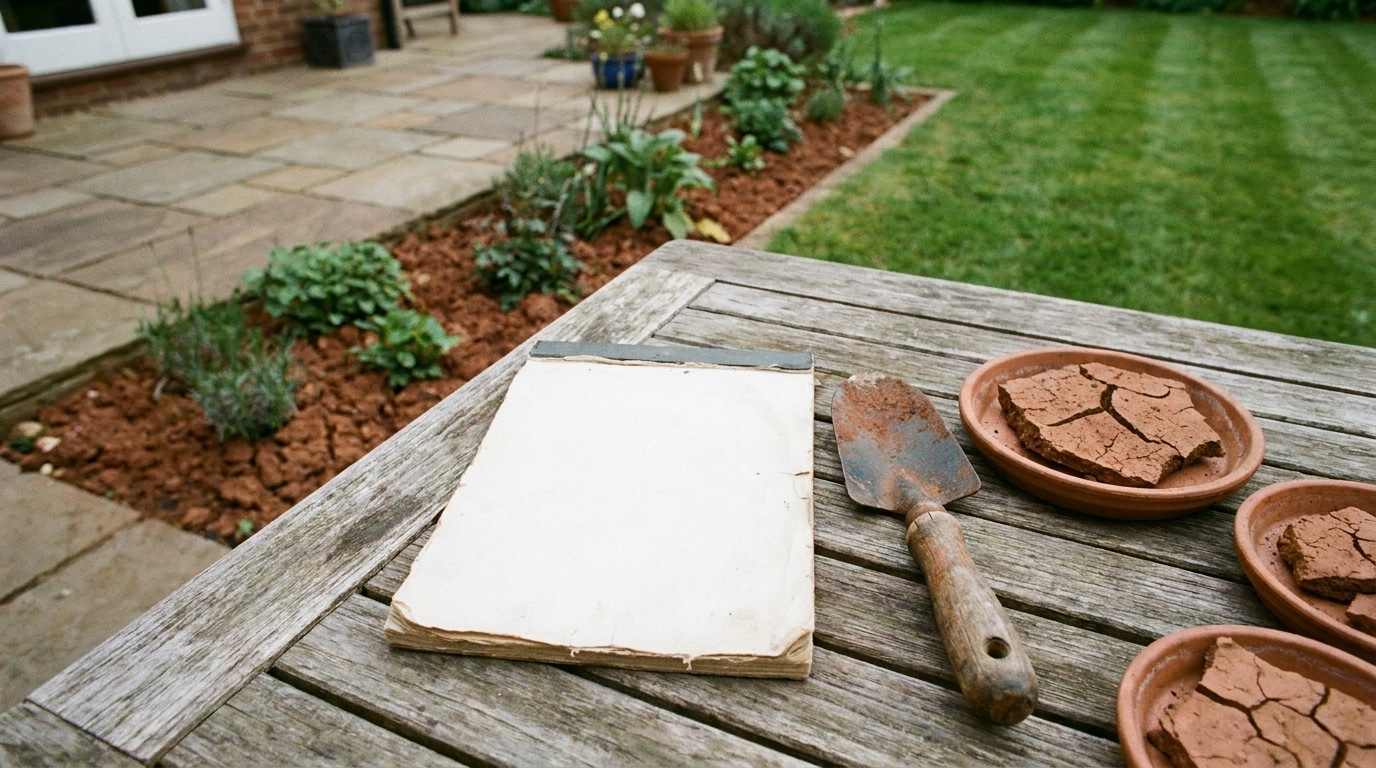
Every garden comes with its own set of quirks, and a good designer will plan around them. Knowing yours in advance will help you judge whether a professional is reading your space properly.
Start with the aspect. A north-facing garden behind a London terrace will spend much of the day in shade, while a south-facing plot will bake in the July sun, and each will need very different planting.
Then turn your attention to the soil. Much of the UK sits on heavy clay, which turns sticky in winter and cracks in summer, while chalky and sandy soils drain water away far faster.
Note any slopes, boggy corners, and how materials will reach the back garden. In many Victorian terraces, every bag of gravel will travel through your hallway, and a designer who asks about access early is one worth keeping.
Set a Realistic Budget
Before any quotes arrive, you should split your budget into two parts, so you’ll know exactly where your money is going. The first covers the design itself, and the second covers building it.
Hard landscaping, such as paving, walls, decking, and lighting, will swallow the largest share of your budget. Planting, on the other hand, gives you masses of colour and texture for a fraction of the cost.
Share your figure honestly with every designer you meet. If you keep your budget to yourself, a designer might draw up a plan with imported Italian porcelain paving when you can only afford reclaimed brick.
Give a clear number from the start, and they’ll plan the materials and features around what you can spend.
Check Qualifications and Professional Memberships
Anyone can print business cards with ‘garden designer’ on them, so your next step is separating trained professionals from enthusiastic amateurs with a van.
Look for membership of the Society of Garden Designers, which assesses designers’ work before awarding its Registered Member status. If the same company will build your garden, check for accreditation from the Association of Professional Landscapers or BALI as well.
Ask about public liability insurance, too. A qualified designer should also understand UK rules affecting your plans. These include planning permission for larger outbuildings, conservation area restrictions, and Tree Preservation Orders on mature trees.
Study Portfolios for Style and Scale
Once you’ve got a shortlist, you’ll want to see what each designer has created before. A portfolio will tell you far more than a polished sales pitch ever could.
Look for a style that makes your heart skip. You might fall for cottage-garden abundance spilling over brick paths, crisp contemporary lines in slate and steel, or a lush courtyard jungle of ferns and banana plants.
Scale is just as important. Transforming a narrow city plot calls for different tricks than laying out a sprawling rural garden, so check that a designer has handled spaces similar to yours.
If possible, ask for photos of a finished garden a few years on. Fresh planting can look sparse, and seeing it fully grown in will show you how well a designer plans for the future.
Ask the Right Questions at Your Consultation
The first consultation is your chance to see how a designer thinks and whether you’ll enjoy working together. Here are the questions you should bring along.
What Does Your Design Process Involve?
Find out what you’ll receive and when. Most designers move from an initial concept to detailed drawings, and many offer 3D visuals so you can stroll through your garden before a single slab is laid. Ask how many rounds of revisions are included, too.
Who Will Build the Garden?
Some designers build every project themselves, while others recommend trusted contractors or simply hand over the drawings. Knowing this upfront will save you from chasing landscapers once the plans are finished.
How Long Will the Project Take?
Ask for a rough timeline from first sketch to final plant. A designer should also advise on the best time to plant in your part of the UK. Autumn planting, for example, gives roots months of mild, damp soil to settle in before spring.
How Much Maintenance Will It Need?
Be honest about how many hours you’ll realistically spend with a trowel each week. A good designer will choose plants suited to your routine, so your borders don’t turn into a tangle by August.
Compare Quotes and What Each One Includes
With your consultations done, lay your quotes side by side and look beyond the final figure. Two similar prices can cover very different amounts of work.
Check whether each quote is itemised and includes a planting plan, build supervision, and aftercare. Some designers also guarantee their plants for the first season. If your pricey olive tree drops its leaves and dies over winter, they’ll replace it free of charge.
For a quote that includes all of the above, look for professional garden design services, UK-wide, that cover every stage under one roof, from first sketch to final planting.
Conclusion
Your days of steering lavender towards the shade are officially over! You’ve done the groundwork, so tuck the envelope sketch in a drawer, let the professionals pick up the spades, and get ready for summer evenings in a garden that finally matches the one in your head.