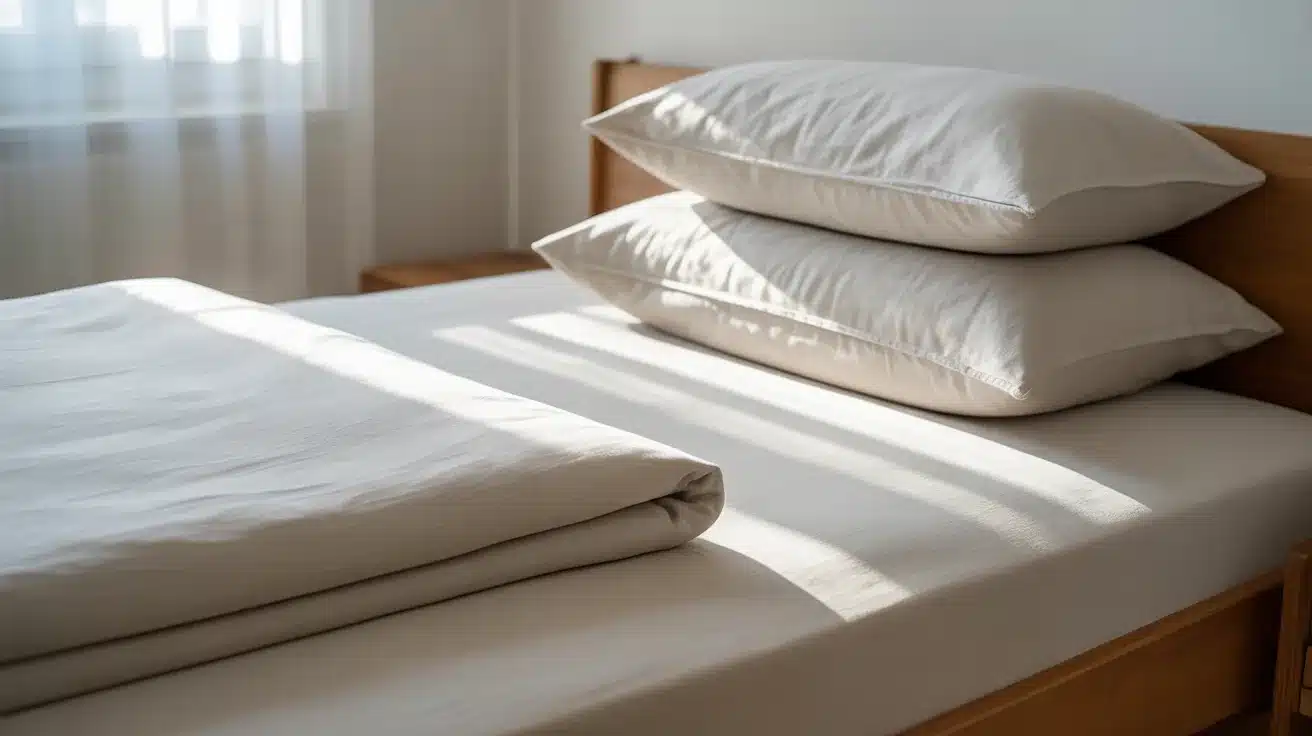
Most people wash their sheets every week. Their pillows? Maybe once a year, if that. The truth is, your pillow collects sweat, skin oils, and dead skin cells every single night.
Over time, that buildup leads to yellow stains, bad smells, and a poor night’s sleep. And no, changing the pillowcase does not fix it,m the fill underneath still holds everything in.
This guide walks you through exactly how to wash pillows based on what they are made of, so you get a clean result without ruining them. Each method is broken into clear steps with no guesswork.
Why You Need to Wash Your Pillow?
Your pillow spends more time in contact with your face than almost anything else in your home.
Dust mites, sweat, and skin cells build up inside the fill over time, and a dirty pillow can trigger allergies, cause skin breakouts, and affect how well you sleep at night.
Washing your pillows regularly also restores their shape and extends how long they last.
Check the Care Label First
Before you do anything, flip your pillow over and read the tag. It tells you exactly what the pillow can and cannot handle, machine wash, hand wash only, or dry clean only. Ignoring it is the fastest way to ruin a good pillow.
| Symbol on Tag | What It Means |
|---|---|
| Tub with water | Machine washable |
| Hand in tub | Hand wash only |
| Circle | Dry clean only |
| X over tub | Do not wash with water |
| Square with circle | Tumble dry safe |
| X over square | Do not tumble dry |
How to Wash Pillows: 5 Methods Covered
Method 1: Machine Washing
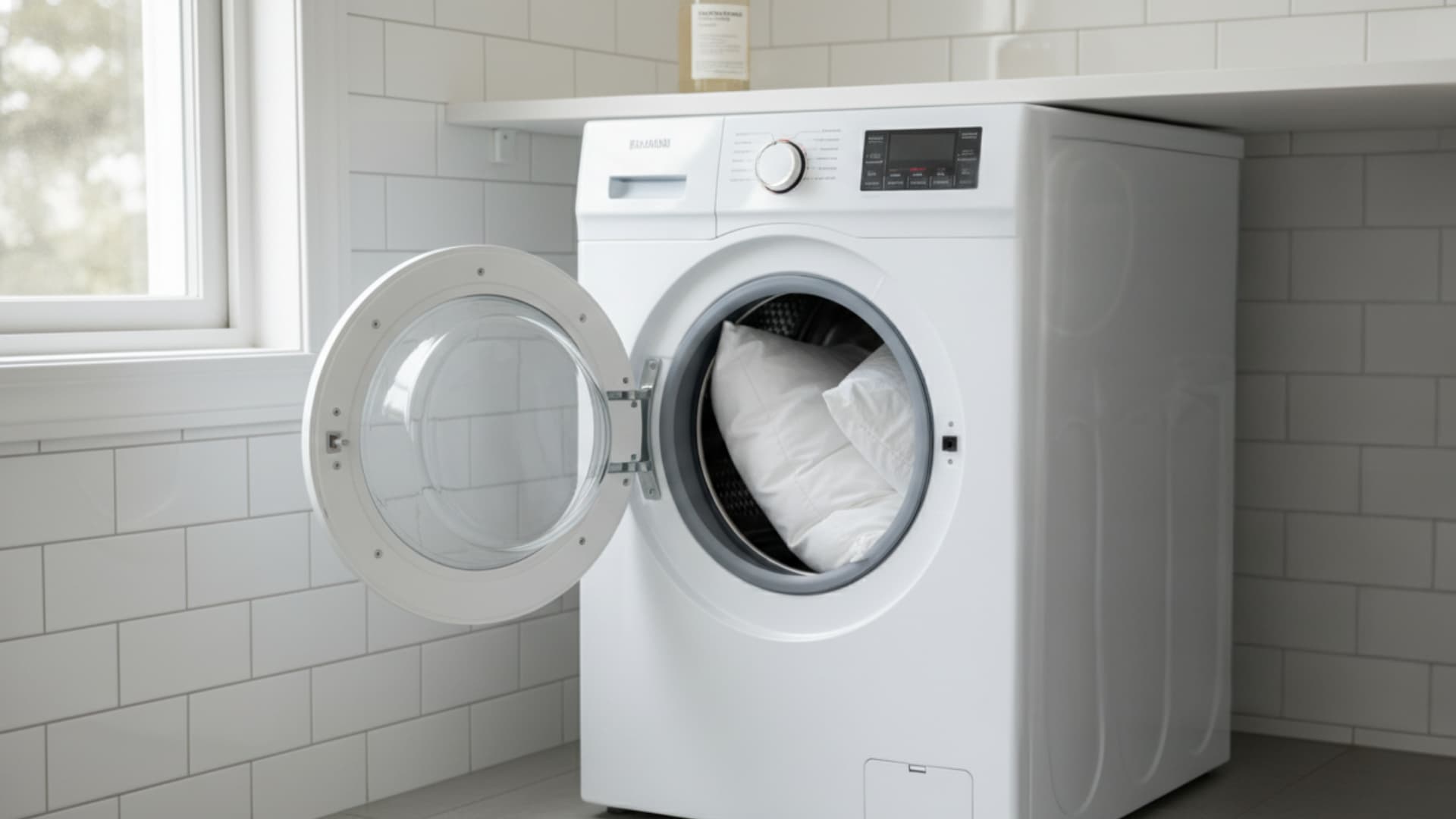
Polyester and cotton pillows are the easiest to clean. They hold up well in a washing machine and dry without much fuss. This method works for most standard bed pillows you find in retail stores.
What You Need:
- Front-loading washing machine (preferred)
- Liquid laundry detergent (gentle formula)
- Dryer balls or two tennis balls in clean socks
Step 1: Remove the pillowcase and any pillow protector before loading.
Step 2: Place two pillows in the machine at the same time to keep the drum balanced. Washing just one can cause the machine to vibrate heavily.
Step 3: Add about one tablespoon of liquid detergent. Using too much leaves residue in the fill that is hard to rinse out and can irritate skin.
Step 4: Set the machine to a gentle or delicate cycle with warm water. Avoid hot water, it can break down the fill over time.
Step 5: Run a second rinse cycle after the main wash is done. This removes any leftover soap from inside the pillow.
Method 2: Hand Washing
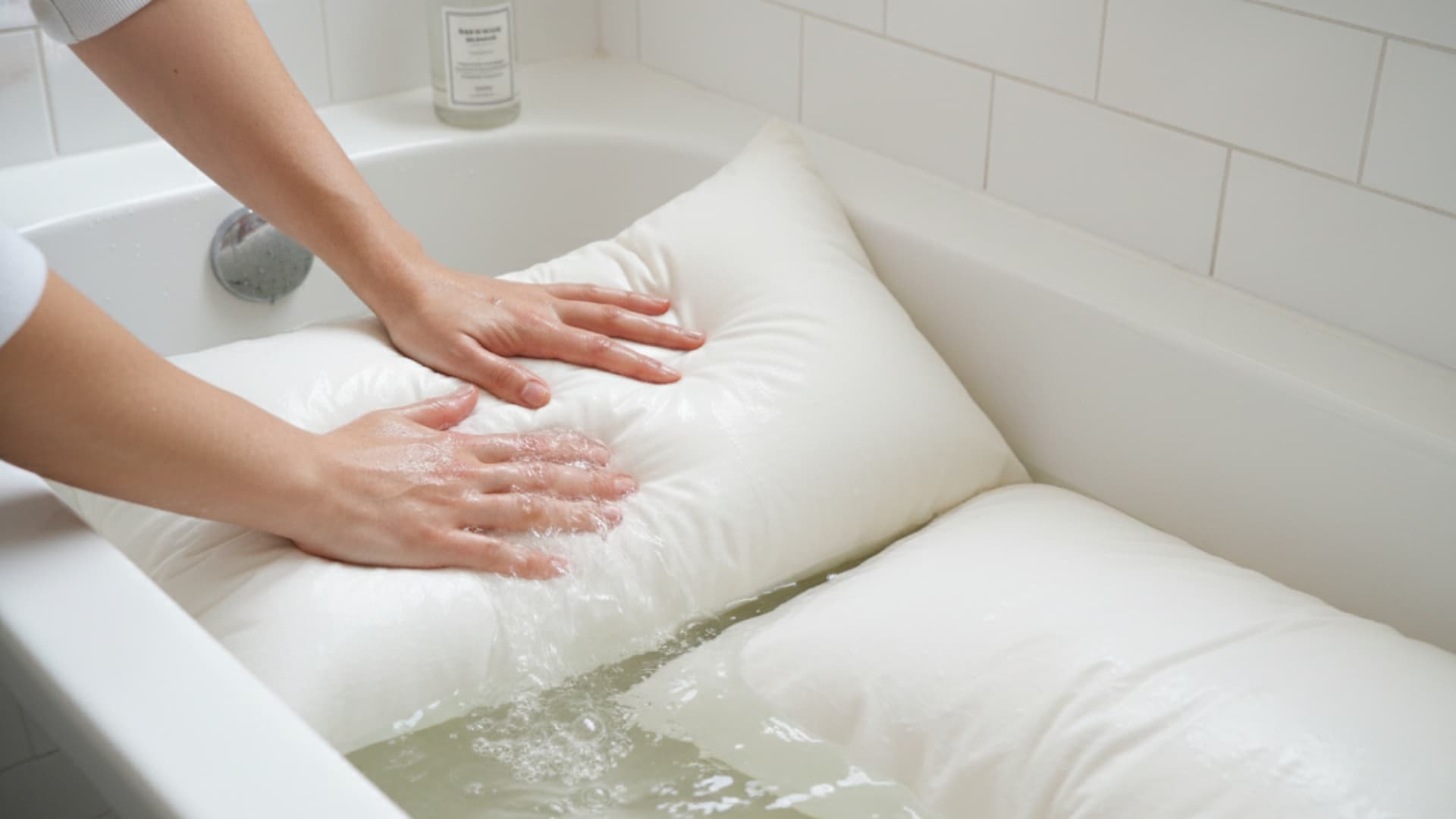
Some pillows are too delicate for a machine. Decorative pillows, certain down alternatives, and older pillows often do better when washed by hand. It takes a bit more effort, but it gets the job done without any risk of damage.
What You Need:
- Large bathtub or deep sink
- Mild liquid detergent or dish soap
- Clean towels
Step 1: Fill the tub or sink with warm water. Do not use hot water, it can set stains and damage some fills.
Step 2: Add one tablespoon of mild liquid soap and mix it into the water gently.
Step 3: Submerge the pillow fully and knead it with both hands. Work the soapy water through the fill slowly and evenly.
Step 4: Drain the soapy water and refill with clean, cool water. Rinse the pillow by pressing it gently until no soap comes out.
Step 5: Press the pillow between two dry towels to pull out as much water as possible. Do not wring or twist it, that can distort the fill and the shape.
Method 3: Cleaning Memory Foam Pillows
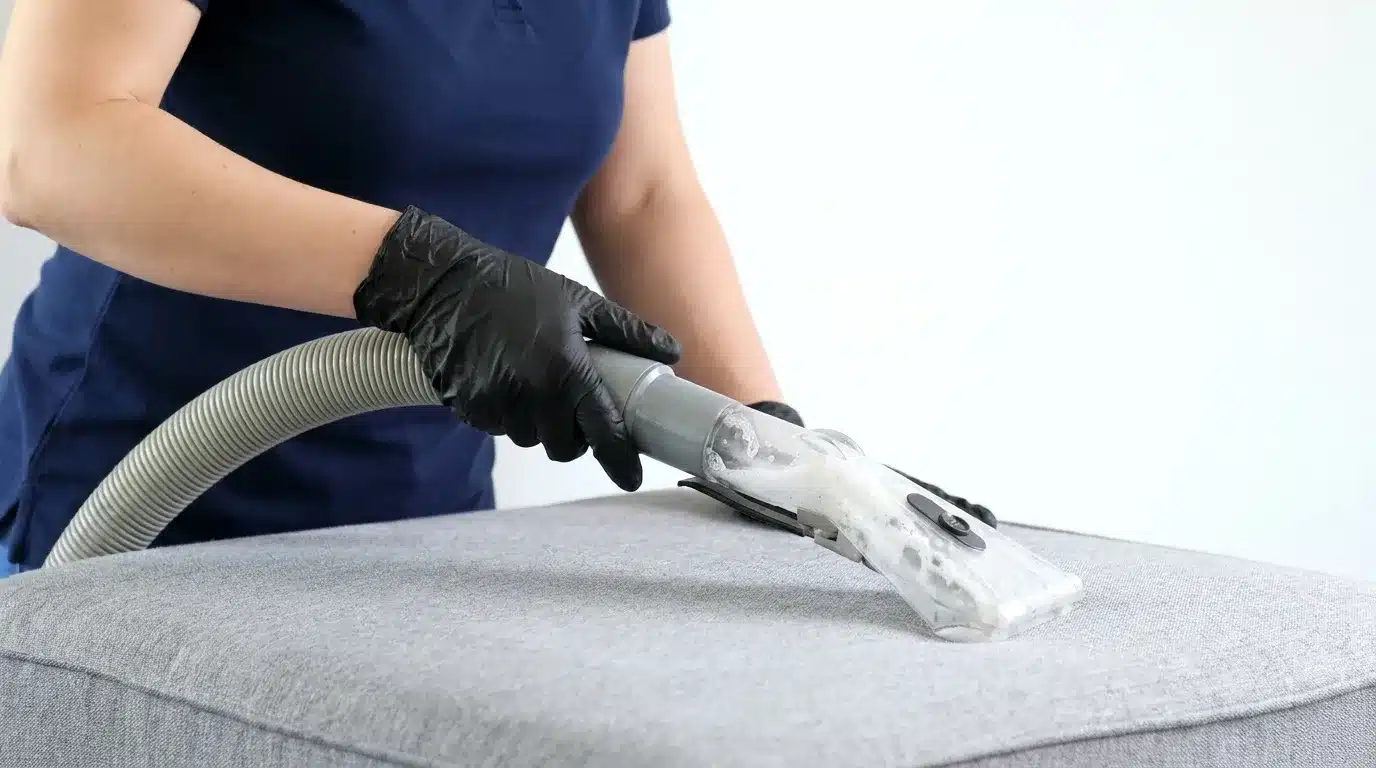
Memory foam cannot go in a washing machine. The agitation cycle tears apart the foam’s internal structure, leaving it lumpy or cracked. Even a gentle cycle causes damage over time. The good news is that memory foam does not need frequent deep cleaning, spot cleaning and deodorizing regularly is enough.
What You Need:
- Vacuum cleaner with an upholstery attachment
- Baking soda
- Mild liquid detergent
- Clean cloths
- A fan or hair dryer on cool setting
Step 1: Remove the pillow cover and machine wash it separately on a gentle cycle.
Step 2: Lay the foam flat and vacuum both sides using the upholstery attachment. This removes dust, dead skin cells, and surface debris.
Step 3: Sprinkle baking soda over the entire top surface and let it sit for 30 minutes. Baking soda pulls out moisture and removes odor naturally. Then vacuum it off and flip the pillow to repeat on the other side.
Step 4: For stains, mix a small amount of mild detergent with cool water. Dip a clean cloth into the solution and blot the stain gently from the outside edge toward the center. Do not rub. Follow with a damp cloth to remove any soap, then blot dry.
Step 5: Air dry the pillow completely in a well-ventilated spot. This takes 24 to 48 hours. Never use a dryer, heat breaks down the foam and causes permanent damage.
Method 4: Washing Down and Feather Pillows
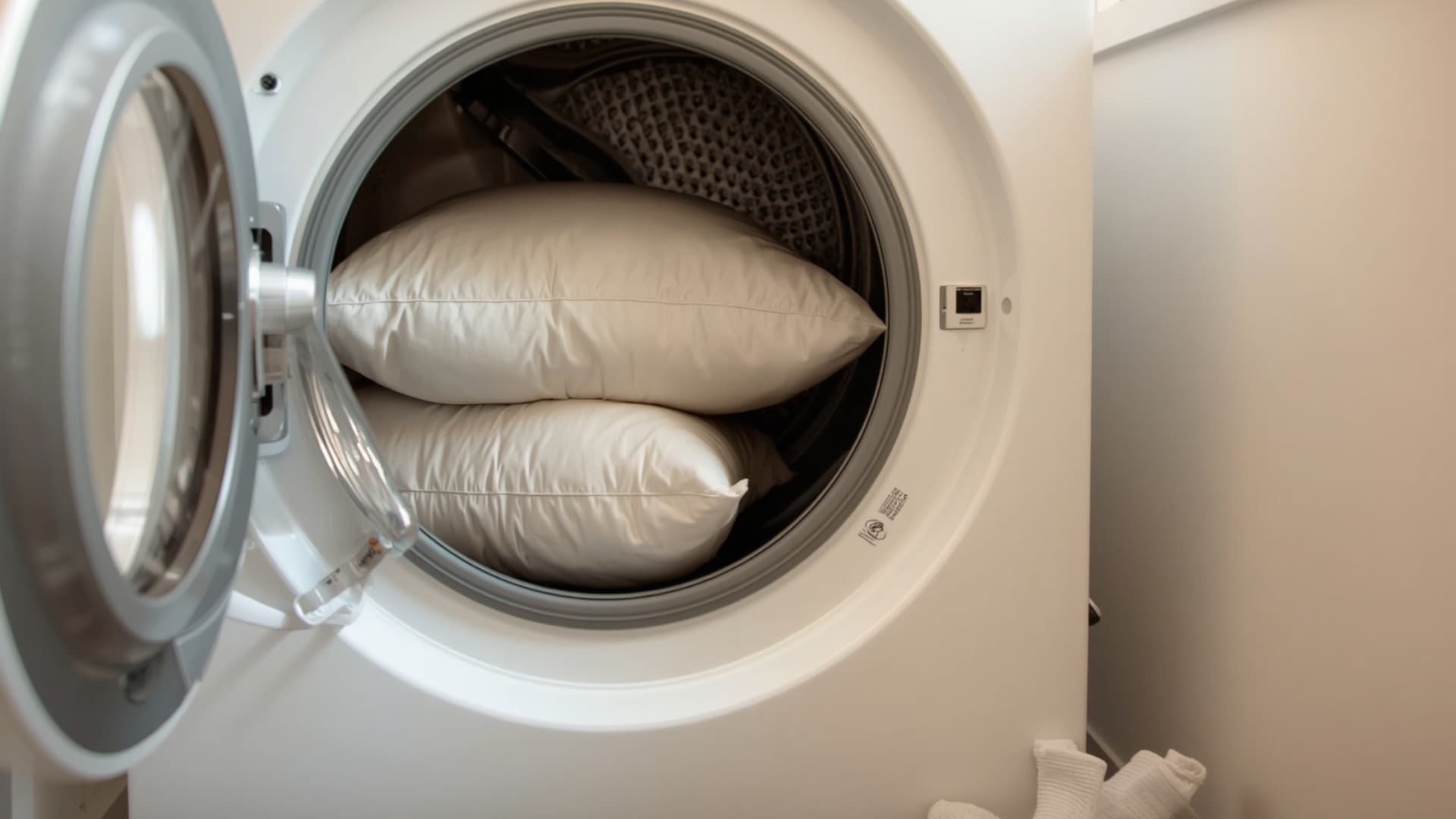
Down and feather pillows need a bit more care than synthetic ones, but they are still machine washable. The key is using very little detergent and drying them fully so the clusters do not clump together or grow mold inside.
What You Need:
- Front-loading washing machine
- A small amount of gentle, low-suds liquid detergent
- Two tennis balls in clean white socks
- Dryer
Step 1: Remove the outer cover or protector. If the pillow is inside a padded zippered envelope, take it out first.
Step 2: Place two down pillows in a large-capacity front-loading washer. Avoid top-loaders with agitators, the agitator can tear the down clusters apart.
Step 3: Add no more than one tablespoon of gentle, low-suds detergent. Too much soap is very hard to rinse out of down fill and leaves the pillow feeling stiff.
Step 4: Select a warm water, gentle cycle. Once the wash is done, run an extra rinse cycle to clear out any remaining soap.
Step 5: Dry the pillows in the dryer on a low or air-dry setting. Add two tennis balls in clean white socks, they keep the down from clumping and help restore the pillow’s shape. Check every 30 minutes and pull out the pillows to fluff by hand. The inside must be completely dry before you use them.
Method 5: Cleaning Latex Pillows
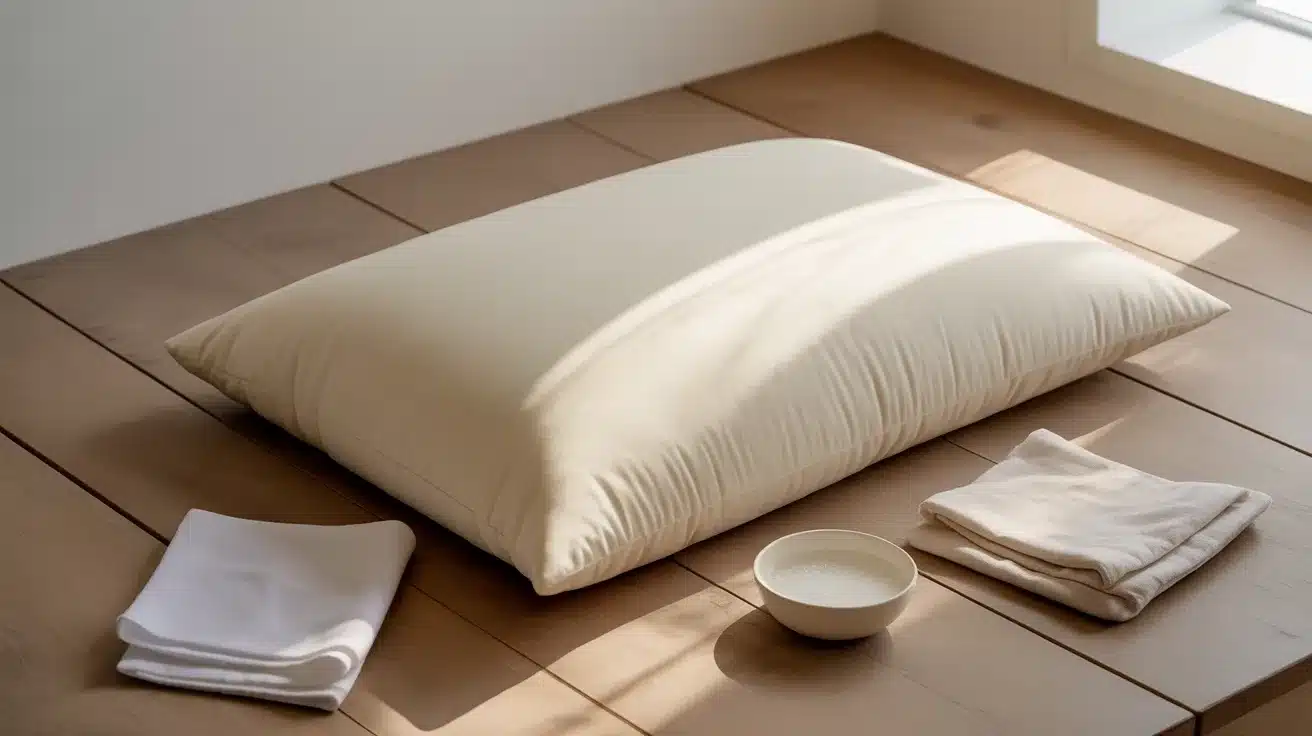
Latex breaks down in a washing machine. Soaking it in water also causes problems because the dense material takes a very long time to dry, and trapped moisture leads to mold. Spot cleaning is the only safe method for latex pillows.
What You Need:
- Mild dish soap or gentle detergent
- Two clean cloths
- Cool water
- A well-ventilated space for drying
Step 1: Remove the cover and wash it separately in the machine on a gentle cycle.
Step 2: Mix a few drops of mild dish soap with cool water in a small bowl.
Step 3: Dip a clean cloth into the soapy water and blot any stained areas on the latex surface. Work gently and do not press too hard.
Step 4: Use a second clean cloth dampened with plain water to wipe off all soap residue from the surface.
Step 5: Lay the pillow flat in a shaded, well-ventilated area to air dry. Keep it away from direct sunlight, UV exposure degrades latex over time. Allow it to dry fully before putting the cover back on.
How to Dry Pillows the Right Way
Getting the wash right is only half the work, drying matters just as much. For machine-washable pillows, use a low or medium heat setting in the dryer and add dryer balls or two tennis balls in socks to keep the fill moving and prevent clumping.
Check the center of the pillow by pressing down firmly, if it still feels damp, it needs more time.
For memory foam and latex, air drying flat in a ventilated space is the only option, and it can take up to 48 hours. Never store or use a pillow that is still damp inside, that is how mold grows.
How to Get Yellow Stains Out of Pillows?
Yellow stains come from sweat, body oil, saliva, and hair and skincare products that seep through pillowcases over time. Here are a few methods that actually work:
Before you try any of these, check the care label to confirm the pillow can handle the treatment.
| Method | How It Works |
|---|---|
| Baking soda paste | Mix with water, apply to stain, leave 10 to 15 minutes, then wash |
| White vinegar soak | Soak in a 1:1 mix of warm water and vinegar for a few hours, then wash |
| Oxygen-based bleach | Follow product instructions, soak before washing, do not use chlorine bleach |
| Sunlight drying | After washing, hang in direct sunlight; UV light naturally helps fade stains |
| Enzyme cleaner | Spray on the stain, let it sit as directed, then wash, works well on organic stains from sweat and saliva |
Signs It Is Time to Replace Your Pillow
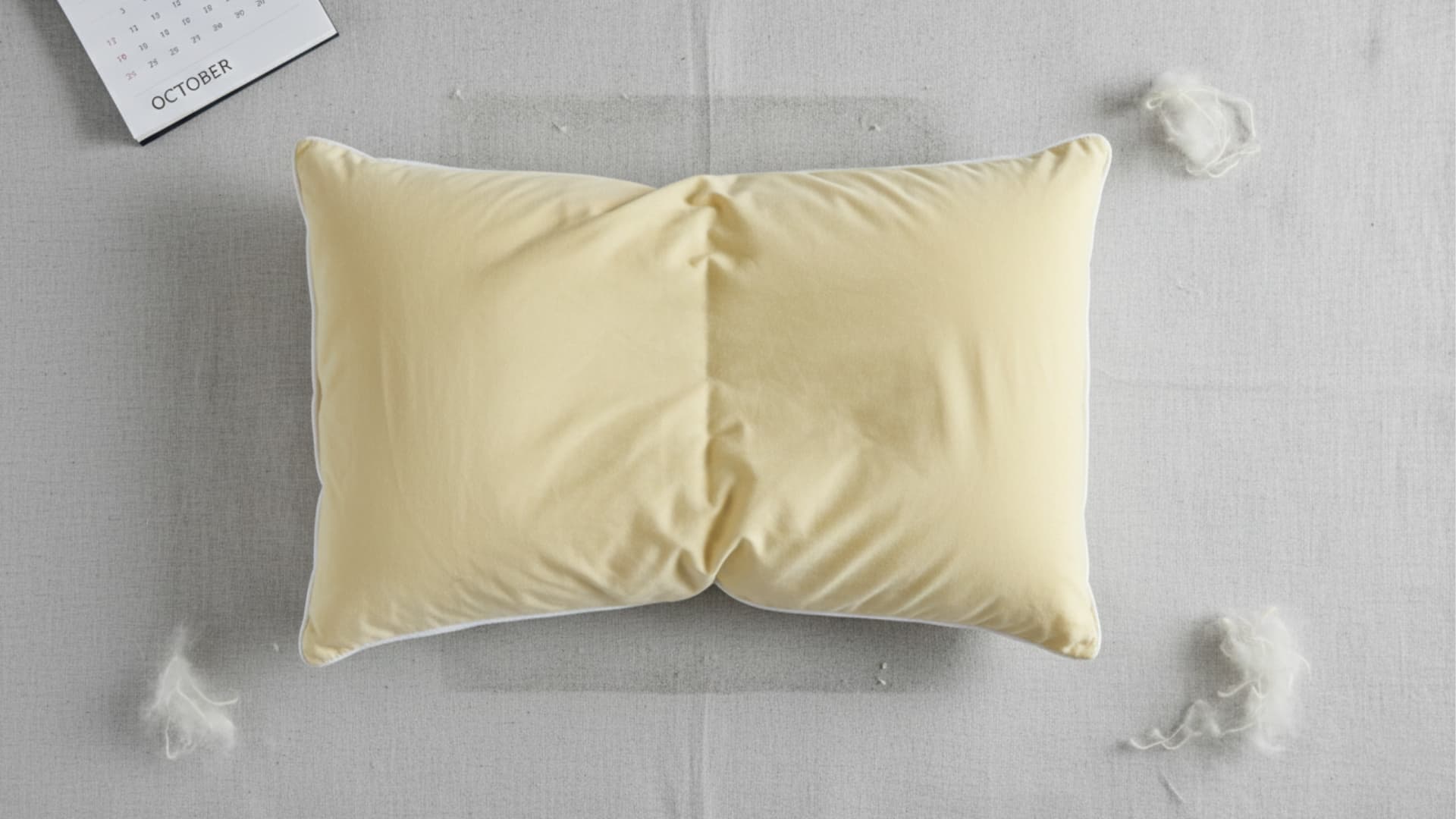
A pillow might still look fine at first glance, but everyday use slowly breaks down its structure and cleanliness. These common signs can help you decide when it is time to replace it for better comfort and hygiene.
- Does not spring back when folded in half: The inner fill has broken down, so it no longer provides proper support for your head and neck
- Permanent yellow or brown staining after washing: Sweat, oils, and dust buildup have penetrated deep into the pillow and cannot be fully removed
- Musty smell even after drying fully: Trapped moisture has likely led to mold or bacteria growth inside the pillow
- Waking up with neck or shoulder pain: The pillow is no longer supporting proper alignment while you sleep
- More than 2 years old (polyester): Polyester fill tends to wear out quickly and loses its shape over time
- More than 5 years old (down, latex, or foam): These materials last longer but eventually lose their comfort and support qualities
How Often Should You Wash Your Pillows?
Most people forget about pillows until the stains are already set in. A simple cleaning schedule prevents that, and it means less scrubbing later.
Pillowcases should be washed weekly with your bed sheets. The actual pillow needs less attention, but it should not be ignored for months at a time.
| Pillow Type | How Often to Wash |
|---|---|
| Polyester / Synthetic | Every 3 months |
| Down / Feather | Every 3 to 6 months |
| Memory Foam | Spot clean monthly; full surface clean every 2 to 3 months |
| Latex | Spot clean as needed; air out monthly |
| Cotton | Every 3 months |
If you sweat a lot at night or deal with allergies, wash your pillows every 2 months regardless of type.
How to Keep Your Pillows Fresh Between Washes
A pillow protector is the single best thing you can do, it sits between the pillow and the pillowcase, blocking sweat, oils, and spills from reaching the fill, and most protectors are machine washable.
Beyond that, fluffing your pillow daily keeps air moving through the fill, and letting it air out once a week, even just for 30 minutes near an open window, reduces moisture buildup and keeps it smelling clean.
Final Thoughts
Washing pillows is not complicated once you know what type you are dealing with. Polyester and cotton go straight in the machine. Down needs gentle detergent and dryer balls.
Memory foam and latex get spot cleaned and air dried. Getting into a regular cleaning routine, every 3 to 6 months for most pillow types, means cleaner sleep, fewer allergens, and pillows that last longer.
Now that you know how to wash pillows the right way, when did you last check the ones on your bed?
Frequently Asked Questions
Can I Put My Pillows in the Dryer?
Yes, most polyester, cotton, down, and feather pillows can go in the dryer on a low heat setting. Memory foam and latex cannot, heat ruins them permanently.
How Can I Wash a Pillow Without Ruining It?
Check the care label first, use a small amount of gentle detergent, and always run an extra rinse cycle to clear out soap from inside the fill.
Is It Worth Washing Pillows?
Yes. Pillows hold sweat, skin oils, and dust mites that affect your sleep and health. Washing them every few months keeps them fresh and extends how long they last.
What Is the 2-2-1 Pillow Rule?
It is a simple bedding guide: use 2 pillows, wash them at least once every 2 months, and replace them after 1 to 2 years of regular use.
What Is Pillow Syndrome?
Pillow syndrome is neck and shoulder pain from sleeping on a pillow that has lost its support. If your pillow no longer bounces back when pressed, it is past its useful life.