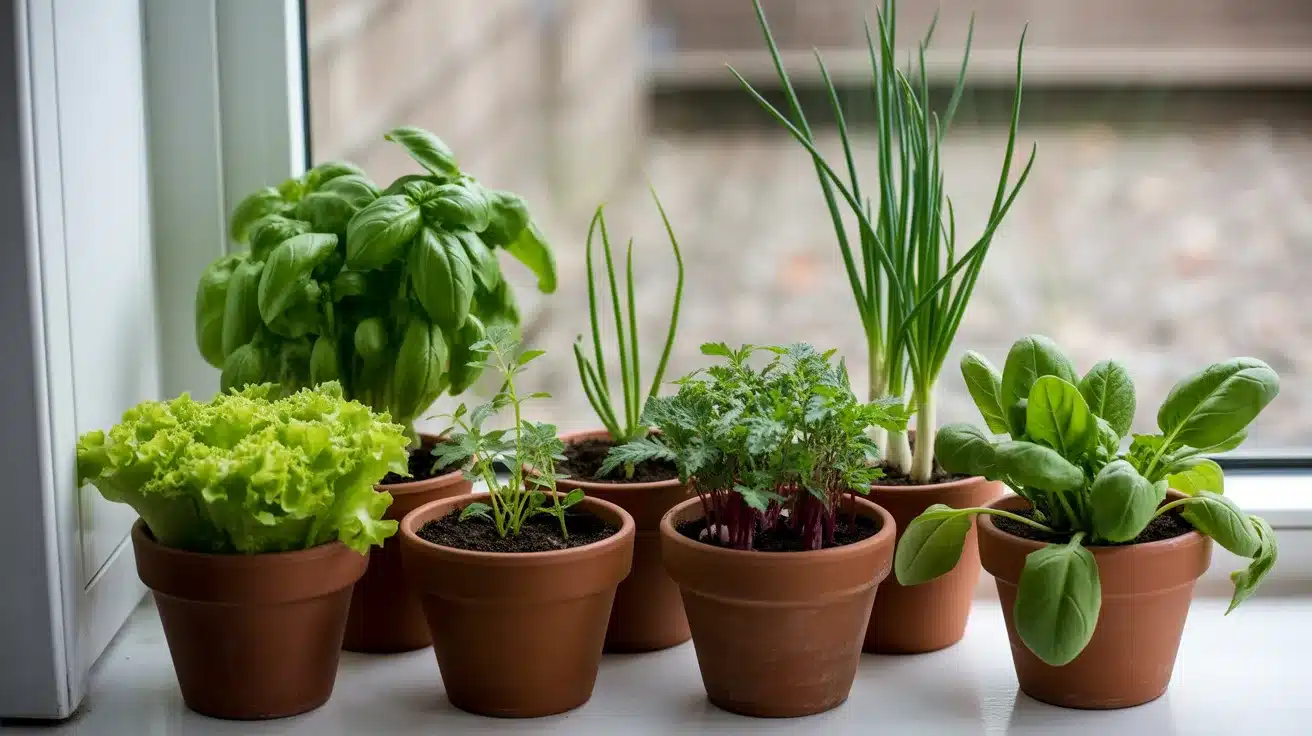
Last winter, a jar of green onions on my counter changed everything. I stuck the root ends in water and forgot about them. Two days later, they were growing. Fast.
That moment turned into lettuce under a grow light. Then basil on the windowsill. Then, cherry tomatoes are near the window.
An indoor vegetable garden does not require much space. It does not need fancy gear either. It just needs a decent start and a little attention.
This guide covers what to grow, how to set things up, and how to keep your plants healthy. Fresh food, grown right in your own home, is closer than you think.
Why Grow an Indoor Vegetable Garden?
Growing food indoors means fresh produce year-round, with no outdoor space required.
It cuts grocery costs over time, keeps kids curious about where food comes from, and honestly, it feels good to eat something you grew yourself.
The setup is smaller than you think, and the results are very real. People living in apartments, small homes, or cold-weather cities grow full harvests on a single shelf. If they can do it, so can you.
Best Vegetables to Grow Indoors
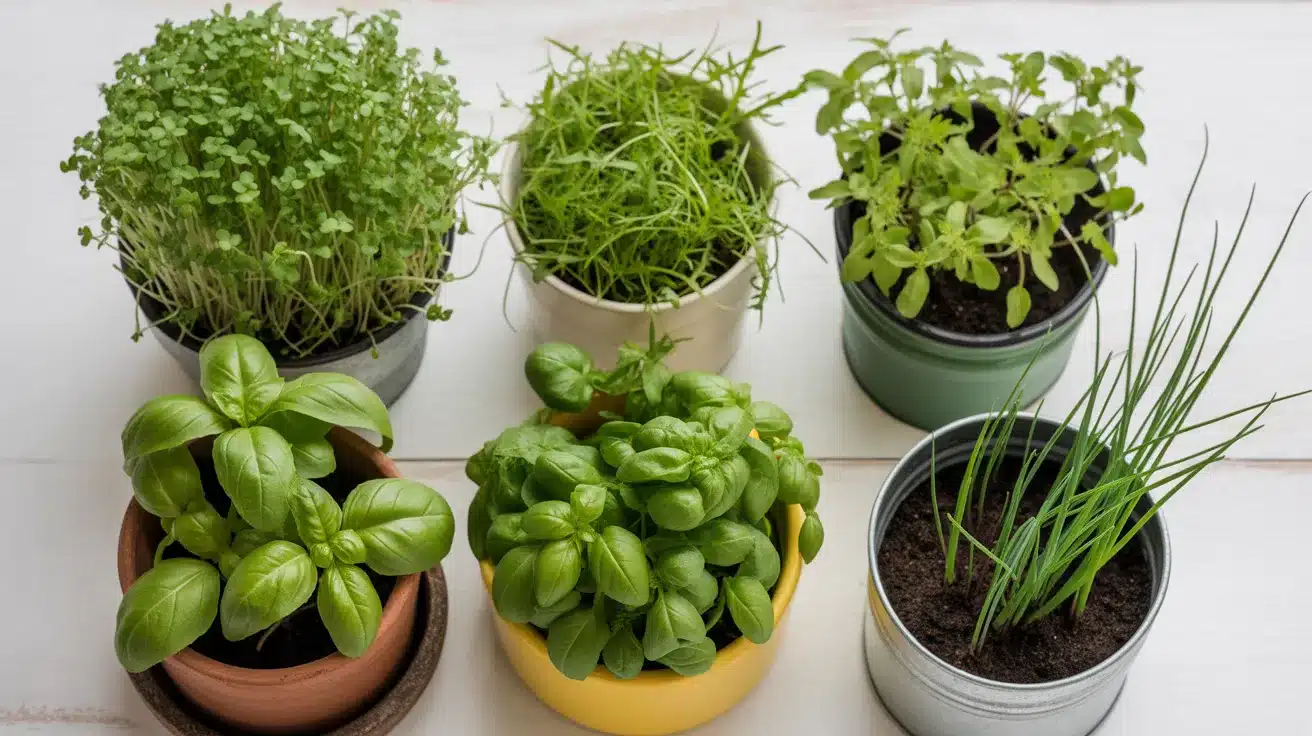
Not every vegetable does well in indoor conditions. Start with plants that are compact, fast-growing, and forgiving enough to survive a beginner’s early mistakes.
- Loose-leaf lettuce: Ready in 3 to 4 weeks and one of the easiest crops to grow in a small pot.
- Spinach: Grows fast, handles cooler indoor temperatures, and does not need a lot of light.
- Kale and Arugula: Hardy leafy greens that stay compact and grow well even on a lower light windowsill.
- Microgreens: Harvestable in as little as 10 days, making them the perfect first win for any beginner.
- Basil, Mint, Chives, and Parsley: Great for cooking, easy to manage, and happy in small containers.
- Green Onions: Regrow in a jar of water or grow from seed; ready in about 3 weeks.
- Radishes: Some varieties are ready in just 3 to 4 weeks and take up very little space.
- Cherry Tomatoes: Take more time and light, but are completely doable once you have the basics down.
What You Need Before You Start: Setup Checklist
Before you buy anything, know what actually matters. Here is a simple breakdown of what a beginner indoor vegetable garden truly needs.
| Item | What to Look For | Why It Matters |
|---|---|---|
| Containers | Any pot with drainage holes at the bottom | No drainage leads directly to root rot |
| Potting mix | Light, airy indoor mix (not garden soil) | Garden soil is too heavy and can bring pests inside |
| Light source | South-facing window or LED grow light | Most vegetables need 6 to 8 hours of light daily |
| Spray bottle | Any basic spray bottle | Gentle misting avoids disturbing freshly sown seeds |
| Fertilizer | Organic liquid fertilizer | Potting mix runs out of nutrients faster than most people expect |
| Timer (optional) | Mechanical outlet timer | Keeps grow lights running on a consistent daily schedule |
How to Start Your Indoor Vegetable Garden: Step by Step
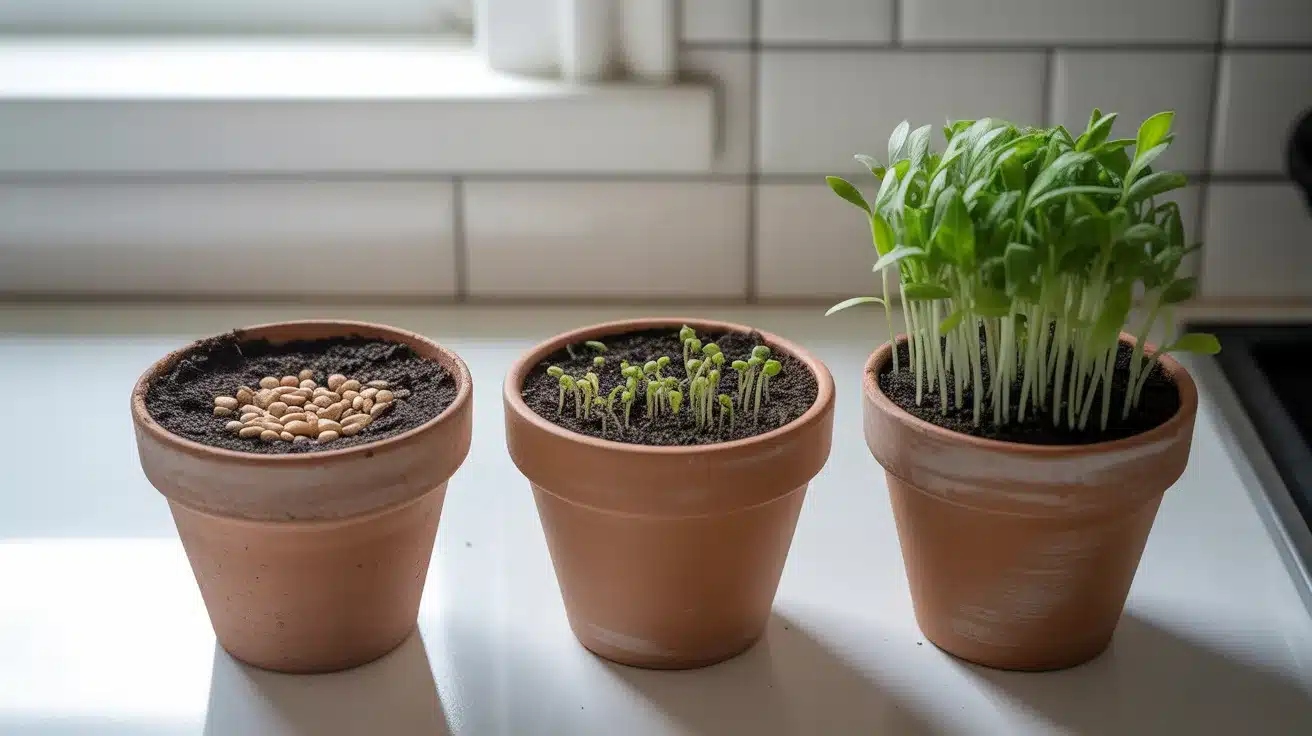
Getting started is simpler than it looks. Follow these steps in order, and you will have your first plants in soil within an hour.
Step 1: Pick Your Spot
Check which part of your home gets the most natural light. South-facing windows receive the most direct sun throughout the day. East- and west-facing windows work too, but give less overall light.
If no window works well, a tiered wire shelf with an LED grow light set up above it is a solid and affordable fix.
Step 2: Choose Your Plants or Seeds
Seeds give you more variety and cost far less. Starter plants from a garden nursery grow faster and suit beginners who want results sooner. Either way, start with leafy greens or herbs before moving on to more demanding ingredients.
Step 3: Set Up Your Containers
Fill your pots with moist potting mix, leaving about 1 inch of space at the top. Check that every container has drainage holes before adding any soil. Standing water at the bottom of a pot will rot roots faster than anything else.
Step 4: Plant Your Seeds or Seedlings
For seeds: sow at a depth roughly twice the size of the seed itself. For very tiny seeds, press them gently onto the surface and do not cover them.
Mist the surface with a spray bottle. Cover loosely with plastic wrap until the first sprouts appear, then remove the cover so air can reach the plants.
Step 5: Water Carefully
Press one finger about 1 inch into the soil each day. Water only when that top inch feels dry. Keep the soil moist, not wet.
Overwatering is the single most common reason indoor plants fail, so check before you water rather than watering on a fixed schedule.
Step 6: Feed Your Plants
Potting mix does not hold long-term nutrients. Start feeding with an organic liquid fertilizer about 2 to 3 weeks after planting, once seedlings have a few strong leaves. Feed every 1 to 2 weeks during active growing periods.
Step 7: Harvest at the Right Time
For leafy greens, harvest outer leaves once they are at least 4 inches long. Cut about 1 inch above soil level and let the plant continue growing from the center.
Microgreens are ready once they reach 2 to 3 inches tall and show their first true set of leaves.
How to Care for Your Indoor Vegetable Garden?
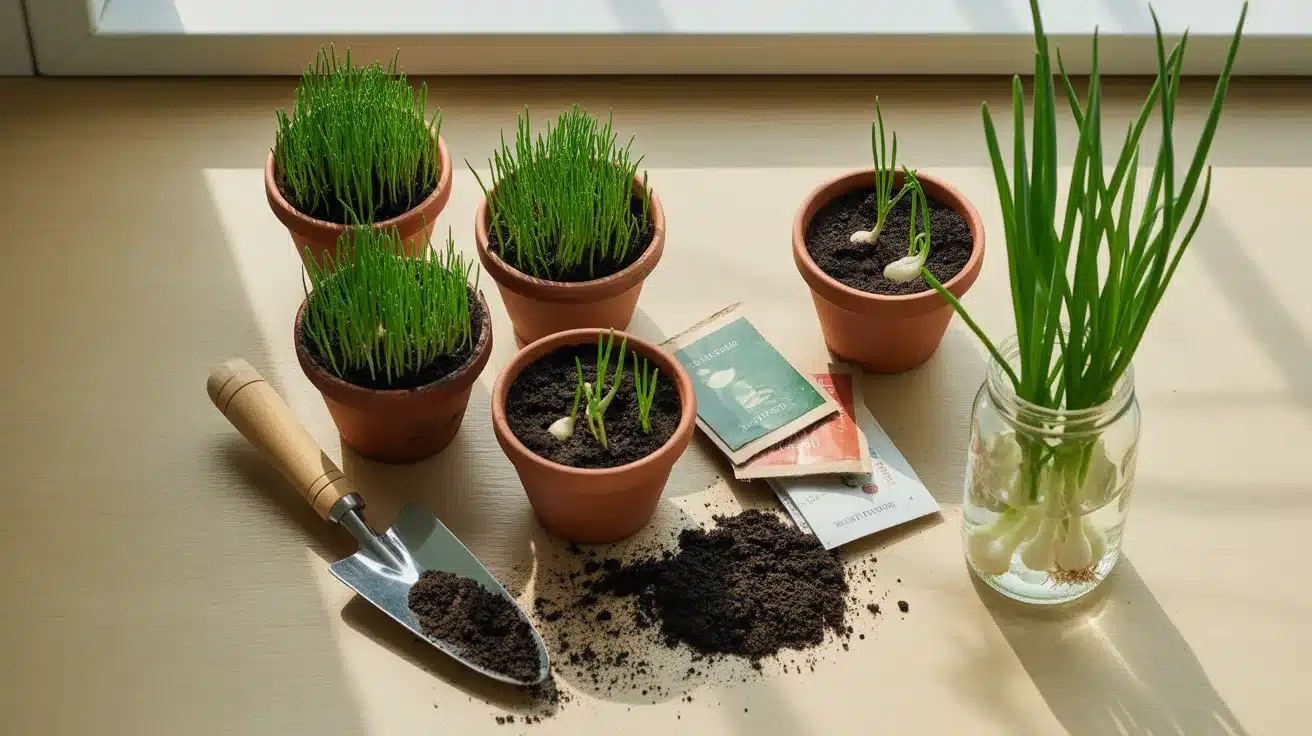
Growing your plants is just the first part. What keeps them healthy, productive, and alive long term comes down to a few simple care habits done consistently.
Lighting
Most vegetables need 6 to 8 hours of light each day. Leafy greens can do well with 4 to 6 hours. If natural light falls short, clip-on LED grow lights are affordable and work well for most beginner crops.
Keep the light positioned just above the plant tops and raise it as the plants grow taller. Running lights for 12 to 15 hours a day on a timer keeps things consistent without any effort.
Watering
Use the finger test every day. Push one finger about 1 inch into the soil. Dry means it is time to water. Still damp means wait another day.
Use a spray bottle for young seedlings and a small watering can for more established plants. Avoid pouring large amounts of water at once, as it can compact the soil and push seeds out of place.
Humidity
Most vegetables prefer a relative humidity of 40 to 60 percent indoors. Heated homes in winter often drop well below this. Group your plants together to create a small pocket of moisture around them.
Placing a tray of pebbles filled with water beneath your pots also helps. A cool mist humidifier works well in rooms that stay particularly dry.
Air Circulation
Still, indoor air lets mold, fungus, and pests build up faster than most gardeners expect. Run a small fan near your plants for 2 to 3 hours each day.
Set it on a mechanical timer so you do not have to remember. Consistent airflow also builds stronger stems over time, since plants naturally strengthen in response to gentle movement.
Temperature
Most indoor vegetables grow best between 60°F and 70°F (15°C to 21°C). Keep your pots away from heating vents and away from cold drafts near windows during winter.
Big temperature swings stress plants and slow their growth noticeably.
Common Problems and How to Fix Them
Even with a good setup, things go wrong sometimes. Most issues are easy to spot early and fix quickly once you know what to look for.
| Problem | Likely Cause | Fix |
|---|---|---|
| Leggy, floppy stems | Not enough light | Move closer to a window or add a grow light |
| Yellow leaves | Overwatering or low nutrients | Check soil moisture first; if fine, start feeding |
| Root rot | Waterlogged soil, no drainage | Repot into a fresh mix; trim any black or mushy roots |
| Mold on the soil surface | Poor airflow and overwatering | Add a small fan and let the soil dry more between waterings |
| Pale, very slow growth | Low light or low nutrients | Add a grow light and begin regular fertilizing |
| Fungus gnats | Constantly wet soil | Allow the soil to dry out more between each watering |
| Spider mites | Low humidity | Mist leaves regularly and raise room humidity |
| Aphids | Warm, dry indoor air | Wipe leaves with a damp cloth or apply diluted neem oil |
Indoor Gardening on a Budget: What It Really Costs
A lot of people assume growing food indoors is expensive. It is far more affordable than it looks, especially when you start small.
- Basic pots or containers (3 to 5 pieces): $10 to $25
- A bag of indoor potting mix: $8 to $15
- Seeds (3 to 5 varieties): $5 to $15
- A clip-on LED grow light: $15 to $30
- Organic liquid fertilizer: $8 to $12
- Total starter cost: Roughly $46 to $97 for a full beginner setup
- To spend even less: Reuse yogurt tubs, tin cans, or old containers as pots. Start with kitchen scraps, like green onion roots, in water. Buy seeds in larger packs online for better value per plant.
Are Indoor Vegetable Gardens Worth It?
Yes. You get fresh food at home throughout the year, spend less on groceries over time, and know exactly what went into your produce.
The setup cost pays off within a few good harvests. And beyond the food, there is something genuinely grounding about growing something yourself at home. Once you start, most people keep going.
You also waste less. When herbs and greens are growing a few feet away, you pick only what you need. No wilted lettuce at the back of the fridge. No half-used herb bunches going bad by Thursday.
It is a small shift that adds up faster than most people expect.
Final Notes
Starting an indoor vegetable garden is one of the more satisfying things you can do at home. It takes a little effort at the start. But once your first plant takes off, you will not want to stop.
Pick one thing from this guide and try it this week. A pot of lettuce. A jar of green onions. That is all you need to get going. The rest follows naturally as you learn what your plants need.
Fresh food, grown by you, right inside your home. That is real, and it is very much within reach. Tried it before or just getting started? Tell us in the comments below.
Frequently Asked Questions
Can You Grow Vegetables Indoors All Year Round?
Yes. Indoors, you control the light, temperature, and water, so the season outside does not affect your plants. Leafy greens and herbs grow well year-round with a basic grow light setup.
What Vegetables Not to Start Indoors?
Avoid large vining plants, such as full-size cucumbers and corn, and deep-rooted crops, such as full-size carrots or potatoes. They need more space and depth than indoor containers can realistically offer.
Why Is Replanting Seeds Illegal?
Some commercial seeds are patented, especially hybrid varieties sold by large seed companies. Saving and replanting those seeds without permission breaks intellectual property law. Open-pollinated and heirloom seeds, however, are completely legal to save and replant.
What Is the Easiest Vegetable to Grow in Your House?
Green onions are the easiest. Place the root ends in a jar of water on your windowsill, and they regrow in days. Loose-leaf lettuce and microgreens are close behind.
Which Vegetable Is the King of All Vegetables?
Spinach is widely considered the king of vegetables. It is packed with iron, vitamins A, C, and K, and grows faster and easier than most other crops, indoors or out.