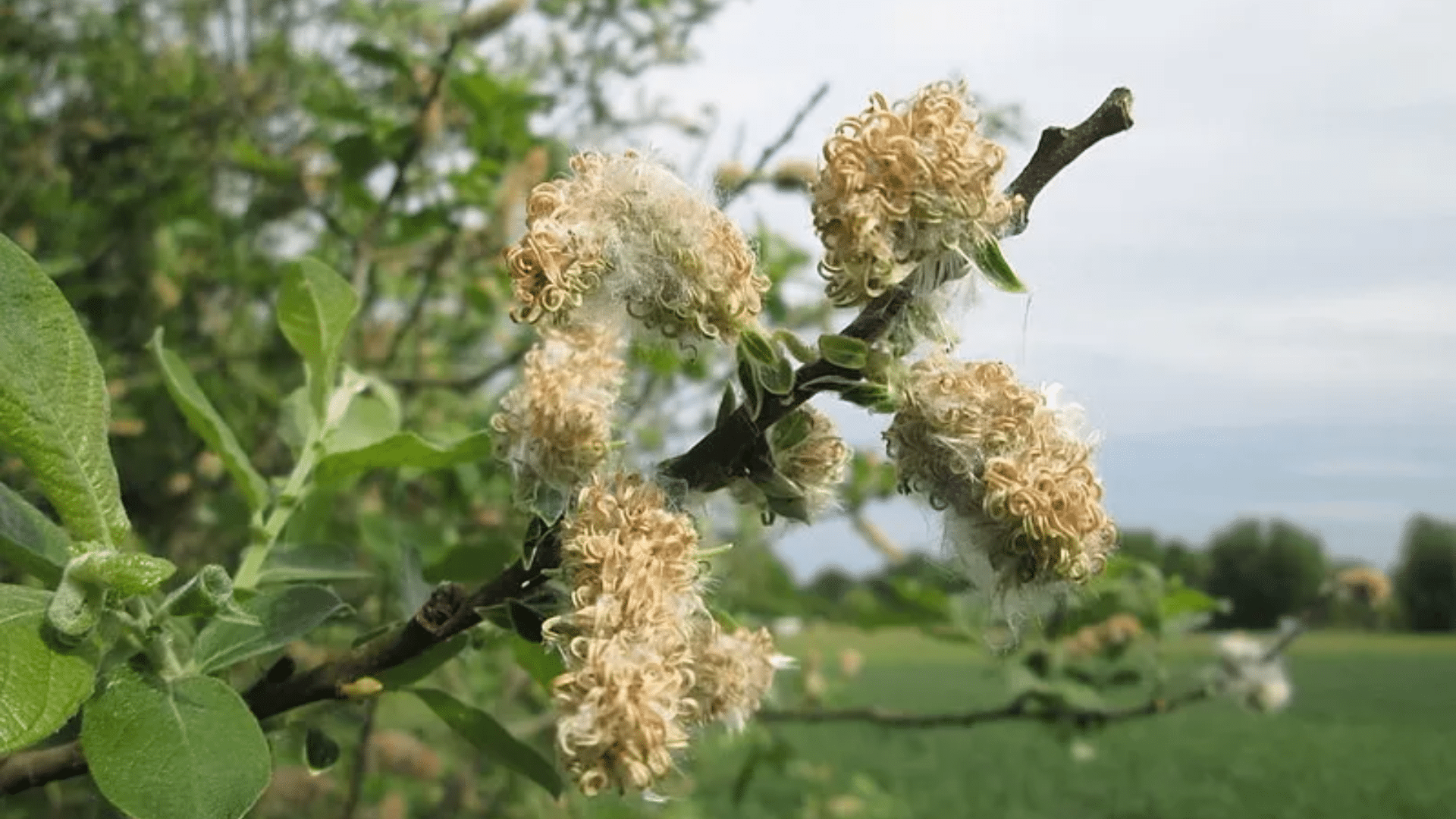
Have you ever walked past a plant with soft, fuzzy flowers in early spring? That might have been a gray willow. This unique tree, also called Salix cinerea, grows in damp places like near rivers and ponds.
I first noticed it on a weekend hike and was curious about its silvery catkins and wide, bushy shape. It turns out, gray willow isn’t just pretty – it helps wildlife, supports bees, and even has a place in history and medicine.
In this blog, I’ll walk you through everything you need to know about gray willow in a simple and friendly way. I’ll talk about how it looks, where it grows, why it matters, and how you can grow one too.
If you’re into nature, gardening, or just curious, there’s something here for you to enjoy. Let’s get started!
Basics of Gray Willow

- Scientific Name: Salix cinerea
- Common Names: Gray willow, gray sallow
- Plant Type: Deciduous shrub or small tree
- Height: Typically grows 16 to 33 feet tall
- Leaf Color: Gray-green on top with silvery undersides
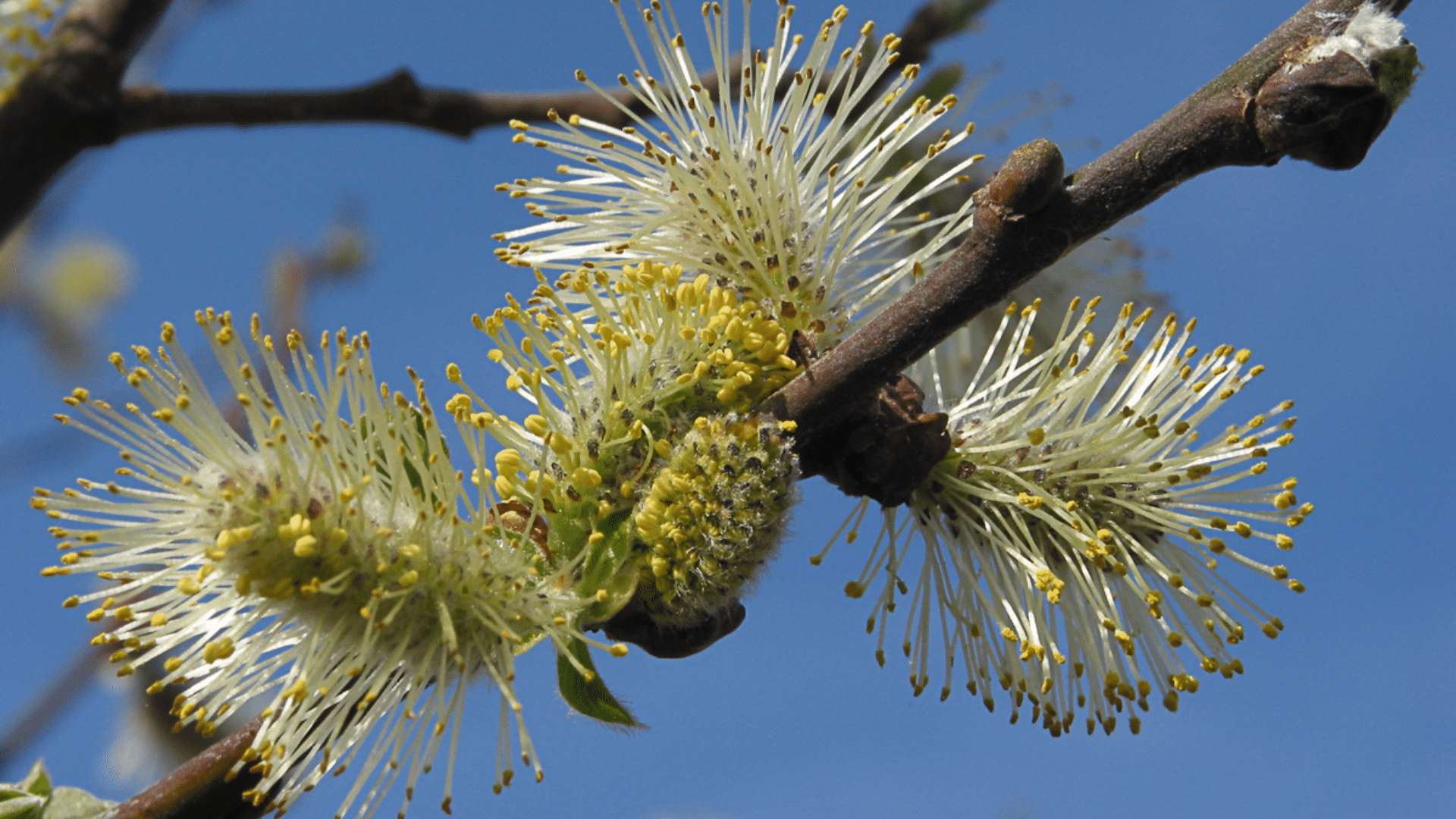
- Flowers: Yellow catkins appear in early spring
- Native To: Europe and western Asia
- Status: Considered invasive in many parts of the world
Gray willow is a fast grower with a soft, bushy shape that stands out in damp areas. It’s beautiful to look at and important to wildlife, but in the wrong spot, it can become a problem plant.
Gray Willow’s Identification
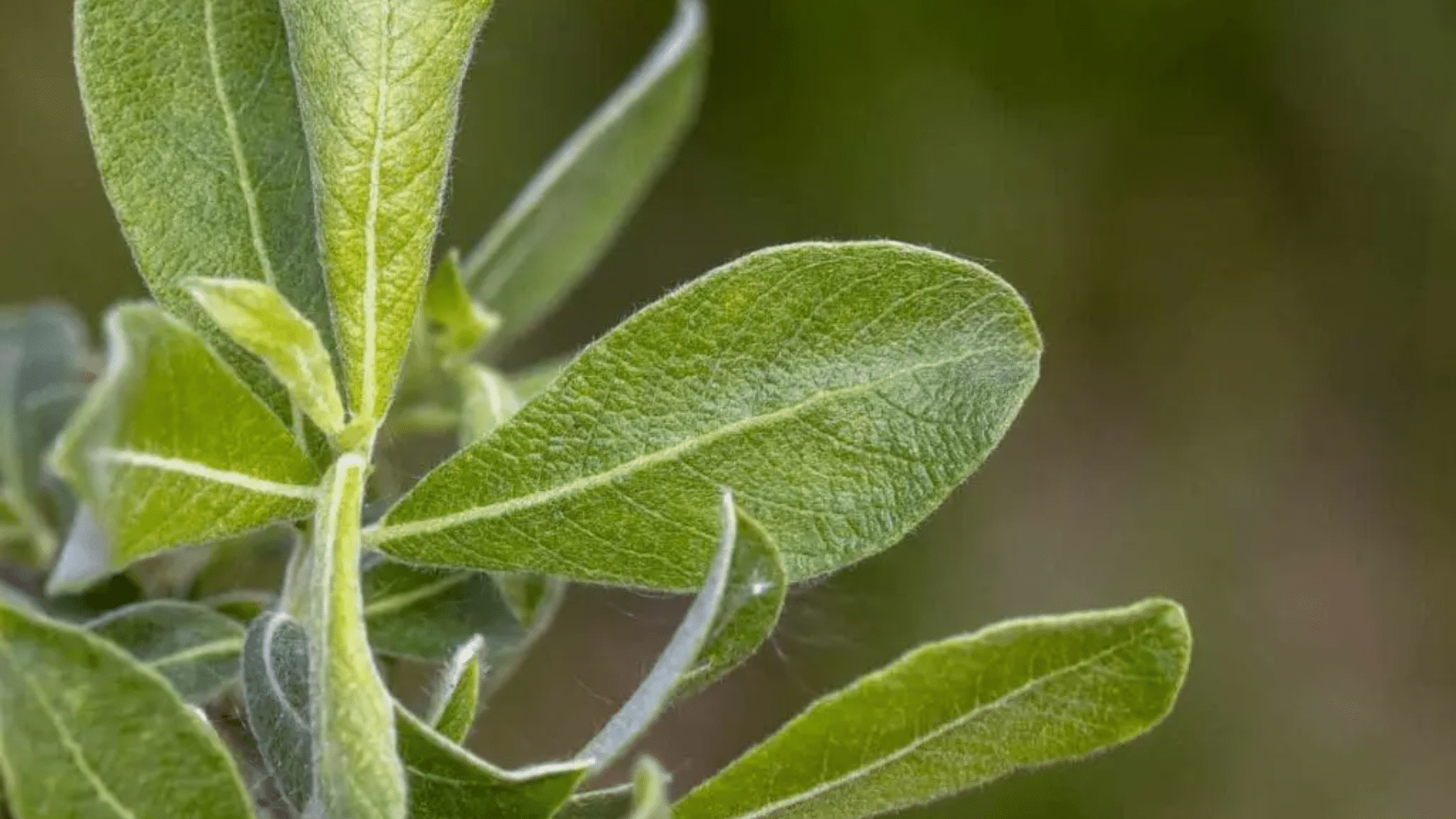
Gray willow is easy to spot once you know what to look for. I remember the first time I saw one near a pond – it had these soft, silvery leaves that shimmered in the sunlight.
This tree or shrub has a cozy, natural look that makes it stand out in wild, damp places.
The leaves are gray-green on top and have fuzzy, silver undersides. They’re oval-shaped and grow in groups along the branches. In early spring, yellow catkins start to bloom.
These little flower spikes are one of the first signs that warmer days are coming. You’ll often see bees buzzing around them too!
Gray willow can grow pretty tall – up to 33 feet – but many stay bushy and low to the ground. I’ve seen some shaped like big shrubs, especially near creeks or wetlands. It’s a simple but beautiful plant once you get to know it.
Understanding the Habitat of the Gray Willow
I used to think it only popped up in random wild spots, but it actually has favorite places where it thrives. Knowing its natural habitat helps you understand why it shows up in certain areas and whether it’s a good fit for your yard or garden.
1. Loves Damp, Wet Areas: Gray willow naturally grows in wet environments. You’ll often find it near rivers, ponds, marshes, and wetlands. It loves soggy soil where other plants might struggle.
2. Found Across Europe and Western Asia: Originally from Europe and parts of western Asia, gray willow has spread to other regions. In some places, it’s been planted on purpose. In others, it’s grown wild and taken over.
3. Likes Cool to Mild Temperatures: This plant does best in cool or mild climates. It can handle coastal winds, light frosts, and even poor soil as long as the area is moist.
4. Can Be Invasive: In many parts of the world – like New Zealand and Australia – gray willow is considered invasive. It spreads fast and can crowd out native plants, so it’s not always welcome outside its home region.
Understanding where gray willow grows tells you a lot about its personality. It’s tough, loves the water, and knows how to take up space.
I’ve come to appreciate how well it fits into certain landscapes, but it’s also a reminder to plant with care and respect for local ecosystems.
Gray Willow: Cultivation and Care
If you’re thinking about growing a gray willow, you’re in for a low-maintenance but fast-growing plant that thrives in the right setting. I gave it a try in a soggy part of my yard, and to my surprise, it took off without much effort.
Still, like any plant, it helps to know the basics before you dig in. Here’s a simple guide to planting and taking care of gray willow the right way.
How to Plant Gray Willow
- Choose a damp spot: Gray willow prefers wet or consistently moist soil, especially near streams, ponds, or ditches.
- Give it space: This shrub can grow large, so plant it where it has room to spread.
- Bare-root or potted: Plant bare-root gray willows from late fall to early spring. Potted versions can go in the ground any time the soil isn’t frozen.
Soil and Sunlight Needs
- Moisture is key: It loves wet soil and can tolerate poor drainage better than most plants.
- Tolerant of soil types: Works in clay, loam, or even sandy soils, as long as they stay moist.
- Sun to part shade: Gray willow grows best in full sun but can handle partial shade, especially in hotter regions.
Watering and Fertilizing
- No extra watering needed: If it’s planted in naturally damp soil, nature usually provides enough water.
- Dry spells: In dry periods, give it a good soak to keep it happy.
- Fertilizer optional: It typically doesn’t need fertilizer, but a light compost topdressing in spring won’t hurt.
Pruning and Maintenance
- Prune in late winter or early spring: Remove dead or damaged branches to keep it healthy and neat.
- Encourage shape and size: Cut back to control height or encourage a more compact shape.
- Handles hard pruning: Gray willow can regrow even after being cut back close to the ground.
Pests and Problems
- Generally pest-free: It’s tough and doesn’t attract many pests.
- Watch for watermark disease: This bacterial issue can cause branches to die back. Prune infected parts and dispose of them away from your compost.
- Spreads quickly: Be cautious if you live in an area where gray willow is considered invasive.
Growing gray willow is mostly easy and rewarding. It doesn’t ask for much but gives back in shade, greenery, and wildlife support.
I’ve found that as long as it has water and space, it pretty much takes care of itself. Whether you’re planting near a pond or adding it to a natural garden space, gray willow is a strong, dependable choice with a calm, rugged charm.
Uses and Benefits of Gray Willow
Gray willow isn’t just another pretty tree growing near water – it’s a plant with a long list of uses and benefits. From helping wildlife to offering natural healing properties, gray willow has made its mark in many ways.
1. A Lifeline for Pollinators and Wildlife
One of the biggest benefits of gray willow is how much it helps wildlife. Its catkins bloom early in the spring – long before most other plants flower.
That makes it a major source of food for bees and other pollinators when they need it most. I’ve seen honeybees buzzing around gray willow trees while most of the garden was still waking up from winter.
It’s not just insects that benefit. Birds love the bugs that live on and around gray willow. Moths, butterflies, and their caterpillars often use the leaves as food or shelter, which in turn supports birds and other animals in the food chain.
2. Erosion Control and Soil Stabilization
Because gray willow grows fast and has strong roots, it’s often used to stop soil erosion. You’ll see it along riverbanks or near ditches where water can wash the land away.
Its root system holds the soil in place, keeping the land from falling apart after heavy rain or flooding.
In areas with soft or sandy soil, gray willow can make a big difference. It helps rebuild and protect the ground while still providing a natural look that blends into the landscape.
3. Natural Fencing and Windbreaks
Gray willow’s thick, bushy growth makes it a great choice for living fences or windbreaks. People use it to mark property lines or to block harsh winds from damaging crops and gardens.
Since it grows quickly and doesn’t mind being trimmed, it’s easy to shape into a barrier that’s both useful and attractive.
Some gardeners even use gray willow to create “fedges” – a mix of a fence and a hedge. It gives privacy, blocks wind, and supports wildlife all at once.
4. Traditional and Medicinal Uses
Long before modern medicine, gray willow had a place in natural healing. Its bark contains salicin, a substance similar to aspirin.
People used it to help with fevers, headaches, and muscle pain. While we have other pain relievers today, it’s interesting to know that this tree played a part in the early days of medicine.
5. Craft and Basket-Making
The flexible branches of gray willow are great for crafting. People have used them for weaving baskets, making wreaths, and even building garden structures like trellises or arches.
It’s not as popular as other willows like Salix viminalis (used more often in basket weaving), but gray willow still holds a place in traditional craftwork – especially in areas where it grows wild.
From helping honeybees to healing headaches, gray willow brings a lot to the table. It supports nature, solves land problems, and even adds beauty to our outdoor spaces.
Gray Willow: Considerations and Challenges
Gray willow might seem like the perfect plant – it’s beautiful, fast-growing, and supports wildlife – but it also comes with a few things to think about before planting.
- Can spread fast: Gray willow grows quickly and sends out new shoots, which can take over an area if not managed.
- Invasive in some regions: In places like New Zealand and southeastern Australia, it’s classified as an invasive species.
- Crowds out native plants: It can push out local species, which affects the natural balance of the ecosystem.
- Can outgrow small spaces: Grows up to 33 feet tall and wide, so it’s not ideal for small gardens.
- Needs regular pruning: To keep its size in check and to remove dead or damaged wood.
- Messy in fall: Like many deciduous trees, it drops a lot of leaves, which can be a clean-up task.
- Watermark disease: This bacterial disease can cause dieback in branches. It’s hard to treat and spreads quickly.
- Branch breakage: Fast growth sometimes leads to weaker wood, which can snap in strong winds.
- Root issues: Strong roots can sometimes invade pipes or crack pavement if planted too close to structures.
Gray willow has a lot to offer, but it’s not a set-it-and-forget-it plant. I’ve found it works best when you give it room and keep an eye on its growth.
It brings natural beauty and benefits to your yard, but it also needs some thought and care to keep it from becoming a problem. If you’re ready for a little upkeep, gray willow can be a great addition to the right landscape.
Conclusion
Gray willow is one of those plants that quietly does a lot of good. It grows fast, helps wildlife, and adds a soft, natural look to wet areas.
I didn’t know much about it when I first planted one, but over time, I’ve come to appreciate its beauty and usefulness. Whether you’re creating a wildlife garden or looking for a tree that thrives in soggy soil, gray willow is worth considering.
Just remember, it can grow quickly and spread if you don’t keep it in check. With the right space and a little care, it can be a great fit. I’ve learned that understanding both the benefits and challenges ahead of time makes all the difference.
If you’re ready to work with nature instead of against it, gray willow could be just what your landscape needs.