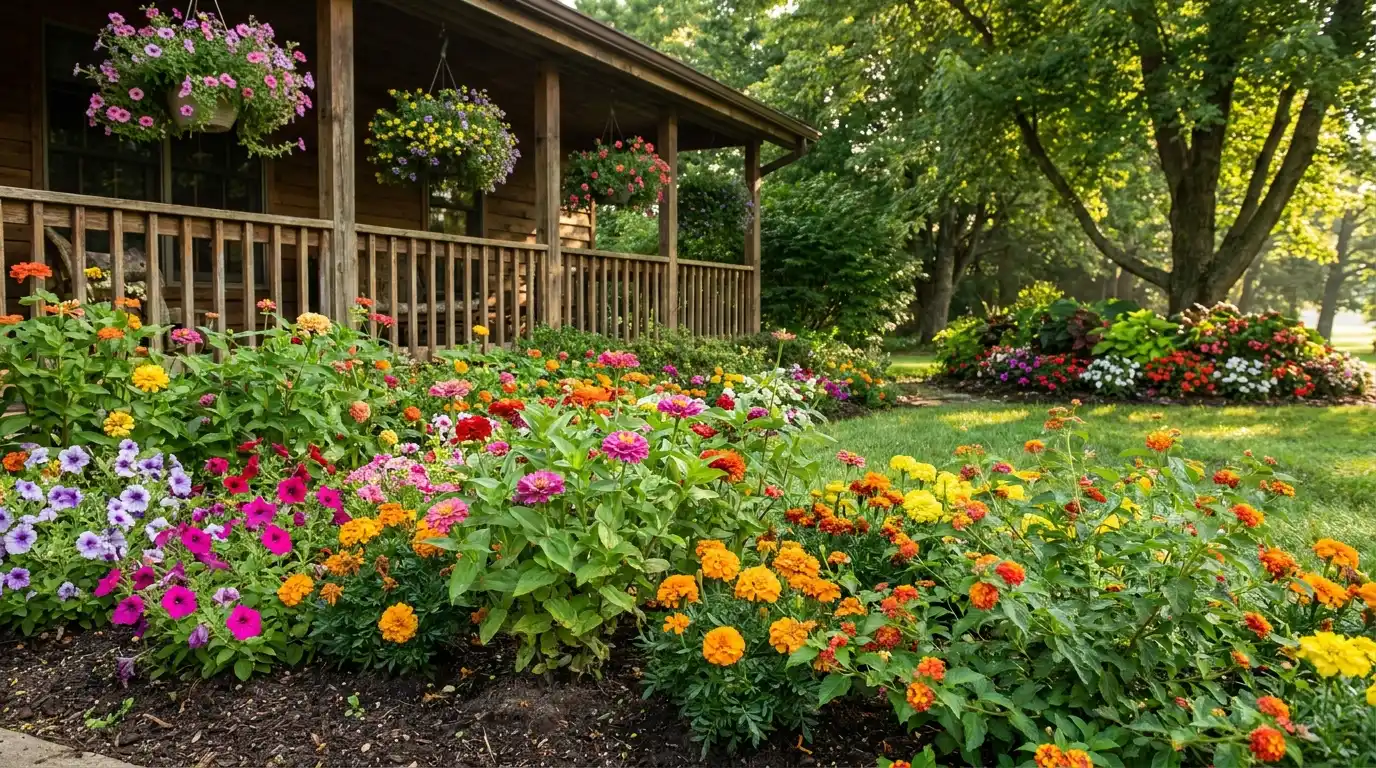
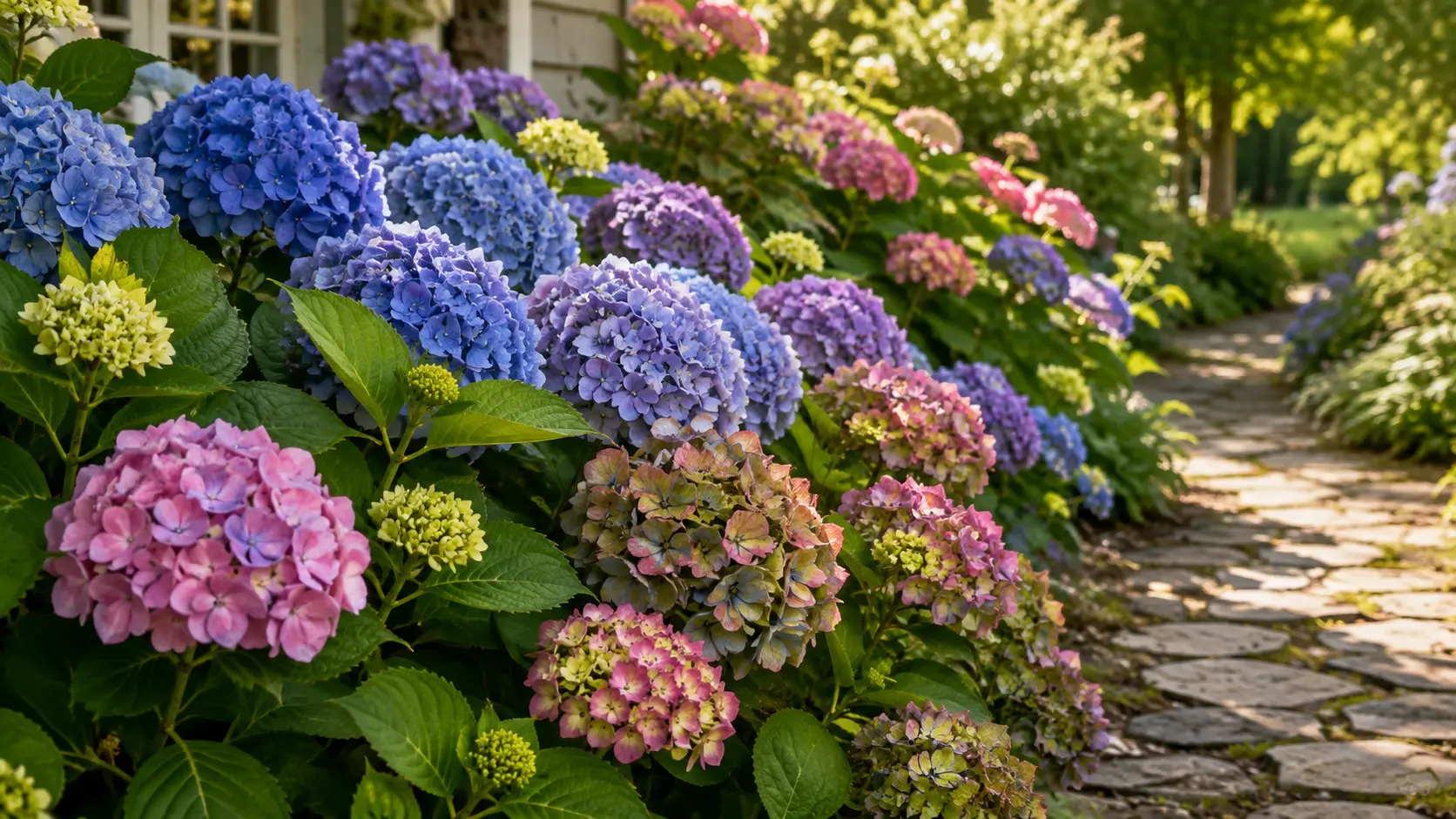
Most people think their perennial died the first time winter hits. The leaves turn yellow, stems collapse, and within weeks the entire plant seems to disappear completely. Just empty soil where something healthy once was.
What surprises most beginners is that this is often exactly what a perennial is supposed to do.
Unlike annuals, perennials survive differently.
The confusing part is knowing when that disappearance is normal and when the plant is actually gone for good.
Do Perennials Come Back Every Year?
Yes. Perennials come back every year but only if they are planted in the right conditions for your specific climate. That one detail is what most guides skip and what most gardeners only learn after their first winter.
Every plant sold in the US has a zone rating on the tag. A perennial rated for zones 4 to 9 will survive winters in those zones and return every spring. Plant that same perennial in zone 3, and the roots may freeze and die completely.
Search your zip code on the USDA hardiness zone map and check it against the zone rating before buying anything.
Zones 3 to 4: coldest US winters, only the hardiest perennials survive reliably
Zones 5 to 7: most US home gardens fall here, the widest selection of perennials works
Zones 8 to 11: mild winters, tender perennials thrive, some tropicals behave as perennials year-round
Why Do Perennials Disappear in Winter?
Most perennials survive winter by shutting down above ground completely. The leaves turn yellow, the stems dry out, the flowers fade, and the plant redirects energy back into the underground roots.
This process is called dying back, and it protects the plant during freezing temperatures. Once spring arrives and the soil warms again, new shoots emerge from the same root system.
That is why many healthy perennials appear completely dead for part of the year even though the roots underneath are still alive.
Dying Back vs. Actually Dead
This is where most beginners get confused. A perennial dying back for winter usually becomes soft, yellow, dry, or collapsed above ground, while the crown and roots underneath remain healthy.
A dead perennial never sends up new growth once spring temperatures return.
One of the easiest ways to check is by scratching the lower stem or crown gently with your fingernail:
- Green underneath – Still alive
- Brown and brittle throughout – likely dead
Timing matters too. Some perennials wake up very late in spring, especially heat-loving varieties. If nothing has emerged by late spring, that is when to do the scratch test.
What Happens During the First 3 Years
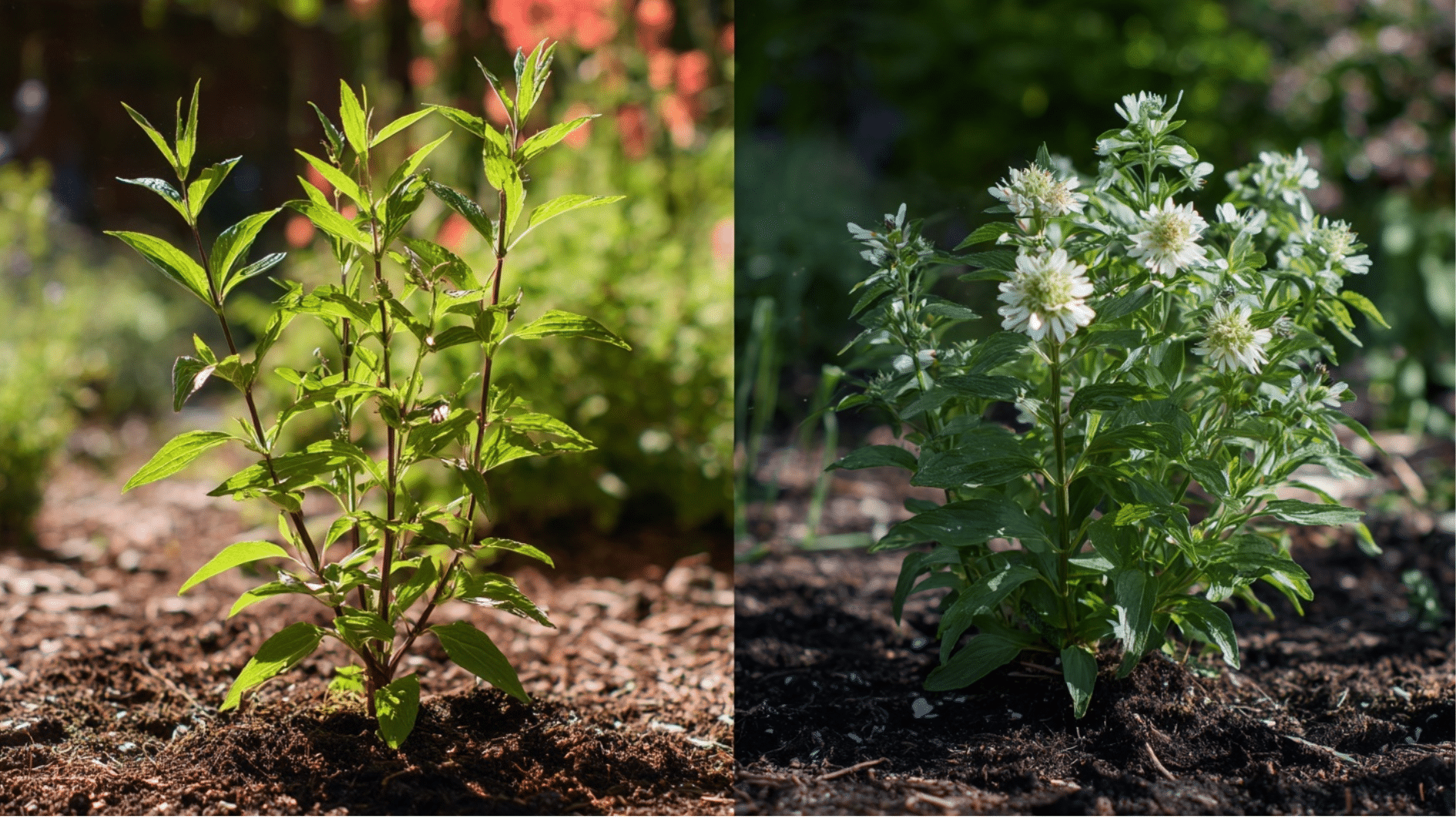
Most people expect a perennial to look impressive right away. It rarely does and that is completely normal. Here is what is actually happening across the first three seasons.
Year One: Sleeps
The plant puts almost all its energy into building roots underground. Above ground it looks small, unimpressive, and nothing like the photo on the tag.
Do not expect many blooms. This is the plant laying the foundation for everything that comes after.
Year Two: Creeps
The root system is now established and the plant starts putting energy above ground. It begins filling out noticeably, more flowers appear, and growth is clearly heading somewhere.
Still not at full size but significantly stronger than the first season.
Year Three: Leaps
Full size, fuller blooms, and the plant becomes largely self-sufficient. This is when a perennial finally looks like what you bought and starts getting better on its own every year with minimal input from you.
The mistake most people make is pulling up a perennial in year one because it looks disappointing. The plant is not failing. It is building everything it needs underground to perform for years after.
Best Beginner-Friendly Perennials
For anyone planting perennials for the first time, these are the most reliable returners across most US zones.
1. Coneflower
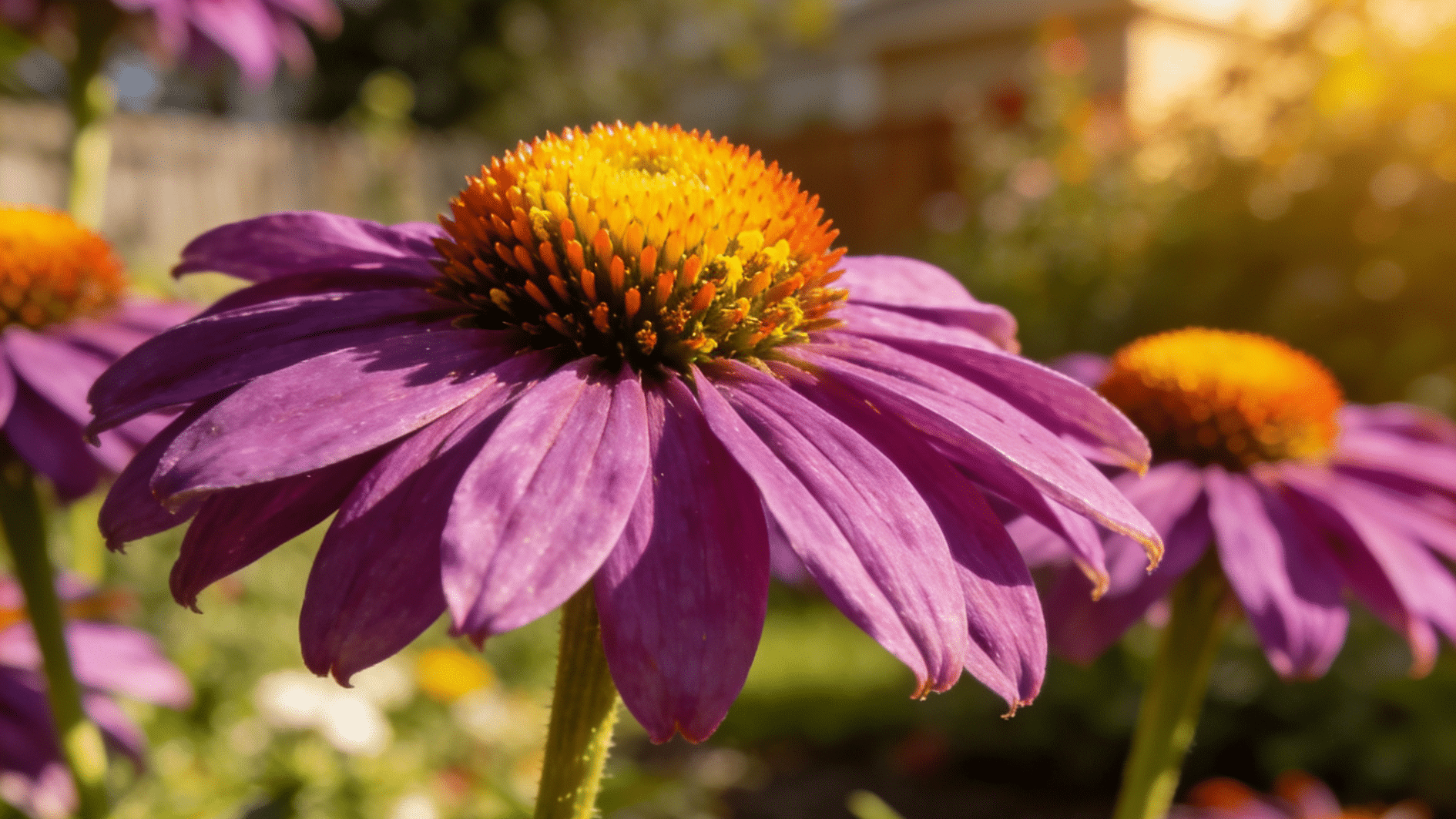
Hardy across zones 3 to 9, drought-tolerant, and comes back stronger and fuller every year. One of the easiest perennials to grow and one of the best for attracting pollinators.
It spreads gradually over time, self-seeds in favorable conditions, and requires almost no intervention once established. Cut spent blooms back in fall or leave the seed heads standing birds will feed on them through winter.
2. Hosta
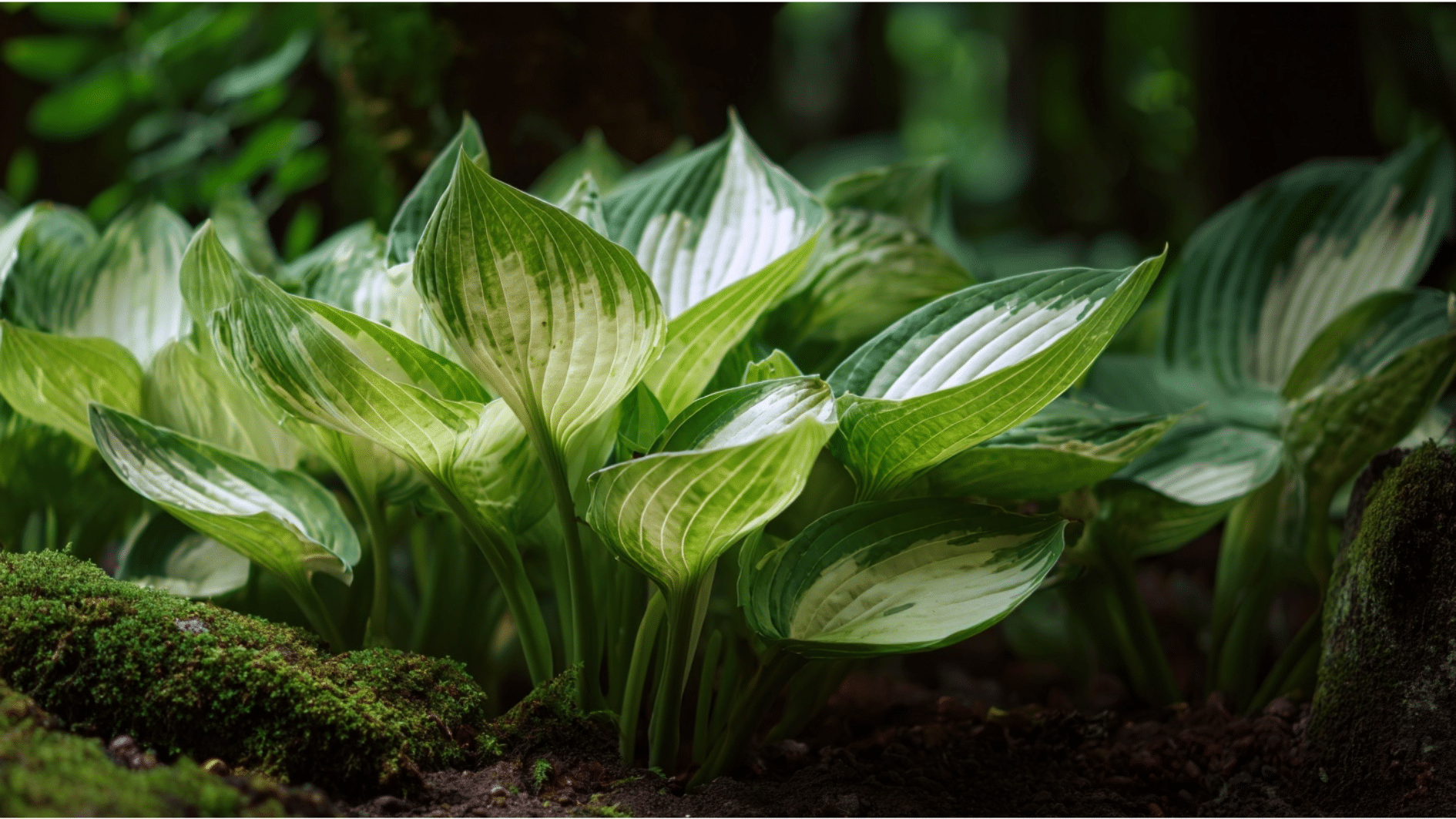
The go-to for shaded spots in zones 3 to 9. Grows larger and fuller with every passing season and needs almost no attention once established.
Hostas come in an enormous range of sizes and leaf colors from small compact varieties to giant plants with leaves the size of dinner plates. They are one of the few perennials that genuinely improve with age, looking more impressive in year five than they did in year one.
3. Daylily
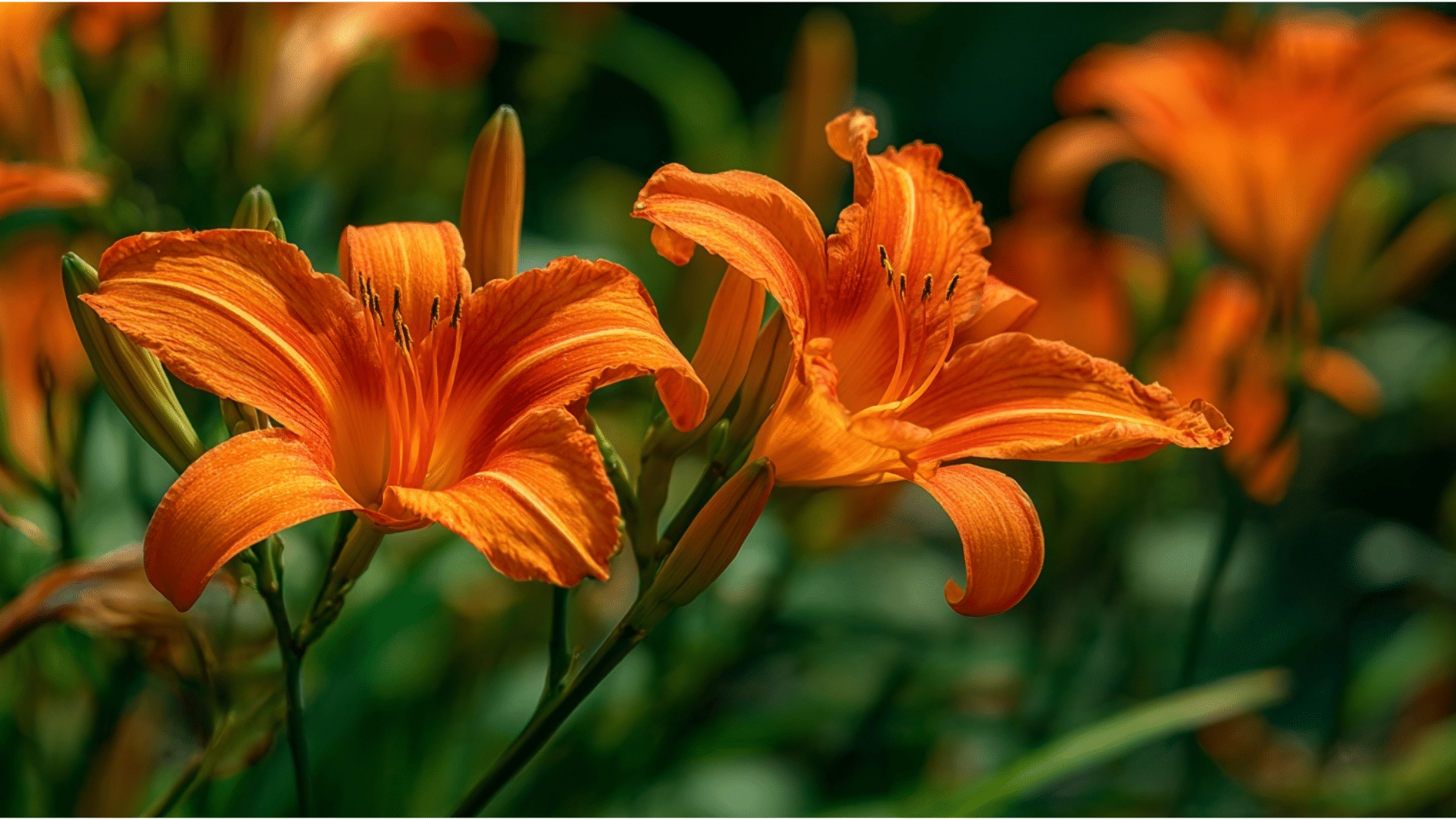
Nearly indestructible across zones 3 to 10. Multiplies fast, tolerates poor soil, handles both drought and occasional flooding, and blooms reliably every summer without much care.
Each individual flower lasts only one day, but plants produce dozens of buds over several weeks, resulting in a long bloom period compared with most perennials. Divide clumps every three to four years to keep them blooming at full strength.
4. Peony
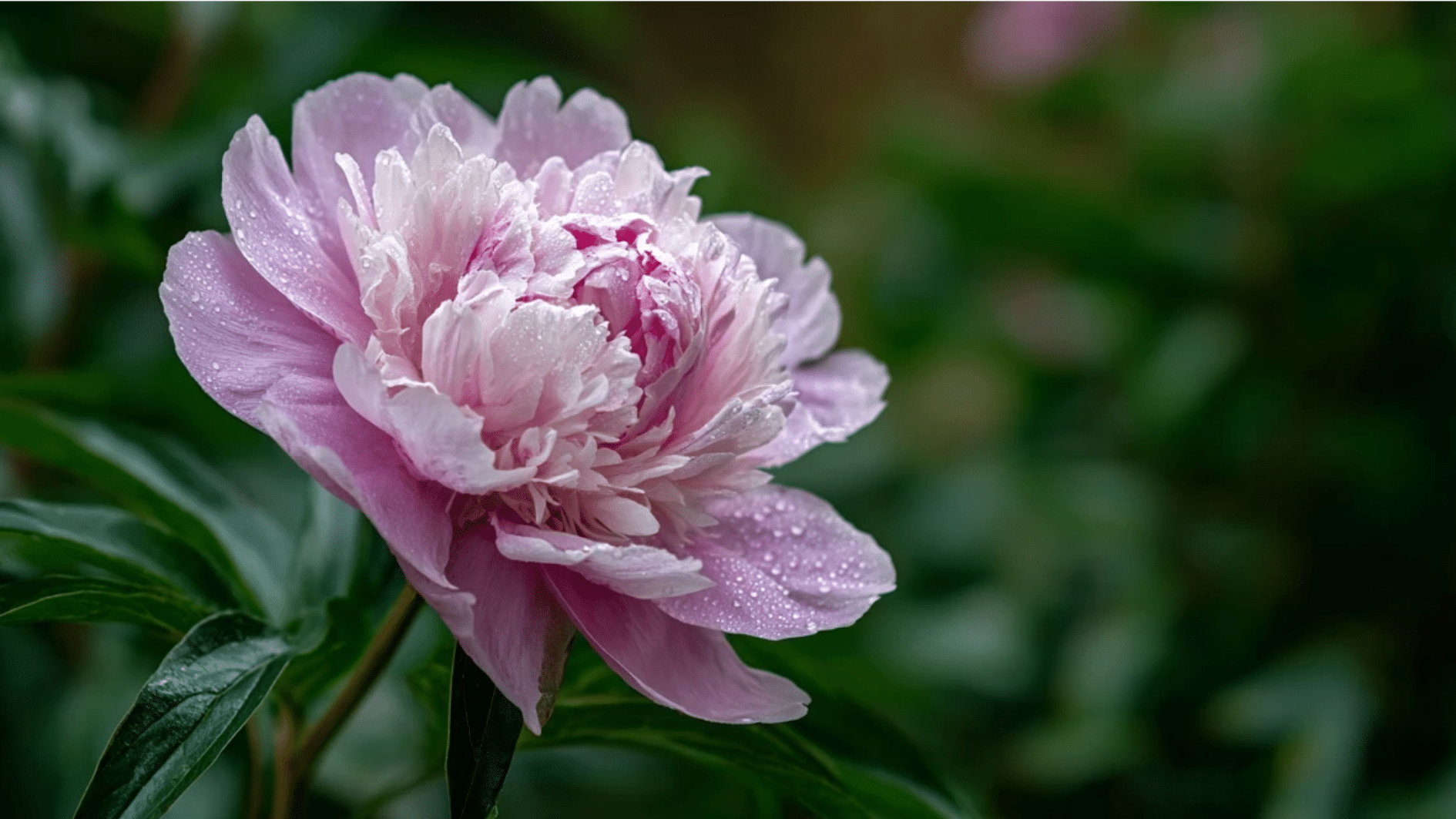
One of the longest-lived plants you can put in a garden. Covers zones 3 to 8, blooms spectacularly every late spring, and rewards patience with decades of flowers from a single planting.
Peonies are slow to establish; do not expect much in years one or two, but once they settle in, they are essentially permanent. Some plants documented in old gardens have been blooming continuously for over fifty years with no replanting at all.
Why Some Perennials May Not Return
If a perennial does not come back the following spring, the reason almost always falls into one of these categories:
- Wrong zone – the most common reason. The plant was not rated for the winter temperatures in your area, and the roots froze
- Harsh winter – even zone-appropriate perennials can fail in an unusually severe winter
- Poor drainage – roots sitting in waterlogged soil over winter rot before spring arrives
- Natural lifespan – some perennials are short-lived and simply reach the end of their cycle after a few years
- Planted too late – perennials planted too close to the first frost do not have enough time to establish roots before winter
Conclusion
Perennials can feel confusing at first because many of them disappear completely for part of the year. That often scares beginners into thinking the plant failed when it is actually following its normal growth cycle.
Once you understand how perennials survive winter, gardening becomes much less stressful. Most simply need time to establish strong roots, return in the right season, and settle into their long-term growth pattern.
The hardest part is usually the first year. After that, many perennials become easier, stronger, and more reliable with every passing season.
Frequently Asked Questions
Can Perennials Grow in Containers?
Yes but they need larger containers than annuals to accommodate the root system. In colder zones move containers to a sheltered spot over winter since roots in pots freeze faster.
Do Perennials Need More Water Than Annuals?’
Most established perennials actually need less water than annuals. The deep root systems they develop over time allow them to access moisture further down in the soil.
Can Perennials Survive a Late Spring Frost?
Most hardy perennials can handle a late frost once they are established. New growth that has just emerged may get damaged but the root system survives and sends up new shoots once temperatures stabilise.
How Many Perennials Should I Plant Together?
Plant in odd numbers like groups of three, five, or seven for the most natural look. Space them according to their mature spread so they have room to fill out over the first two to three seasons without overcrowding.