Ceilings often go unnoticed, yet they influence how a room feels from the moment you enter.
The right ceiling design can improve lighting, add structure, and create a balanced connection among all interior elements, echoing the same logic behind effective space planning throughout a room.
From simple POP finishes and wooden beams to wallpaper details and tray layouts, each style offers a different character.
I prefer selecting a ceiling based on room size, natural light, and everyday needs instead of choosing only for appearance.
Planning the lighting alongside the design helps create a space that feels comfortable, practical, and visually connected.
How to Choose the Right Ceiling
Choosing the right ceiling depends on more than appearance. Room height, lighting, function, budget, and interior style all affect which design works best. When these factors align, the ceiling supports the room without making it feel crowded.
- Height: Low ceilings suit flat finishes, while taller rooms can support layered designs.
- Lighting: Bright rooms can handle deeper tones, while darker spaces benefit from lighter reflective surfaces.
- Function: Bedrooms need softer finishes, while living rooms can support stronger patterns.
- Budget: Paint and POP are affordable, while beams, coffers, and skylights usually require a larger investment.
Ceiling Designs by Structure
Ceiling structures define the shape, height, and overall layout of a room. These designs range from simple flat surfaces to detailed architectural forms that suit different spaces.
1. Flat Ceiling
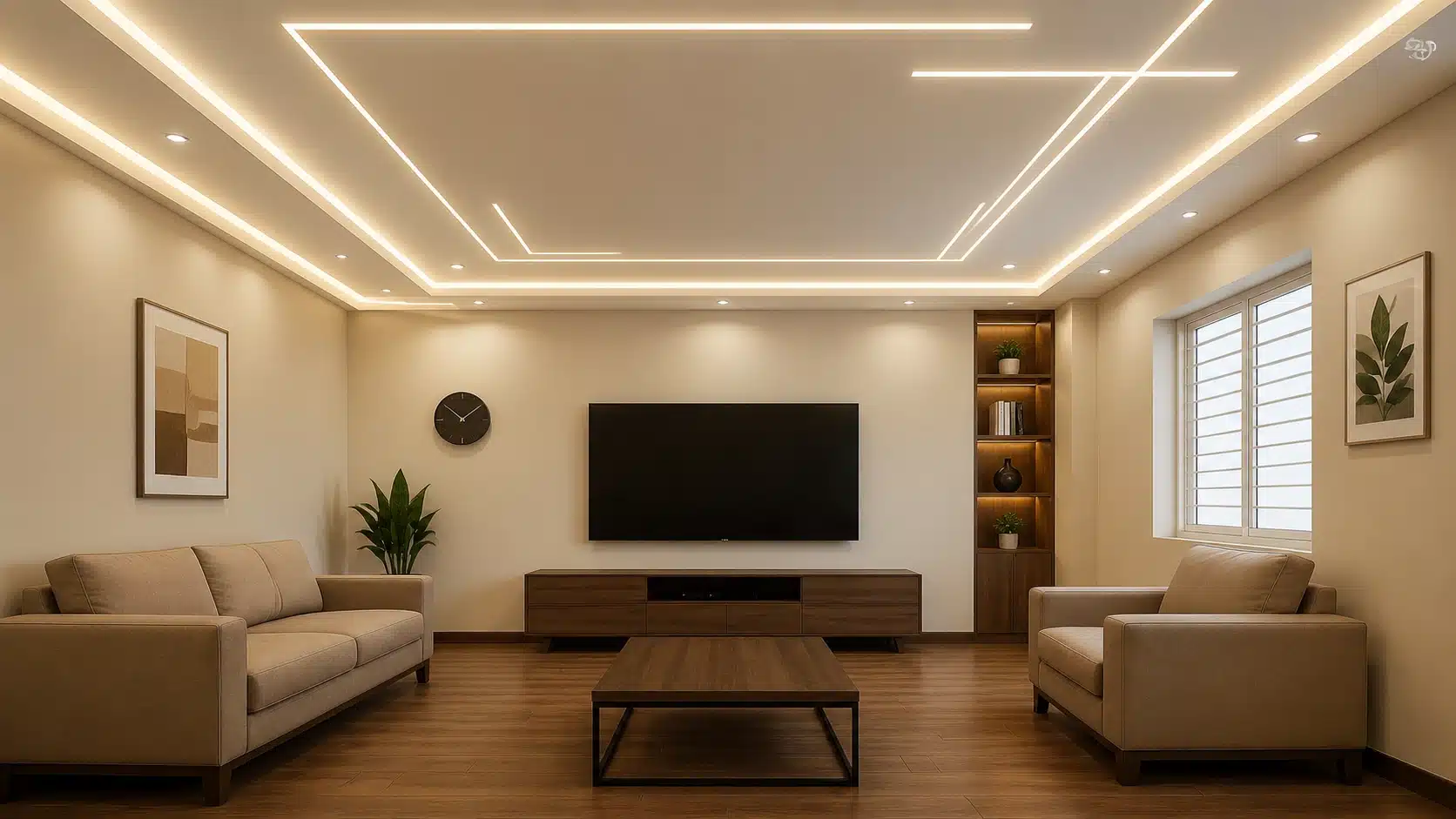
A flat ceiling creates a smooth, level surface across the room. It works well with different paint finishes, molding details, and lighting options while maintaining a simple structure that suits both traditional and modern interiors.
Room Type: Bedroom, kitchen, hallway, or home office
Cost: Low
Lighting: Flush mounts, recessed lights, or track lights
2. Tray Ceiling
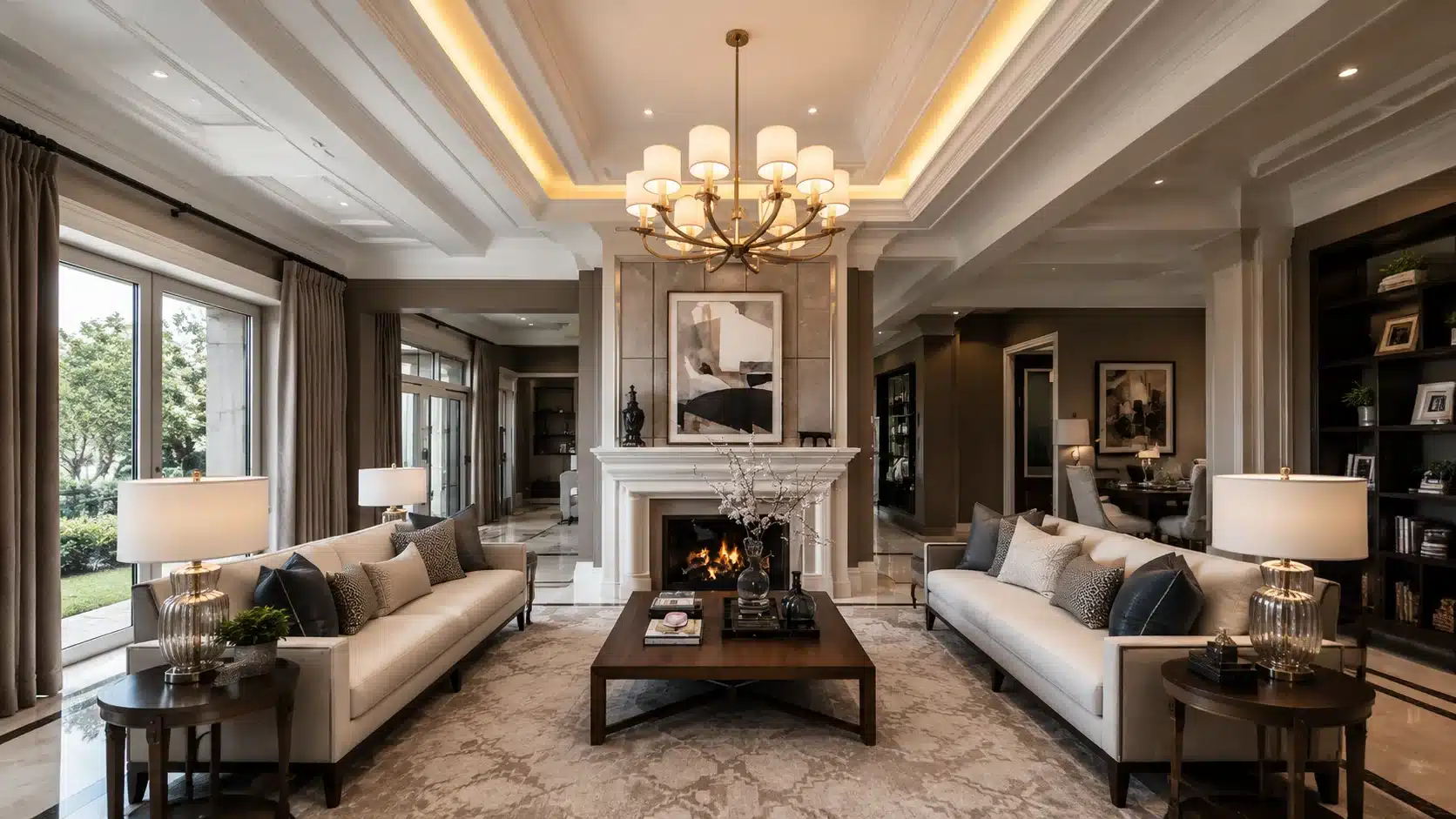
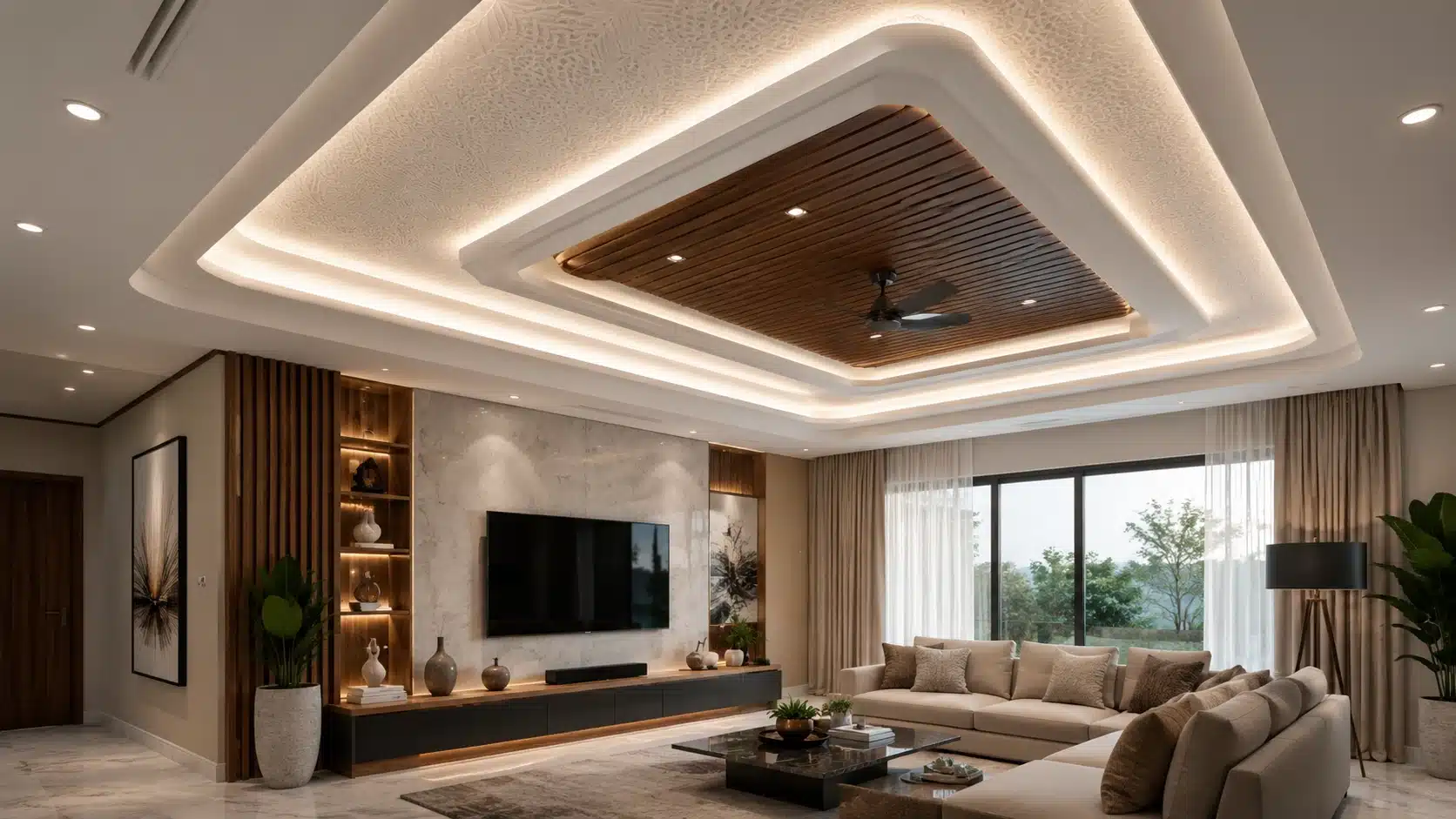
A tray ceiling features a raised center section with a recessed border around the edges. This design creates different ceiling levels without adding heavy details, making it suitable for rooms that need extra depth and definition.
Room Type: Bedroom, dining room, living room, or entryway
Cost: Medium to high
Lighting: Cove lighting, recessed lights, or central pendants
3. Coffered Ceiling
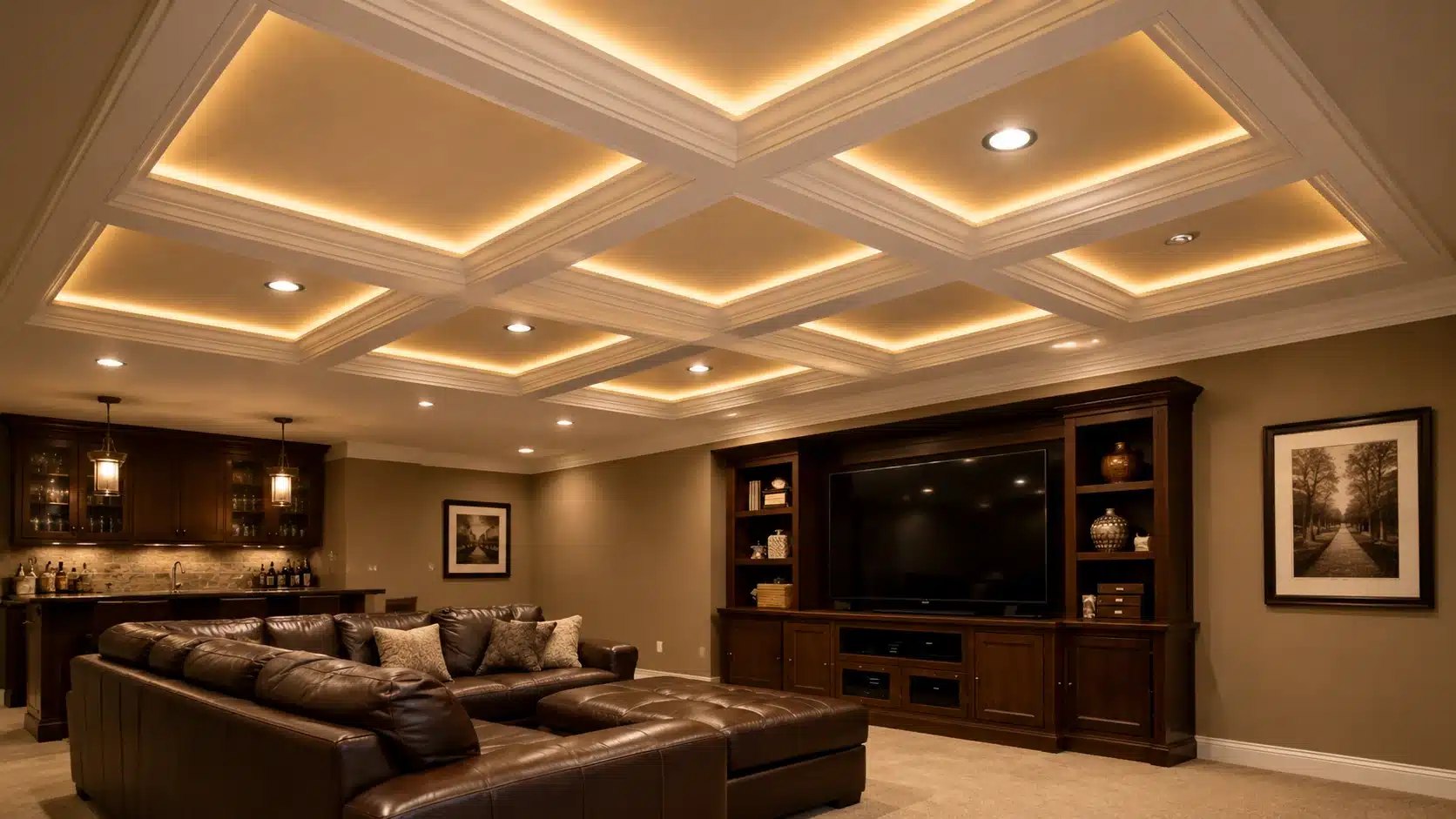
A coffered ceiling uses recessed square or rectangular sections arranged in a grid pattern. It adds structure to larger spaces and works best where the ceiling height allows the panel design to remain balanced.
Room Type: Living room, dining room, library, or office
Cost: High
Lighting: Recessed lights inside panels or central fixtures
4. Vaulted Ceiling
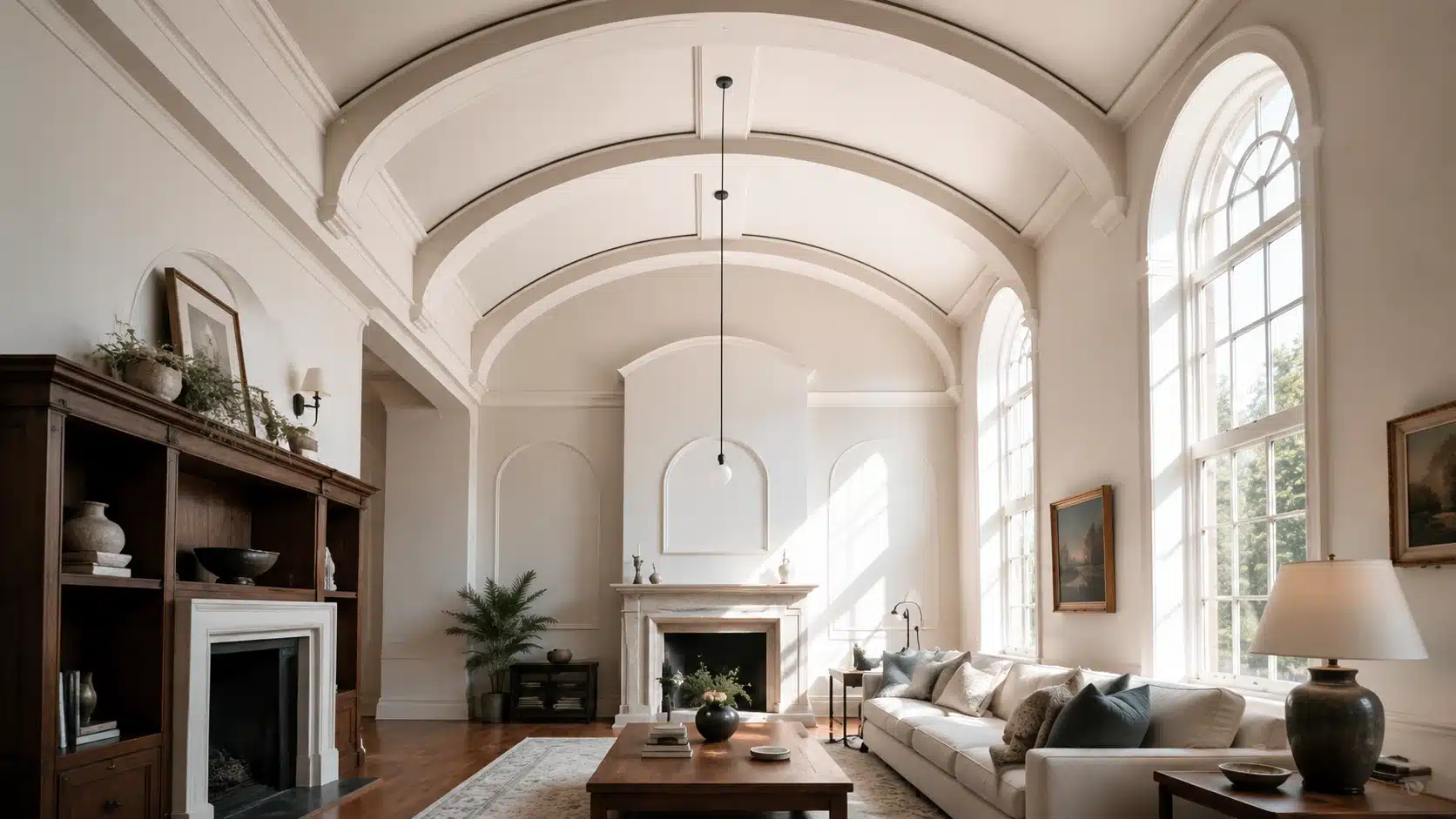
A vaulted ceiling rises upward from the walls to create a greater sense of vertical space. It works well with open layouts, tall windows, and large lighting fixtures that complement the increased ceiling height.
Room Type: Living room, family room, or primary bedroom
Cost: High
Lighting: Chandeliers, pendant lights, or wall sconces
5. Cathedral Ceiling
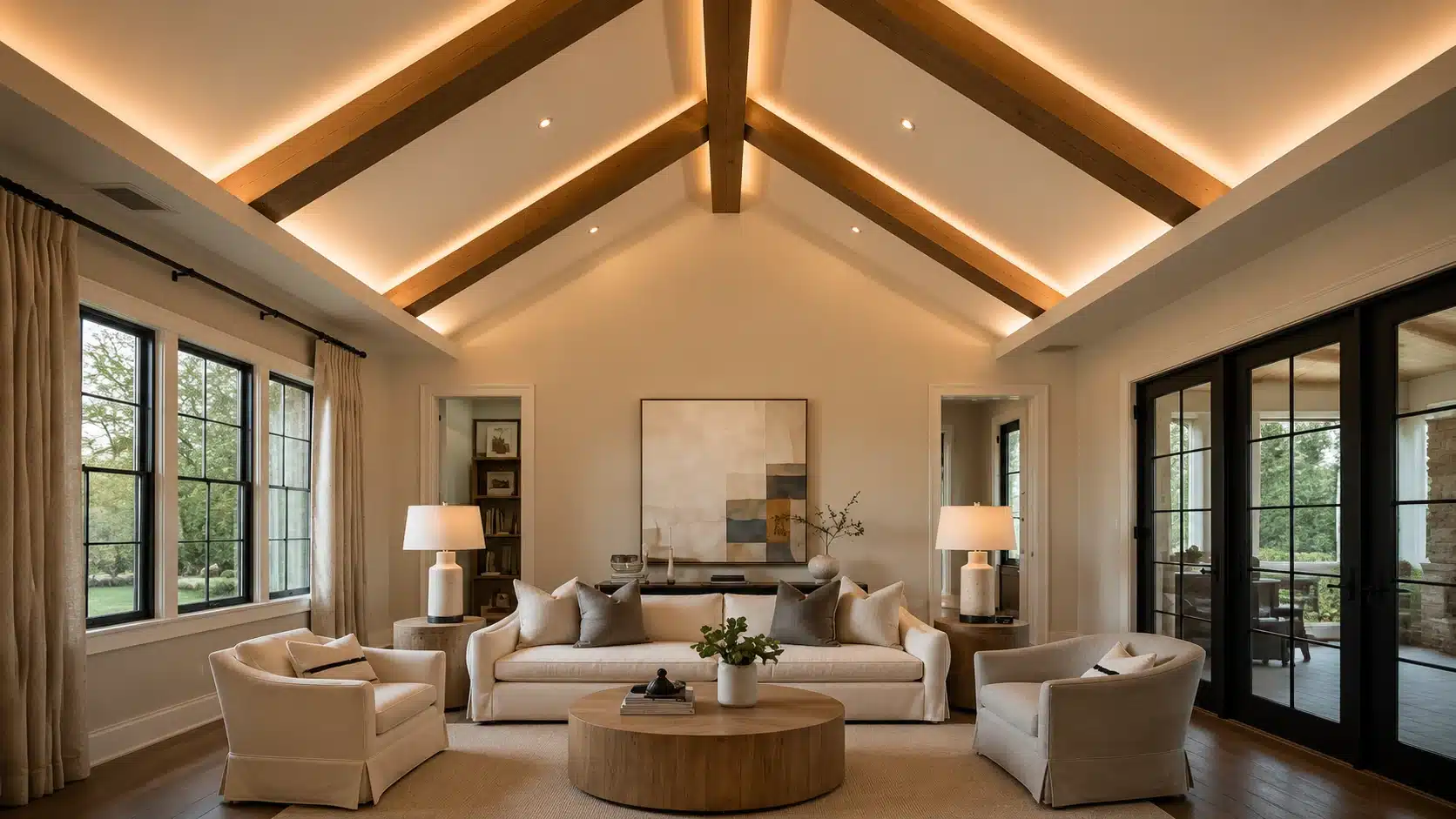
A cathedral ceiling features two equal slopes that meet at a central ridge. Its symmetrical shape creates a strong architectural line while making rooms appear taller and more spacious.
Room Type: Living room, bedroom, or family room
Cost: High
Lighting: Central chandeliers, recessed slope lighting, or pendant fixtures
6. Sloped Ceiling
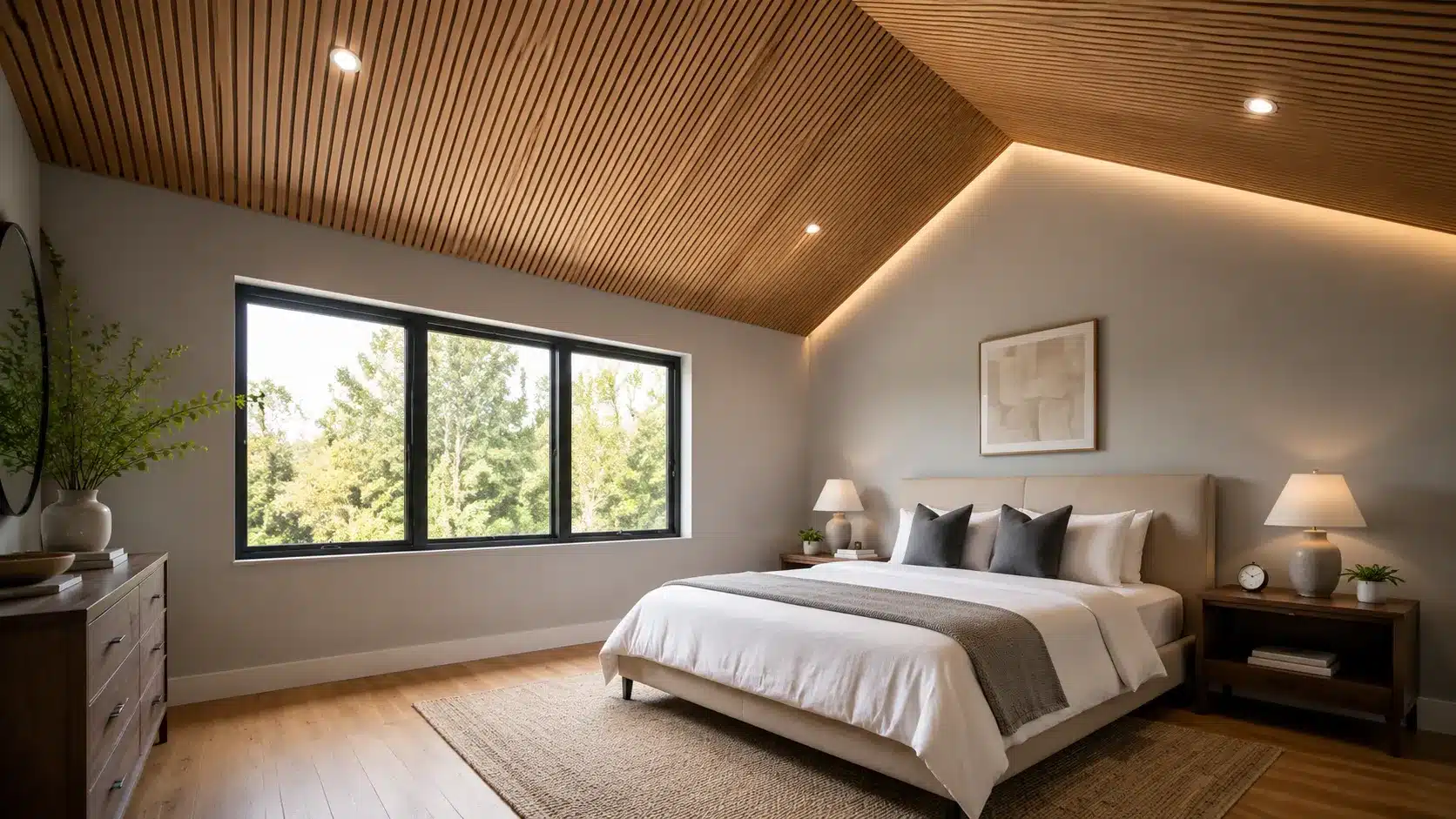
A sloped ceiling follows the angle of the roof and is commonly found in attic spaces or upper floors. Its angled surface can accommodate various finishes while adding character to rooms with limited vertical space.
Room Type: Attic bedroom, loft, study, or bathroom
Cost: Medium
Lighting: Wall sconces, track lights, or compact pendants
7. Coved Ceiling
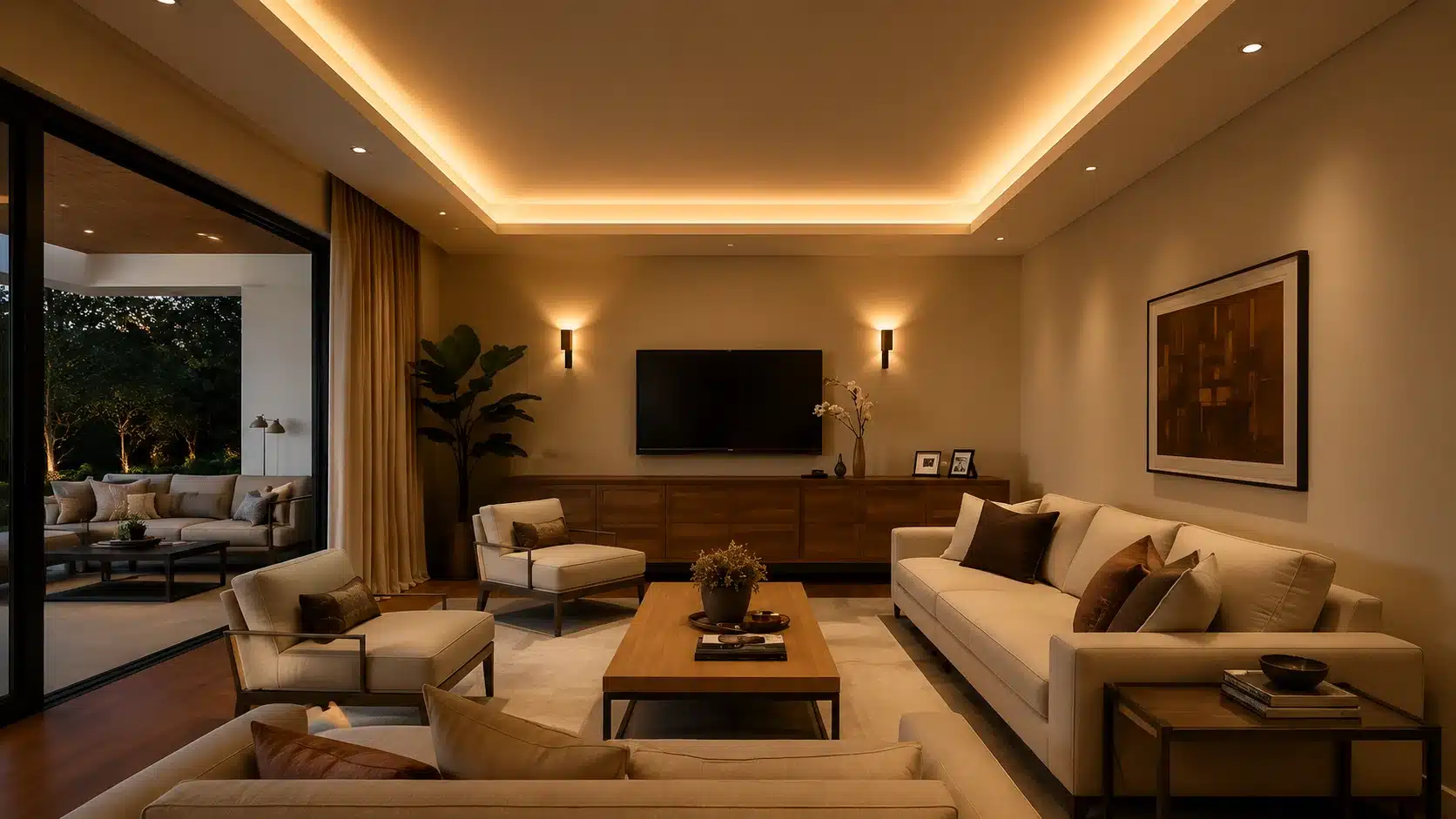
A coved ceiling features a curved transition between the walls and ceiling instead of sharp corners. The rounded edge creates a smoother connection and works well in rooms that need softer ceiling lines.
Room Type: Bedroom, dining room, hallway, or living room
Cost: Medium to high
Lighting: Hidden perimeter LEDs or central fixtures
8. Barrel Vault Ceiling
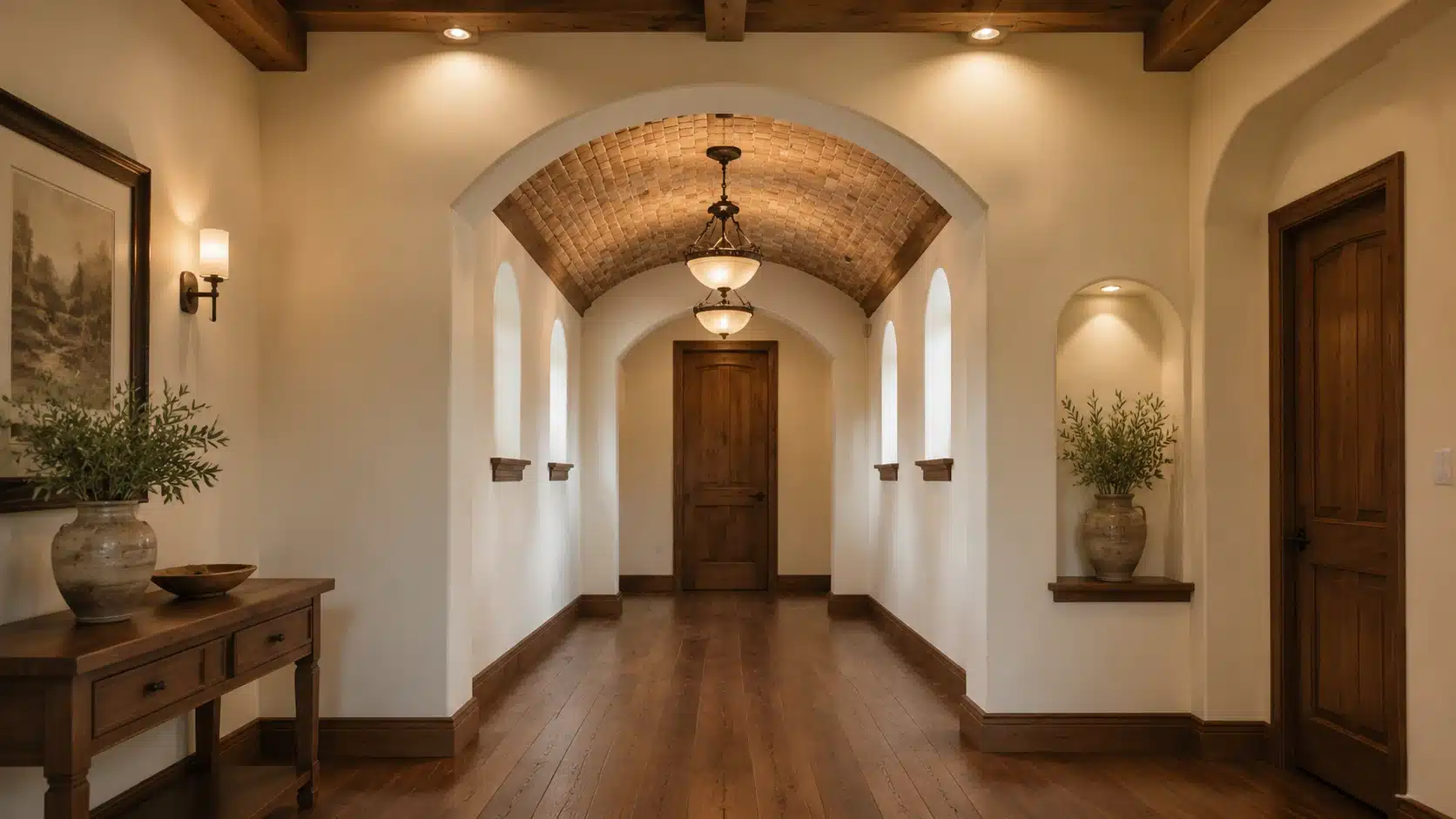
A barrel vault ceiling creates a continuous curved arch across the entire ceiling surface. It works especially well in narrow spaces because the curved shape draws attention along the length of the room.
Room Type: Hallway, entryway, dining room, or passage
Cost: High
Lighting: Recessed fixtures, wall lights, or small pendants
9. Dome Ceiling
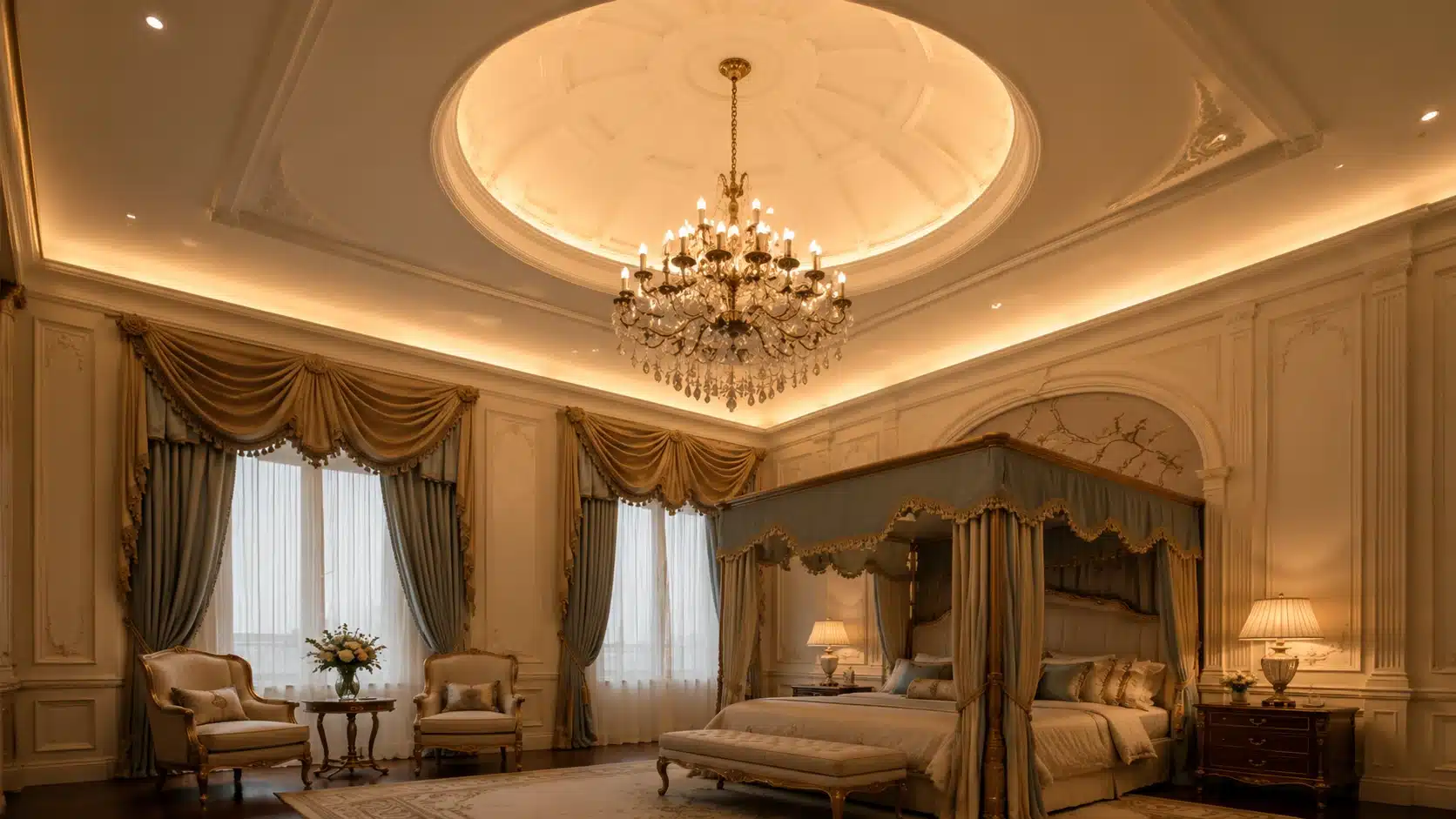
A dome ceiling creates a rounded, raised, or recessed section, usually placed at the center of a room. It is often used to highlight decorative lighting or create a focused ceiling feature.
Room Type: Foyer, dining room, formal sitting room, or bedroom
Cost: High
Lighting: Chandeliers, pendant lights, or perimeter lighting
False Ceiling Layouts
False ceiling layouts create layered surfaces beneath the original ceiling to improve lighting, conceal services, and define distinct areas. These designs offer practical solutions with varied shapes, levels, and finishes.
10. Single-Level False Ceiling
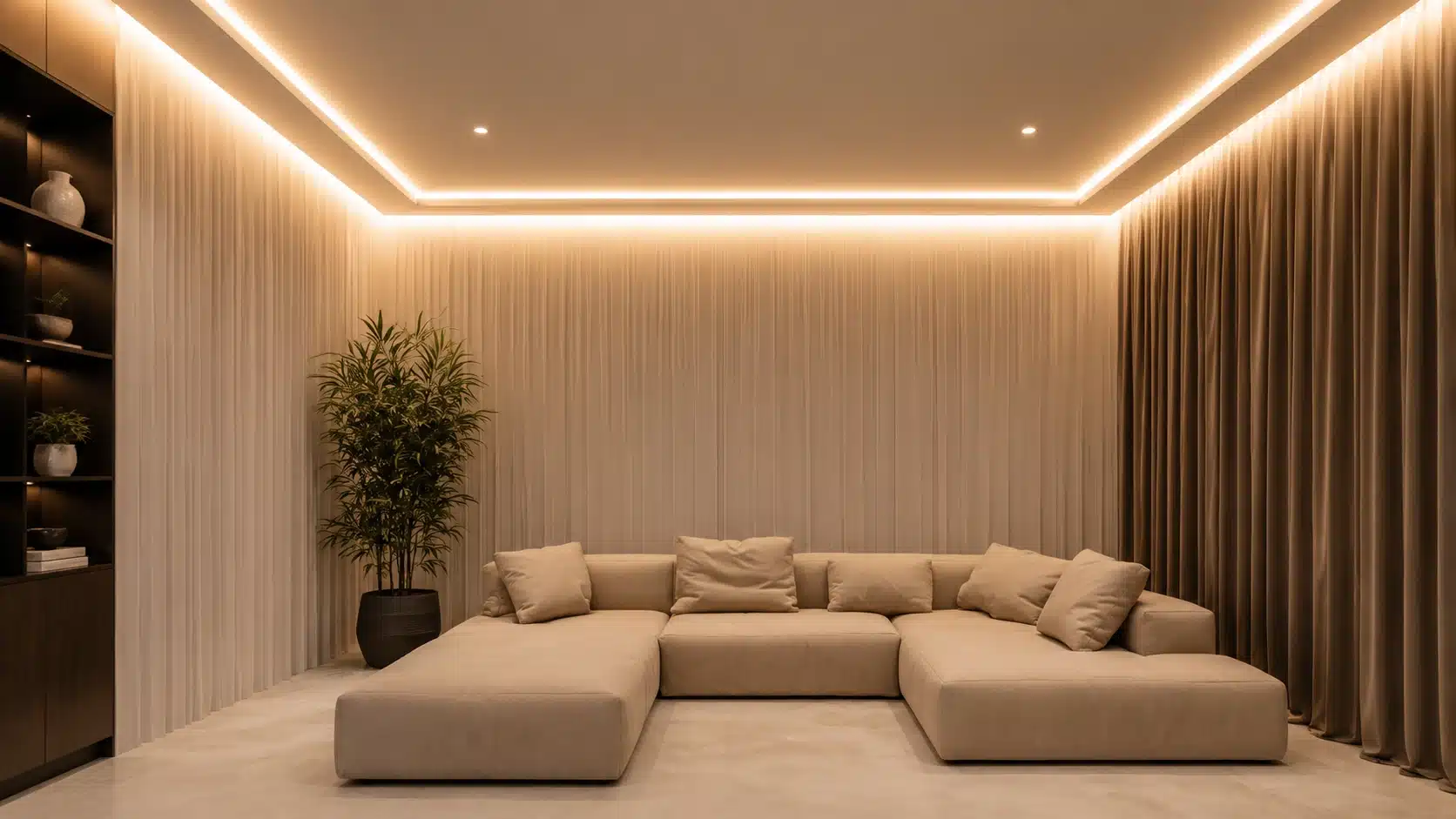
A single-level false ceiling creates a smooth layer below the original ceiling surface. It helps hide electrical wiring, uneven areas, and service lines while providing a clean base for different lighting arrangements.
Room Type: Bedroom, living room, hallway, or office
Cost: Medium
Lighting: Recessed lights, surface-mounted fixtures, or LED panels
11. Double-Level False Ceiling
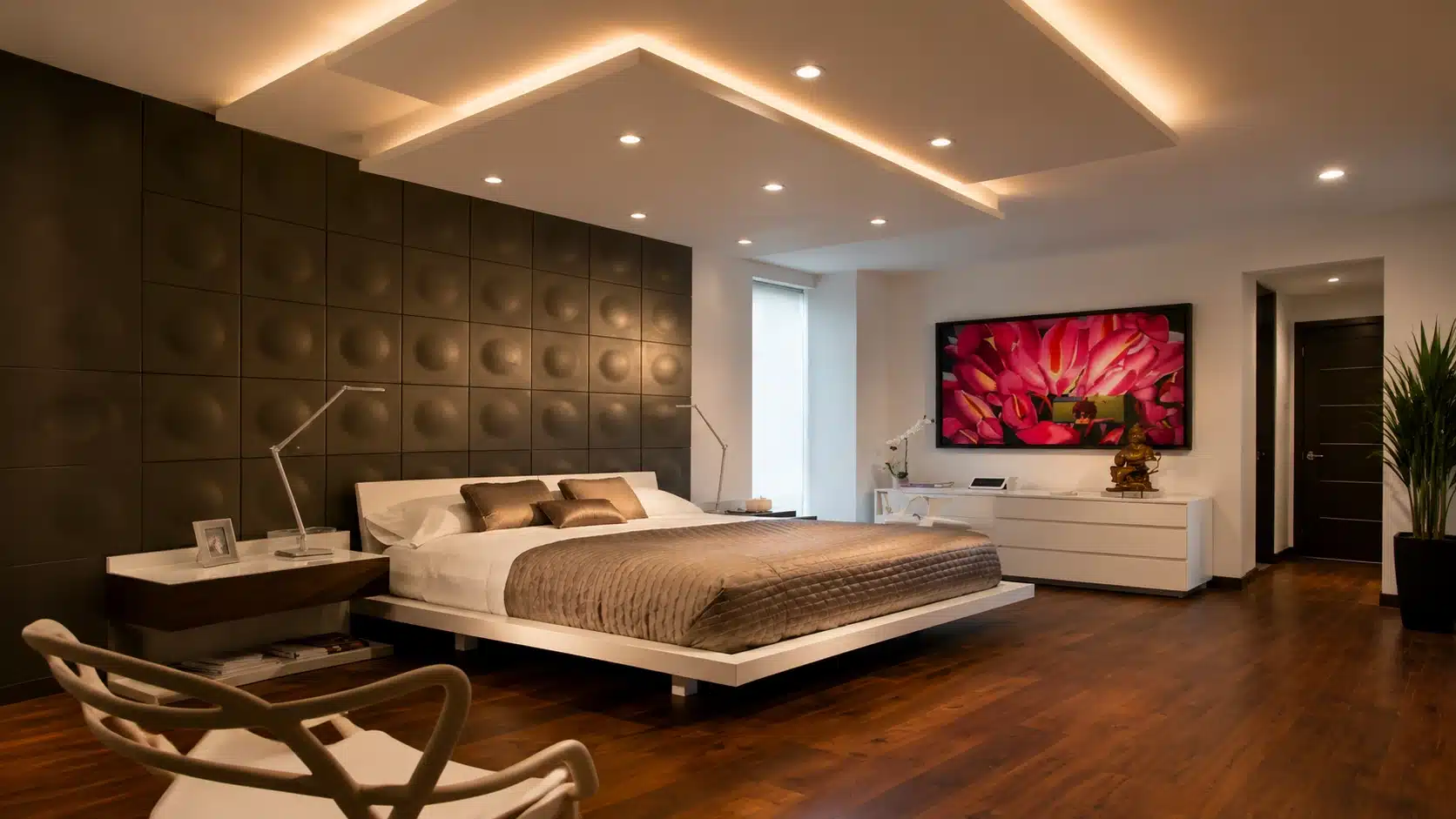
A double-level false ceiling uses two different ceiling heights to create separate sections. The layered structure helps define areas within a room while adding depth and supporting decorative lighting features.
Room Type: Living room, bedroom, dining room, or open-plan spaces
Cost: Medium to high
Lighting: Cove lighting between levels, recessed lights, or spotlights
12. Circular False Ceiling
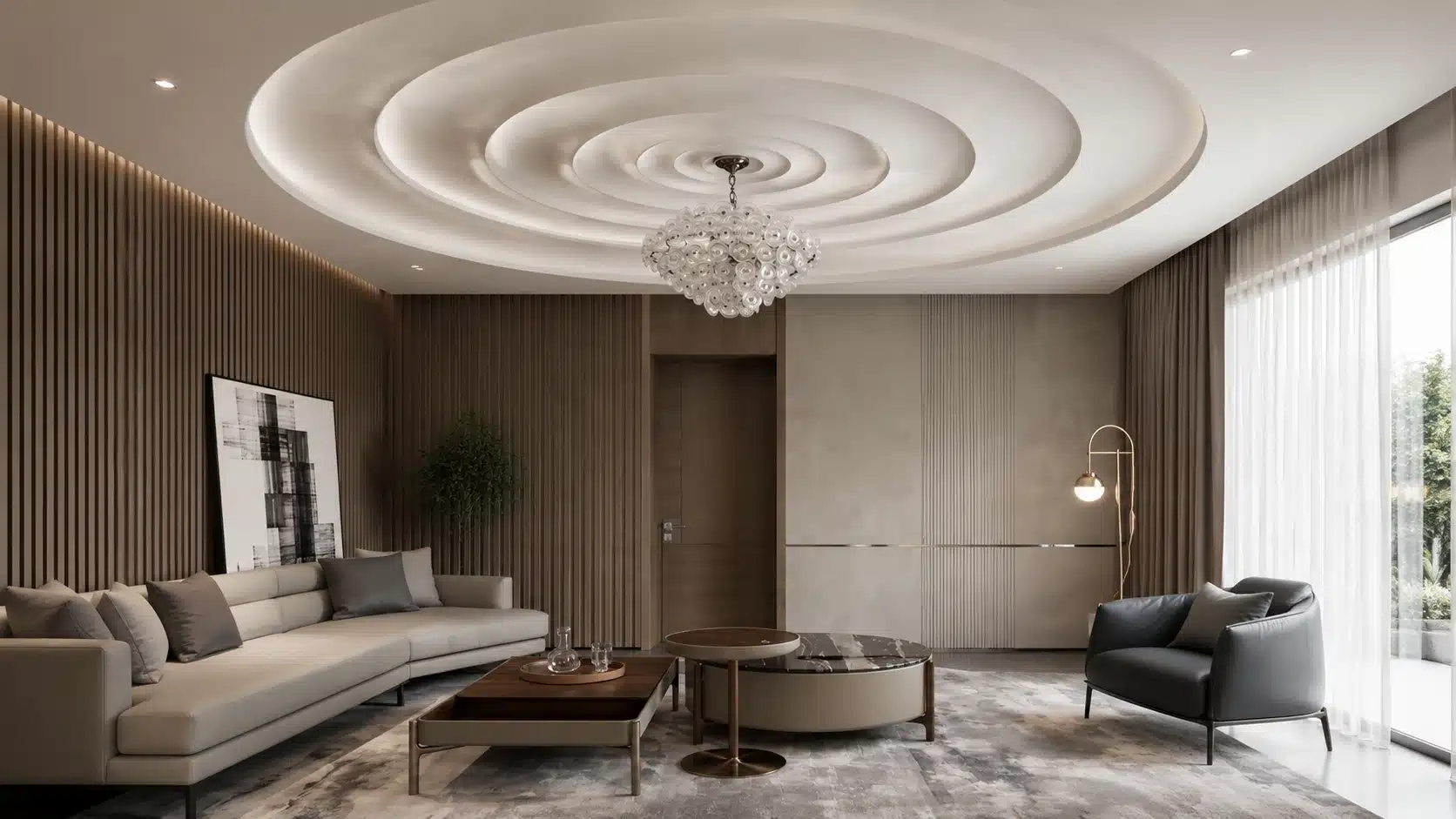
A circular false ceiling features a round central panel or ring that breaks the straight lines commonly found in rooms. It works well for highlighting specific areas and creating a balanced ceiling layout.
Room Type: Living room, bedroom, dining area, or foyer
Cost: Medium to high
Lighting: Central pendant, chandelier, or recessed lights around the circle
13. Linear False Ceiling
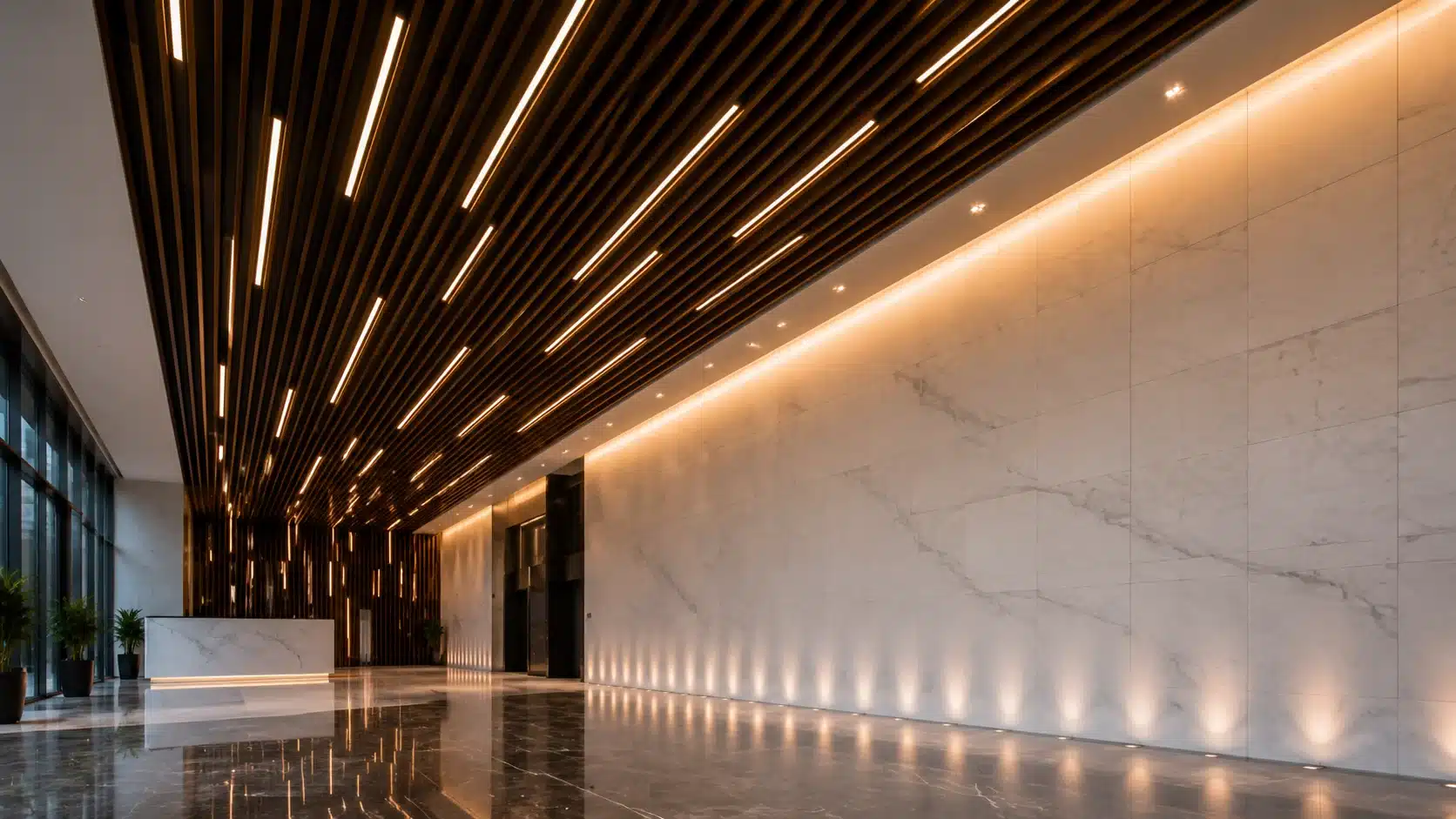
A linear false ceiling uses long horizontal or vertical sections across the ceiling surface. It helps organize the visual flow of narrow spaces while supporting modern lighting arrangements.
Room Type: Hallway, kitchen, living room, or office
Cost: Medium
Lighting: Linear LEDs, strip lights, or evenly spaced downlights
14. Island Panel Ceiling
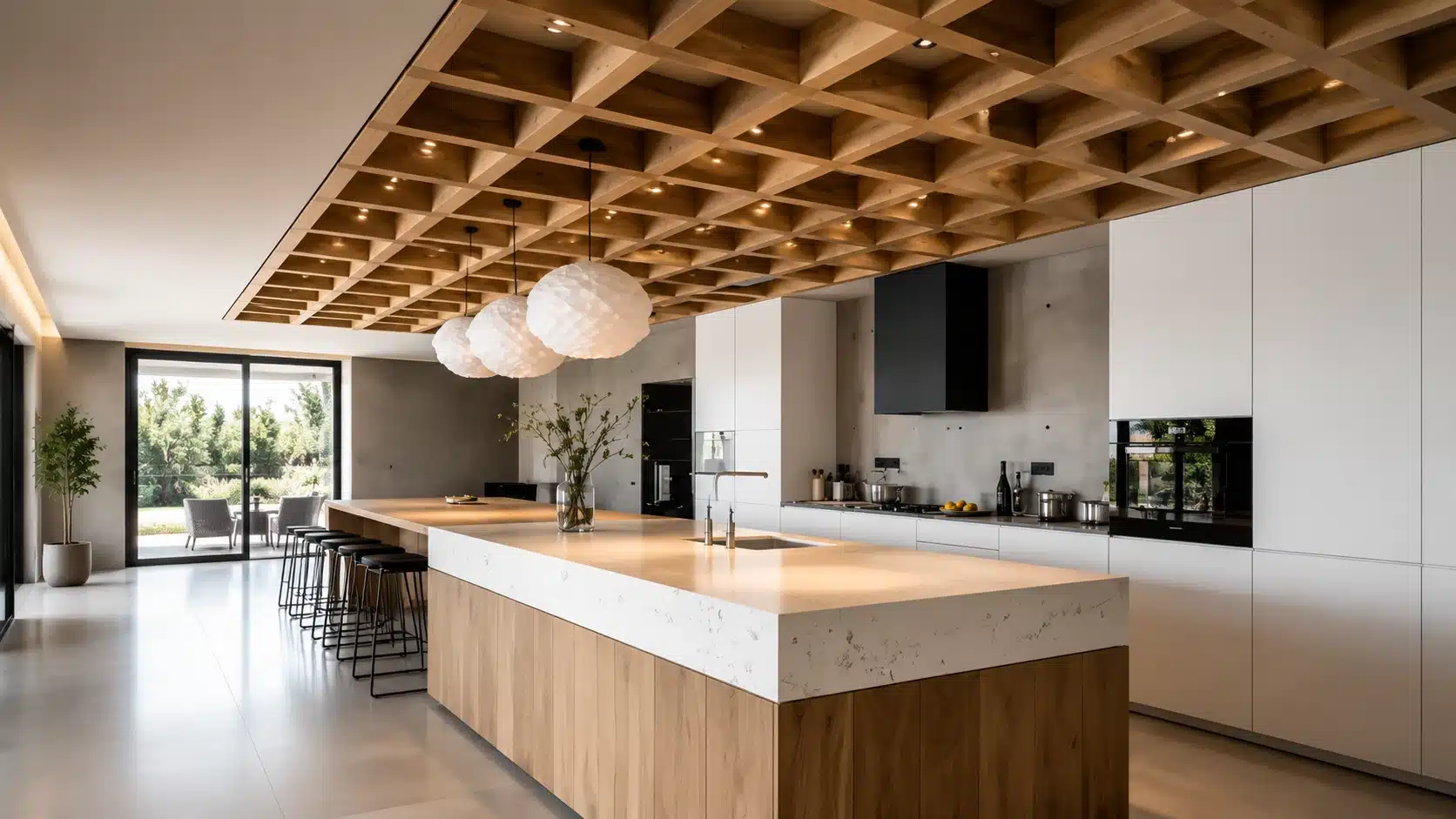
An island panel ceiling uses a separate suspended section above a specific area instead of covering the entire ceiling. It helps highlight dining tables, kitchen islands, beds, or seating zones.
Room Type: Kitchen, dining area, bedroom, or open-plan room
Cost: Medium
Lighting: Pendant lights, recessed fixtures, or hanging lamps
15. Perimeter False Ceiling
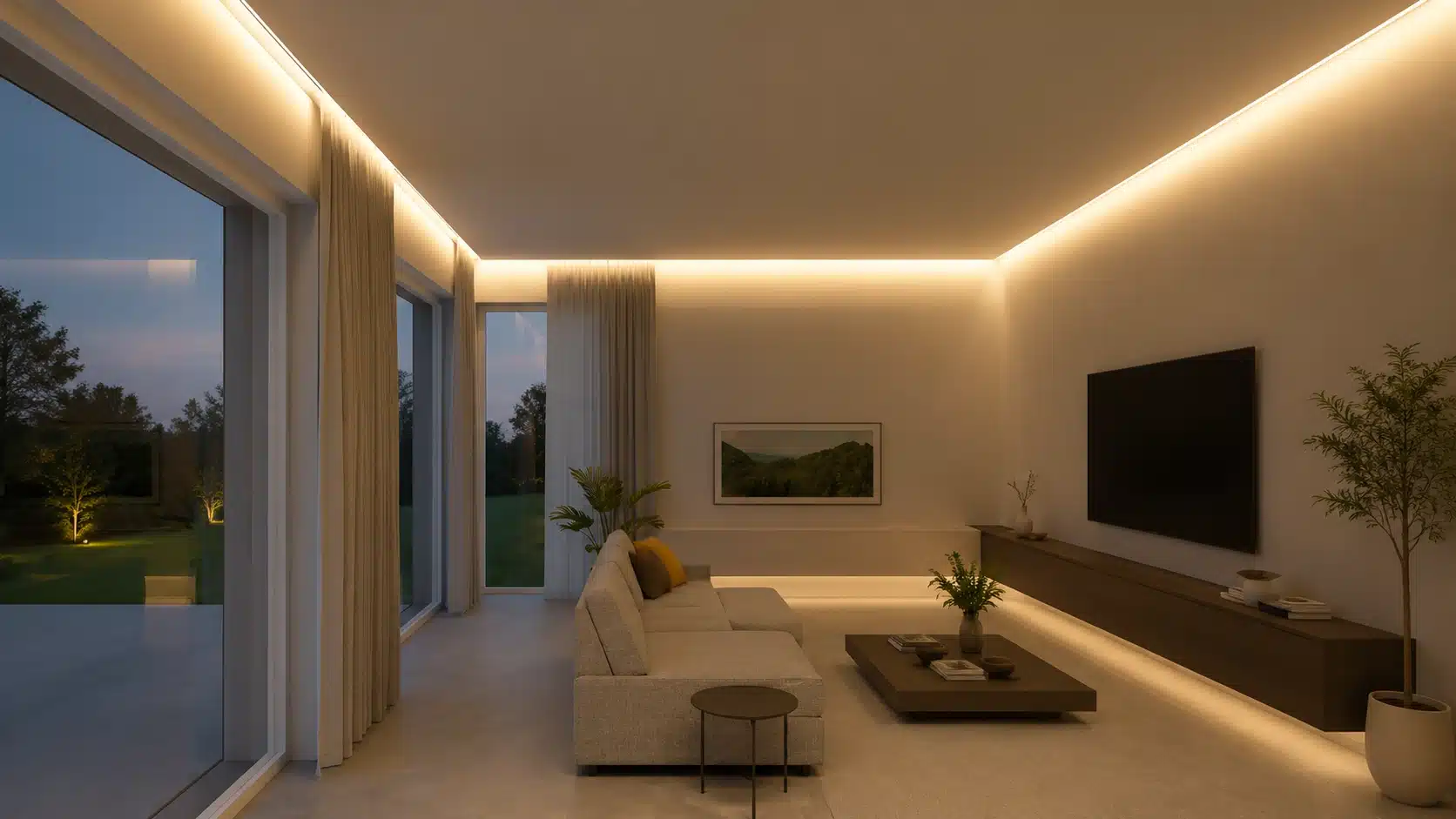
A perimeter false ceiling covers the outer edges of the room while leaving the center section open. It hides wiring along the perimeter and allows indirect lighting without reducing the full ceiling height.
Room Type: Bedroom, living room, dining room, or hallway
Cost: Medium
Lighting: Cove lighting, LED strips, or central fixtures
Ceiling Designs by Material
Ceiling materials influence durability, maintenance, texture, and the overall look of a space. From gypsum and wood to moisture-resistant panels, each material offers different benefits for various interiors.
16. POP Ceiling
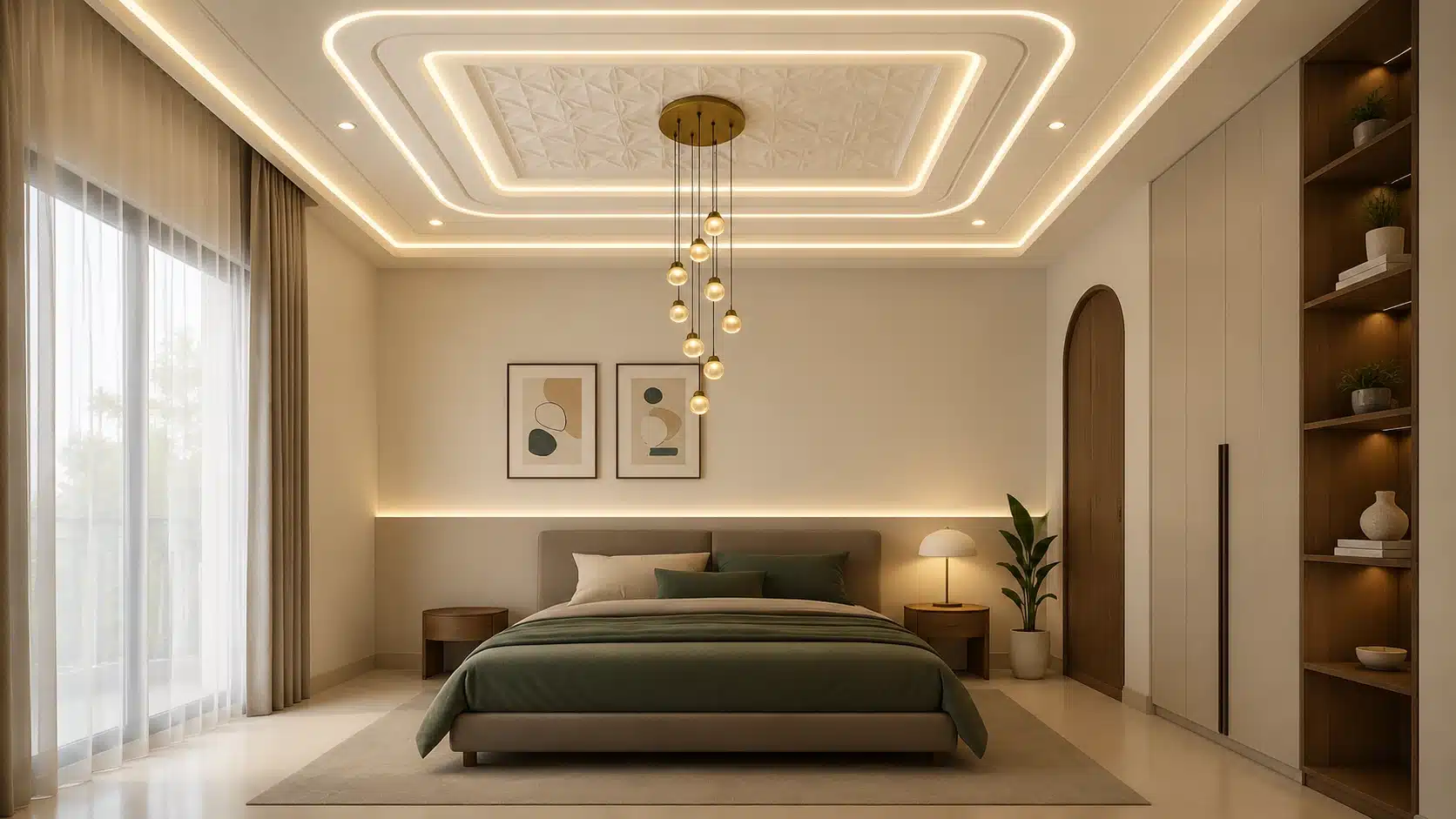
A POP ceiling uses plaster of Paris to create smooth surfaces, curves, borders, and decorative patterns. It allows customized designs but requires proper installation and maintenance to prevent surface cracks.
Room Type: Bedroom, living room, dining room, or hallway
Cost: Medium
Lighting: Cove lights, recessed lights, chandeliers, or spotlights
17. Gypsum Board Ceiling
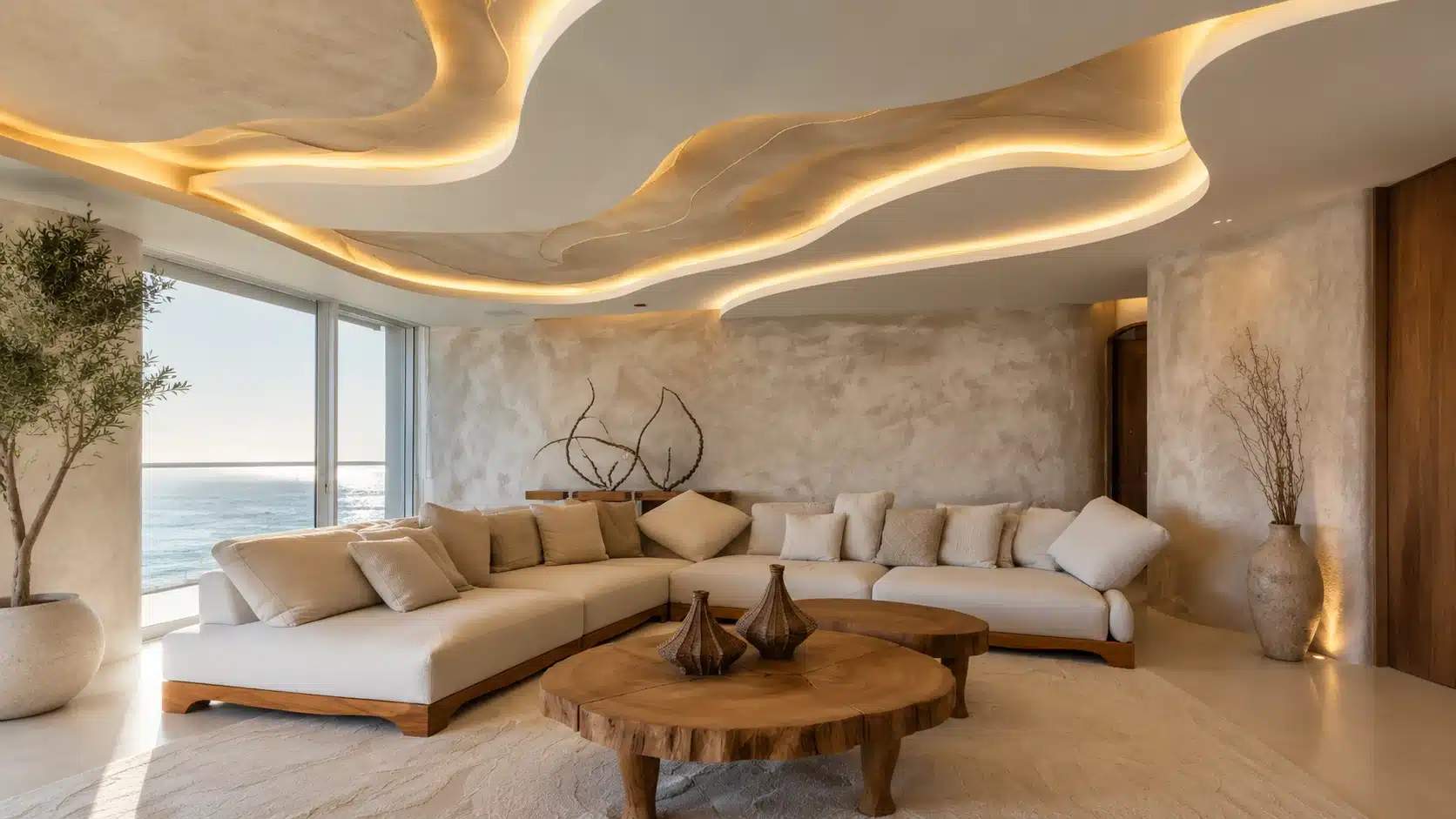
A gypsum board ceiling uses lightweight boards fixed to a metal framework to create a smooth ceiling surface. It works well for modern layouts, recessed sections, and hidden electrical installations.
Room Type: Bedroom, living room, office, or dining room
Cost: Medium
Lighting: Recessed lights, linear LEDs, or concealed fixtures
18. Wooden Plank Ceiling
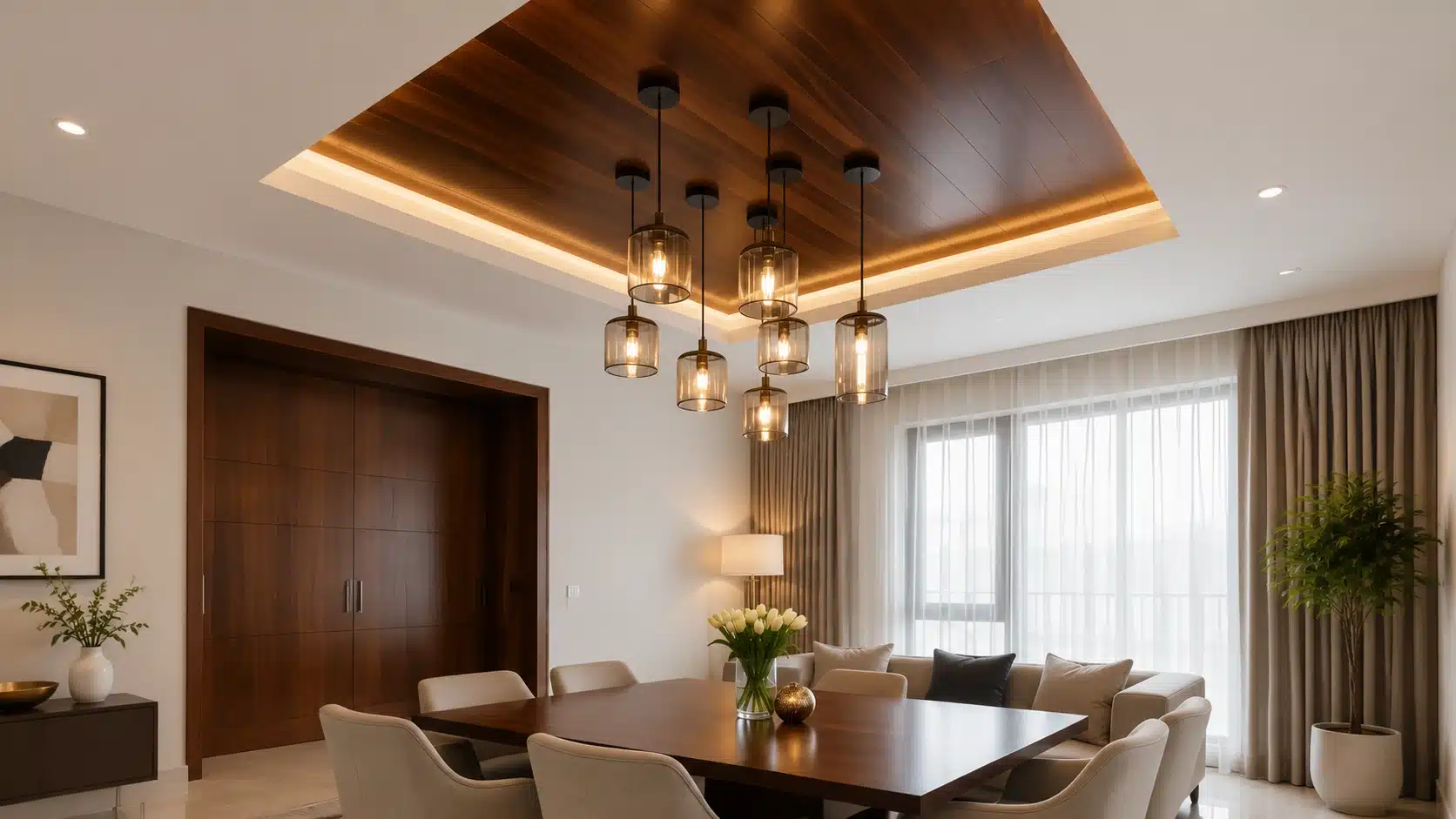
A wooden plank ceiling uses natural or engineered wood boards to add visible texture and warmth above a room. Different finishes allow it to suit both rustic and contemporary interiors.
Room Type: Living room, bedroom, kitchen, or porch
Cost: Medium to high
Lighting: Warm recessed lights, pendant fixtures, or track lights
19. Exposed Beam Ceiling
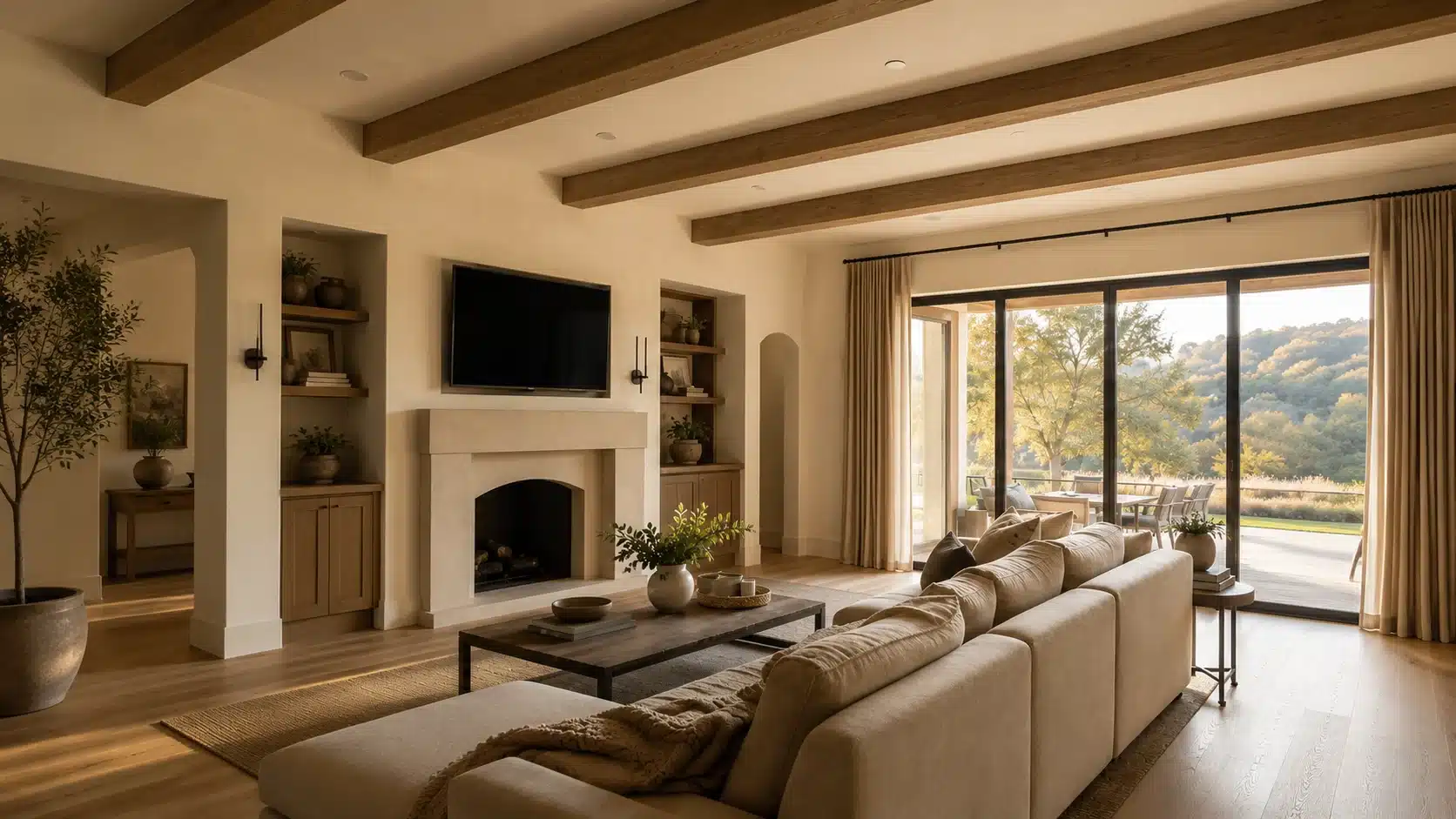
An exposed-beam ceiling features horizontal or angled beams across the ceiling surface. Real wood or faux beams can create strong lines while adding a structured appearance to open spaces.
Room Type: Living room, kitchen, dining room, or bedroom
Cost: Medium to high
Lighting: Pendant lights between beams, spotlights, or directional fixtures
20. PVC Panel Ceiling
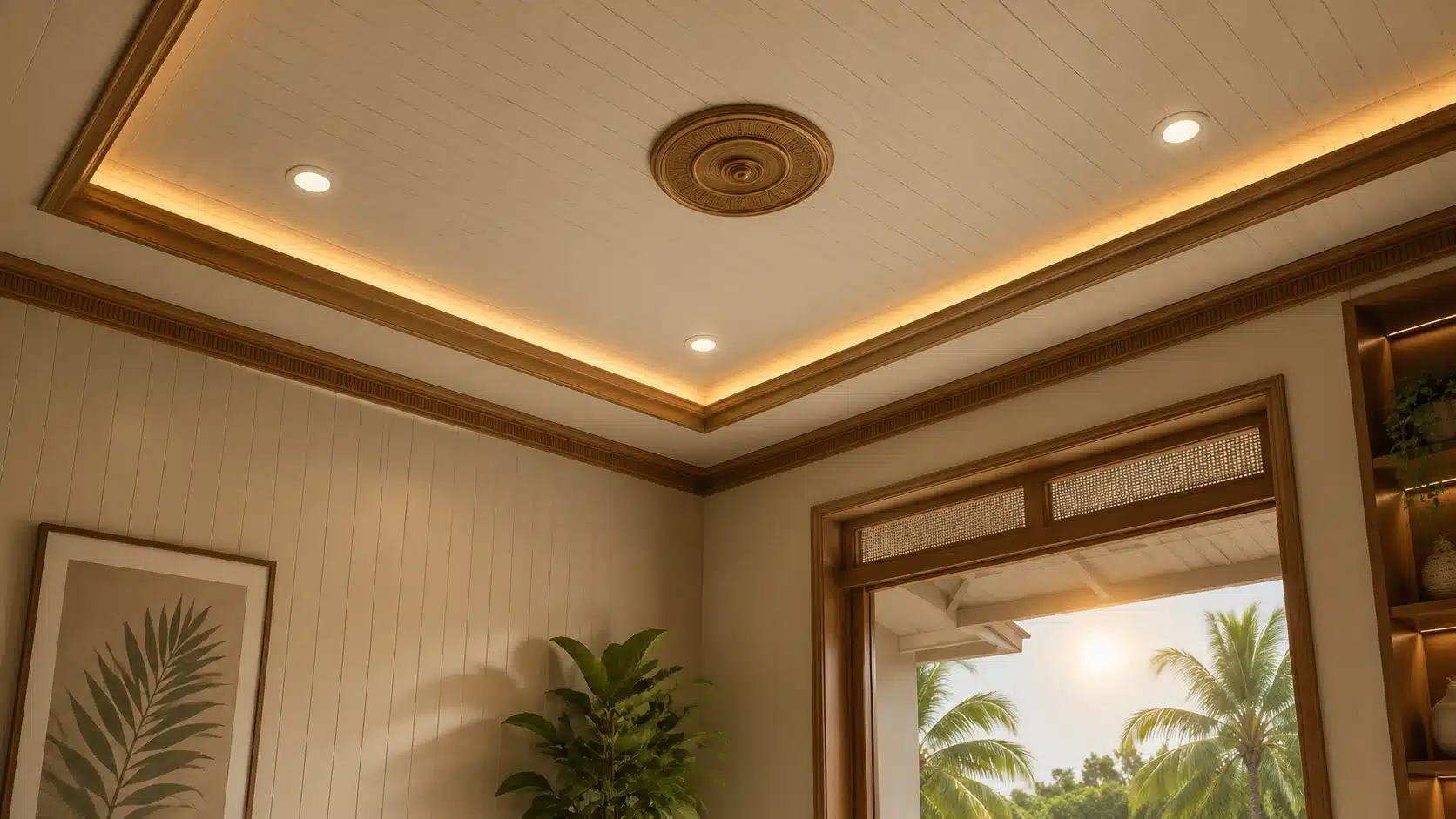
A PVC panel ceiling uses moisture-resistant panels that are easy to clean and maintain. It works well in areas exposed to humidity, stains, or frequent cleaning requirements.
Room Type: Bathroom, kitchen, utility room, or basement
Cost: Low to medium
Lighting: Moisture-resistant flush mounts, recessed lights, or surface fixtures
21. Glass Panel Ceiling
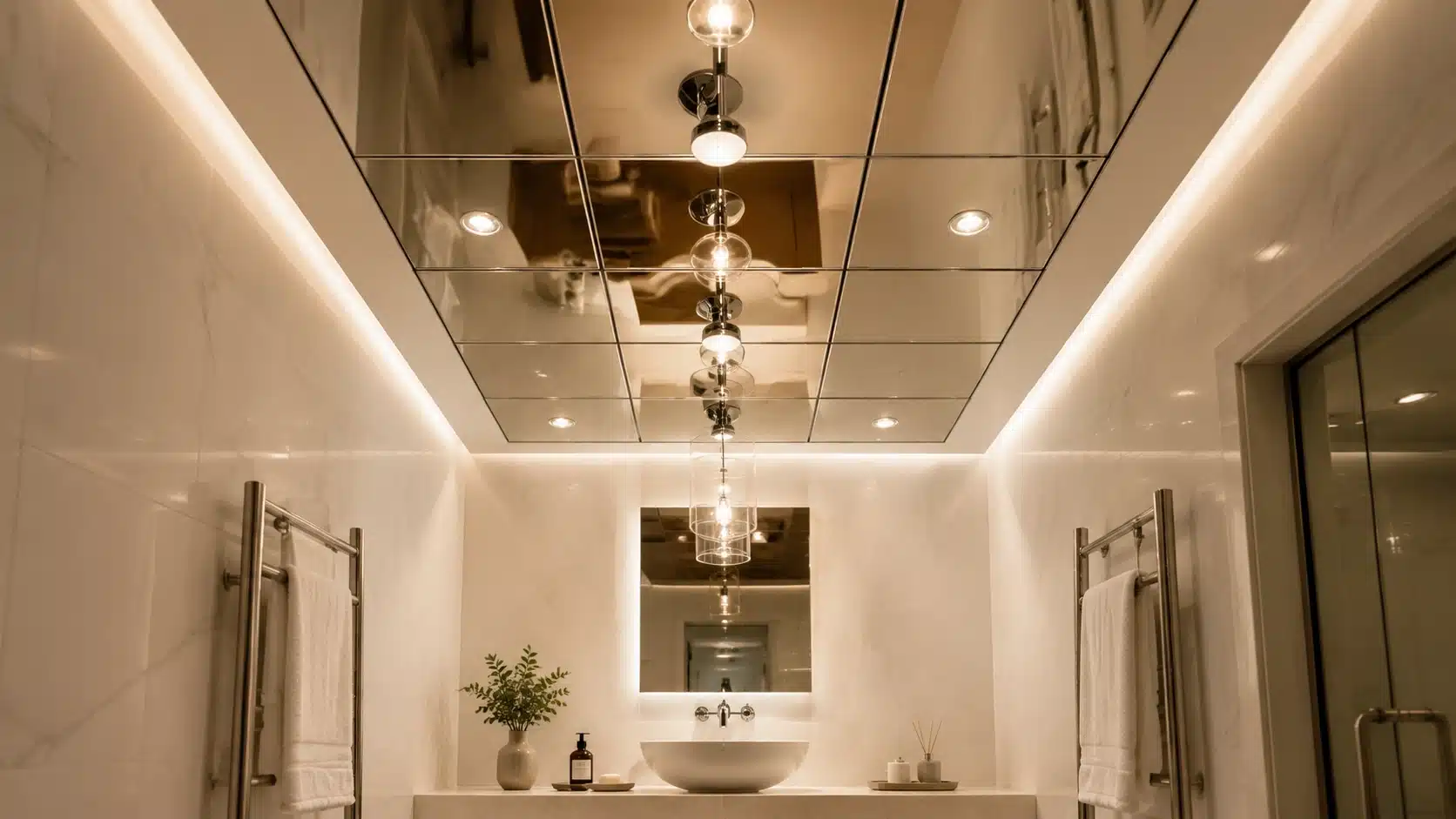
A glass panel ceiling allows natural light to enter through overhead sections. Clear, frosted, or tinted glass options can improve brightness while controlling privacy and glare.
Room Type: Staircase, bathroom, kitchen, courtyard, or living area
Cost: High
Lighting: Natural daylight with wall lights or recessed fixtures for evenings
22. Acoustic Tile Ceiling
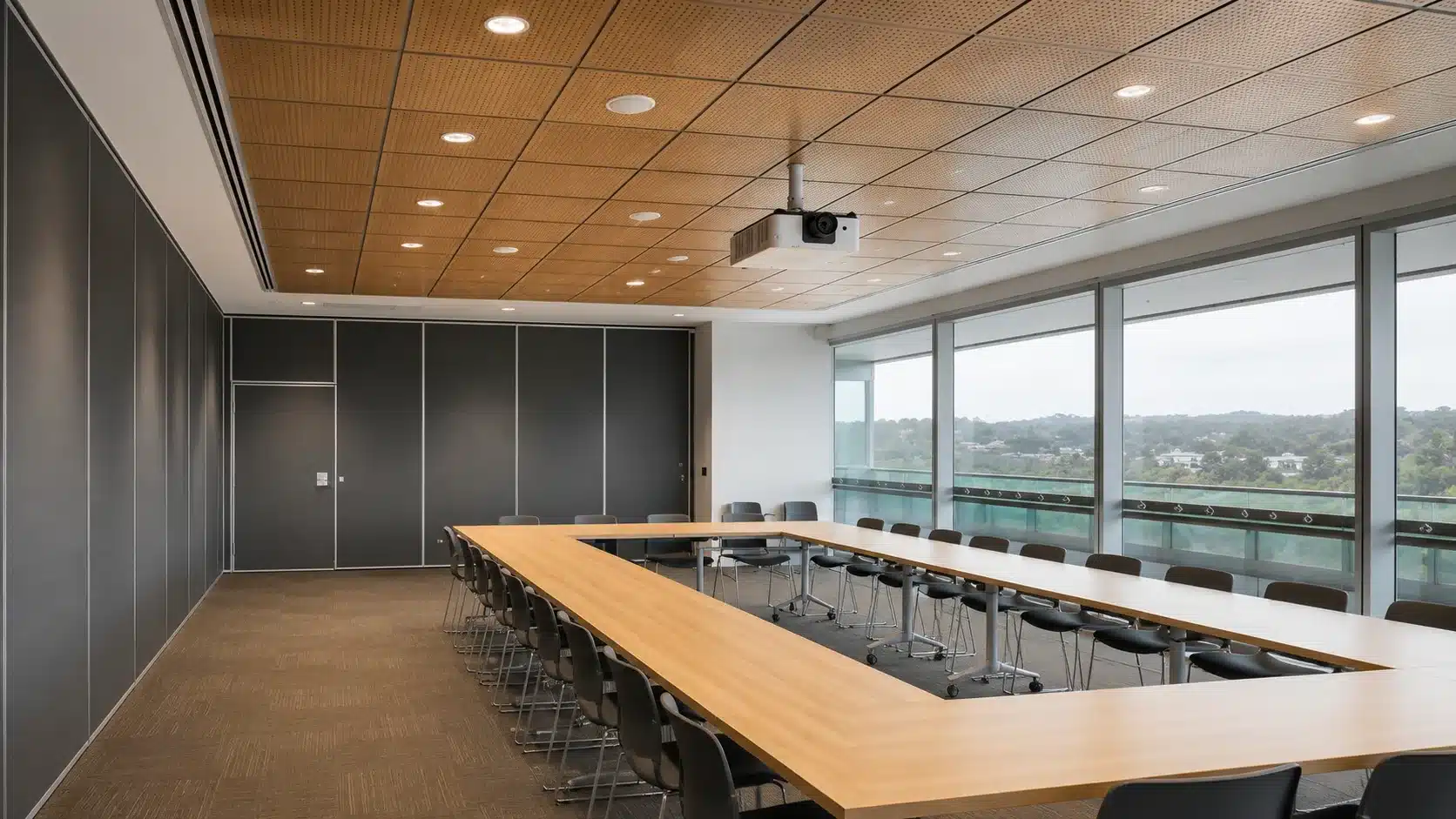
An acoustic tile ceiling uses sound-absorbing panels to reduce echoes and improve sound control. It is useful in spaces where conversations, entertainment, or focused work require better acoustics.
Room Type: Media room, office, music room, or basement
Cost: Medium
Lighting: Integrated panels, recessed fixtures, or track lights
Decorative Ceiling Treatments
Decorative ceiling treatments add patterns, textures, and visual details to plain ceiling surfaces. These options help introduce character through colors, finishes, and design elements without changing the basic ceiling structure.
23. Painted Accent Ceiling
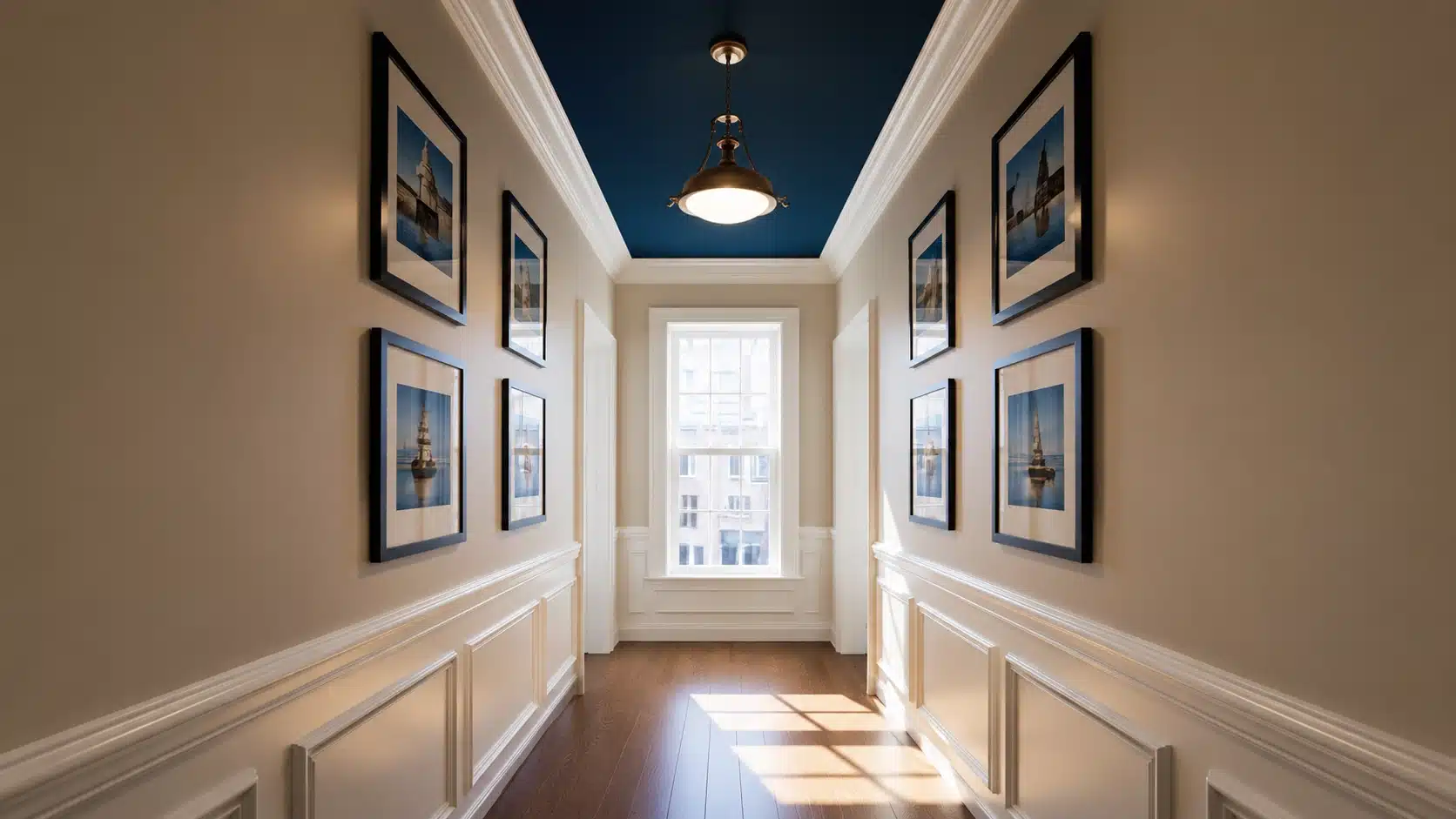
A painted accent ceiling uses color to create contrast without changing the ceiling structure. It can highlight architectural details or help balance rooms with different heights and proportions.
Room Type: Bedroom, hallway, living room, or office
Cost: Low
Lighting: Flush mounts, recessed lights, or pendant fixtures
24. Wallpaper and Textured Ceiling
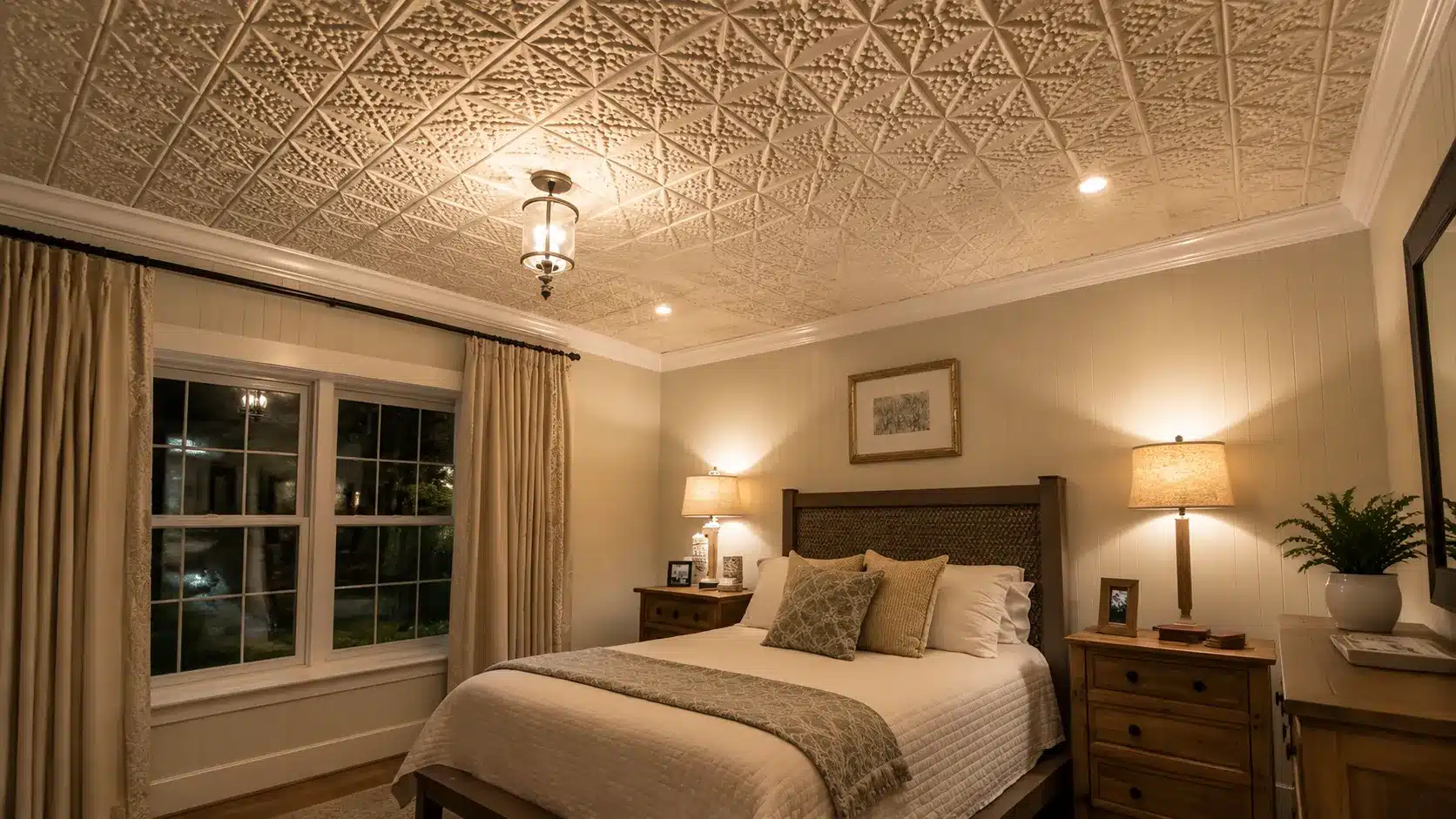
Wallpaper or a textured ceiling adds patterns, surfaces, or visual details to plain ceilings. Wallpaper offers design variety, while textured finishes create subtle surface changes through the use of applied materials.
Room Type: Bedroom, dining room, nursery, or sitting room
Cost: Low to medium
Lighting: Pendants, chandeliers, flush mounts, or wall lighting
25. Decorative Molding and Medallion Ceiling
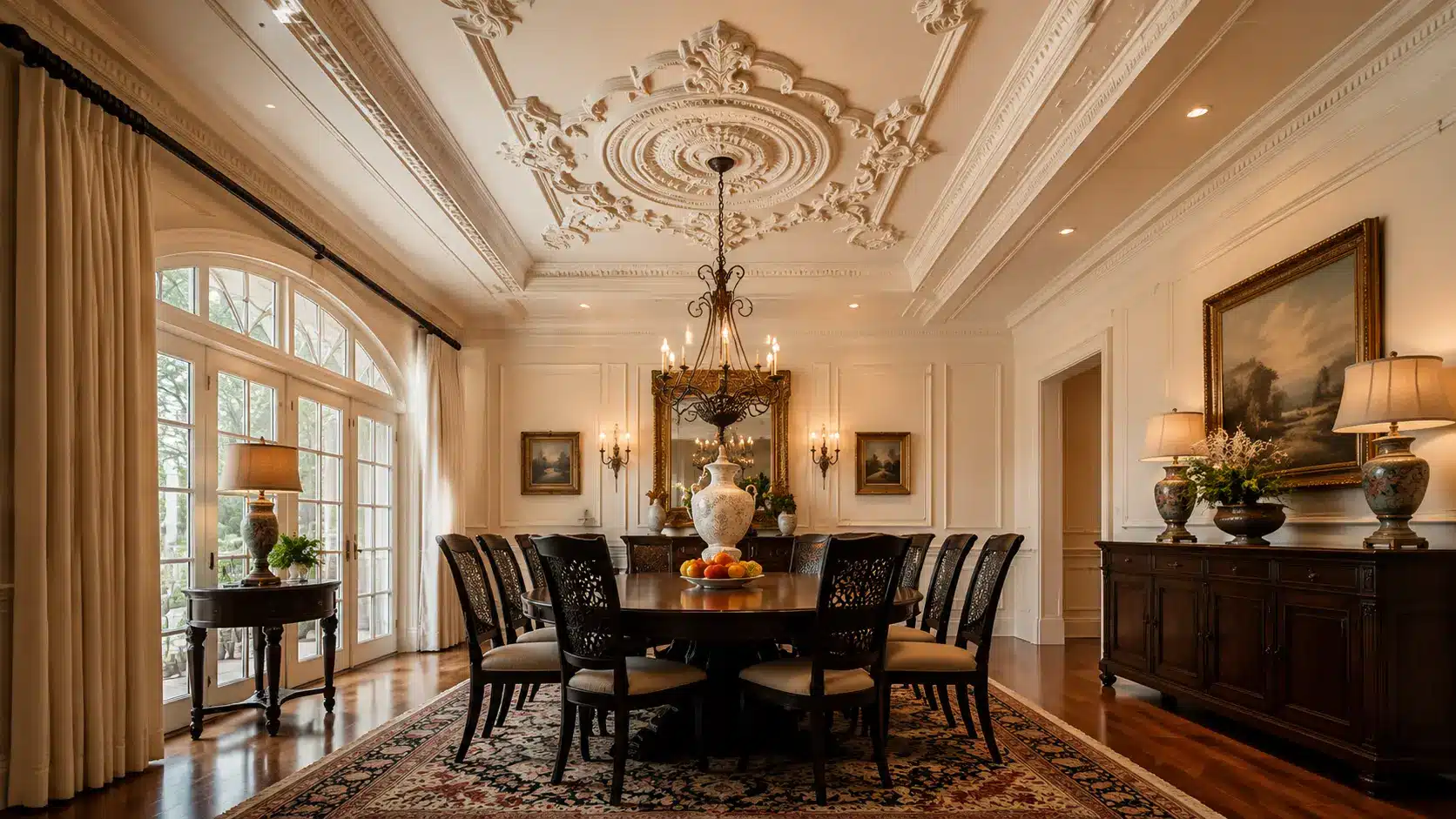
Decorative molding and medallion ceilings add borders, frames, or central details around lighting fixtures. These elements can range from simple designs to detailed patterns depending on the room style.
Room Type: Dining room, foyer, bedroom, or living room
Cost: Low to high
Lighting: Chandeliers, pendant lights, or recessed fixtures
Lighting-Based Ceiling Designs
Lighting-based ceiling designs focus on how fixtures and built-in light sources shape brightness, mood, and functionality. These options combine practical illumination with ceiling layouts to create balanced room lighting.
26. Cove Lighting and Backlit Ceiling
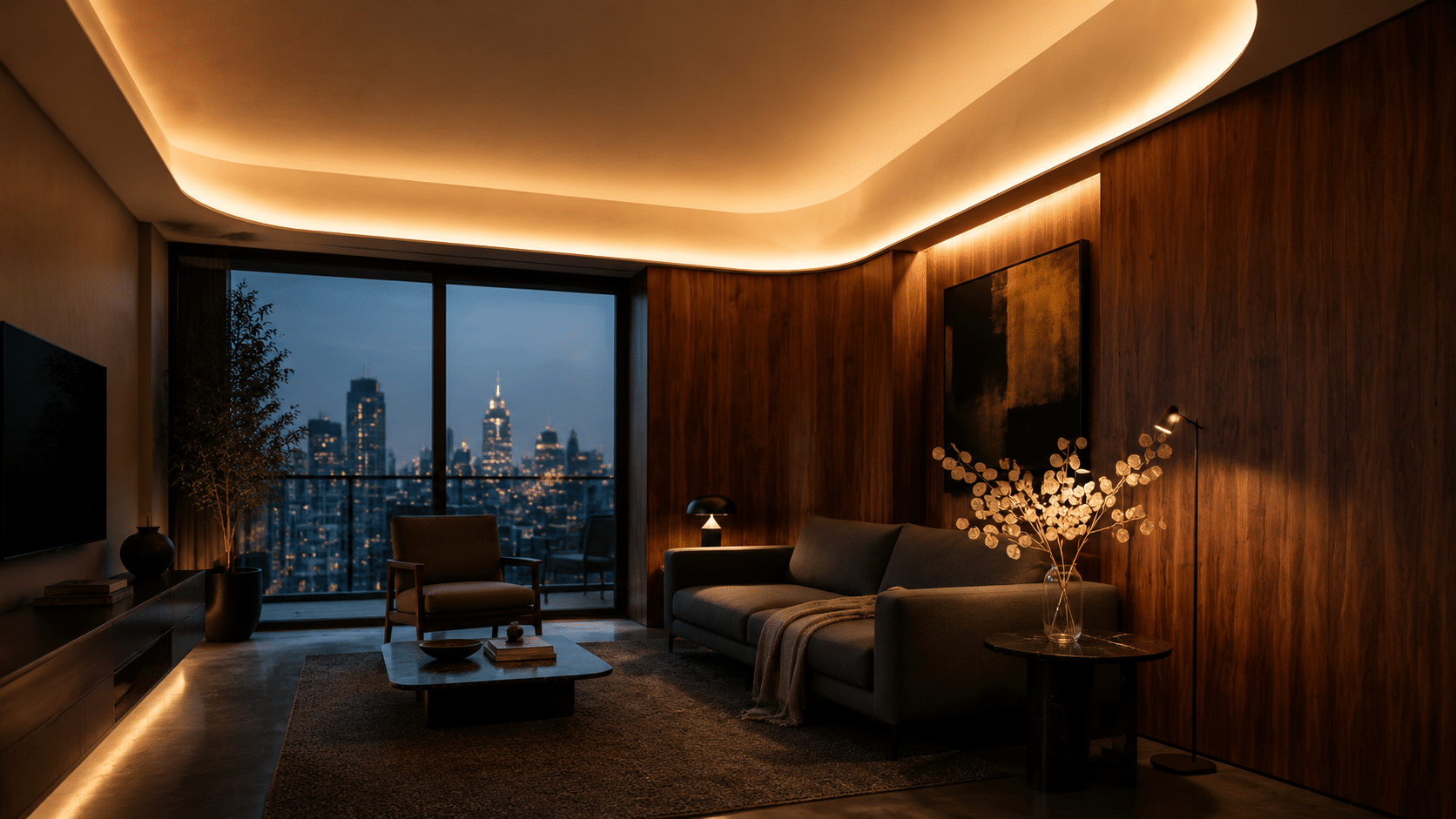
Cove lighting and a backlit ceiling use hidden light sources placed behind recessed sections or translucent surfaces.
It creates even illumination while reducing direct glare from fixtures, the same principle behind thoughtful lighting layouts in any living space.
Room Type: Bedroom, living room, hallway, bathroom, or dressing area
Cost: Medium to high
Lighting: Concealed LEDs, backlit panels, or recessed lights
27. Skylight and Pendant Lighting Ceiling
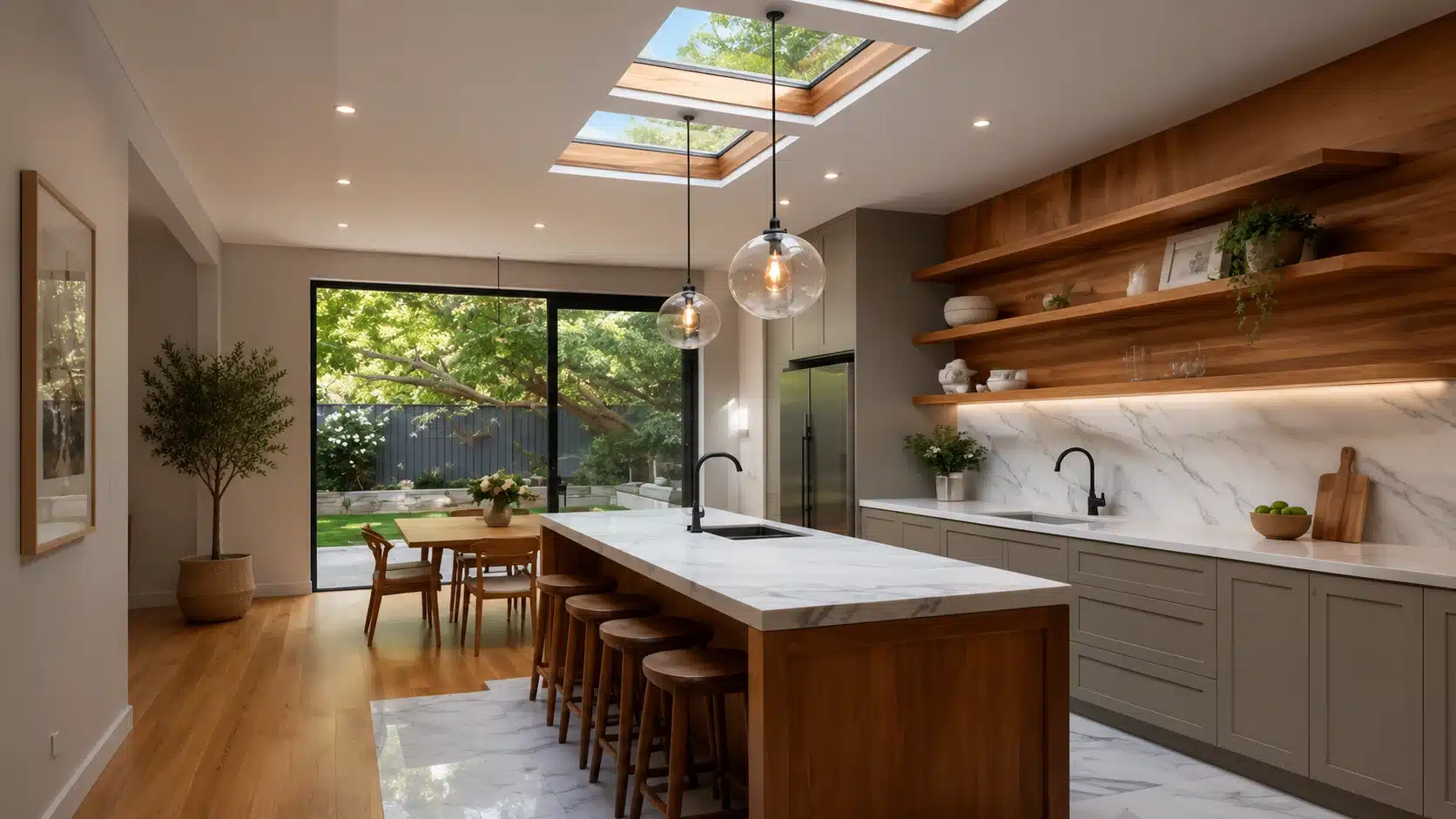
A skylight and pendant lighting ceiling combine natural daylight with decorative hanging fixtures. Skylights improve daytime brightness, while pendant lights provide focused illumination after sunset.
Room Type: Kitchen, dining room, staircase, attic bedroom, or living room
Cost: Medium to high
Lighting: Skylights, pendant fixtures, or recessed lights
Modern Ceiling Design Trends
Modern ceiling trends focus on minimalism, natural materials, and integrated lighting solutions. They balance clean visual design with practical use, improving overall space functionality while enhancing aesthetics through subtle details, smooth finishes, and well-planned lighting integration.
- Minimalist Ceilings: Clean POP designs with hidden lighting are widely used in urban homes.
- Natural Materials: Wood beams and textured finishes like limewash are becoming popular for warmth and an organic feel.
- Lighting Integration: Cove lighting, recessed LEDs, and smart lighting systems are trending for overall control.
- Statement Ceilings: Wallpaper, murals, and bold colors are used in feature spaces for visual impact.
- Smooth Designs: Monochrome ceilings that blend with walls create a smooth, modern look.
These trends reflect a shift toward ceilings that are functional, subtle, and visually aligned with the overall interior design. They prioritize simplicity, smart use of materials, and integrated lighting to create balanced, cohesive, and modern interior spaces.
Final Takeaway
Ceiling design choices work best when they balance visual appeal with practical needs such as room height, lighting, function, and material selection. Treating the ceiling as part of the overall interior creates a more cohesive and comfortable space.
From simple POP finishes to coffered or wooden designs, each option affects mood, maintenance, and usability differently. Before upgrading, assess the room’s condition and compare suitable styles.
Prioritize lighting, durability, and upkeep, then choose a ceiling design that supports daily living while adding character and balance to your home.
Frequently Asked Questions (FAQs)
What ceiling styles work best for modern homes?
POP ceilings, wood beams, wallpaper finishes, and integrated lighting create balanced modern interiors. These options add texture, structure, and practical lighting while supporting comfortable, functional living spaces.
Which ceiling works best for small rooms?
Flat ceilings with light colors make rooms feel more open and spacious. They reflect light, improve brightness, and maintain a simple, clean, uncluttered interior appearance.
Are false ceilings still relevant?
False ceilings remain popular for lighting integration and cleaner designs. They support recessed fixtures and hidden lights while improving brightness, functionality, and ceiling organization in modern spaces.
What materials are easiest to maintain?
POP and gypsum ceilings are easy to maintain, durable, and simple to clean. Wood and fabric finishes require extra care due to moisture, dust, and maintenance needs.
How do I choose a ceiling design?
Choose a ceiling design based on room height, lighting, function, and style. Select materials that support durability, easy maintenance, and a balanced interior appearance.