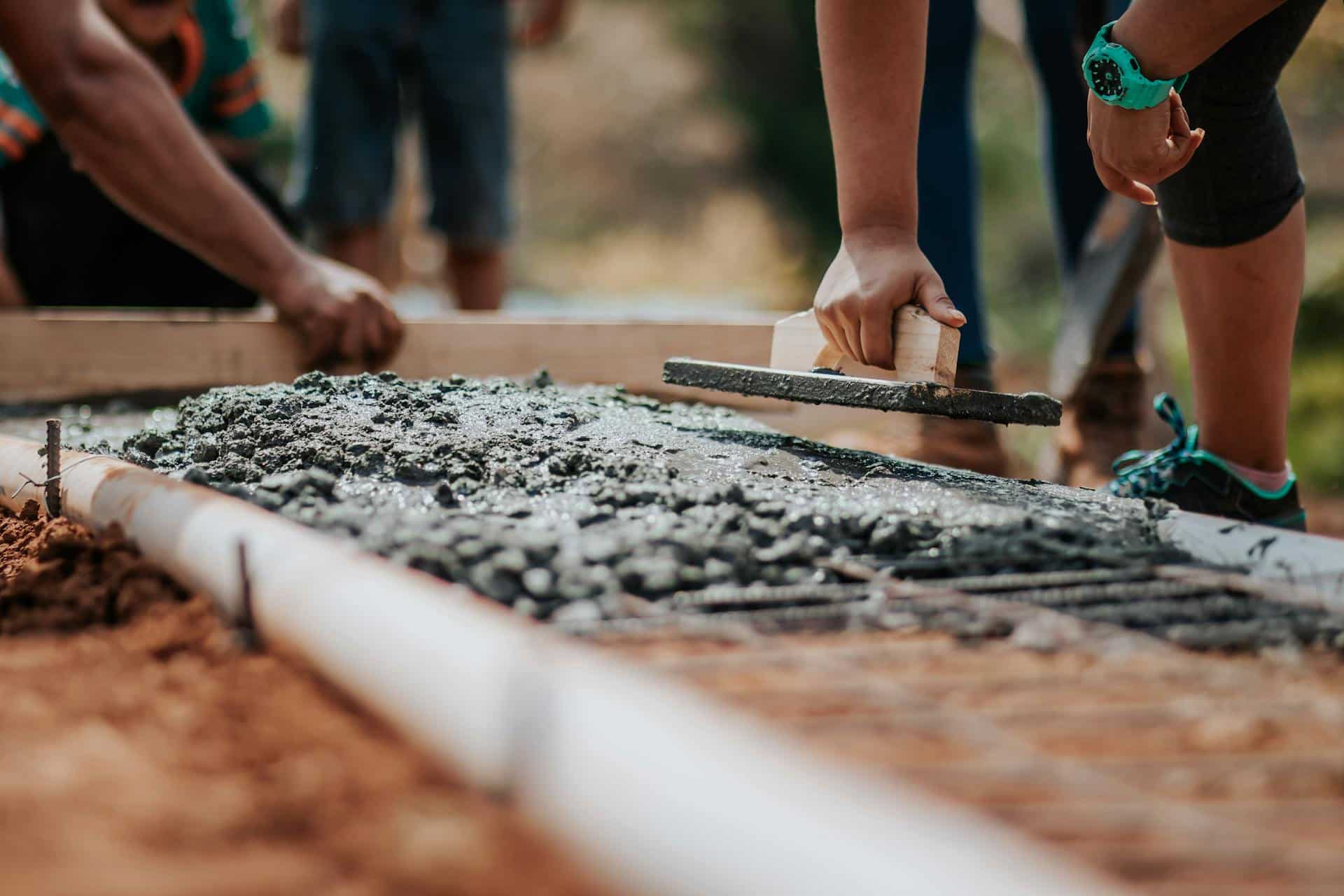
If you’re looking to refresh the appearance of your concrete surfaces, you might be wondering about your options for staining.
Perhaps you have an existing concrete patio or driveway that you’d like to update with a new color or finish. Can you stain concrete after it dries?
Yes, you can stain concrete after it dries. In fact, most concrete staining is done on fully cured, dry concrete.
The process involves applying a penetrating stain that chemically reacts with the concrete to create a permanent color change.
While the answer is straightforward, there’s more to consider when it comes to staining dried concrete. Different types of stains, preparation techniques, and application methods can significantly impact the final result.
Continuing to read will provide you with valuable insights to ensure your concrete staining project is a success.
What Are The Different Types Of Concrete Stains?
When it comes to staining dried concrete, you have two main options: acid stains and water-based stains. Acid stains contain hydrochloric acid and metallic salts that react chemically with the concrete, creating a unique, mottled appearance.
These stains offer a limited color palette, typically in earth tones, but produce a deep, rich, and long-lasting color.
Water-based stains, on the other hand, are non-reactive and work more like a dye. They come in a wider range of colors, including vibrant hues, and provide more consistent coverage.
Water-based stains are easier to apply and generally more environmentally friendly than acid stains.
Both types of stains can be effective on dried concrete, but they offer different aesthetics and application processes. Your choice will depend on the look you’re going for and the specific characteristics of your concrete surface.
How Do You Prepare Dried Concrete For Staining?
Proper preparation is crucial for successful concrete staining, especially when working with dried concrete. The first step is to thoroughly clean the surface, removing any dirt, grease, or previous sealers that might prevent the stain from penetrating the concrete.
Start by sweeping and then power washing the surface. For tougher stains or sealers, you may need to use a chemical stripper or grinding.
It’s important to repair any cracks or damaged areas before staining, as these imperfections will be more noticeable once the stain is applied.
After cleaning, you’ll need to test the concrete’s porosity. Sprinkle some water on the surface — if it beads up, the concrete may be too dense or sealed to accept the stain.
Working with a concrete project support partner at this stage can help you correctly assess the surface condition and choose the right preparation approach before committing to a staining method.
In some cases, you might need to etch the surface with a mild acid solution to open up the pores of the concrete.
What Are Some Common Challenges When Staining Dried Concrete?
Staining dried concrete can present some unique challenges. One of the most common issues is uneven stain absorption. Older concrete may have areas that are more porous than others, leading to a patchy or inconsistent appearance when stained.
Another challenge is dealing with existing imperfections. Stains can actually highlight scratches, stains, or patch repairs in the concrete.
While this can sometimes add character, it might not be the look you’re going for. In some cases, you may need to consider overlays or other resurfacing techniques before staining.
Weather conditions can also affect the staining process. Extreme temperatures or humidity can impact how the stain dries and reacts with the concrete. It’s important to apply the stain under appropriate conditions as recommended by the manufacturer.
Lastly, managing expectations is crucial. Stained concrete will not look like paint or a solid-color coating.
The final appearance will be influenced by the original color and texture of the concrete. Understanding this can help you appreciate the unique, variegated look that stained concrete offers.
How Long Does Concrete Stain Last?
The durability of concrete stain is one of its major selling points. When properly applied and maintained, concrete stain can last for many years, often outlasting other flooring options.
Acid stains, in particular, are known for their longevity because they chemically bond with the concrete.
However, the lifespan of your stained concrete can vary depending on several factors, including the quality of your concrete stain supplies.
High-traffic areas may show wear more quickly, and exposure to harsh weather conditions can affect outdoor stained concrete. Regular cleaning and maintenance can help preserve the appearance of your stained concrete.
To maximize the lifespan of your stained concrete, it’s crucial to apply a high-quality sealer after staining. The sealer protects the stain from wear, UV damage, and chemical exposure.
Reapplying the sealer every few years can significantly extend the life of your stained concrete.
It’s worth noting that if you do notice fading or wear over time, you can often refresh the look by cleaning the surface and applying a new coat of sealer. In some cases, you may be able to reapply stain to areas that have become worn.
Can You Stain Concrete That Has Already Been Stained Or Sealed?
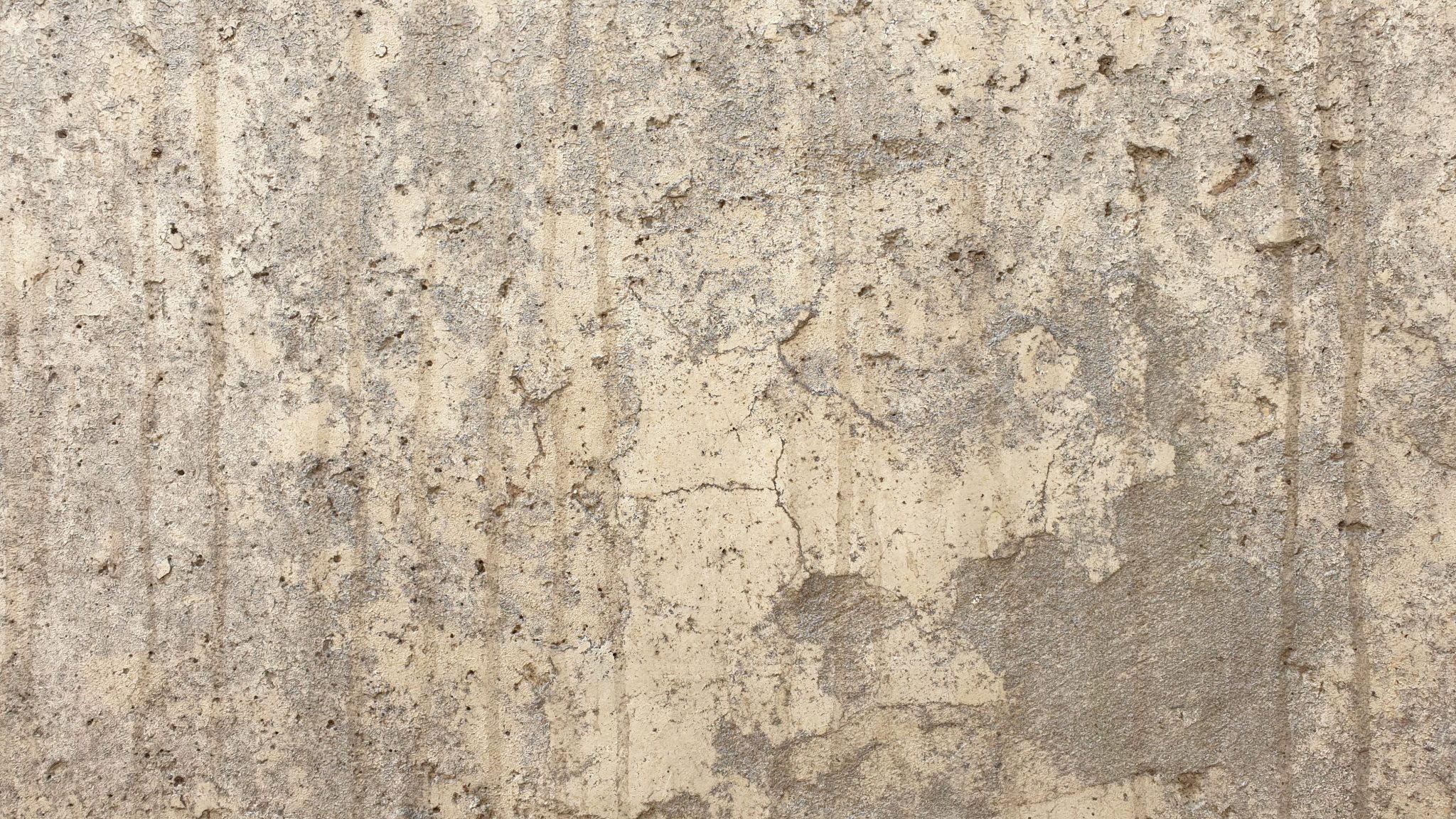
Yes, it is possible to stain concrete that has already been stained or sealed, but it requires some extra steps and considerations. The success of the project largely depends on the condition of the existing stain or sealer and how well it can be removed.
If the concrete was previously stained but not sealed, you might be able to apply a new stain directly over the old one. However, the new color will interact with the existing stain, so the final result may be different from what you’d achieve on bare concrete.
For concrete that has been sealed, you’ll need to remove the sealer before applying a new stain. This often involves using a chemical stripper or mechanical methods like grinding. It’s crucial to remove all traces of the old sealer; otherwise, the new stain won’t be able to penetrate the concrete.
In some cases, especially with older or multiple layers of stain or sealer, it might be challenging to return the concrete to a state where it can accept new stain effectively. In these situations, you might want to consider other options like concrete overlays or painting.
Before embarking on restoring previously treated concrete, it’s wise to do a test patch in an inconspicuous area. This will give you a good idea of how the new stain will take and whether you’ll be happy with the results.
Taking the Next Step with Your Concrete Project
Now that you understand the possibilities and challenges of staining dried concrete, it’s time to take action. Start by thoroughly inspecting your concrete surface and determining its current condition.
This assessment will help you decide whether staining is the right option for your project or if you need to consider alternative treatments. Remember, proper preparation is key to a successful staining project, so don’t rush this crucial first step.