Tucked on a sunny windowsill or brightening up a cozy corner, the calandiva plant has a quiet way of making any space feel more alive.
With its lush, rosette-like blooms and cheerful personality, it has become a beloved favorite among plant lovers and home decorators alike.
And honestly, there is so much more to this little plant than just its good looks. Its origins, its quirky characteristics, and its surprisingly easy care routine all tell a story worth knowing.
Consider this your gentle, no-fuss guide to truly understanding your calandiva.
What is a Calandiva Plant?
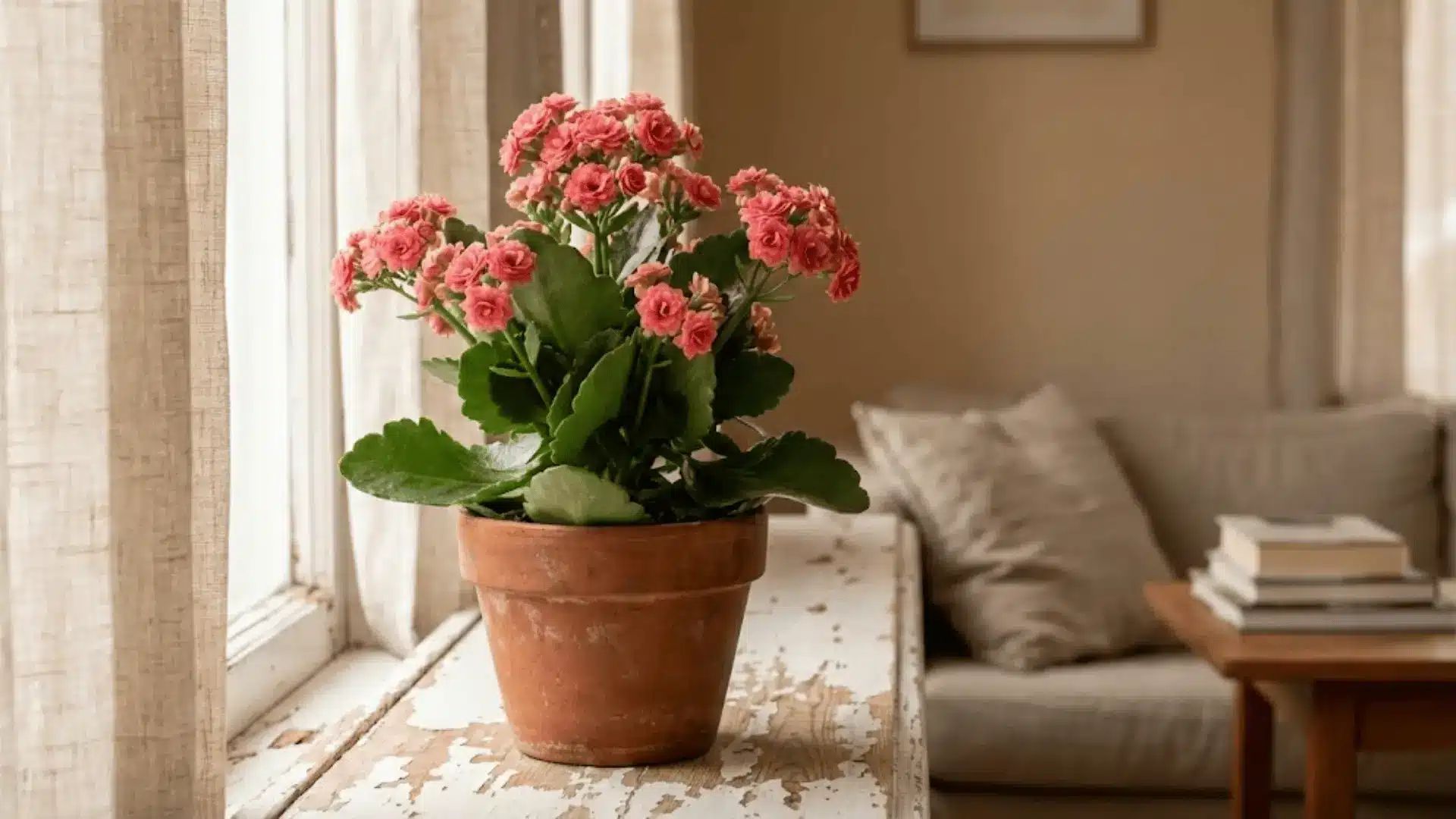
The calandiva plant is a cultivated variety of Kalanchoe blossfeldiana, selectively bred to produce fuller, more layered blooms that closely resemble tiny roses.
While it belongs to the same family as standard kalanchoe, the two are often confused because they share similar leaf shapes, growth habits, and care needs.
The difference really comes down to the flowers.
Regular kalanchoe produces single-layered blooms, while calandiva is known for its distinctive double-petaled flowers that feel almost ornamental in comparison.
Think of calandiva as the more dressed-up, florist-worthy version of its close botanical relative.
Botanical Background of the Calandiva Plant
The calandiva plant carries a quietly interesting botanical story. Understanding where it comes from and what it actually is makes caring for it feel a lot more intentional.
Scientific Classification and Hybrid Origins
Calandiva’s full botanical identity is Kalanchoe blossfeldiana ‘Calandiva’, sitting within the Crassulaceae family alongside other well-known succulents.
It did not occur naturally but was carefully developed through selective breeding, making it a true cultivated hybrid.
That deliberate origin is precisely why its blooms look so refined and layered compared to anything you would find growing wild.
Native Roots and Succulent Nature
The kalanchoe parent plant traces back to the highlands of Madagascar, which explains calandiva’s natural resilience and low-maintenance personality.
And yes, calandiva is very much a succulent. Its thick, waxy leaves are built to store water, allowing the plant to tolerate occasional neglect without complaint.
That drought-tolerant quality is a big part of what makes it such an easygoing, rewarding plant to keep at home.
Key Characteristics of the Calandiva Plant
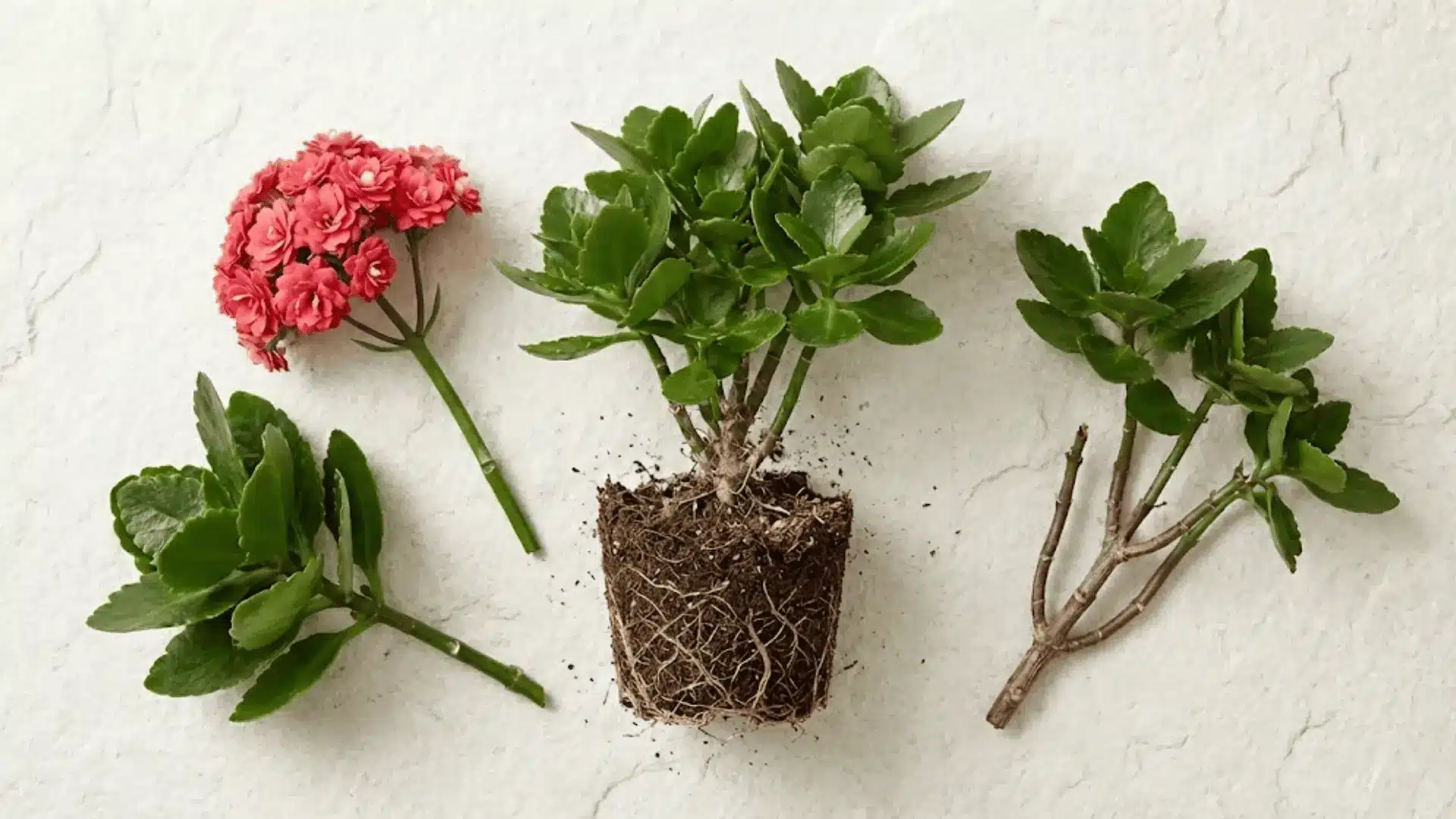
What makes calandiva so easy to love is how much it offers in such a compact, unfussy package. Here is a closer look at what this plant actually looks like up close.
Flowers That Overstay Their Welcome
Calandiva’s blooms are its biggest personality trait. Each flower is densely double-petaled, resembling a miniature rose, and comes in shades of pink, red, yellow, white, and orange.
What sets it apart is how long those flowers actually last, often blooming for weeks at a stretch, making it one of the more generous flowering houseplants you can bring home.
Leaves That Do the Heavy Lifting
Even when calandiva is not in bloom, its foliage holds its own. The leaves are thick, glossy, and a deep shade of green, with slightly scalloped edges that give the plant a tidy, finished look.
That compact, upright growth habit means it never sprawls or takes over a space, which is a quiet win for anyone working with limited shelf or sill space.
Size That Works in Its Favor
Calandiva stays beautifully manageable indoors. It typically reaches between 6 and 12 inches in height, with a similar spread, making it a natural fit for windowsills, desks, and small decorative corners.
Its contained growth pattern means you get all the visual impact of a flowering plant without any of the spatial negotiation.
Calandiva Plant vs. Kalanchoe: What’s the Difference?
Calandiva and kalanchoe are close enough to be mistaken for the same plant at a glance, yet different enough that knowing the distinction actually changes how you shop for, style, and appreciate them.
| Feature | Calandiva | Kalanchoe |
|---|---|---|
| Flower Structure | Double-petaled, rose-like blooms | Single-layered, simpler blooms |
| Bloom Longevity | Up to 6 weeks or longer | Typically, 2 to 4 weeks |
| Color Varieties | Pink, red, white, yellow, orange | Pink, red, white, yellow, orange |
| Leaf Appearance | Thick, glossy, scalloped edges | Similar, slightly less compact |
| Growth Habit | Compact and upright | Compact and upright |
| Care Requirements | Nearly identical | Nearly identical |
| Visual Appeal | More ornamental, florist-worthy | Simpler, more natural look |
| Availability | Often found in florist shops | Widely available in nurseries |
At their core, both plants are low-maintenance, cheerful, and rewarding to grow. The calandiva simply brings a little more visual drama to the table, which is really the only reason you would choose one over the other.
How to Care for a Calandiva Plant?
Calandiva is refreshingly forgiving as a houseplant, but giving it the right conditions is what takes it from surviving to genuinely thriving.
Here is everything you need to get the basics right.
1. Light Requirements
Calandiva does best in bright, indirect sunlight, making an east or west-facing windowsill an ideal spot. It appreciates good light, but harsh afternoon sun can scorch its leaves and stress the plant out.
If you notice the leaves looking a little washed out or bleached, that is usually a sign to move them somewhere with gentler light.
2. Watering Needs
As a succulent, calandiva follows a simple but important rule: always let the soil dry out completely between waterings. Overwatering is the most common way to lose this plant, as soggy roots rot quickly.
A good way to check is to stick your finger about an inch into the soil. If it still feels damp, just leave it alone a little longer. Let the plant tell you when it is thirsty rather than watering on a fixed schedule.
3. Soil Requirements
Calandiva needs a well-draining succulent or cactus mix to stay healthy. Regular potting soil tends to retain too much moisture, which creates the exact conditions calandiva does not enjoy.
Equally important is making sure your pot has proper drainage holes at the bottom, so any excess water has a clear way out after each watering.
4. Temperature and Humidity
Calandiva prefers indoor temperatures between 60 and 85°F, making it well-suited to most home environments. It is sensitive to frost and cold drafts, so keep it away from chilly windowsills during the winter months.
As for humidity, it is not particularly demanding and handles typical indoor air just fine without any extra misting or humidity trays.
5. Fertilizing Tips
Getting the feeding routine right does not have to be complicated. Here is what to keep in mind:
- Feed during the growing and blooming season only. This is when calandiva is actively putting energy into its flowers and foliage, so a little nutritional support goes a long way.
- Use a balanced liquid fertilizer. Something with a slightly higher phosphorus content works particularly well for encouraging more blooms.
- Once a month is enough. Overfeeding can do more harm than good, so keeping it light and consistent is the better approach.
- Skip fertilizing during the rest period. After flowering, Calandiva needs downtime to reset. Hold off on feeding until you start seeing signs of new growth again.
How to Make a Calandiva Plant Rebloom?
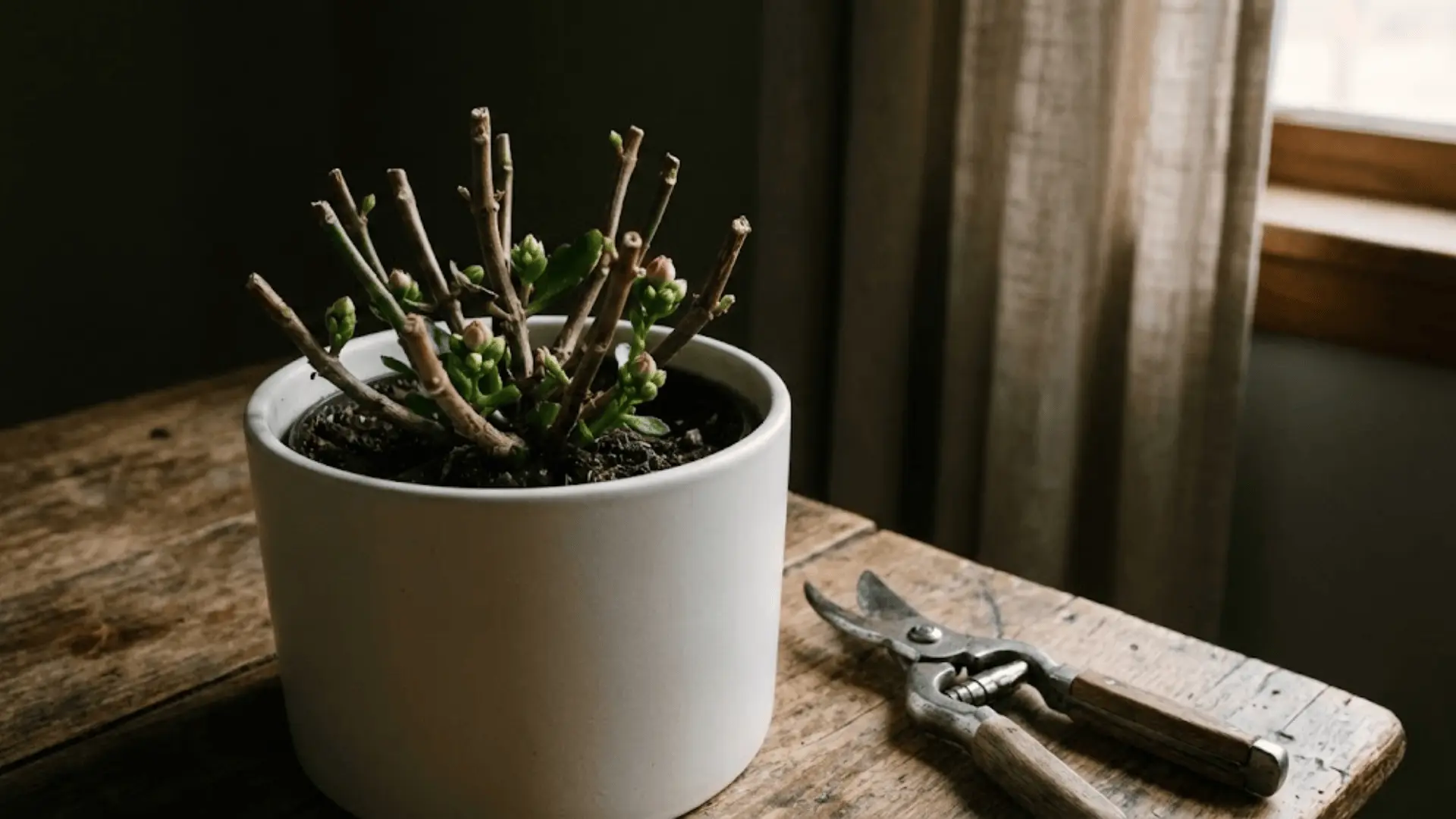
Getting calandiva to rebloom is absolutely doable with a little patience.
As a short-day plant, it needs around 6 weeks of longer darkness, about 14 hours each night, to trigger a new bloom cycle.
Move it to a darker spot or cover it each evening to simulate those conditions. Once new buds appear, bring it back to its usual bright spot.
Before starting this process, trim off any spent flowers and dead stems to help the plant redirect its energy toward fresh, new growth.
Common Calandiva Plant Problems and How to Fix Them
Even the easiest plants run into trouble sometimes, and calandiva is no exception. Here is a quick guide to spotting what is wrong and getting your plant back on track.
Problem 1: Why are My Calandiva Leaves Turning Yellow?
This is almost always a watering issue. Check if the soil is staying too wet for too long and ensure your pot has proper drainage to prevent roots from sitting in moisture.
Problem 2: Why is My Calandiva Not Blooming?
Your calandiva likely needs a proper darkness period to reset its bloom cycle. Move it to a darker spot for a few weeks, and it should start pushing out new buds shortly after.
Problem 3: How Do I Get Rid of Pests on My Calandiva?
Aphids and mealybugs are the most common culprits to watch out for. A gentle wipe down with neem oil or a diluted rubbing alcohol solution applied with a cotton ball usually takes care of them effectively.
Is the Calandiva Plant Toxic?
Calandiva is toxic to both cats and dogs, so it is worth being mindful about where you place it at home. Ingestion can cause symptoms like vomiting, drooling, and lethargy in pets.
If you suspect your pet has chewed on the plant, contacting a vet promptly is the safest move.
For humans, the plant is generally considered low-risk, but washing your hands after handling it is always a good habit, especially if you have young children around who tend to touch everything within reach.
How Long Does a Calandiva Plant Live?
With the right care, calandiva can live for several years indoors.
Most plants bloom reliably for multiple seasons when given proper light, mindful watering, and a consistent reblooming routine.
The key to extending its life really comes down to not skipping the rest period after flowering, keeping it away from frost, and repotting it every couple of years to refresh the soil.
Some gardeners have kept their calandiva thriving for upward of 5 years, which, for a flowering houseplant, is a pretty rewarding return on such minimal effort.
Calandiva Plant Styling and Decor Ideas
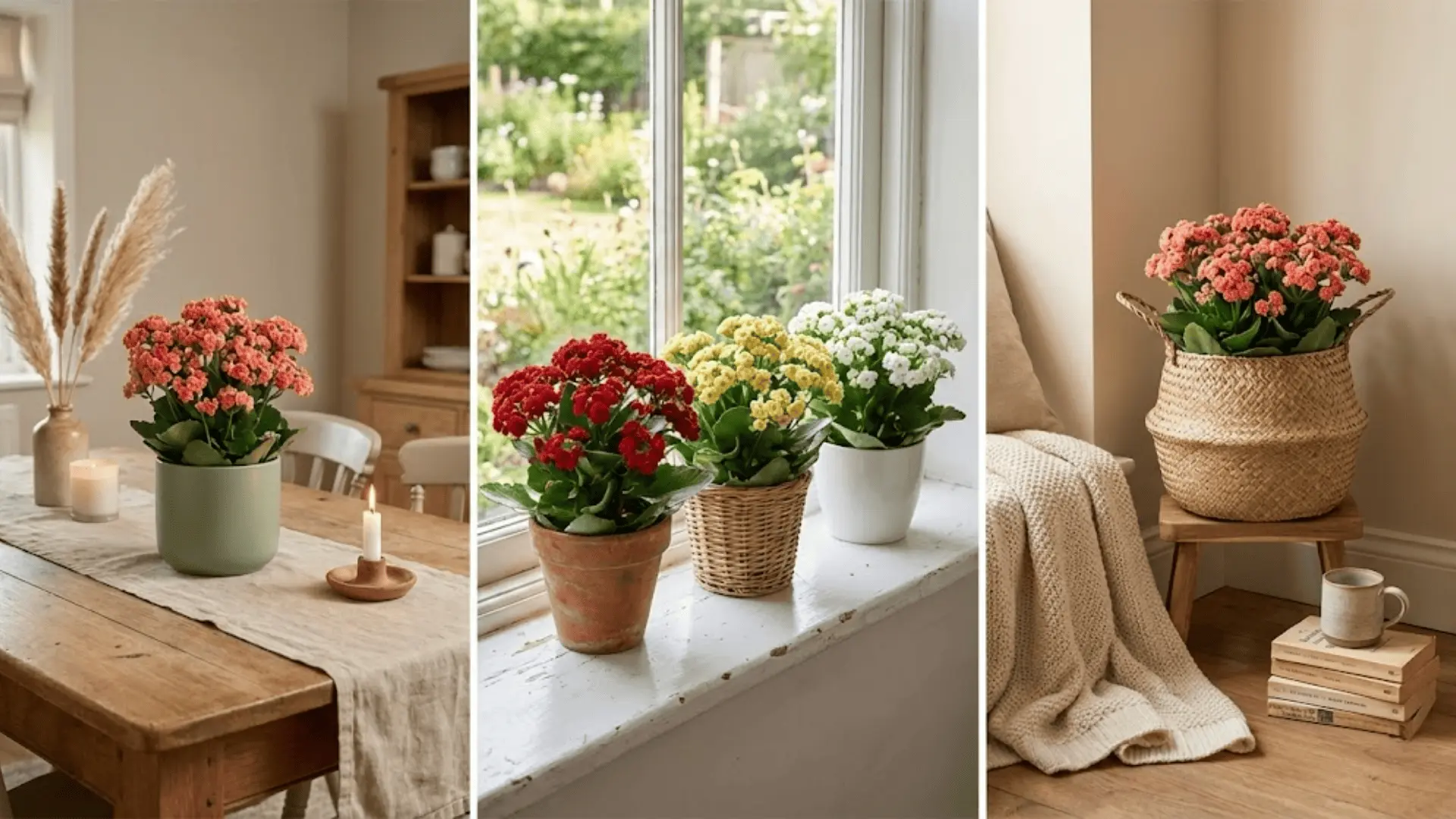
Calandiva is as decorative as it is easy to love, and there are so many ways to let it shine around your home.
- A single pot in a ceramic planter makes for an effortlessly extravagant table centerpiece.
- Pair a few different colored calandivas together for a vibrant, curated windowsill display.
- Its long bloom life makes it one of the most thoughtful and lasting plants to gift.
- Swap it in as seasonal décor during spring and winter holidays when its blooms are at their fullest.
- Tuck it into a decorative basket or tray to style a cozy reading nook or entryway corner.
However you choose to use it, Calandiva has a quiet way of making any corner of your home feel a little more considered and alive.
That’s a Wrap
The calandiva plant is one of those rare finds that gives back far more than it asks for.
A little light, mindful watering, and the occasional rest period are really all it takes to keep it blooming season after season.
A seasoned plant parent or someone just starting to build an indoor garden will find that calandiva fits right in without any fuss.
We hope this guide gave you everything you needed to feel confident about growing yours. Have questions or calandiva stories of your own? Drop them in the comments below!