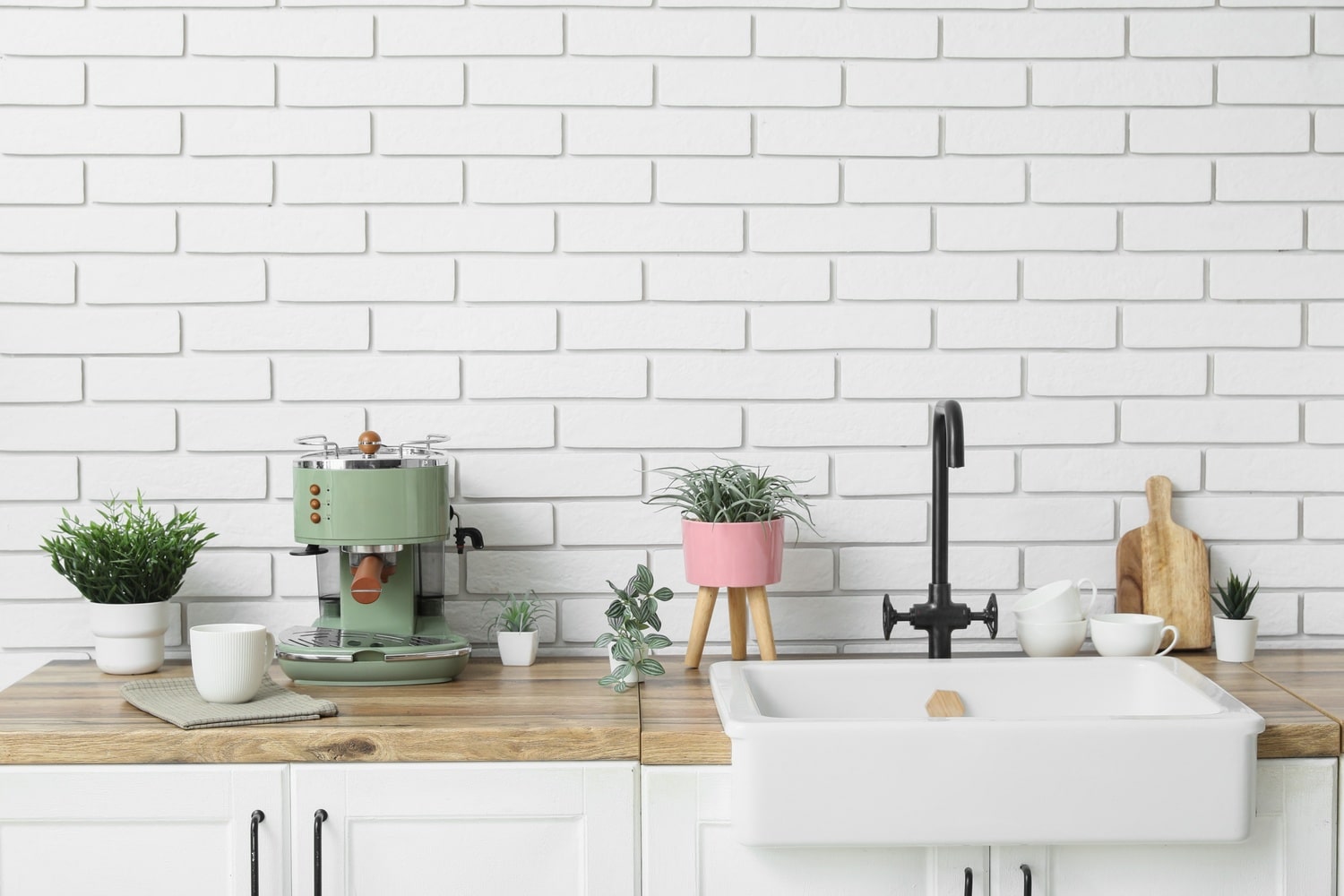
Selecting foliage for your living space often involves weighing the demands of maintenance against the visual benefits of nature. Natural specimens require specific light levels, consistent watering, and pest management. Artificial greenery offers an alternative for those who lack a green thumb or live in apartments with minimal sunlight.
Modern manufacturing has improved the appearance of these items, moving away from the shiny plastic look of previous decades. You can now find options that replicate the textures and color variations found in live biology. Integrating these pieces into your house requires an understanding of scale, placement, and container selection.
Selecting Realistic Textures
Quality varies significantly across different manufacturers of silk or plastic vegetation. If you want a convincing look, seek out items with matte finishes and varied pigment applications. Natural leaves rarely possess a uniform shade of green. They often feature brown spots, pale veins, or tattered edges. Products labeled as nearly natural frequently incorporate these imperfections to mimic the life cycle of a plant.
When you shop for fake plants, touch the material to feel for a waxy or ‘real touch’ coating. These coatings prevent the fabric from fraying and help the leaves hold a natural curve. Look at the stems as well. Plastic stems with visible mold lines look fake from a distance. Stems with wire cores allow you to bend the branches into asymmetrical shapes, which mimics how a living organism grows toward light.
Height and Vertical Interest
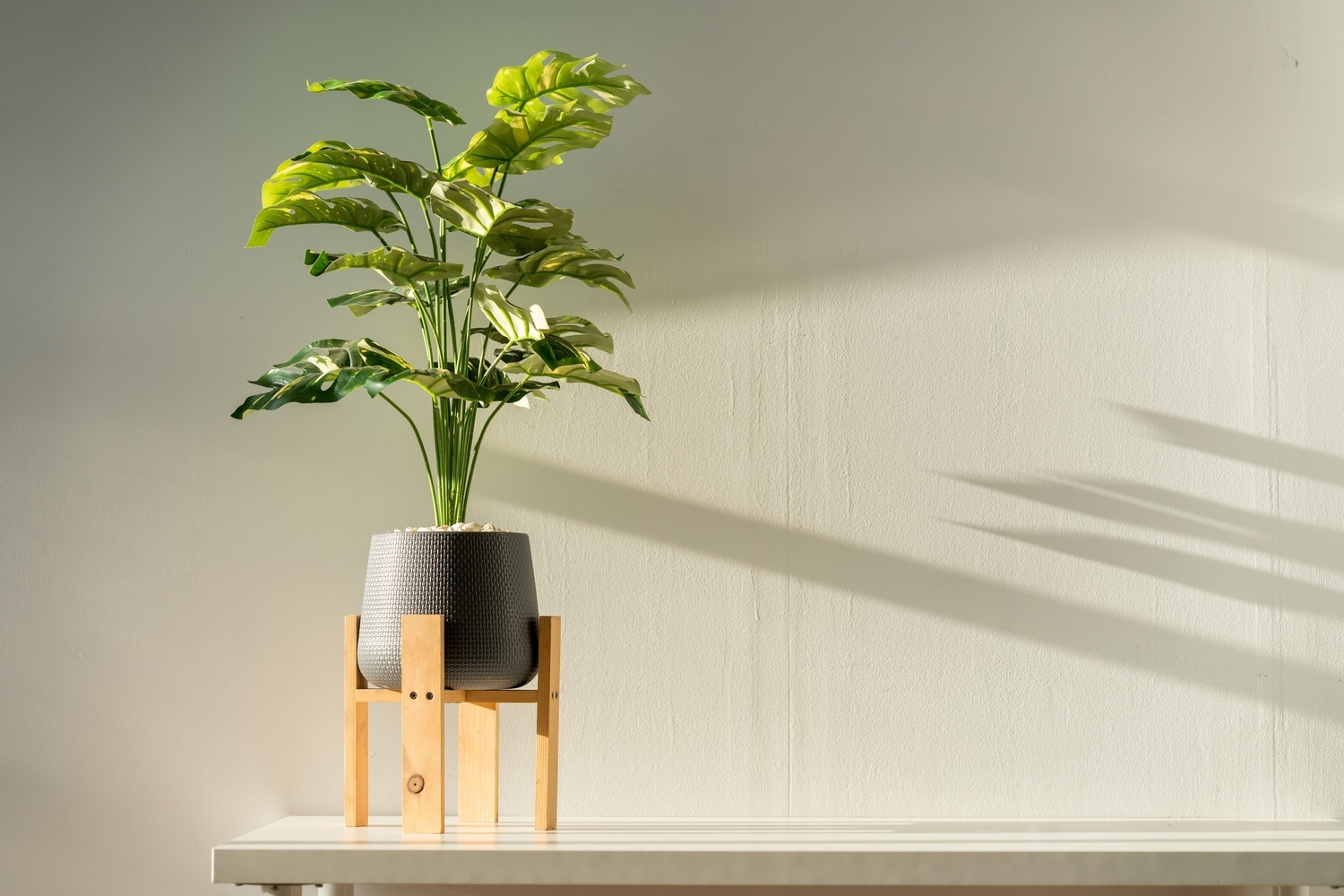
Empty corners often make a room feel unfinished. A tall artificial plant provides height without the risk of outgrowing the ceiling. Large-leaf varieties work well in social areas like the living room or den. For instance, fiddle figs possess broad, dark leaves that create a bold silhouette against light-colored walls. You should place these larger items in sturdy pots made of ceramic, stone, or heavy terracotta.
A common mistake involves leaving the plant in the thin plastic container it arrived in. You can place that smaller pot inside a larger decorative planter. Fill the gap between the two containers with crumpled newspaper or cardboard to stabilize the base. Covering the top surface with a layer of artificial moss hides the structural components and gives the impression of damp soil.
Styling Small Surfaces
Shelves and side tables provide opportunities for smaller botanical accents. Low-light areas like bathrooms or hallways benefit from greenery that never dies. You might consider placing artificial orchids on a vanity or a bookshelf.
On higher shelves, trailing items create a sense of movement. Artificial vines can be draped over the edge of a bookcase or a kitchen cabinet to soften hard architectural lines. These hanging elements draw the eye upward and make low ceilings feel more spacious. You can use small pebbles or river stones in glass vases to anchor the stems of these smaller pieces.
Floral Centerpieces
Dining tables and entryways often serve as focal points for floral arrangements. Using silk flowers allows you to maintain a consistent color palette regardless of the season. You can mix different types of stems to create a dense, textured look. For instance, faux peonies or roses provide a soft texture that balances the sharp edges of wooden furniture.
When you assemble a bouquet, cut the wire stems to different lengths using heavy-duty pliers. Staggering the heights of the flower heads prevents the arrangement from looking like a flat mass. Adding a few sprigs of artificial greenery around the base of the flowers provides a structural foundation. If you use a clear glass vase, you might use clear-drying resin to simulate the appearance of water.
Unconventional Locations
Artificial items thrive in environments where live plants would perish. Dark basements, windowless laundry rooms, and humid guest bathrooms are ideal spots for the decoration of indoor plants. You can place a small pot of faux succulents on a windowless desk to add a bit of color to your workspace. These hardy-looking replicas handle the lack of airflow and light without any issues.
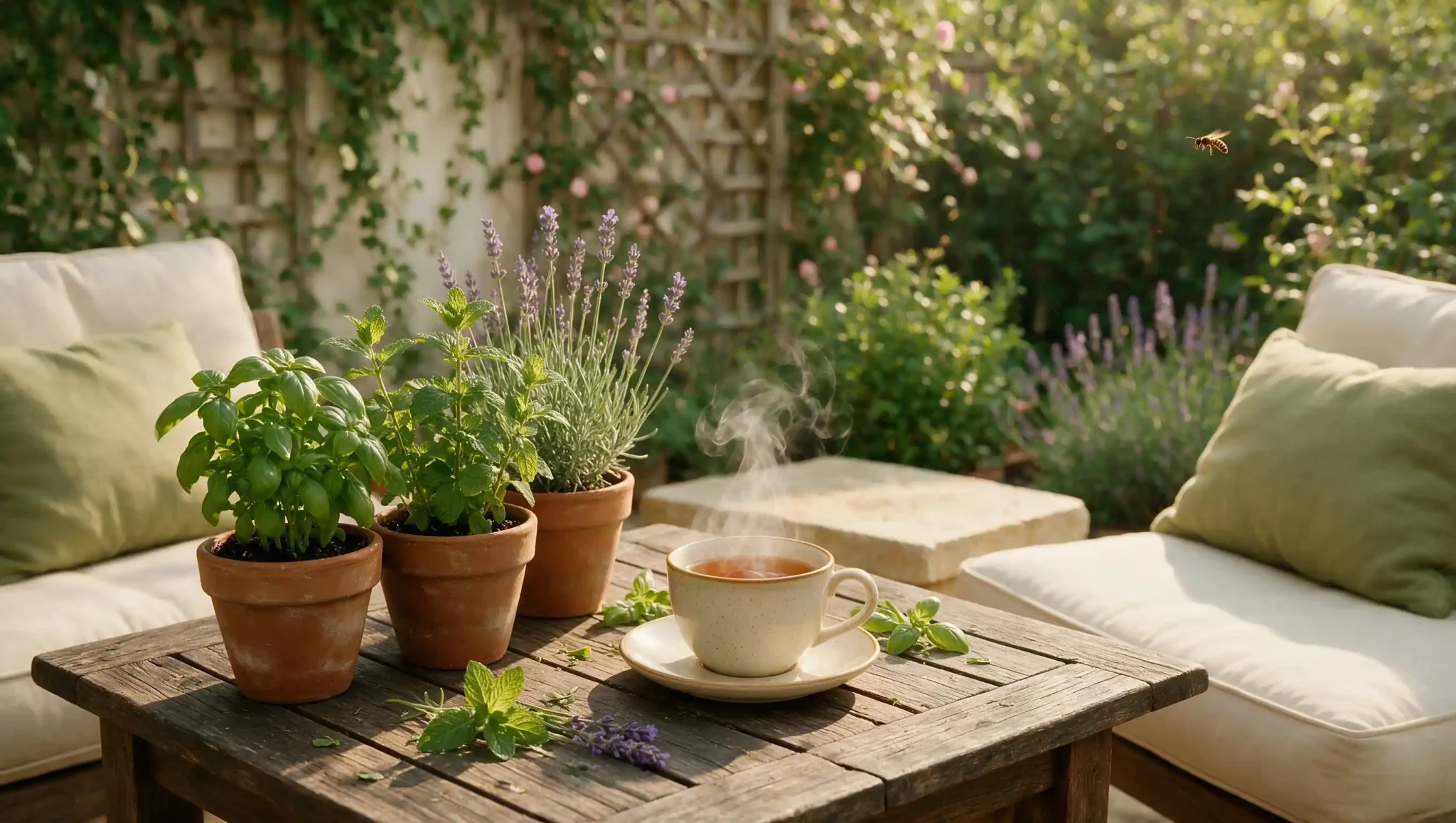
In the kitchen, you might use artificial herbs on a windowsill or a counter. While they do not provide flavor for cooking, they contribute a fresh aesthetic to the food preparation area. Using faux plants in these ‘difficult’ spots ensures that every corner of your home feels lived-in and intentional.
Conclusion
Decorating with replicas allows you to enjoy the appearance of nature without the stress of a watering schedule. You can experiment with different species and sizes to see what fits your personal style. High-quality faux plants serve as long-term investments for your interior design. They stay the same size, retain their color, and remain healthy-looking year after year.
You have the freedom to move these pieces from room to room as your needs change. Effective styling relies on your ability to place these items where they look most convincing and provide the best visual balance for your furniture.