Outdoor spaces can really benefit from thoughtful planning, whether you’re working with a small urban yard or an expansive suburban property.
A yard or garden that is well-planned and well-maintained also enhances the property value, comfort, and beauty. The right planning approach transforms underutilized areas into functional, beautiful extensions of your home.
A professional landscape planner integrates function and design. This approach creates both formal and casual spaces, improving everyday living. Working with a landscape architect near me can help homeowners realize the full potential of their exterior projects. Let’s explore how professional planning achieves these remarkable transformations.
Making a Vision of the Space
Every successful project starts with a clear vision. Experts work alongside the owners to establish exact desires and preferences. It usually begins with a thorough discussion about what the space needs to accomplish and how it should be used.
Designers can design the layout based on the identity and preferences of those who use it by taking these needs into account. Better outcomes are achieved with a clear vision from the start.
Blending Aesthetics and Practicality
Good planners balance beauty and functionality in each design. From the plants they choose to the pathways they lay, each option is weighed for its aesthetic and functional value.
Visual harmony aside, functionality is still important. For example, low-maintenance plants cost less in the long run. They also take less time to cultivate and service while still offering attractive foliage.
Using the Natural Features
Existing elements like slopes, trees, and natural boundaries inspire how a design materializes. Successful planning involves considering elevation changes, sunlight exposure, and soil types.
These are a few factors that experts analyze before taking any action. According to the U.S. Department of Agriculture, understanding soil composition and local climate is essential for sustainable landscape design. Planners enhance the site by working with nature. It can often lead to more vibrant plants that will need less maintenance in the future.
Selecting Plants for Lasting Impact

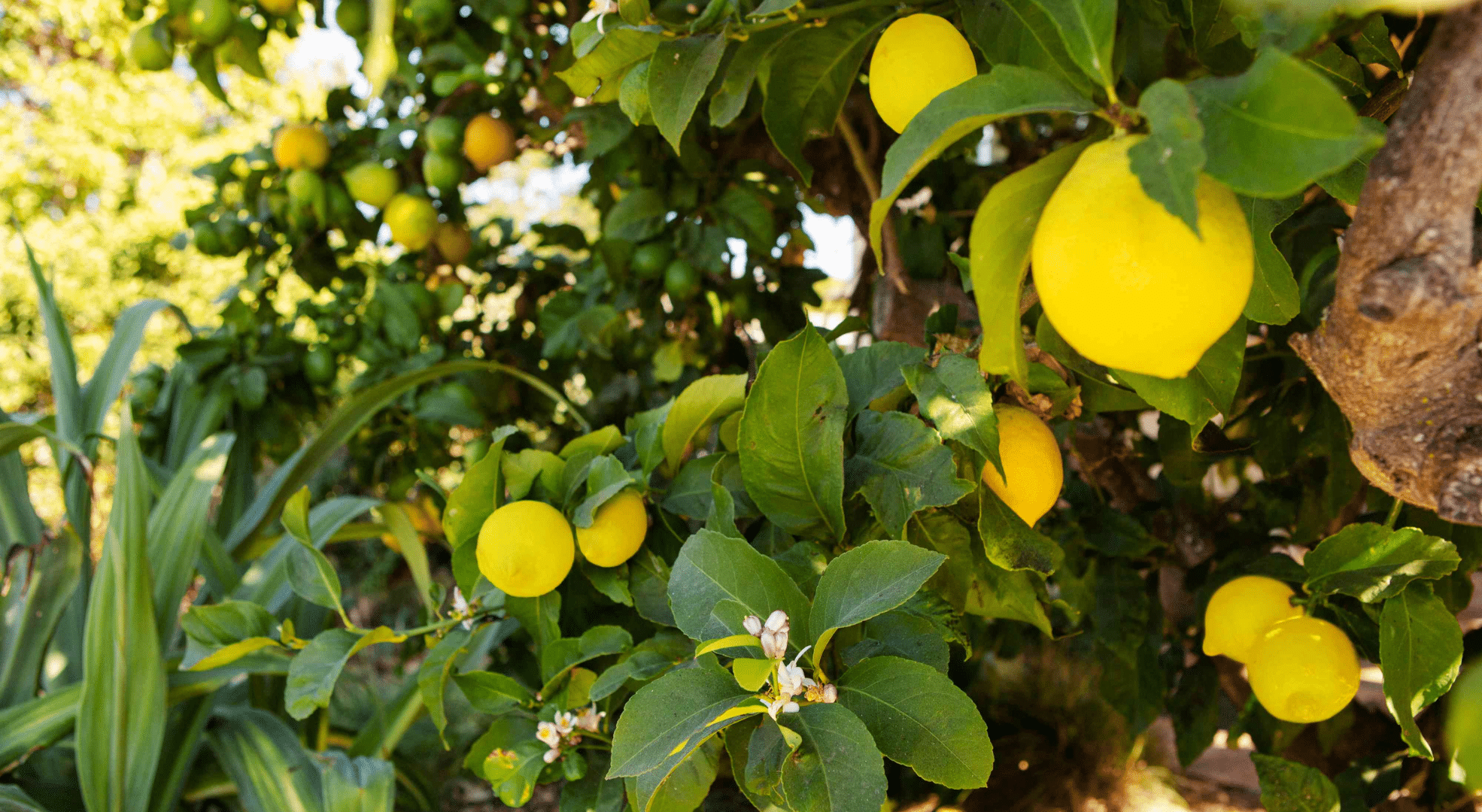
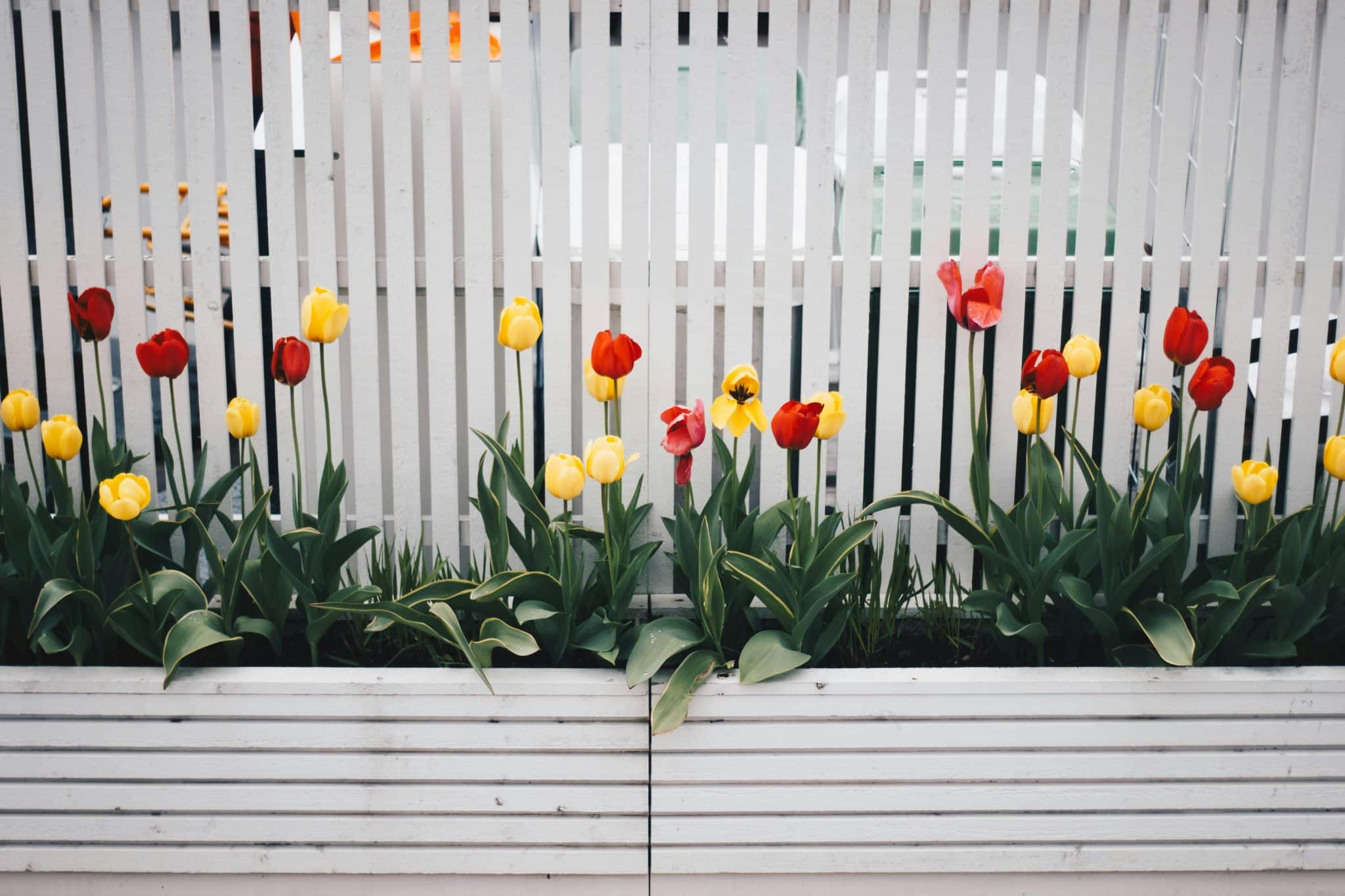
Most of the seasonal interest you have in an outdoor space will come from your plant choices. Experienced designers recommend species that will thrive in the local climate.
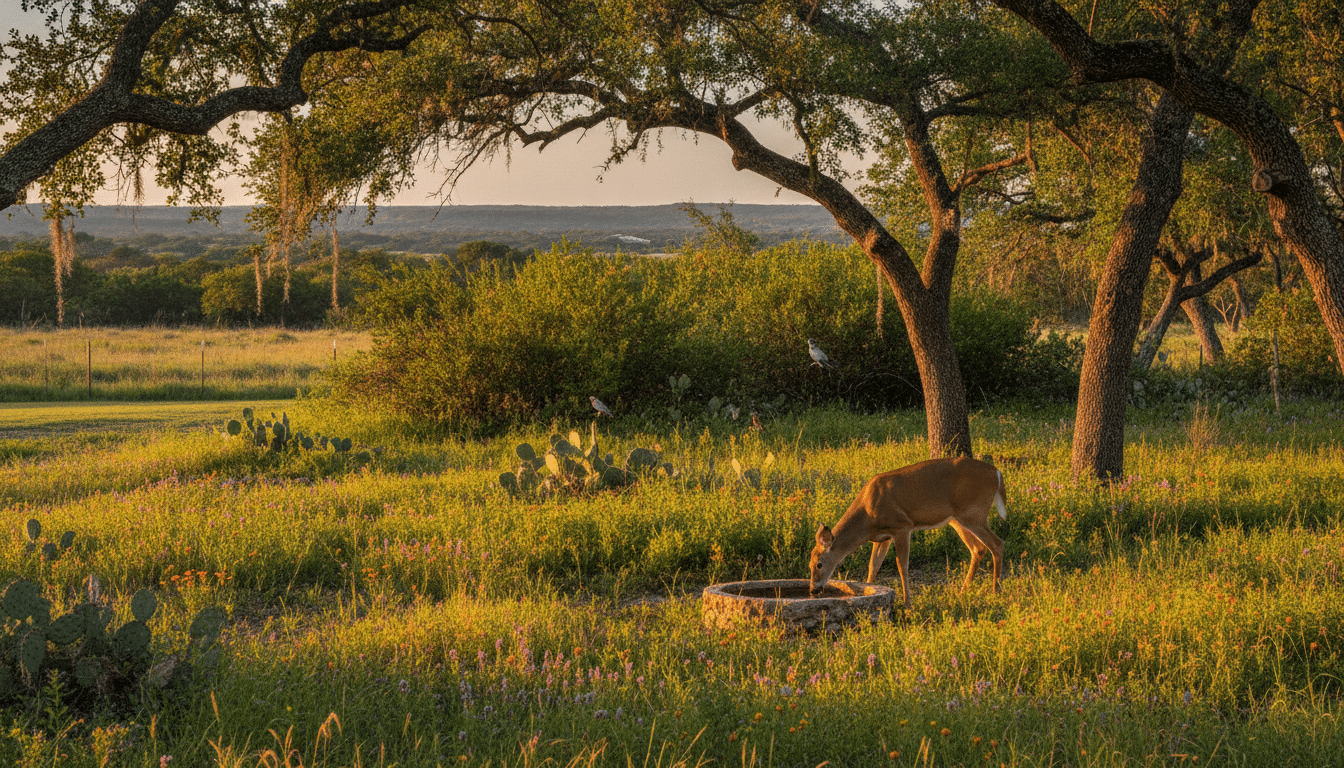
They take into account the seasons, so color and texture change throughout the year. This ensures that the space remains dynamic with visual interest throughout the year in all seasons. Choosing the right plants also benefits pollinators and local wildlife and helps biodiversity.
Encouraging Sustainability
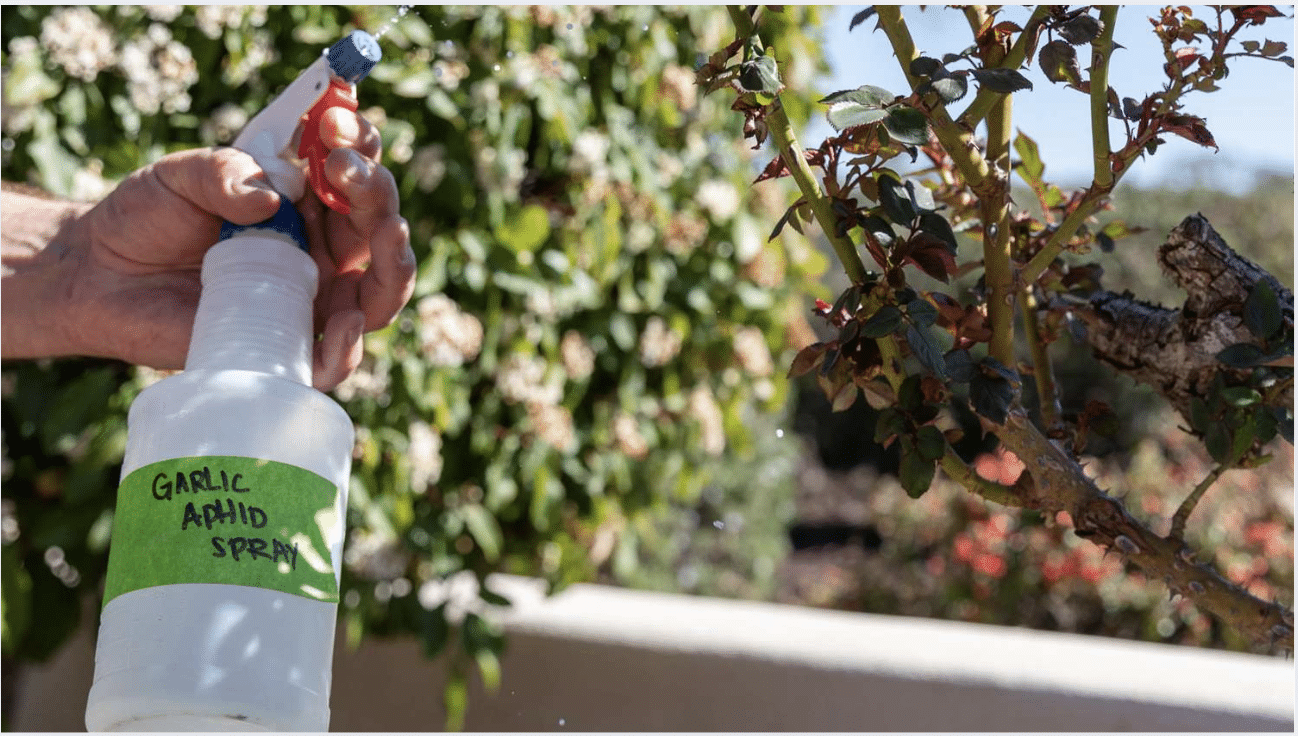
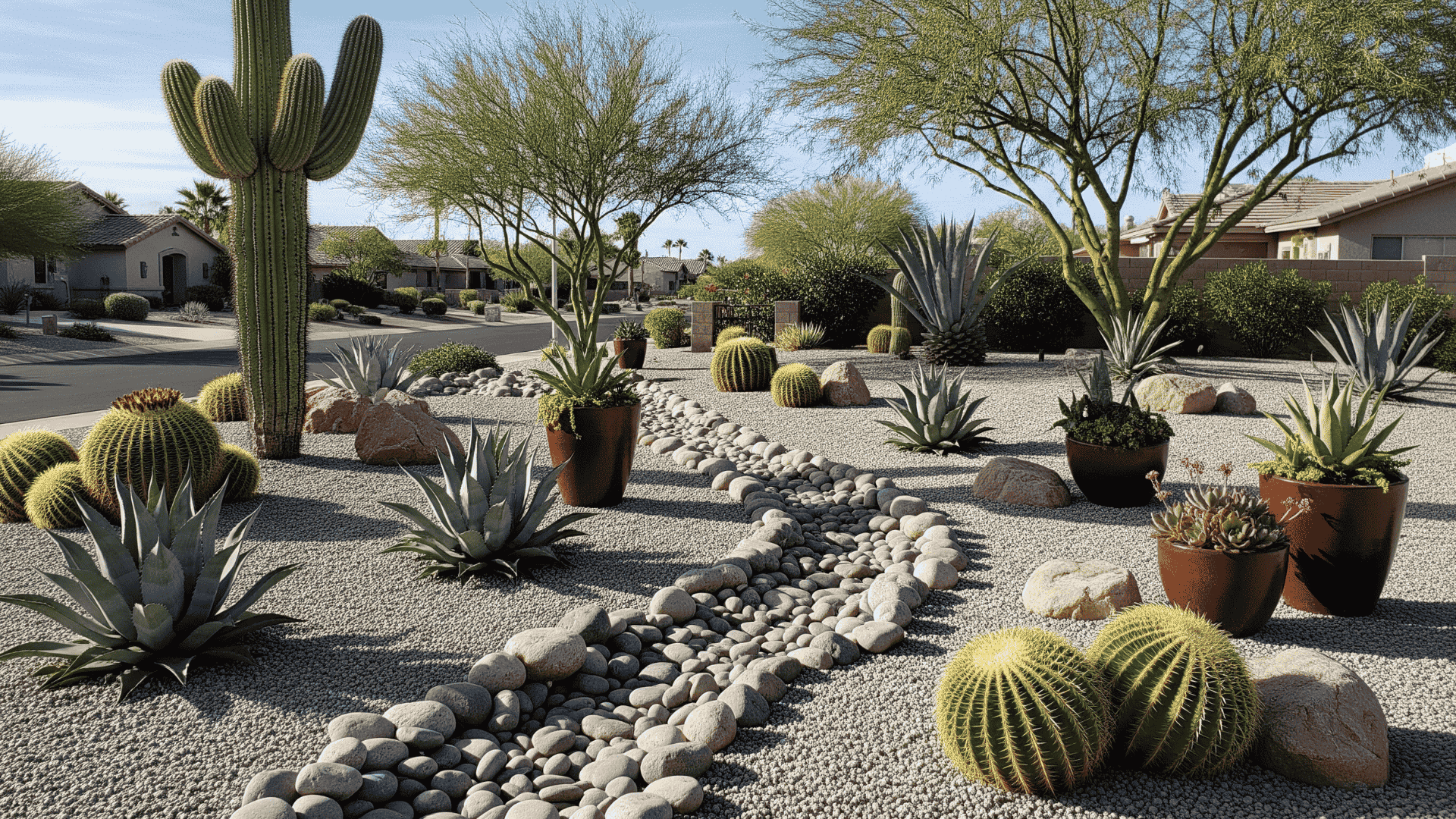
While many contemporary landscape projects incorporate sustainable practices, knowledgeable professionals will prioritize choices that use less water and fewer harmful chemicals.
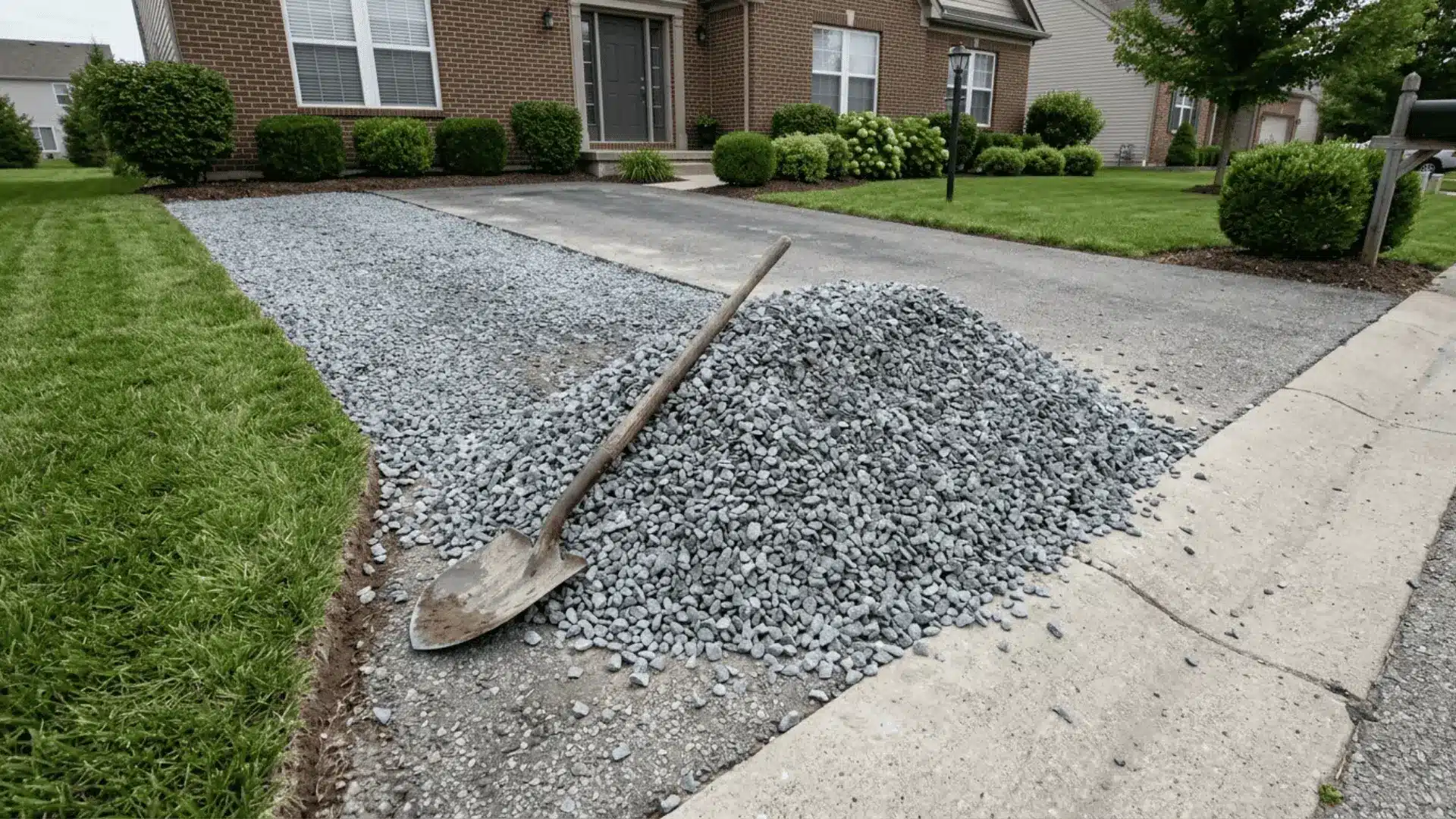
Native plantings with drip irrigation systems conserve resources. Using permeable materials for paths and patios will help improve drainage and reduce the amount of runoff. They promote healthy ecosystems but remain low-maintenance for the property owner.
Enhancing Functionality with Outdoor Features
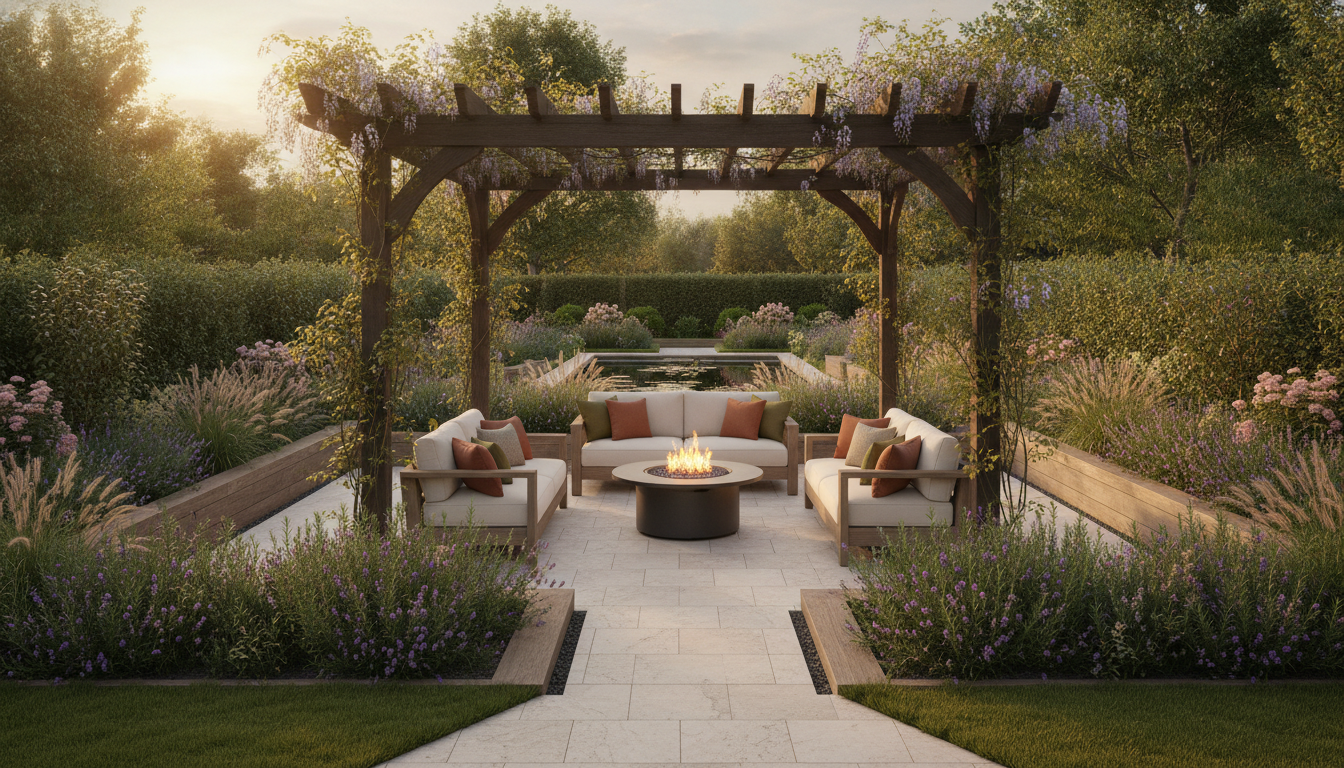
Spaces become more pleasant when they have functional elements, which add enjoyment to outdoor living. Fire pits, seating walls, or shaded areas make your garden work well into the evening.
Designers integrate features catering to the lifestyle and preferences of each client. For one family, the answer might be open yards for playing, and for another, a peaceful corner for relaxation. Carefully placed, these features bring the space alive.
Addressing Safety and Accessibility
Safety is always an important consideration when planning outdoor spaces. Attention is given to paths, steps, and lighting to avoid accidents. Gentle slopes and wide paths enhance accessibility across ages and abilities. Good lighting helps visibility after dark. These thoughtful amendments make spaces more comfortable and safer for all.
Planning for Growth and Change
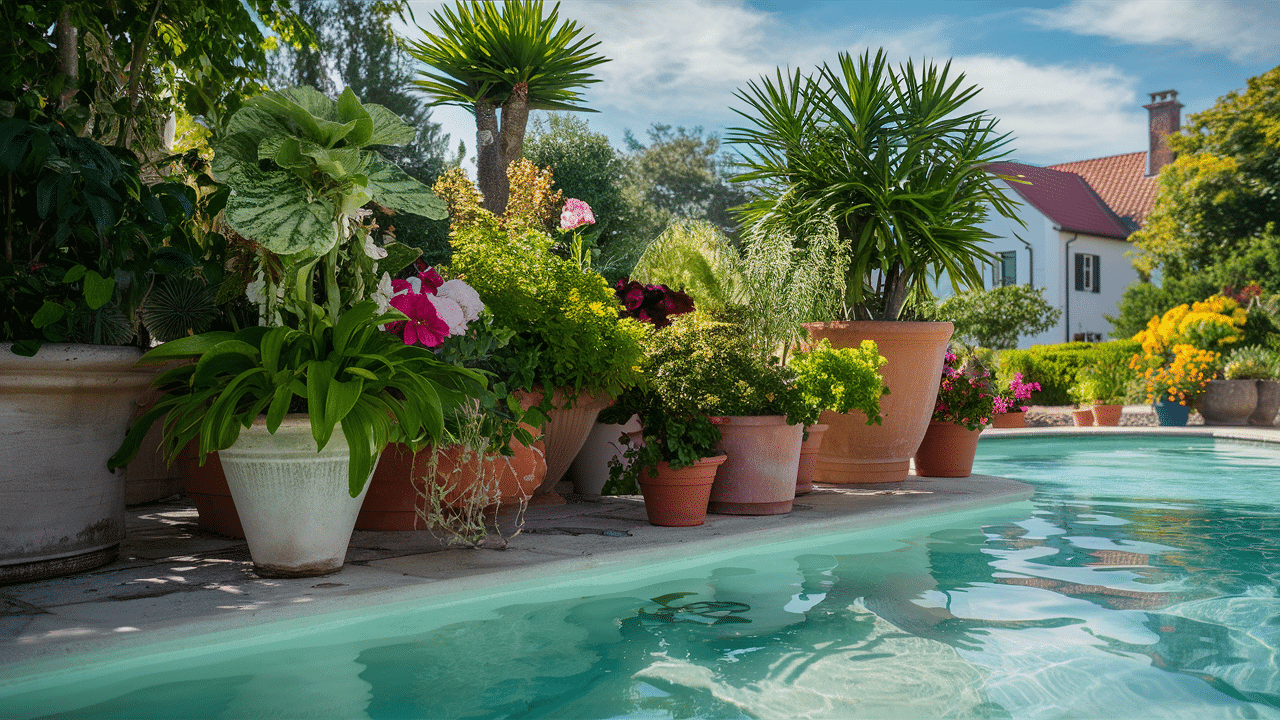
A good landscape design considers future needs. The pots leave enough room for plants to grow without overcrowding.
They consider the evolution of outdoor space with family expansion or changing interests. This adaptability makes it easier to adjust over time. Through this planning process, the area will continue to be usable and beautiful for many years.
Improving Property Value
A quality landscape design will often increase the value of a property. Well-designed outdoor spaces are visually appealing to attract possible buyers and provide a great initial impression.
Tidy gardens and appealing features indicate that the property is well cared for. Real estate professionals know that an attractive yard can be of great assistance during the sale of homes, as they sell quickly and bring higher prices.
Conclusion
Expert outdoor design converts areas into landscapes with life, beauty, and practicality. Respect for design, a choice to live sustainably, and an eye for the finer points create warm and welcoming spaces that fit any lifestyle.
The aim may be to unwind, entertain, or raise the property value; however, proper guidance will turn any vision into reality. With professional planning, outdoor spaces can be utilized to their fullest potential, creating enjoyment and beauty for years to come.