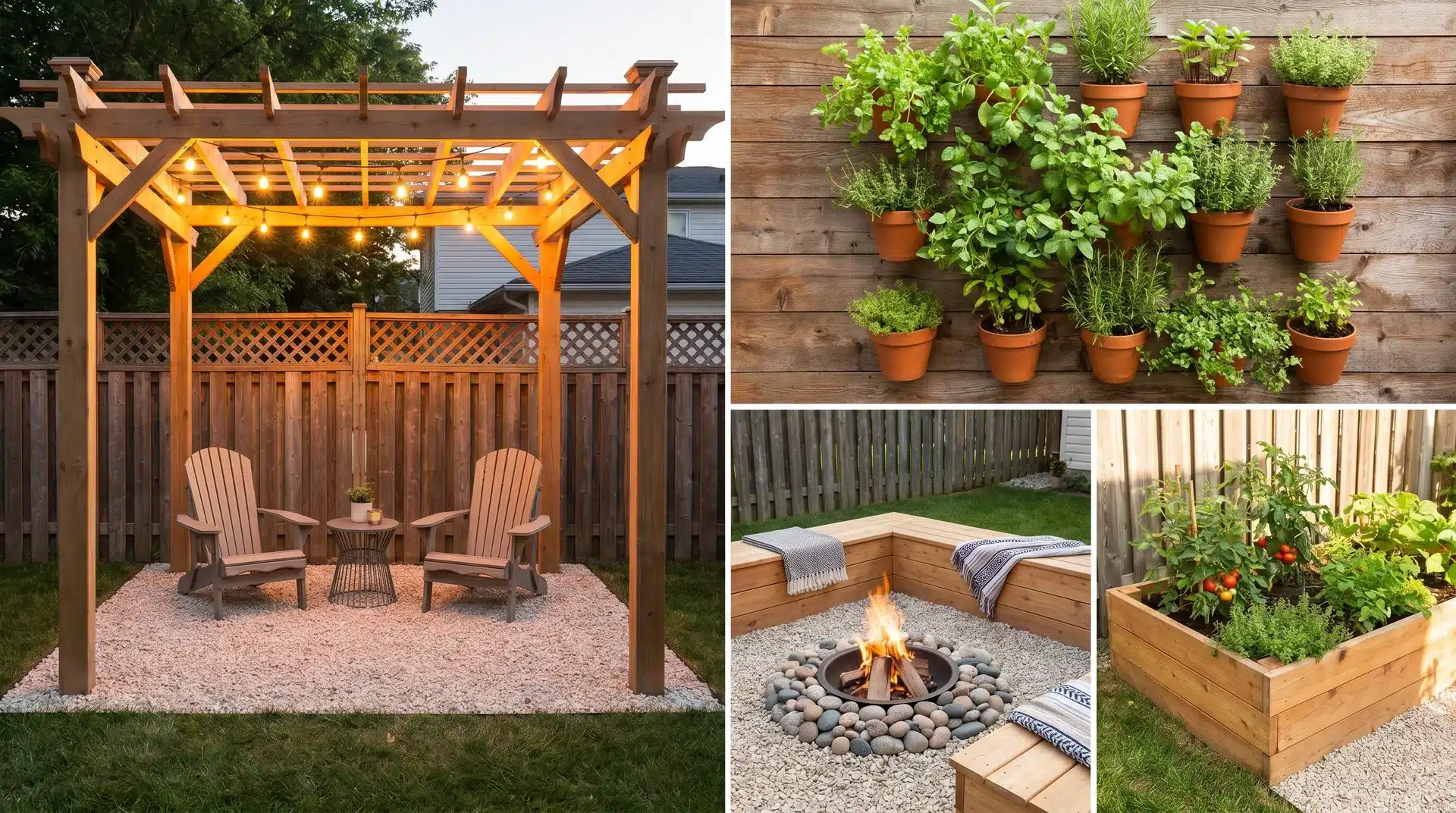
A small backyard is not a problem. It just needs a better plan.
Many homeowners get stuck because they try to fit big garden designs into a small space. The result is crowded, and nothing works as they had hoped.
Fortunately, a good list of small backyard design ideas doesn’t require you to spend a lot of money or tear up your entire backyard. It’s asking you to be smart about what goes where.
In this guide, you’ll find real, tested ideas to make your small outdoor space something you actually use and enjoy.
How to Plan a Small Backyard
Before buying a single plant or piece of furniture, spend 20 minutes with a pen and paper. It will save you real money. Here is a simple planning table to get you started:
| Step | What to Do |
|---|---|
| List your priorities | Write down your top 3 uses (e.g., dining, relaxing, gardening) |
| Measure your space | Mark out dimensions with a tape measure |
| Tape out the furniture. | Use painter’s tape on the ground before you buy anything |
| Check sunlight | Note which areas get morning vs afternoon sun |
| Plan for storage | Decide where clutter will live before it takes over |
Once you know your priorities, designing the space becomes much easier. A yard that serves one or two purposes well beats a yard that tries to do everything poorly.
26 Small Backyard Design Ideas
1. Add a Vertical Garden
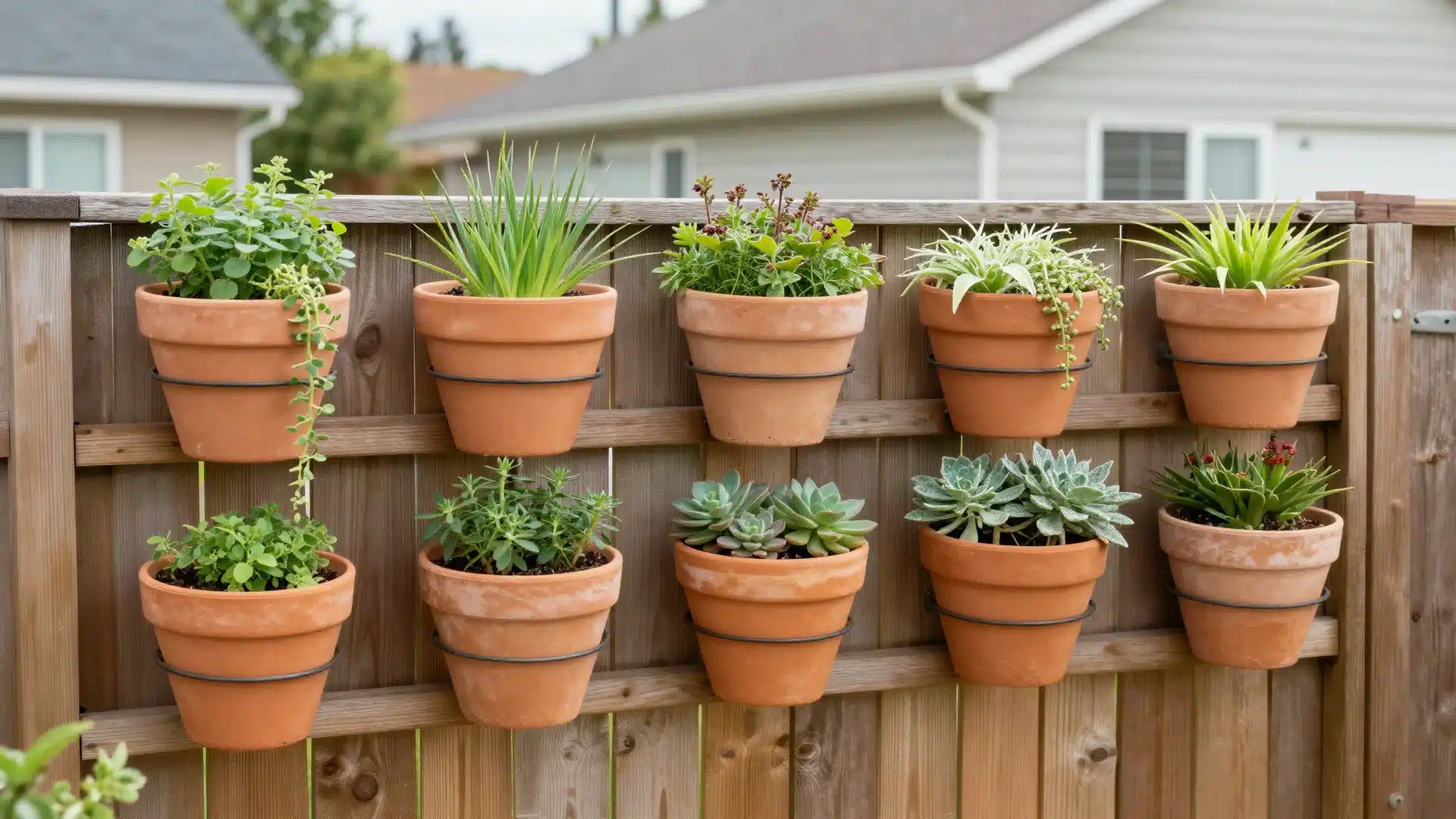
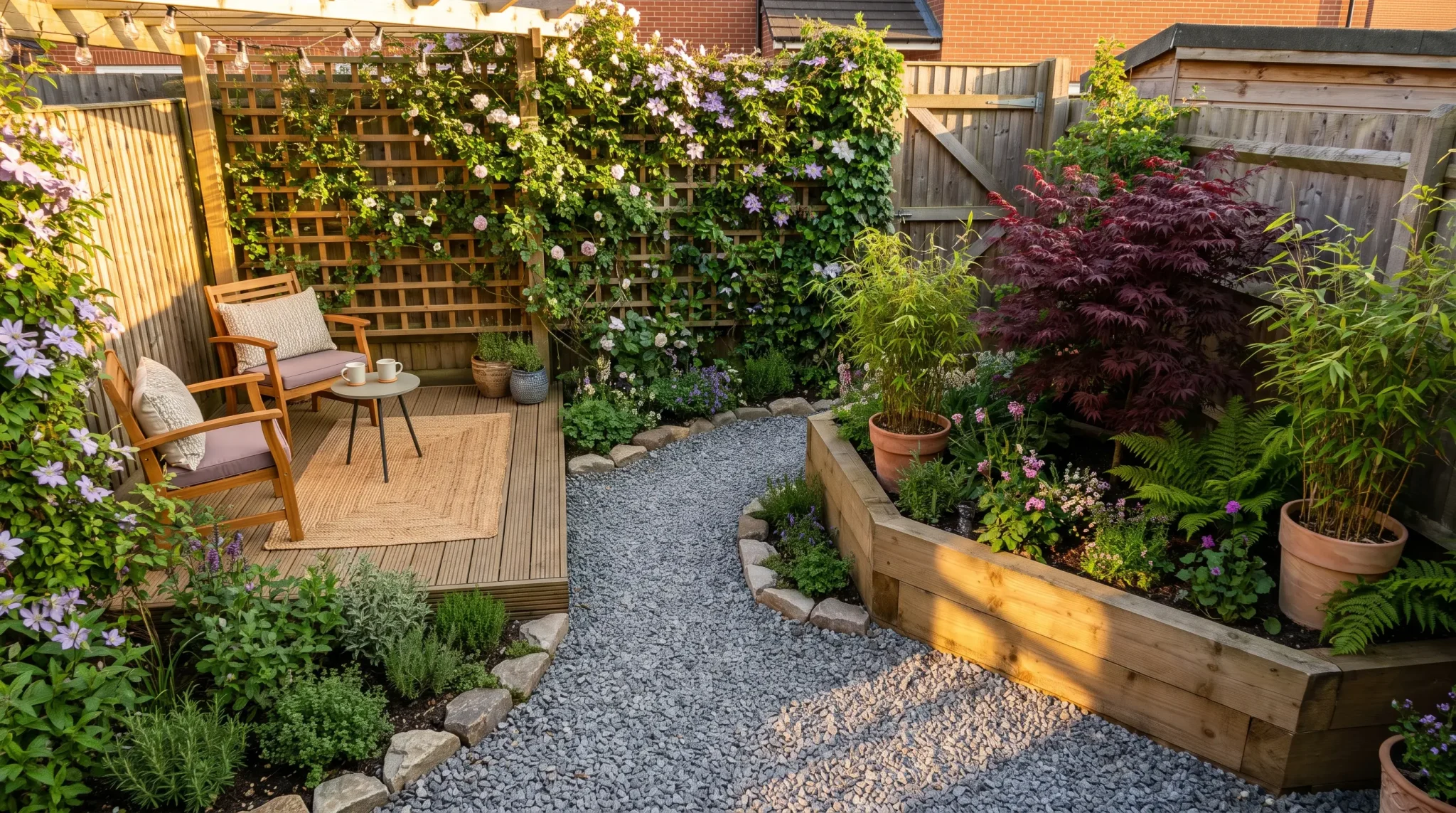
When ground space runs out, the walls take over. A vertical garden uses fences, exterior walls, or wooden frames to grow plants upward instead of outward.
- Mount wall planters or pocket organizers on a fence
- Use a trellis with climbing vines like jasmine or clematis
- Grow herbs or cherry tomatoes in vertical pockets for a functional setup
- Paint the wall or fence a light color first so the plants pop
2. Use Large Pavers to Open Up the Space
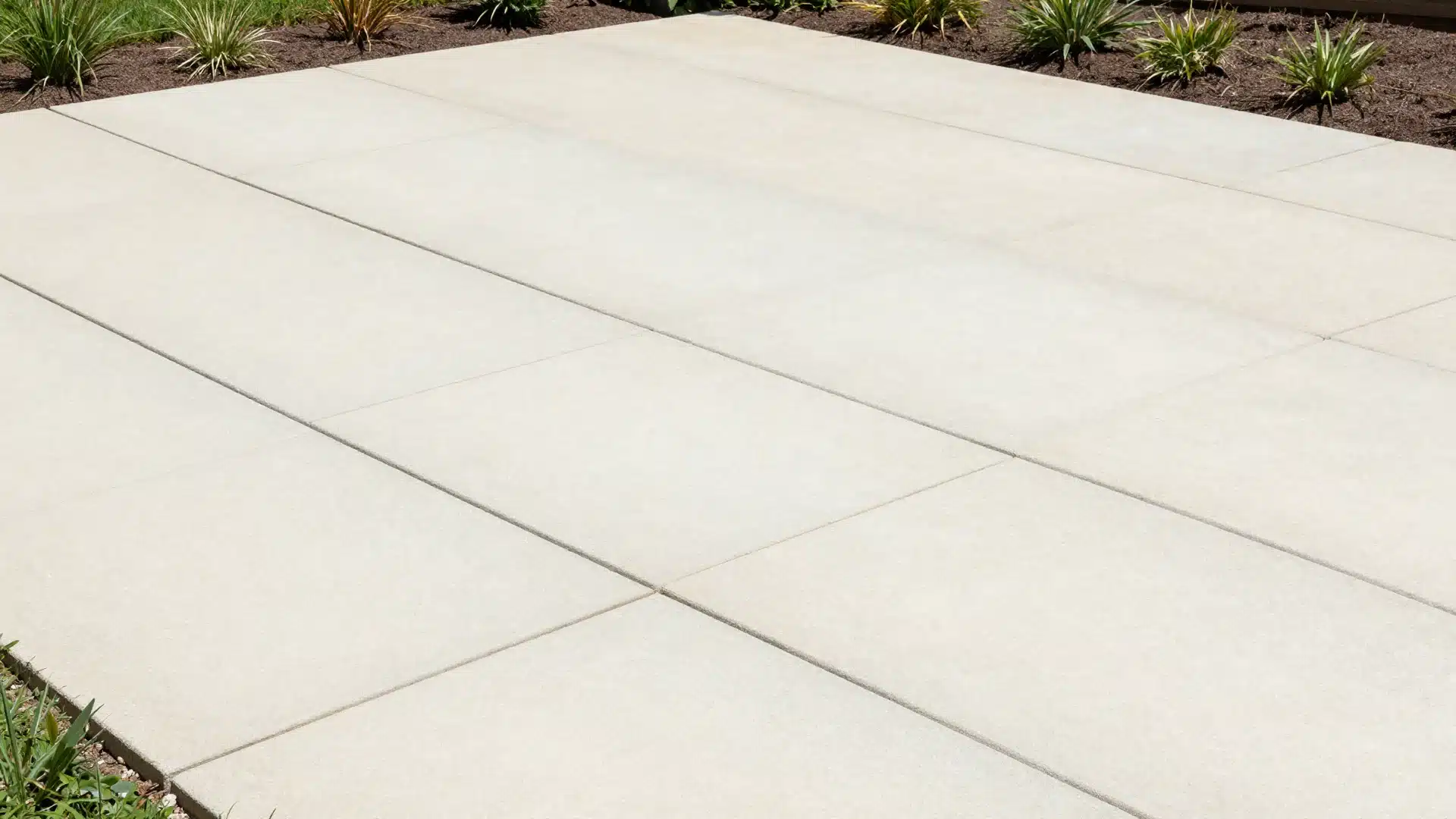
Large pavers reduce the number of grout lines your eye sees. This makes the ground look wider and cleaner than small tiles or bricks.
- Choose light-colored concrete slabs, porcelain, or interlocking stone
- Lay them in a simple grid or offset pattern
- Leave small gaps and fill with ground cover plants or gravel for a softer look
- Avoid dark colors in small spaces since they absorb light and make the area feel tighter
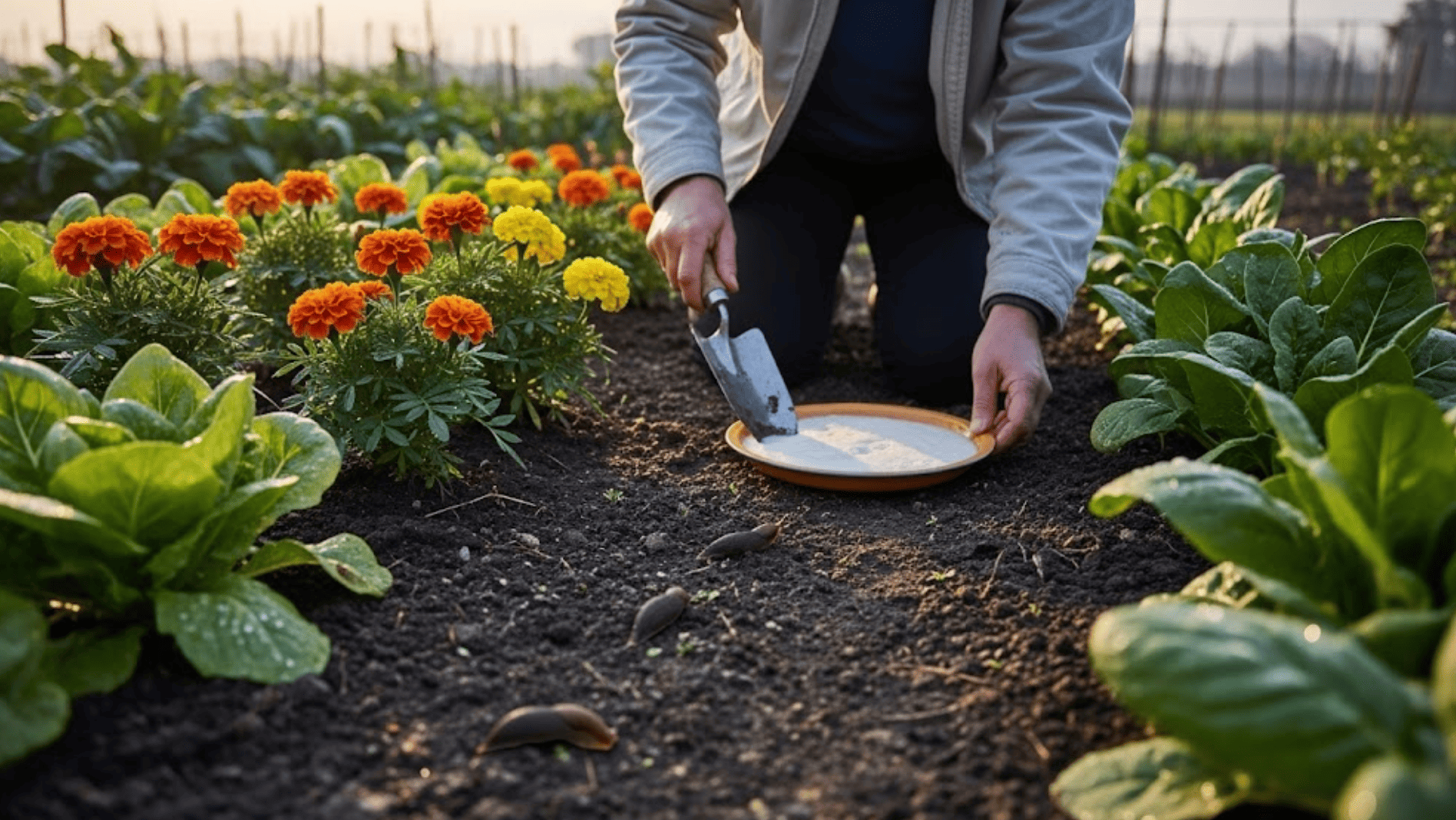
3. Build a Raised Garden Bed
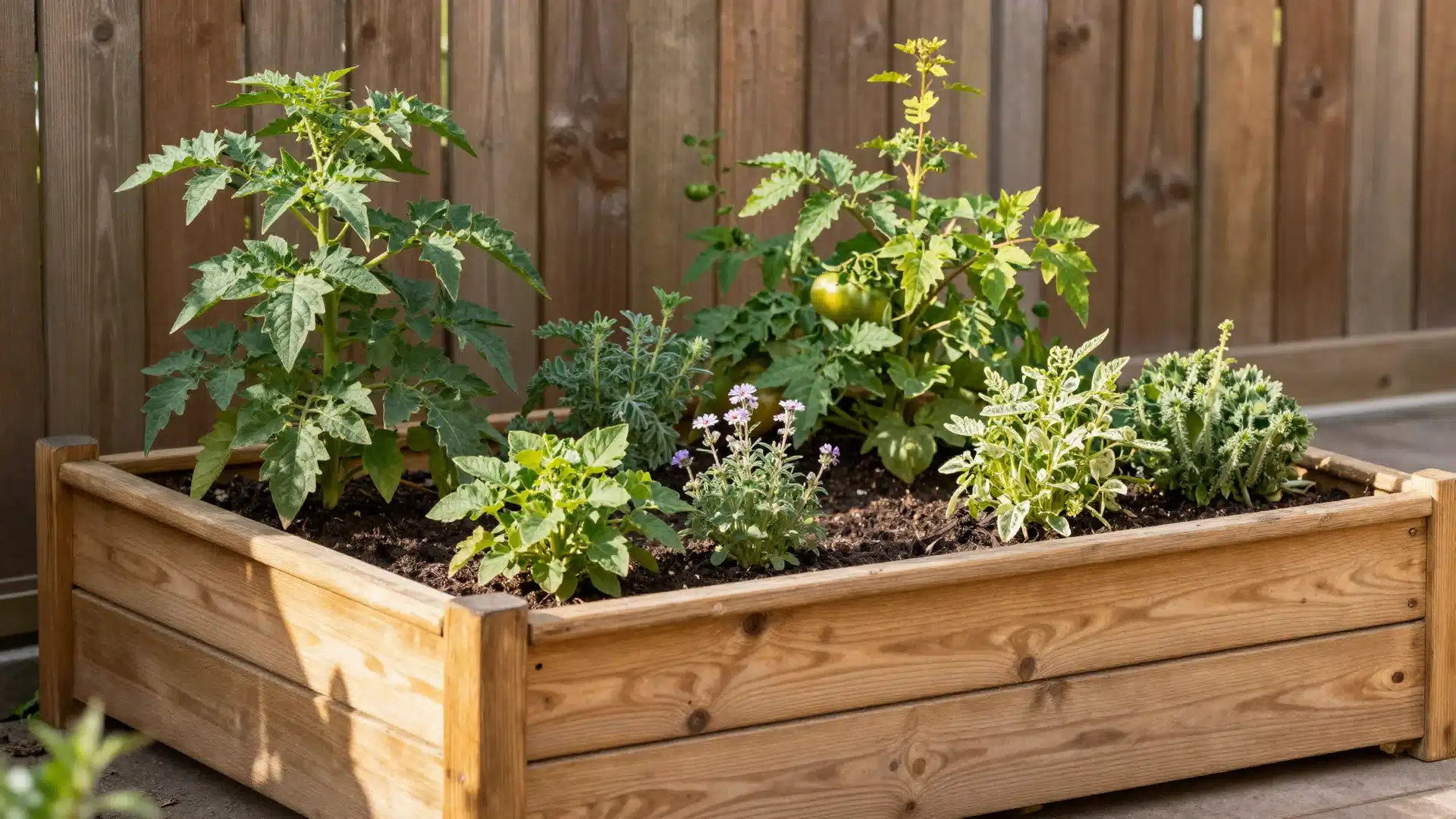
A raised bed keeps your garden organized and contained. It also works well when the ground soil is poor or when you want to separate a planting area from the rest of the yard.
- Built with cedar wood, cinder blocks, or galvanized metal
- Keep the width to 3 to 4 feet so you can reach the center without stepping in
- Use it for vegetables, herbs, or cut flowers
- Place it along a fence or wall to keep the center of the yard open
4. Set Up a Cozy Fire Pit Area
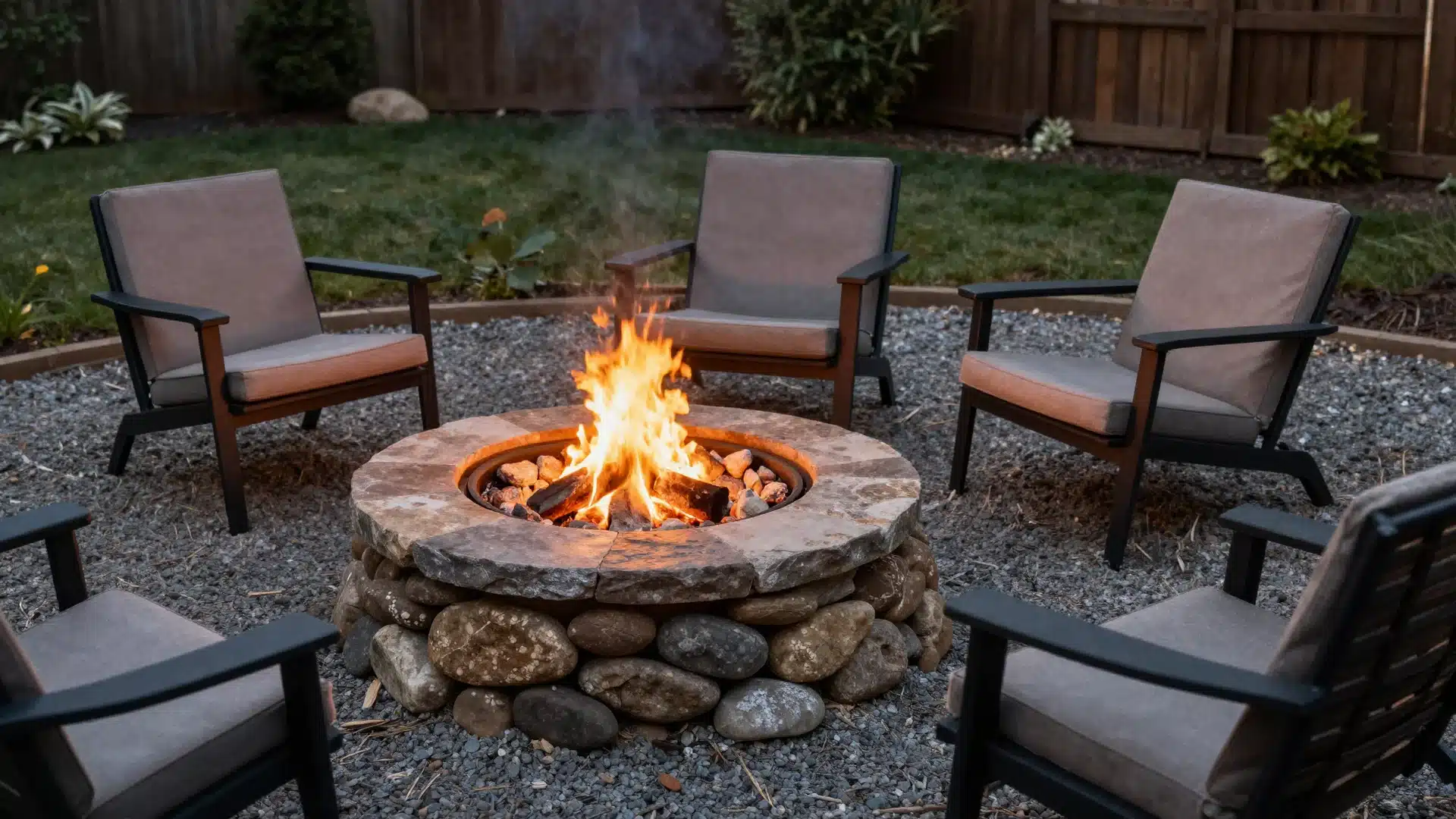
A fire pit pulls people outside even on cooler evenings. It creates a natural gathering spot without needing much space.
- Choose a compact circular fire pit or a tabletop fire bowl for tight yards
- Place it at least 10 feet away from fences, structures, and overhanging branches
- Surround it with gravel or stone to define the zone and reduce fire risk
- Add 2 to 4 low-profile chairs or a curved bench to keep the footprint small
5. Install a Pergola
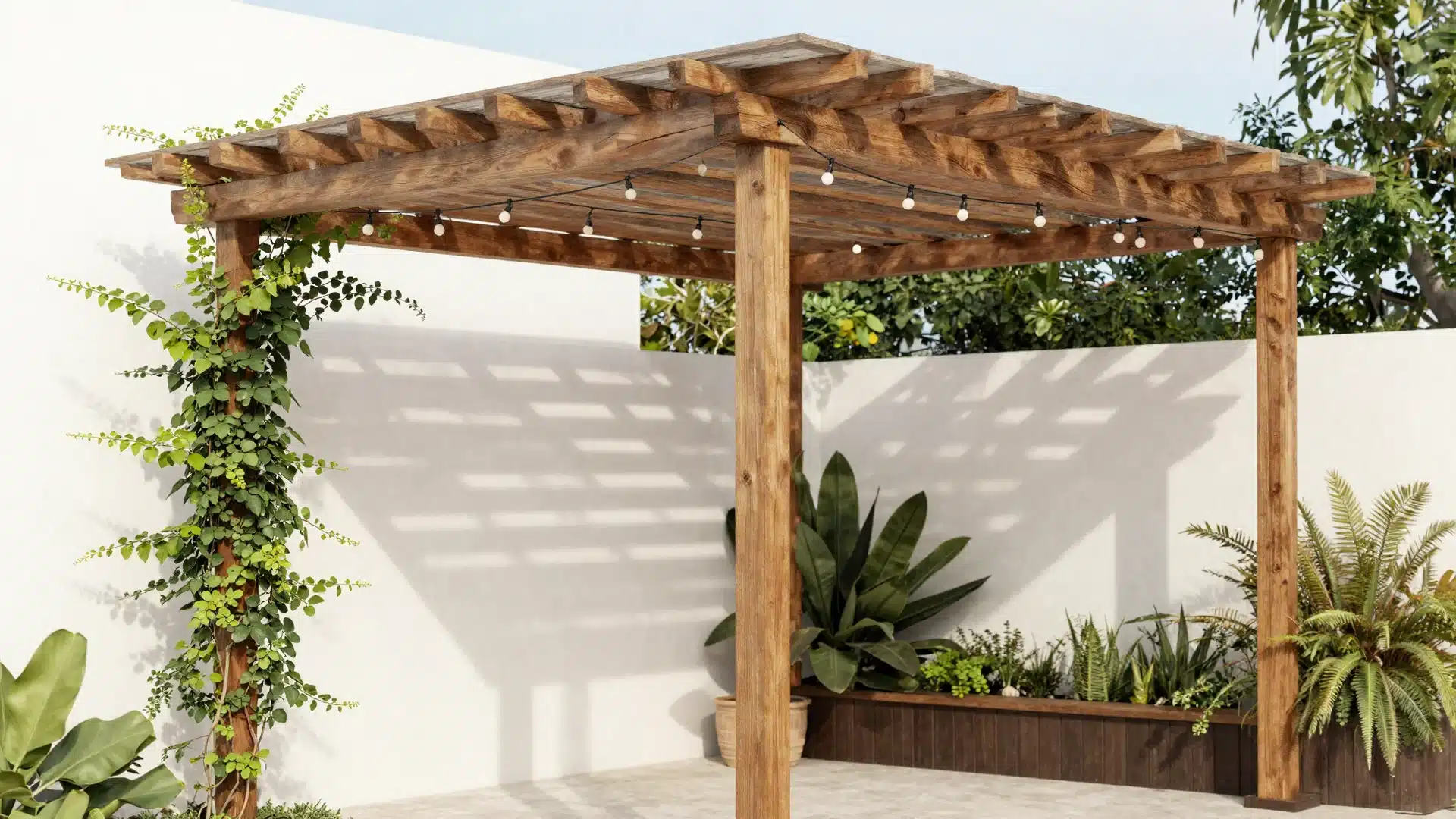
A pergola adds structure and partial shade to your backyard without completely closing it off. Even a small freestanding version changes the whole feel of the space.
- Buy a prefab pergola kit to keep costs down
- Train climbing plants like wisteria or ivy up the posts for natural coverage
- Hang string lights across the top for evening use
- Add a shade sail or fabric panel over the top for stronger sun protection
6. Create a Defined Seating Zone
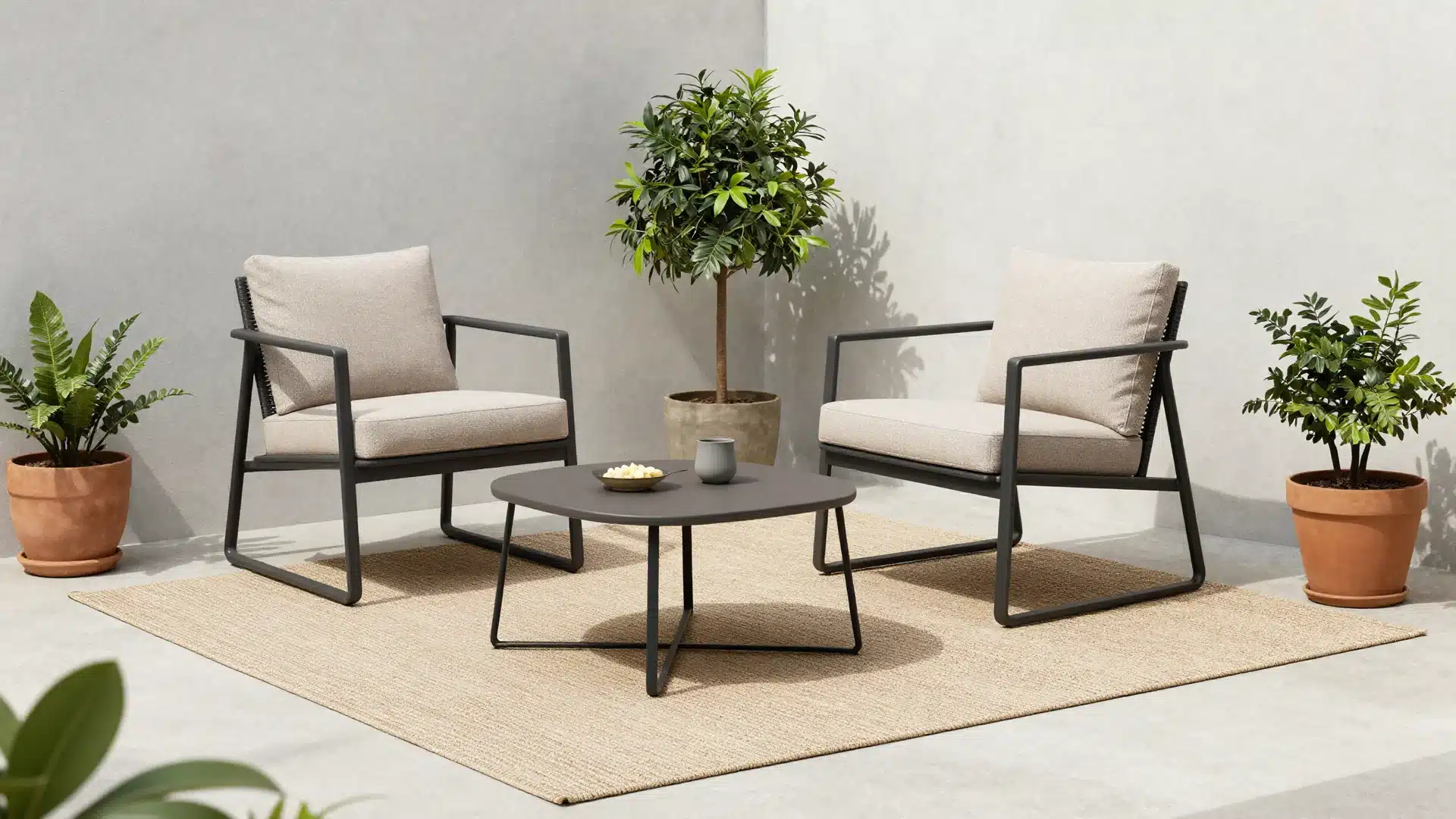
A clear seating zone tells everyone where to sit and makes the yard feel intentional rather than random. You do not need much to pull this off.
- Place an outdoor rug first to anchor the space
- Group 2 to 4 chairs tightly around a small table or coffee table
- Use a planter or low fence to separate the seating area from the rest of the yard
- Keep the furniture tight. A small bistro set works better than an oversized sofa in a compact space
7. Use Gravel or Decomposed Granite as Ground Cover
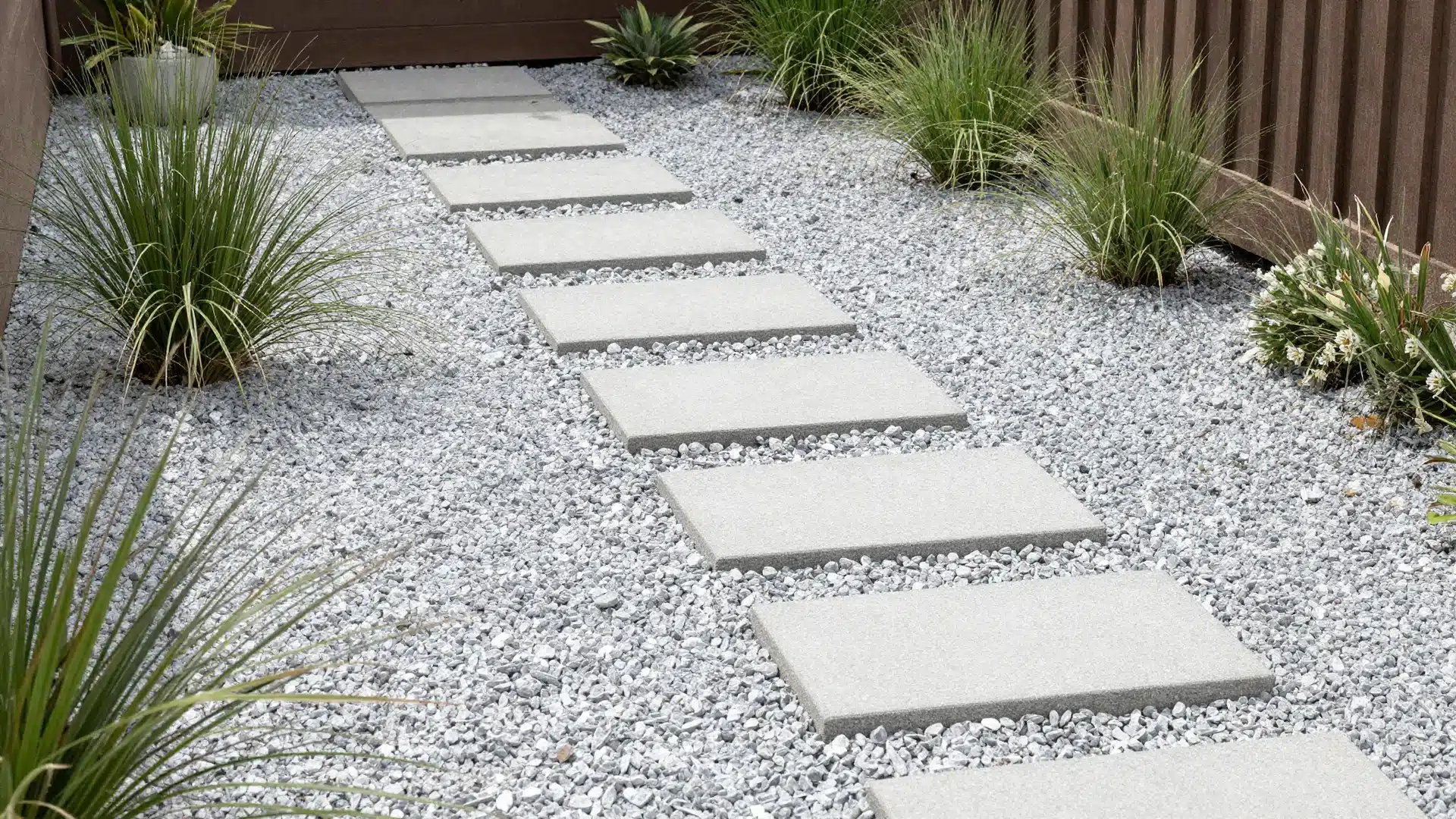
Gravel is one of the most budget-friendly ground cover choices for small yards. It requires almost no maintenance and works in any climate.
- Use pea gravel, decomposed granite, or river rock, depending on your style
- Lay landscape fabric underneath to stop weeds from pushing through
- Mix with pavers or stepping stones for a layered ground design
- Works especially well in dry climates where grass struggles
8. Hang String Lights for Evening Ambiance
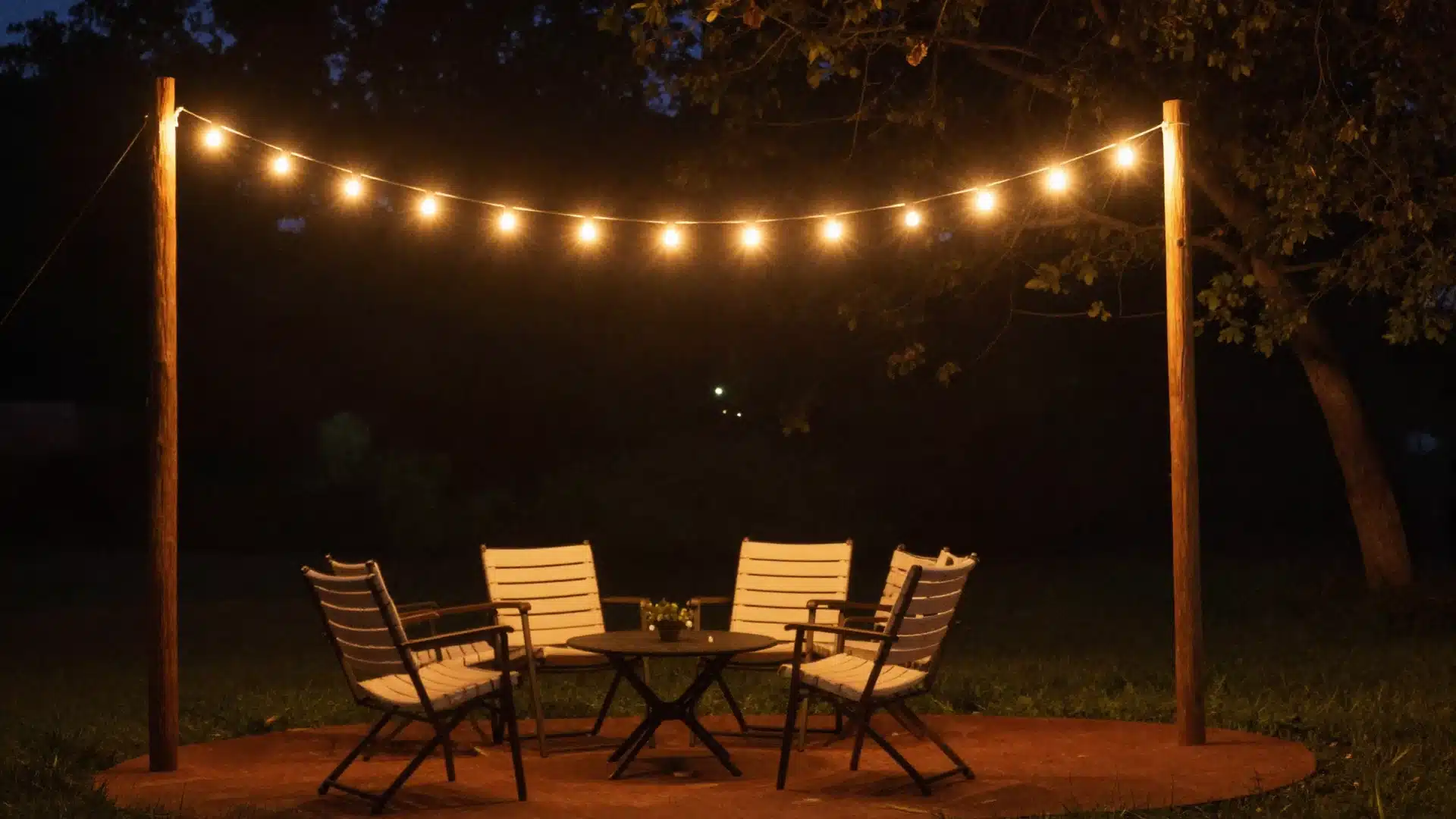
String lights are among the best value-adds for a small backyard. They add warmth and height without using a single square foot of ground space.
- Run them from a pergola, fence post, or two wooden poles
- Choose warm white bulbs over cool white for a softer, more relaxed feel
- Solar-powered options cut out wiring and lower running costs
- Layer with a wall-mounted lantern or two for a fuller lighting setup
9. Add a Small Water Feature
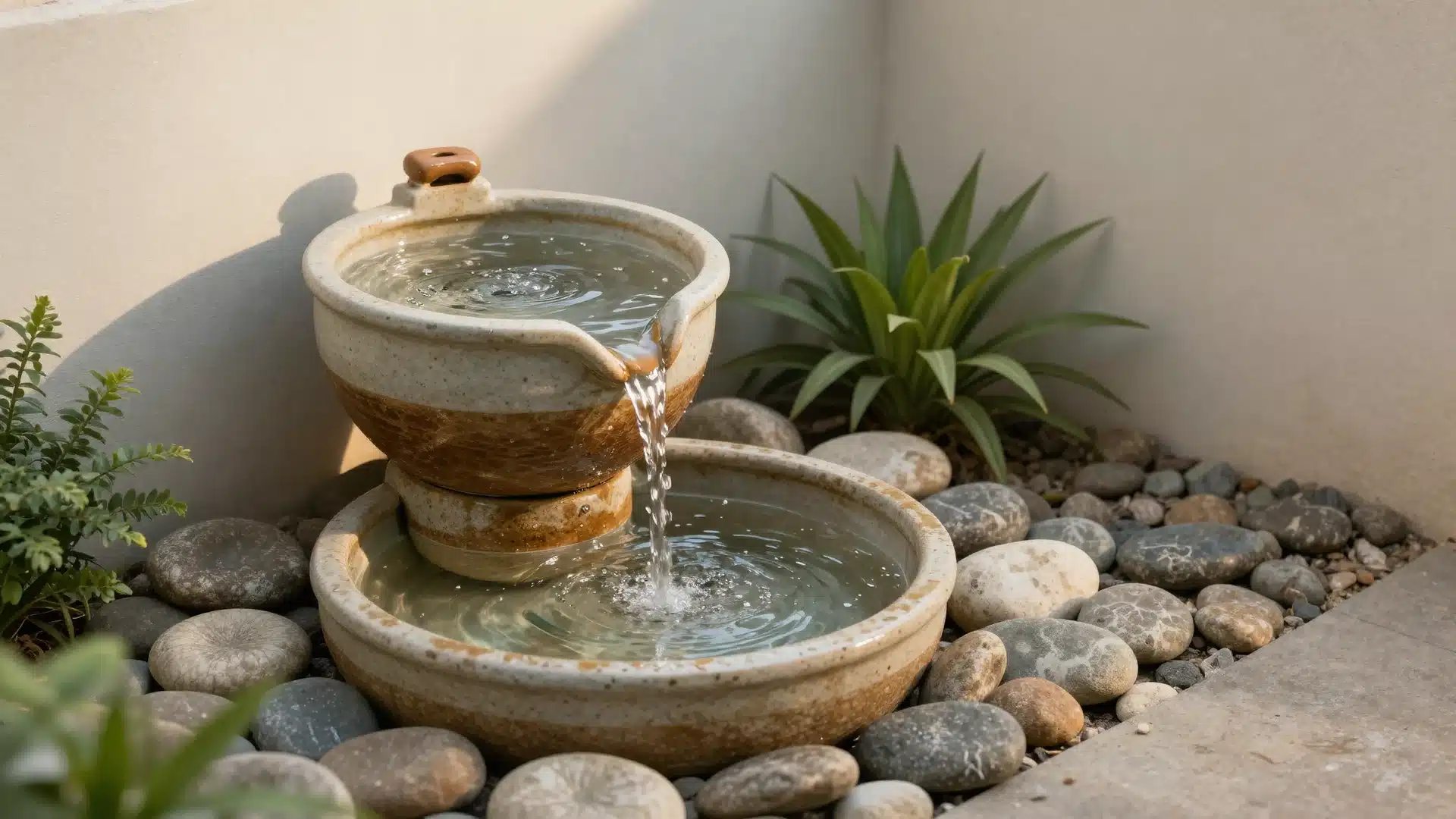
The sound of moving water changes the feel of an outdoor space almost immediately. You do not need a large pond or built-in fountain to get that effect.
- Use a ceramic pot, stock tank, or repurposed barrel as a fountain basin
- Add a small submersible pump (solar-powered works well outdoors)
- Surround it with smooth stones and low plants to give it a finished look
- Place a chair nearby so you can actually sit and enjoy it
10. Use Multi-Purpose Outdoor Furniture
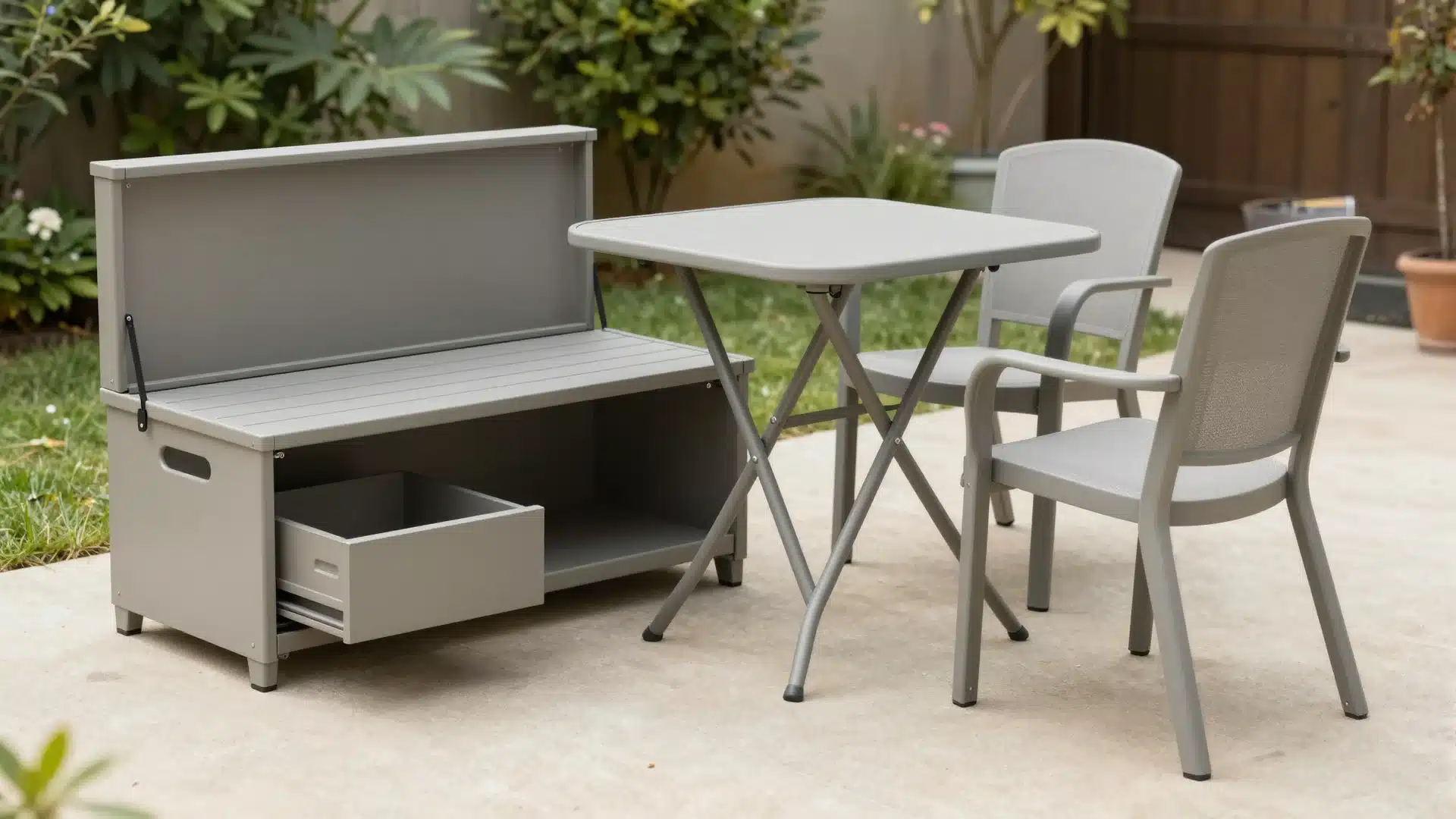
In a small yard, every piece of furniture has to earn its place. Multi-purpose pieces do the work of two or three items without the footprint.
- Storage benches hold cushions, garden tools, or kids’ toys inside
- Stackable chairs free up ground space when guests are not over
- Fold-down wall tables work as a bar, prep surface, or dining table when needed
- Always tape out furniture dimensions on the ground before ordering anything
11. Plant a Living Privacy Screen
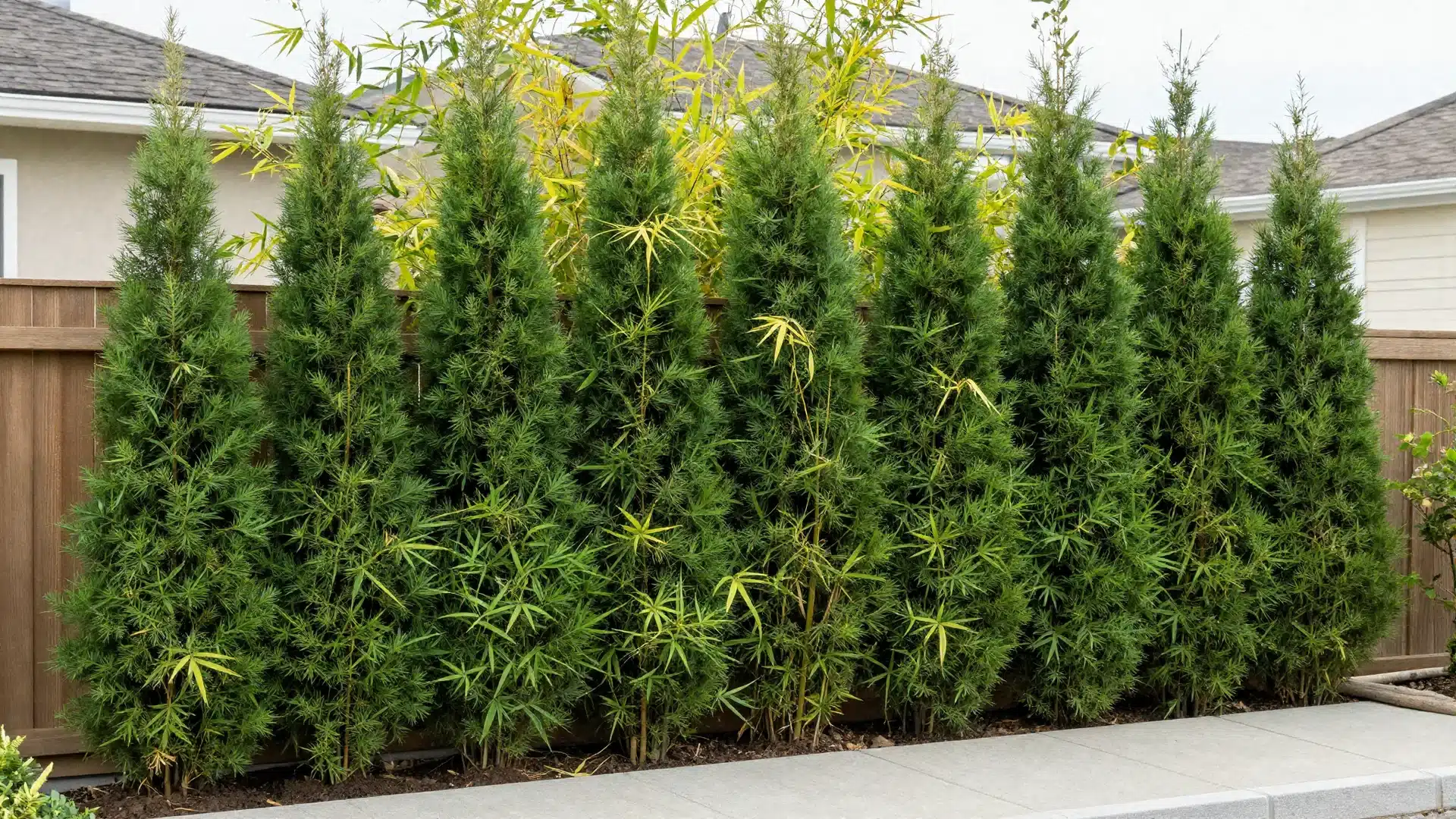
A living privacy screen blocks the view from neighbors without the hard, permanent feel of a solid fence. It also adds texture and color year-round.
- Plant tall bamboo, Italian cypress, or arborvitae along the boundary
- Space plants correctly for your variety. Overly dense planting causes problems later
- Mix heights for a layered look instead of one straight row
- Artificial hedge panels are also available and require almost no upkeep
If you’re still deciding between plants and a built structure, this guide on choosing the right fence for privacy and garden health covers the real trade-offs between both.
12. Build a DIY Outdoor Dining Spot
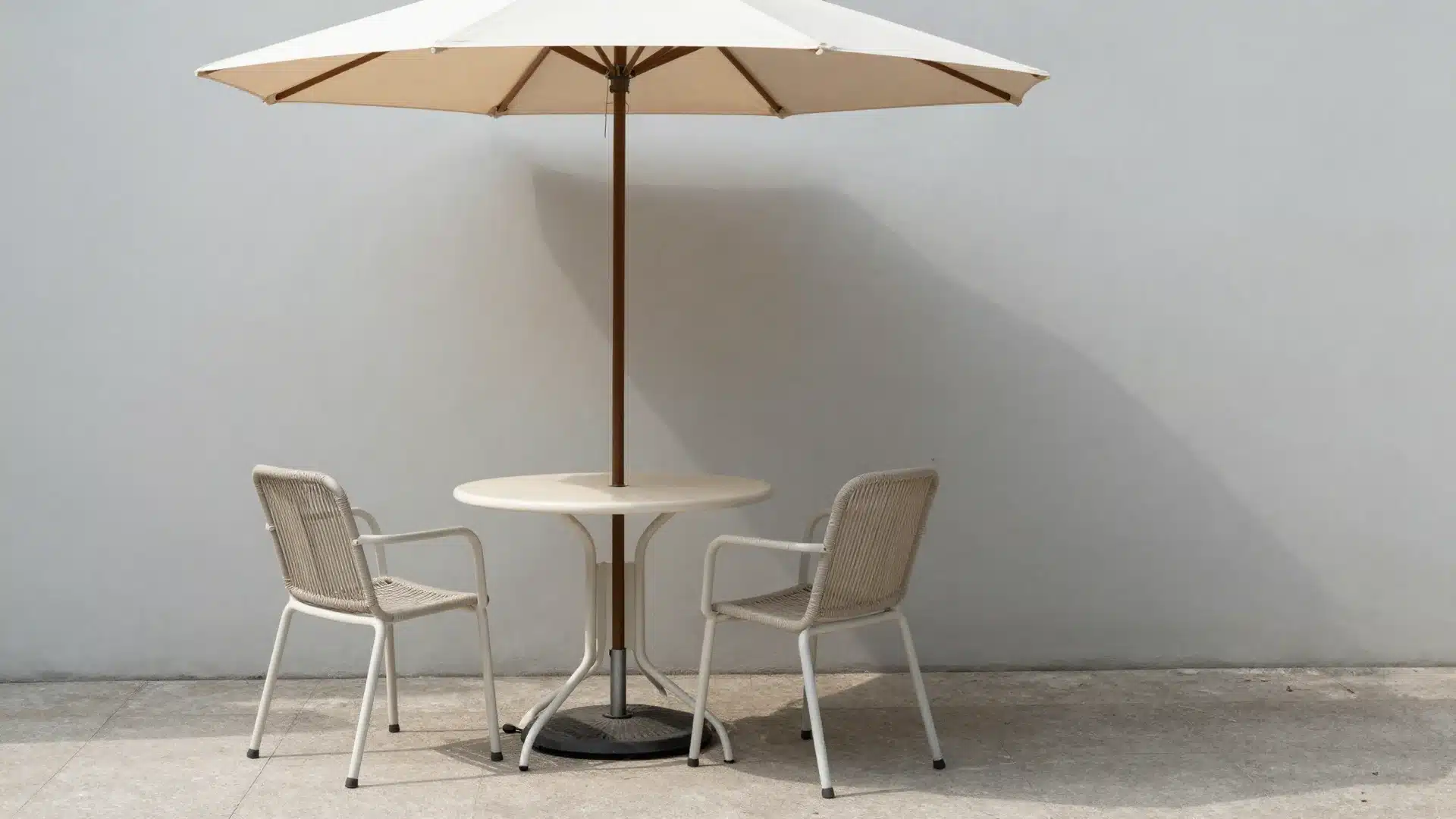
A dedicated dining area gives your backyard a clear purpose and makes outdoor meals feel less like an afterthought.
- Choose a round table over a rectangular one. Round tables take up less visual space
- Built-in bench seating along a fence wall saves room vs individual chairs
- Keep the table folded against a wall when not in use
- Add a small shade element overhead, a market umbrella, or a shade sail, which works well
13. Lay a Stepping Stone Path
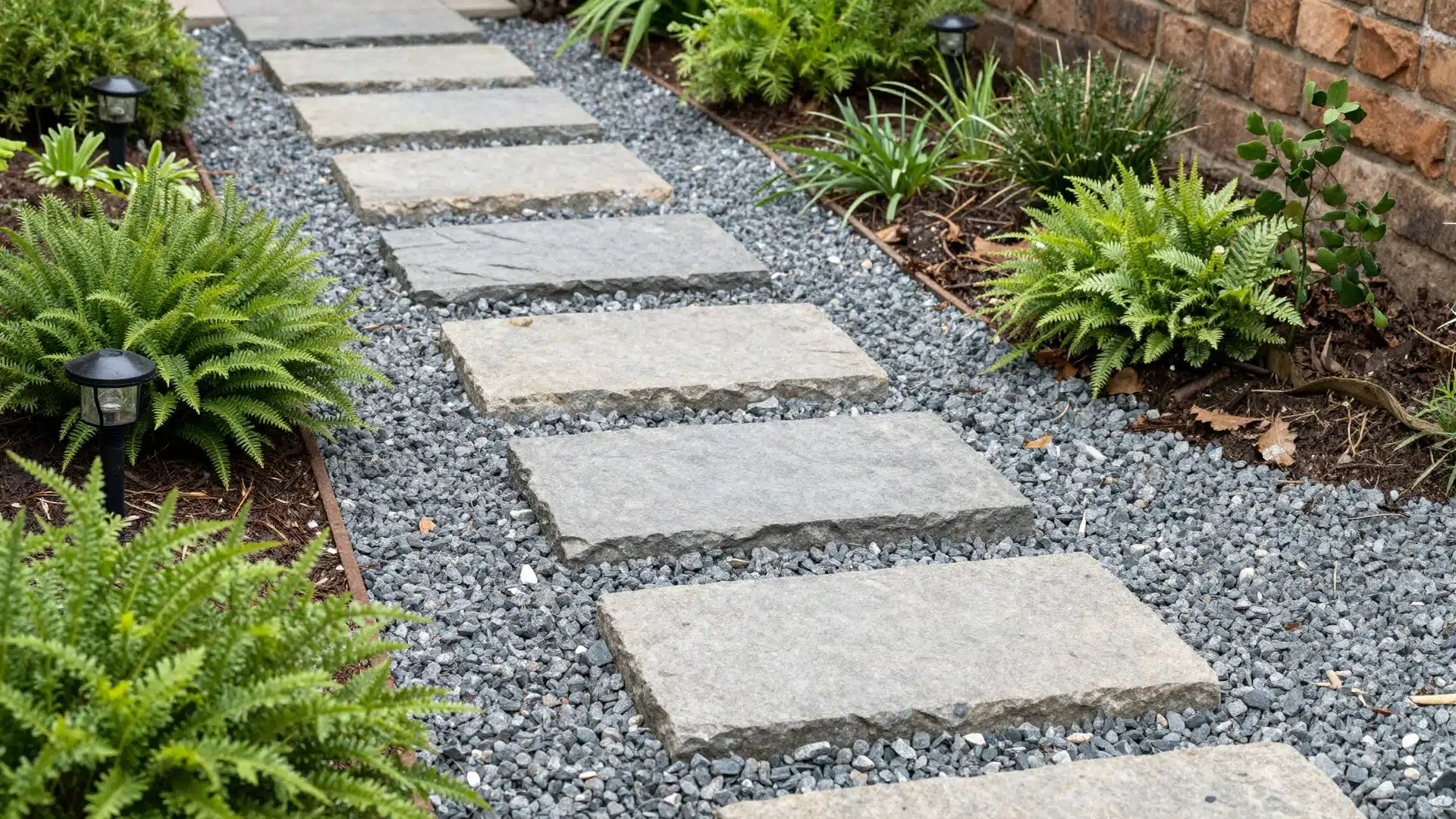
A stepping stone path does two things. It guides movement through the yard, and it gives the space a sense of structure and layout.
- Use flat natural stone, concrete rounds, or cut pavers
- Border the path with mulch, low ground cover plants, or fine gravel
- Add solar stake lights along the sides for a polished look after dark
- Keep the path curved rather than straight to make the yard feel larger
14. Create a Container Garden
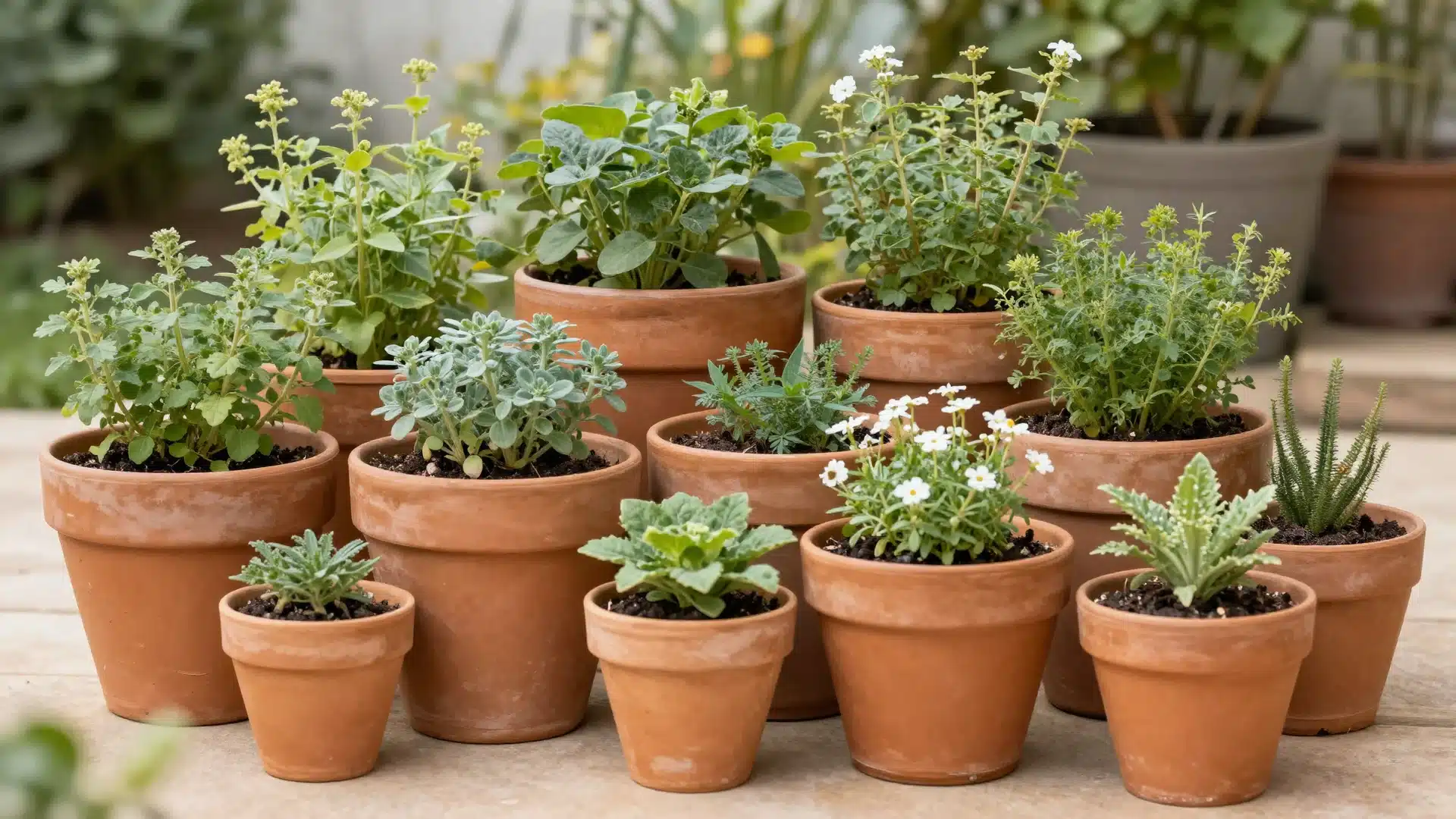
Container gardens are perfect for renters, those with poor soil, or anyone who wants flexibility. Pots can be moved, swapped out by season, and rearranged at any time.
- Group different pot sizes together for a layered, intentional look
- Mix trailing plants, upright plants, and ground-level herbs in one cluster
- Use lightweight fiberglass pots if you plan to move them often
- Repaint or repurpose old pots to add personality without extra cost
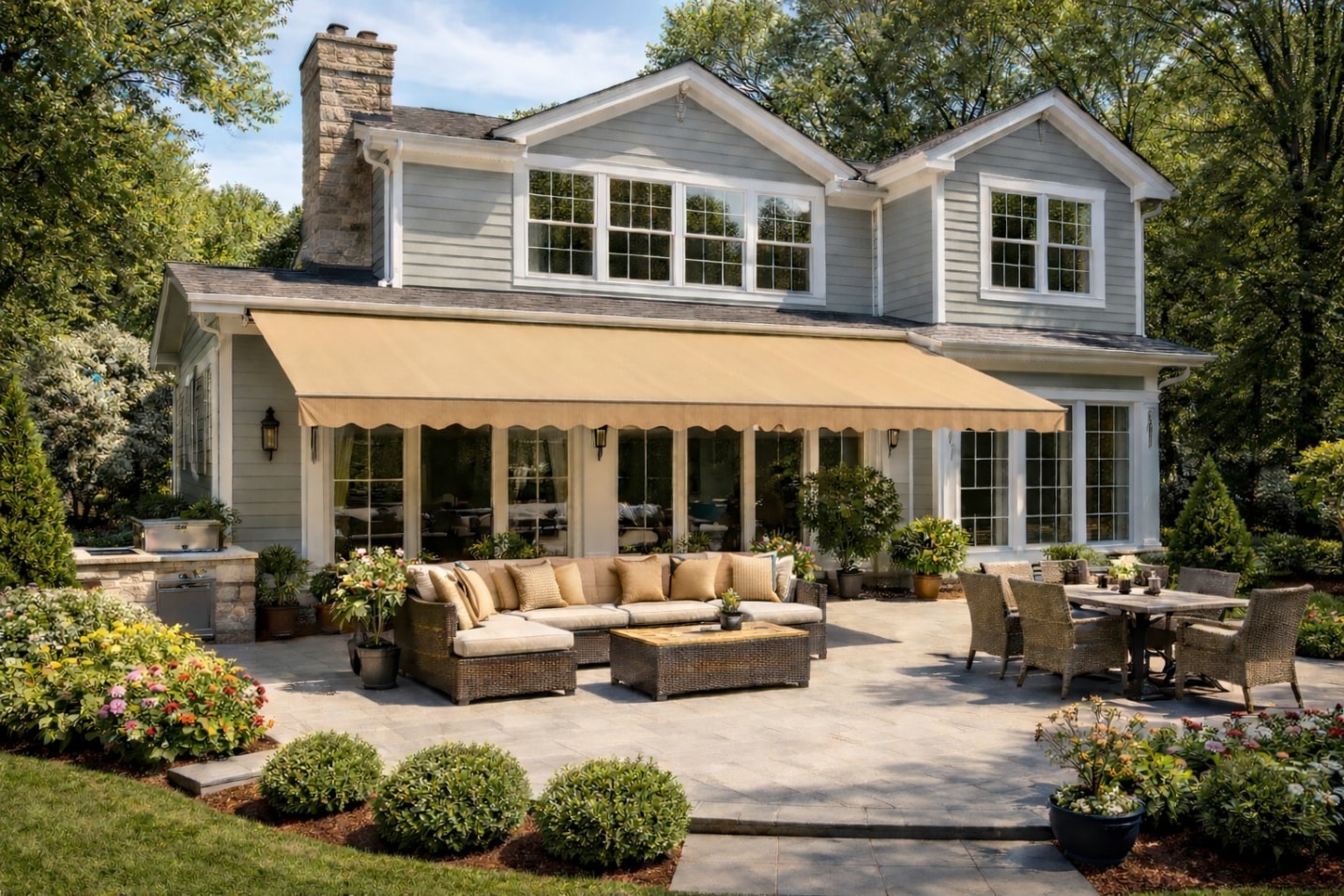
15. Add a Shade Sail or Retractable Awning
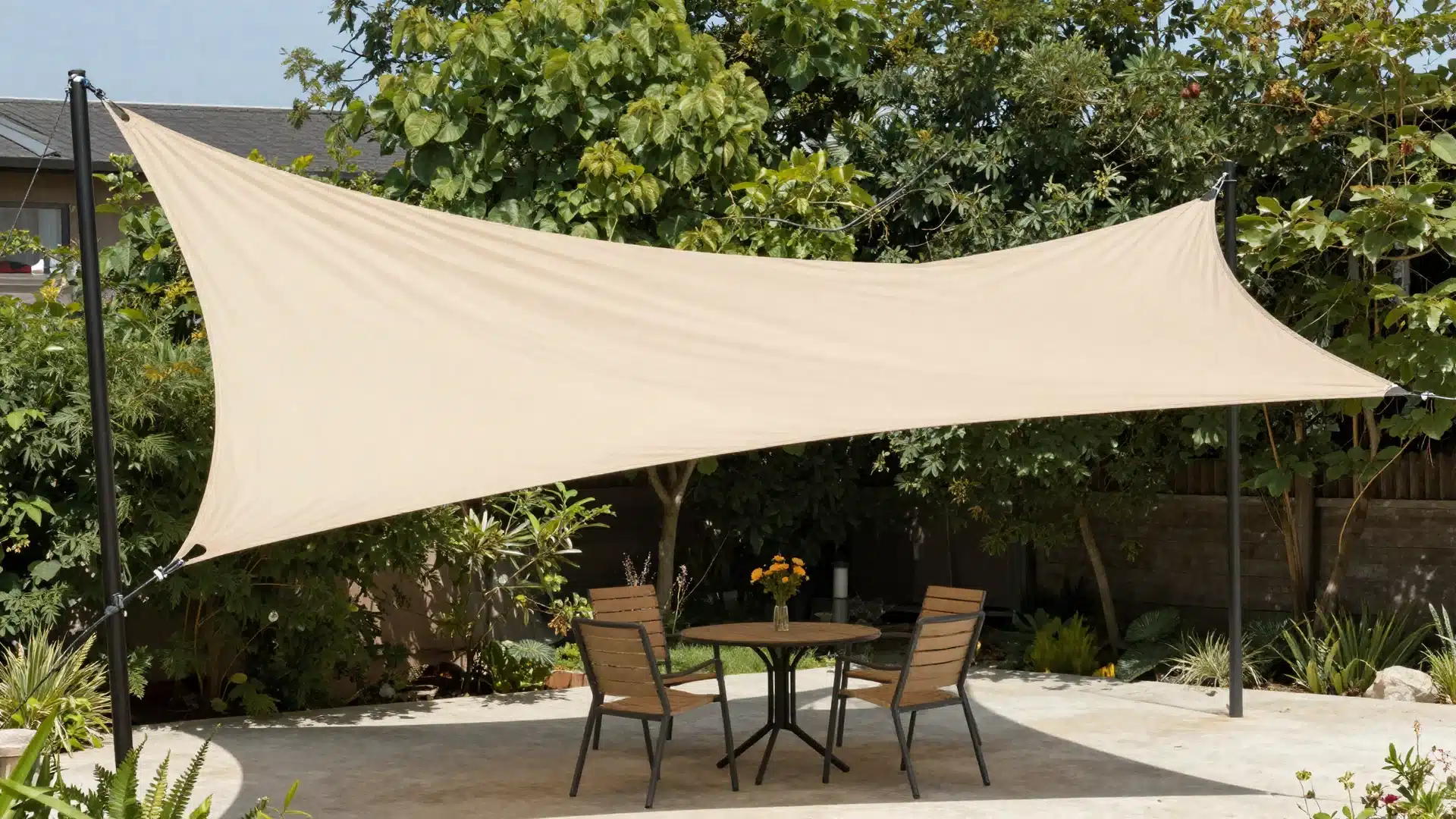
Shade makes a small backyard usable during the hottest parts of the day. Without it, a good-looking space sits empty through summer afternoons.
- A shade sail attaches to fence posts or wall anchors and costs far less than a fixed roof
- Choose a light, breathable fabric that allows some airflow underneath
- A motorized retractable awning costs more but gives you control at the touch of a button
- Position shade over the seating or dining zone where you spend the most time
If a shade sail feels too basic for what you need, here's a closer look at retractable awnings for outdoor living spaces, including what to look for before buying.
16. Grow an Edible or Herb Garden
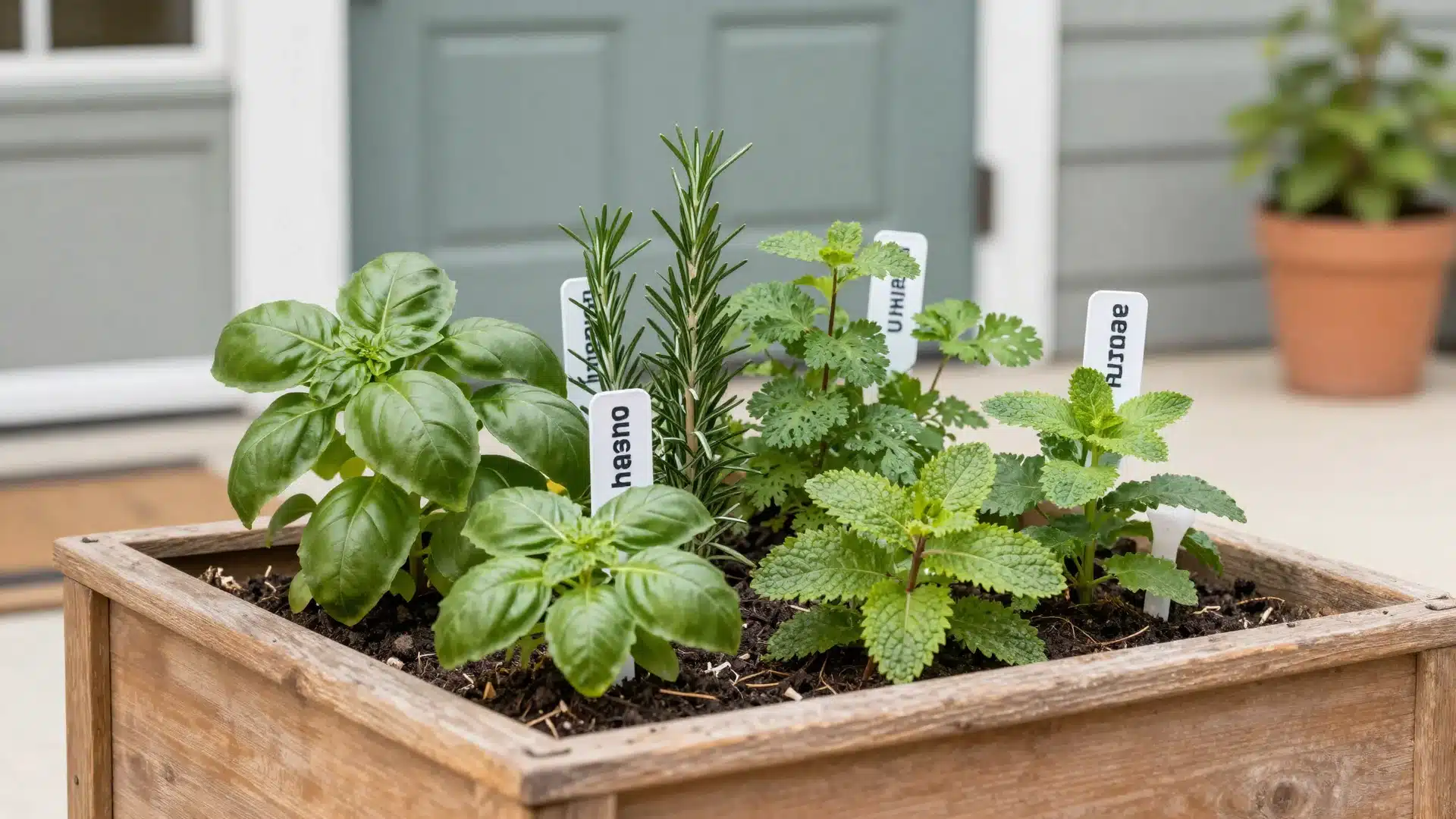
An edible garden is one of the most practical things you can add to a small backyard. It provides fresh food and gives the yard a clear purpose.
- Start with easy herbs: basil, mint, rosemary, parsley, and chives
- Native edible plants need less water and care than non-native varieties
- Place edibles near the kitchen door so you actually use them when cooking
- Edible gardens also attract bees and other pollinators, which keeps the whole yard healthier
17. Install Smart Outdoor Lighting
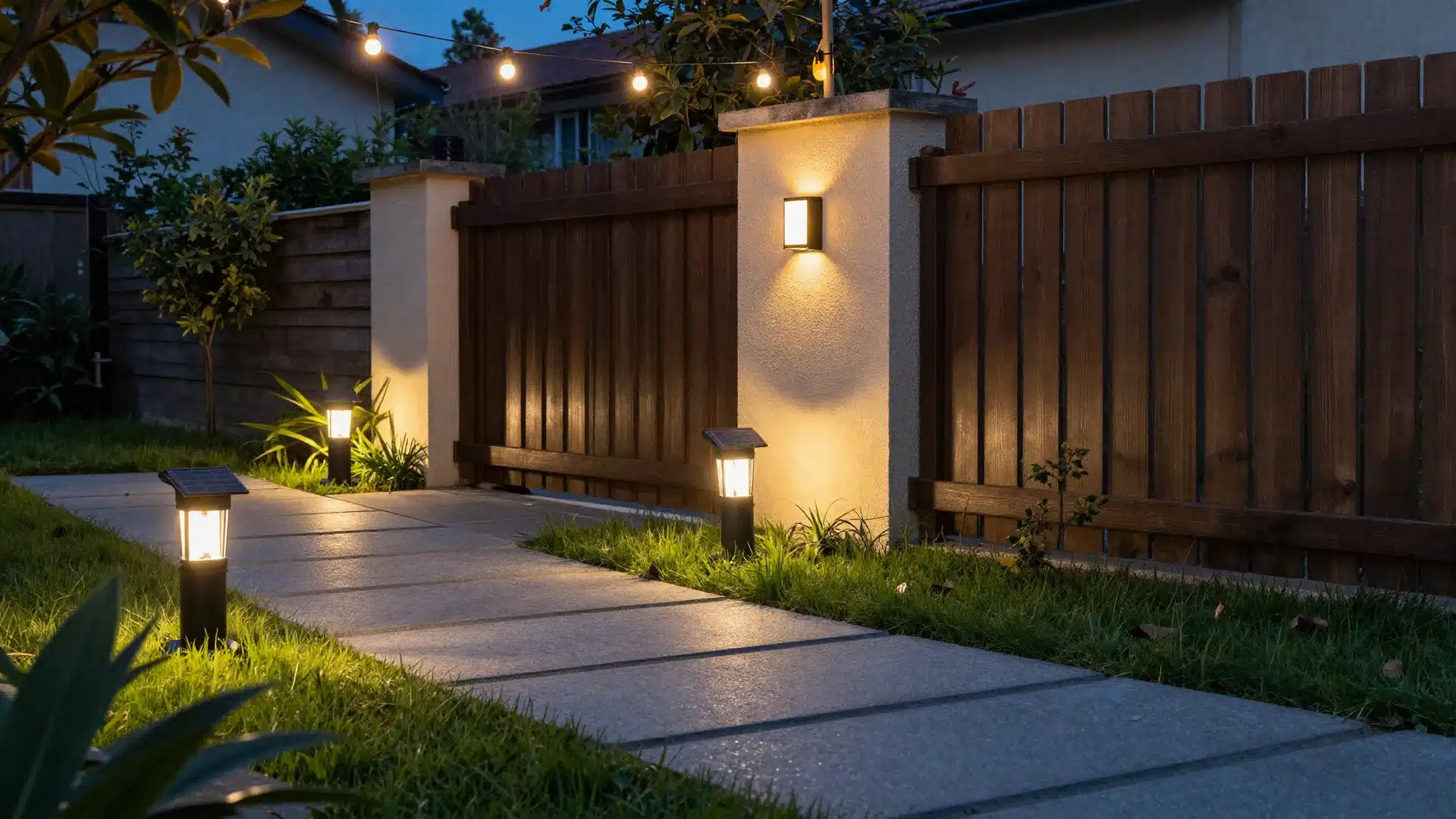
Good lighting is rarely one fixture. It is a combination of layers placed at different heights across the yard.
- Path lights along stepping stones improve safety and give the yard a finished look at night
- Solar spotlights pointed at a tree or plant create a focal point after dark
- Recessed LED riser lights on stairs or garden borders add a clean, architectural effect
- Use warm white bulbs throughout to keep the color palette consistent
18. Use Outdoor Rugs to Define Zones
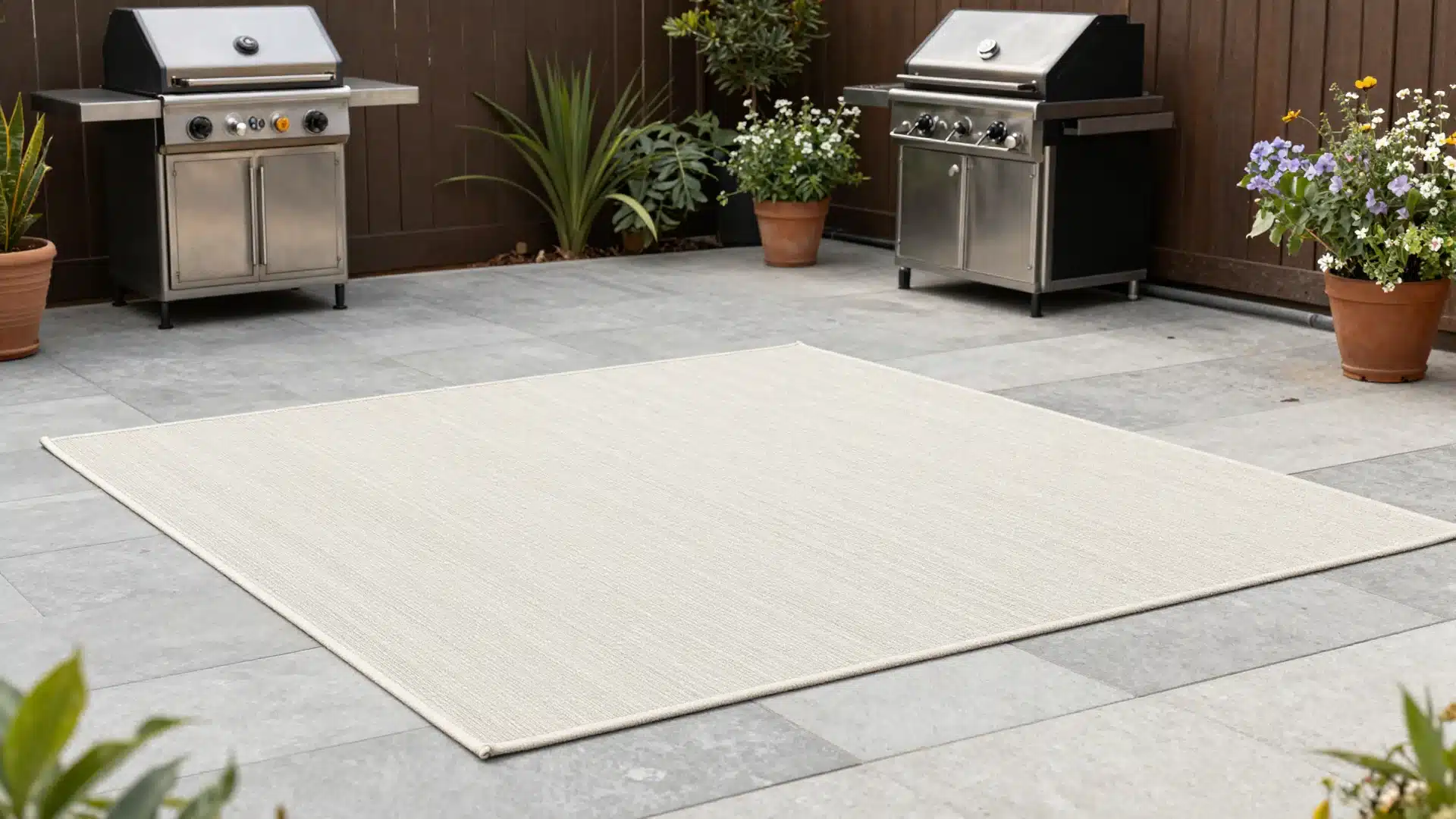
An outdoor rug works like a room divider. It separates the dining area from the lounge area or the grill zone from the seating zone without any construction.
- Choose a light-colored rug to make the area feel more open
- Pick weather-resistant materials like polypropylene that hold up in the sun and rain
- Layer two smaller rugs rather than one large one if you have multiple zones
- Anchor the rug with furniture so it does not shift or curl at the edges
19. Build a Compact Outdoor Kitchen or Grill Station
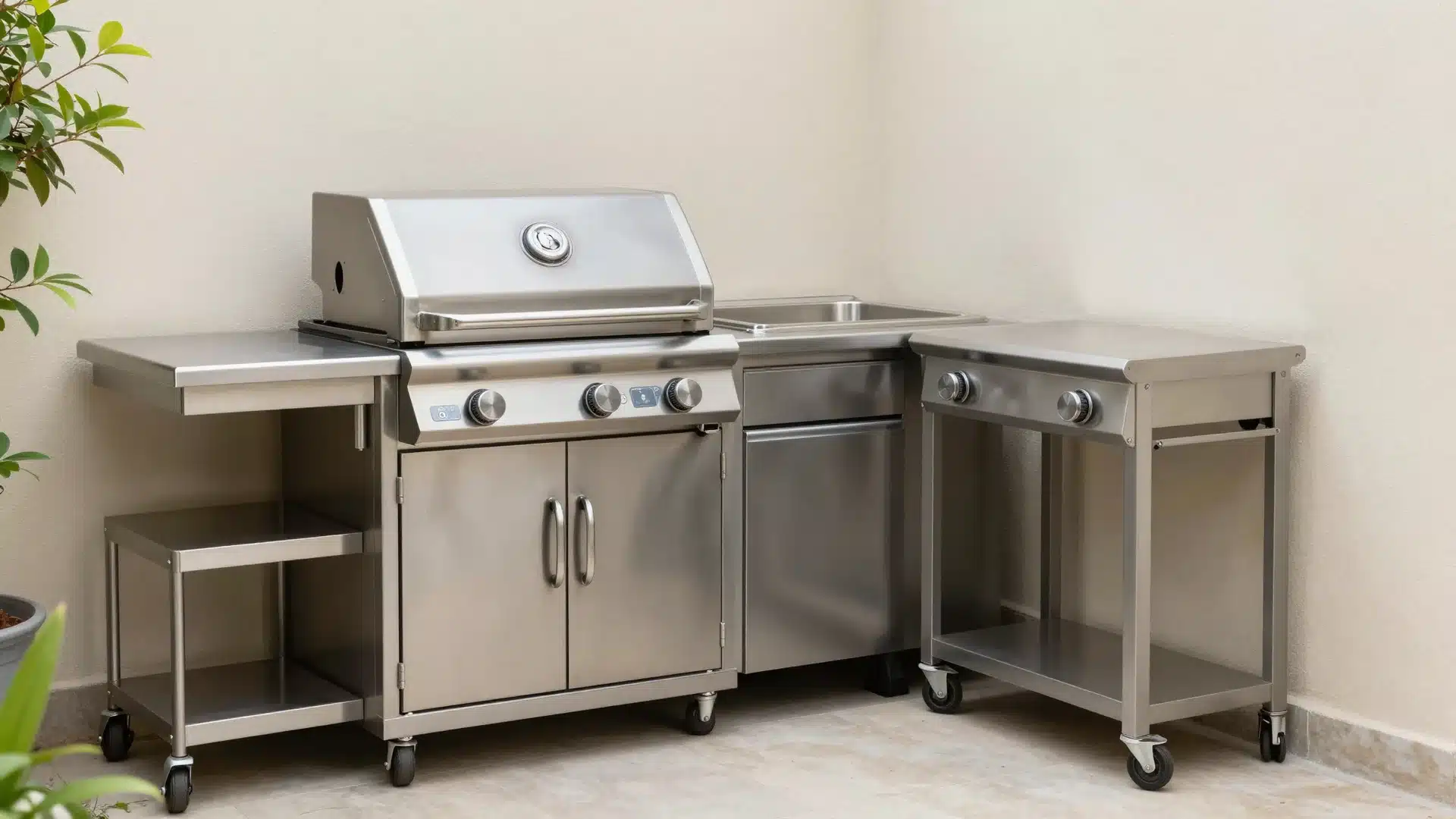
A small outdoor kitchen raises the function of your backyard without requiring a major build. Even a simple setup makes the space feel complete.
- A rolling cart grill or compact BBQ island works in yards as small as 10 by 10 feet
- Add a small prep counter beside the grill for cutting, plating, and staging food
- Keep the station near the house for easier access to the kitchen and utilities
- A compact outdoor kitchen can raise your home’s value, even a modest one
20. Add a DIY Rock Garden
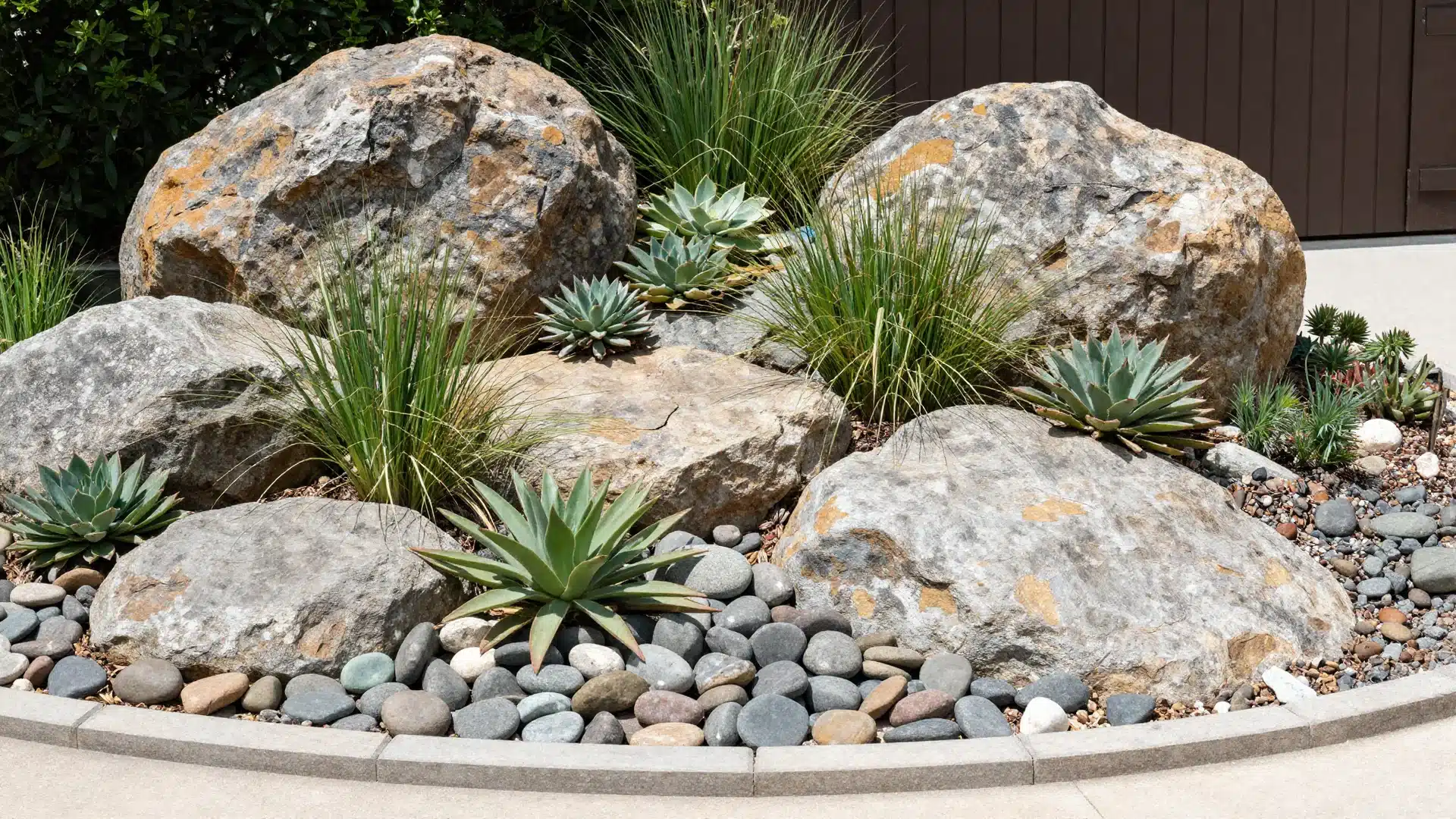
A rock garden is one of the lowest-maintenance options for a small yard. Once it is set up, it practically takes care of itself.
- Mix large boulders, flat stones, and river rocks for visual variety
- Plant drought-tolerant succulents, ornamental grasses, or cacti between the rocks
- Use curved borders rather than straight lines for a more natural look
- Source large rocks locally. Stone yards and landscape suppliers often sell them by the pound
21. Use Upcycled Items as Planters or Decor
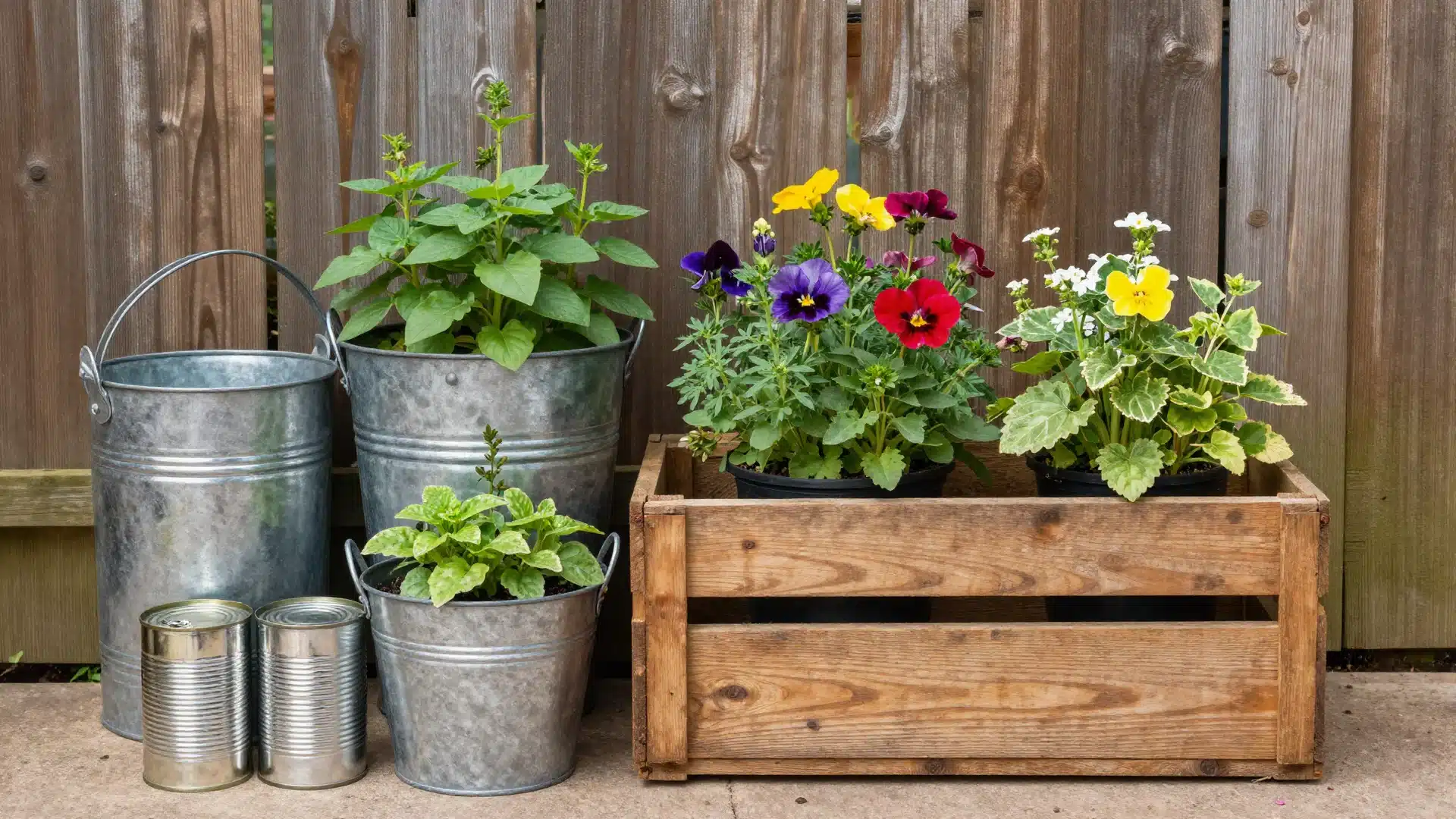
Upcycled planters and decor add personality to a small backyard in a way that bought items rarely do. They also cost very little.
- Old metal watering cans, buckets, and wooden crates work well as planters
- Painted tires stacked on top of each other make a colorful raised planter
- Broken ceramic pieces can become mosaic stepping stones or border edging
- A repurposed pallet mounted on a fence works as a vertical planter with some basic woodworking
22. Blur the Line Between Indoors and Outdoors
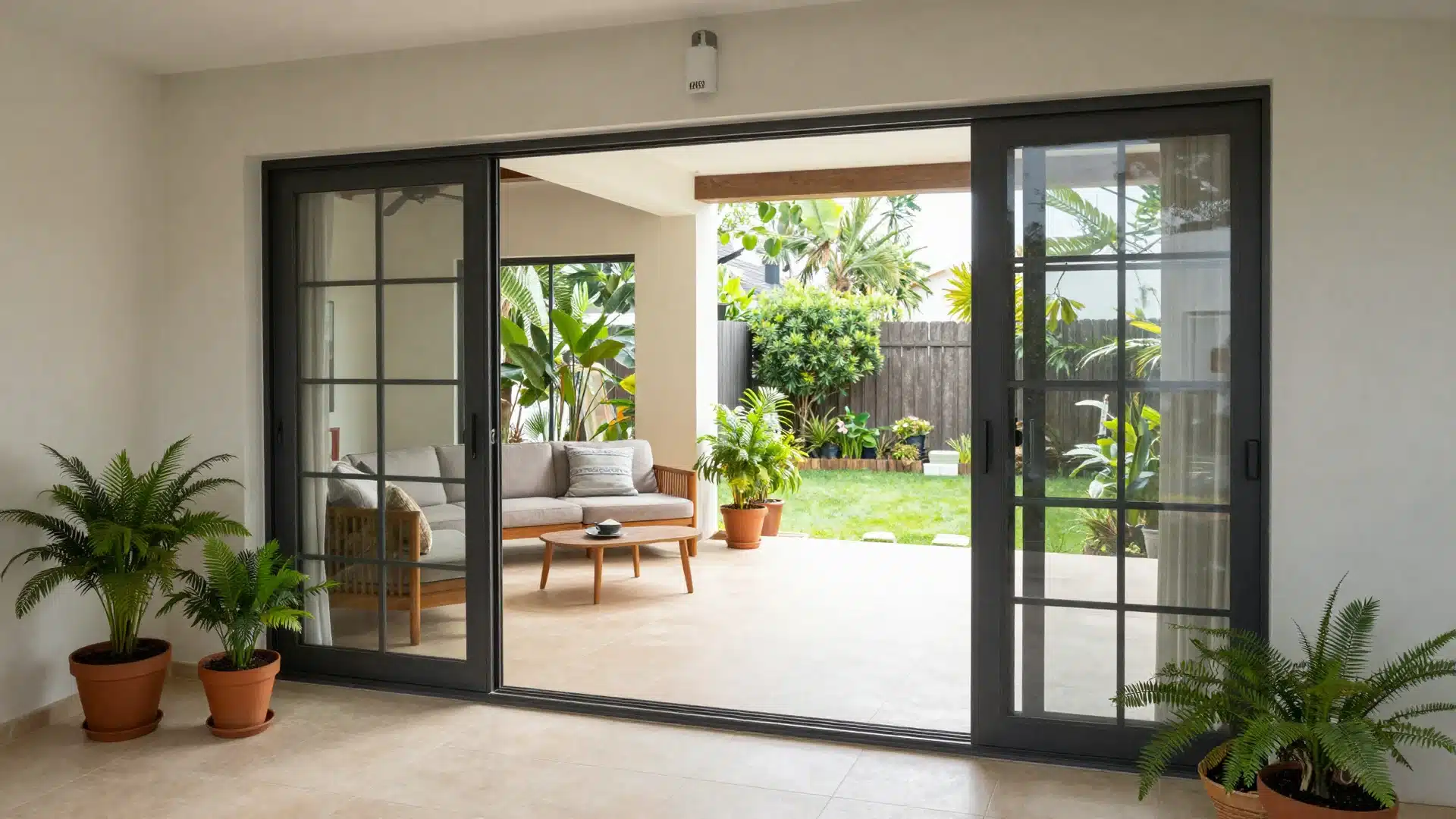
When a small backyard feels connected to the inside of the house, both spaces feel larger. The visual flow matters a lot in a tight space.
- French doors or wide sliding glass doors open the interior directly to the yard
- Extend the same floor material used inside out onto an outdoor patio, where possible
- Place container plants near the threshold to connect the two zones without a hard stop
- Match indoor and outdoor color palettes so the spaces feel like one continuous area
23. Plant a Statement Tree
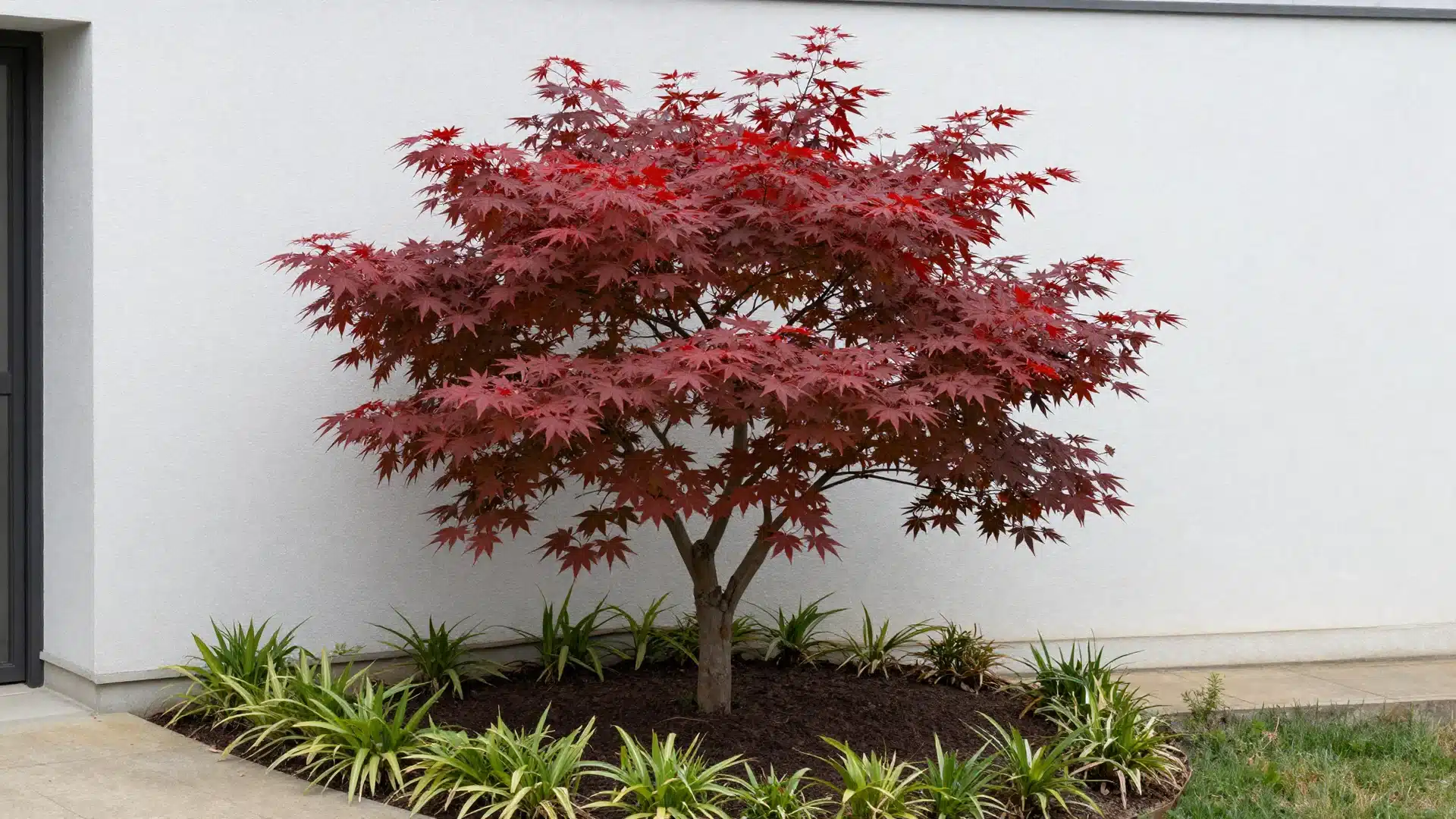
One well-chosen tree can do the work of five smaller plants. It creates shade, adds height, and gives the yard a clear focal point.
- Choose a dwarf or compact variety suited to your yard size and local climate
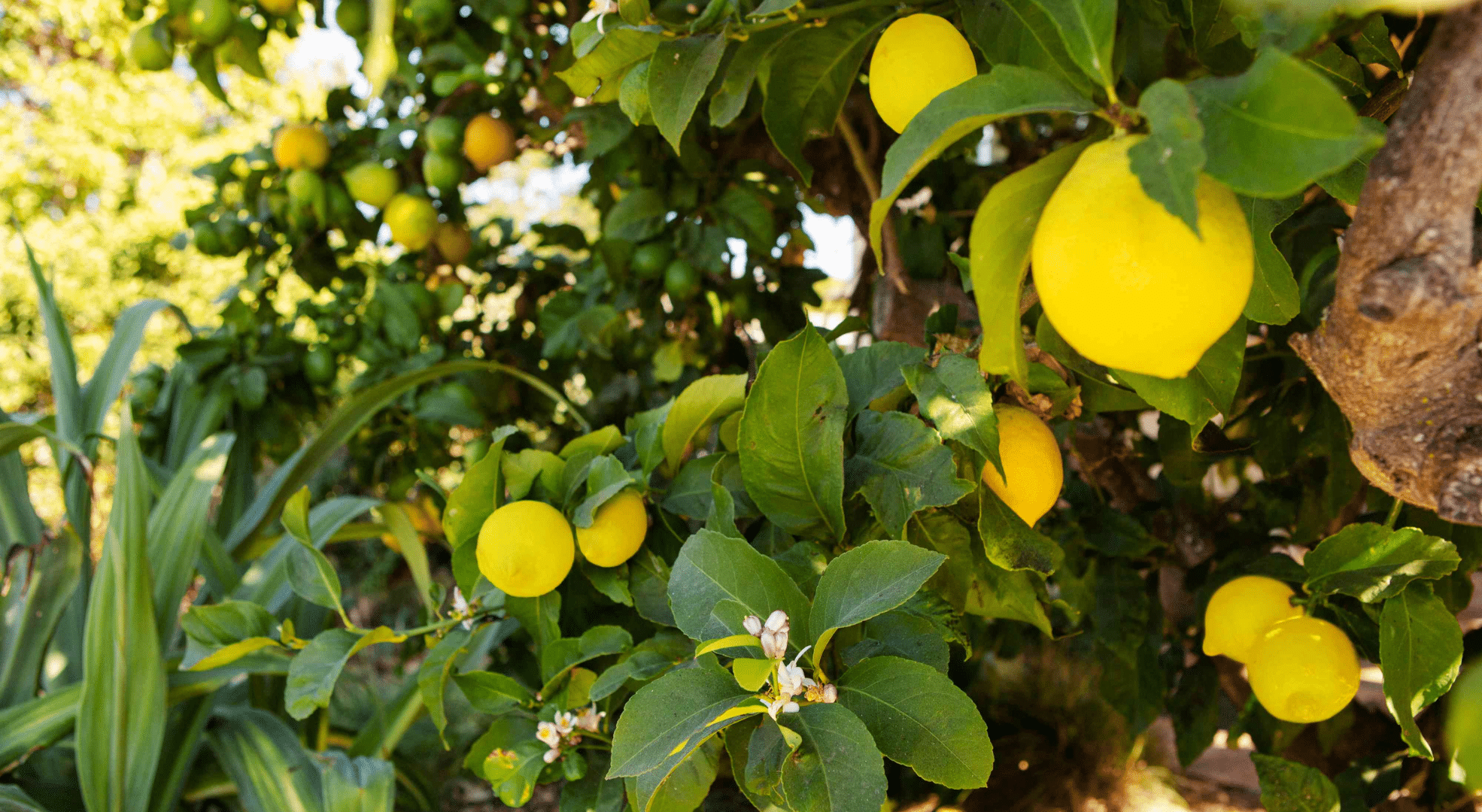
- A fruit tree adds function. Fig, dwarf apple, and lemon trees all work well in small spaces
- A flowering tree, like a Japanese maple or crepe myrtle, adds seasonal color without growing too large
- Place it off-center rather than in the middle of the yard to keep the layout from feeling predictable
24. Add a Zen or Meditation Corner
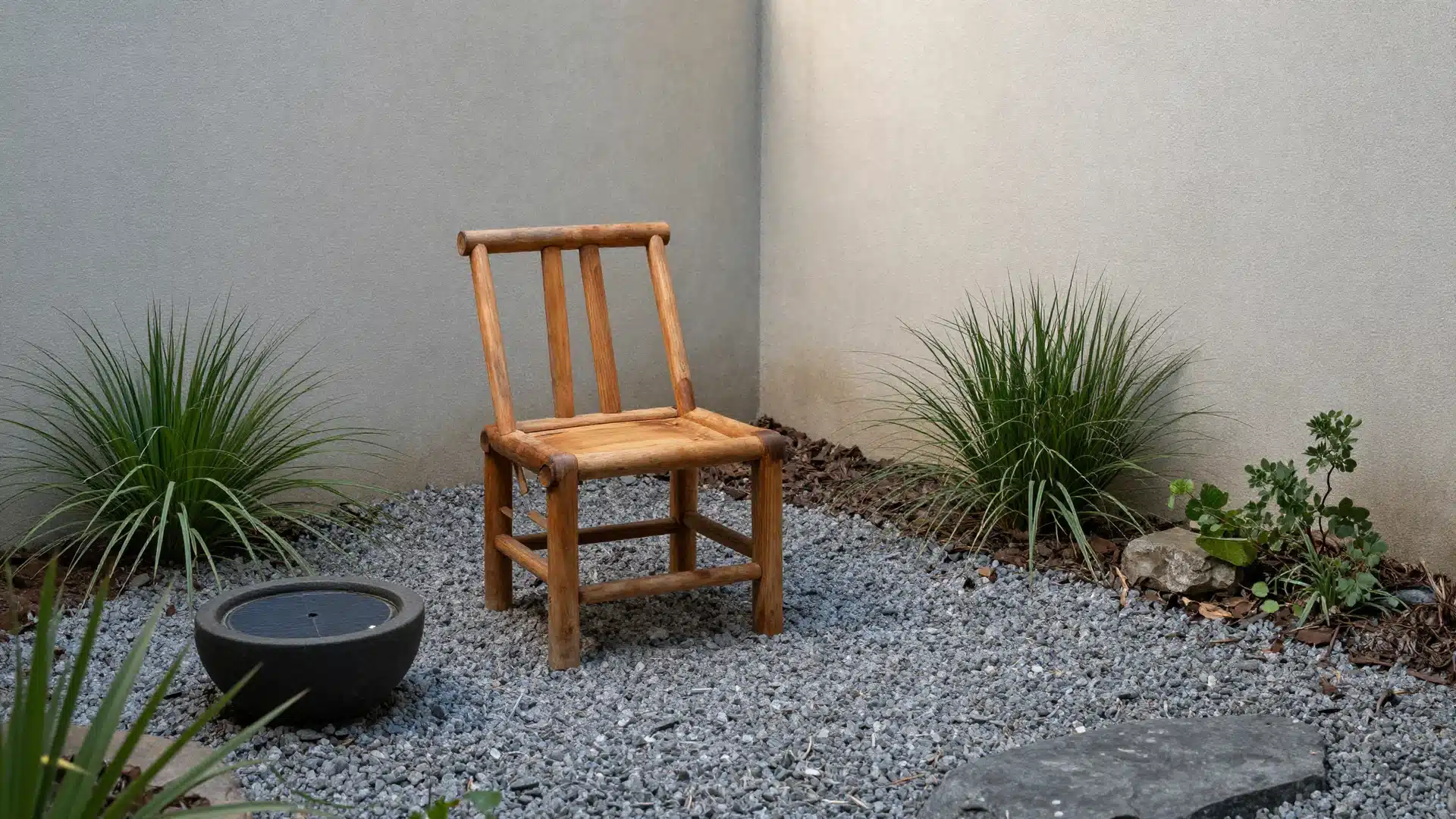
This is one of the most searched backyard trends in the US right now, with wellness content generating over 1.36 million social media posts in 2026. Yet very few small backyard guides cover it properly.
A Zen corner takes up almost no space and requires very little investment.
- A single outdoor chair or low bench
- A small solar-powered fountain nearby for background sound
- A patch of fine gravel raked into a simple pattern
- Two or three low plants around the edges to soften the look
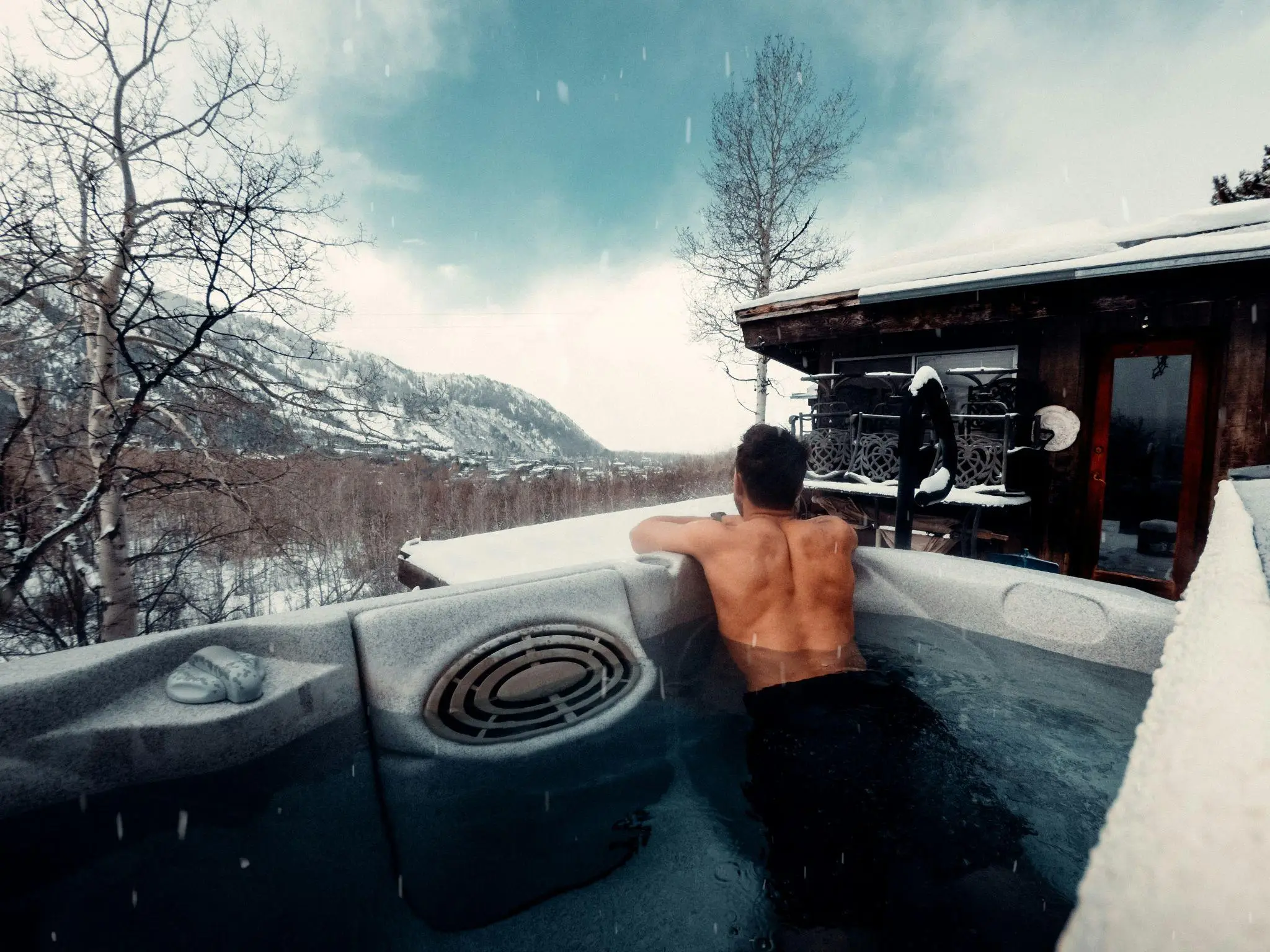
If your budget allows, a compact cold plunge tub fits in a corner as small as 5 by 5 feet. Cold plunge searches hit over 1 million on Google this year, so demand is clearly there.
25. Install a Slatted Wood or Metal Privacy Fence
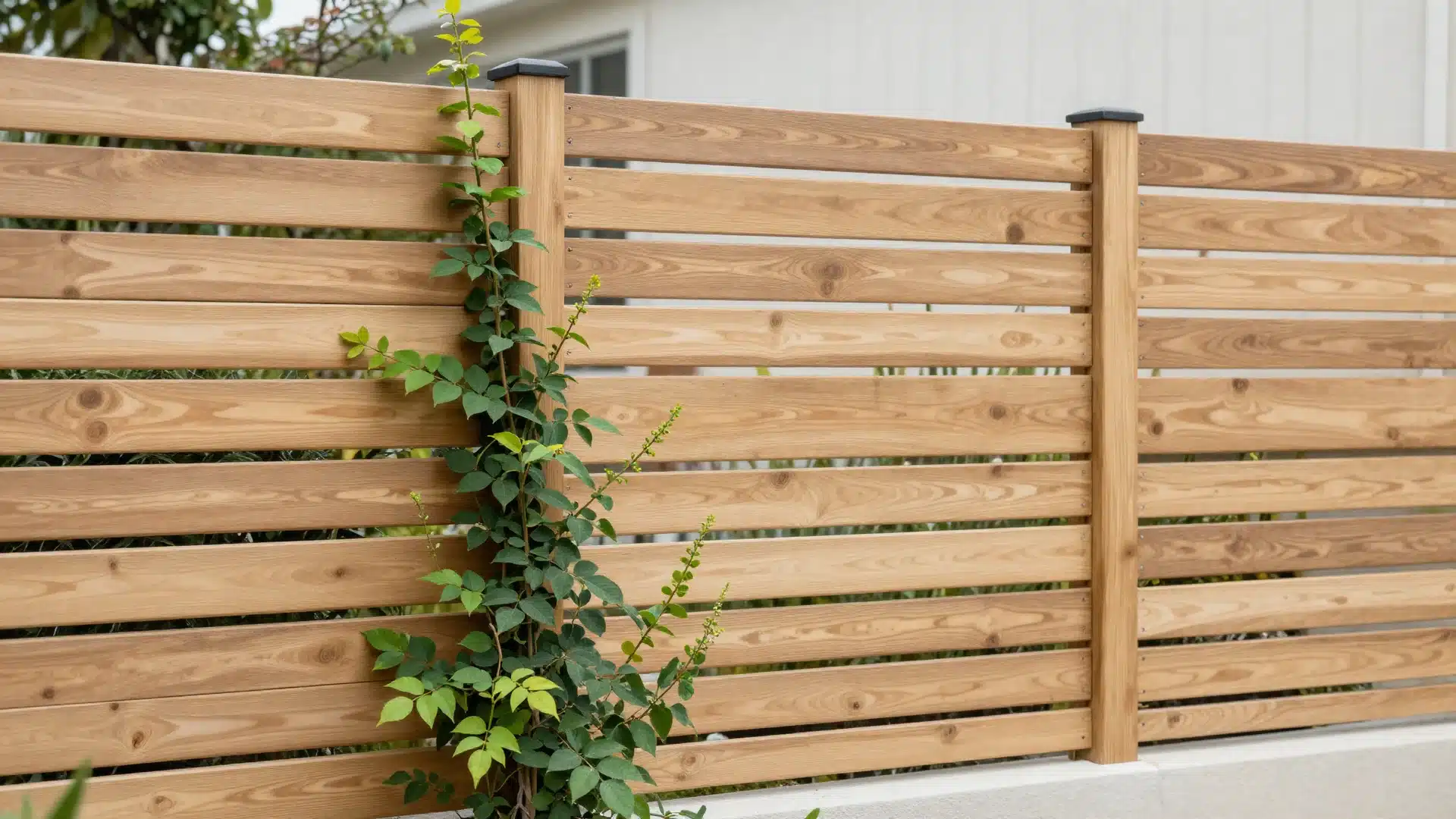
A slatted fence is a step up from both a solid wall and an open chain-link fence. It gives privacy while letting light and air through.
- Horizontal wood slats give a warm, modern look that works with most home styles
- Vertical metal slats suit contemporary or industrial-style homes
- Both work as a support structure for climbing plants if you want added greenery
- Paint or stain wood slats every few years to keep them in good condition
26. Create a Kids’ Play Zone on a Vertical Wall
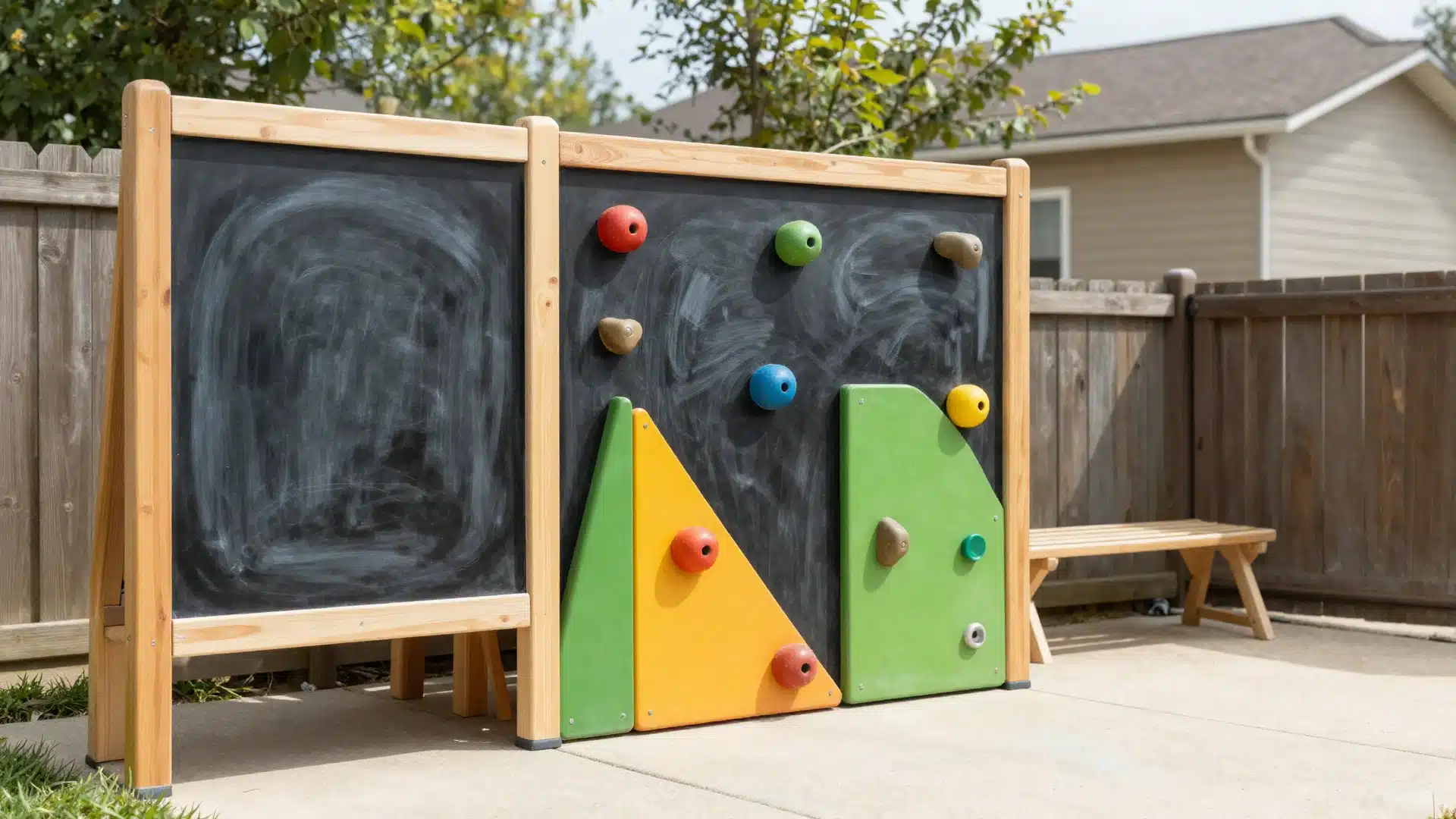
A ground-level play structure in a small backyard takes up a huge amount of space. A vertical play zone on a fence or wall does the same job with almost none of the footprint.
- Mount a chalkboard panel on a fence for drawing and games
- Install climbing wall holds on a fence or exterior wall for physical activity
- Add a small basketball hoop at a low height for younger kids
- Include a fold-down bench nearby so adults can sit close while kids play
How Do I Design My Small Backyard?
Start by writing down how you want to use the space. Then measure it. Divide it into one or two clear zones using outdoor rugs, pavers, or planters.
Choose furniture that folds, stacks, or stores easily. Add plants on walls or fences to save ground space. Keep the layout simple and leave room to move around comfortably.
In Closing
A small backyard design does not need a big budget or a total rebuild. It needs clear priorities, the right materials, and a layout that fits how you actually live.
The small backyard design ideas in this guide cover everything from vertical gardens and compact fire pits to Zen corners and upcycled planters.
Start with one or two ideas that feel manageable. Build from there. The best small backyards are the ones that get used, not the ones that only look good in photos.
Which idea are you planning to try first? Drop it in the comments below. And if you’re working on your front yard too, our guide on budget landscaping ideas has more ideas worth checking out.