To keep a home in Southeast Texas running smoothly, you need to care for both your yard and the plumbing inside your home year-round. Sudden cold snaps and severe summer droughts put enormous strain on underground pipes.
Homeowners who ignore early warning signs often face costly water damage and ruined flower beds. Smart preventive maintenance measures will keep your property protected in every season.
How Your Garden’s Drainage Affects Your Foundation and Pipes
Heavy downpours along the Gulf Coast can flood several inches of water onto your property within a few hours. Poor landscaping in your yard can trap moisture right next to your concrete slab.
The water-saturated soil expands and presses against your foundation, which can cause underground utility lines to rupture. Working with licensed plumbers in Houston can help you detect hidden leaks before they lead to ground shifting.
Standing water also encourages tree roots to penetrate your sewer lines. Roots seek out tiny cracks in older clay or cast-iron pipes in search of moisture. Once inside, they block wastewater flow and cause unpleasant backups in your home. Properly installed drainage channels and clean gutters safely direct rainwater away from your home.
Preparing Outdoor Faucets and Sprinkler Systems for Freezing Temperatures
Winters in Texas are mild for most of the year, but sudden, severe frosts can set in quickly. Unprotected outdoor faucets freeze overnight and burst behind your exterior walls. Often, you don’t notice the burst pipe until temperatures rise again and water seeps into your drywall. Simple fall preparations can prevent this common winter problem.
Follow these quick steps before the first frost hits your neighborhood:
- Disconnect all rubber garden hoses from the outdoor faucets and let the water drain out.
- Cover each outdoor faucet with an insulated foam sleeve.
- Close the main water valve to your lawn sprinkler system.
- Drain any remaining water from your backflow preventer.
- Wrap any exposed metal pipes in your garage or attic with foam tubing.
Checking these items takes less than thirty minutes on a Saturday morning. Spending a few dollars on foam insulation can save thousands on emergency drywall repairs.
Maintaining Backflow Preventers to Ensure Clean Drinking Water
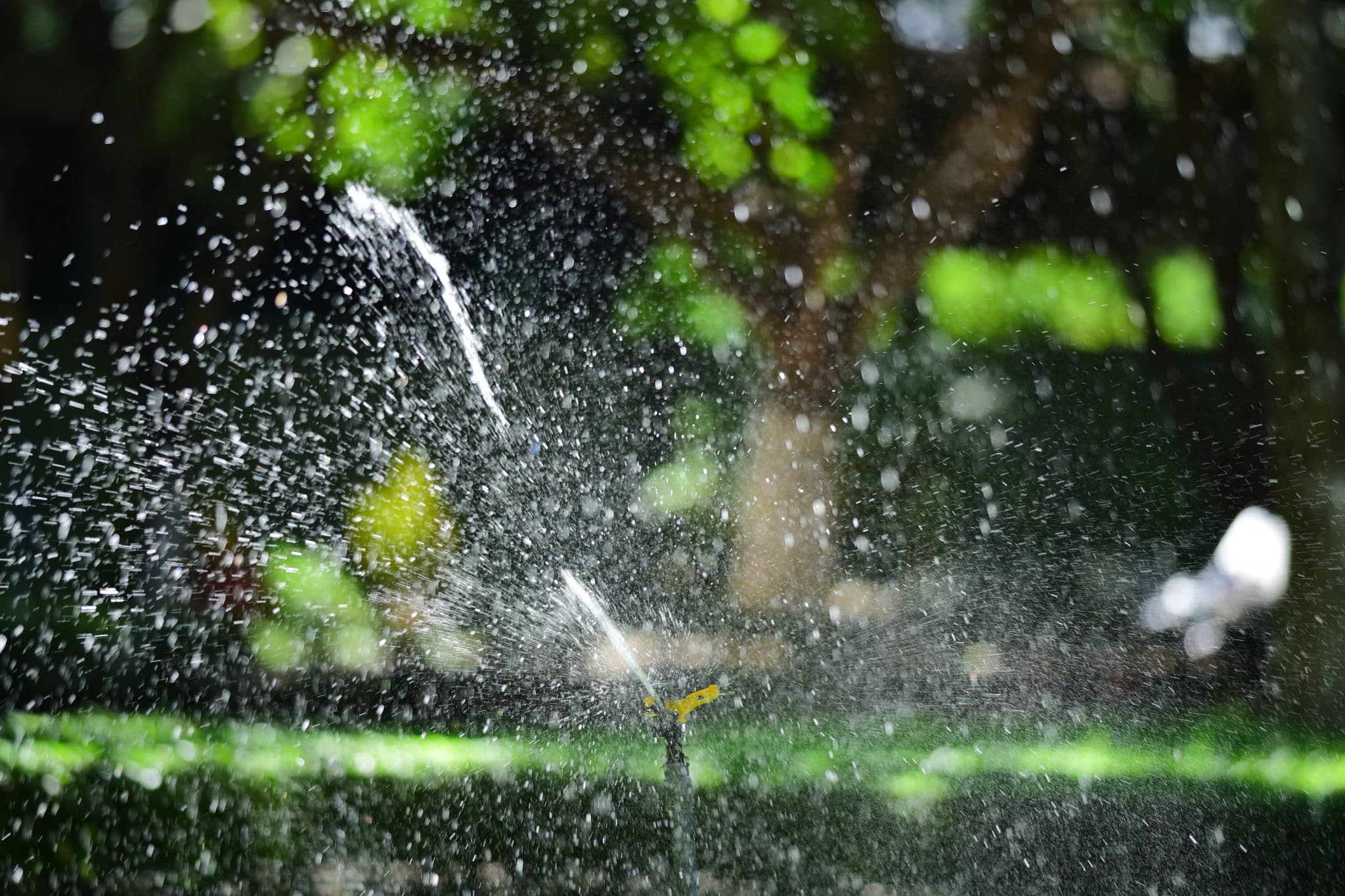
Every lawn sprinkler system is connected directly to your home’s fresh water supply. Fluctuations in water pressure can cause contaminated lawn water to flow back into your kitchen faucet. Fertilizers, pesticides, and pet waste pose a serious health risk if they enter your drinking water lines. Local building codes require all irrigation systems to have properly functioning backflow preventers.
You should inspect your backflow prevention device every spring before putting your sprinkler system back into service. Also, look out for cracked brass fixtures, rusty valves, or water dripping from the overflow drain. Certified technicians inspect the internal check valves to ensure they close tightly. Planet Houston Plumbing handles these annual inspections to keep your household’s water supply clean and compliant.
Managing Water Pressure Throughout Your Home and Garden
High water pressure from the municipal water supply may feel great in the shower, but it causes premature wear and tear on your household appliances. Pressure above 80 PSI strains washing machine hoses, water heaters, and sprinkler heads.
Over time, this consistently high pressure can cause tiny holes to form in copper pipes and cause nozzles in drip irrigation systems to burst. With a simple screw-on pressure gauge, available at any hardware store, you can measure the exact PSI level in your home.
If the reading is too high, a licensed plumber can install a pressure-reducing valve. This small brass device attaches to your main water line and maintains pressure at a safe level of 55 to 65 PSI. Your faucets will continue to deliver a strong stream of water, while the lifespan of your underground irrigation zones will be significantly extended.
Detecting Hidden Underground Leaks
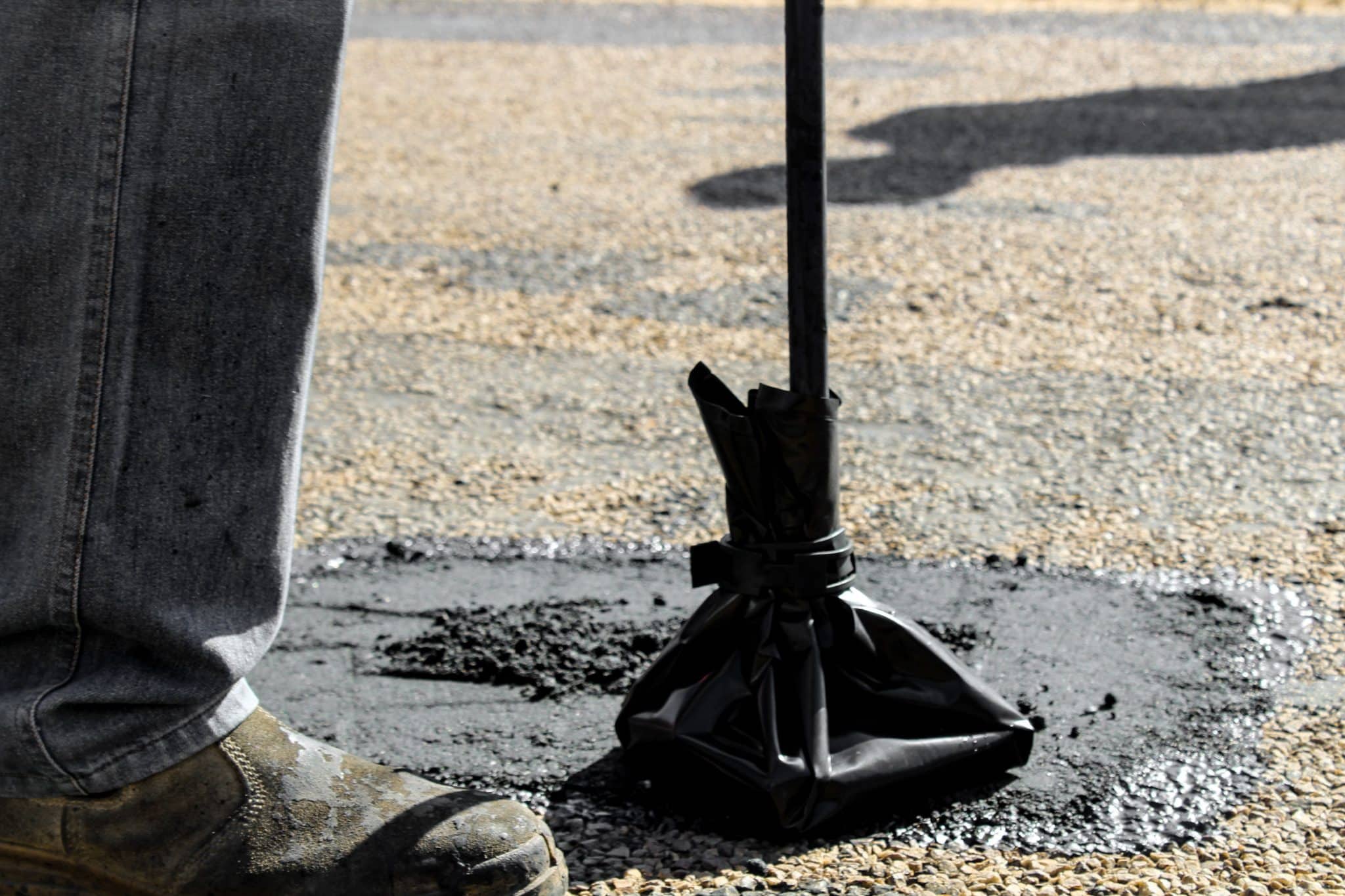
Thousands of gallons of water are lost through leaky underground pipes before puddles even form on the surface. You may notice a section of your lawn is significantly greener and taller than the rest.
Puddles during the dry weeks of August also clearly indicate a problem with the main line or the sprinkler valve. If you spot these signs early, you can prevent your monthly water bill from skyrocketing.
Watch out for the following warning signs around your property:
- The dial on your water meter is turning even though all faucets inside and outside the house are turned off.
- You hear a faint hissing sound or running water coming from behind the bathroom walls.
- Warm spots are forming on your tile or hardwood floors over the pipes laid in the subfloor.
- The water pressure suddenly drops at several faucets at the same time.
- Mold is forming near the baseboards, or a musty odor is present, even though there is no visible leak in the roof.
Never ignore a sudden increase in your monthly water usage. If you pinpoint the exact location of the leak early on, you can keep excavation work and concrete cutting to an absolute minimum.
Keeping Grease and Yard Debris out of Main Drains
Cooking grease cools down in the underground pipes and traps food scraps, hair, and soap residue. Heavy spring storms also wash mulch, leaves, and mud into outdoor drains. Regular maintenance ensures the wastewater can flow unimpeded into the city’s main sewer system.
Pour cooled cooking oil into a disposable container instead of pouring it down the drain. Place strainers over shower drains, and make sure outside drain covers are tightly screwed down.
If you want to avoid the hassle of plumbing nuances, you can always call Planet Houston Plumbing, which brings local experience to every residential call across the greater Houston area. Scheduling routine checkups helps keep your home and garden dry, healthy, and worry-free all year long.