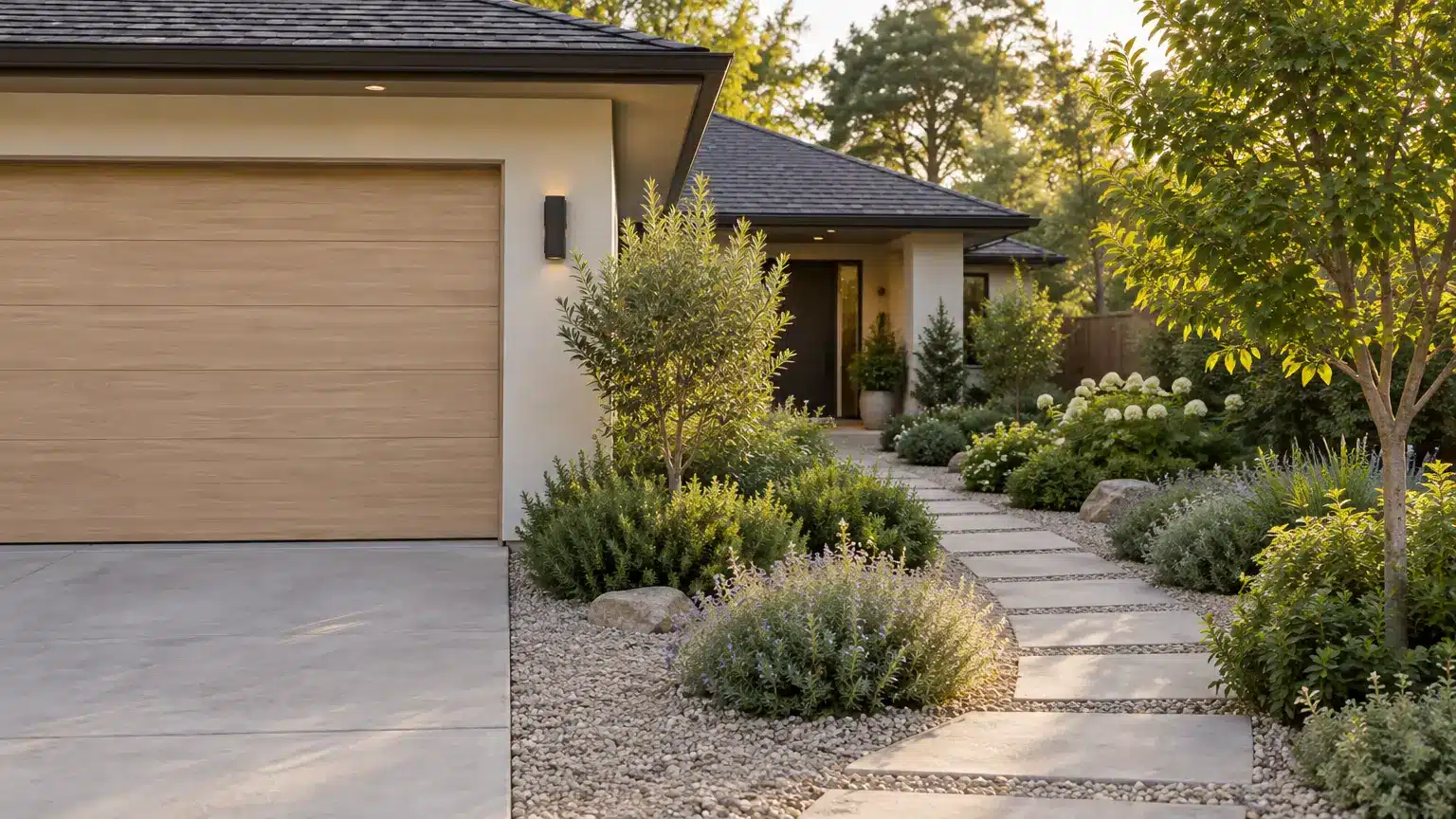
A beautiful garden doesn’t end where the driveway begins. The garage, pathways, planting beds, and outdoor work areas all contribute to how a property looks and functions. Yet homeowners often plan these spaces separately, missing opportunities to create a more practical and attractive landscape.
Even the garage door can influence the overall appearance. Exploring modern contemporary garage door designs can provide inspiration for creating a clean transition between the house, driveway, and surrounding greenery.
The goal isn’t to turn your garage into a showpiece. It’s to make the building work naturally with your garden and everyday outdoor activities.
Start With the Landscape, Not the Garage Door
Before changing anything around your garage, take a good look at the surrounding yard. Where does sunlight fall during the afternoon? Which areas collect water after heavy rain? Are mature trees shading the driveway or dropping leaves into the gutters?
These details matter more than many homeowners realize. A garage positioned beside large shrubs may suffer from restricted airflow and trapped moisture. Similarly, planting beds placed too close to the entrance can interfere with access and routine maintenance.
Consider the entire outdoor layout before choosing new materials or finishes. A thoughtful design should allow the garage and garden to complement each other without competing for space.
Create a Practical Route Between the Garage and Garden
Anyone who regularly maintains a garden knows how often tools and supplies need to move between storage and outdoor work areas.
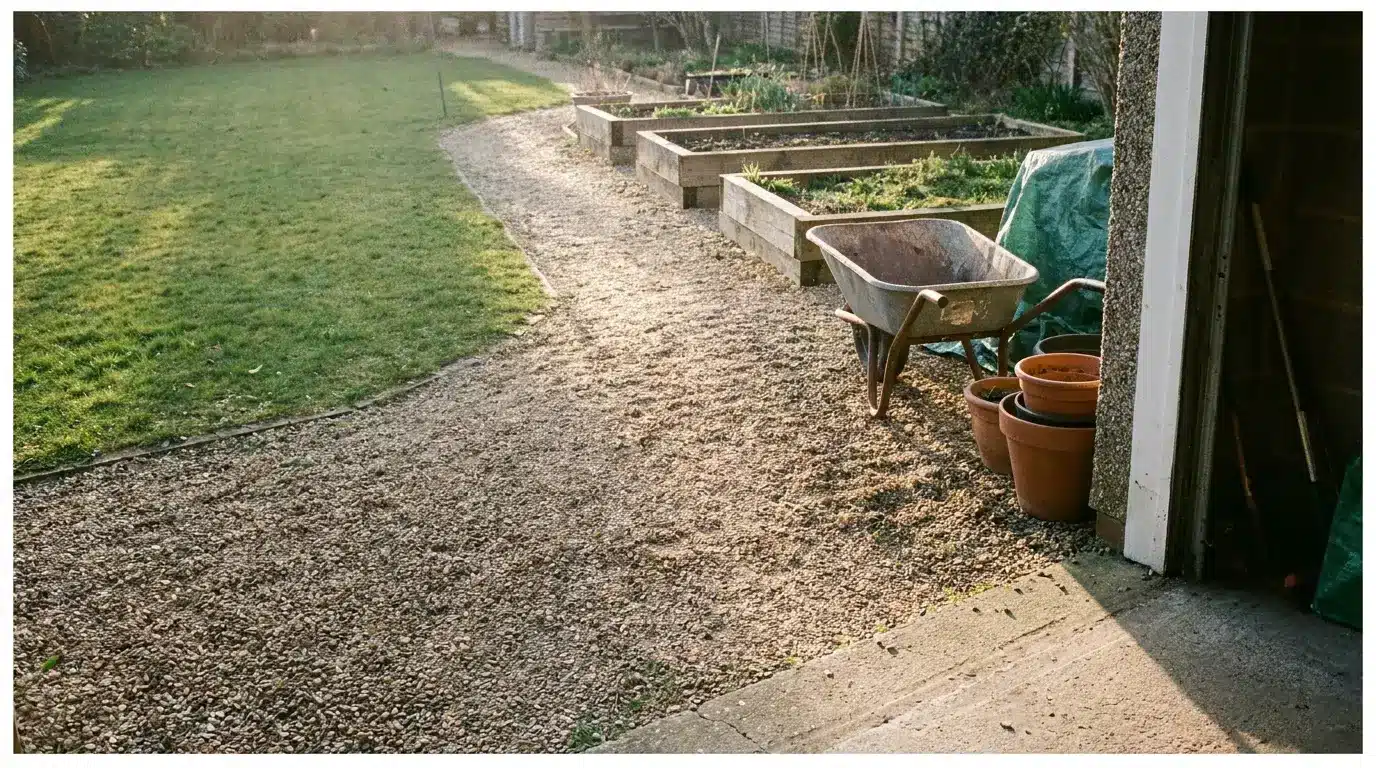
Dragging a wheelbarrow across uneven ground or carrying heavy soil bags around obstacles quickly becomes frustrating.
A clear, stable pathway can make gardening considerably easier. Choose a surface that suits your climate and expected use. Concrete, properly installed pavers, and compacted gravel may all work in different situations.
Make sure the route is wide enough for your equipment and doesn’t create unnecessary steps or sharp turns. If possible, position frequently used gardening supplies near the entrance closest to the yard.
Small improvements to accessibility can save considerable effort throughout the growing season.
Choose Finishes That Can Handle Outdoor Conditions
A garage used for gardening needs to withstand more than occasional vehicle traffic. Mud, damp equipment, fertilizer bags, and changing temperatures can all affect surfaces over time.
Durable flooring and washable wall finishes make routine cleaning much easier. For the exterior, consider materials that tolerate your local weather without requiring constant maintenance.
In humid regions, moisture management deserves particular attention. Good drainage, appropriate ventilation, and keeping plants away from vulnerable wall surfaces can help reduce problems.
Avoid piling mulch or soil against exterior siding, as prolonged moisture contact may contribute to deterioration. A garage that looks attractive but requires constant repairs isn’t particularly practical.
Match the Garage Door to the Work You Actually Do
Not every garage serves the same purpose. A typical residential garage may only need enough clearance for a vehicle, lawn mower, and gardening tools.
However, larger properties, nurseries, and landscaping businesses can have very different requirements. These spaces may need to accommodate tractors, trailers, pallets, or other bulky equipment.
For demanding commercial applications, industrial overhead doors are designed for facilities where access, durability, and operational requirements differ from those of an ordinary household garage.
The appropriate door depends on opening dimensions, equipment clearance, frequency of use, and environmental conditions.
For residential properties, a simpler garage door is often sufficient. Commercial-grade equipment should only be considered when the intended use genuinely justifies it.
Whatever the application, professional installation and regular maintenance are important for safe, reliable operation.
Don’t Let Drainage Ruin Your Landscaping
Water management is one of the most overlooked parts of outdoor improvements. A freshly landscaped driveway may look impressive, but poor grading can direct rainwater toward the garage foundation.
Over time, persistent moisture may damage stored belongings and create maintenance problems. Observe how water moves across the property during rainfall.
Check whether runoff collects near the garage entrance, flows into planting beds, or creates muddy patches along pathways.
Gutters and downspouts should direct roof water toward an appropriate drainage location. Where necessary, a qualified contractor can assess grading or recommend drainage improvements.
Effective water management helps protect both the building and the surrounding landscape.
Use Plants to Soften the Garage Without Hiding It
A garage doesn’t have to dominate the appearance of your yard. Thoughtful planting can make a large structure feel more connected to the garden.
Low-growing shrubs, ornamental grasses, and carefully positioned flowering plants can soften hard architectural lines.
However, avoid selecting plants based entirely on how they look when young. A shrub that seems perfectly sized at planting time may eventually spread across a walkway or obstruct the garage entrance.
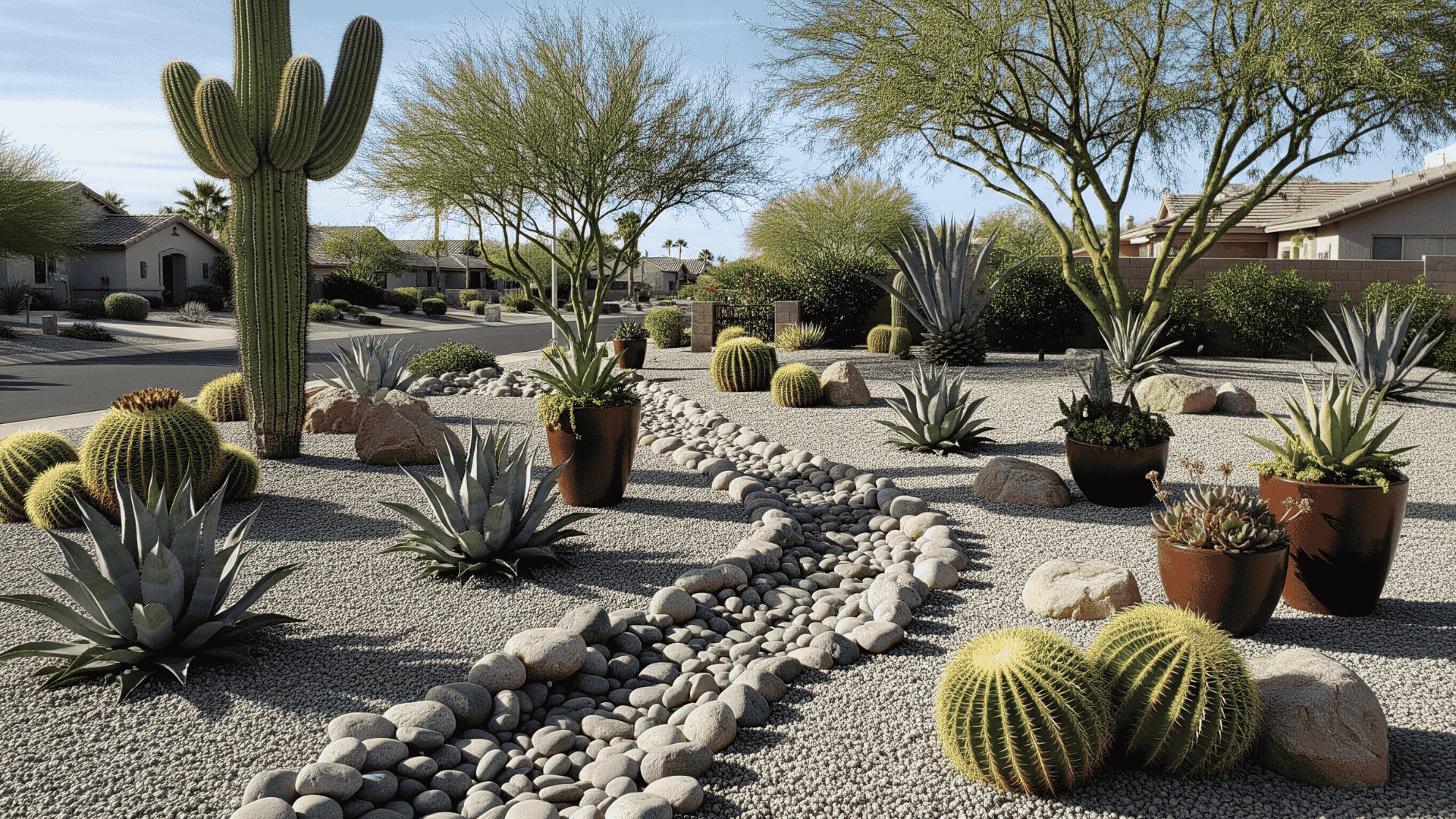
Always consider mature height, width, root growth, and maintenance needs. In warm climates, drought-tolerant or locally adapted plants may be useful choices for areas exposed to reflected heat from concrete driveways.
Choose plants that suit the site rather than forcing unsuitable varieties into difficult growing conditions.
Make Room for a Proper Gardening Workstation
A garage can become much more useful when it includes a dedicated area for gardening tasks.
You don’t need an elaborate workshop. A sturdy bench, accessible shelving, and a convenient place for hand tools can make seed starting, potting, and equipment maintenance easier.
Keep potting mixes in suitable containers and store fertilizers and garden chemicals according to their labels.
Adequate ventilation is important, particularly when handling products that produce dust or fumes.
Good lighting also makes detailed tasks, such as pruning preparation or equipment repairs, more comfortable.
A functional gardening workstation reduces clutter and keeps messy projects away from indoor living areas.
Keep the Outdoor Space Easy to Maintain
One of the biggest mistakes in landscape design is creating something that looks beautiful initially but demands more work than the homeowner can reasonably manage.
Choose surfaces that are easy to clean and planting arrangements that allow access for pruning, watering, and repairs.
Leave sufficient clearance around doors, outdoor electrical equipment, and drainage components.
Inspect nearby trees periodically for branches that could interfere with access or damage the building during storms.
A manageable outdoor space often provides more enjoyment than a complicated design requiring constant attention.
Final Thoughts: Let the Garage Become Part of the Landscape
A well-designed outdoor area is more than a collection of attractive features. It’s a space where pathways, buildings, plants, and everyday activities work together.
By improving access, choosing practical materials, managing drainage, and planning suitable garage features, homeowners can make gardening and outdoor maintenance more convenient.