Shocking a hot tub is one of those maintenance tasks every owner has heard of and far fewer understand properly. Done right, it keeps water clear, odor-free, and genuinely sanitary. Done wrong, or skipped entirely, it turns a relaxing soak into a breeding ground for bacteria and a source of skin and eye irritation that gets blamed on everything except the real cause.
Key Takeaways
- Shocking a hot tub means adding a concentrated dose of oxidizer to break down contaminants that regular sanitizer levels can’t handle alone.
- Skipping regular shock treatments allows organic waste to build up, reducing sanitizer effectiveness even when chlorine or bromine levels test normal.
- Chlorine-based and non-chlorine shock serve different purposes, and using the wrong one at the wrong time can leave water under-sanitized.
- Consistent water testing before and after shocking is what separates a properly maintained hot tub from one that just looks clean.
What Shocking a Hot Tub Really Does
Regular sanitizer, whether chlorine or bromine, keeps bacteria in check under normal conditions, but body oils, lotions, sweat, and other organic contaminants build up faster than routine sanitizer levels can break down. Shock treatment introduces a concentrated dose of oxidizer specifically to destroy this organic buildup, restoring your sanitizer’s effectiveness rather than leaving it working overtime against a backlog of contaminants it was never meant to handle alone.
This is why a hot tub can test with technically adequate chlorine levels and still smell off or leave skin feeling irritated. The sanitizer reading looks fine while it’s being consumed almost entirely by organic waste rather than protecting the water the way it’s supposed to.
Chlorine Shock Versus Non-Chlorine Shock
Chlorine-based shock, often sold as dichlor, sanitizes and oxidizes simultaneously, making it the stronger option after heavy use, multiple bathers, or a noticeable buildup of cloudiness or odor. Non-chlorine shock, typically potassium monopersulfate, oxidizes organic contaminants without adding sanitizer, which makes it a gentler option for routine maintenance between heavier chlorine treatments, or for owners managing a bromine-based system who don’t want to introduce chlorine into the mix.
Using the wrong type at the wrong time is a common mistake. Relying exclusively on non-chlorine shock after a hot tub has seen heavy use, for instance, oxidizes waste without adding the sanitizing boost the water genuinely needs in that moment.
How Often Shocking Is Really Needed
Weekly shocking is a reasonable baseline for most residential hot tubs, but usage drives the real schedule more than any calendar. A tub used heavily over a weekend, hosting several guests, needs a shock treatment afterward regardless of where the week’s routine schedule stands. Cloudy water, a noticeable odor, or skin irritation after soaking are all signs that a shock treatment is overdue, independent of how many days have passed since the last one.
Getting the Process Right
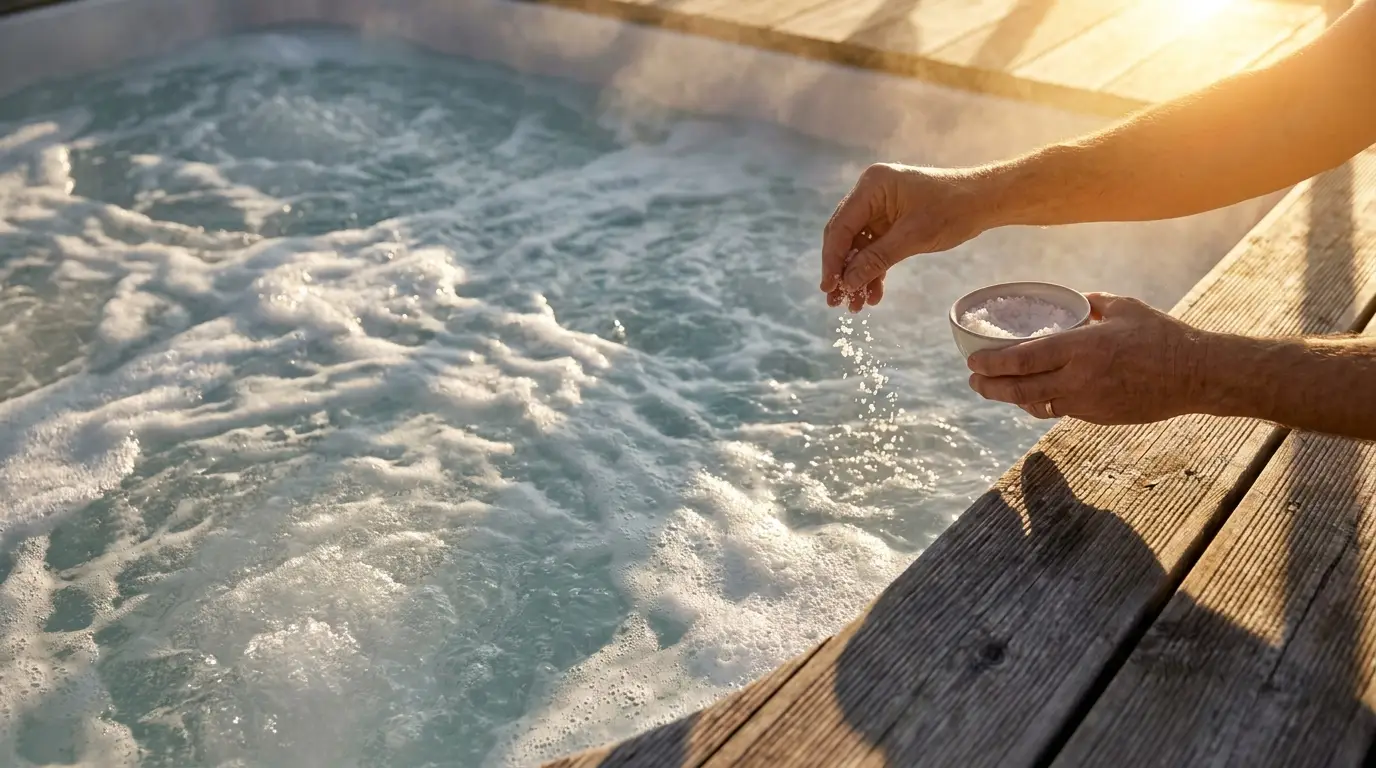
Testing water before shocking establishes a baseline, and testing again several hours afterward confirms sanitizer levels have returned to a safe range before anyone gets back in. Adding shock with the cover off and jets running for several minutes helps circulate and disperse it evenly, rather than letting it concentrate in one area of the tub.
This is also where cover maintenance matters more than people expect. A cover in poor condition, sagging, waterlogged, or no longer sealing properly, lets in outside contaminants and moisture that add to the organic load your sanitizer and shock treatment are working against. Resources like how to shock a hot tub walk through the process step by step, alongside broader water care guidance that connects directly to how well a cover is holding up over time.
What Health and Safety Standards Say
The EPA publishes safety guidance on handling pool and spa chemicals, including proper storage, dosing, and handling precautions that reduce injury risk from concentrated oxidizers like shock treatments.
The CDC’s Model Aquatic Health Code also outlines water quality and sanitation standards that inform how residential and commercial pool and spa maintenance recommendations are developed, providing useful background on why specific sanitizer and oxidizer ranges are recommended in the first place.
The Bigger Picture on Hot Tub Water Care
Shocking is one piece of a broader maintenance routine that includes regular sanitizer testing, filter cleaning, and proper cover care, not a standalone fix applied whenever water starts looking questionable. Owners who treat it as part of a consistent schedule, rather than an occasional emergency response, spend considerably less time fighting cloudy or smelly water and more time simply enjoying the tub.
Frequently Asked Questions
How long after shocking a hot tub can I get back in?
Generally, wait until sanitizer levels test back within a safe range, typically several hours depending on the product and dose used. Testing the water directly is more reliable than following a fixed time estimate alone.
Can I shock a hot tub too often?
Over-shocking isn’t typically dangerous if dosed correctly, but it’s unnecessary and wastes product if water chemistry is already balanced. Testing before treating helps avoid overuse.
Is non-chlorine shock enough on its own?
For light, routine maintenance, it can be sufficient, but it doesn’t add sanitizer. Heavy use or noticeable water quality issues generally call for a chlorine-based shock instead.
Why does my hot tub still smell after I shock it?
This often points to an underlying issue beyond a single treatment, insufficient dose, a cover that’s letting in outside contaminants, or a filter overdue for cleaning. Persistent odor after shocking is worth investigating rather than repeating the same treatment expecting a different result.