Basketball has one objective: finish with more points than the opponent. Five players per team share the court. A made free throw scores one point, a field goal inside the arc scores two, and a shot beyond the arc scores three. Everything else governs how a team earns, retains, or forfeits the right to attempt those shots. The catch is that FIBA, the NBA, and the NCAA do not run identical games.
The Ball Decides Who Is Attacking
A team has control when one of its players holds or dribbles a live ball, or when teammates pass it among themselves. A change of possession follows a steal, defensive rebound, made basket, or turnover. The opening period begins with a jump ball under the major rule sets; later held-ball situations use an alternating-possession arrow in FIBA and NCAA play, while the NBA conducts another jump ball.
Court position matters. Under FIBA rules, the court measures 28 by 15 meters, the three-point arc sits 6.75 meters from the basket, and the boundary lines are out of bounds. A player who touches a sideline while holding the ball causes a turnover, even if the ball itself never crosses the line.
One Dribble Ends, and the Options Shrink
A legal dribble uses one hand at a time to bounce the ball. Once the player gathers it and ends the dribble, that player must pass or shoot; starting again creates a double-dribble violation. Carrying occurs when the hand gets under the ball and pauses or redirects it, while travelling concerns illegal foot movement after control has been established.
The clean beginner test is sequence, not appearance:
- Dribble still alive: the player may continue moving while bouncing legally.
- Dribble ended: only a pass, shot or legal pivot remains.
- Ball returned to the backcourt: an established frontcourt team normally cannot be first to touch it in its backcourt.
- Shot clock expires: the ball must leave the shooter’s hand and then touch the ring or enter the basket.
Three Rule Sets Produce Three Speeds
| Rule | FIBA | NBA | NCAA men | NCAA women |
|---|---|---|---|---|
| Regulation | 4 x 10 minutes | 4 x 12 minutes | 2 x 20 minutes | 4 x 10 minutes |
| Shot clock | 24 seconds | 24 seconds | 30 seconds | 30 seconds |
| Foul-out limit | 5 | 6 | 5 | 5 |
| Overtime | 5 minutes | 5 minutes | 5 minutes | 5 minutes |
| Three-point line | 6.75 m | 23 ft 9 in; 22 ft corners | 22 ft 1 3/4 in | 22 ft 1 3/4 in |
Those basketball game rules alter pace before tactics enter the discussion. A 48-minute NBA game creates more possessions than a 40-minute FIBA contest, while the NCAA’s 30-second shot clock permits longer half-court sets. Rule labels belong beside every statistic.
Philippine Fans Switch Rulebooks Midweek
Philippine basketball followers often move between domestic leagues, FIBA national-team games and the NBA without changing screens. Box scores reveal pace, but pre-game lines also compress injuries, form and expected possession counts into a price. Fans checking MPBL odds before tip-off should still confirm the listed market, start time and overtime treatment rather than reading the number as a prediction. A total makes more sense after the competition’s game length and recent scoring rate are identified.
A Foul Is Contact; a Violation Is Procedure
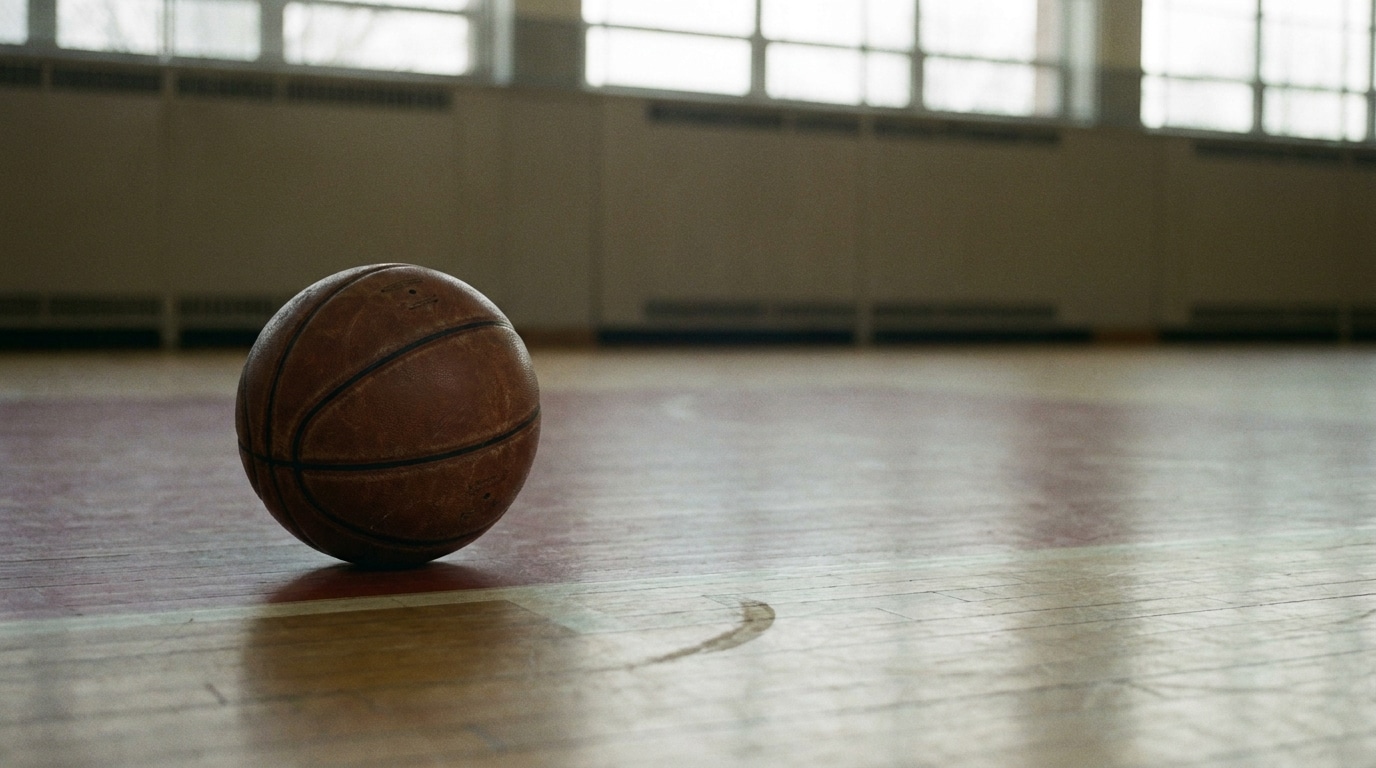
A violation breaks a ball-handling, timing, or boundary rule and usually awards possession to the opponent. A personal foul involves illegal contact: holding, pushing, blocking, or striking a shooter across the arm. A technical foul addresses conduct or administration rather than ordinary live-ball contact, although the exact penalty varies by rule set.
Shooting penalties follow the loss of a scoring chance. A missed two-point attempt normally brings two free throws; a missed three brings three; a made basket plus illegal contact can produce one extra attempt. Team-foul penalties are less universal: FIBA reaches its quarter penalty after four team fouls; NCAA men use one-and-one and double-bonus thresholds by half; and NCAA women award two throws from the fifth team foul in a quarter.
Betting Markets Read the Clock Differently
Rules influence totals, spreads and live prices because they control possession volume and late-game stoppages. A team in the penalty can turn ordinary defensive contact into free throws, while repeated fouling may stretch the last minute and lift a total. Anyone using online betting during a game should read the market label before confirming a stake, since regulation-only and overtime-inclusive selections settle differently. The price reflects a house margin, so comparing implied probability with the rule-driven game state is more useful than chasing a moving number.
RNG Uses a Different Kind of Rulebook
Basketball outcomes emerge from players, officials and a fixed competition code; casino results come from game software and a random number generator. Readers who also browse online casino games should treat the paytable, return-to-player figure and volatility rating as the governing documents. An RTP of 96% describes a long-run theoretical return, not the result of one session, and its paired house edge is 4% before bonus conditions. Volatility estimates how unevenly wins may arrive, which is why a preset bankroll limit matters more than a recent streak.
The Fastest Way to Read the Next Whistle
First, identify possession, then ask whether the stoppage resulted from contact, footwork, a boundary, or the clock. Check the competition badge before applying a foul limit or bonus rule. Watch the pivot foot and the shot clock; those details explain many whistles.