Gulf Coast gardeners spend plenty of time on soil, sun, and drainage. Water quality gets less attention, even though a water test can reveal why plants struggle despite good soil and the right light.
Hard water, high sodium, and heavy chlorine all leave marks on plants over time, and gardeners rarely trace the problem back to the hose.
Signs Your Water Might Be the Problem
- White crust building up on pots, hoses, or sprinkler heads points to hard water and high mineral content.
- Leaf tip burn on sensitive plants can trace back to sodium or chloride levels in irrigation water.
- Slow growth despite regular fertilizing can mean pH is off, which locks up nutrients in the soil.
- A white film on the soil surface after watering often means dissolved salts are building up faster than rain can flush them out.
What’s Actually in Your Water
Municipal water often carries chlorine or chloramine, added to keep it safe to drink but tough on beneficial soil microbes over time. Well water swings the other way, with variable hardness, iron, or sulfur depending on the aquifer.
Coastal Texas wells sometimes pick up higher salt content too, especially near the Gulf, where saltwater intrusion can creep into shallow groundwater during dry stretches.
Well Water vs Municipal Water for Gardens
Well water gives gardeners more control since no citywide treatment changes the mix from season to season. That same lack of treatment means problems go unnoticed until plants show stress.
Municipal water stays more consistent, though treatment plants adjust chlorine levels throughout the year, which can shift how it interacts with sensitive plants like azaleas or blueberries that prefer acidic soil.
Seasonal Shifts Along the Gulf Coast
Water quality is not fixed year-round in this region. Heavy spring rains temporarily dilute wells, while summer droughts concentrate minerals and salts as water tables drop. Testing at a couple of points in the year gives a fuller picture than a single sample taken during mild weather.
Testing Before You Troubleshoot
Guessing at fixes wastes a season. A lab panel measures pH, hardness, chlorine, sodium, and mineral content from a single sample.
Comparing those numbers against what your plants prefer takes the guesswork out of adjusting your irrigation routine, instead of cycling through fertilizers and soil amendments that never address the actual cause.
Simple Fixes Once You Know Your Numbers
- Let chlorinated water sit in an open container for 24 hours before watering sensitive plants.
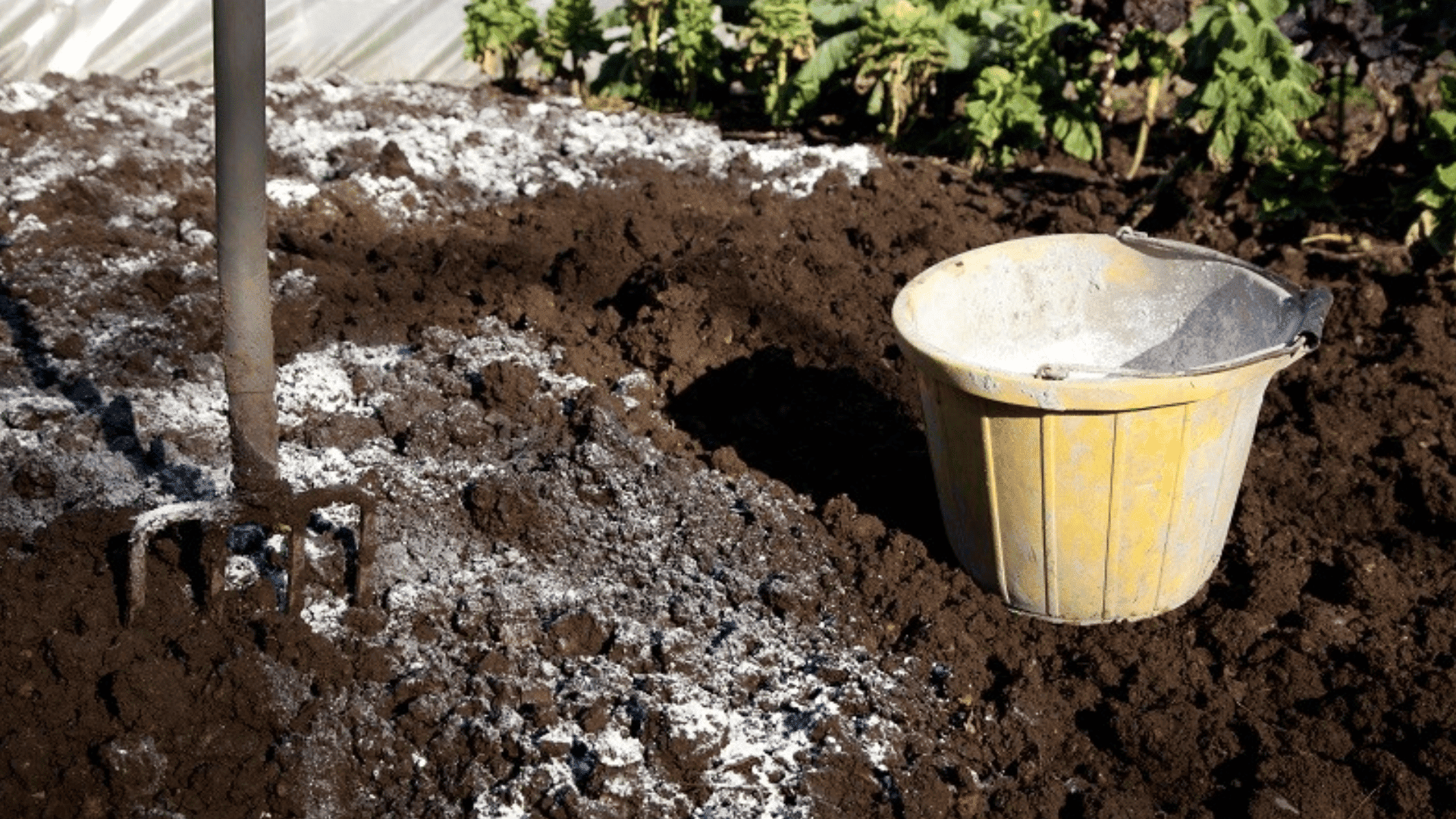
- Add gypsum to soil affected by high sodium irrigation water.
- Install a simple carbon filter on the hose bib if chlorine levels run high.
- Switch to drip irrigation for plants sensitive to mineral buildup, since it limits contact with leaves and flowers.
Container Gardens and Potted Plants
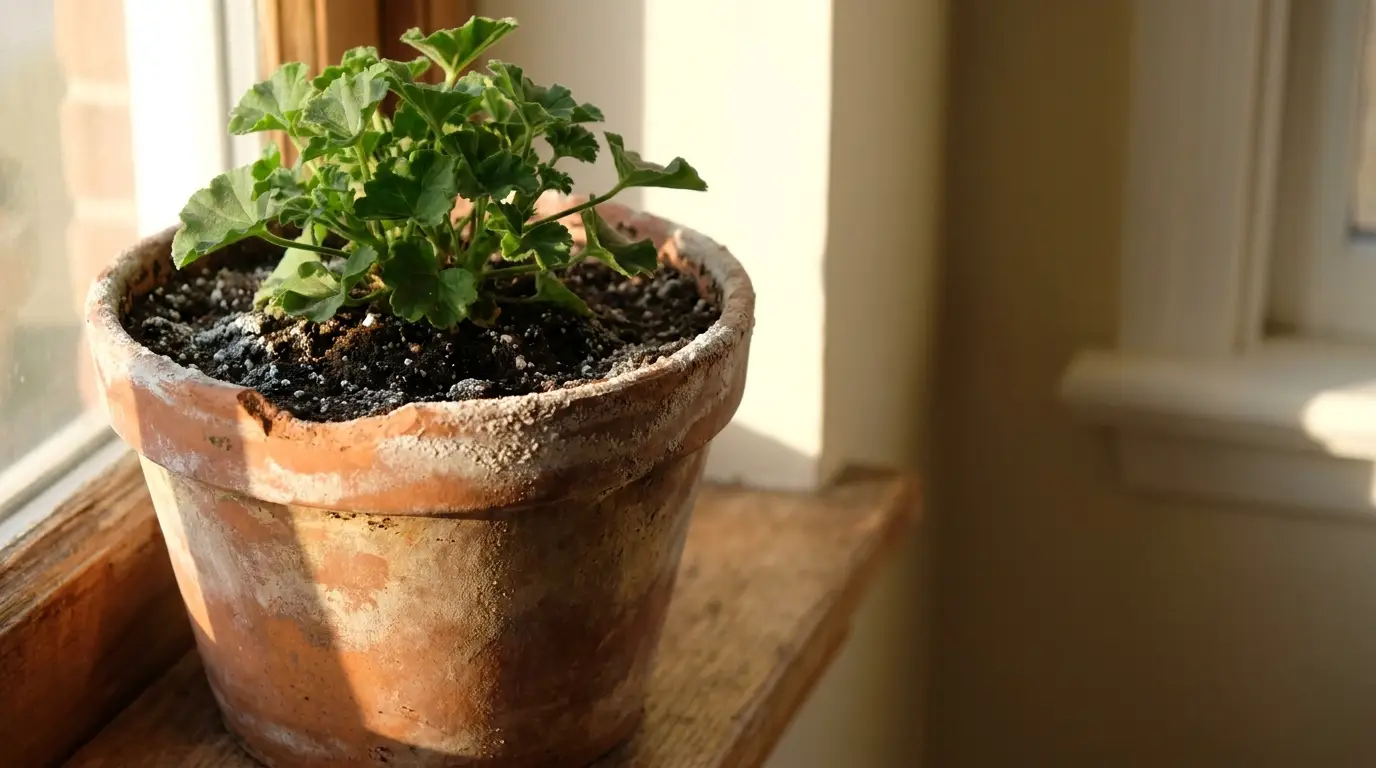
Potted plants show water problems faster than in-ground beds, since there is no surrounding soil to dilute minerals and salts. Salt buildup on the surface of potting mix is one of the clearest early warnings.
Flushing containers with extra water every few weeks helps carry excess minerals out through the drainage holes, buying time until you get a full test done.
Talking to Your Local Extension Office
Texas A&M AgriLife Extension offices across the Gulf Coast can help interpret a water report alongside your specific soil type. They often carry local data on common well issues by county, which adds context a generic lab report cannot.
Pairing a water test with a soil test gives the clearest picture of what is actually holding your garden back.
Building a Watering Routine Around Your Results
Once you know what your water carries, you can plan around it instead of fighting it. Group plants with similar tolerances together, so sensitive varieties get filtered or rested water while hardy ones take the tap water straight.
Checking your results once a year, or after any change in your water source, keeps your garden ahead of problems instead of reacting to them.
Good soil and steady watering only go so far if the water itself works against your plants. A quick test turns a season of guessing into a clear plan, so your garden gets what it actually needs instead of whatever the hose happens to deliver.