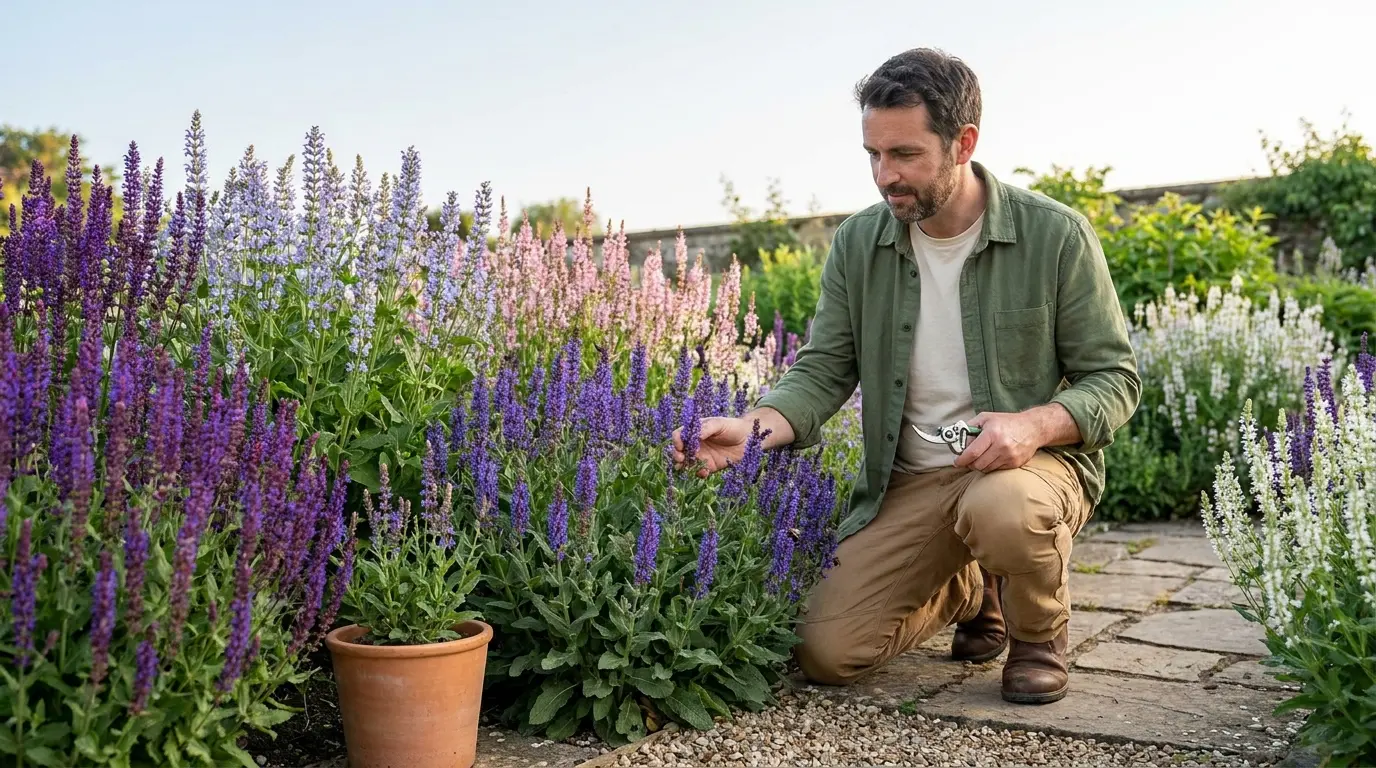
Salvia nemorosa has built a solid reputation as one of the more forgiving garden perennials, the kind that keeps its shape and color without much regular upkeep.
Gardeners often reach for it when a sunny border needs steady interest without constant care. Part of the appeal is not just the flowers themselves, but how easily it fits into different garden styles, from tidy formal borders to looser cottage beds.
The details below cover its basic care, its common varieties, and where it tends to perform best, useful for a brand new bed or for filling gaps in an established one.
Salvia Nemorosa at a Glance
Salvia nemorosa is a hardy, clump-forming perennial with upright flower spikes and aromatic foliage. Its size, bloom season, hardiness, growing needs, and wildlife value can help you decide where it will fit in your garden.
|
Plant detail |
Information |
|---|---|
|
Botanical name |
Salvia nemorosa |
|
Common names |
Woodland sage, Balkan clary, violet sage |
|
Family |
Lamiaceae |
|
Plant type |
Herbaceous perennial |
|
Growth habit |
Upright, clump-forming, and multistemmed |
|
Native range |
Europe and west-central Asia |
|
Typical height |
8 to 36 inches, depending on the cultivar (dwarf types stay under 12 inches) |
|
Typical spread |
Up to about 24 inches |
|
Flower colors |
Violet-blue, purple, pink, or white |
|
Bloom period |
Late spring through summer, often into early fall |
|
Hardiness |
USDA Zones 4 to 8, with some cultivars listed hardy to Zone 9 |
|
Light |
Full sun; light partial shade is tolerated |
|
Soil |
Average, sandy, gravelly, or rocky soil with good drainage |
|
Wildlife value |
Attracts bees, butterflies, and hummingbirds |
|
Resistance |
Deer and rabbits usually avoid it |
Checking suitability before planting can prevent the need to relocate a struggling plant later.
What Is Salvia Nemorosa?
Salvia nemorosa is the botanical name for an ornamental herbaceous perennial in the mint family. As a herbaceous perennial, explained in more detail in this rundown of common garden terms, it dies back to the ground each winter and regrows from its crown the following spring, unlike a woody shrub or a one-season annual.
Garden selections are bred from the wild species for traits such as flower color, height, darker stems, or a longer bloom period.
Woodland sage is grown mainly as an ornamental. It should not be used in the kitchen in place of the culinary sage commonly added to food.
Expert note: Choose nursery plants with compact growth, firm stems, and healthy green leaves, and avoid specimens with yellowing foliage or a soft crown.
Why Grow Salvia Nemorosa
Salvia nemorosa is a dependable choice for gardeners who want lasting color and steady wildlife activity without an aggressive growth habit.
- Long flowering season: Upright flower spikes stay colorful for weeks and often rebloom.
- Cold tolerance: Its hardy roots return each spring in many colder regions.
- Useful foliage: The leaves have a pleasant herbal scent that adds interest year-round.
- Pollinator support: Bees, butterflies, and hummingbirds visit the nectar-rich flowers throughout the bloom period.
- Fewer animal problems: Deer and rabbits usually avoid the scented leaves.
- Neat growth: Its tidy clumps slowly widen but rarely crowd nearby plants.
Together, these traits make it a practical choice for borders and other planting plans built around minimal upkeep.
Salvia Nemorosa Characteristics: Flowers, Foliage, and Growth Habit
Salvia nemorosa is easy to identify by its leafy base, square stems, scented leaves, and upright flower spikes.
Growth Habit, Stems, and Foliage
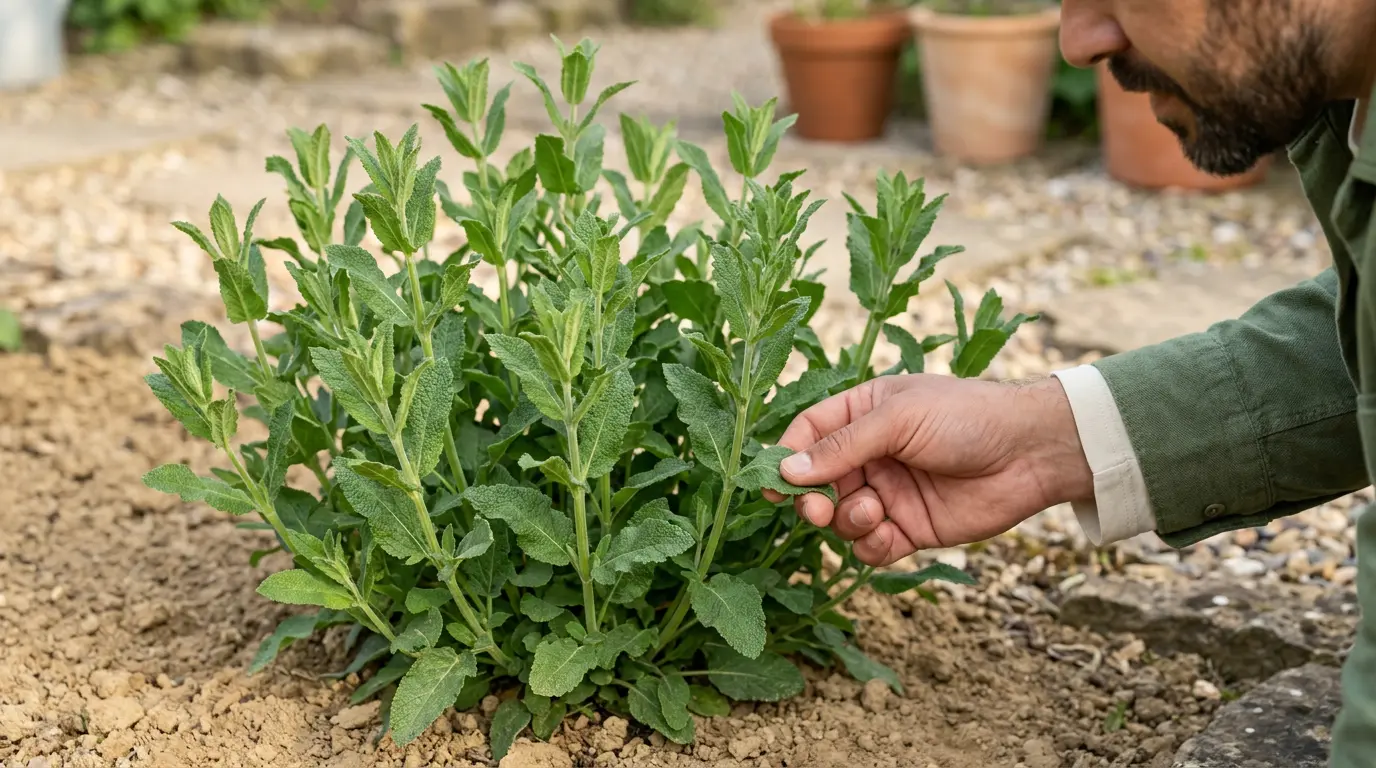
The plant grows as an erect, many-branched clump. New leafy stems rise from the base each spring, forming a low mound beneath the flower stalks. Like other members of the mint family, the stems are square.
The medium-green to gray-green leaves have wrinkled surfaces and notched edges. When rubbed or crushed, they release a clear herbal scent.
Flowers, Colors, and Bloom Season
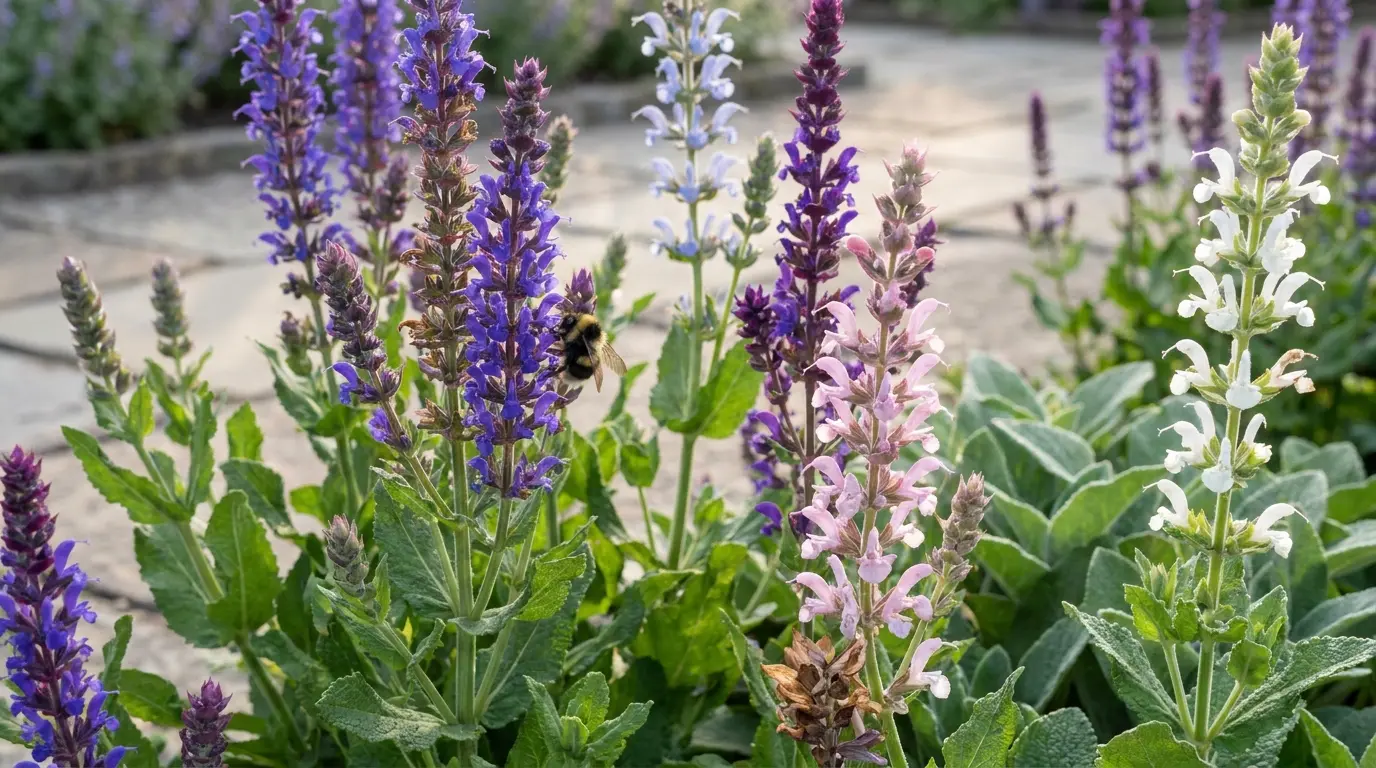
Small, two-lipped flowers grow close together along upright, spike-like clusters. Wild plants usually produce violet or violet-blue flowers, while cultivated forms may bloom in purple, pale blue, pink, or white.
How to Grow and Care for Salvia Nemorosa
Salvia nemorosa needs only moderate watering, light feeding, timely deadheading, and a spring cleanup to stay healthy and flower well. These simple care steps support firm stems, repeat flowers, and steady growth through the season.
1. Sunlight and Soil
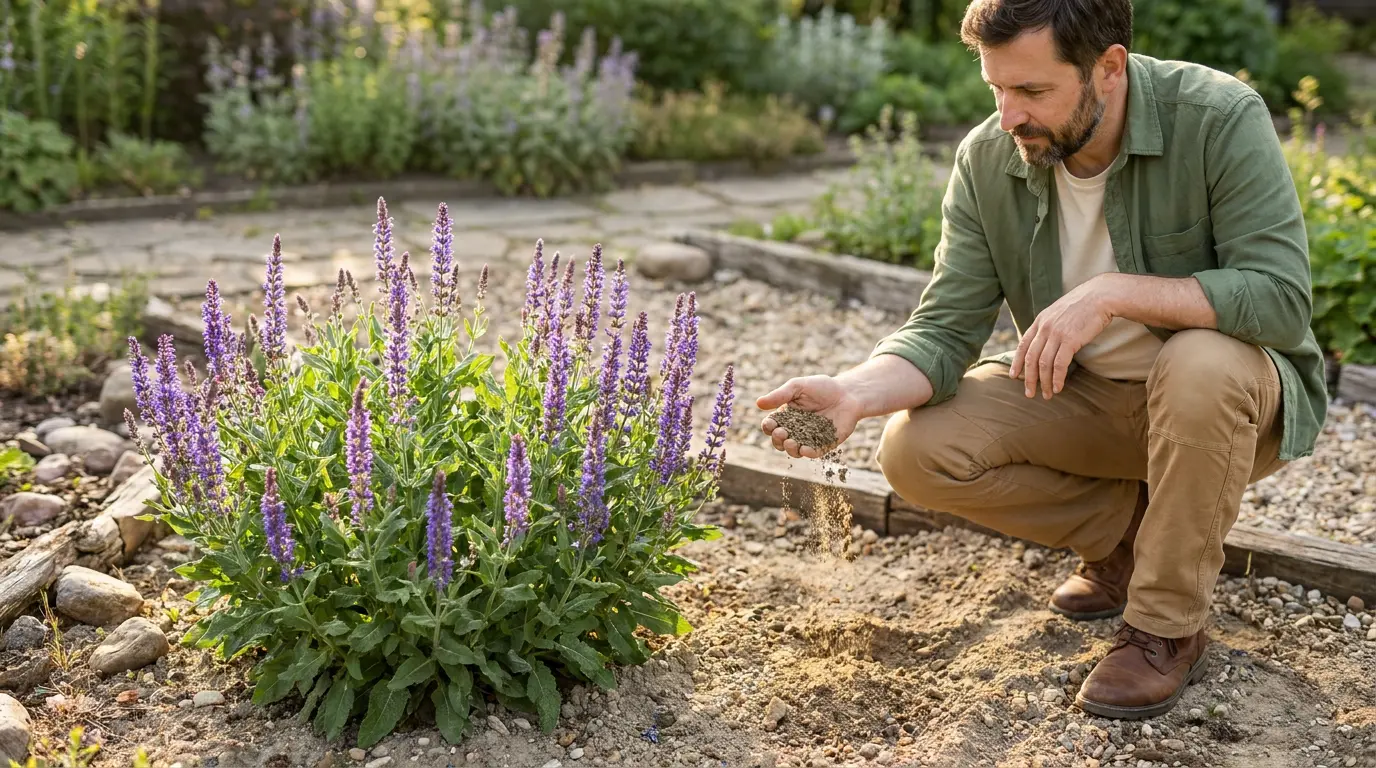
Plant it in full sun for the best flower display, though NC State Extension notes that woodland sage also tolerates partial shade and several well-drained soil types.
It accepts average, sandy, gravelly, or rocky soil across a wide pH range. Avoid ground that remains waterlogged, especially in winter, because excess moisture can damage the crown and roots.
2. Planting a Nursery-Grown Salvia
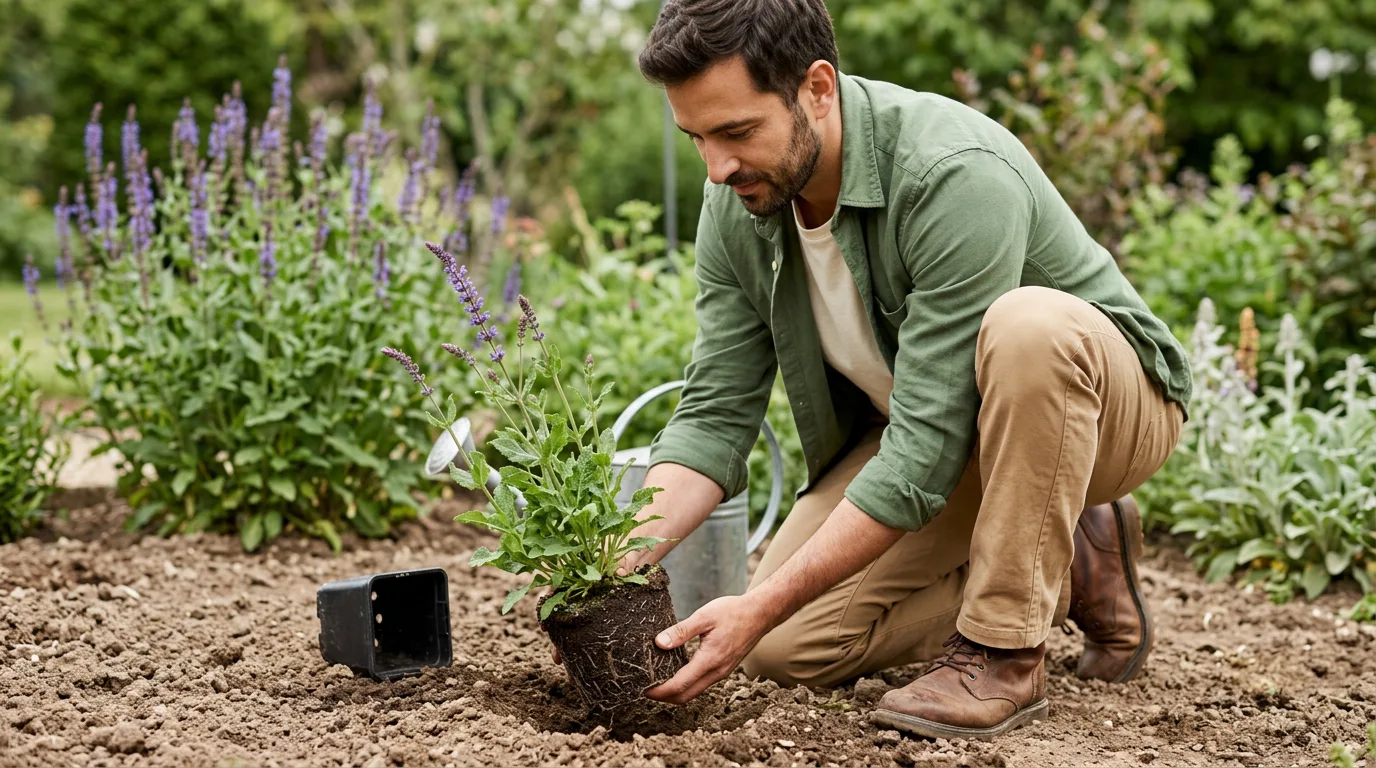
Spring is the safest time to plant, once hard frost has passed and the soil can be worked. Early fall also suits milder areas, since the roots then have time to settle before freezing weather arrives.
Dig a hole slightly wider than the root ball and no deeper than its height. Remove the plant from its nursery pot and loosen any crowded roots. Set it in the hole with the top of the root ball level with the surrounding soil, backfill, press gently to remove large air pockets, and water thoroughly.
3. Watering, Feeding, and Spacing
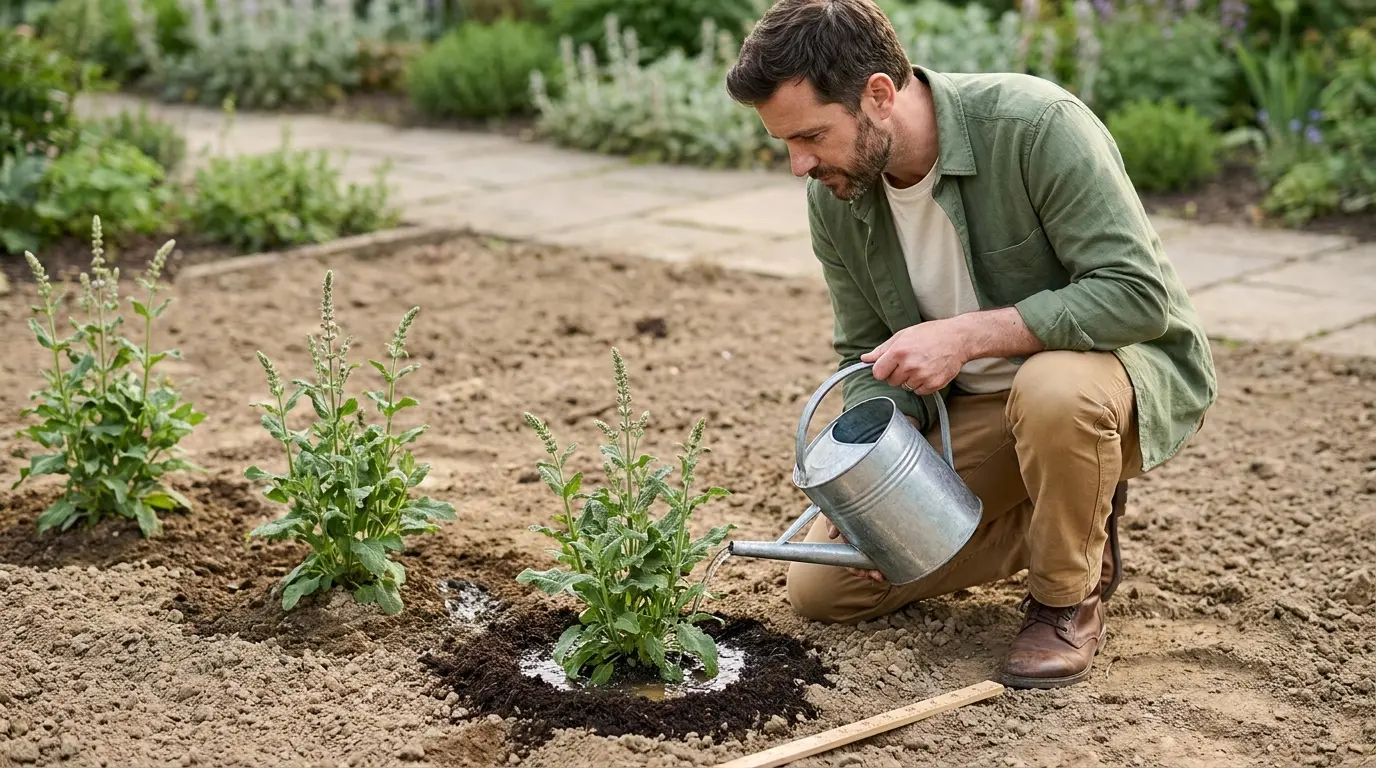
Water new plants regularly while their roots settle into the soil. After establishment, let the top layer dry before watering thoroughly. Constant moisture can weaken stems and increase the chance of disease.
Use compost or a light spring feeding rather than a high-nitrogen product, which may cause floppy growth. Leave about 16 to 24 inches between plants, based on the cultivar’s mature width.
4. Deadheading for Repeat Blooms
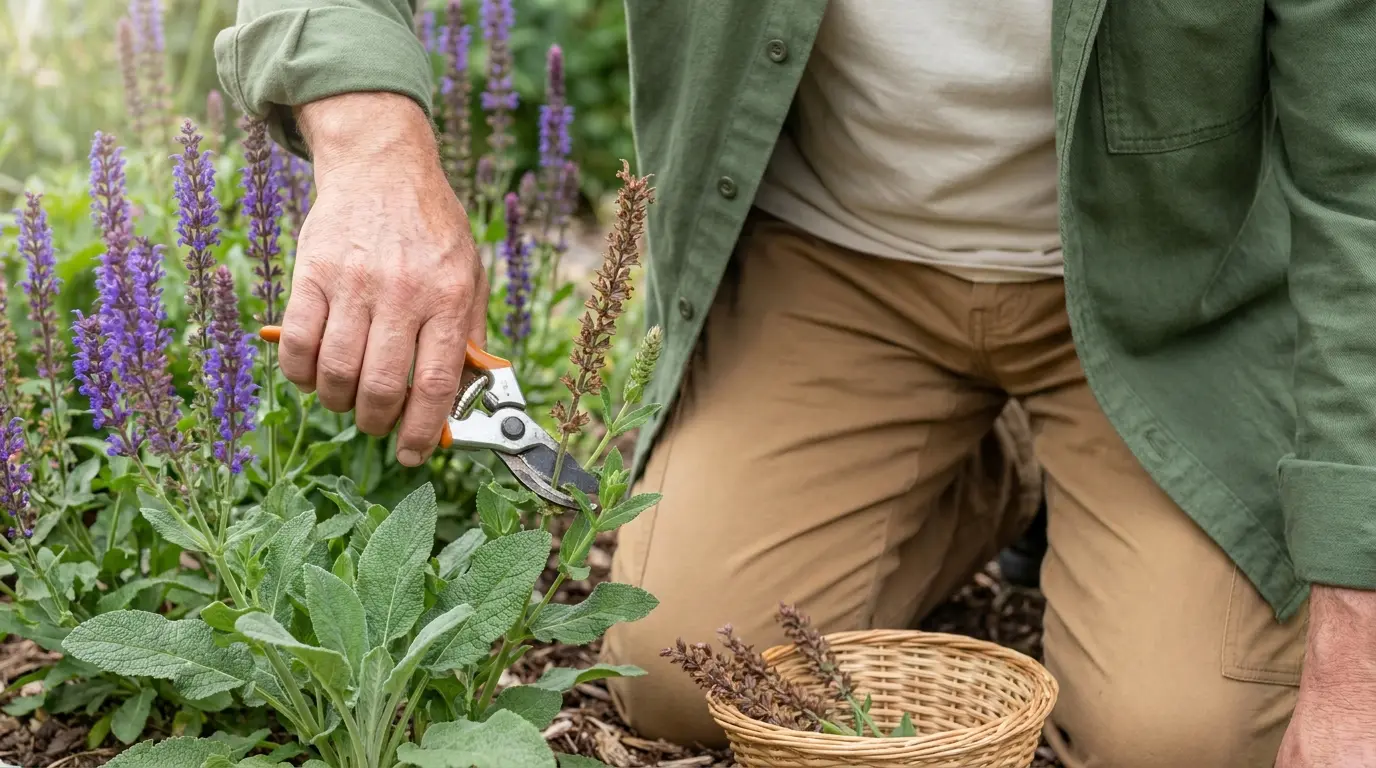
Remove spent flower spikes as they fade to prolong flowering. Clemson Cooperative Extension notes that cutting back old bloom stalks on this type of salvia encourages fresh flowering stems well into fall. Cut each stem above healthy leaves near the base or just above new side shoots to keep the clump tidy.
With steady moisture, another flush may appear within several weeks. Repeat the same process on later spent spikes to support blooms into early fall.
5. Cutting Back and Winter Care
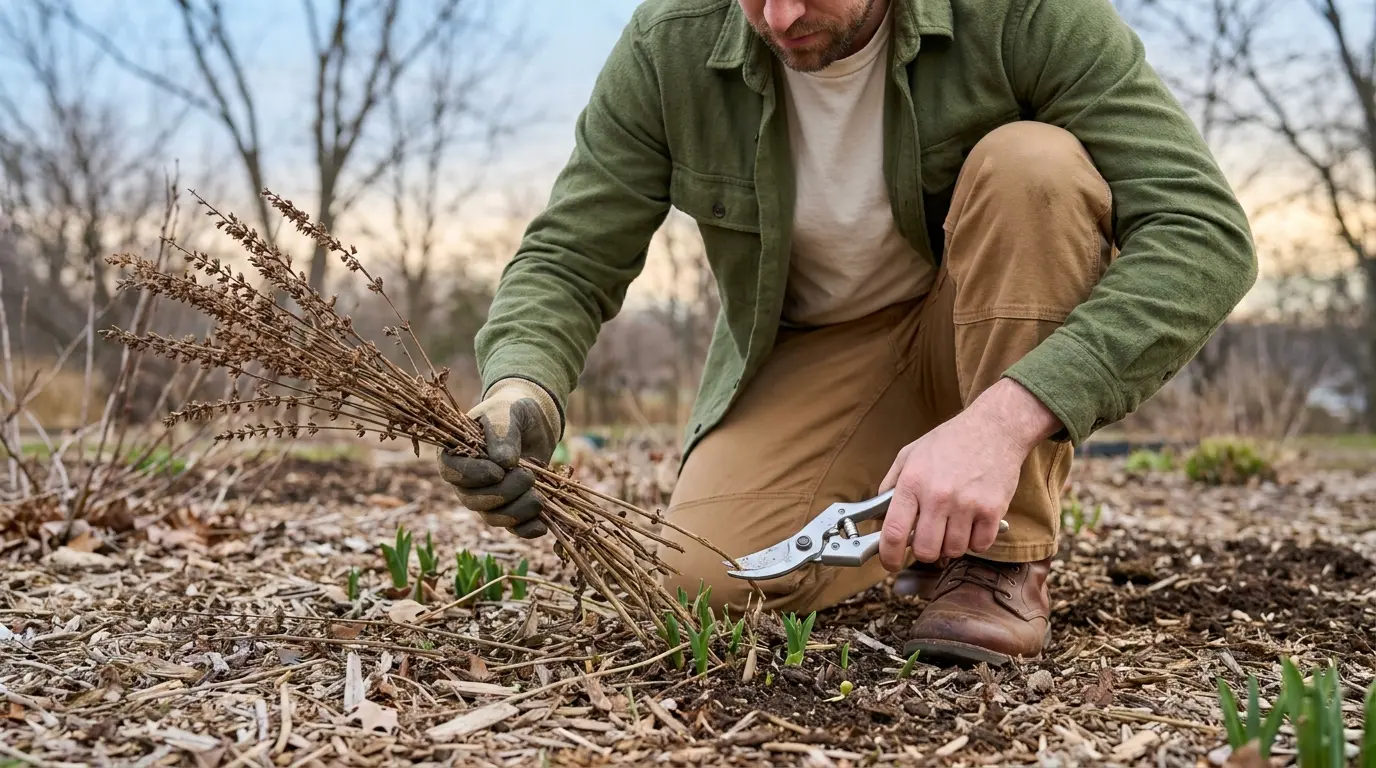
Salvia nemorosa is deciduous rather than evergreen. Its stems and leaves brown and die back after cold weather, while the crown stays alive below ground and sends up fresh growth in spring.
Leave healthy basal leaves and the crown in place after the final bloom, and wait until late winter or early spring for the main cleanup in colder areas, once fresh shoots begin to show. Cut dead stems close to the base without harming new growth.
Keep thick mulch away from the crown, since trapped moisture can cause damage. Keeping the crown relatively dry through winter offers better protection than piling on heavy mulch.
Expert note: If stems lean or split open in summer, check for shade, rich soil, or excess water before cutting the plant back.
Consistent care keeps the clump healthy and also gives you strong material for division or stem cuttings later.
How to Propagate Salvia Nemorosa
You can propagate Salvia nemorosa by division, stem cuttings, or seed. Division is usually the easiest method for an established plant.
- Division: Divide mature clumps in early spring when fresh growth appears.
- Stem cuttings: Take healthy, non-flowering stem tips in spring or early summer.
- Seeds: Sow indoors in late winter, or follow packet directions for outdoor sowing.
For division, separate the root ball into sections with healthy shoots and roots and replant each at the same depth. For cuttings, remove the lower leaves and place the stems in a light, well-draining mix under bright, indirect light. Seed-grown plants may simply take longer to reach their first bloom.
Expert note: Seeds collected from a cultivar may not produce plants with the same color or growth habit. Use division or cuttings when you want plants that match the parent.
Top Varieties for Different Garden Styles
Salvia nemorosa cultivars differ in flower color, stem shade, plant size, and bloom habit. These four choices suit a range of garden styles and space needs.
|
Cultivar |
Main color or feature |
Best garden use |
|---|---|---|
|
Caradonna |
Violet-blue flowers on dark purple stems, up to 30 inches tall |
Upright borders and grouped planting |
|
Ostfriesland |
Compact violet-purple flower spikes, about 18 inches tall |
Front and middle borders |
|
Marcus |
Dwarf habit, 8 to 12 inches tall, with deep violet flowers |
Containers, edging, and small gardens |
|
Pink Profusion |
Soft pink flowers with repeat bloom |
Gentle color plans and grouped planting |
Important note: Plant labels may differ between sellers because the naming of some cultivated forms is not always consistent. Check that Salvia nemorosa appears as the botanical name.
Garden Uses and Companion Plants
Salvia nemorosa works best where its upright flower spikes can add height without taking up the space of a shrub. Its neat form suits both open beds and tighter areas.
- Perennial borders: Place it near the front or middle for good visibility.
- Grouped planting: Use three or more plants together for a fuller display.
- Pollinator gardens: Add it where nectar-seeking visitors can easily reach the flowers.
- Cottage and gravel gardens: Its shape suits loose planting plans and dry, open beds.
- Paths and small spaces: Use it beside walkways or tucked into a container.
- Cut flower beds: Harvest fresh stems or dry them for later use.
Good companions share its need for full sun and well-drained soil. Lavender, catmint, coneflowers, ornamental grasses, and yarrow all pair well with its upright spikes, and this layered perennial border plan shows one way to group salvia with yarrow and coneflowers by height and spacing.
Common Problems and How to Fix Them
Salvia rarely has serious trouble, but when conditions turn damp or crowded, you may see the issues below:
|
Problem |
Likely cause |
Fix |
|---|---|---|
|
Powdery mildew, leaf spot, or rust |
Poor airflow, wet foliage, or crowding |
Improve spacing, water at soil level, remove infected growth |
|
Aphids, spider mites, or whiteflies |
Stressed growth or hot, dry conditions |
Spray with water first, then an insecticidal soap if needed |
|
Weak, floppy stems |
Too much shade, rich soil, or overwatering |
Move to more sun, ease off feeding and water |
|
Fewer blooms |
Missed deadheading or root rot from soggy soil |
Remove old flower spikes, improve drainage |
Checking the cause before treating it helps you correct the real issue without adding stress to the plant.
Frequently Asked Questions
Is Salvia nemorosa a perennial or annual?
Salvia nemorosa is a hardy herbaceous perennial, not an annual. Its top growth dies back in colder months, but the root crown survives underground and sends up new stems each spring across USDA Zones 4 to 8.
Does Salvia nemorosa come back every year?
Yes. In suitable growing zones, Salvia nemorosa returns every year without replanting. The above-ground growth may die back completely in winter, but the roots stay alive underground and produce fresh stems once spring weather warms.
Does Salvia nemorosa spread?
It forms slowly expanding clumps rather than spreading aggressively through the bed. Mature plants can be divided every few years once they become crowded, which controls their size and creates new plants at no cost.
Is Salvia nemorosa invasive?
No. It is not listed as invasive in the United States, and its clumping habit stays contained over time. Some nearby self-seeding can occur if spent flowers are left in place for long stretches without deadheading.
Does Salvia nemorosa need deadheading?
Not strictly, but deadheading helps considerably. Removing spent flower spikes as they fade often triggers a full second flush of blooms and keeps the whole clump looking tidy through the rest of summer and into fall.
Final Thoughts
A perennial that asks for little and gives back a long stretch of color is worth the small effort it takes to place well. Salvia nemorosa tends to reward that placement, settling in quickly and holding its shape season after season with only light routine care.
The main requirements stay fairly simple: real sun for most of the day, and soil that drains well rather than sitting wet through the winter.
Before planting, check how much direct light a spot actually gets at different times of day, then match the cultivar and location to what that spot can realistically offer.