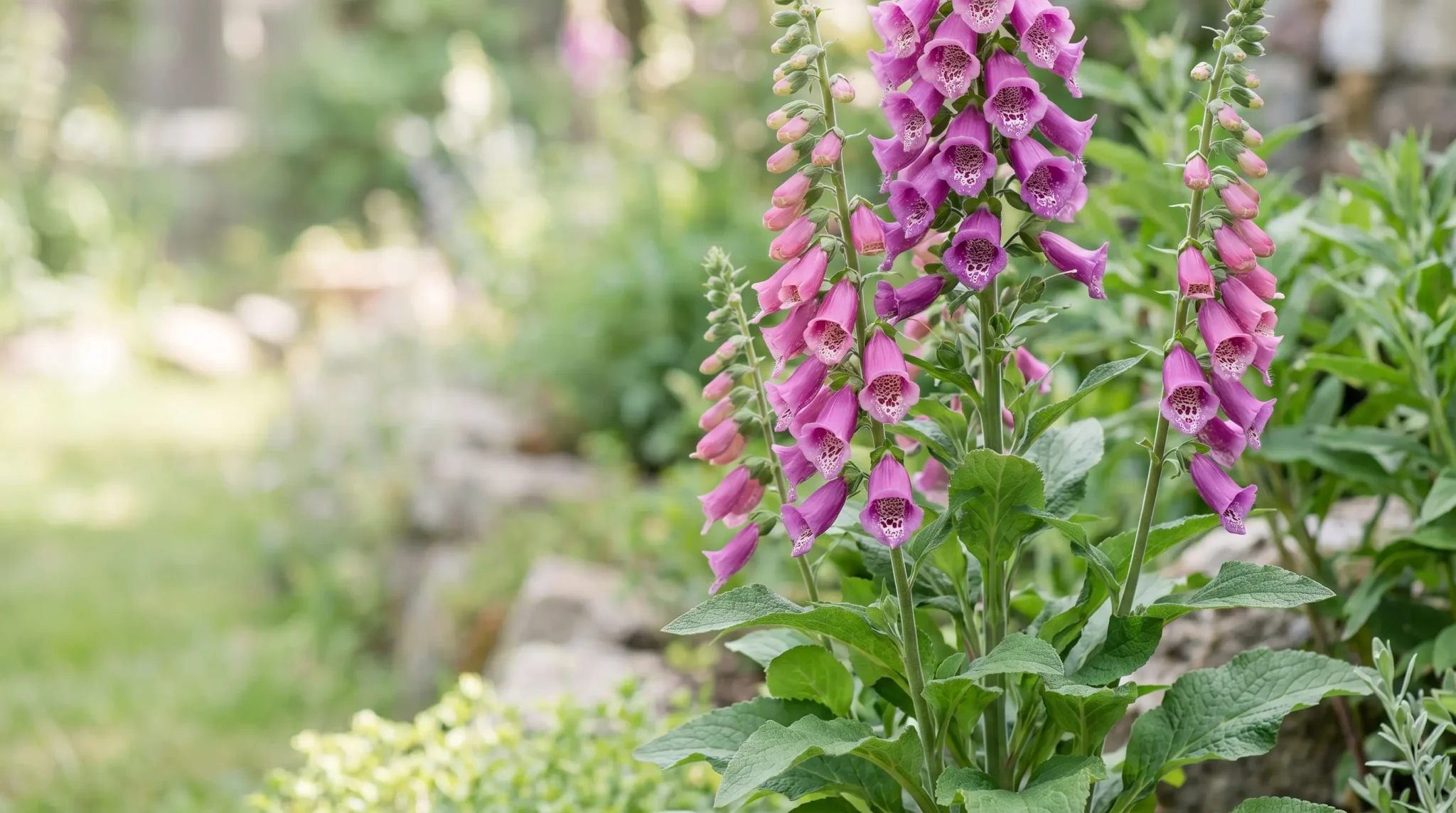
A flower bed can look completely safe and still hide real danger. Bright petals and a sweet smell do not tell you much about what is inside a plant.
Many common garden flowers and bouquet favorites can harm people when eaten, touched, or handled the wrong way. Some cause a mild rash, while others affect the heart, the nerves, breathing, or the stomach.
This guide will help you spot poisonous flowers, learn which parts carry the danger, and see which blooms need the most caution, along with simple ways to handle these plants safely at home.
You do not have to be afraid of your own garden. You need to know what is growing in it.
Are Flowers Poisonous to Humans?
Yes, some flowers are toxic to humans. These plants are not rare exceptions. They sit in ordinary gardens and bouquets. The toxin can live in the petals. It can also hide in the leaves, roots, bulbs, seeds, sap, stems, or berries. Sometimes every part of the plant carries it.
Exposure happens in a few common ways. You might accidentally swallow plant material. Sap can irritate your skin on contact, or sting if it lands in your eyes. Some people mistake toxic roots, bulbs, seeds, or berries for something edible.
Kids face more risk here. They touch bright blooms and put berries in their mouths before anyone can stop them.
Poisonous does not mean every plant reacts the same way. This piece groups the entries by how the danger shows up: flowers that pose a serious risk if eaten, common garden flowers that cause milder poisoning, plants that harm through skin contact alone, and flowers whose danger sits specifically in the seeds, bulbs, or berries.
Pretty Poisonous Flowers to Recognize and Avoid
Some of the most eye-catching flowers in home gardens and bouquets carry the highest poisoning risk on this list. These pretty poisonous flowers can affect the heart or nervous system, and even a small amount of exposure can turn serious fast.
1. Oleander
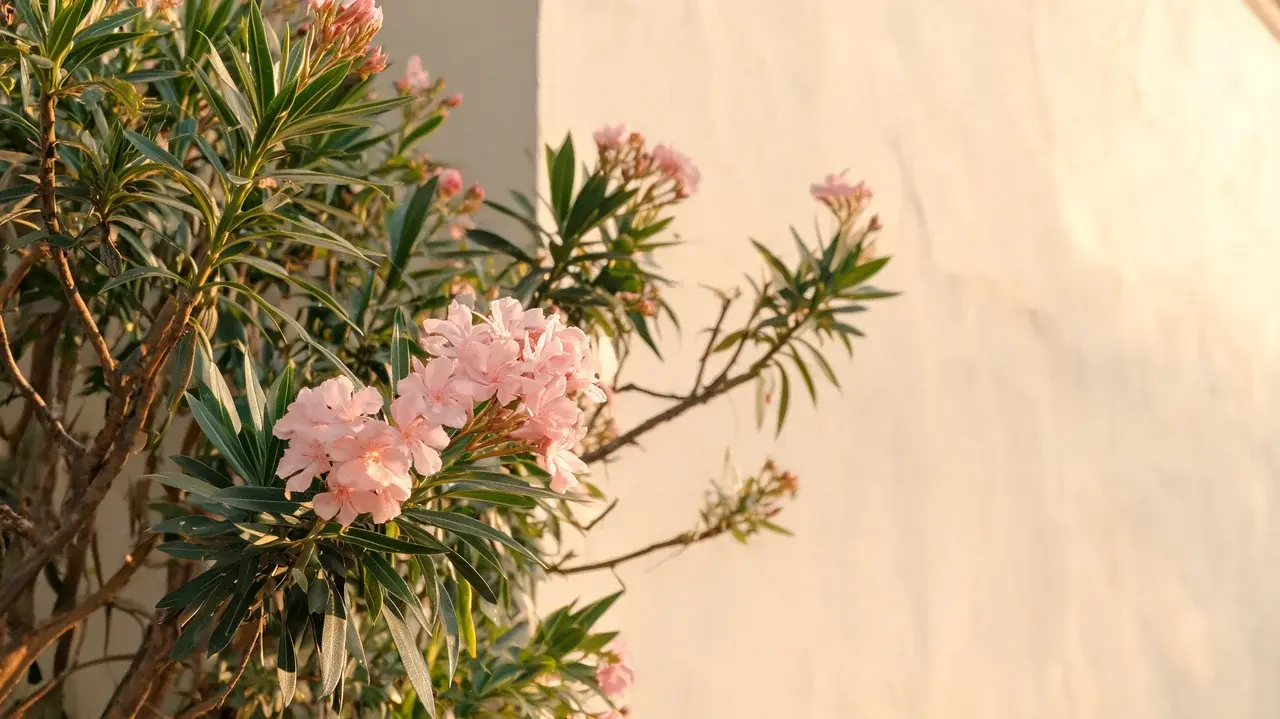
Oleander is an evergreen shrub with pink, white, red, or yellow flower clusters and long, narrow leaves, commonly grown as a hedge or ornamental in warm climates.
Every part of the plant can affect heart function when swallowed, and the risk extends to humans, cats, dogs, and horses, making it one of the more dangerous ornamentals found in everyday yards.
- Main Danger: Can affect heart function when swallowed.
- Safety Note: Keep it away from dining spaces, kids, pets, and food prep areas.
2. Monkshood
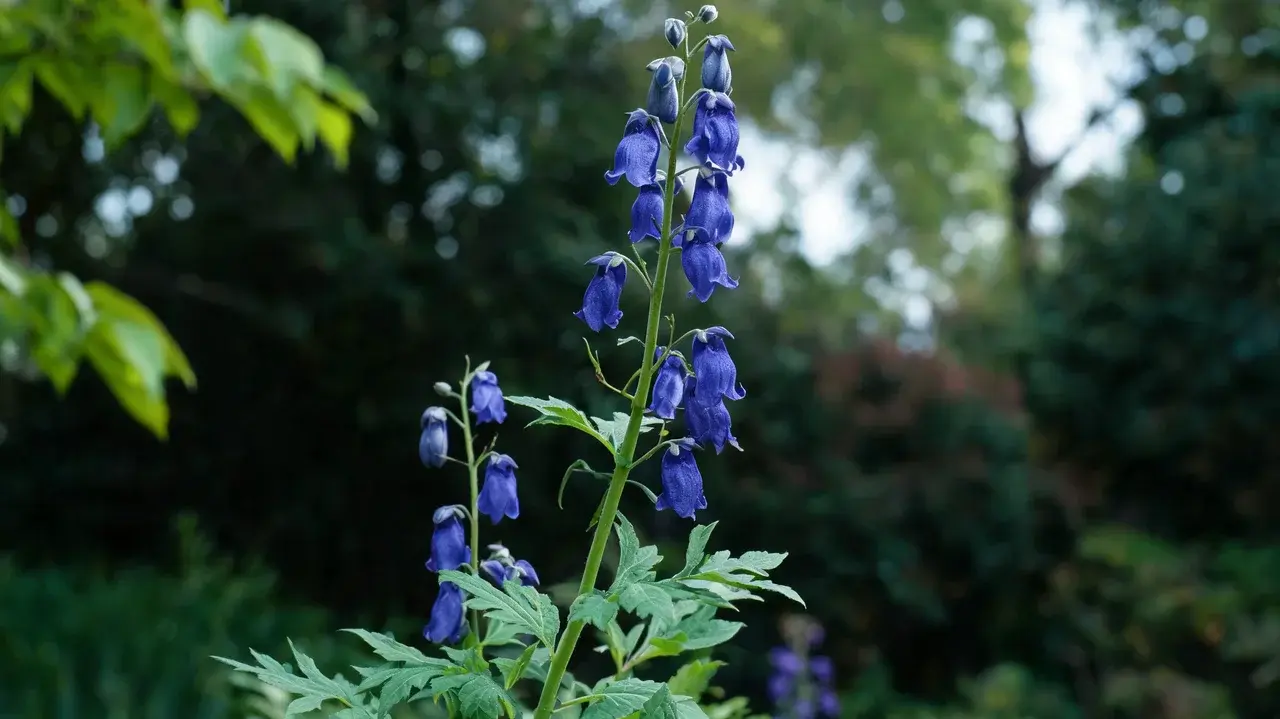
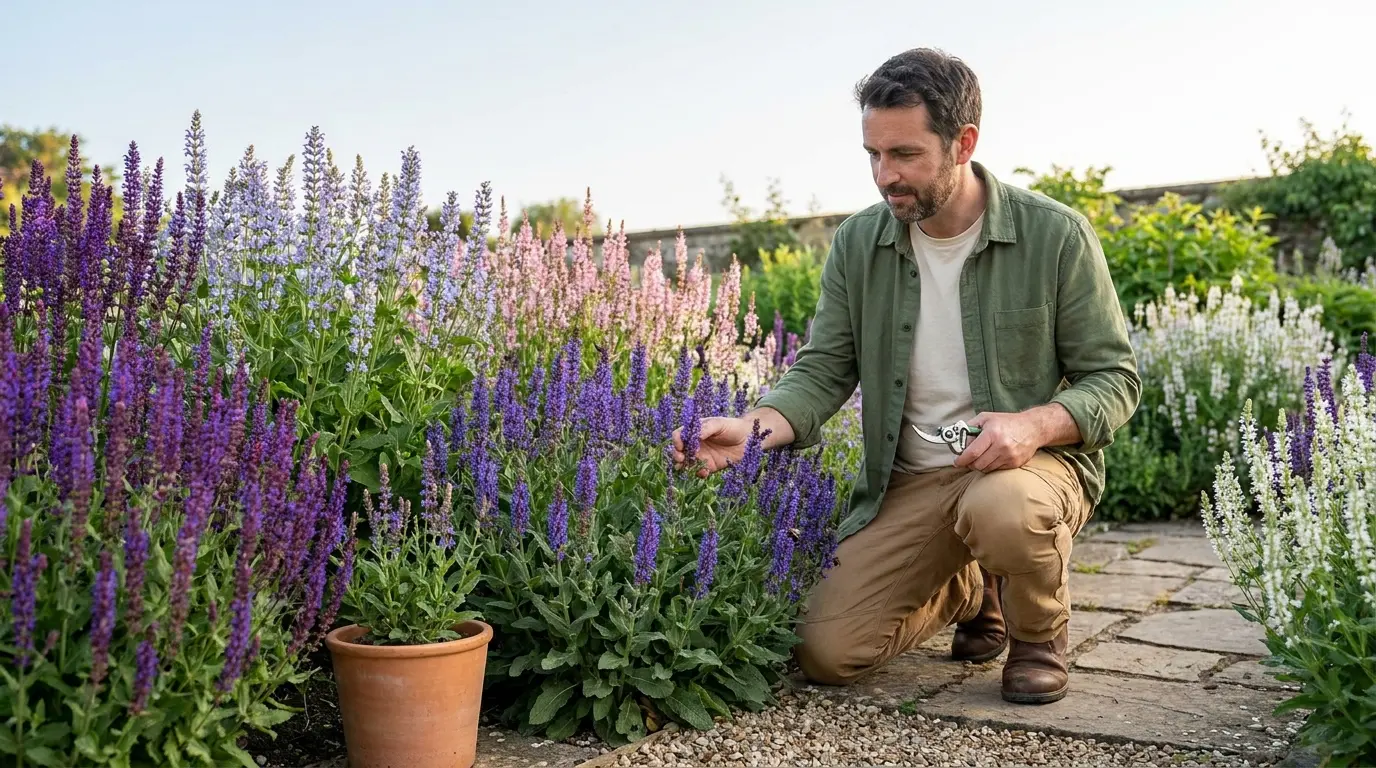
Monkshood grows in tall stems topped with striking blue or purple hood-shaped flowers, often mistaken for a harmless garden perennial because of its elegant look. All parts may affect the nerves and heart, with the roots and tubers carrying the greatest concern for both humans and animals that come into contact with them.
- Main Danger: May affect the nerves and heart, especially through the roots and tubers.
- Safety Note: Avoid bare-skin contact, and do not grow it where kids can reach it.
3. Foxglove
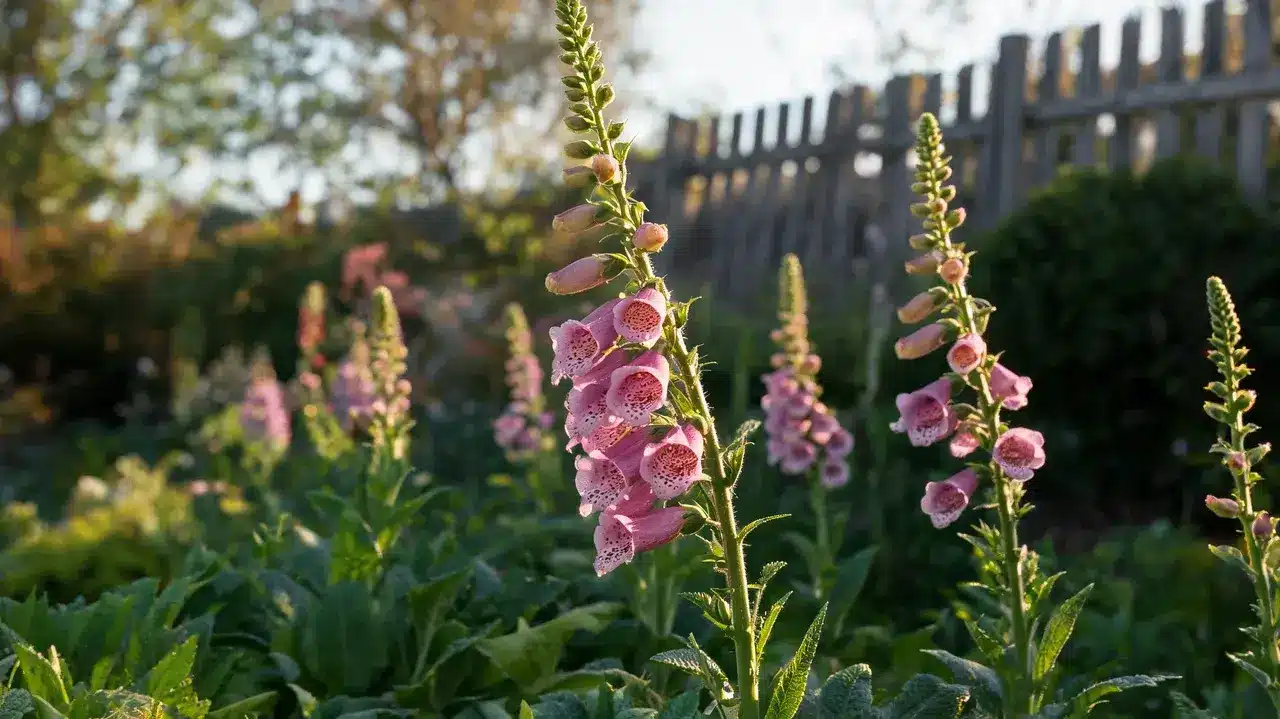
Foxglove sends up tall spikes lined with spotted, bell-shaped flowers, a favorite in cottage-style gardens for its dramatic vertical shape.
Its compounds can disturb heart rhythm, and the danger spans humans, kids, pets, and livestock alike, making careful placement especially important around homes with children or grazing animals nearby.
- Main Danger: Contains compounds that can disturb heart rhythm.
- Safety Note: Never place cut foxglove near food, low tables, or play areas.
4. Lily of the Valley
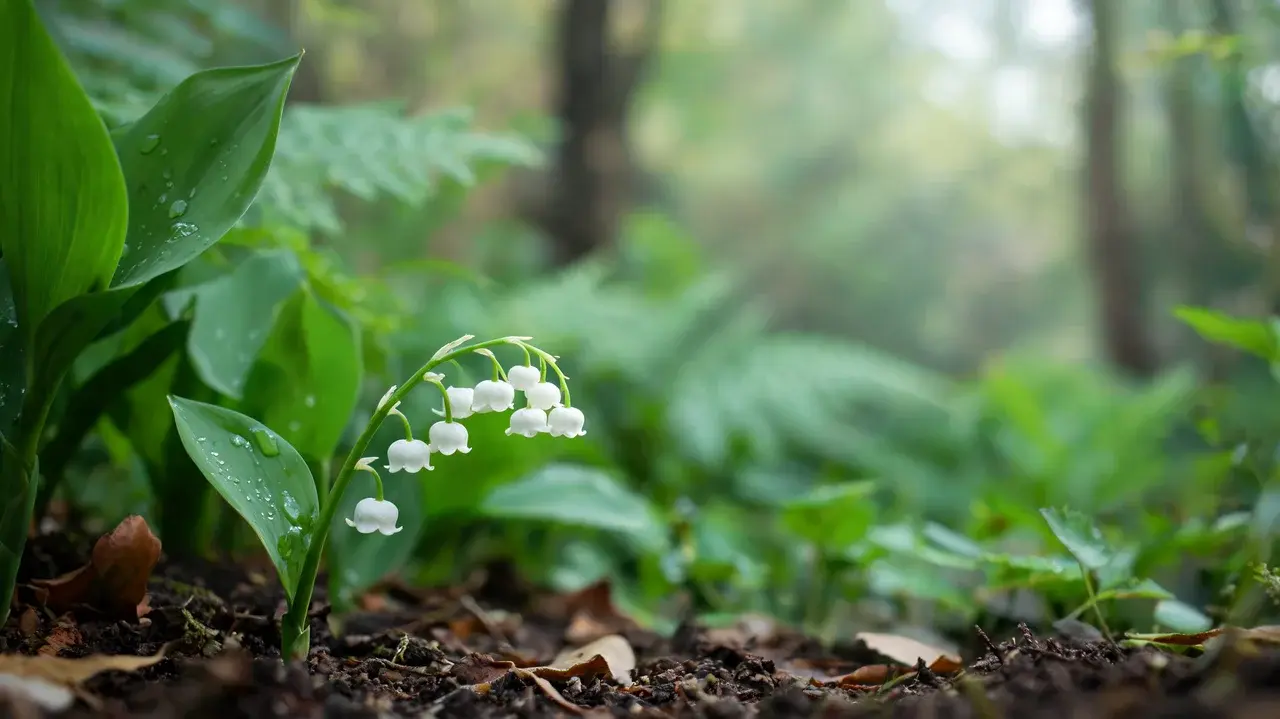
Lily of the Valley grows small white bell-shaped flowers against broad green leaves, with a sweet, delicate scent that hides the real danger. It may cause digestive and heart-related symptoms, and the risk extends to humans, cats, and dogs, even through the water sitting in a vase of cut stems.
- Main Danger: May cause digestive and heart-related symptoms.
- Safety Note: Keep arrangements off cake tables, dining tables, and within reach of vases.
5. Water Hemlock
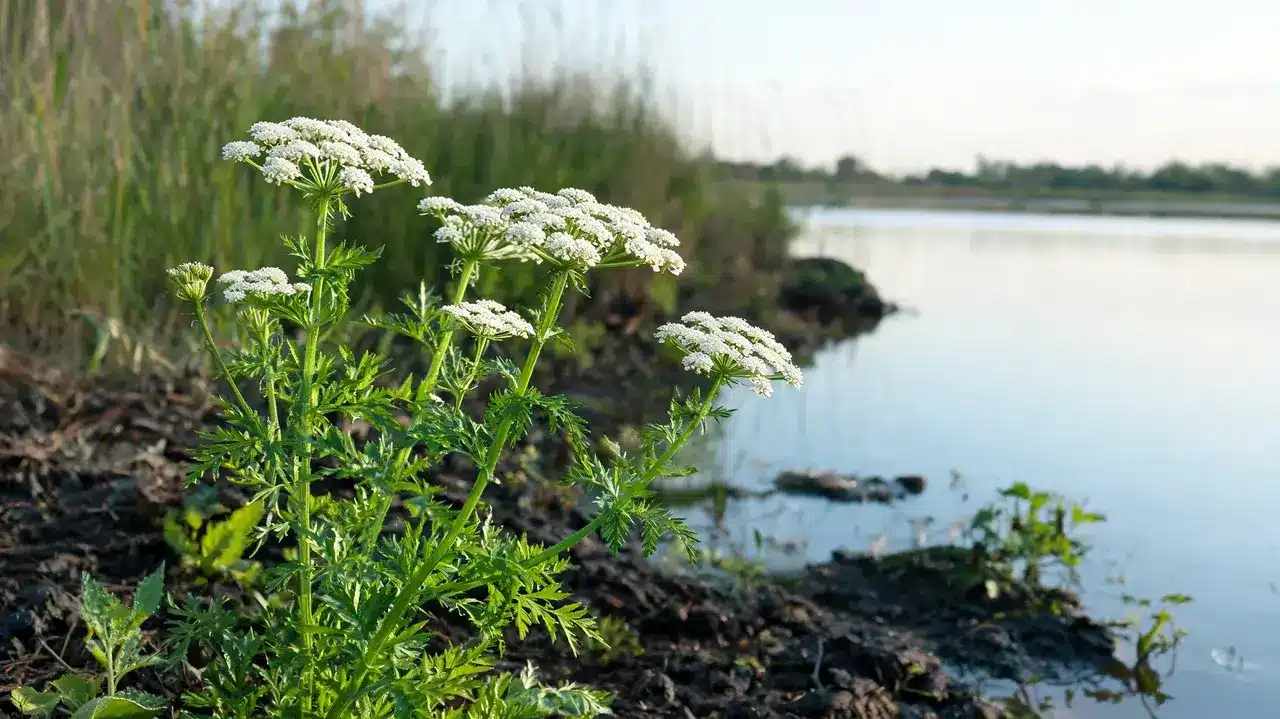
Water Hemlock grows small white flowers in umbrella-like clusters, often near streams and wet ground where it can easily go unnoticed. It can trigger severe nervous-system reactions, including seizures, in both humans and animals, and is frequently named among the most dangerous plants found in North America.
- Main Danger: Severe nervous-system reactions, including seizures.
- Safety Note: Do not touch or pull an unidentified hemlock-like plant yourself.
6. Angel’s Trumpet
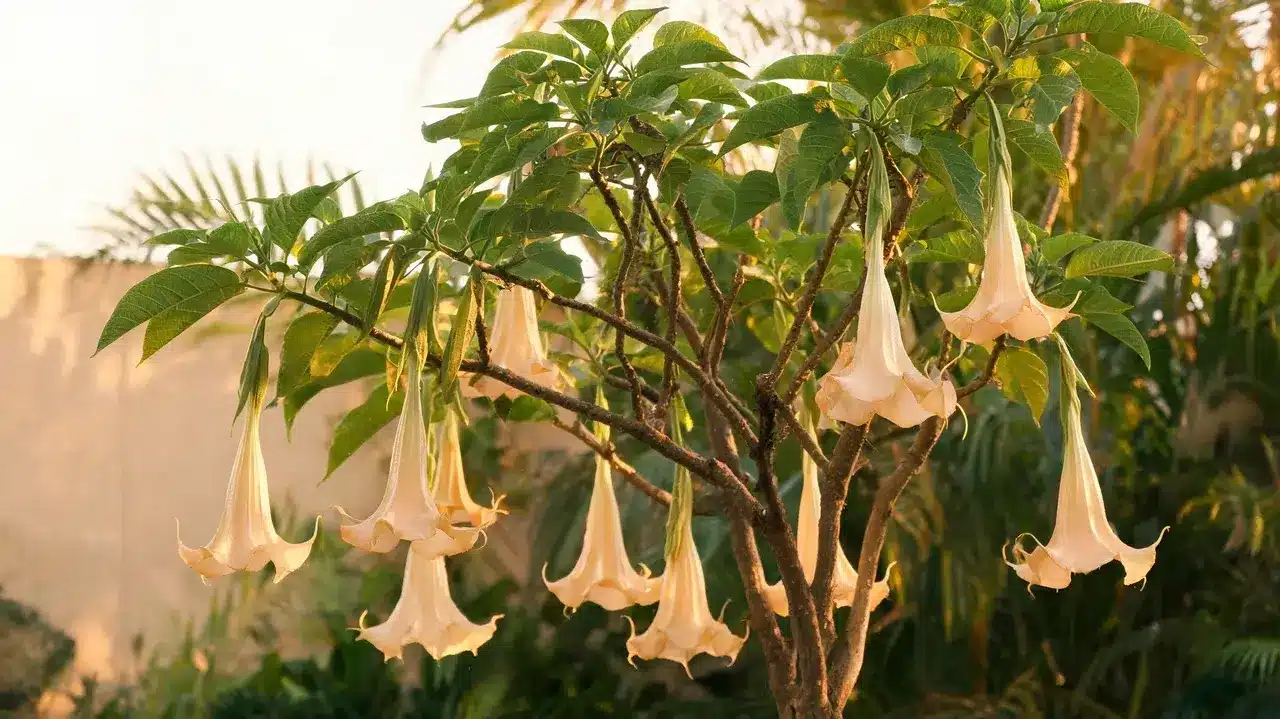
Angel’s Trumpet is a warm-climate shrub or small tree known for its large, drooping, trumpet-shaped flowers in white, yellow, or pink.
Every part, from the seeds to the flowers, contains toxic alkaloids that affect the nervous system, and ingestion has led to severe hallucinations and fatal poisoning in some cases.
- Main Danger: Toxic alkaloids can cause severe hallucinations and can be fatal.
- Safety Note: Never let cut stems or flowers sit within reach of children or pets.
7. Jimson Weed
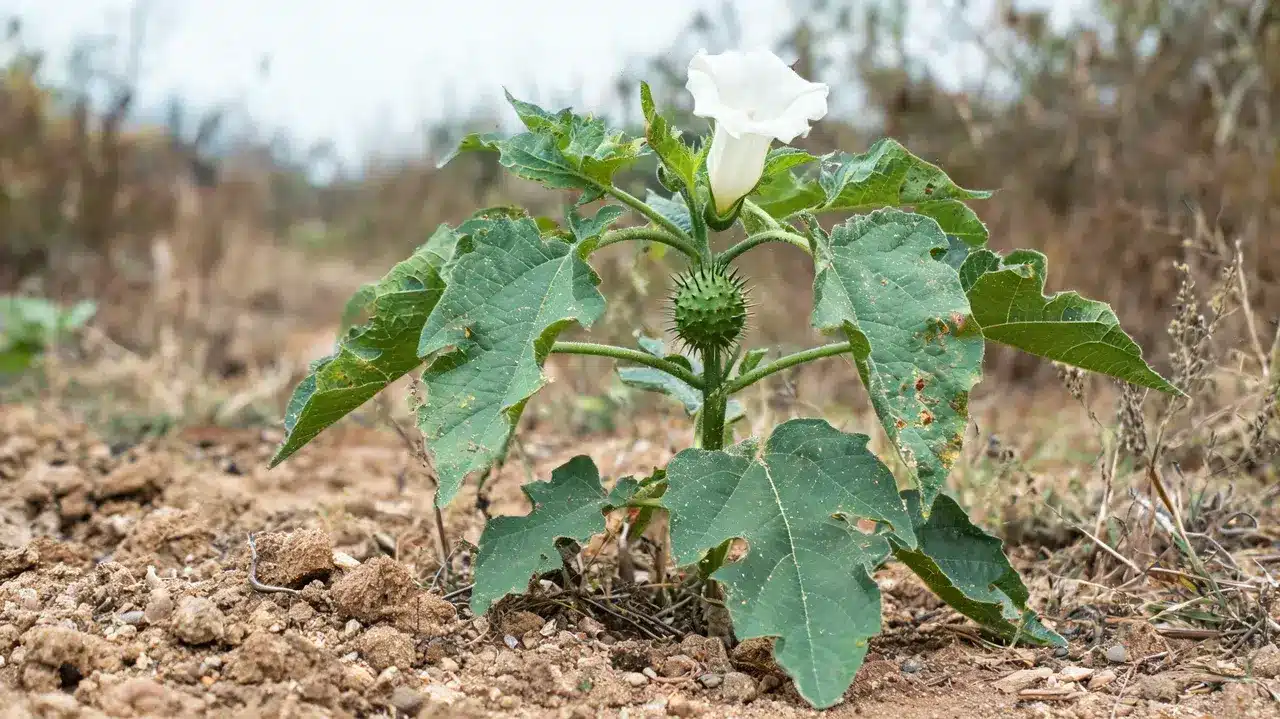
Jimson Weed grows green leaves, sometimes tinged with purple, and produces trumpet-shaped white or purple flowers that open in the evening. All parts of the plant contain toxic alkaloids, and ingestion can cause severe delirium, hallucinations, and a dangerously elevated heart rate in both humans and animals.
- Main Danger: Can cause severe delirium, hallucinations, and rapid heart rate.
- Safety Note: Remove it from areas where children or grazing animals might encounter it.
Toxic Flowers to Humans
Toxic flowers to humans cause harm mainly when they are eaten, rather than through simple contact. Their risk tends to be milder than the flowers above, but it still deserves real attention, especially around kids and pets.
8. Hydrangea
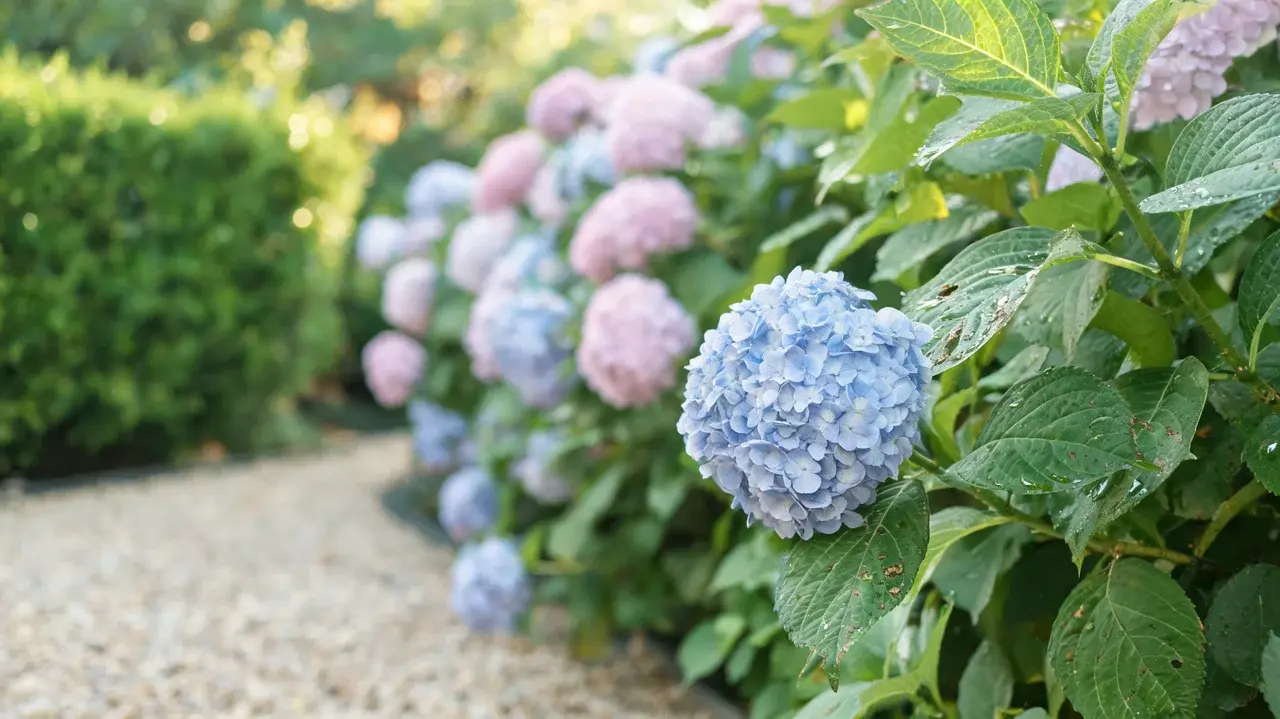
Hydrangea produces large, rounded clusters of blue, pink, purple, or white flowers, making it one of the most popular ornamental shrubs grown today.
Its compounds can release cyanide when broken down, though digestive upset is far more common than severe poisoning in humans, cats, and dogs that chew on it.
Consistent watering and the right soil pH make the biggest difference when you care for hydrangeas, since acidic soil shifts blooms toward blue while alkaline soil pushes them toward pink.
- Main Danger: Compounds can release cyanide when broken down.
- Safety Note: Keep it away from toddlers and pets that chew on plants.
9. Rhododendron and Azalea
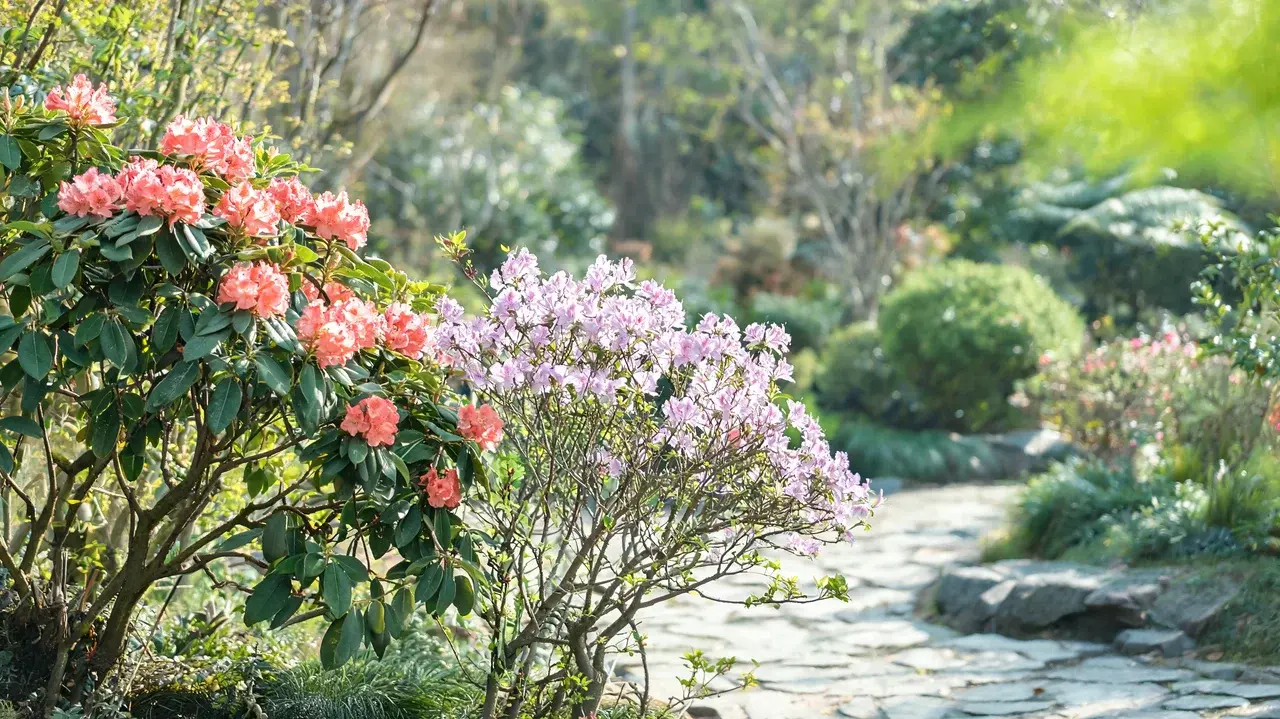
Rhododendron and azalea are woody shrubs covered in large clusters of bright, showy flowers each spring, often planted as hedges or foundation plants. Toxins may affect the mouth, stomach, nerves, and muscles of humans, cats, and dogs alike, particularly when the leaves are chewed rather than just brushed against.
- Main Danger: May affect the mouth, stomach, nerves, and muscles.
- Safety Note: Skip low planting areas where kids or animals can easily reach the leaves.
10. Delphinium or Larkspur
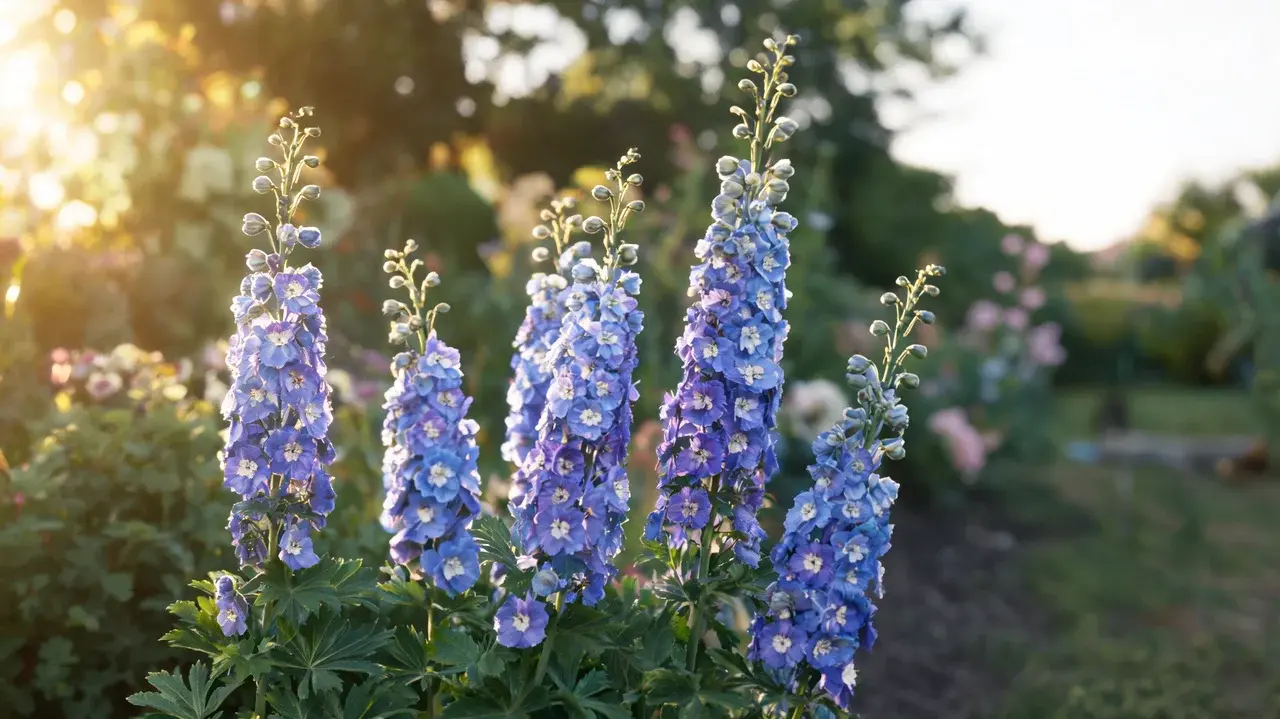
Delphinium, also called larkspur, sends up tall spikes of blue, purple, white, or pink flowers that add real height and color to a garden bed. It can cause digestive, nervous, and breathing problems in humans, pets, and livestock, with the seeds and young growth holding the highest toxin concentration.
- Main Danger: Can cause digestive, nervous, and breathing problems.
- Safety Note: Wear gloves when removing leaves or spent flowers.
11. Autumn Crocus
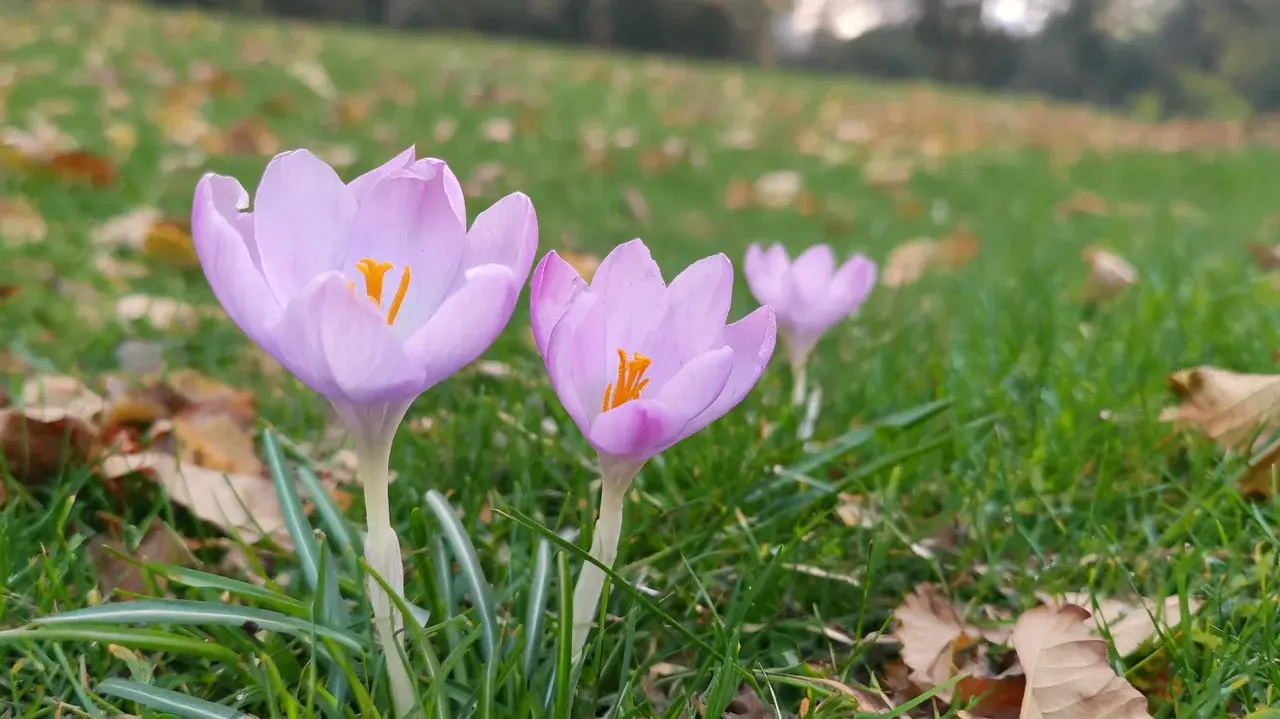
Autumn Crocus produces pink, purple, or pale crocus-like blooms that appear in fall, often catching gardeners off guard since true crocuses typically bloom in spring instead.
It may cause mouth burning and severe digestive problems in both humans and pets, making correct identification especially important before handling it.
- Main Danger: May cause mouth burning and severe digestive problems.
- Safety Note: Do not confuse it with edible or safer crocus varieties.
12. Daffodil
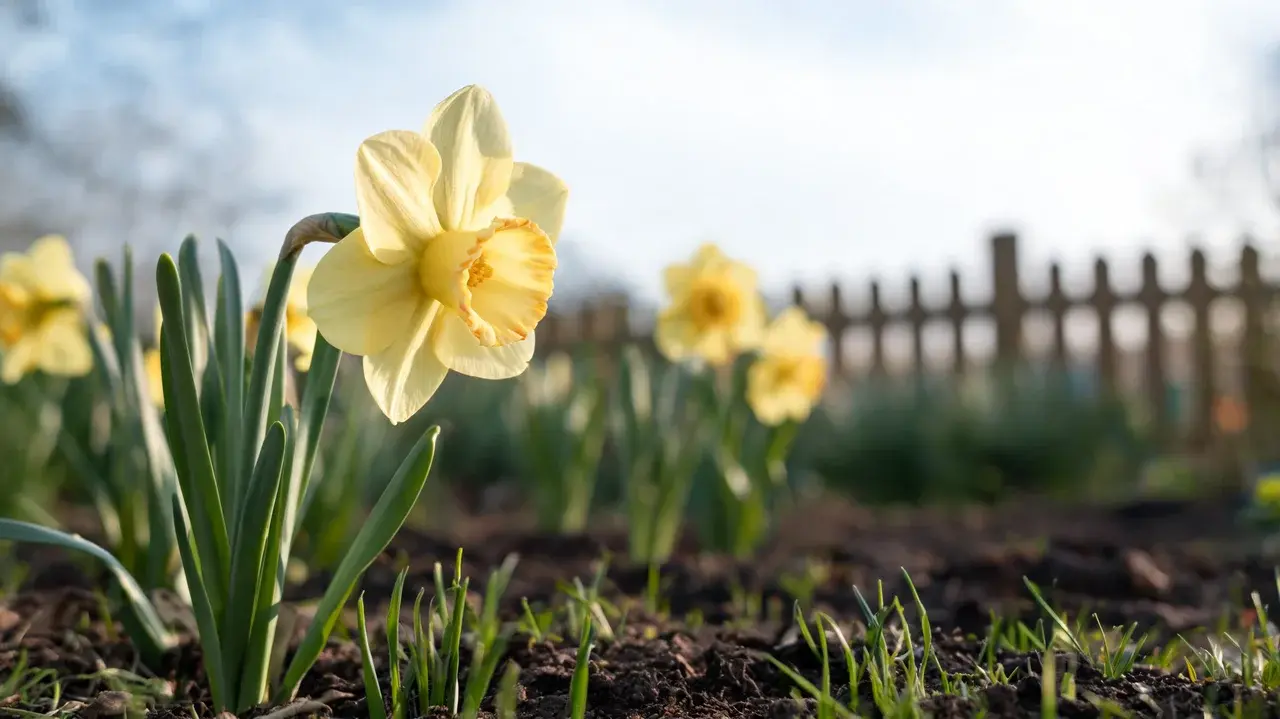
Daffodils are known for their cheerful yellow or white trumpet-shaped flowers each spring, grown from bulbs planted the fall before in gardens everywhere. Ingestion can cause vomiting, diarrhea, or tremors, and dogs that dig up bulbs face particular risk alongside humans who may mistake them for onions.
- Main Danger: Can cause vomiting, diarrhea, or tremors after ingestion.
- Safety Note: Store loose bulbs away from onions and other edible bulbs.
13. Hyacinth
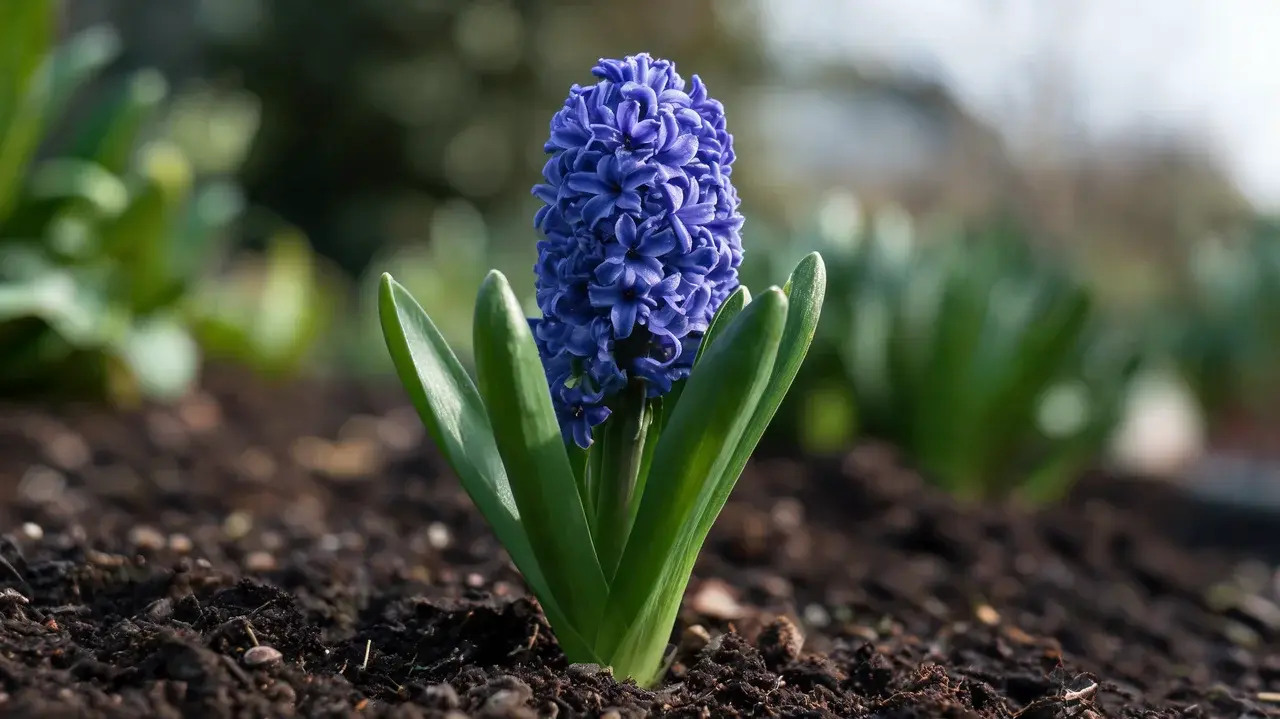
Hyacinth grows dense, fragrant flower spikes in shades ranging from soft pastels to deep purples, making it a favorite for spring bulb displays. It can cause skin irritation and digestive problems in both humans and pets, with the bulb posing more concern than the fragrant flowers above it.
- Main Danger: Skin irritation and digestive problems.
- Safety Note: Wear gloves while planting the bulbs.
14. Amaryllis
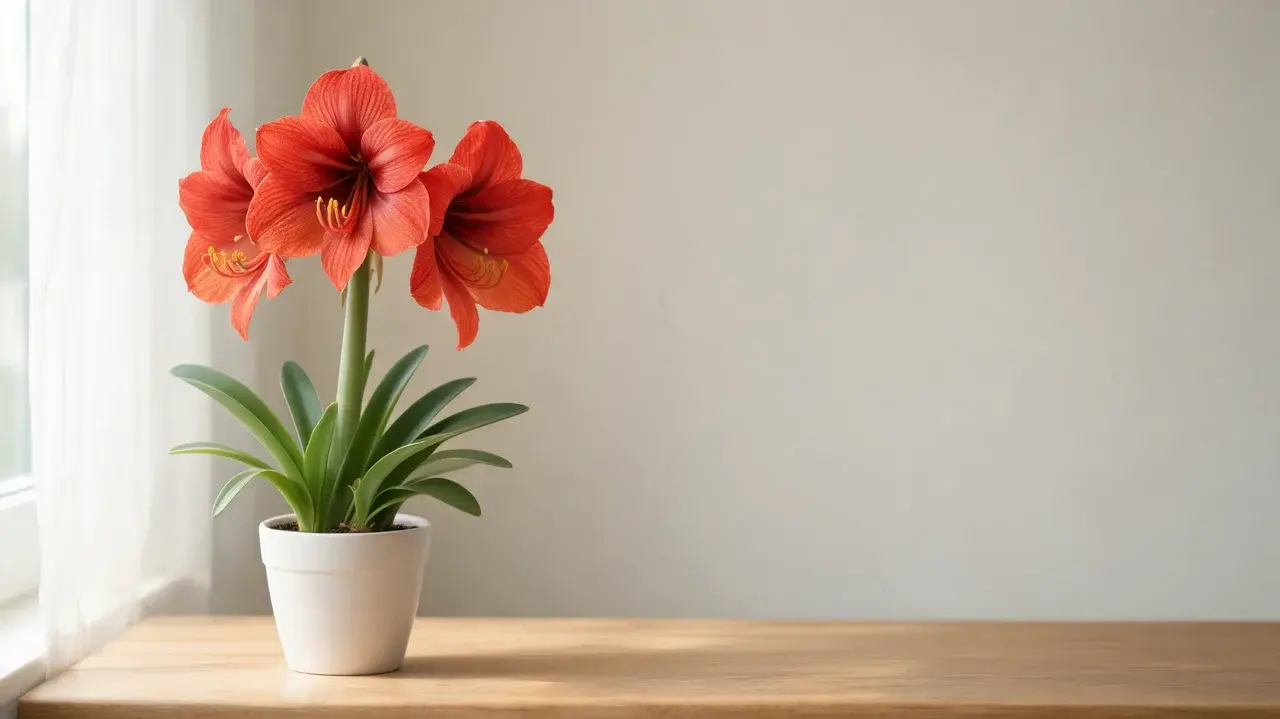
Amaryllis produces large, trumpet-shaped flowers and is often sold as a potted gift plant around the winter holidays. It can cause vomiting, diarrhea, and stomach pain in humans and pets alike, with the bulb holding the highest concentration of toxins found anywhere in the plant.
- Main Danger: Vomiting, diarrhea, and stomach pain.
- Safety Note: Keep indoor pots away from kids and pets.
15. Iris
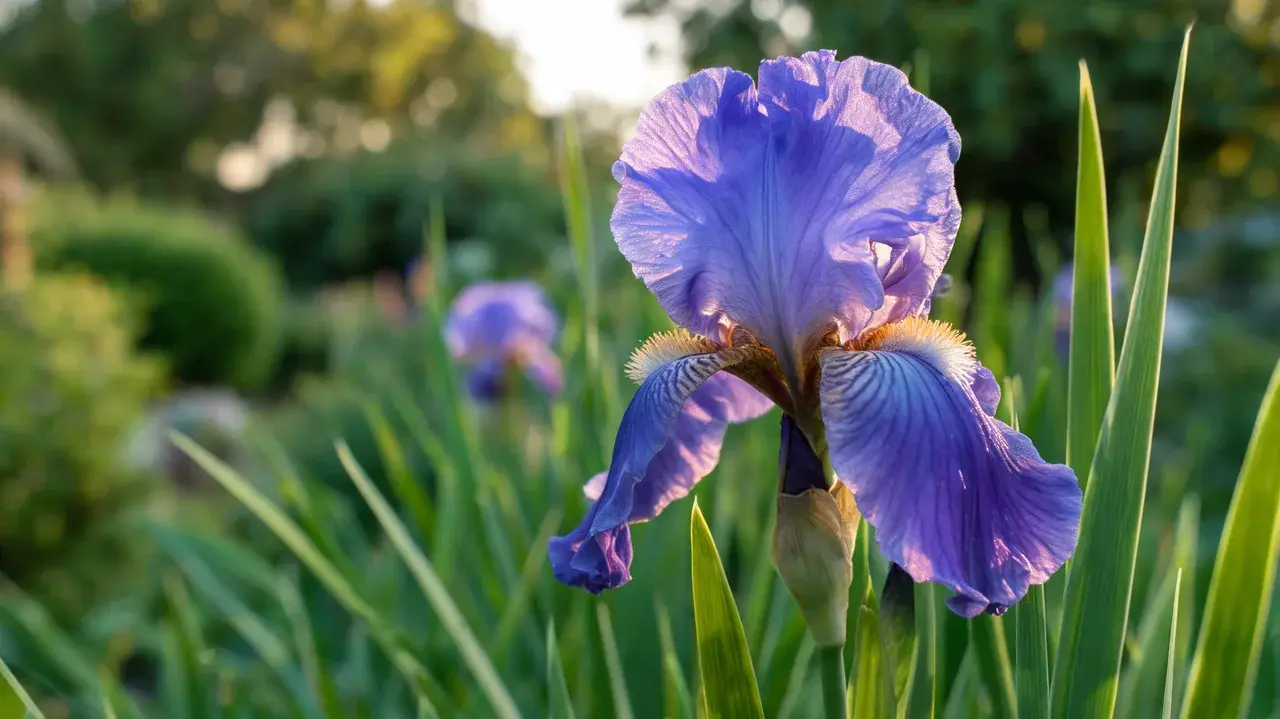
Iris plants grow from bulbs or rhizomes and produce sword-shaped leaves topped with showy, often purple or yellow flowers each spring.
The underground stems carry the most concern, and ingestion typically causes uncomfortable, though rarely serious, digestive upset in both humans and pets.
- Main Danger: Underground stems can cause digestive upset if eaten.
- Safety Note: Wear gloves when dividing or handling the rhizomes.
16. Lantana
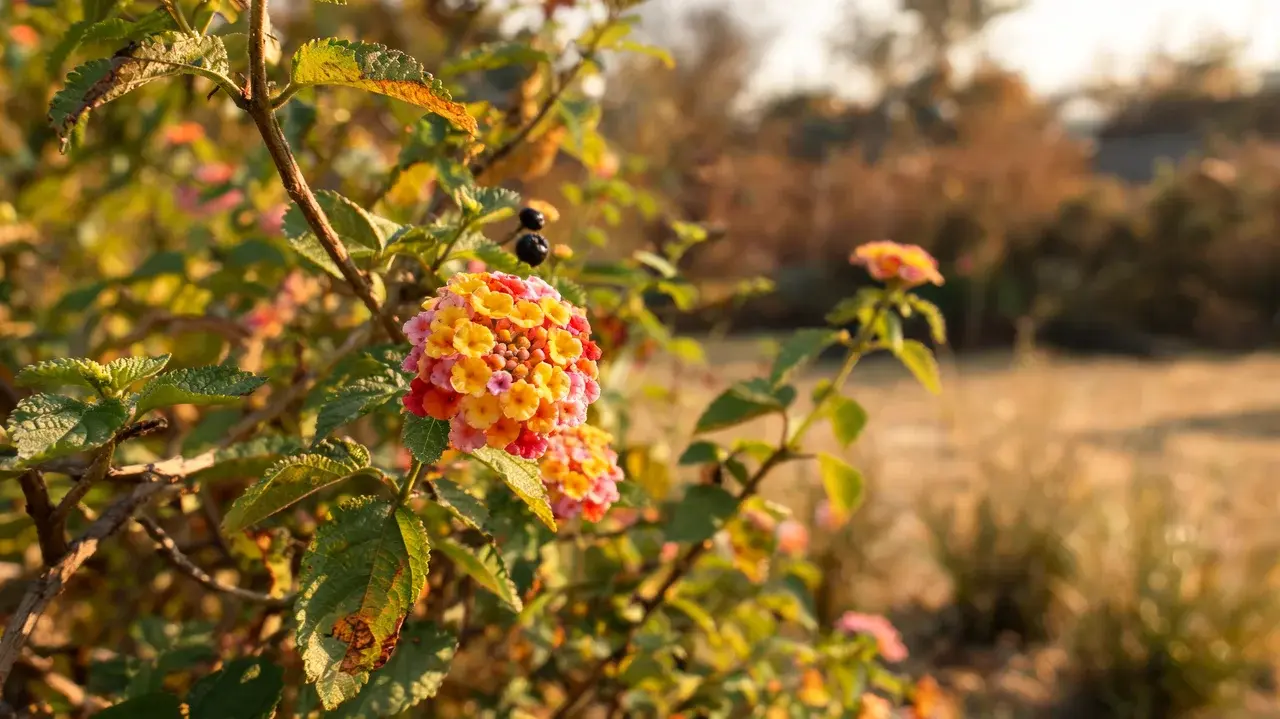
Lantana is a colorful, low-growing shrub with clustered flowers in shades of orange, pink, red, and yellow that attract butterflies all season. The unripe green berries are the most toxic part, and eating them can cause digestive upset, weakness, and, in serious cases, liver problems.
- Main Danger: Unripe berries can cause digestive upset and liver problems.
- Safety Note: Keep small children and pets away from the berries, especially green ones.
17. Hellebore
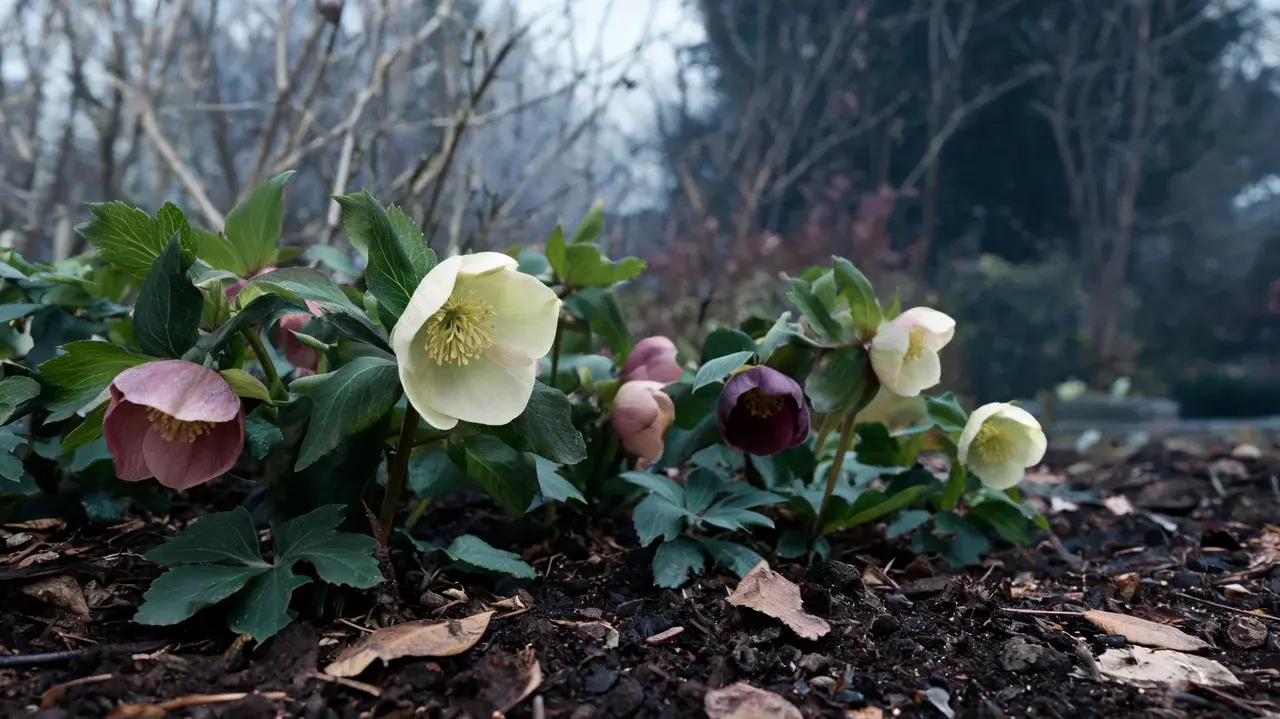
Hellebore, sometimes called the Christmas Rose, blooms in late winter with nodding, cup-shaped flowers in white, pink, or deep purple.
All parts of the plant contain compounds that irritate the mouth and digestive tract, and ingestion can cause burning, nausea, and vomiting in humans and pets alike.
- Main Danger: Can cause mouth burning, nausea, and vomiting if eaten.
- Safety Note: Wear gloves when cutting or dividing the plant.
Ingestion is not the only way these plants cause harm, though most of the risk here comes down to what gets swallowed.
Flowers and Plants That Can Harm Through Skin Contact
Not every plant on this list needs to be swallowed to cause a reaction. Some of the most common causes of plant-related injury come from simple contact, sometimes made worse by sunlight hitting exposed skin afterward.
18. Giant Hogweed
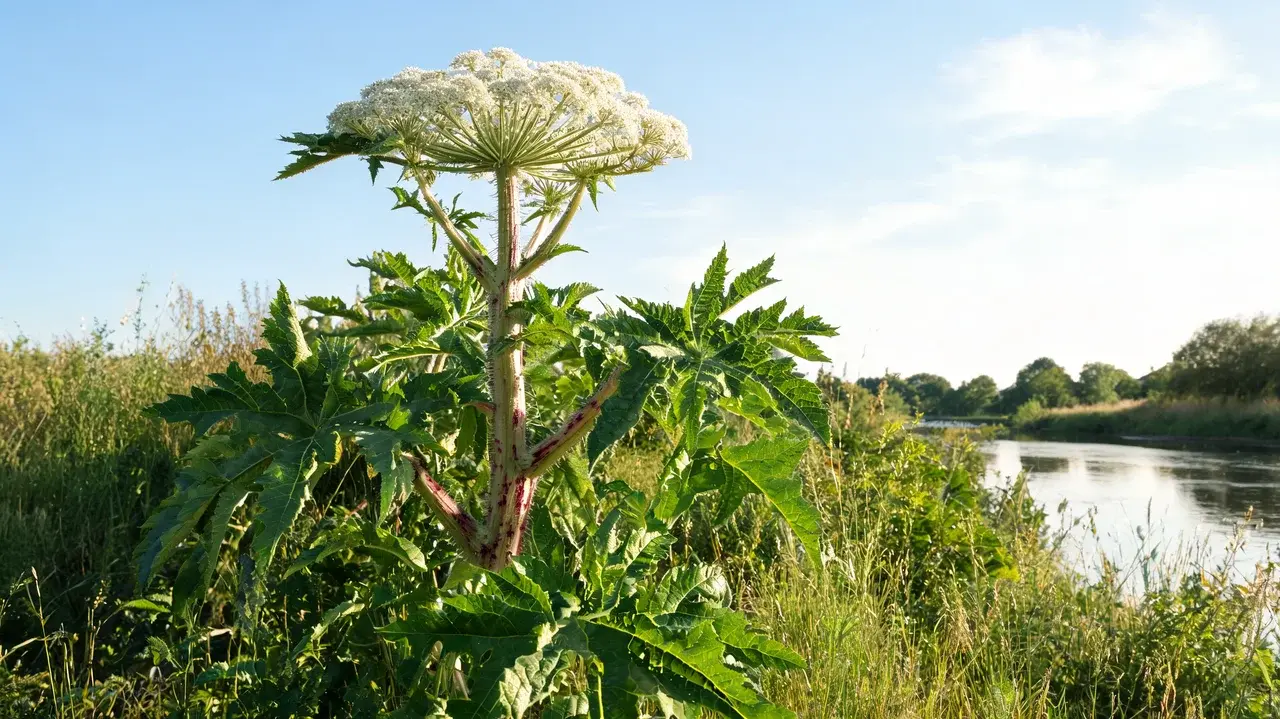
Giant Hogweed is a tall, imposing plant with large, umbrella-shaped clusters of white flowers, often towering well above head height in open fields.
Its sap can make skin highly sensitive to sunlight, putting anyone who brushes against or cuts the plant at risk of severe burns, blisters, or scarring. CDC research on plant hazards confirms that this reaction, called phytophotodermatitis, comes from compounds called furanocoumarins reacting with ultraviolet light on the skin.
- Main Danger: Sap can make skin highly sensitive to sunlight.
- Safety Note: Do not cut, touch, or brush against it.
19. Wild Parsnip
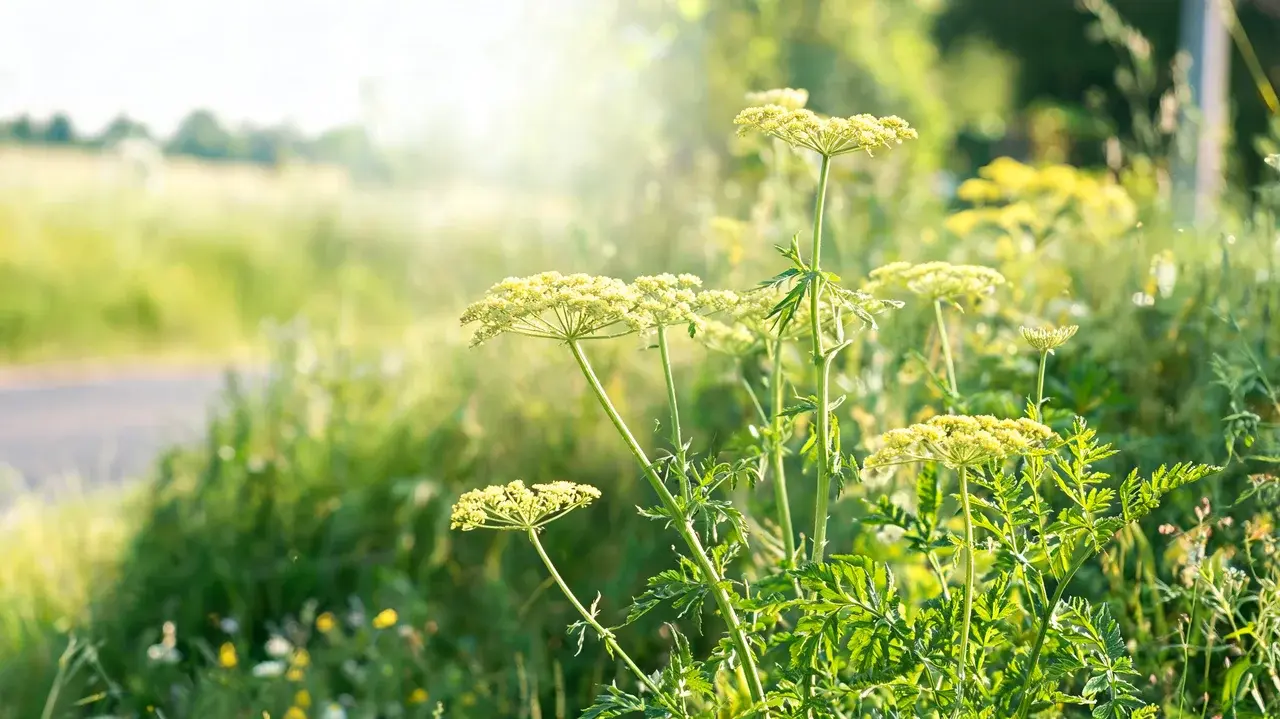
Wild Parsnip grows yellow flower clusters on tall, grooved stems and is often found along roadsides and open fields across many regions. Its sap causes skin reactions that worsen after sunlight exposure, affecting anyone with bare skin exposed to it during removal or simple outdoor activity nearby.
- Main Danger: Skin reactions worsen after sunlight exposure.
- Safety Note: Cover your skin and get local help for removal.
20. Clematis
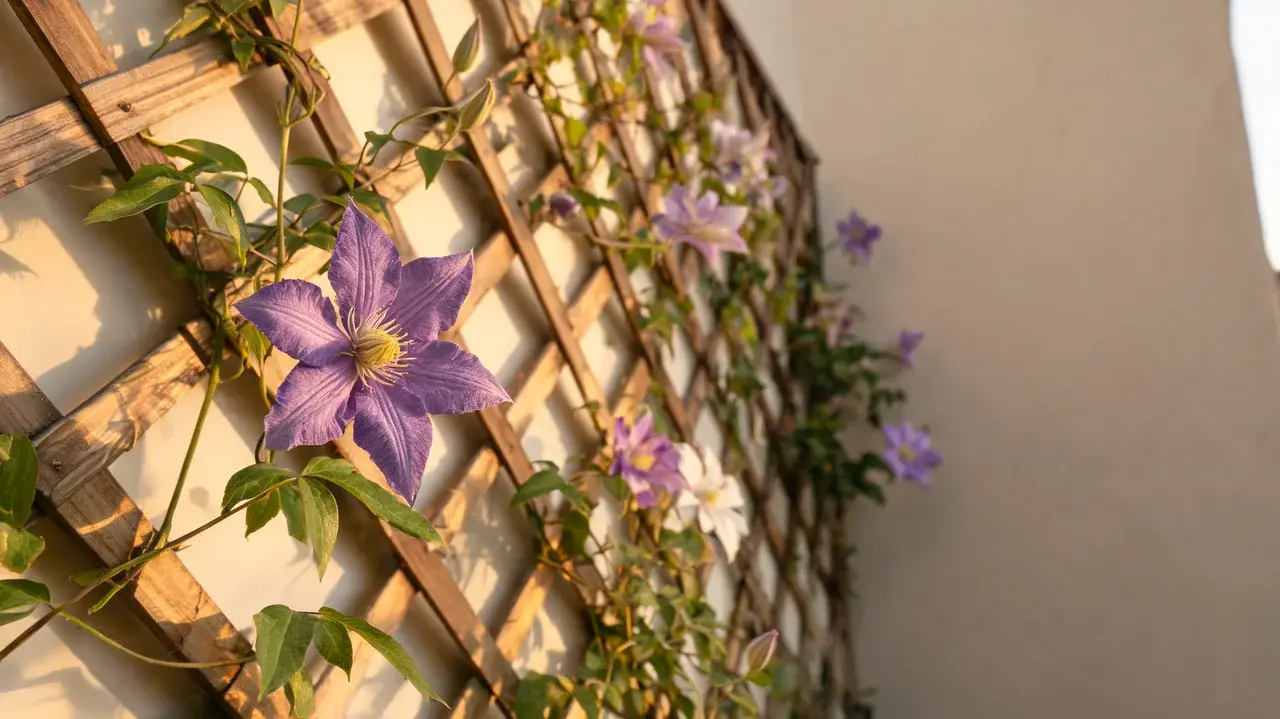
Clematis is a climbing vine known for its showy, star-shaped flowers in a wide range of colors, a favorite for trellises and garden fences. Its sap can irritate the skin and mouth of humans and pets that chew the vine, especially during pruning or planting without protection.
- Main Danger: Can irritate the skin and mouth.
- Safety Note: Use gloves when planting or cutting the vine.
21. Stinging Nettle
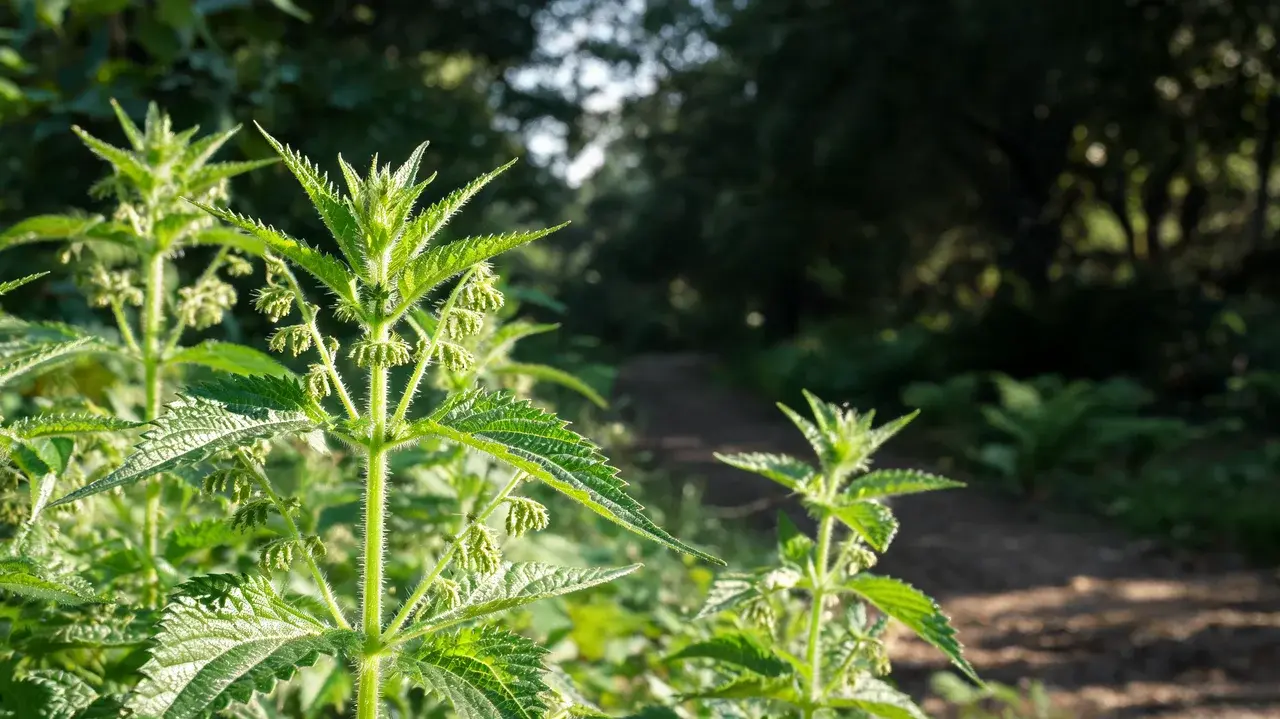
Stinging Nettle is a leafy green plant with jagged-edged leaves covered in fine, nearly invisible hairs that react instantly on contact. Contact causes an immediate burning sting and itchy rash for anyone brushing against it with bare skin, making it a common nuisance along trails and in gardens.
- Main Danger: Contact causes a burning rash.
- Safety Note: Do not touch an unknown nettle-like plant with bare hands.
22. Poison Ivy
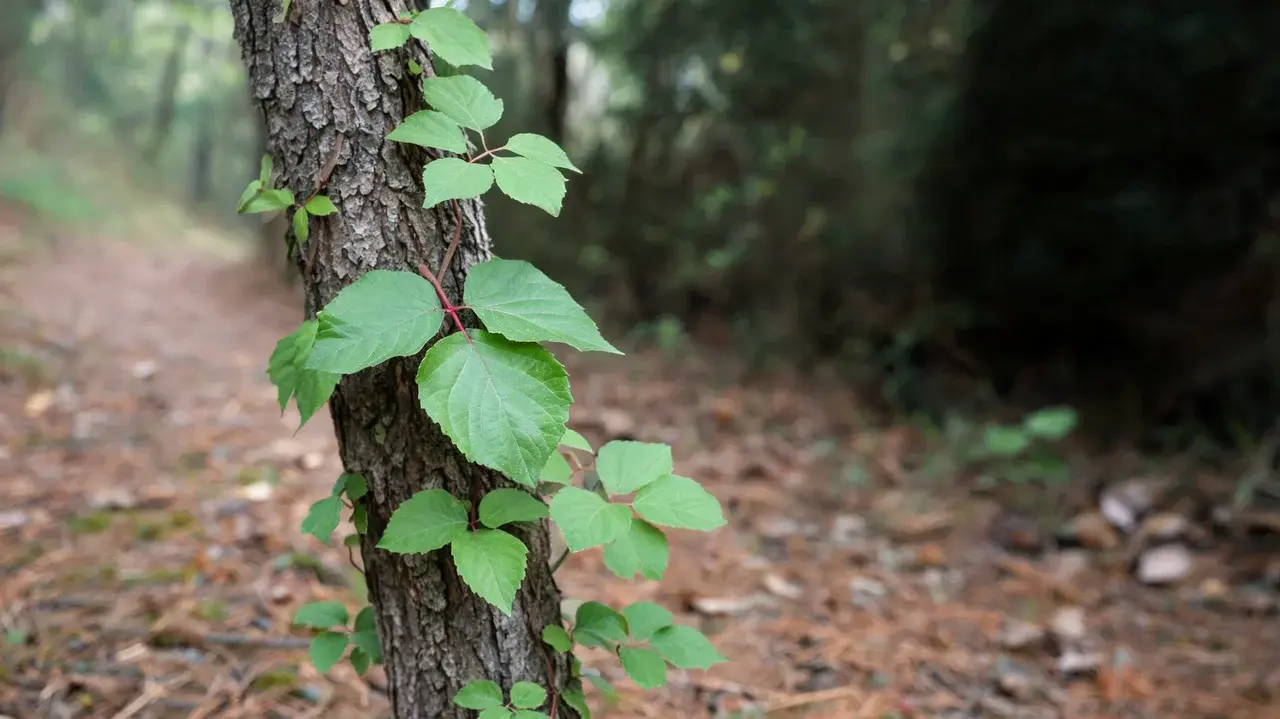
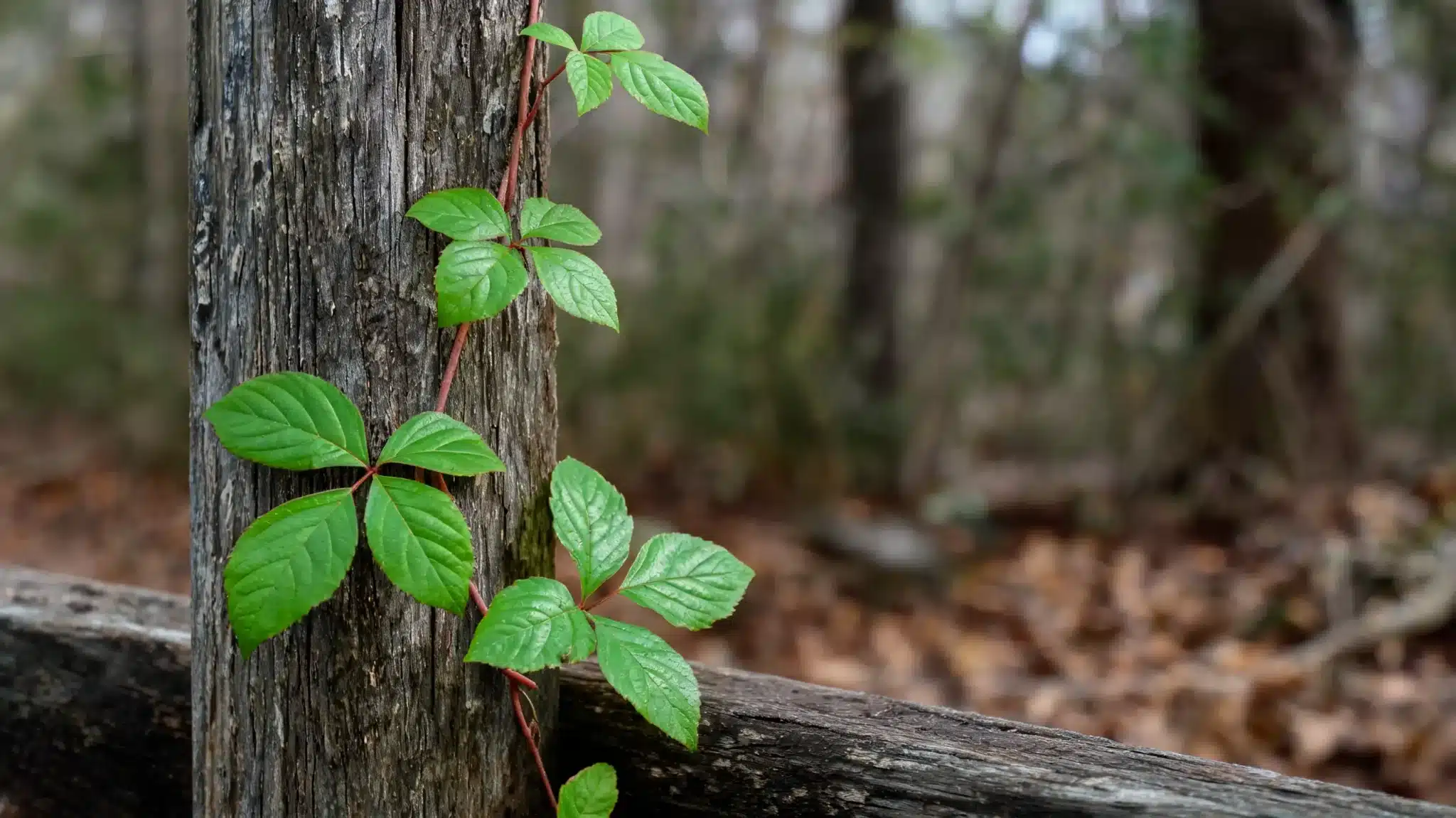
Poison Ivy grows as a vine or low shrub, easily recognized by its clusters of three glossy leaves that turn red in fall. Its sap contains an oil that causes an itchy, blistering rash on contact, and the plant stays dangerous even after it has died or dried out.
- Main Danger: Sap can cause an itchy, blistering rash on contact.
- Safety Note: Never burn poison ivy, since the smoke can irritate the lungs.
23. Virginia Creeper
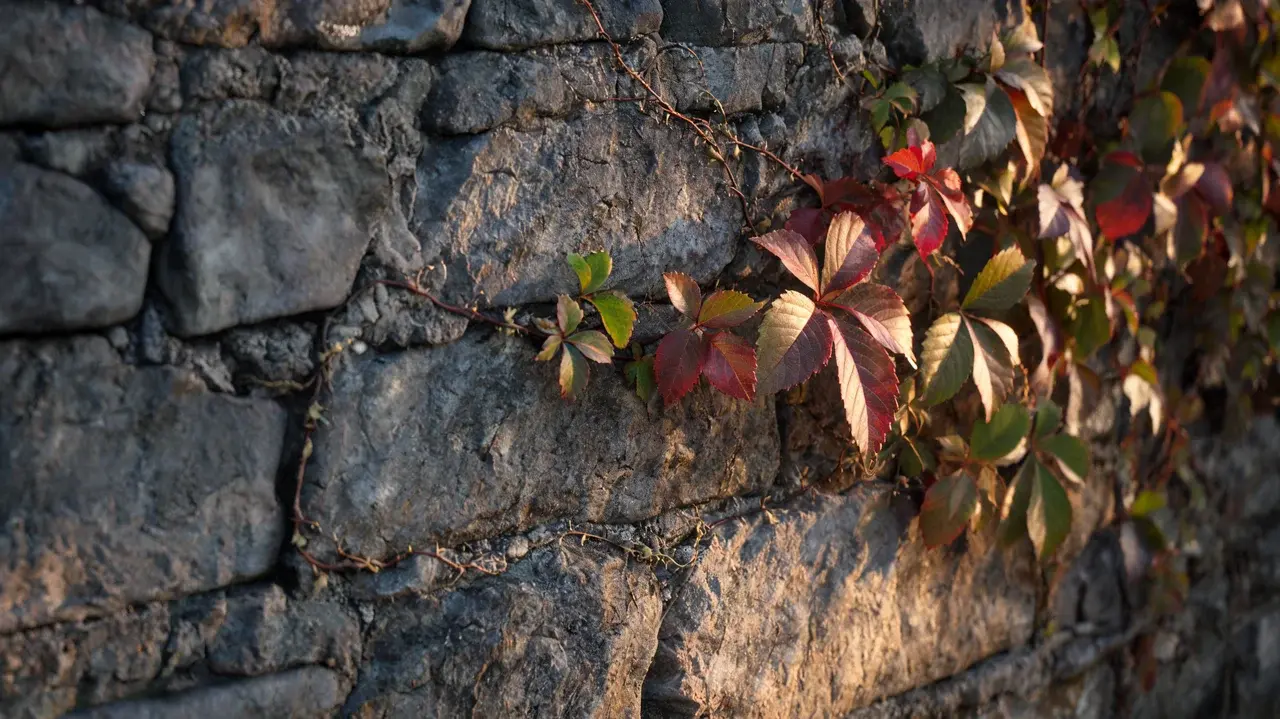
Virginia Creeper is a fast-growing vine with five-leaflet clusters that turn a striking red in autumn and is often mistaken for harmless ivy. Its sap can cause skin irritation similar to poison ivy, and the small berries contain compounds that cause stomach upset if eaten.
- Main Danger: Sap and berries can cause skin irritation and stomach upset.
- Safety Note: Wear gloves when pulling or trimming the vine.
Contact alone explains a fair share of plant-related injuries, but plenty more trace back to something smaller and easier to miss.
Flowers With Toxic Seeds, Bulbs, Berries, or Sap
Some flowers hide their real danger in the smallest parts. A dropped seed, a fallen pod, or a stray berry can carry more risk than the bloom sitting right above it on the same plant.
24. Morning Glory
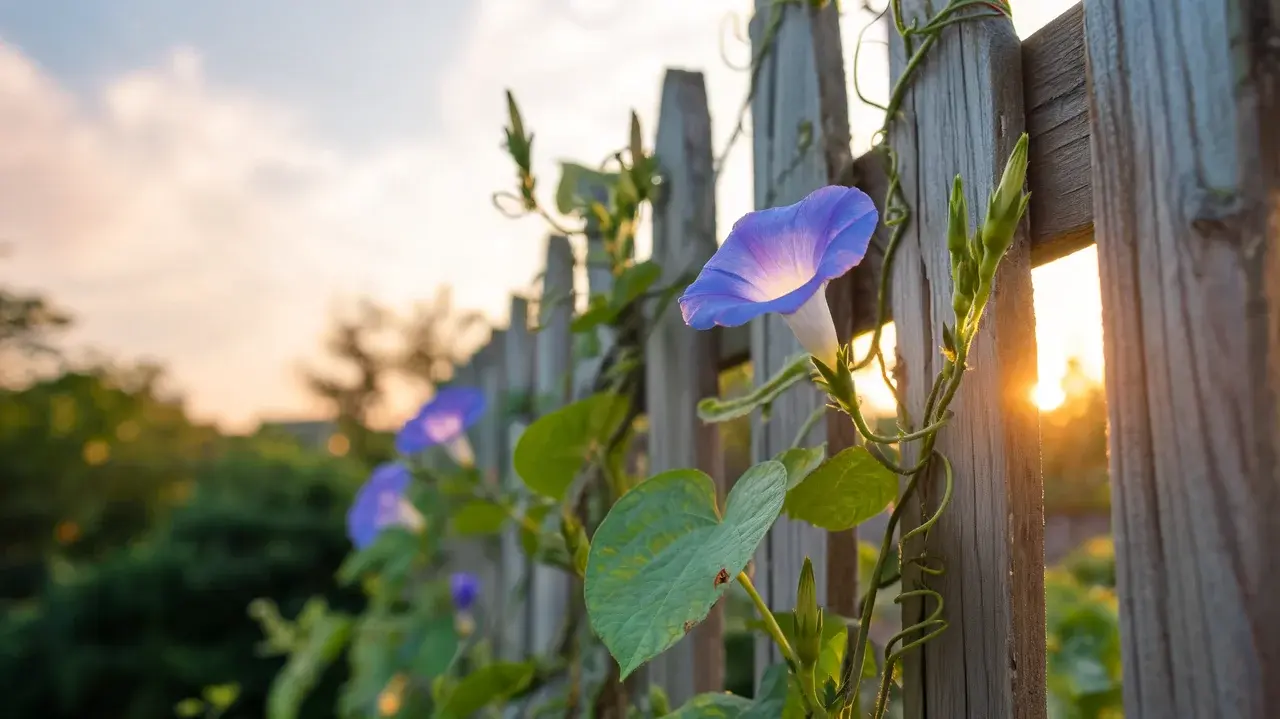
Morning Glory is a fast-growing vine with trumpet-shaped flowers in blue, purple, or pink, often used to quickly cover fences and trellises. Its seeds can cause digestive problems, dizziness, or hallucinations, and kids drawn to the seed pods face the greatest risk of accidental exposure among any age group.
- Main Danger: Digestive problems, dizziness, or hallucinations from the seeds.
- Safety Note: Keep seed packets and dried seed heads away from kids.
25. Wisteria

Wisteria is a climbing vine known for its long, hanging clusters of fragrant purple or white flowers each spring across trellises and arbors. The seeds and pods that follow can cause mild to severe digestive upset in humans and pets alike, especially once they fall and dry on the ground.
- Main Danger: Mild to severe digestive upset from the seeds and pods.
- Safety Note: Clear fallen pods from areas used by kids and pets.
26. Castor Bean Plant
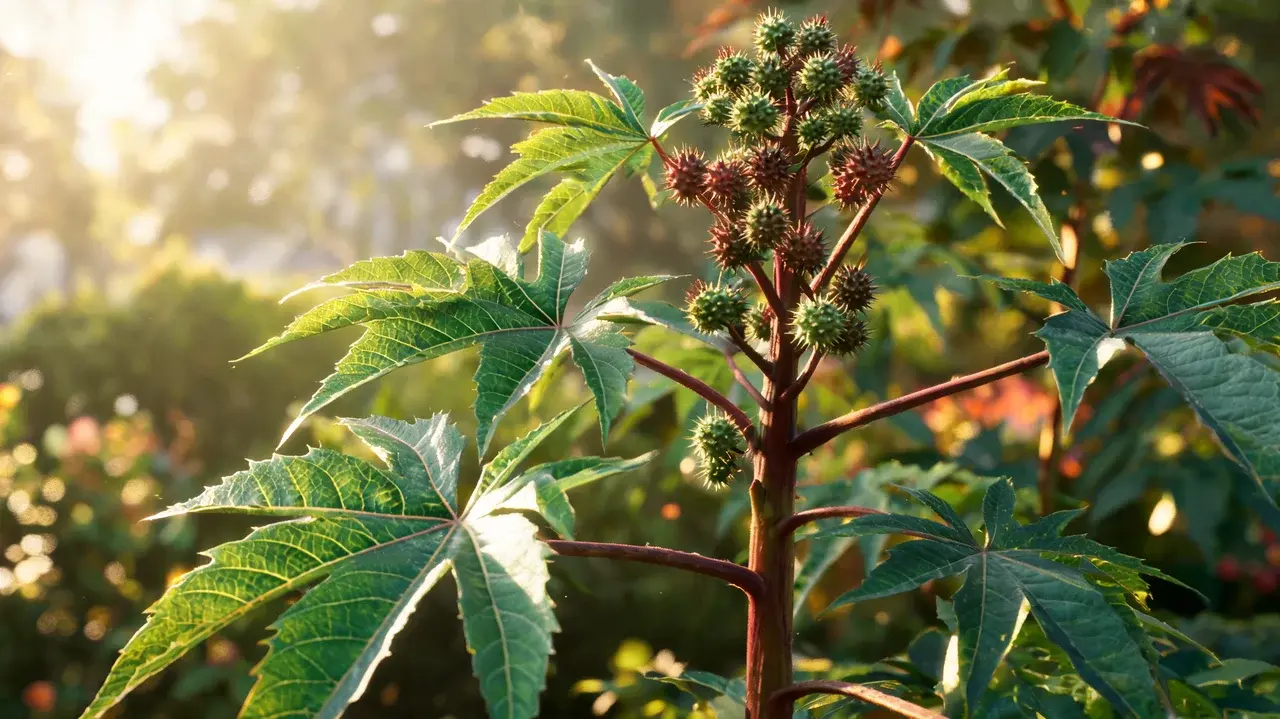
Castor Bean Plant grows tall with large, star-shaped leaves and spiky seed pods that give it a bold, tropical look in the garden. Its seeds contain ricin, and the CDC notes that chewing and swallowing just a handful of seeds can be fatal for both humans and animals, making it one of the riskiest plants on this entire list.
- Main Danger: Chewed seeds contain ricin and can be fatal.
- Safety Note: Skip this one in family gardens or public spaces.
27. Poinsettia
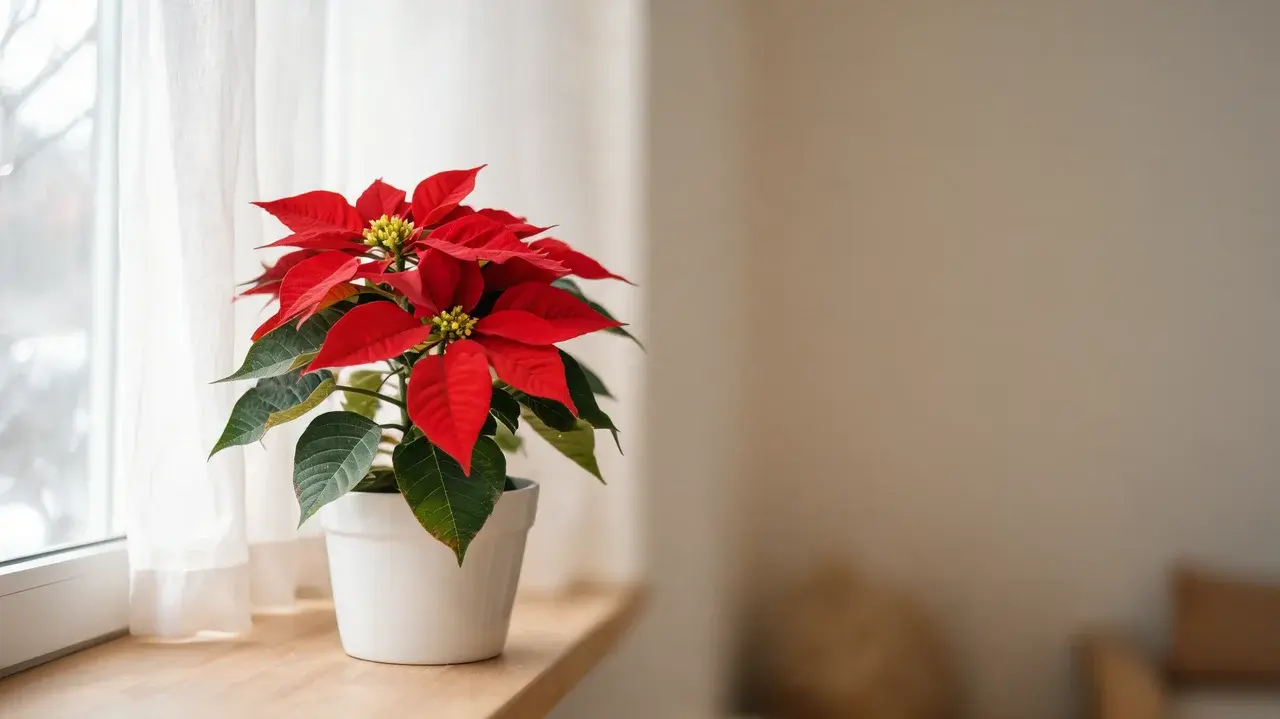
Poinsettia is the familiar holiday plant with bright red, pink, or white leaf clusters that show up in homes every winter season. Its toxicity is usually milder than most others on this list, though humans and pets can still experience some skin, mouth, or stomach irritation from contact or ingestion.
- Main Danger: Mild skin, mouth, or stomach irritation from leaves and sap.
- Safety Note: Keep it out of reach, but there is no need to treat it as one of the deadliest plants around.
28. English Yew
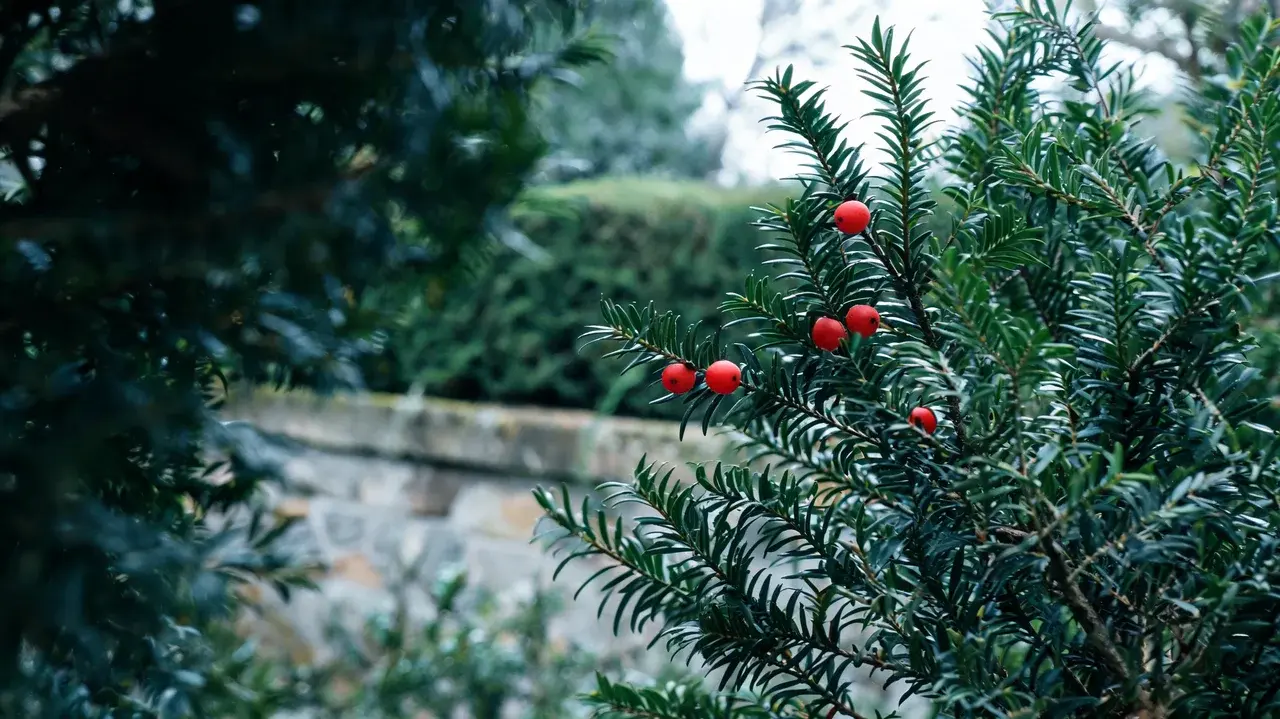
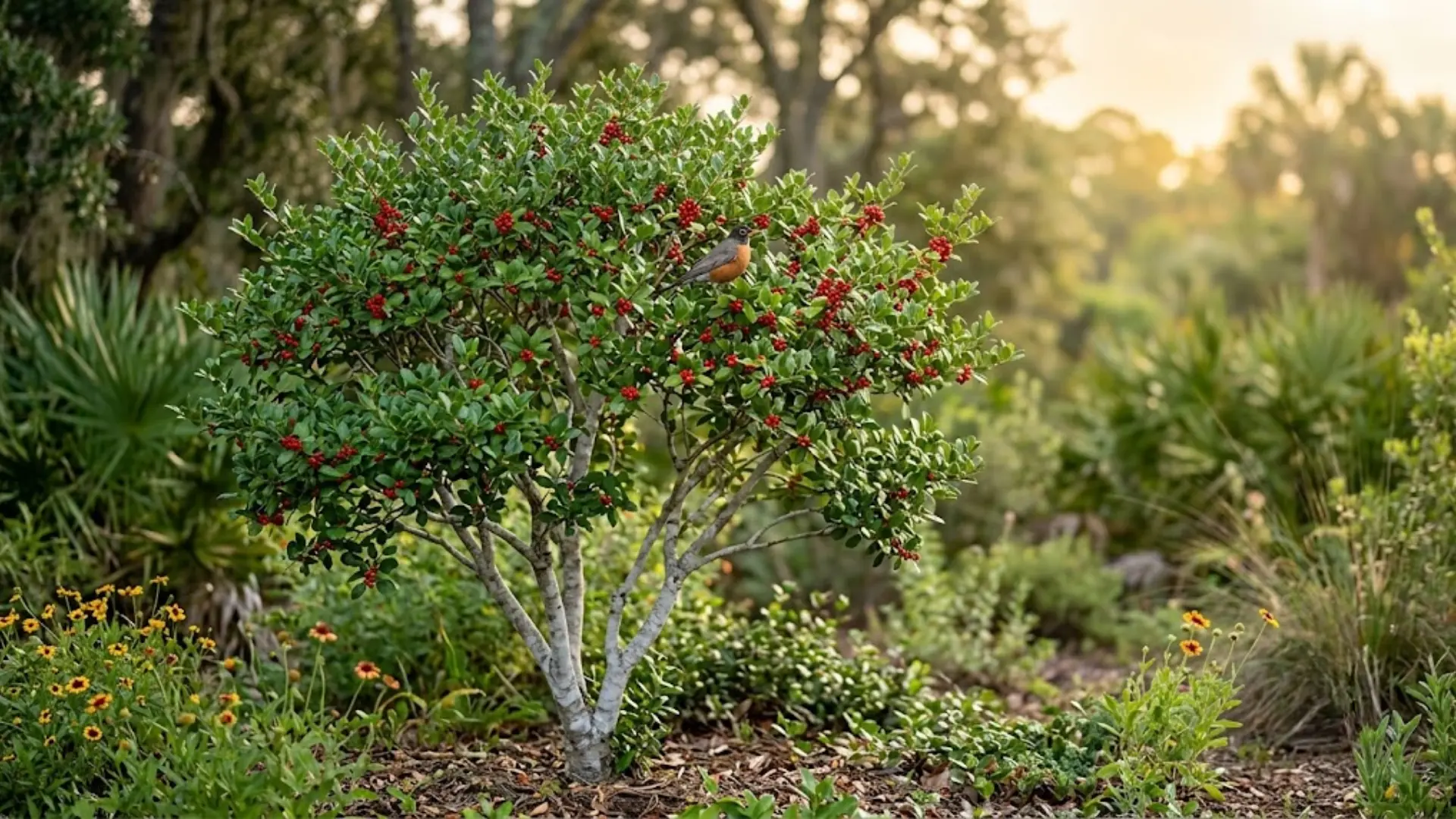
English Yew is a dense evergreen tree or shrub with dark green needles and small red berries, often planted as a hedge or ornamental. Its seeds and foliage contain toxic alkaloids that can cause convulsions and heart failure, though the fleshy red berry coating itself is not toxic.
- Main Danger: Seeds and foliage contain alkaloids that can cause convulsions and heart failure.
- Safety Note: Rake up fallen needles and berries where kids or pets play.
29. Mistletoe
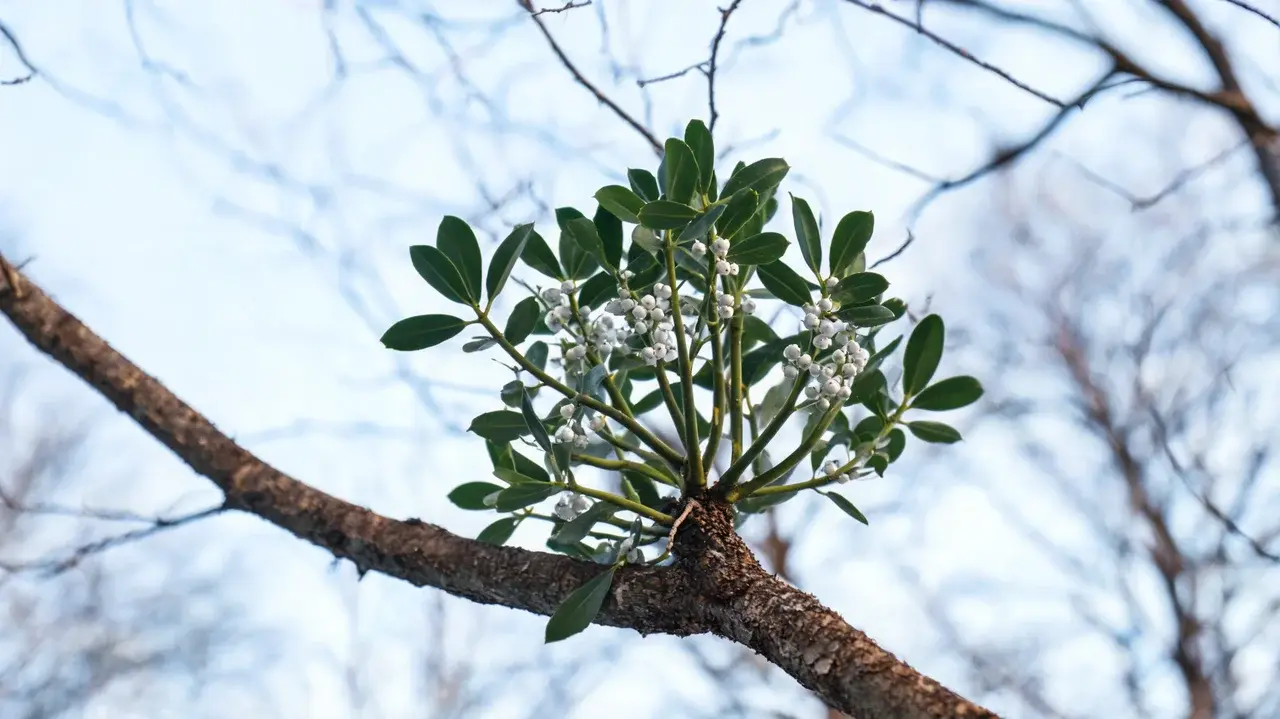
Mistletoe is a parasitic plant that grows on tree branches and is best known for its small white berries, often hung indoors during the holidays. The berries and leaves contain compounds that can cause digestive upset and a slowed heartbeat, with higher doses posing a more serious risk to pets.
- Main Danger: Berries and leaves can cause digestive upset and a slowed heartbeat.
- Safety Note: Hang mistletoe out of reach of children and pets during the holidays.
Across all categories, one pattern holds steady. The most dangerous part of a plant is rarely the one you would notice first.
Which Parts of Poisonous Flowers Are Most Dangerous?
The same plant can be almost harmless in one part and genuinely risky in another. Knowing where the danger sits, whether it is the roots, seeds, sap, or petals, helps you handle these flowers with real confidence.
- Bulbs and Roots: Daffodil, hyacinth, amaryllis, monkshood, and autumn crocus carry their biggest risk underground. Bulbs get mistaken for onions or other edible produce, especially once pulled up and left unlabeled.
- Seeds and Seed Pods: Castor bean, morning glory, wisteria, and larkspur concentrate their toxins in the seed. An intact seed often passes through the body harmlessly. A chewed one releases the toxin the shell was holding back.
- Leaves, Flowers, and Stems: Oleander, foxglove, hydrangea, rhododendron, and lily of the valley spread their risk across the whole plant. Leaves, flowers, and stems all carry toxic compounds, so handling just the flower is not automatically safe.
- Berries and Vase Water: Bright, round berries look like candy to a curious child, making them an easy path to accidental poisoning. Vase water holding toxic cut flowers picks up some of that risk too, so keep it away from kids, pets, and food-growing soil.
Knowing where the risk hides is only half the picture. The next step is spotting the signs your body gives when that risk turns into actual exposure.
Signs of Flower or Plant Poisoning
Symptoms do not look the same for every case. What you notice depends on the flower involved, how much contact happened, and whether it came from touching, swallowing, or something in between. Some signs show up fast and stay mild. Others signal a real emergency and need attention right away.
| Category | What to Watch For | Level of Severity |
|---|---|---|
| Mouth irritation | Burning, tingling, swelling, or drooling | Mild |
| Stomach problems | Nausea, vomiting, diarrhea, or abdominal pain | Mild to Moderate |
| Skin reactions | Redness, itching, burning, blisters, or swelling | Mild to Moderate |
| General changes | Weakness, dizziness, tiredness, or confusion | Moderate |
| Breathing or heartbeat | Trouble breathing, seizures, collapse, or an irregular or slow heartbeat | Severe |
| Severe reactions | Severe confusion, major mouth or throat swelling, or ongoing vomiting | Severe |
| Eye or skin exposure | Eye exposure to irritating sap, or severe blistering after sap and sunlight | Severe |
Do not wait for every symptom on this list to show up before you act. A single serious sign, like trouble breathing or a seizure, is reason enough to get help right away. When in doubt, treat it as urgent.
How to Keep Poisonous Flowers Safely at Home
You do not have to dig up every toxic plant you own. What matters more is where it sits, how carefully your household handles it, and whether everyone knows which plants deserve extra caution.
- Choose the right spot: Keep risky flowers away from paths, play areas, vegetable beds, and dining spaces. Use raised beds or barriers, and skip low berries near small children.
- Label everything clearly: Add common and scientific names to plant tags, and make sure the whole household knows which plants are unsafe.
- Use separate tools: Set aside dedicated tools for toxic or sap-heavy plants, and wash them before using them near edible herbs or vegetables.
- Handle cut flowers with care: Wear gloves when cutting or stripping stems, clean your worktop after arranging, and dispose of petals, pods, and vase water safely.
- Teach kids and supervise pets: Tell children never to taste flowers, berries, or leaves, and watch animals that dig or chew.
- Store and check: Keep bulbs labeled and away from food, check bouquets before placing them near kids or pets, and bag toxic clippings instead of composting them.
- Stay prepared: Save local poison control and medical contacts somewhere easy to find.
A little awareness turns these habits into routine. None of them take much effort once they stick, and together they protect the people and pets you care about most.
What to Do After Contact With Poisonous Flowers
A calm, quick response matters more than a perfect one. The moment you suspect contact with a toxic plant, move away from it first and stop any further contact. Remove visible leaves, seeds, petals, or berries from the mouth without forcing vomiting. Rinse exposed skin with soap and water, and rinse the mouth or eyes with clean water if needed. Keep a sample or photo of the plant to help a doctor identify it fast.
Skip home remedies like food, milk, or medicine, and never induce vomiting unless a professional tells you to. Official guidance on plant poisoning from the National Library of Medicine backs up this approach and confirms that a call to Poison Control should always come before any home treatment.
Call Poison Control at 1-800-222-1222 right away if you suspect a serious exposure. Treat any unknown plant with real caution, and pass that same habit on to the kids in your life.
Frequently Asked Questions
What is the most dangerous flower to humans?
There is no single answer here. The flowers with the strongest warnings share one trait: they affect the heart or nervous system, not just the stomach, which makes them riskier than a typical case of skin or mouth irritation.
Can touching a toxic flower make you sick?
Yes, in some cases. A handful of plants on this list cause damage the moment they touch skin, with no swallowing involved. Sunlight often makes these reactions worse, so covering up matters as much as avoiding contact.
Are dried toxic blooms still dangerous?
Often, yes. Drying does not reliably remove toxins. Dried stems, leaves, flowers, seeds, or pods should stay away from children, pets, and food areas, just like fresh plant material would, so store or discard them with the same care.
Are all parts of a toxic flower harmful?
Not always. Some plants are toxic through and through, while others concentrate their toxins in one part, like the bulb, the seeds, or the sap, leaving the rest of the plant comparatively low-risk once that part is handled with care.
Can I compost toxic garden clippings?
It depends on the species and your local guidance. Skip composting unknown, highly toxic, invasive, or sap-heavy plants anywhere near compost meant for edible crops, and check with your municipality or extension office if you are ever unsure.
Know It Before You Grow It
Beautiful blooms and hidden danger can live in the same plant. Once you know what poisonous flowers are actually growing in your garden, safer choices come naturally.
If you are dealing with pretty poisonous flowers like oleander and monkshood or milder toxic flowers to humans like daffodils and hyacinths, the same core habits keep your household safe.
Three habits carry you far: identify a flower before you plant or cut it, keep the toxic parts away from kids, pets, and food, and reach out for professional help the moment you suspect exposure.
You only need to know what is growing in your garden and treat each plant with the right level of care. Drop a comment below and tell me which flowers you have at home.