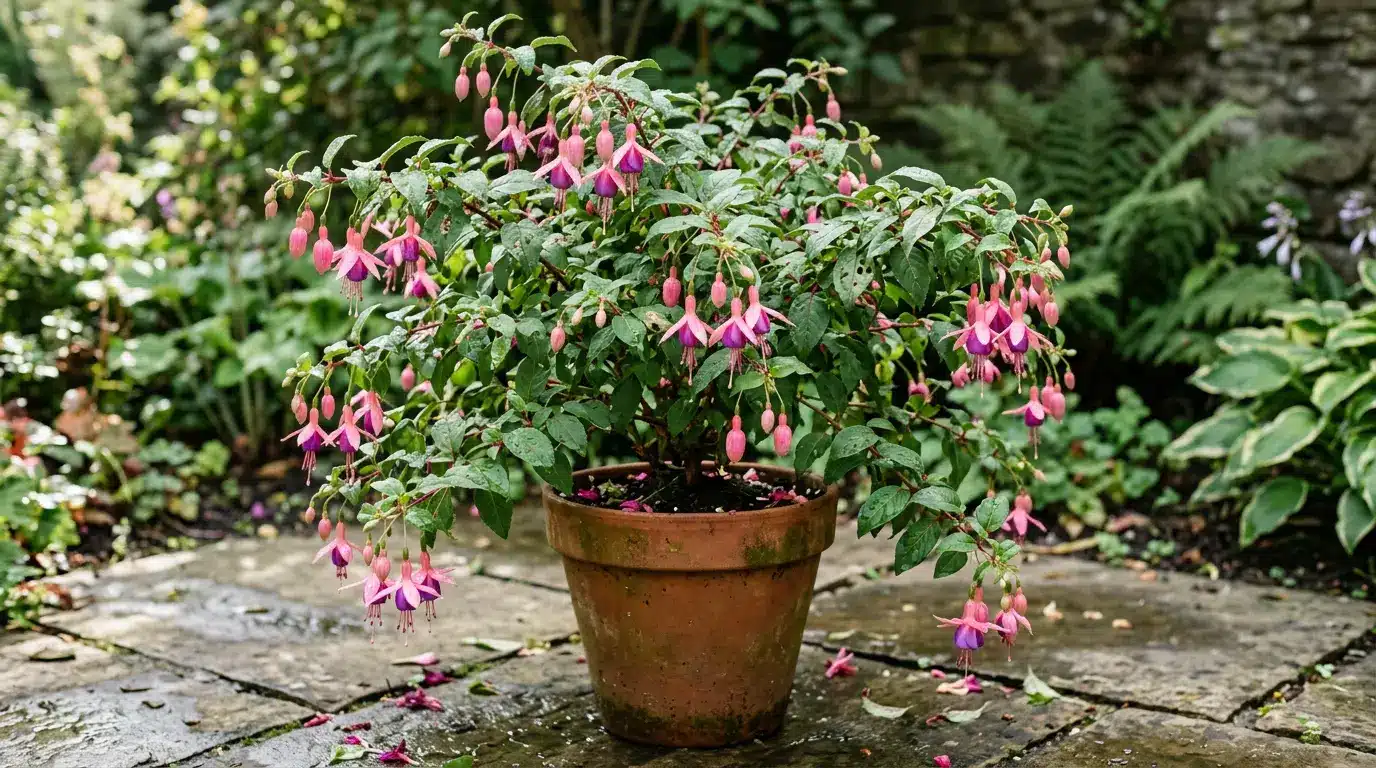
Fuchsias look delicate, but they become easier to care for once you understand their basic needs. Good fuchsia care starts with gentle light, steady moisture, and protection from harsh heat.
These plants dislike sudden changes, so small daily checks work better than strict schedules. You should watch the soil, leaves, and flower buds before changing anything.
A drooping plant may need water, shade, or both, depending on the weather. Container size and drainage also affect how often you must water.
I have found that most problems begin when roots stay too wet, or plants sit in strong afternoon sun. With simple adjustments, you can keep fuchsias healthy indoors, outdoors, or in hanging baskets.
How Much Light Does a Fuchsia Need?
Fuchsias grow best in bright, filtered light with protection from strong afternoon sun. Morning sun is usually gentle enough for healthy leaves and steady flowering. Indoors, place your plant near an east-facing window or behind a thin curtain.
Outdoors, choose a spot with light shade during the hottest hours. Too much sun can fade leaves, dry soil quickly, and cause buds to drop.
Too little light may produce weak stems and fewer flowers. Check the plant at midday, because that is when heat stress becomes clear. If leaves feel hot or look pale, move the plant into softer light before changing its watering routine.
A Simple Fuchsia Care Routine
A steady routine helps you notice changes before they become serious. Use these points as a flexible plan, not a strict calendar. Weather, pot size, and plant type may change how often each task is needed.
- Daily: Check the soil, heat level, wilted leaves, and signs of pests.
- Weekly: Remove faded flowers and inspect the undersides of leaves.
- Every two weeks: Feed the plant during active growth and flowering.
- Seasonally: Prune, repot, or protect the plant from frost.
Reliable plant care depends more on observation than habit. During hot weather, check containers more often and move them into shade. In cooler weather, reduce watering and feeding. These small checks can prevent most common problems.
Fuchsia Care in Different Growing Conditions
The same plant may behave differently indoors, outdoors, or in a hanging basket. Heat, wind, container size, and airflow can change its needs within one day. Below shows how to make those changes without overcorrecting. Start with one small change, then watch the plant for several days before making another.
1. Caring for Fuchsias Indoors
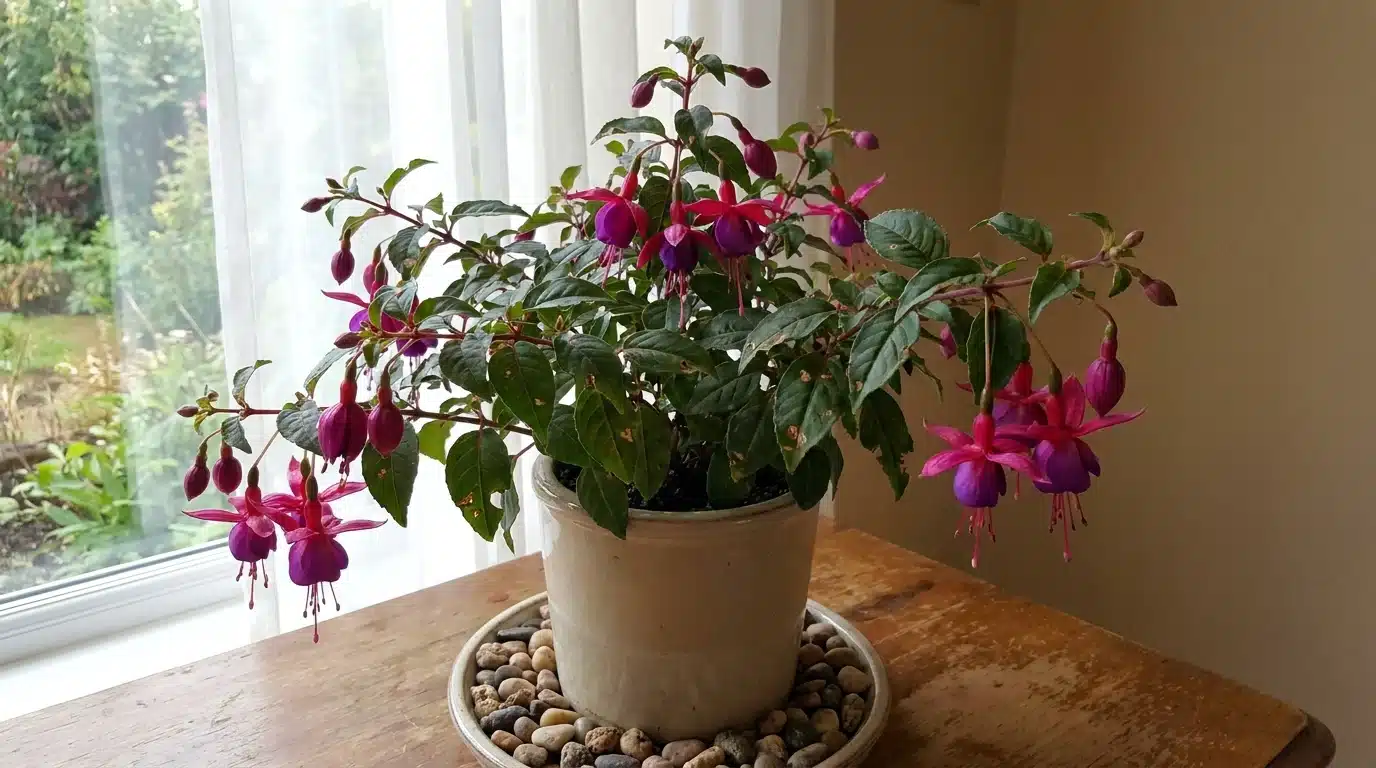
Indoor fuchsias need bright light, cool rooms, and steady airflow without cold drafts. Keep them near a bright window, but soften strong sun with a light curtain.
Check the soil often, since indoor heating can dry pots faster than expected. A pebble tray can raise humidity, but the pot should never sit in water.
Turn the plant weekly so each side receives similar light. Watch closely for whiteflies and early signs of spider mites, since both can spread quickly indoors once the air gets dry.
2. Caring for Fuchsias Outdoors
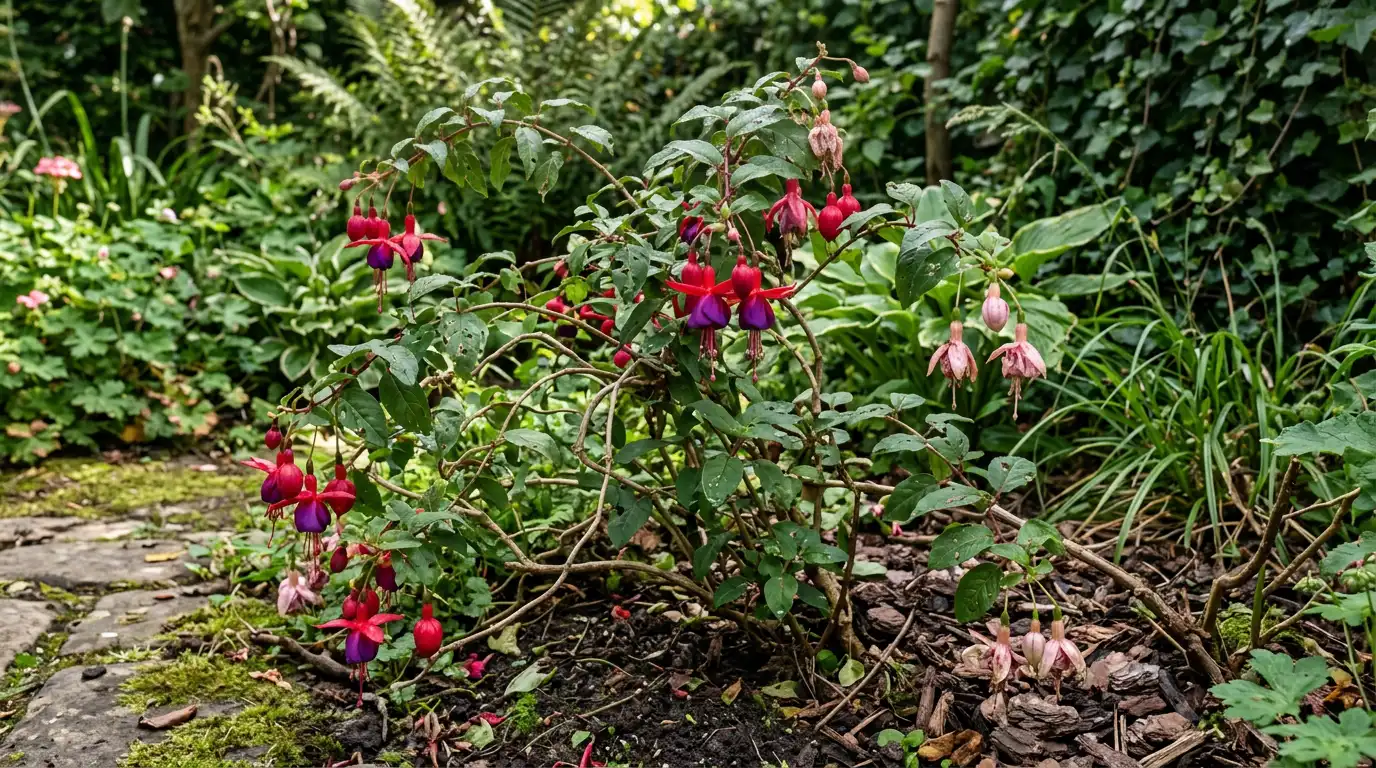
Outdoor fuchsias prefer morning sun, afternoon shade, and shelter from strong wind. Place them where rain can reach the soil without leaving roots soaked.
During hot weeks, check moisture every morning and again before sunset. Mulch can slow drying in garden beds, but keep it away from the main stem.
After storms, remove broken growth and empty standing water from saucers. Gradual weather changes are easier for the plant than sudden moves.
3. Caring for Fuchsias in Pots
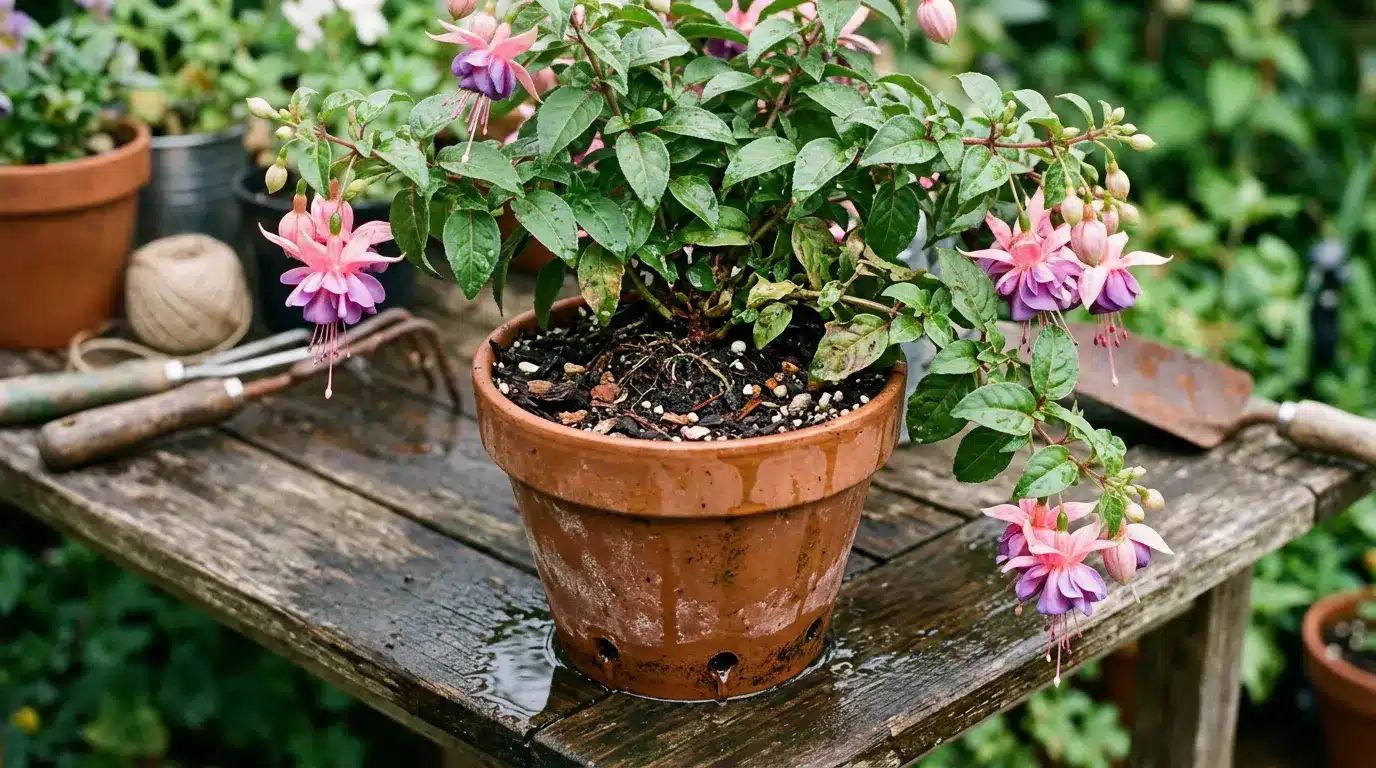
Potted fuchsias need drainage holes, loose soil, and enough room for healthy roots. Choose a pot only slightly larger than the root ball, because oversized pots stay wet longer.
Water until excess drains freely, then empty the saucer. Check the pot’s weight to learn when the soil is drying.
Repot when roots circle the base or water runs straight through. Clay pots dry faster, while plastic pots hold moisture longer.
4. Caring for Fuchsias in Hanging Baskets
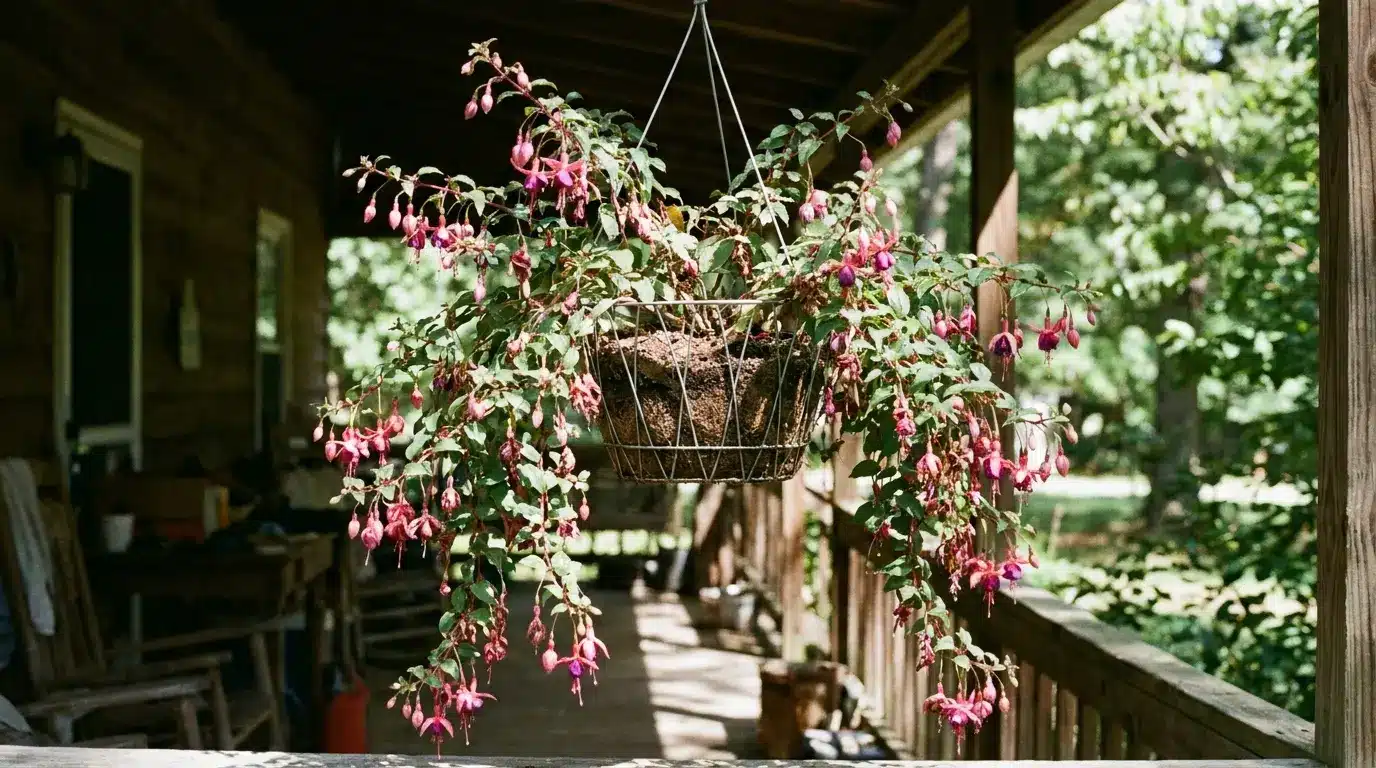
Hanging baskets dry faster because air reaches the container from every side. Check them daily during warm weather, and water slowly until the whole root ball feels moist.
Their pendulous, nectar-rich blooms also make fuchsias one of the better hanging basket flower picks for gardeners hoping to draw in hummingbirds.
Feed lightly during active growth, since frequent watering washes nutrients from the soil. Turn the basket every few days for even light and balanced growth.
Remove faded flowers and seed pods to support new blooms. Lower the basket during extreme heat or strong wind.
5. Caring for Fuchsias in Hot Weather
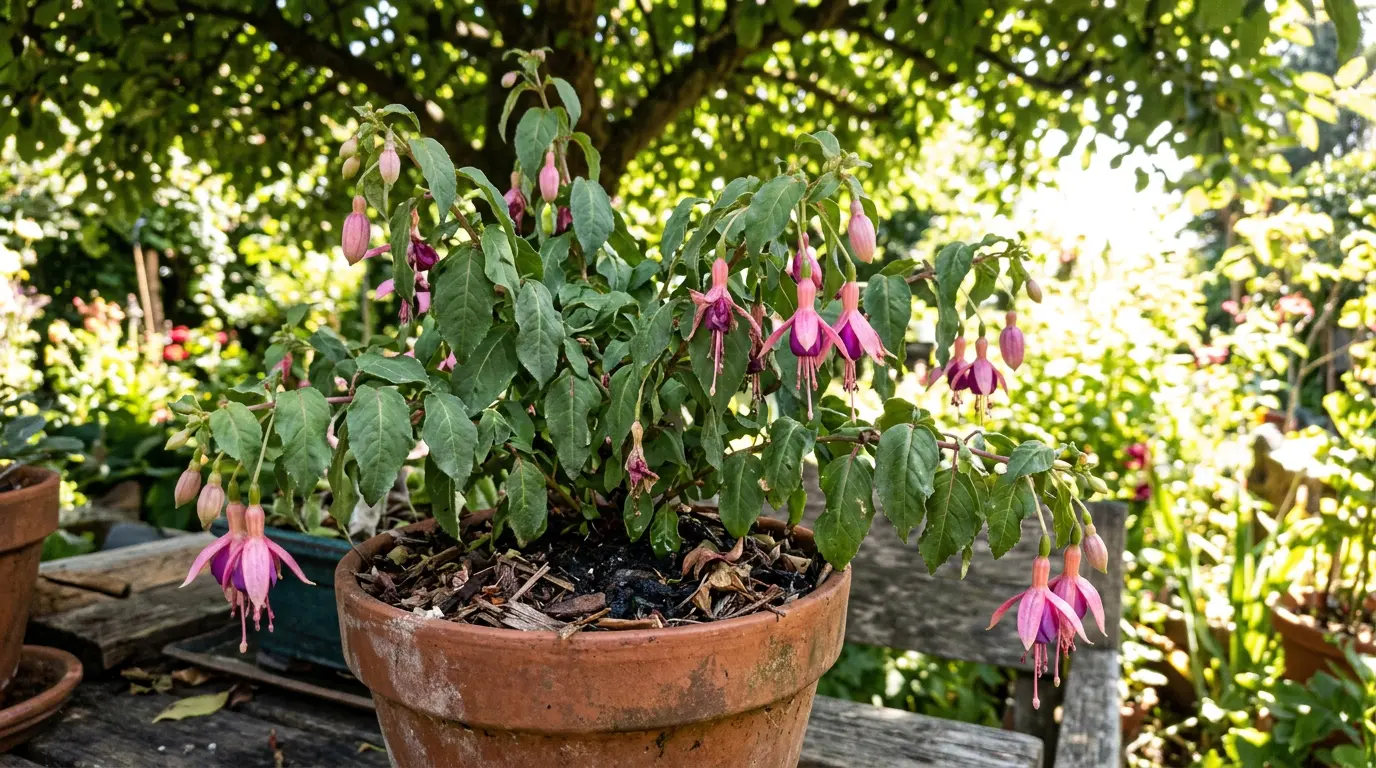
Heat can cause wilted leaves, dry soil, faded flowers, and falling buds. Move containers into afternoon shade before the hottest part of the day.
Water early, so roots can take up moisture before temperatures rise. Avoid spraying leaves under strong sun, because wet foliage may scorch or invite disease.
Add a thin mulch layer to slow moisture loss. If the plant wilts at midday but recovers later, check the soil before watering again.
6. Caring for Fuchsias During Winter
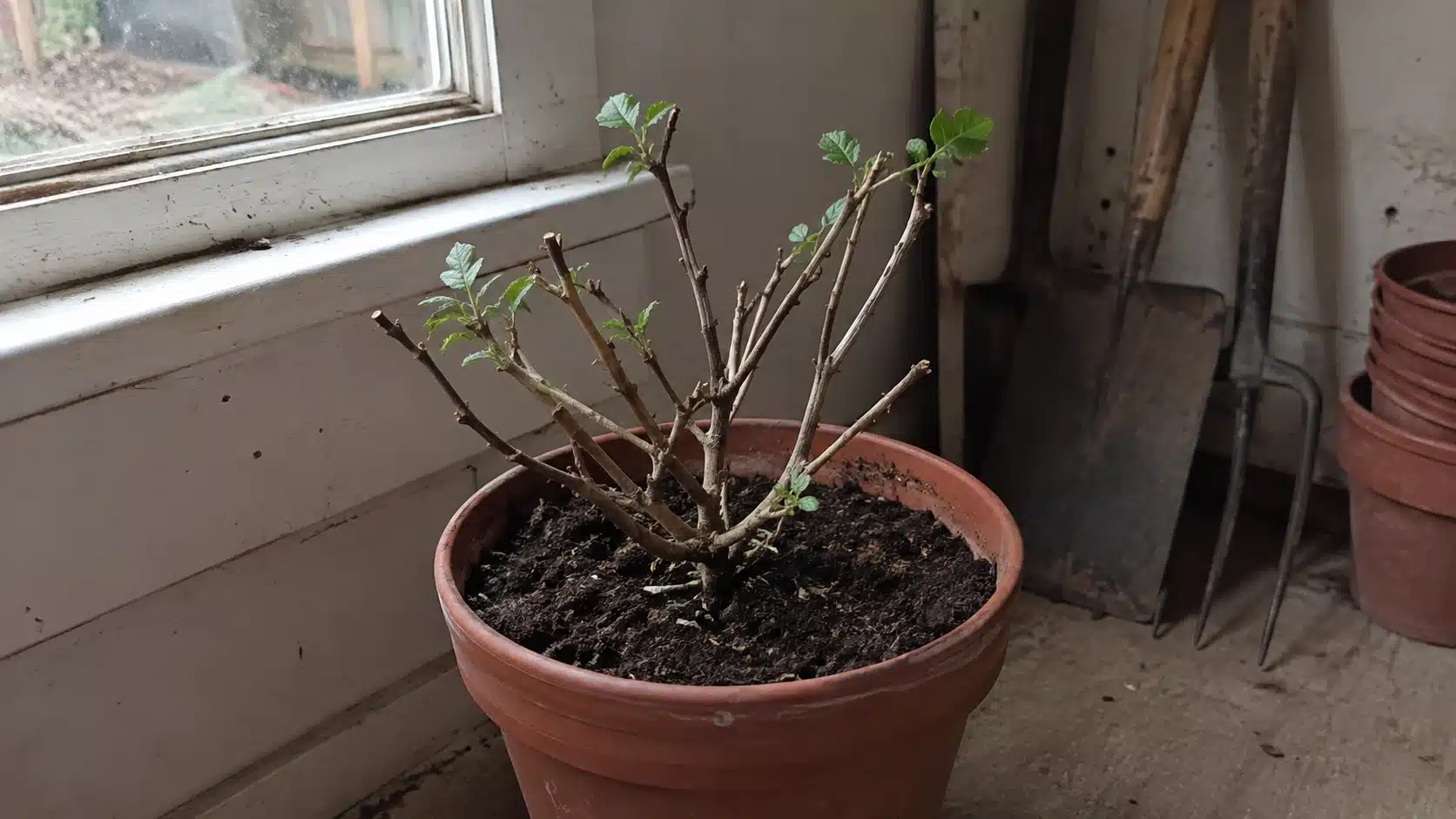
Winter care depends on whether your fuchsia is hardy or tender. Hardy types may survive outdoors with mulch and shelter from severe frost.
Tender plants should move into a cool, frost-free place before cold nights arrive. Iowa State University Extension recommends a dim spot around 40 to 50 degrees Fahrenheit, such as a basement or enclosed porch, with only light watering until spring. Reduce watering as growth slows, but never let roots become fully dry.
Stop feeding until new spring growth appears. Remove dead leaves, check for pests, and give stored plants some airflow to prevent mould.
How to Water a Fuchsia Plant
A simple watering routine keeps fuchsia roots healthy. Check the soil before adding more water.
- Check the soil: Push one finger about two centimeters into the top layer.
- Wait if moist: Check again later when the soil still feels damp.
- Water deeply: Soak the root ball until extra water drains from the pot.
- Avoid small sips: Light watering leaves deeper roots dry.
- Check more in heat: Warm weather can dry pots very quickly.
- Water less in cool weather: Lower temperatures slow moisture loss.
- Keep moisture steady: Avoid letting the soil become very dry or soaked.
- Watch for warning signs: Yellow leaves, soft stems, or bad smells may show poor drainage.
Regular checks help you water at the right time and prevent common root problems.
The Best Soil and Pot for Fuchsias
Fuchsias need rich soil that holds some moisture while allowing extra water to drain. A mix made for flowering containers usually works well when it feels loose, not heavy. Below you can see how common pot materials affect watering needs. Use it as a guide, then check the soil before deciding.
| Pot type | Main benefit | Care note |
|---|---|---|
| Plastic | Holds moisture longer | Useful in warm areas |
| Clay | Dries more quickly | Check water often |
| Glazed ceramic | Balances moisture well | Ensure drainage holes |
The right pot supports healthy roots and makes daily care more predictable. Add perlite or fine bark if the mix stays wet for several days. Choose a pot with open drainage holes and enough space for modest root growth.
How and When to Feed Fuchsias
Feed fuchsias during active growth, usually from spring through early autumn. Use a balanced liquid fertilizer at half strength every one or two weeks. Once buds appear, a bloom feed can support flowering when used as directed.
Never fertilize dry soil, because concentrated salts may damage roots. Water first, then feed after the soil becomes evenly moist.
Pale new leaves may show a nutrient shortage, but wet roots can cause similar symptoms.
Check drainage before increasing fertilizer. Stop feeding during winter dormancy or after moving a stressed plant. Regular, light feeding is safer than strong doses, which can burn roots and reduce flowering.
Pruning and Deadheading Fuchsias
Regular pruning helps fuchsias stay full, healthy, and ready to produce more flowers.
- Pinch new growth: Remove young tips to help the plant grow more side stems.
- Cut above leaves: Use clean fingers or sharp scissors above a healthy leaf pair.
- Remove faded flowers: Deadhead old blooms throughout the flowering season.
- Remove seed pods: Take off developing pods so the plant can support new buds.
- Trim weak stems: Cut damaged, crossing, or thin stems when you notice them.
- Prune at the right time: Save hard pruning for late winter or early spring.
- Avoid heavy cutting: Light, regular trimming usually causes less stress.
- Protect after pruning: Reduce feeding briefly and keep the plant away from harsh sun.
These small steps help your fuchsia keep a neat shape and bloom for longer.
Common Fuchsia Problems
Most fuchsia problems come from heat, poor drainage, sudden dryness, or common pests. Clemson Cooperative Extension notes that good air circulation and careful watering prevent most of the fungal issues that affect the plant, including botrytis blight.
Look at several signs together before choosing a fix. One yellow leaf may be old, while many yellow leaves suggest stress.
| Symptom | Likely cause | First step |
|---|---|---|
| Falling buds | Heat or dry soil | Add shade and check moisture |
| Sticky leaves | Aphids or whiteflies | Rinse leaves and inspect undersides |
| Soft stems | Wet roots | Improve drainage and reduce watering |
| Fine webbing | Spider mites | Raise humidity and isolate the plant |
Check the soil and growing location before using sprays or fertilizer. Early action usually prevents a small issue from spreading.
Frequently Asked Questions
Are Fuchsias Safe Around Pets?
Fuchsias are generally non-toxic to cats and dogs. Even so, chewing leaves, flowers, or stems may cause mild stomach upset. Keep plants out of easy reach, especially if your pet often nibbles greenery or tends to eat unusual things nearby.
How Long Do Fuchsia Plants Live?
With good care, fuchsias can live for several years. Hardy types often return each spring, while tender varieties need protection from frost. Bringing them indoors, reducing watering, and keeping roots safe through winter can help the plant survive much longer.
Can Fuchsias Grow From Cuttings?
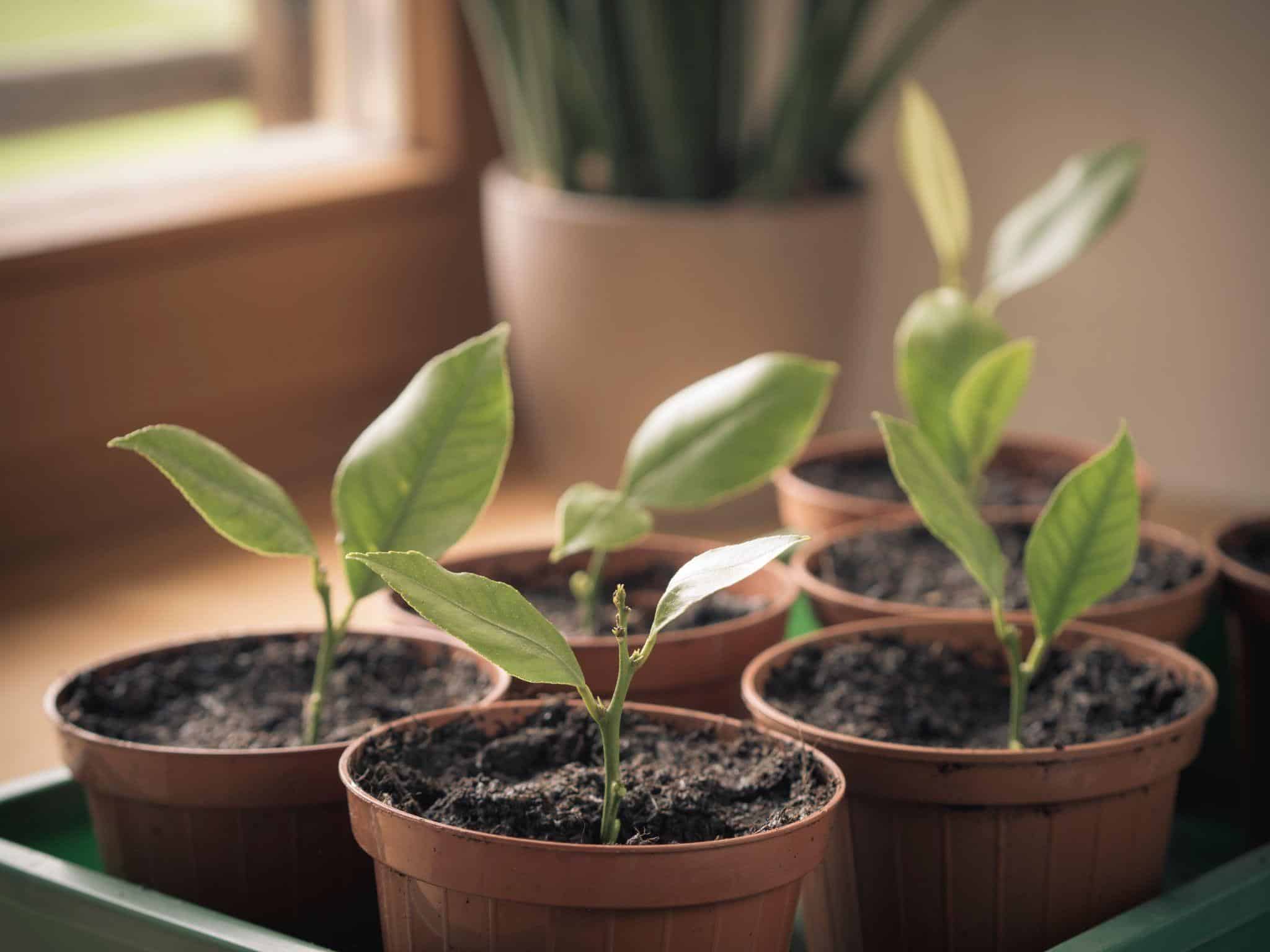
Yes, fuchsias grow well from cuttings. Take a healthy, soft stem in spring or early summer. Remove the lower leaves, place it in moist compost, and keep it warm, shaded, and humid until fresh roots and new growth appear successfully.
Why Do Hummingbirds Visit Fuchsias?
Hummingbirds visit fuchsias because the hanging flowers contain sweet nectar. Their bright colors are easy to spot, and the long blooms suit the birds’ narrow beaks. Clusters of flowers also let hummingbirds feed quickly without moving far between each bloom.
Final Bloom
Healthy fuchsias need gentle light, steady moisture, good drainage, and care that changes with the weather. You do not need a complicated schedule to keep them growing well. Check the soil, study the leaves, and notice how quickly the pot dries.
Small signs often reveal problems before serious damage begins. Indoors, focus on light and airflow.
Outdoors, protect plants from heat, wind, and frost. In containers, drainage matters as much as watering. Reliable fuchsia care comes from watching the plant and making one careful change at a time.
With that simple approach, you can enjoy stronger growth, longer flowering, and fewer avoidable problems throughout the season. What has worked best for your fuchsia plants? Share your care tips or questions in the comments below.