There’s a funny thing about gardening. We spend so much time making sure our plants get enough sunlight that we sometimes forget they can get too much of it.
A tomato plant might love a sunny spot, while a fern can look miserable in the exact same place. A hydrangea that seems perfectly happy in the morning may start drooping by late afternoon. And that beautiful houseplant you moved onto the patio for some fresh air? It might not appreciate the sudden change.
Sunlight is essential for plant growth, but more isn’t always better. The trick is knowing how much is enough, when it becomes excessive, and what to do when your garden starts showing signs of stress.
Interestingly, there’s a lesson in that for the people tending the garden, too.
Not Every Plant Wants the Same Amount of Sunshine
Walk through any garden center, and you’ll notice those little plant labels mentioning full sun, partial sun, or shade. They’re easy to overlook when you’re distracted by colorful flowers, but they’re among the most useful pieces of information on the tag.
According to the University of Illinois Extension, full-sun plants generally need at least six to eight hours of direct sunlight each day. Plants suited to partial sun or shade have different light requirements.
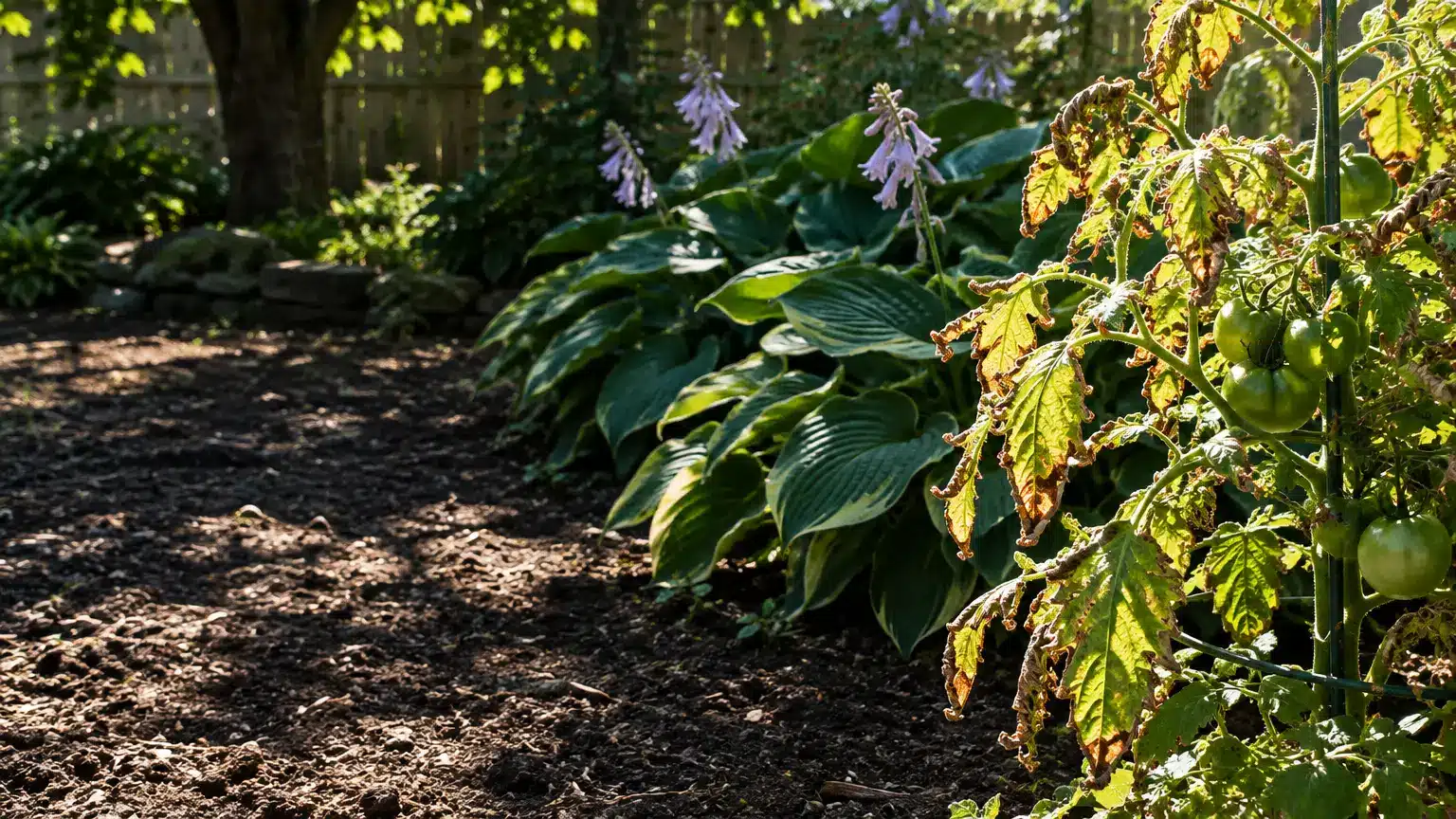
Tomatoes, peppers, and many flowering annuals usually perform best with plenty of direct sunlight. Hostas, ferns, and certain woodland plants prefer more sheltered conditions.
The mistake is assuming that a sunny location is automatically a good location for everything.
Before planting, spend a day observing your yard. Notice which areas receive morning light, which become intensely sunny in the afternoon, and where trees or buildings create shade.
A little observation before planting can save weeks of frustration later.
Morning Sun and Afternoon Sun Aren’t Quite the Same
Here’s something gardeners learn fairly quickly: six hours of sunlight doesn’t always feel the same.
A bed receiving sunlight from early morning until lunchtime may be easier on certain plants than one exposed to the hottest part of the afternoon. The total number of hours matters, but so do temperature, soil moisture, and the intensity of the conditions.
This is especially noticeable during summer. A plant may tolerate a sunny location beautifully in spring, then struggle when temperatures climb.
For gardeners working in warmer climates, afternoon shade can be particularly valuable for plants that are sensitive to heat.
That doesn’t mean moving every struggling plant into darkness. It means paying attention to how the location changes throughout the season.
Sometimes a little relief from the afternoon sun is all a plant needs.
When Your Plants Start Asking for Help
Plants can’t tell us they’re uncomfortable, but they leave plenty of clues.
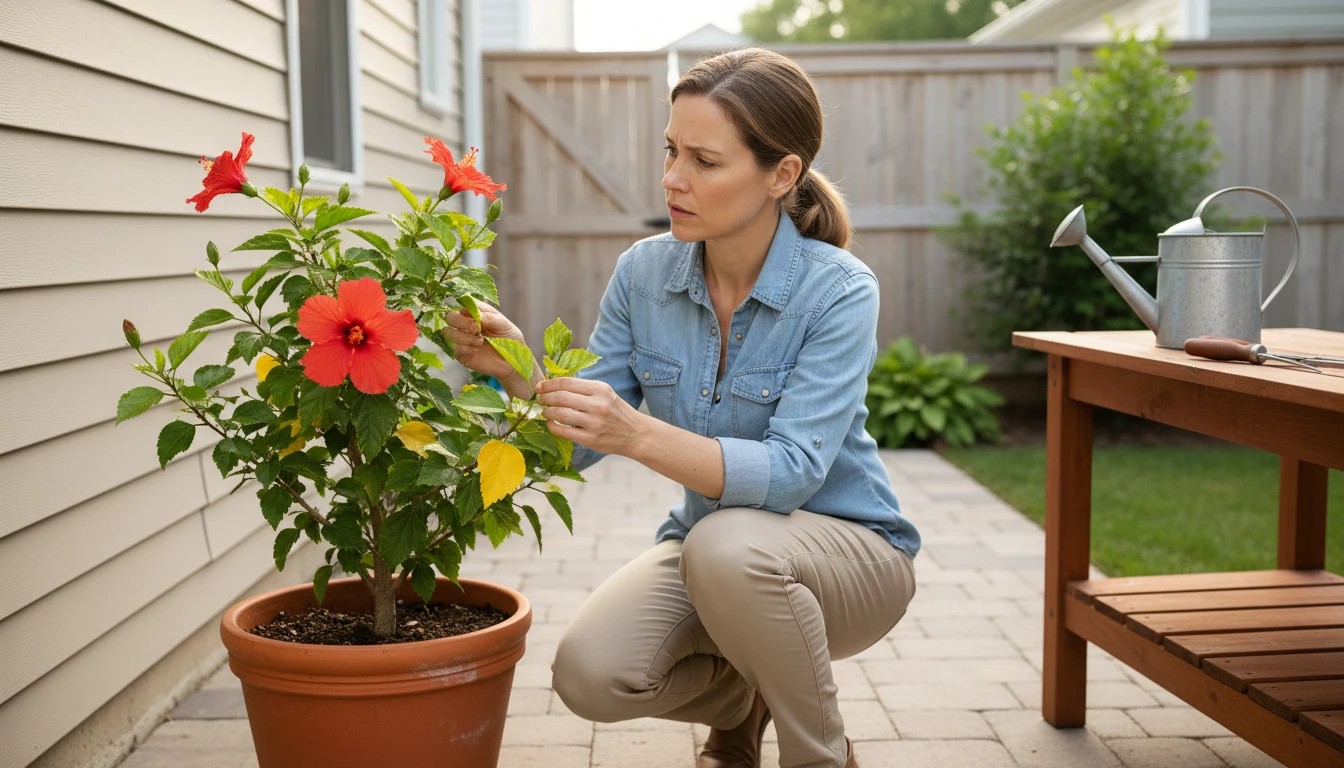
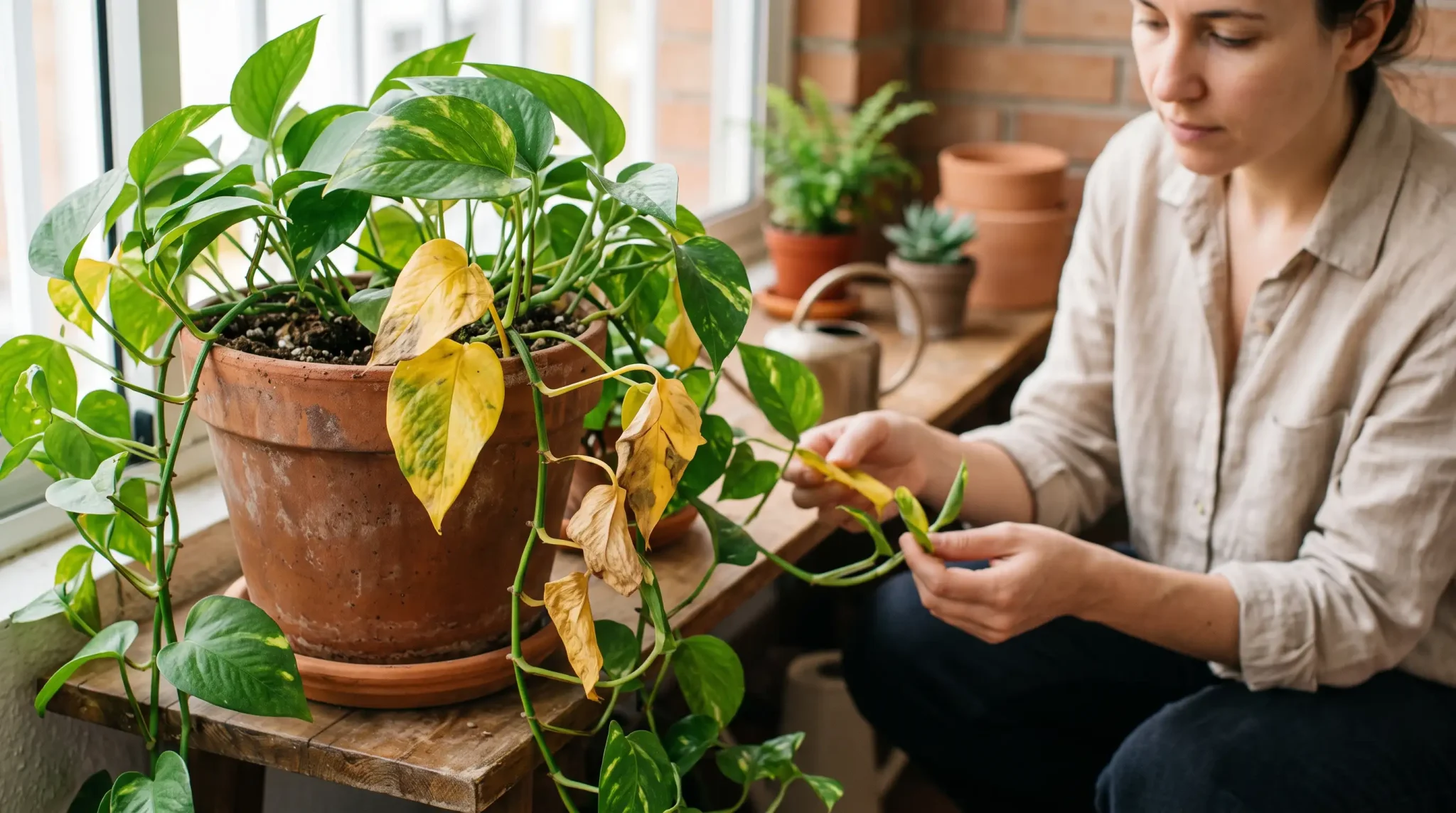
Brown, crispy leaf edges, faded patches, or drooping foliage can indicate that something isn’t right. Sometimes the problem involves intense sunlight or heat. Other times, it’s inadequate watering, damaged roots, disease, or a combination of factors.
This is why identifying the cause matters more than immediately reaching for the watering can.
Tomatoes offer a useful example. Their fruits can develop pale, damaged patches when exposed to intense sunlight, particularly when foliage no longer provides enough protection.
RandyLemmon.com’s guide to preventing tomato burns discusses sunscald and the importance of maintaining adequate leaf cover.
Over-pruning can unintentionally expose developing fruit to stronger sunlight. What looks like a harmless attempt to tidy the plant may leave tomatoes more vulnerable.
The lesson is simple. Before making changes, look closely at the plant, its location, and what’s happened recently.
Shade Isn’t a Sign of Gardening Failure
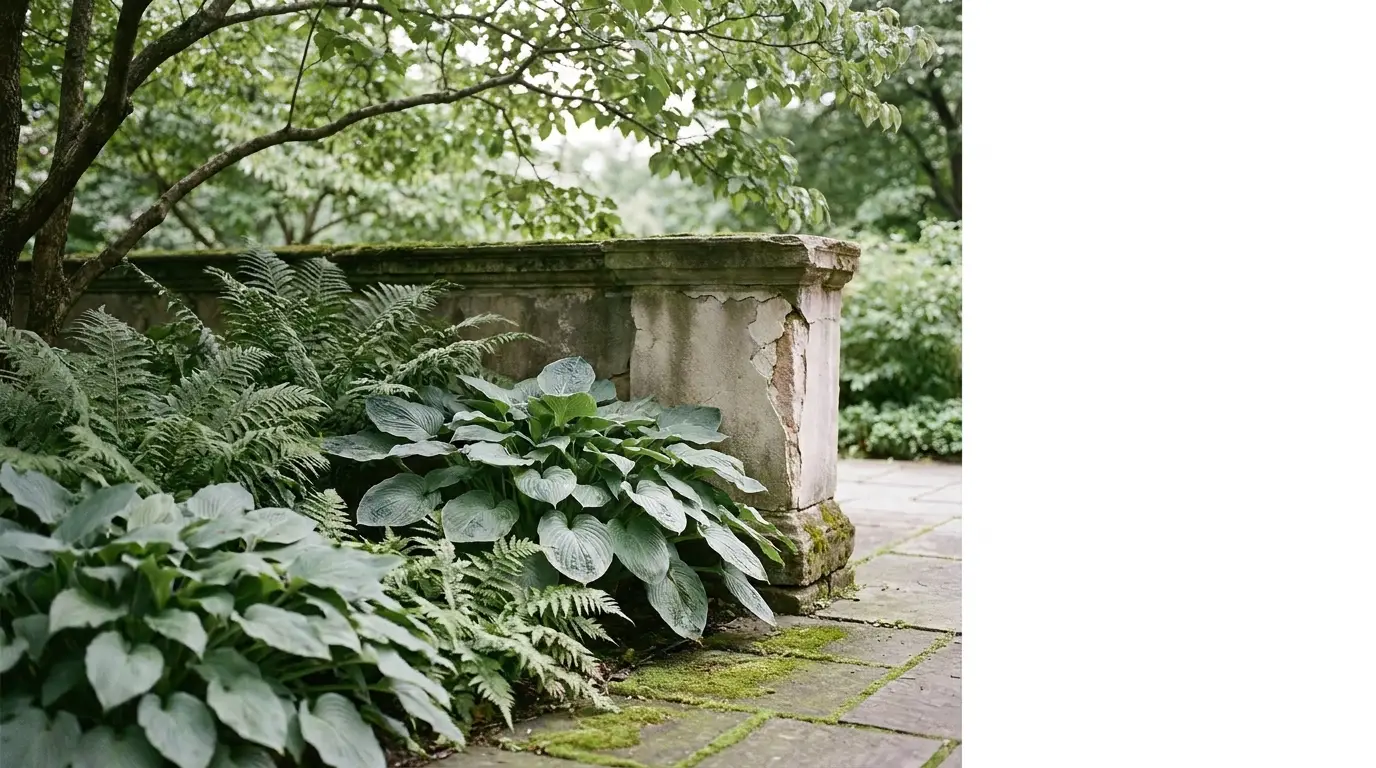
Some gardeners treat shade as a problem that needs fixing. If a corner of the yard doesn’t receive enough sunlight for tomatoes or roses, it’s tempting to think nothing worthwhile will grow there.
But a shaded garden can be just as attractive as a sunny one.
Hostas, ferns, coral bells, and other shade-tolerant plants can bring interesting foliage, color, and texture to areas where sun-loving plants struggle.
The University of Illinois Extension’s guide to shade gardening emphasizes choosing plants that suit the existing conditions rather than constantly fighting against them.
That’s an approach I particularly like because it makes gardening easier.
Instead of forcing a plant to adapt to an unsuitable spot, choose something that naturally belongs there. You’ll often spend less time correcting problems and more time enjoying the result.
A good garden doesn’t need to be sunny everywhere. It needs plants that are comfortable where they’re growing.
The Problem With Moving Plants Too Quickly
Imagine keeping a houseplant beside a bright window for months, then suddenly placing it outside in direct sunlight.
It might seem like you’re giving the plant an upgrade. More fresh air, more light, and plenty of room to grow.
Unfortunately, the transition can be a shock.
Plants accustomed to indoor conditions may struggle when exposed to stronger outdoor sunlight. Their leaves can develop bleached patches or crispy edges, especially when the change happens abruptly.
The University of Minnesota Extension recommends gradually adjusting plants to brighter conditions rather than moving them into intense light all at once.
Start with a sheltered location, introduce brighter light gradually, and observe how the plant responds.
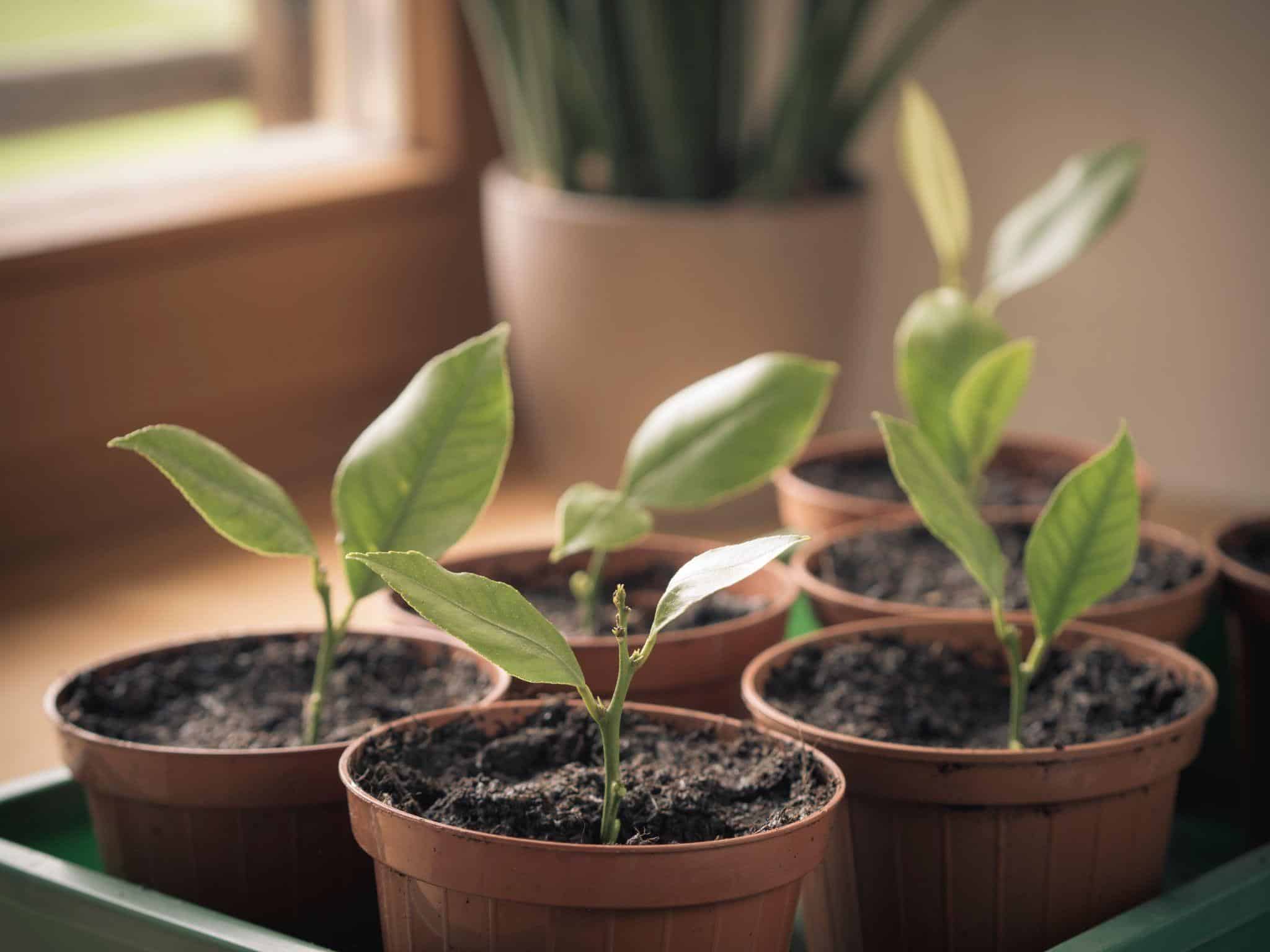
The same principle applies when moving seedlings outdoors after starting them indoors. Gradual exposure helps them adjust to outdoor conditions, including sunlight, wind, and temperature changes.
Sometimes the best gardening decision is simply to slow down.
A Little Planning Can Prevent a Lot of Trouble
You don’t need an elaborate system to manage sunlight in your garden. A few practical habits can make a noticeable difference.
Start by matching plants to the light conditions they prefer. Check labels, observe your garden throughout the day, and remember that sunlight patterns change with the seasons.
For container plants, take advantage of their flexibility. Moving a pot away from harsh afternoon sunlight is often easier than trying to change the conditions around an established garden bed.
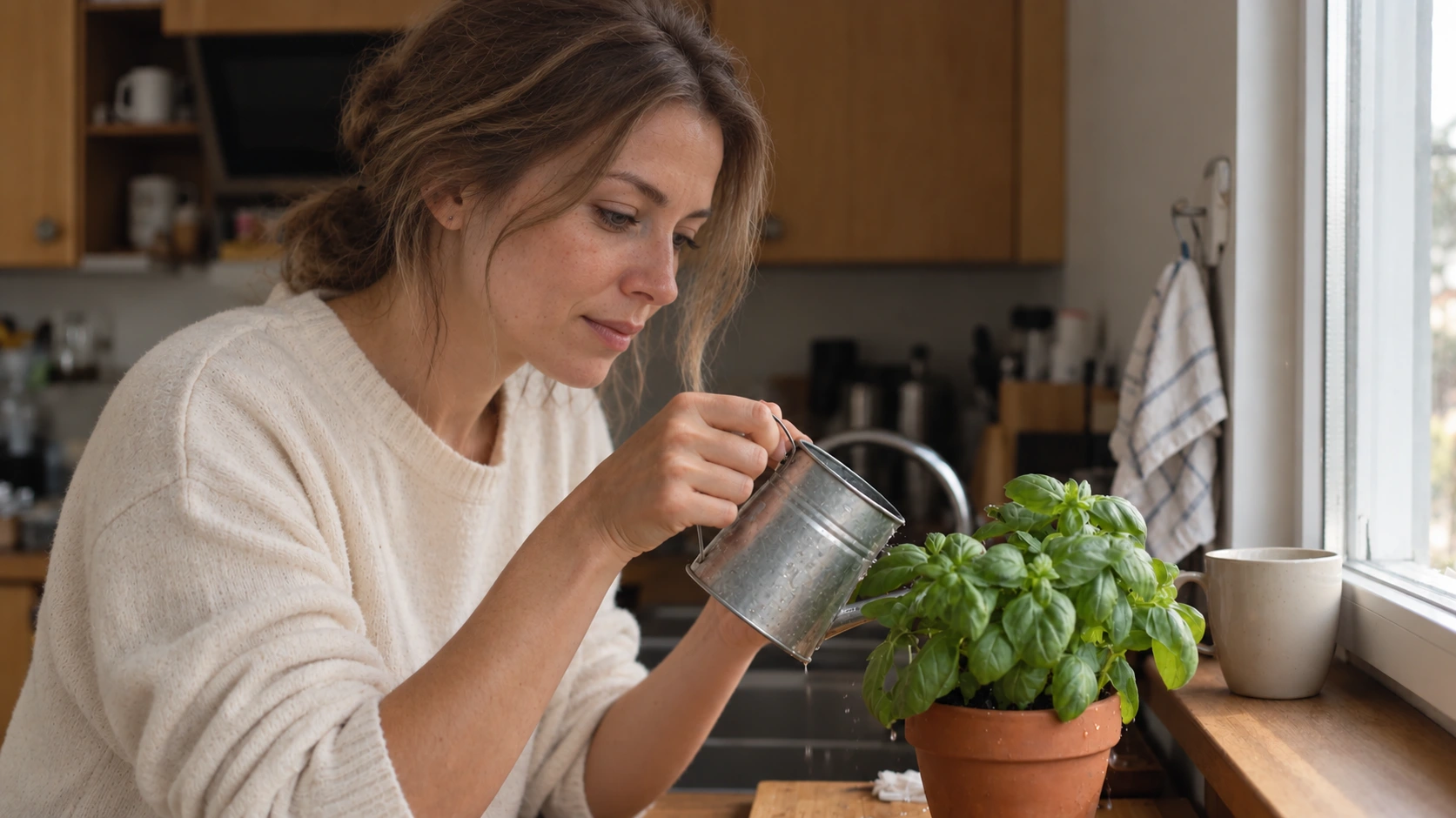
Watering also deserves attention. Plants growing in hot, exposed locations may lose moisture more quickly, particularly when they’re in containers. Check the soil rather than assuming every drooping leaf means the plant needs more water.
Shade cloth can help protect sensitive plants during periods of extreme heat. Just remember that the goal is to reduce stress without depriving sun-loving plants of the light they need.
Most importantly, avoid treating every plant the same way. What works for a pepper plant may be completely wrong for a fern.
And What About the Gardener?
There’s a small irony in spending an entire afternoon protecting plants from excessive sunlight while forgetting about our own skin.
We carefully move pots into the shade, protect delicate seedlings, and plan watering around hot weather. Yet it’s easy to spend hours pruning, weeding, and planting without thinking about sun exposure.
Plants use sunlight for photosynthesis. Our skin doesn’t work that way.
Excessive ultraviolet exposure can damage skin cells, contribute to premature aging, and increase the risk of skin cancer.
The CDC’s sun safety guidance recommends seeking shade, wearing protective clothing, and using sunscreen when spending time outdoors. It also explains that UV exposure can occur on cloudy or cool days.
For gardeners, these habits can fit naturally into the day. A wide-brimmed hat, lightweight long sleeves, and sunscreen on exposed skin are sensible additions to the usual gardening essentials. Mineral sunscreens, which use UV filters such as zinc oxide, are another option for everyday sun protection. The science behind zinc oxide sunscreen formulations also shows why the finished product matters, including how the ingredients are dispersed and combined.
Planning more demanding tasks for cooler parts of the day can also make the experience more comfortable.
The point isn’t to avoid gardening in the sunshine. It’s to enjoy it without overlooking your own well-being.
The Best Gardens Work With Nature
One of the most satisfying parts of gardening is learning that not everything needs to be controlled.
Some plants love a bright, open bed. Others thrive beneath trees or beside a shaded wall. A few need extra attention when temperatures rise, while established, well-suited plants may handle difficult conditions with relatively little intervention.
The more closely you observe your garden, the easier it becomes to recognize these differences.
And perhaps that’s the most useful lesson sunlight teaches us. Something can be essential without being beneficial in unlimited amounts.
Give your tomatoes the sunny location they need. Let your ferns enjoy the shade. Protect tender plants when conditions become extreme, and remember to look after yourself while you’re outside.
A thriving garden isn’t about giving everything more sunlight.
It’s about giving everything the right amount.