A healthy landscape protects one of the most valuable parts of any home: its foundation. Every choice made outdoors, from soil grading to plant placement, influences how rainwater behaves during and after a storm.
When landscaping directs water toward the house instead of away from it, seemingly minor design decisions can gradually create moisture problems, soil instability, and expensive structural damage.
Many homeowners invest heavily in attractive landscaping without considering drainage as part of the overall design. Therefore, understanding the most common landscaping mistakes allows homeowners to create outdoor spaces that remain beautiful while protecting their property’s structural integrity.
Planting Too Close to the Foundation
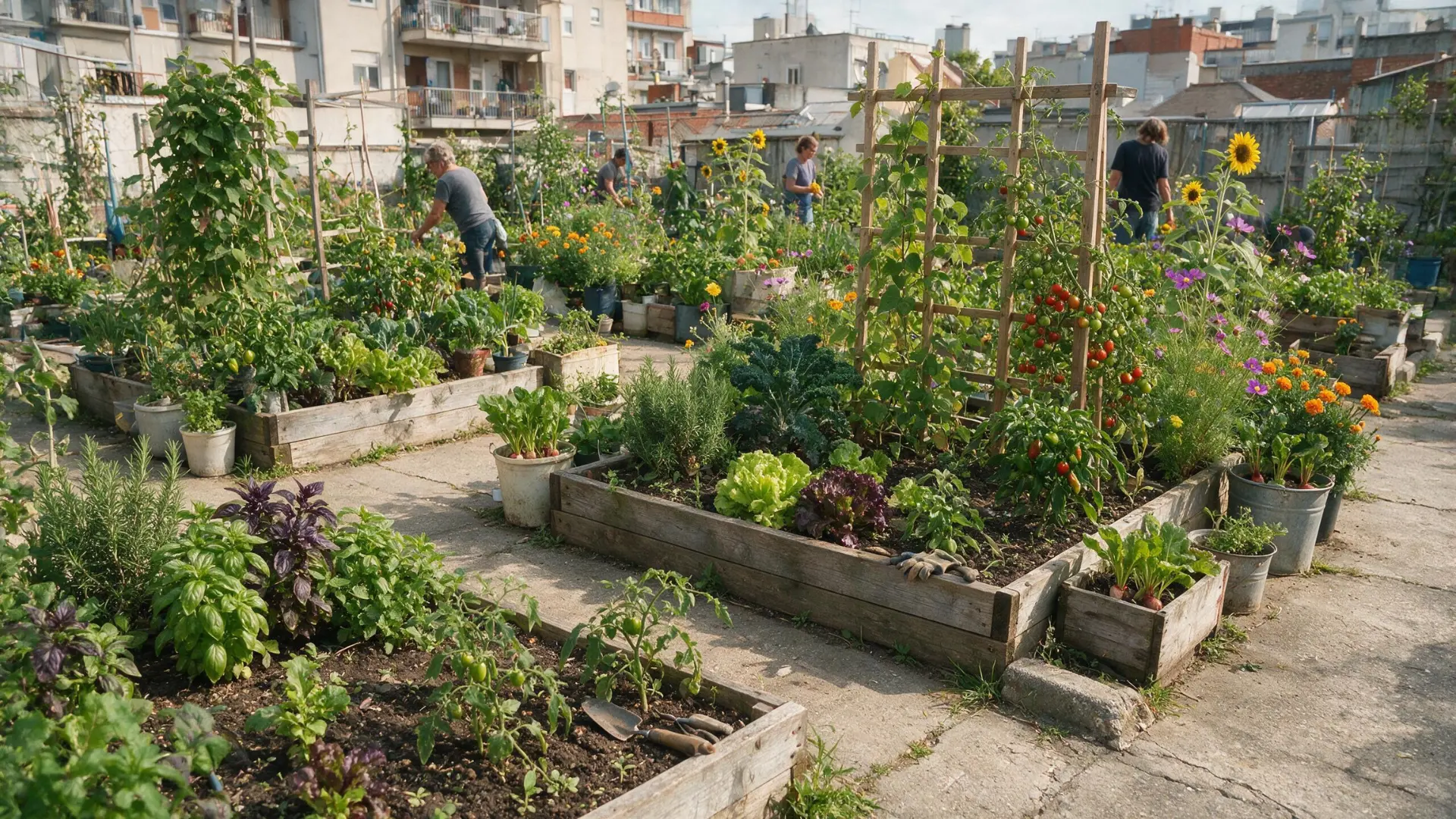
Foundation planting remains a classic landscaping feature, but improper placement frequently creates hidden drainage concerns. Shrubs, ornamental grasses, and densely planted flower beds trap moisture against exterior walls, preventing the surrounding soil from drying naturally after rainfall.
Dense vegetation also limits airflow around the home’s perimeter, encouraging persistent dampness that contributes to mold, mildew, and wood deterioration in adjacent structures.
The solution includes leaving adequate spacing between landscaping beds and the home’s exterior to allow water to evaporate more efficiently while simplifying routine inspections for cracks, pest activity, or drainage issues.
Ignoring Proper Grading Around the Home
The ground surrounding a house should always encourage water to flow away from the structure. Unfortunately, many landscaping projects unintentionally flatten existing slopes or even create low areas that collect water near the foundation.
The ideal grade typically drops several inches within the first few feet from the house, allowing rainfall to disperse naturally before it has an opportunity to infiltrate surrounding soils. Over time, settling soil, improperly installed garden beds, and repeated mulch applications can gradually eliminate this protective slope.
In situations where long-term drainage problems due to persistent water accumulation have already affected structural stability, consulting a foundation repair contractor is an important part of restoring proper site drainage and protecting the home from future moisture-related damage.
Creating Landscape Beds That Trap Water
Landscape beds should help distribute water efficiently rather than function as shallow basins. Raised borders, decorative stone edging, and poorly designed retaining features sometimes prevent water from escaping after storms.
This problem becomes even more pronounced in compacted soil where infiltration occurs slowly. A good solution is to include thoughtful bed design incorporating gentle slopes, permeable materials, and appropriate drainage paths that guide excess water into lawns, swales, or designated drainage systems.
Overusing Mulch
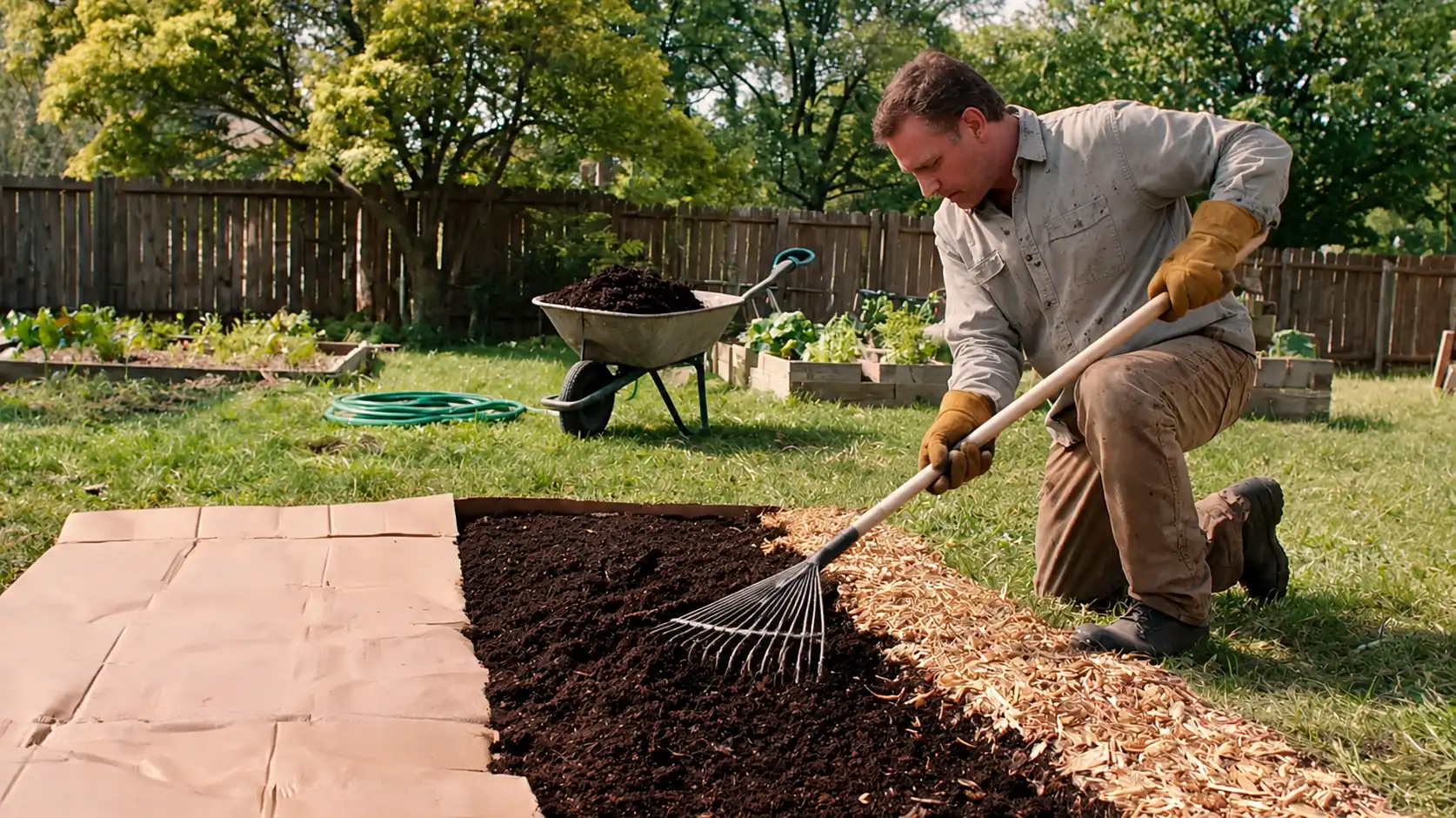
Mulch provides valuable benefits, including moisture retention, weed suppression, and temperature regulation. However, excessive mulch creates unintended drainage complications. Deep mulch layers absorb and retain large amounts of water during prolonged rainfall.
When piled against siding or foundation walls, they maintain constant moisture exposure that delays drying and encourages decay. Maintaining mulch at an appropriate depth while keeping it several inches away from the foundation allows landscaping to perform its intended function without interfering with drainage.
Neglecting Drainage Maintenance
Even a well-designed landscape gradually loses effectiveness without regular maintenance. Soil settles, roots expand, mulch shifts, and organic debris accumulates inside drainage pathways.
Clogged French drains, blocked swales, overflowing gutters, and compacted soil all reduce the landscape’s ability to handle heavy rainfall. A good solution is routine inspections after major storms to spot areas where water lingers longer than expected.
Endnote
Successful landscaping balances beauty with practical performance. Every planting decision, grading adjustment, and hardscape installation influences how water interacts with the property. Effective drainage protects the home’s foundation, landscaping investment, and long-term structural stability.