| Seed Type | Typical Viability | Notes |
| Onion, Parsnip, Parsley | 1 year | Use the season purchased; viability drops fast |
| Corn, Spinach | 1 to 2 years | Store carefully and test before planting |
| Beans, Peas, Carrots | 2 to 4 years | Moderate lifespan with proper storage |
| Lettuce, Beets, Broccoli | 3 to 5 years | Reliable mid-range seeds |
| Tomato, Cucumber, Radish | 4 to 6 years | Can exceed this with excellent storage |
| Watermelon, Squash | 4 to 5 years | Oil-rich seeds; store dry and cool |
| Basil | Up to 5 years | Outlasts most other herbs |
| Annual flower seeds | 1 to 3 years | Use within two seasons for best results |
| Perennial flower seeds | 2 to 4 years | Zinnia, calendula, and nasturtium can reach 5 to 6 years |
Every gardener has been there. You pull out a seed packet from two seasons ago, squint at the date on the back, and wonder how long seeds last and whether they are worth planting or headed straight for the bin.
The printed date on the packet does not indicate whether the seeds inside are still alive. It tells you the year the seeds were packed for sale, not when they become useless.
Seeds do not expire like food. Their ability to germinate declines over time, and how quickly that happens depends mostly on how they have been stored.
This guide explainshow long do seeds last by type, what actually kills viability, how to test old seeds properly, and the storage habits that make the biggest difference.
What Seed Viability Actually Means
Seed viability refers to a seed’s ability to germinate and produce a healthy plant. A seed is a living organism in a dormant state. Inside the seed coat, a tiny embryo and its stored food supply are essentially waiting for the right conditions to activate growth.
Over time, that internal energy depletes. Cell membranes weaken. Stored fats and oils inside the seed oxidize. Moisture, heat, and light speed up this breakdown. The result is not a hard cutoff where seeds are viable one day and dead the next. It is a gradual decline in germination percentage.
A packet of tomato seeds from three years ago might still show 80% germination if stored well. The same packet left in a warm, humid drawer might show 20% or less germination. Age and storage conditions work together, and storage conditions have the bigger influence of the two.
One important distinction worth knowing: seed vigor is not the same as viability. A seed might germinate but produce a weak, slow-developing seedling. That is declining vigor. Testing the germination rate tells you viability. Observing how quickly and strongly seedlings grow tells you about vigor.
Now that the biology makes sense, the practical question is how long specific seeds can actually hold up.
What Kills Seed Viability Before Its Time
Seeds may fail prematurely if exposed to certain environmental factors. Understanding what damages seeds helps you store them effectively and preserve their germination potential for future plantings.
| Factor | How It Affects Seeds | Example / Risky Storage Practices |
| Moisture | Increases enzymatic activity, depleting stored energy before germination | Seeds in humid rooms or unsealed containers absorb water from the air |
| Temperature | Fluctuations trigger partial germination, reducing viability | Moving seeds between warm and cool areas or unstable shelves |
| Heat & Light | Degrades seed oils and damages cell membranes | Seeds left on sunny windowsills, warm greenhouses, or near stoves |
| Oxygen | Oxidizes fats and embryo energy, slowly reducing germination | Open jars or loose envelopes; lack of airtight storage |
Avoiding these factors through airtight containers, stable temperatures, low humidity, and dark storage significantly extends seed life and ensures stronger germination when planting.
How Long Do Seeds Last by Type?
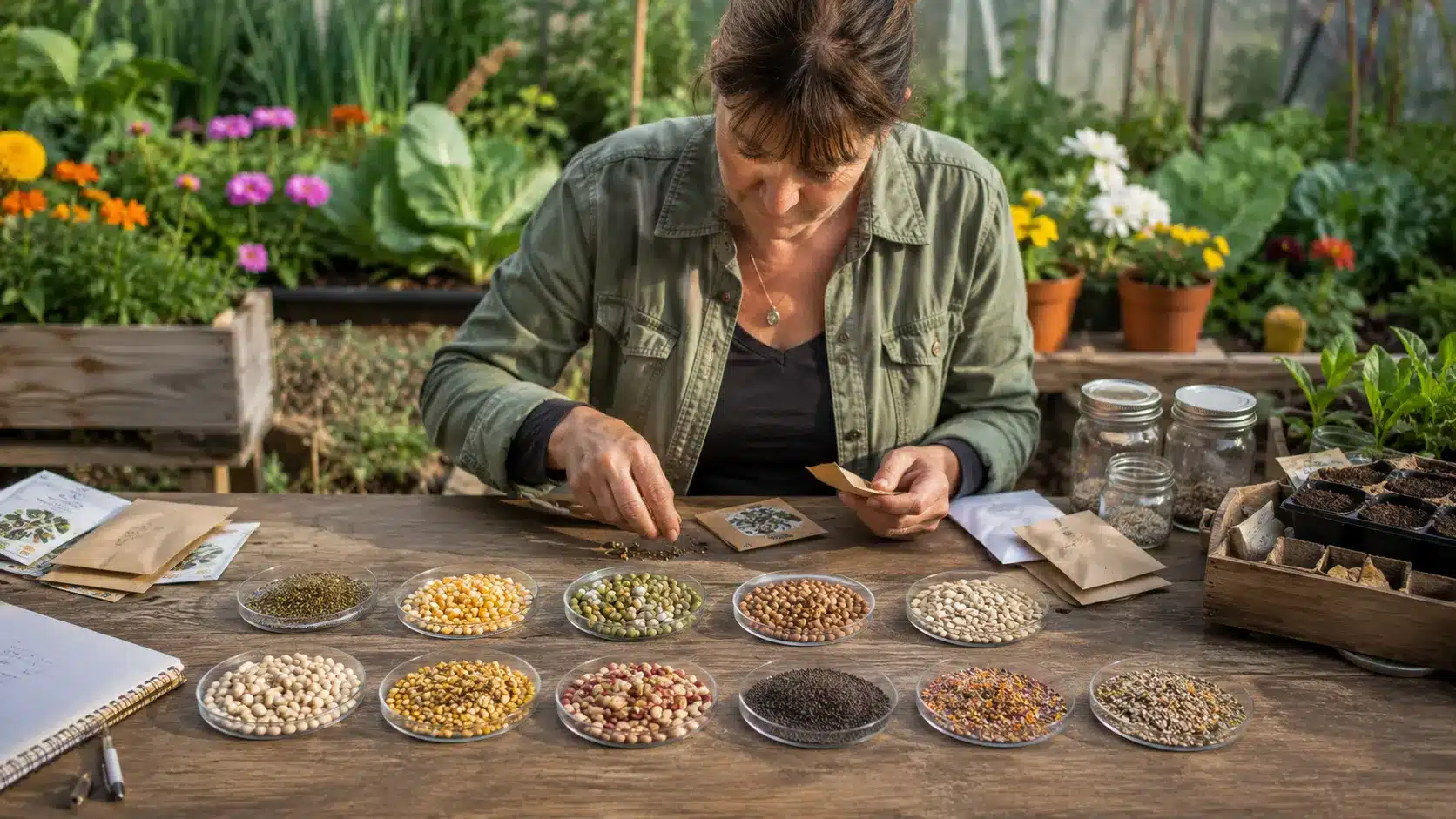
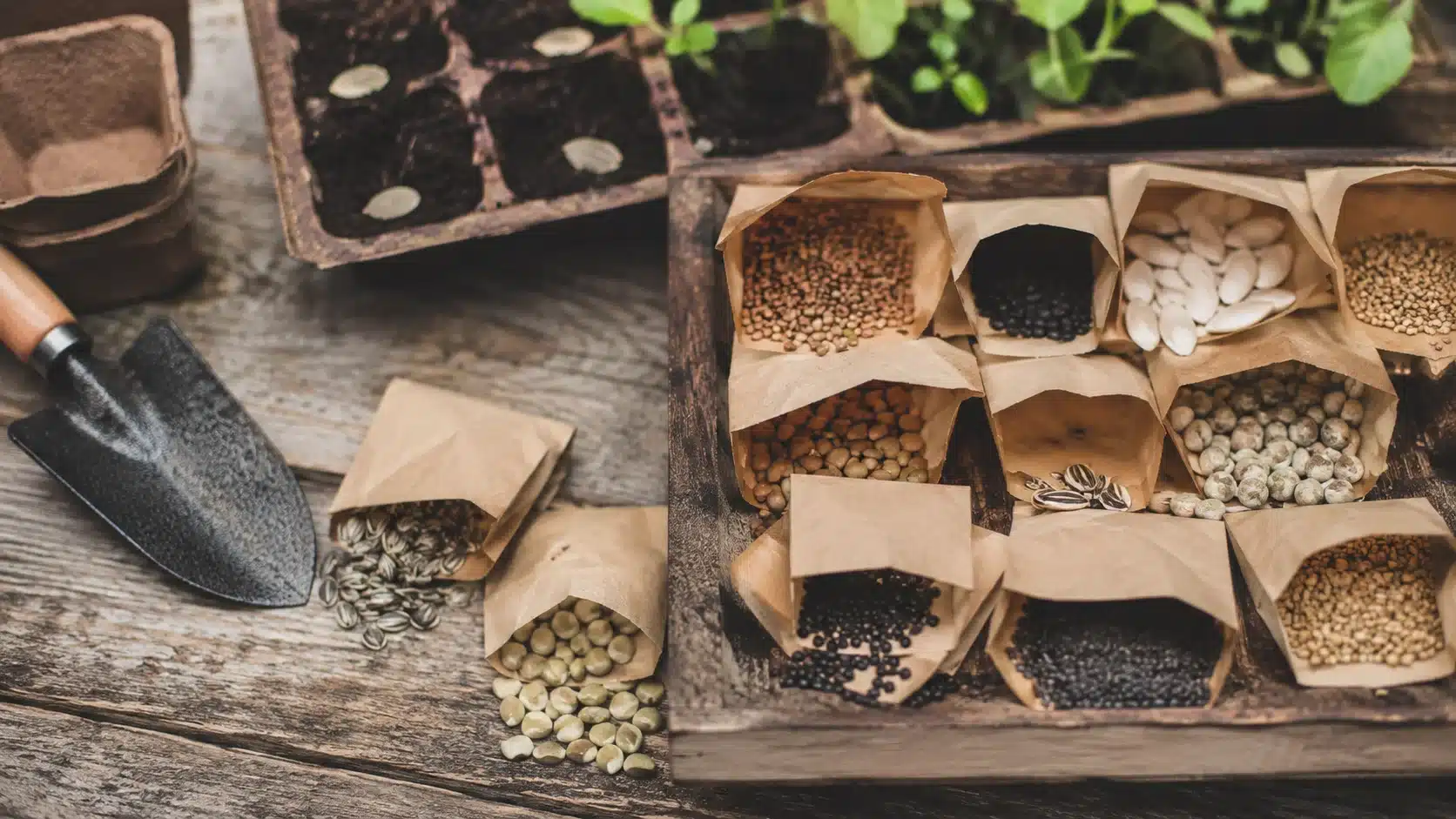
Seed lifespan varies significantly by plant species. The table below reflects storage under recommended conditions: cool temperature, low humidity, and away from direct light. Seeds stored in warm kitchens or unsealed containers will fall toward the lower end of these ranges.
1. Onion, Parsnip, Parsley
These seeds are among the shortest-lived, generally remaining viable for about one year. Pelleted seeds or coated varieties reduce handling issues but shorten lifespan.
Plant these seeds in the season of purchase to ensure maximum germination, and avoid storing them in warm, humid locations, which will accelerate deterioration.
2. Corn, Spinach
Corn and spinach seeds typically last one to two years under optimal storage. Maintaining cool, dry conditions away from light helps preserve germination rates.
Testing older seeds before planting ensures they are still viable. These moderate-lifespan seeds require careful monitoring for moisture and heat exposure.
3. Beans, Peas, Carrots
These seeds usually remain viable for two to four years if stored correctly. Proper storage in airtight containers, away from sunlight and humidity, helps maintain germination success.
Conducting a germination test prior to sowing older seeds prevents wasted time and ensures seedlings develop strong, healthy roots.
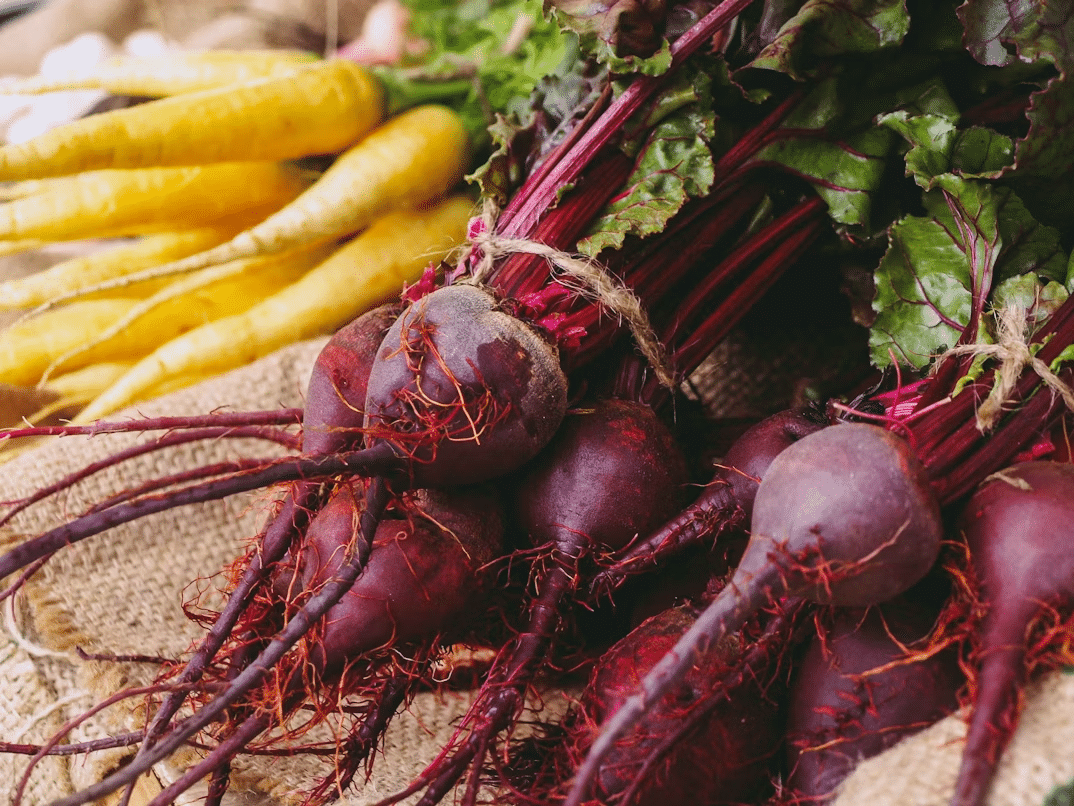
4. Lettuce, Beets, Broccoli
Lettuce, beets, and broccoli seeds can remain viable for three to five years under recommended conditions. These mid-range seeds benefit from consistent cool storage and protection from moisture.
Labeling packets with storage dates helps track age and ensures that seeds are planted while still capable of high germination rates.
5. Tomato, Cucumber, Radish
Tomato, cucumber, and radish seeds are long-lasting, generally viable for four to six years. Keeping them in airtight containers in a stable, cool environment prevents premature loss of germination. Regularly checking older seeds with a small germination test helps confirm they will sprout effectively.
6. Watermelon, Squash
These oil-rich seeds last around four to five years when properly stored. Maintaining dryness and low temperatures is crucial to preserving viability. Even minor moisture can damage the seeds.
Using desiccant packets in sealed containers can extend longevity, allowing gardeners to plan future plantings with confidence.
7. Basil
Basil seeds can remain viable for up to five years. Storage in cool, dark, and dry conditions ensures successful germination. Avoid excessive handling and prevent exposure to heat and humidity.
Labeling and rotation help ensure the oldest seeds are used first, minimizing waste and preserving seed quality.
8. Annual Flower Seeds
Annual flower seeds generally remain viable for one to three years. They perform best when planted within two seasons of purchase. Proper storage in cool, dark, and dry conditions extends their life.
Testing older seeds for germination ensures only healthy seedlings are planted, avoiding poor results in the garden.
9. Perennial Flower Seeds
Perennial flower seeds, including zinnia, calendula, and nasturtium, typically last two to four years. Proper storage in airtight containers, away from moisture and light, maintains germination potential. Conducting a small sprout test on older seeds ensures successful planting and supports consistent garden growth across seasons.
Understanding the expected lifespan of each seed type allows gardeners to plan planting schedules effectively. Proper storage, regular viability checks, and attention to seed-specific requirements maximize germination rates, prevent wastage, and support strong, healthy plant growth year after year.
How to Test if Old Seeds Are Still Viable
Before planting old or uncertain seeds, perform a simple germination test to avoid wasting time and space. This quick method checks whether your seeds can still sprout effectively, allowing you to plant with confidence.
Step 1: Prepare Your Seeds and Materials: Count out ten seeds from the packet. Use a damp paper towel that is moist but not dripping. Spread the seeds evenly on one half of the towel. Gather a zip-close plastic bag and label it with the seed type and the test date.
Step 2: Set Up the Test: Fold the paper towel over the seeds, then place it in the labeled bag. Seal the bag and place it in a warm location around 65-75°F. A top-of-refrigerator spot or near a water heater works well.
Step 3: Monitor the Seeds: Check the seeds daily without disturbing them. Maintain consistent moisture and warmth. Avoid opening the bag unnecessarily to prevent drying or exposure to fluctuating conditions.
Step 4: Evaluate Germination: After the typical germination period for the seed type, usually 7-14 days, count how many seeds have sprouted:
- 8–10/10 sprouted: Seeds are healthy; plant at normal spacing.
- 5–7/10 sprouted: Seeds have declining viability; plant closer together to compensate.
- Fewer than 5/10 sprouted: Germination is too low; consider buying fresh seeds.
Step 5: Visual Seed Inspection: Before testing, inspect seeds visually. Shriveled, discolored, cracked, or moldy seeds are unlikely to germinate well. Seeds that are firm, evenly colored, and intact indicate better chances of success.
Performing this germination test helps you plan efficiently and prevents planting failures. Once tested, store your viable seeds properly to maintain longevity for future seasons.
Tips to Store Seeds for Maximum Lifespan
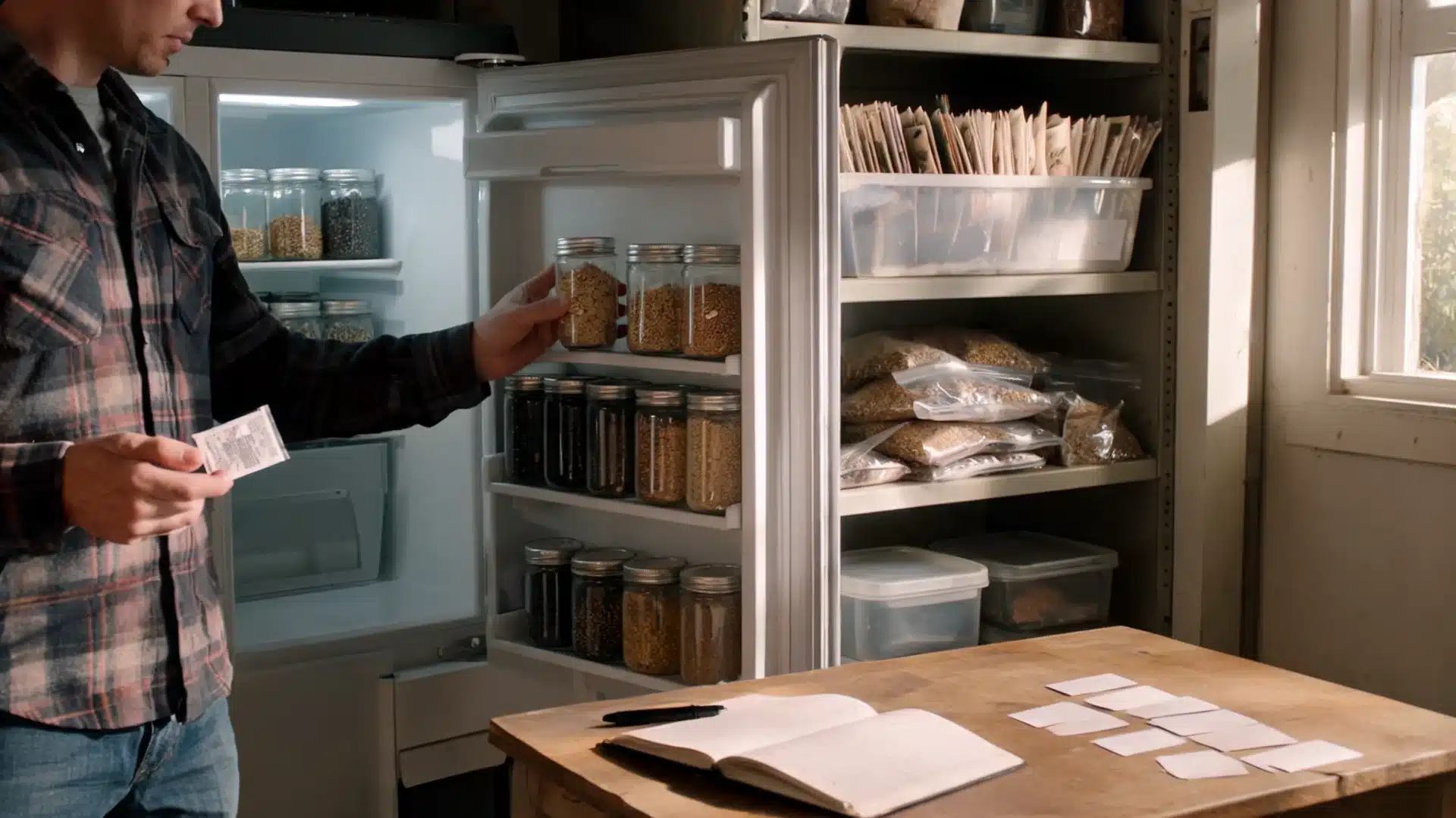
The goal of good seed storage is to control all four factors above at once. This does not require expensive equipment. A mason jar, a refrigerator, and a silica gel packet cover most of what is needed.
| Storage Type | Conditions & Tips | Key Considerations |
| Short-Term Storage | Keep below 70°F in a cool, dark place. Use sealed envelopes or zip bags. | Avoid heat sources. Ideal for seeds used within 1–2 years. |
| Long-Term Storage | Use airtight containers with silica gel in the fridge. | Maintains viability for 2+ years by stabilizing temperature. |
| Freezer Storage | Freeze fully dried seeds. Let containers warm to room temperature before opening. | Only dry seeds. Prevents ice damage. Suitable for multi-year storage. |
| Labeling Seeds | Label type and year; track in notebook or spreadsheet. | Prevents confusion and ensures organized planting. |
Following these storage practices keeps seeds viable and maintains high germination rates. By controlling moisture, temperature, and labeling, both short- and long-term seed collections stay organized, healthy, and ready for planting whenever needed.
Keeping seeds in stable conditions reduces waste, ensures even sprouting, and saves gardeners time and money each season.
Common Seed Storage Mistakes
Even experienced gardeners can unknowingly reduce seed viability by making small storage mistakes. Recognizing and avoiding these errors prevents wasted seeds, ensures consistent sprouting, and makes planting more efficient year after year.
- Keeping seeds in the kitchen: Warmth from cooking and humidity from boiling water degrade seeds faster than almost any other household location
- Using open or loosely sealed containers: Paper envelopes sitting in open boxes allow moisture from the air to reach seeds gradually over months
- Storing all seeds together without labels: Once the dates are unknown, the older seeds get ignored until they are past their useful window
- Mixing old and new seeds in the same container: This makes it impossible to prioritize which to use first, and can result in planting failed seeds while fresh ones sit unused
- Ignoring date stamps entirely: The packing date on commercial packets is a useful starting reference. Combined with the viability chart above, it gives a reasonable expectation of current germination potential
- Not testing before large plantings: Spending an afternoon planting a full bed with seeds that turn out to have 20% germination wastes both time and space that could have gone to something reliable
Avoiding these pitfalls preserves germination rates and saves time and effort during planting. A little awareness and organization in seed storage goes a long way toward reliable harvests.
How to Extend Seed Lifespan Before and During Storage
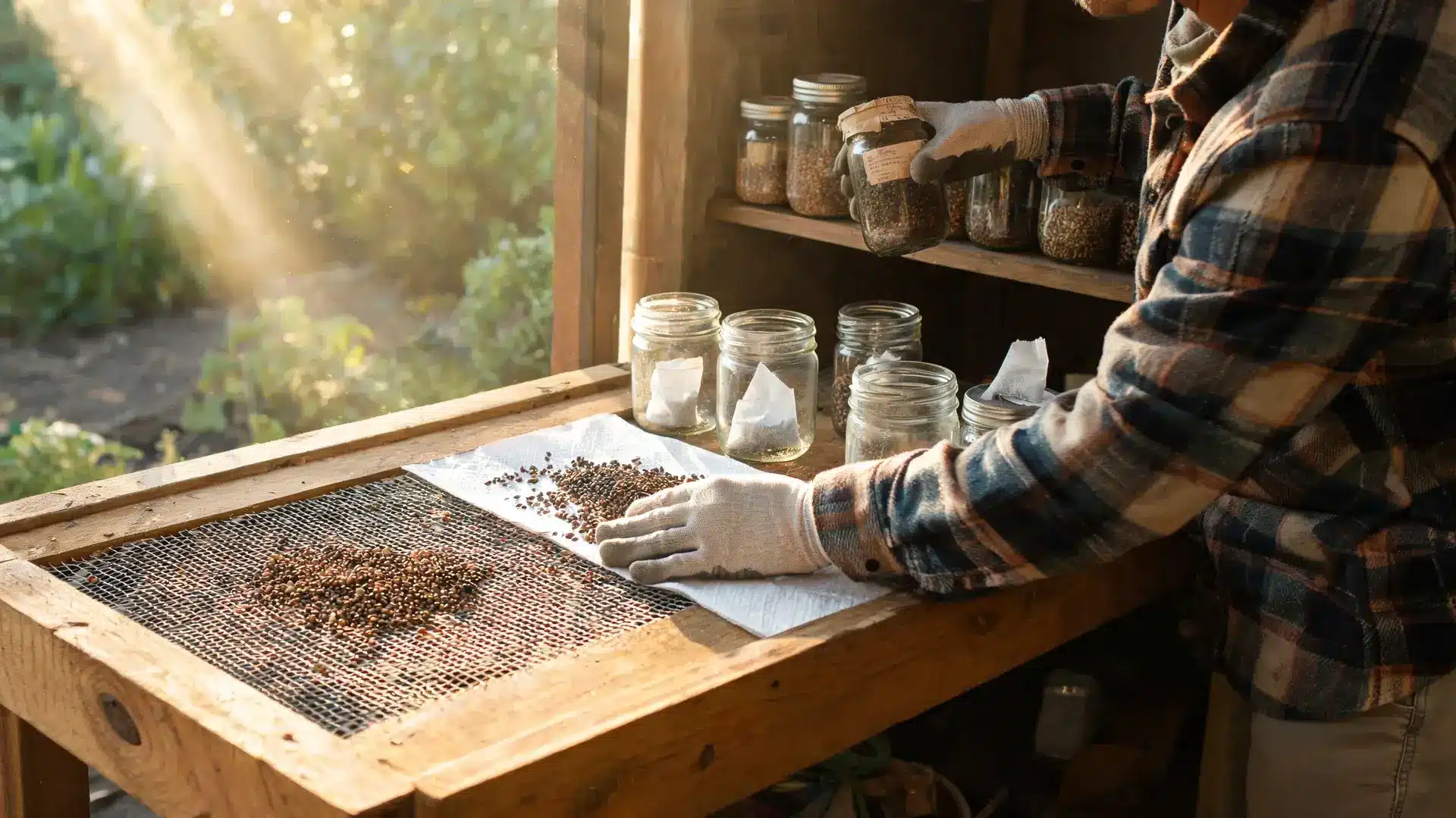
Simple habits before and during storage make a big difference in seed longevity. With careful preparation, rotation, and moisture control, gardeners can maintain seed viability longer, ensuring stronger plants and fewer wasted packets each season.
- Dry seeds thoroughly before storing: Seeds harvested from the garden must be dried completely before going into any container. Spread them on a paper towel or screen in a warm, airy location for several days until they feel hard and brittle rather than soft or bendable.
- Use the oldest seeds first: Rotate stock the same way a kitchen pantry is organized. When buying new seeds of a type already in storage, move the older packet to the front so it gets planted in the coming season before viability declines further.
- Keep containers sealed between uses: Every time a storage jar is opened in a warm, humid room, the seeds inside are briefly exposed to that environment. Open only when needed and reseal immediately.
- Consider silica gel for long-term containers: A single small desiccant packet inside a sealed jar costs almost nothing and removes residual moisture that even well-dried seeds can carry.
By consistently following these practices, you maximize the lifespan and germination potential of your seeds. These simple steps help maintain healthy, productive plants while avoiding frustration and wasted resources.
Frequently Asked Questions
Do seeds last longer if kept in the original packet?
Original paper packets offer minimal moisture protection on their own. Storing the packet in a sealed, airtight container makes a bigger difference than the packet’s material itself.
Paper envelopes allow humidity to pass through over time, so the container around them is what actually controls moisture exposure.
Can seeds that failed the paper towel test ever germinate in soil?
Occasionally, yes. Soil temperature, moisture, and soil microbes create slightly different conditions from those in a controlled paper towel test.
However, if fewer than 3 out of 10 seeds germinated in the test, the germination rate in soil is unlikely to be much better. Replanting with known-good seeds is more practical than hoping for soil conditions to compensate.
Do heirloom seeds last longer than hybrid seeds?
Not necessarily. Seed longevity depends on species and storage conditions rather than whether a seed is heirloom or hybrid. Both types deteriorate at similar rates under the same storage environment.
The practical advantage heirloom seeds offer is that they can be saved from your own harvest year to year, keeping your supply fresh without buying new packets each season.
Is it safe to plant seeds that smell musty or off?
No. A musty smell indicates mold or fungal activity inside the storage container. Seeds with visible mold, unusual odor, or soft texture have likely lost viability and may introduce fungal spores into planting soil. Discard and replace rather than risk contaminating a whole seed tray or garden bed.
Final Thoughts
Seed storage is one of those things where a small effort upfront prevents a lot of frustration later. The difference between seeds stored in a labeled mason jar in the back of the refrigerator and seeds kept loosely in a kitchen drawer can be several additional years of reliable germination.
The lifespan of how long do seeds last varies by species, but the principle behind keeping them viable is consistent across all of them: dry, cool, dark, and sealed. Test before planting anything of uncertain age.
Use older seeds first. And when in doubt, a germination test costs nothing but ten days of waiting and gives a clear, practical answer.
If you have successfully germinated seeds that were older than expected, or if you have a storage method that has worked particularly well for a specific seed type, share it in the comments. Real-world results from actual growing conditions are often more useful than any general guideline.