Electrical problems in your home aren’t always obvious, but ignoring them can be dangerous.
From flickering lights to strange smells, small warning signs can signal bigger issues in your electrical system. In some cases, these problems can lead to power failures, damaged appliances, or even electrical fires.
In this guide, we’ll break down the most common signs your home has electrical problems and why you shouldn’t ignore them.
Why Electrical Issues Matter
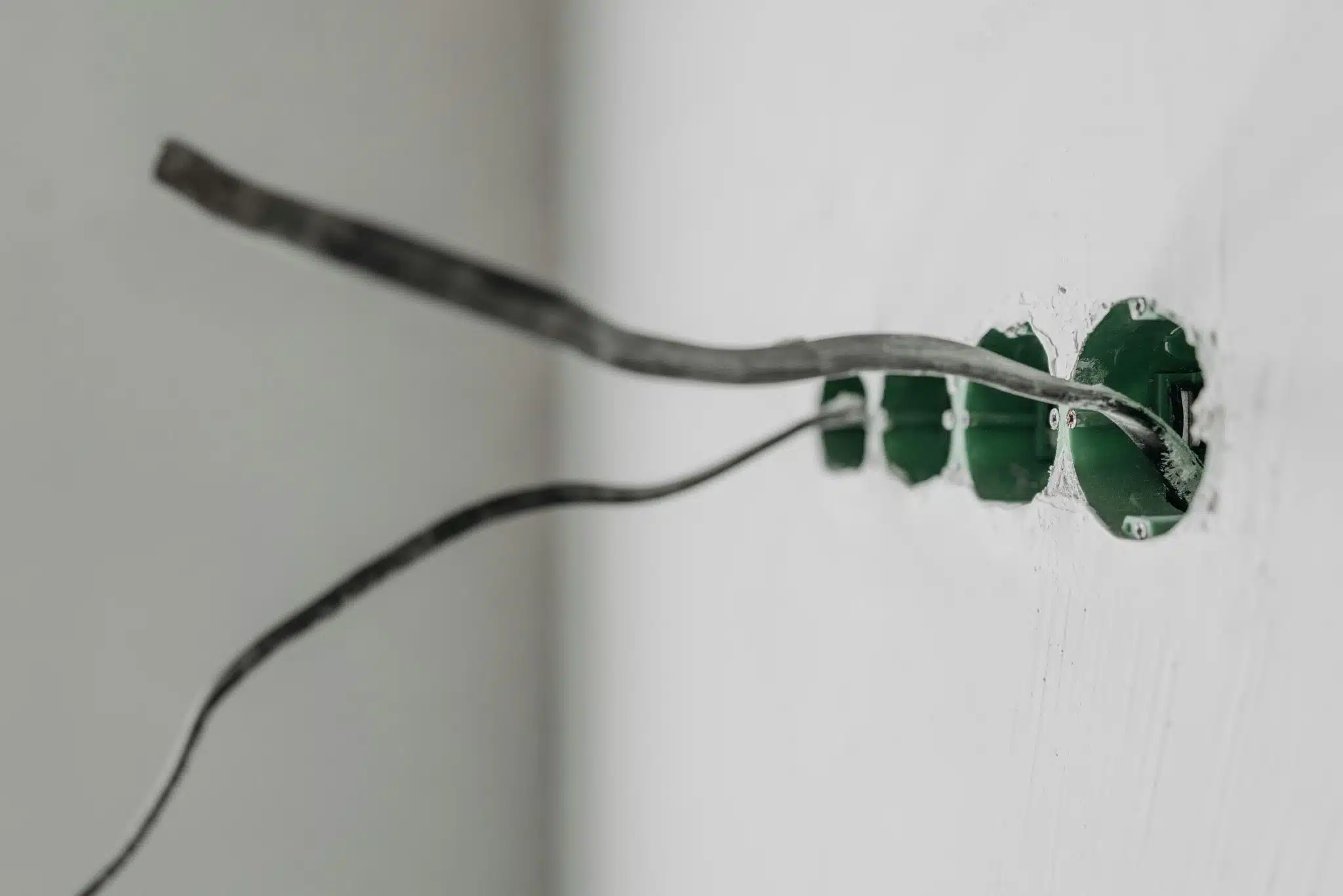
Your home’s electrical system is designed to deliver power safely and efficiently.
When something goes wrong, it can lead to:
- Fire hazards
- Electric shocks
- Appliance damage
- System failures.
Spotting issues early is key to keeping your home safe.
1. Flickering or Dimming Lights
Occasional flickering might not seem like a big deal, but frequent or consistent flickering can indicate a deeper problem within your electrical system.
Possible causes include:
- Loose wiring
- Overloaded circuits
- Failing fixtures.
If lights dim when appliances turn on — like your kettle, microwave, or air conditioner — it may mean your circuit is struggling to handle the electrical load. This is especially common in older homes that weren’t designed for modern energy demands.
Flickering can also be localized (affecting just one fixture) or widespread (impacting multiple rooms). If it’s happening throughout your home, the issue may lie in your main electrical panel or supply connection.
What to watch for:
- Lights flickering when large appliances start up
- Dimming across multiple rooms
- Lights that brighten and dim unpredictably.
While a loose bulb can sometimes be the culprit, ongoing flickering is worth investigating before it leads to more serious electrical faults.
2. Circuit Breakers Keep Tripping
Your circuit breaker is designed to protect your home, but frequent tripping isn’t normal and shouldn’t be ignored.
This could be caused by:
- Overloaded circuits
- Faulty appliances
- Wiring issues.
If resetting the breaker becomes a regular occurrence, it’s a sign that something is putting too much strain on the system. While occasional trips can happen (for example, if too many appliances are used at once), repeated tripping suggests a deeper imbalance.
It’s also important to notice when the breaker trips. Does it happen when a specific appliance is used? Or does it seem random? These patterns can help identify the root cause.
Why it matters:
Ignoring repeated tripping can lead to overheated wires, which increases the risk of electrical fires. Your breaker is doing its job, but it’s also warning you that something needs attention.
3. Burning Smells or Discoloration
A burning smell near outlets, switches, or your breaker panel is one of the most serious warning signs you can encounter.
Look for:
- Scorch marks
- Melted plastic
- Discoloration on walls or outlets.
These signs often indicate overheating, which damaged wiring, loose connections, or overloaded circuits may cause. In some cases, the smell may come and go — making it easy to dismiss, but you should take even intermittent burning smells seriously.
Important:
If you notice this, stop using the affected outlet or switch immediately. Turn off the power if it’s safe to do so and seek professional help. Electrical fires can start behind walls, where they’re not immediately visible.
4. Sparking Outlets
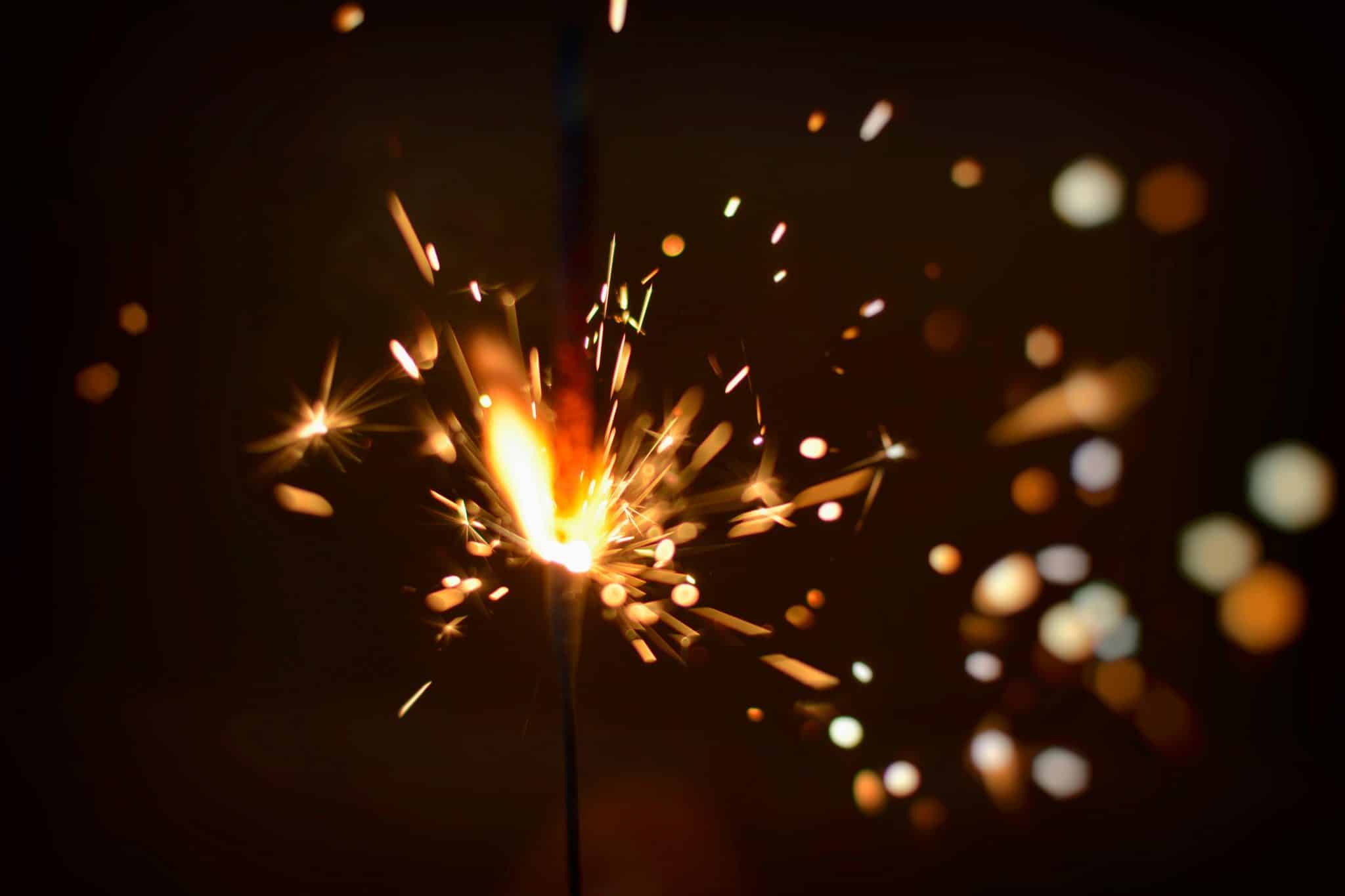
If you see sparks when plugging in a device, it could be more than harmless static.
Persistent or large sparks may indicate:
- Faulty wiring
- Loose connections
- Worn outlets.
A small, brief spark can sometimes occur when plugging in appliances, but anything more noticeable, especially repeated sparks or sparks accompanied by noise or burning smells, should raise concern.
Older or heavily used outlets are particularly prone to wear and tear, which can lead to poor connections and increased risk of overheating.
What to do:
Avoid using the outlet and have it checked. Replacing a worn outlet is a simple fix, but ignoring it can lead to bigger problems.
5. Buzzing Sounds
Electricity should be silent. If you hear buzzing, humming, or crackling sounds from outlets, switches, or your electrical panel, something isn’t working correctly.
This could indicate:
- Loose wiring
- Overloaded circuits
- Faulty components.
These sounds are often caused by electrical current jumping across gaps in loose connections, which generates heat and noise.
Why it’s risky:
Loose connections can worsen over time, increasing the chance of overheating or sparking. Even if everything seems to be working normally, unusual sounds are a clear sign that something needs attention.
6. Warm or Hot Outlets
Outlets and switches should never feel warm or hot to the touch.
If they do, it may be due to:
- Overloaded circuits
- Faulty wiring
- Internal damage.
Heat is a sign that electrical resistance is building up somewhere it shouldn’t — often due to poor connections or excessive demand.
Red flags include:
- Warm faceplates
- Heat coming from plugs or cords
- Discoloration around the outlet.
If you notice warmth, stop using the outlet immediately. Continued use can lead to melting, damage, or fire hazards.
7. Frequent Electrical Surges
Power surges can damage electronics and shorten the lifespan of your appliances.
Causes may include:
- Faulty appliances
- Poor wiring
- External factors like lightning.
While external factors may cause occasional surges, frequent surges often point to internal electrical issues. These can be harder to detect because they happen quickly, but over time, they can degrade sensitive electronics.
Signs of frequent surges:
- Devices resetting unexpectedly
- Lights flickering briefly
- Electronics failing sooner than expected.
If this is happening regularly, it’s worth having your system evaluated to prevent further damage.
8. Outdated Wiring
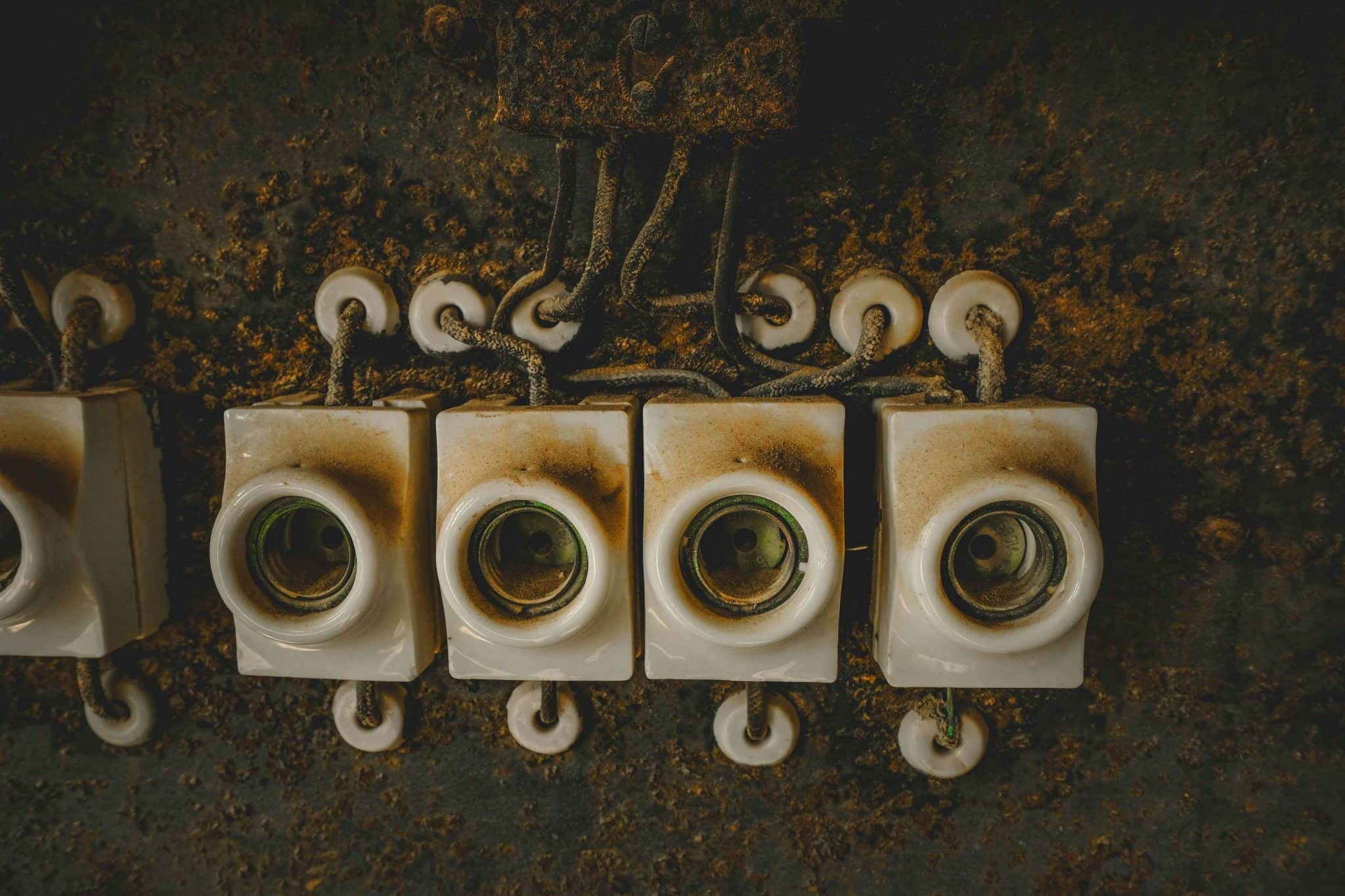
Older homes may still have wiring systems that aren’t designed for today’s electrical usage.
Signs include:
- Limited outlets
- Heavy reliance on extension cords
- Two-prong outlets instead of grounded three-prong ones.
Outdated wiring may struggle to support modern appliances, home offices, or high-demand systems like EV chargers and air conditioning units.
Why it matters:
Older wiring isn’t just less convenient — it can also be less safe. Upgrading your wiring improves both performance and protection, reducing the risk of overloads and faults.
9. Electric Shocks
Even a mild shock when touching an appliance, switch, or outlet is a clear warning sign.
This could be caused by:
- Grounding issues
- Faulty wiring
- Damaged appliances.
While a small shock might seem harmless, it indicates that electricity isn’t flowing safely through your system.
Important to note:
Shocks can become more severe over time if the underlying issue worsens. They also increase the risk of injury, especially in areas such as kitchens and bathrooms where water is present.
If you experience even a minor shock, it’s worth having the issue inspected to ensure your system is safe.
When to Call a Professional
If you notice any of these warning signs, it’s best to act quickly.
Call a professional if:
- Issues are recurring or worsening
- You notice burning smells or sparks
- Your system struggles to handle normal usage.
For safe and reliable repairs in the New Jersey area, consider contacting Service Professionals Electrical Repair to assess and resolve the issue.
How to Prevent Electrical Problems
- Avoid overloading outlets
- Replace damaged cords and appliances
- Use surge protectors
- Schedule regular inspections
- Upgrade outdated systems.
Preventive care can significantly reduce risks.
Final Thoughts
Electrical problems don’t always start with dramatic warning signs, but even small issues can signal bigger risks.
By paying attention to early symptoms and acting quickly, you can protect your home, your appliances, and your safety.