Thrips are the kind of garden troublemakers that work quietly, staying hidden while your plants slowly show the strain.
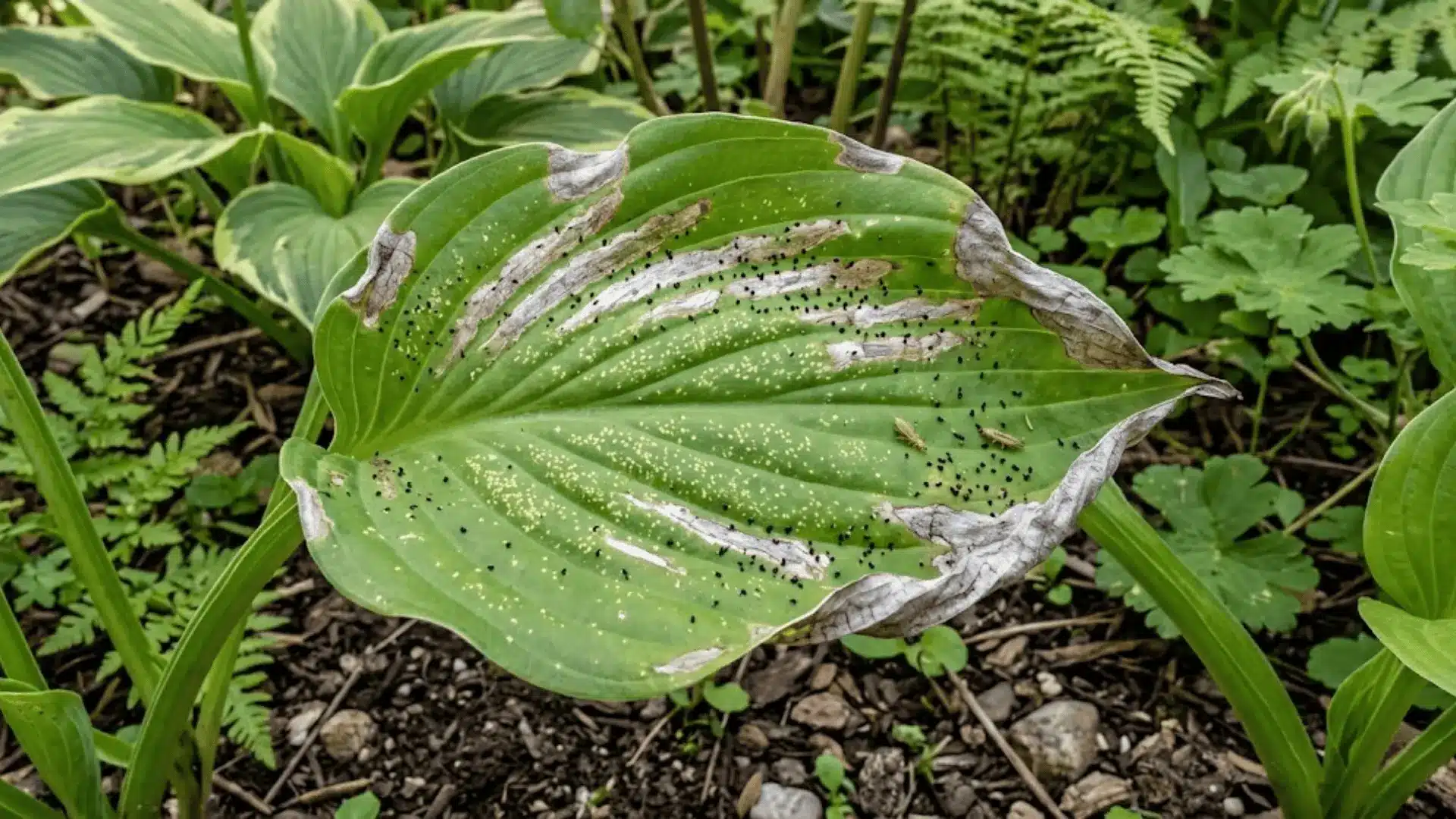
By the time you notice something is off, silvery streaks have crept across the leaves, petals look bruised and papery, and the damage has already settled in.
The tricky part? Most gardeners never actually see the pest itself, just the mess it leaves behind.
What thrips damage looks like, how to spot thrips on plants, and how to tell them apart from other sneaky culprits, all of it is covered ahead.
Why are Thrips so Hard to Catch?
Thrips are tiny, slender insects that feed by piercing plant tissue and sucking out the sap.
They move fast, hide well, and at just a millimeter or two long, they are nearly impossible to spot without a magnifying glass.
Houseplants, vegetables, and flowering plants are all fair game. Because they stay tucked inside blooms or along leaf undersides, most gardeners only notice an infestation once the plant starts showing visible stress.
The pest stays hidden, but the damage always finds a way to show up first.
7 Clear Signs of Thrips Damage on Plants
Thrips damage has a way of sneaking up on you, showing up as subtle discoloration before anything else clicks. Learning to read these signs early can make all the difference for your plants.
1. Silvery or Bronze Streaks
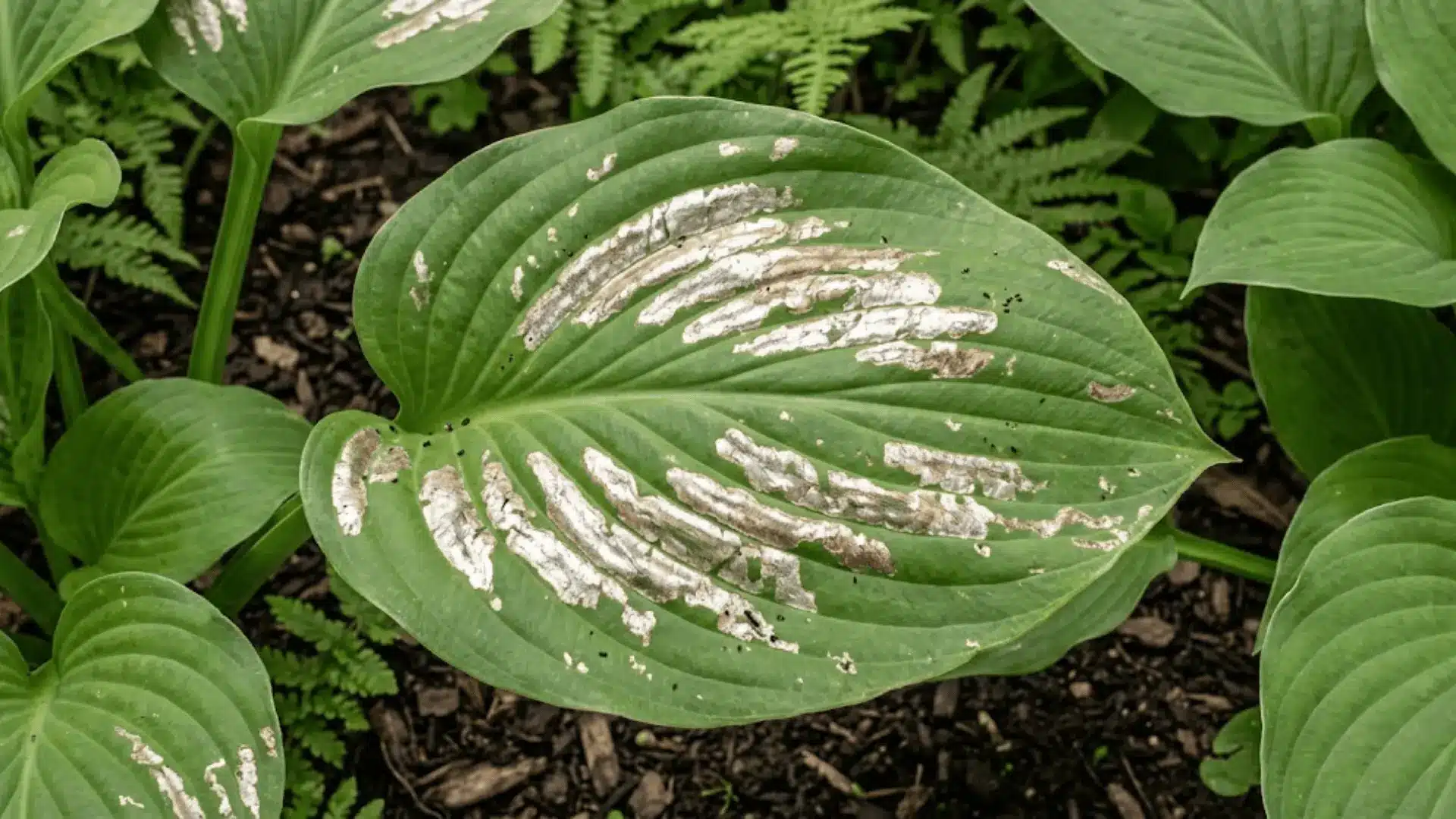
This is the most telling sign of thrips on plants. When thrips pierce leaf cells and drain the sap, the damaged tissue dries out and catches light differently, leaving behind a metallic, bleached shimmer.
It spreads across the leaf surface in irregular patterns and tends to be most visible on smooth-leaved plants where the contrast really stands out.
2. Tiny Black Specks
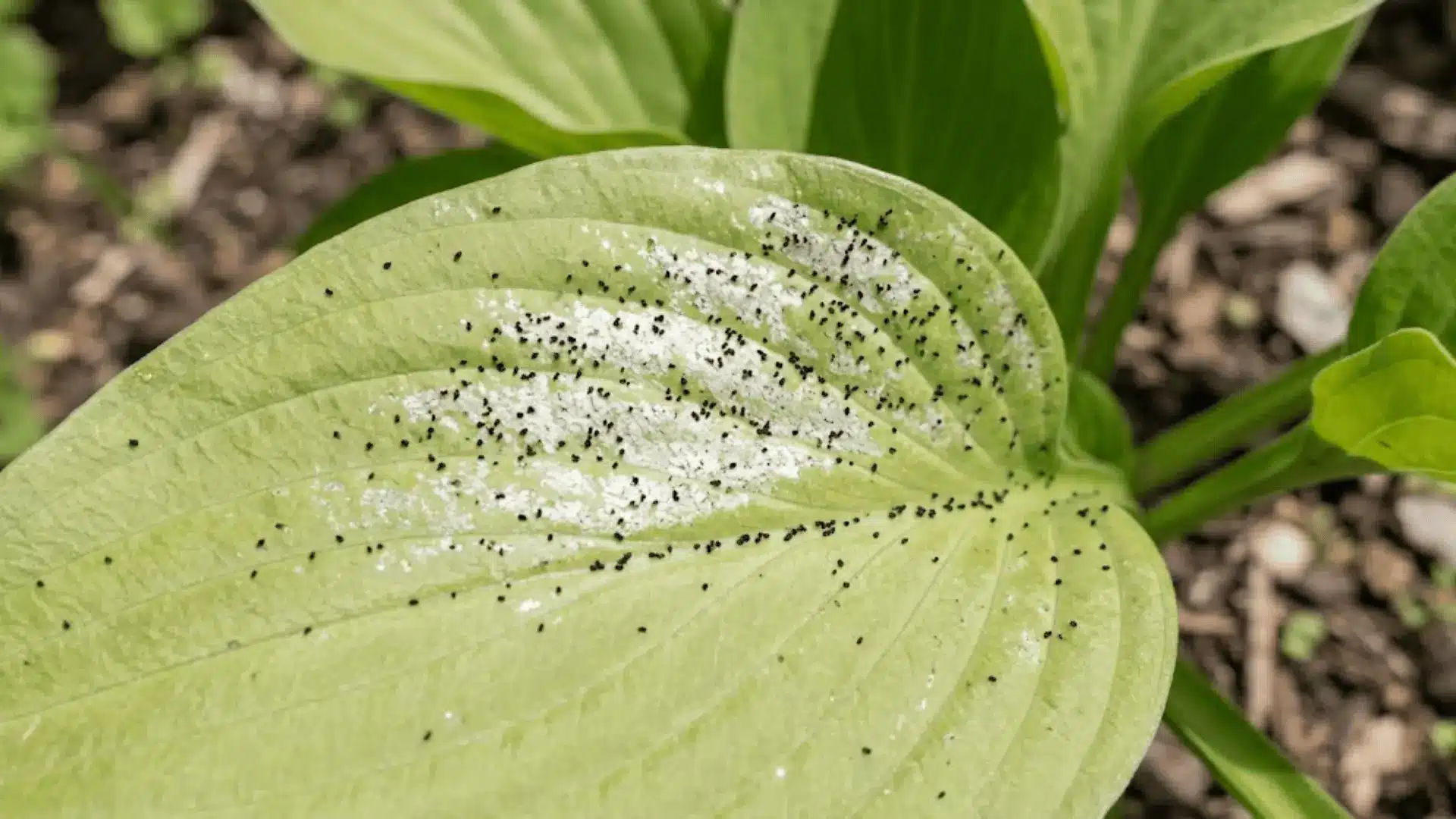
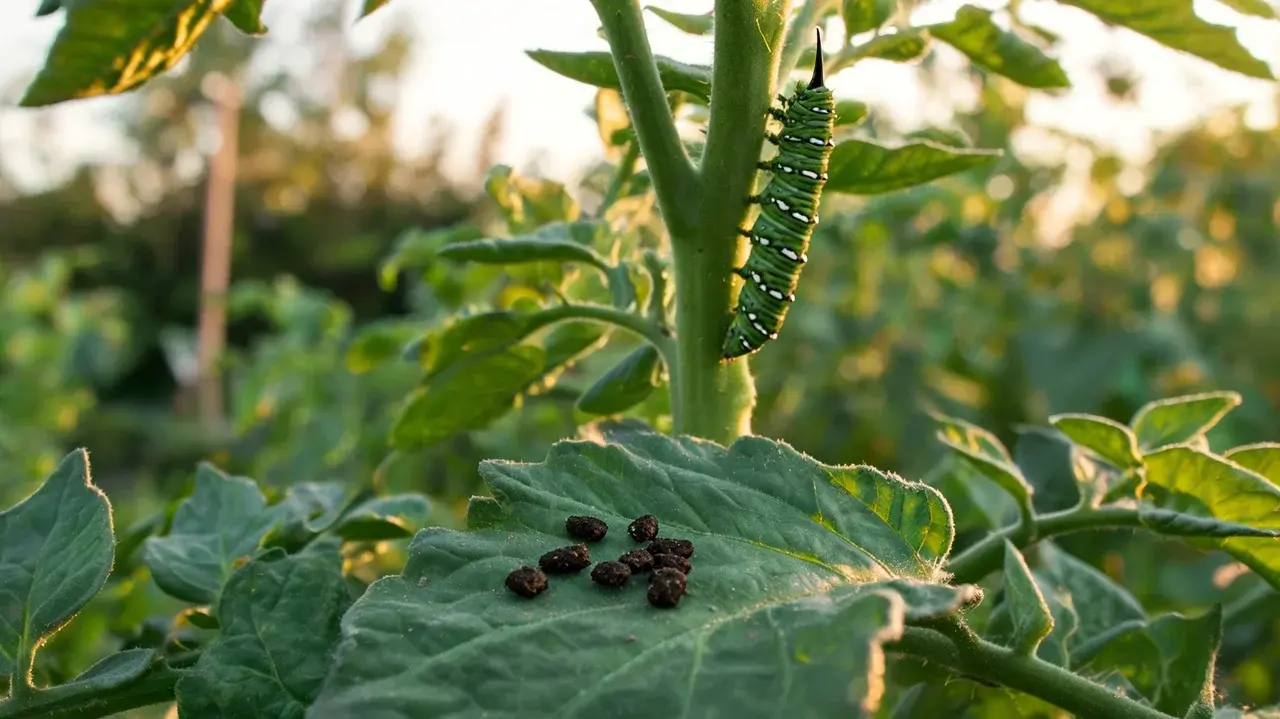
Those little black dots scattered near damaged areas are thrips droppings, and they are one of the strongest indicators that thrips are actively feeding.
They look like flecks of pepper or fine dirt and are easy to brush off, but keep coming back. Spotting frass alongside other symptoms is usually a reliable confirmation that thrips are the culprit.
3. Stippling
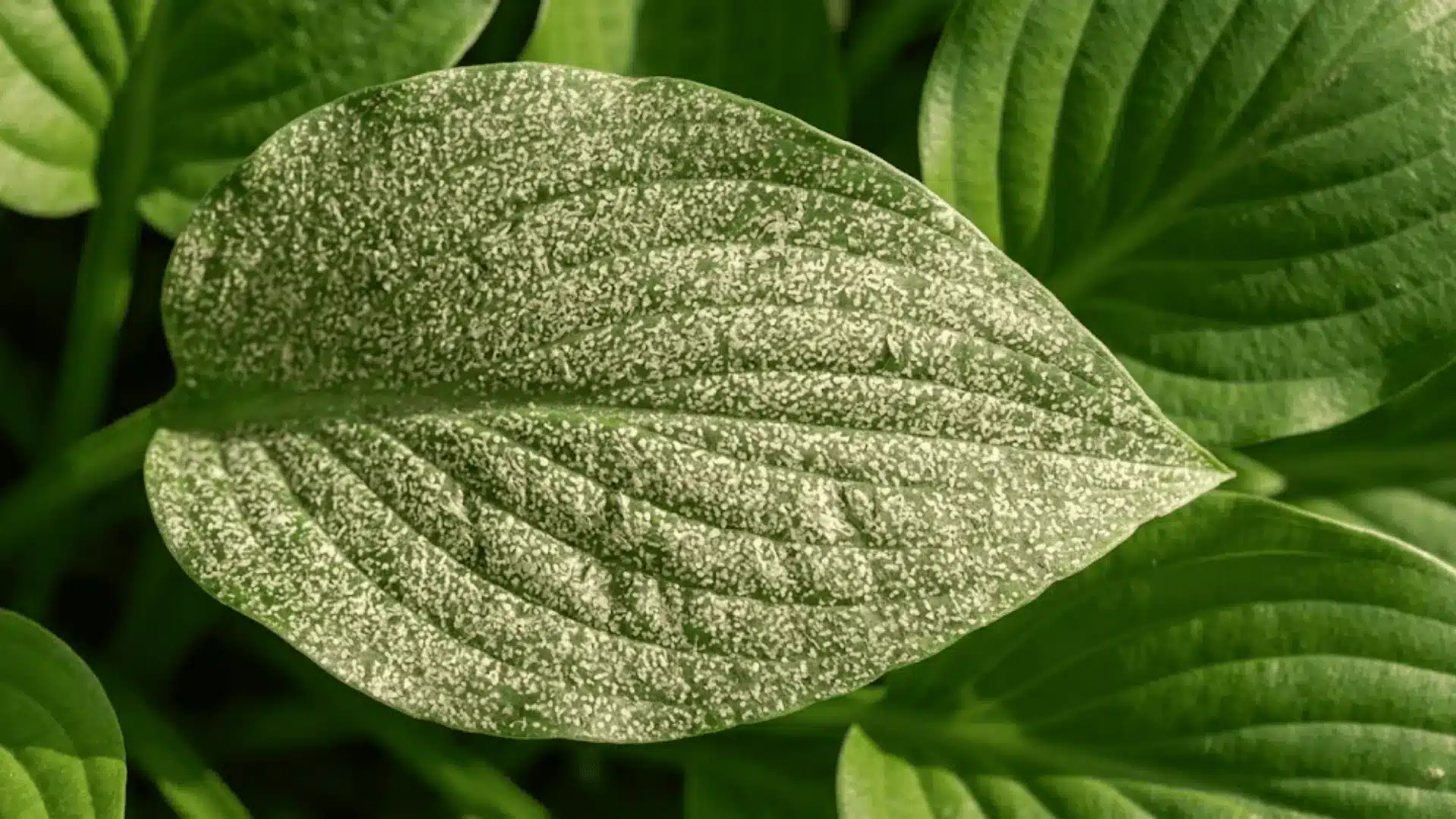
Stippling shows up as clusters of small pale or yellowish dots scattered across the leaf surface. Each dot marks a spot where thrips have fed.
It is frequently confused with spider mite damage, but thrips stippling tends to appear alongside streaking and frass, which helps separate the two. A hand lens makes it much easier to tell them apart.
4. Distorted or Curled New Growth
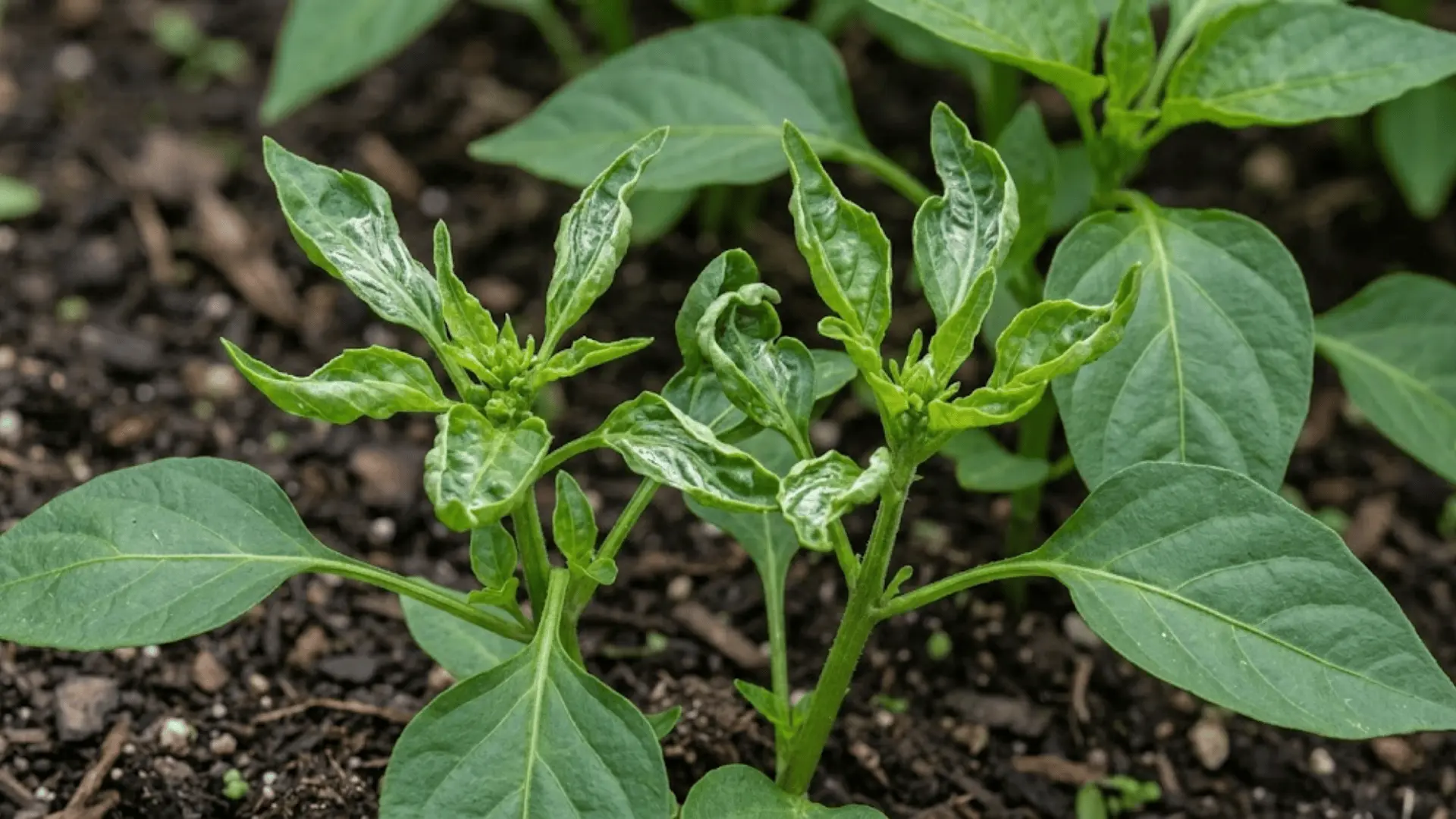
When thrips feed on young, still-developing leaves, the damage sets in before the tissue even has a chance to form properly.
The result is new growth that looks twisted, puckered, or stunted in a way that never corrects itself. Unlike yellowing that fades with treatment, this kind of structural damage is permanent, so catching it early matters a lot.
5. Flower Damage and Discoloration
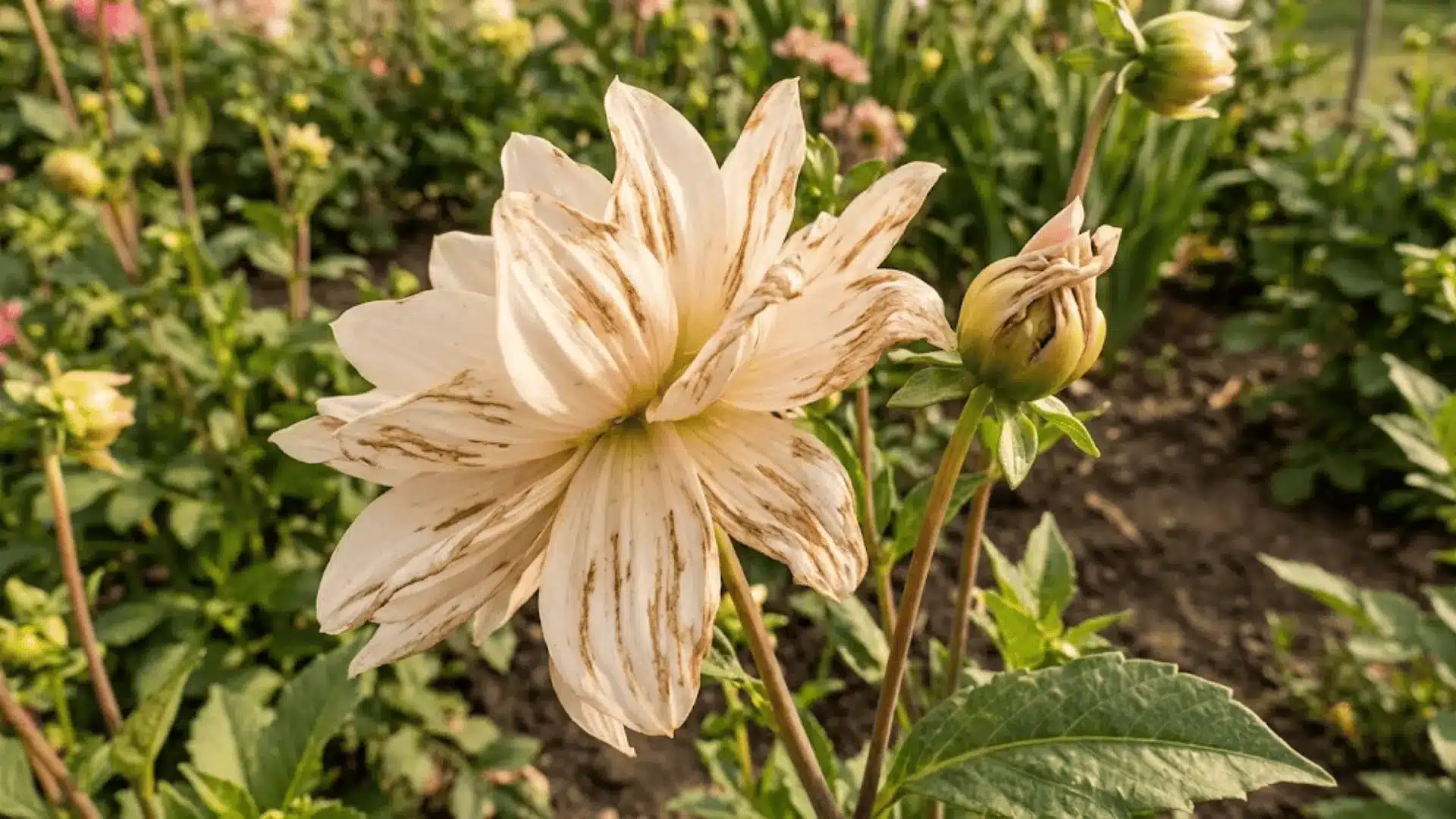
Flowers are particularly vulnerable because thrips are drawn to soft, delicate petal tissue. Affected blooms show up with streaky discoloration, brown edges, or oddly deformed petals that look like something went wrong mid-bloom.
Buds sometimes fail to open at all. On light-colored flowers especially, the streaking and browning becomes very obvious and spreads quickly if left unaddressed.
6. Leaf Discoloration and Scarring
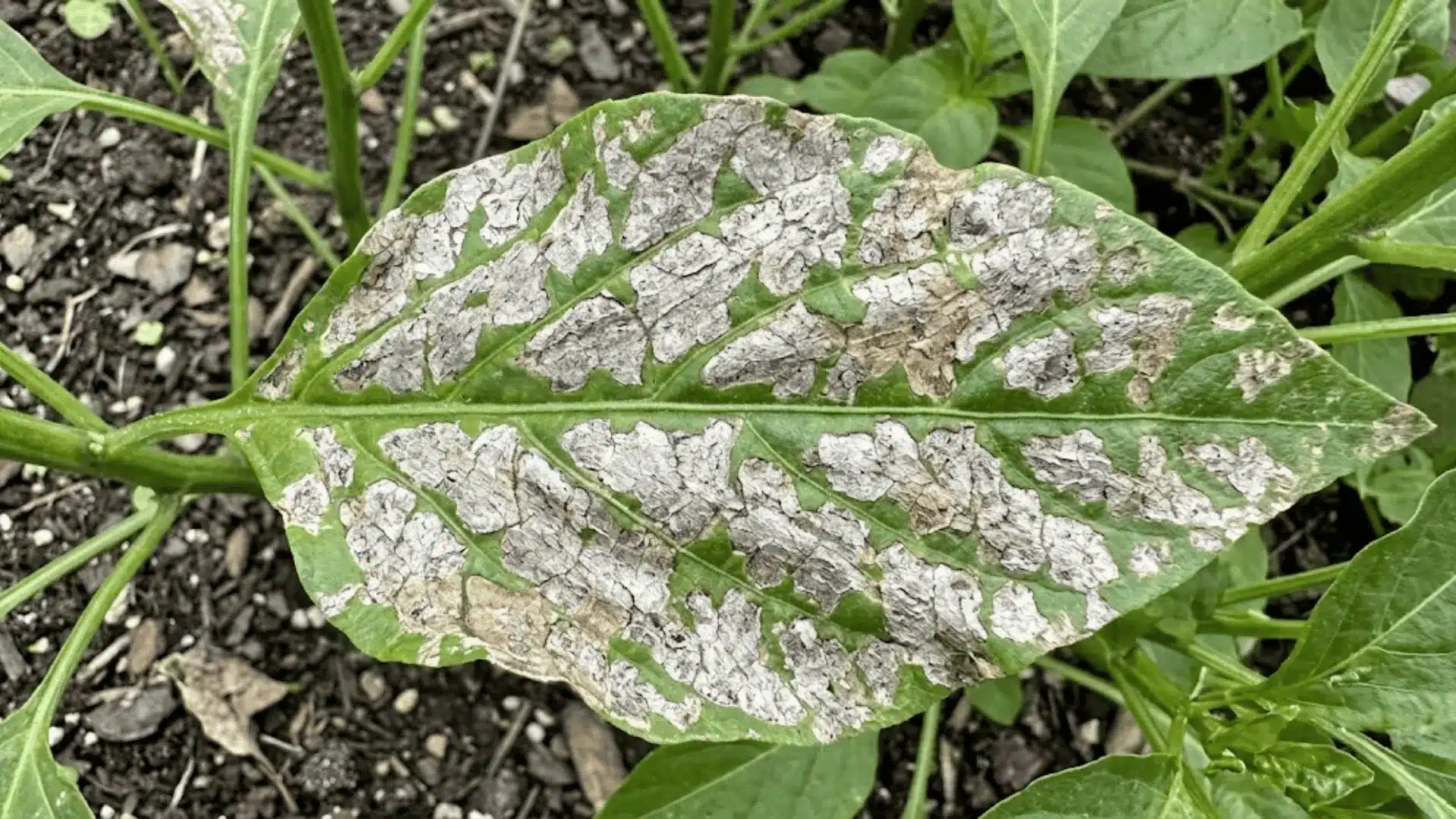
Beyond streaking, thrips feeding can leave behind grey, white, or brownish patches that make leaves look dry and papery. The texture changes too, feeling almost rough or fragile in the affected spots.
Over time, these patches can spread and merge, giving the whole leaf a worn-out, weathered look that signals prolonged feeding rather than a one-time brush with damage.
7. Overall Weak or Stunted Plant Growth
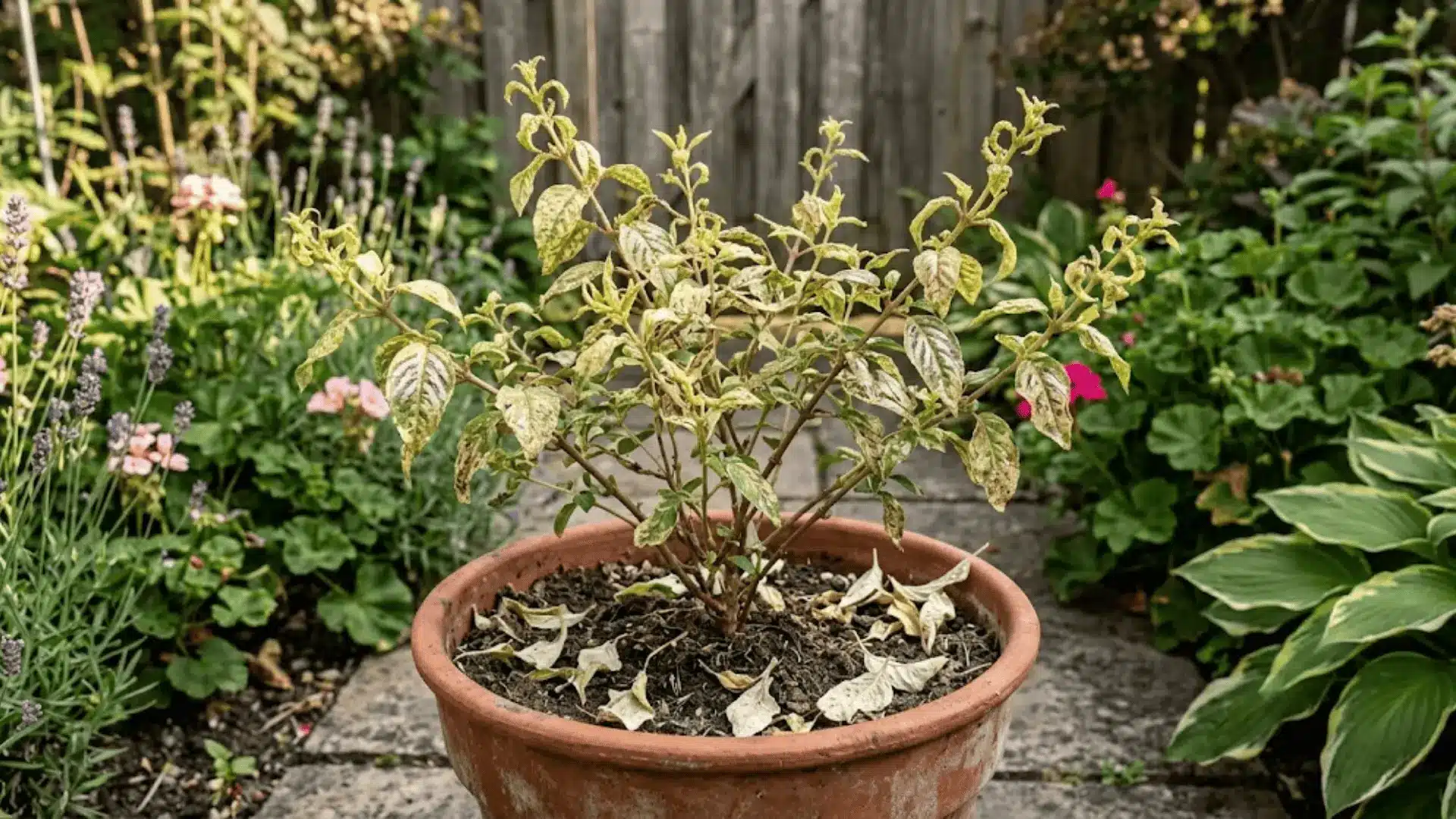
When thrips have been feeding for a while, the impact starts showing up in the whole plant. Growth slows down noticeably, new leaves come in smaller or not at all, and the plant may start dropping foliage.
It can look like a watering or nutrient issue at first glance, but if other thrips signs are present, the connection becomes clear.
Thrips Damage vs. Other Plant Problems
Not every damaged leaf points to thrips, and misreading the signs can send you down the wrong treatment path entirely.
Here is a side-by-side look at how thrips damage compares to other common plant problems.
| Problem | Visual Signs | Texture | Distinct Clue |
|---|---|---|---|
| Thrips | Silvery streaks, stippling, frass | Dry, papery | Black specks near damage |
| Spider Mites | Fine dots, dusty surface | Dry, webby | Visible webbing |
| Aphids | Yellowing, clustered insects | Sticky | Honeydew residue |
| Nutrient Deficiency | Yellowing, browning | Soft, limp | Uniform, whole-plant pattern |
Where to Look for Thrips on Plants?
Thrips are skilled at staying out of sight, so knowing exactly where to check saves a lot of guesswork.
- Flip leaves over and scan the undersides closely, that is where thrips prefer to feed and hide
- Check inside unopened buds and fresh new growth, soft tissue is their first choice
- Run your eye along the leaf veins; thrips tend to cluster in the grooves
- Look for frass and streaking together, damage and droppings usually appear in the same spot
- Tap a few leaves over a sheet of white paper and watch for tiny moving specks
Checking these spots regularly, especially during warmer months, makes it much easier to catch thrips on plants before the damage has a chance to spread.
Thrips Damage on Different Plants
Thrips are not selective; they move across houseplants, edibles, and ornamentals with equal ease. How the damage shows up, though, tends to vary depending on the plant type.
| Plant Type | Common Targets | Typical Damage |
|---|---|---|
| Houseplants | Monstera, pothos, ficus | Silvery streaks, distorted leaves |
| Vegetables & Garden Plants | Tomatoes, peppers | Scarring, stippling, reduced yield |
| Flowers & Ornamentals | Roses, dahlias | Petal streaking, deformed or failed buds |
Why Does Thrips Damage Happen?
Thrips feed by scraping through the surface of plant cells and drawing out the contents beneath. It is a surprisingly destructive process for such a small insect.
Each feeding site leaves the cell collapsed and empty, which is what creates that dry, discolored appearance on the leaf surface.
Over time, repeated feeding across the same area leads to:
- Cell collapse and loss of structural integrity
- Visible discoloration and silvering of leaf tissue
- Permanent scarring that does not reverse even after the thrips are gone
How Fast Thrips Damage Spreads?
Thrips reproduce quickly, and that speed is a large part of what makes them so problematic.
A small population can grow into a full infestation within weeks, especially in warm conditions. Because the early signs are easy to overlook, most infestations go unnoticed until the damage is already widespread.
By the time silvery streaks and frass are visible across multiple leaves, thrips have likely been feeding for a while.
Catching thrips on plants early is genuinely the most effective way to keep the damage from reaching a point where recovery becomes difficult for the plant.
Early vs. Advanced Thrips Damage
Thrips damage looks very different depending on how long the infestation has been active. Catching it at the right stage changes what recovery actually looks like for the plant.
| Damage Indicator | Early Stage | Advanced Stage |
|---|---|---|
| Leaf Appearance | Light silvery streaks, minor stippling | Widespread scarring, dry papery patches |
| Frass | Few scattered black specks | Heavy frass deposits across multiple leaves |
| New Growth | Mostly unaffected | Visibly twisted, stunted, or deformed |
| Flowers | Slight streaking on petals | Deformed blooms, buds failing to open |
| Overall Plant Health | Normal, minimal stress | Declining, dropping leaves, sluggish growth |
What Real Plant Owners Notice First
Plant owners across gardening communities consistently share the same experience: the damage shows up long before the pest does.
Silvery streaks or speckled leaves get written off as overwatering or a nutrient issue, and by the time thrips are suspected, the infestation is already well underway.
It is one of the most common misdiagnoses among houseplant owners.
Thrips damage is frequently mistaken for environmental stress, which is exactly what makes them so tricky to manage early.
For a real example of how this plays out, this Reddit thread on r/plantclinic is a spot-on reference.
How to Confirm it’s Thrips?
A few targeted checks can quickly tell you whether thrips are actually behind the damage you’re seeing.
- Look for the silver streaks and black frass combination together; that pairing is the most reliable indicator of thrips activity.
- Hold a sheet of white paper beneath the plant and give the stems a firm shake; tiny moving specks are a strong confirmation.
- Inspect new growth and unopened buds up close; thrips gravitate toward the softest, most tender tissue first.
- Use a magnifying glass along leaf undersides and veins where thrips tend to cluster and feed.
- Cross-check against other possible causes, like spider mites or nutrient deficiency, before concluding.
If multiple signs line up across different parts of the plant, thrips on plants is a very reasonable conclusion to act on.
Wrapping Up
Thrips damage is easy to overlook at first, but once you know what the signs look like, your eye starts catching them early.
Silvery streaks, black frass, distorted buds, each one is the plant’s way of asking for attention. The earlier you respond, the better the recovery.
Your plants are worth that second look.
Spotted thrips damage on your plants, or still unsure what you are dealing with? Drop a comment below, the community has likely seen it too.
Frequently Asked Questions (FAQs)
Can Plants Recover from Thrips Damage?
Leaves that have already been scarred or streaked will not return to their original state. With the right treatment, though, new growth can come in completely healthy and unaffected.
Do Thrips Kill Plants?
A light infestation rarely causes lasting harm, but a severe, long-running one can steadily weaken a plant to the point of serious decline. Catching and addressing thrips damage early is what keeps things from reaching that stage.
Are Thrips Visible to the Naked Eye?
Thrips are extremely small and very easy to miss without a magnifying glass. Most people only become aware of their presence after the damage to leaves and flowers has already made itself known.