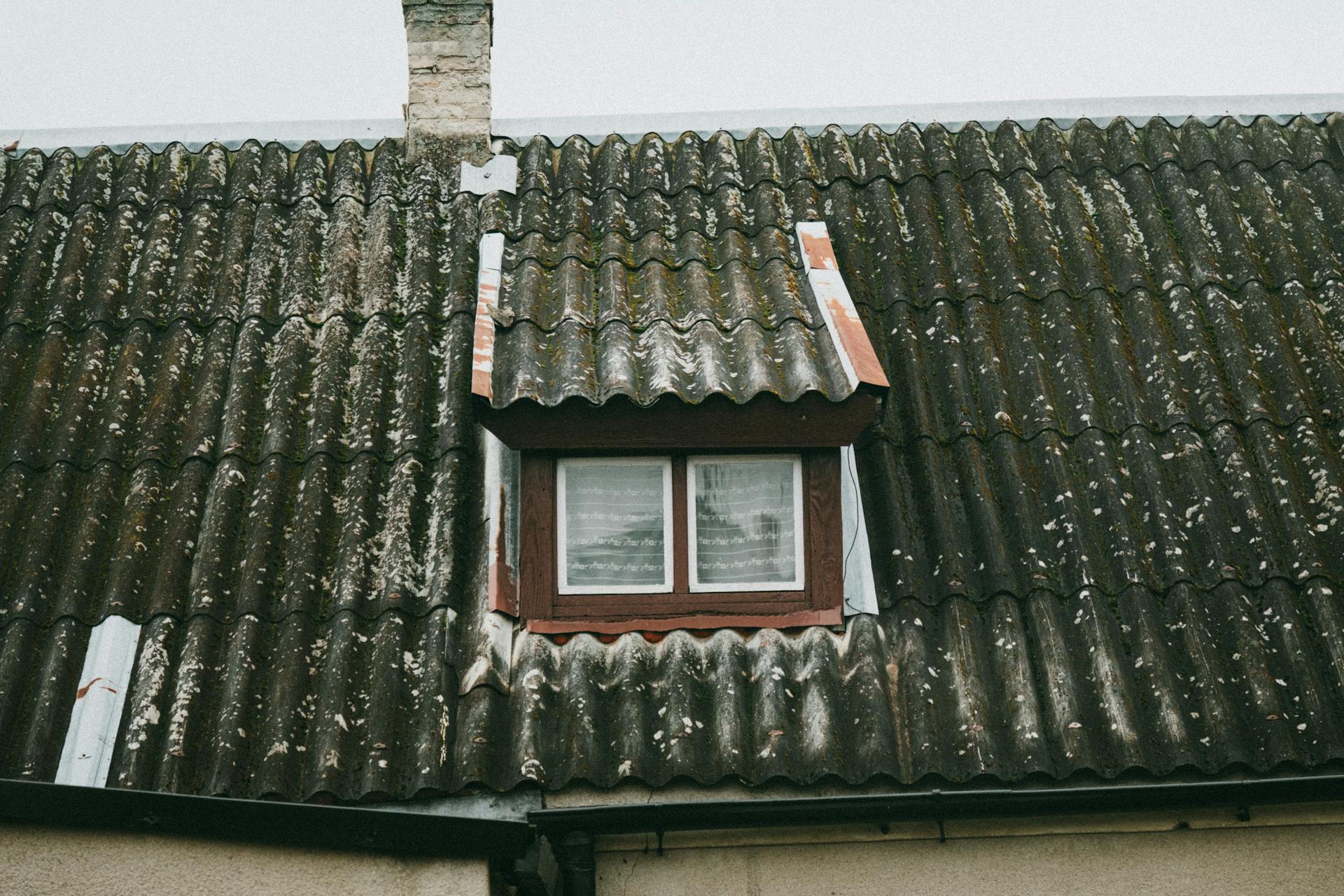
A roof leak rarely stays a roof problem for long. What starts as a small drip above the ceiling can quietly spread into insulation, drywall, flooring, and even the structural parts of your home. In many cases, homeowners first notice the aftermath instead of the cause: a yellow stain on the ceiling, peeling paint, a musty odor, or warped materials that seem to appear out of nowhere. That is why fast action matters. The sooner you catch the warning signs, the better your chances of protecting your home, controlling repair costs, and avoiding a much larger restoration project. Roof issues can lead to interior water damage, while hidden moisture can create the perfect conditions for mold growth if it is not handled quickly.
Why the Roof Deserves Immediate Attention
When roofing trouble shows up, 619 Roofing is the kind of company homeowners look to for repair, re-roofing, tear-offs, maintenance, and gutter-related support, with a strong focus on careful evaluation, customized solutions, and preventing further property damage before the problem grows. They highlight how ignoring a damaged roof can increase safety risks and long-term home repair costs, which is exactly why prompt attention is so important.
The Leak You See Is Usually Not the Whole Story
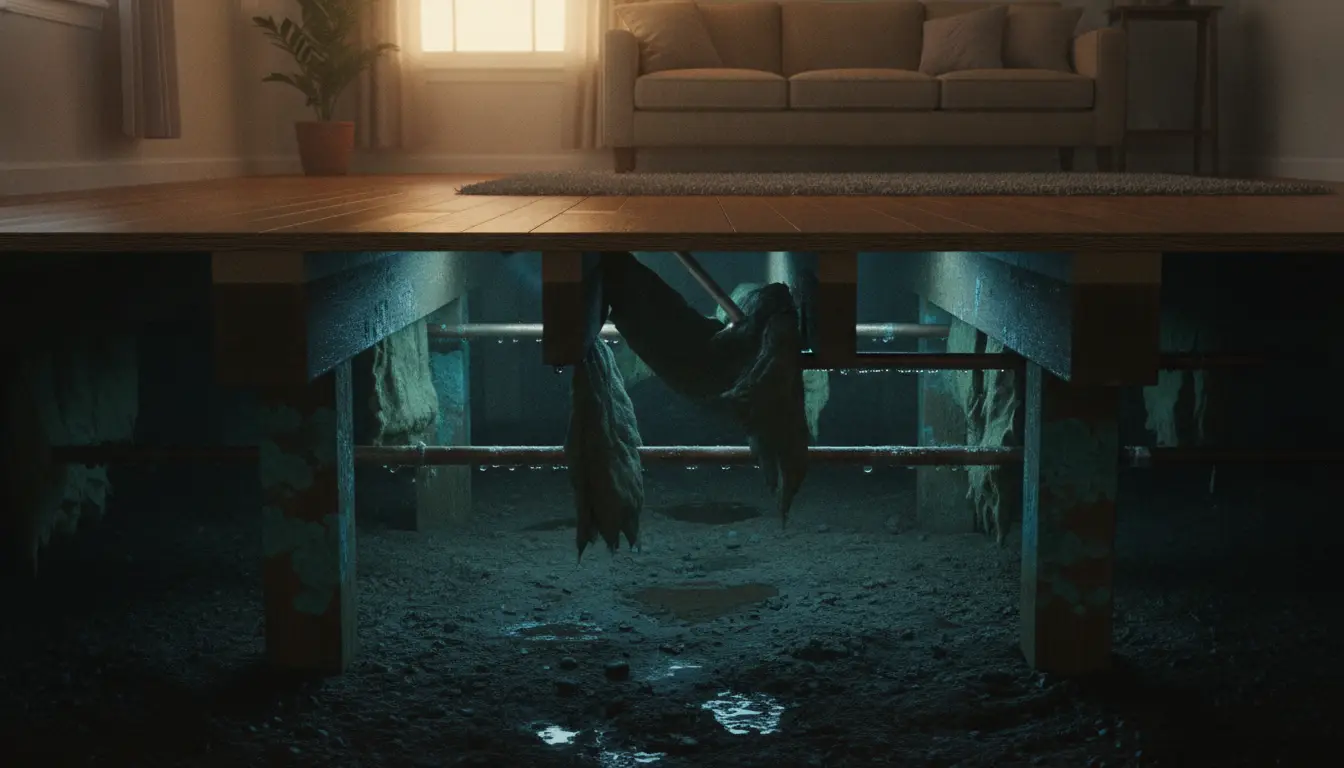
A visible leak is often just the tip of the problem. Water has a way of traveling before it becomes obvious, which means the wet spot on your ceiling may not be directly below the damaged area of the roof. Moisture can move along rafters, collect behind walls, and soak into insulation long before it leaves a stain in plain sight.
That hidden movement is what makes roof-related water damage so frustrating. By the time you notice bubbling paint, a soft patch in the drywall, or discoloration around a vent or light fixture, water may already have affected several materials inside the home. A roofing issue can move from being a localized fix to a broader property concern if it is left alone for too long.
Early Warning Signs You Should Never Brush Off
Homeowners often hope a small stain or occasional drip is harmless. Usually, it is not. The most common warning signs include ceiling stains, cracking or peeling paint, damp odors, warped wood, soft areas underfoot, and an unexplained rise in the water bill when plumbing is also involved. Mold may begin forming in as little as 24 to 48 hours after materials remain wet, which means delays can make a bad situation worse very quickly.
You may also notice shingles or roofing materials that no longer look right from the outside, especially after heavy weather or prolonged wear. Even if the damage seems minor, the smarter move is to investigate early instead of waiting for a more obvious failure. Small roof problems are cheaper to address than large-scale interior repairs, and quick action can spare you from replacing sections of drywall, flooring, or insulation later on.
Why Water Damage Spreads So Fast Indoors
Once water gets inside, it rarely stays in one place. Drywall absorbs moisture quickly. Wood can swell, warp, and weaken. Flooring materials may begin lifting or buckling. Electrical systems can also be affected, which adds an extra layer of risk inside the property. In more serious cases, moisture reaches wall cavities and subfloors, creating damage that is not always visible during a quick glance around the room.
This is where many homeowners underestimate the situation. They dry the visible surface, maybe repaint the stain, and assume the problem is solved. But drying what you can see is not the same as restoring what has been soaked underneath. Proper recovery often requires inspection, water removal, targeted drying, sanitizing, and repair work to return the home to a safe and stable condition.
What to Do the Moment You Suspect Trouble
The first priority is to stop the source of the water if you safely can. If the issue is clearly roof-related, temporary protective steps may help reduce further intrusion until repairs can begin. After that, documenting the visible damage and removing vulnerable items from the affected area can make a big difference.
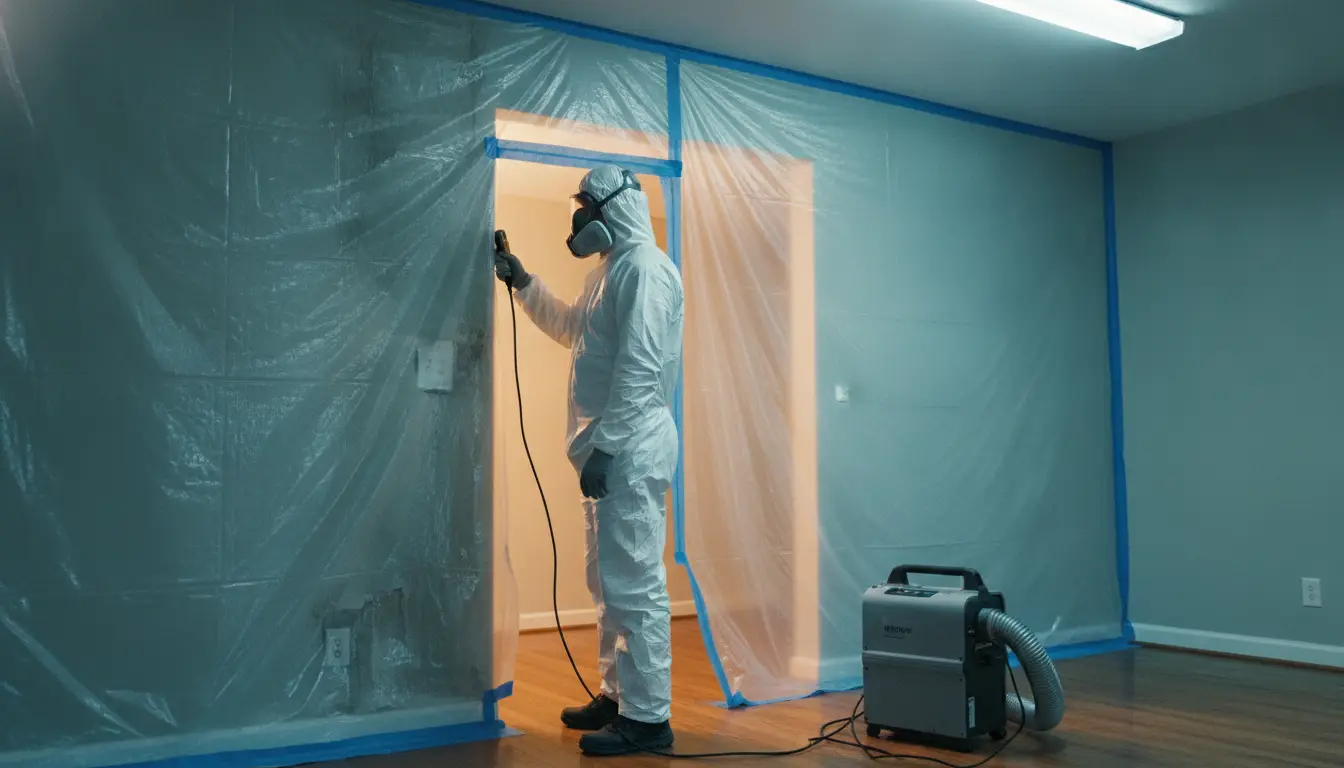
Just as important, do not assume time will fix it. Wet materials do not simply “air out” on their own in many cases, especially when water has reached enclosed spaces. A fast response limits the spread, reduces the chance of mold, and gives you a better shot at salvaging more of the home. Professional restoration crews often use moisture meters, dehumidifiers, air movers, and HEPA-equipped systems to deal with damage thoroughly rather than cosmetically.
Restoring The Home Takes More Than Drying It Out
This is the stage where many homeowners realize the problem has moved beyond a roof repair alone. Once moisture has entered walls, ceilings, or flooring, restoration becomes a separate but connected process. In the middle of that process, Risk Free Serv Kearny Mesa reflects the kind of water and mold restoration approach that matters most: fast response, detailed inspection, water extraction, commercial-grade drying, careful cleanup, and complete restoration aimed at bringing the home back to normal instead of offering a surface-level fix. Their trained, certified technicians use equipment designed to catch hidden moisture before it keeps causing damage.
That kind of process is important because proper restoration is not just about appearance. It is about making sure the structure dries correctly, the affected materials are treated responsibly, and the space is safe to live in again. If the property has been wet for too long, the job may also involve replacing damaged materials that cannot be saved.
Mold Is the Problem That Loves Delay
One of the biggest risks after a roof leak or flood event is mold. Moisture trapped in drywall, wood, insulation, and flooring creates the perfect environment for growth. That is why a home may seem only “slightly damp” at first, then develop a strong odor or visible growth later. Mold is not only unpleasant to look at, it can also affect indoor air quality and raise health concerns, especially when the source of moisture has not been fully eliminated.
The real issue is that mold does not always appear where you expect it. It can grow behind walls, under flooring, or inside less visible areas that stay damp long after the surface feels dry. That is why thorough inspection matters as much as cleanup. If the moisture source is missed, mold can come back and continue spreading.
The Best Protection Is a Two-Part Response
Protecting your home means treating roof failure and water damage as two parts of the same chain. First, the leak has to be identified and corrected so water stops entering the property. Then the affected interior areas need to be dried, cleaned, restored, and monitored so the damage does not continue behind the scenes.
This combined mindset helps homeowners avoid the common mistake of solving only half the problem. Fixing the roof but ignoring the soaked materials below can leave you with hidden damage. Drying the interior without correcting the roof leaves the door open for repeat problems the next time it rains. A complete response is always stronger than a partial one.
A Fast Response Protects More Than Your House
A home is more than a structure. It is where you sleep, recharge, store your memories, and expect to feel safe. When water gets in, that sense of comfort disappears quickly. The good news is that early action can change the outcome in a major way. Catching a leak early, handling roof repairs promptly, and addressing moisture before mold takes hold can save materials, reduce stress, and shorten the path back to normal.
From the first drip to the last repair, the smartest move is to take every sign seriously. A small leak may seem easy to ignore today, but tomorrow it can become stained ceilings, damaged floors, hidden mold, and a much bigger bill. Protecting your home starts with responding early, restoring thoroughly, and never underestimating what water can do when it is given time.