You know that feeling when your home feels just a little… off? Like the walls are closing in, or rooms feel disconnected?
I’ve felt it in my own place once. It’s why I started looking into open floor plan ideas, to make my space feel freer and easier to move through.
The moment I pulled down that first wall, everything changed. Spaces felt bigger. Light flowed better. Conversations didn’t stop at doorways.
If you’re thinking about doing the same, you’re in the right place.
In this blog, I’ll walk you through smart and doable open floor plan ideas. You’ll see how to get the most out of your space.
Why Open Floor Plans Feel Both Exciting and Overwhelming
At first glance, open floor plans can feel exciting. The space looks wide, open, and full of possibilities. You can see everything at once. The light moves freely. It feels modern and fresh.
But here’s the thing; once the excitement wears off, a lot of us feel stuck.
It’s not just you. You might find yourself unsure of where to put furniture. Or maybe it feels like there’s just too much space.
You want the area to feel cozy but also open. You want different spaces for different things, but there are no walls to help you do that.
Suddenly, something that looked easy feels hard.
You’re not alone. Many people feel this way. The good news? It can be fixed.
What Makes Open Floor Plan Ideas Actually Work
It’s easy to scroll online and feel excited by all the open floor plan photos. Big kitchens flow into cozy living rooms. Spaces look clean, bright, and “put together.”
But here’s the truth:
There’s a big difference between inspiration and usable ideas.
Inspiration gives you a feeling. It makes you think, “I want that!”
Usable ideas give you a plan. They help you say, “Here’s how I can do that in my home.”
Copying a photo room by room usually doesn’t work. Why? Because your space is different. Your layout, lighting, walls, and how you live all matter.
Instead, you need building blocks. Small ideas that you can mix and match to fit your space. Here’s what really matters:
1. Flow
Flow is how people move through the space. In a good open plan, nothing feels in the way.
You don’t bump into furniture or get blocked by awkward corners. The space feels easy to walk through. You want your layout to guide people from one area to the next.
Ask yourself:
- Can I walk from the kitchen to the living space without dodging chairs?
- Are walkways open and clear?
If the space feels tight, try moving or removing furniture until it opens up.
2. Zones
Open doesn’t mean all one thing.
Good open layouts have zones, spots for different activities. One zone might be for eating. Another might be for sitting and talking.
Another could be for reading or homework. You don’t need walls to make zones. You can use:
- Rugs to mark spaces
- Sofas or shelves to divide areas
- Lighting to set the mood (like a pendant over a dining table)
- Different colors or textures
Zones make the space feel clear and easy to use.
3. Balance
Balance is about what feels right. It’s not just about looks.
If one side of the room has heavy furniture and the other side has nothing, it feels off. If all the color is in one corner, it feels lopsided.
Think about weight, color, and height. Spread things out. Let your eyes rest in some places and get pulled in others.
That’s how you create a room that feels calm and natural.
So, What Should You Do With Open Floor Plan Ideas?
Don’t copy a photo piece by piece. Instead:
- Pick out why you like something
- Notice the shape of the furniture
- Look at how the space is used
- Use it as a starting point, not a blueprint
This way, your space will feel like yours. Not a copy of someone else’s.
And it’ll actually work for your life.
Open Floor Plan Ideas That Truly Work in Homes
When you live in a real home, not a photo shoot, you need ideas that actually work.
Open floor plans can be smart and simple if you start with function first. Think about how you use the space before you decorate it.
These layout-based tips focus on what really helps your space feel open, clear, and easy to live in without feeling empty or confusing:
1. Sofa-First Living Zone Layout
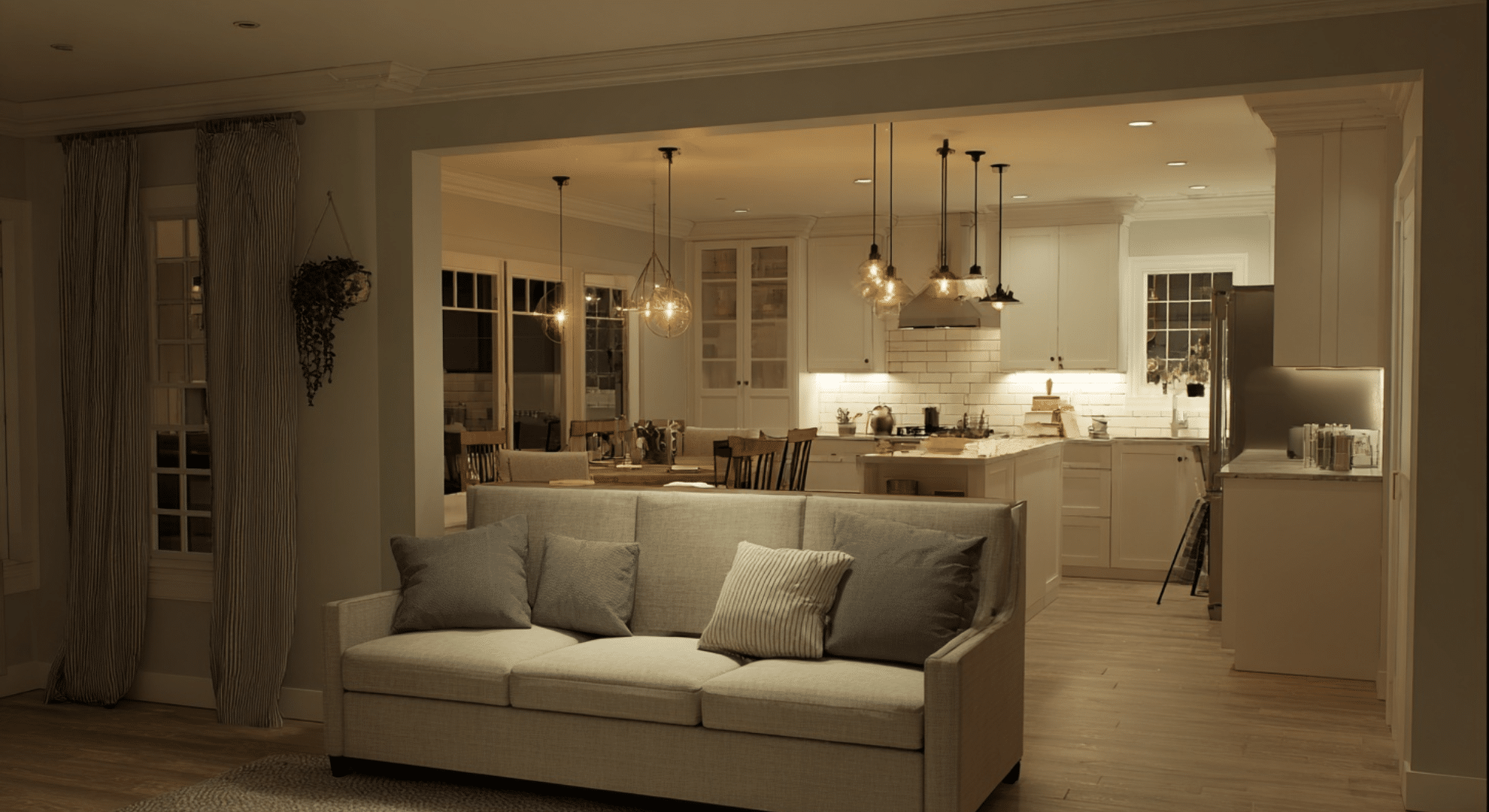
Start with your sofa. It’s usually the biggest piece in the room, and where people hang out the most. Use it to set the direction of your living space. You can place it with the back facing the kitchen to create a “wall” between zones.
Add a rug to help mark the area. Once the sofa is placed, it’s easier to fill in the rest.
2. Dining Table as the Central Anchor
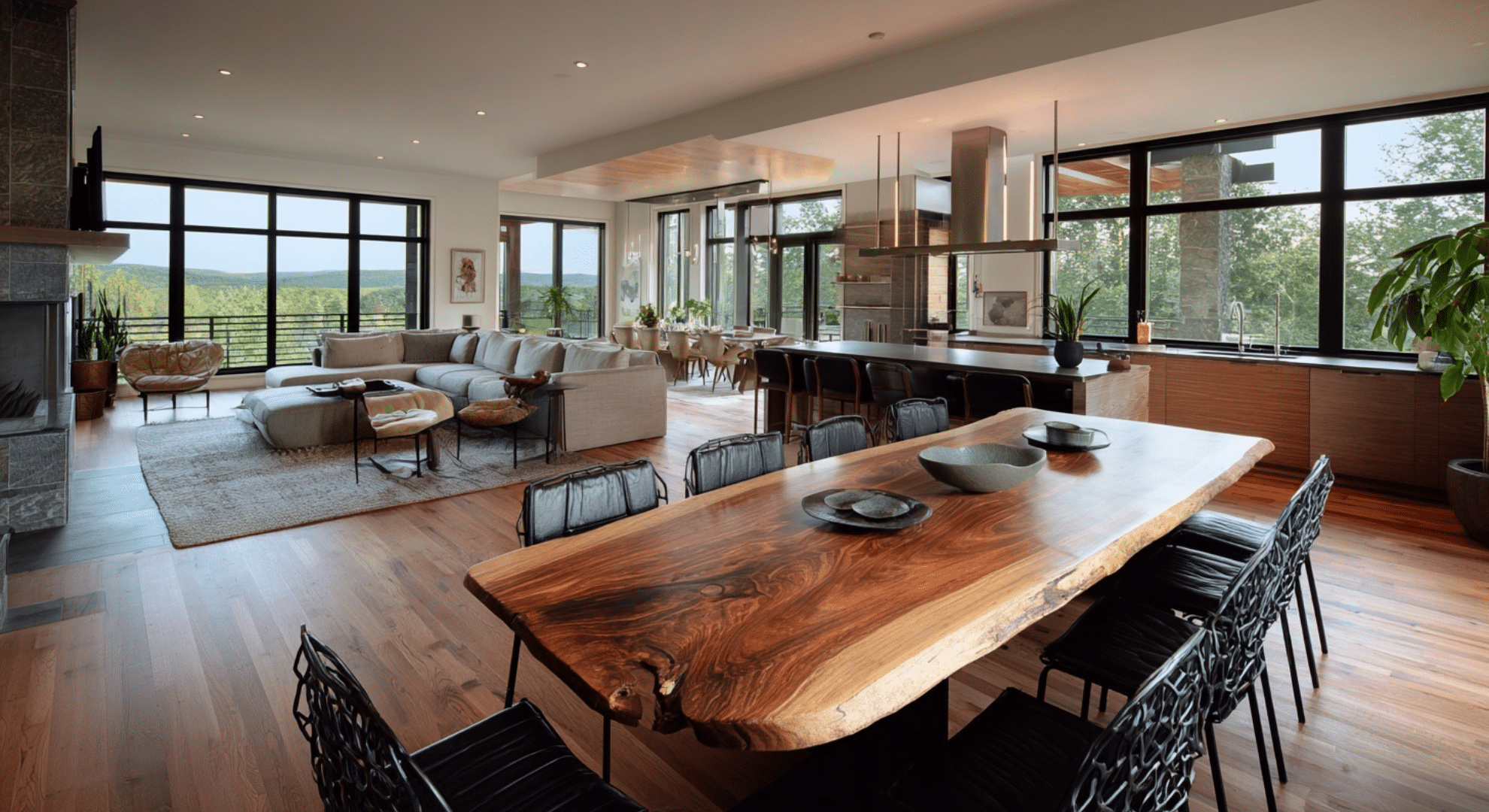
If you have one big space, let your dining table be the center. This works well when the kitchen and living area are on either side. The table becomes the link between them. Use a light fixture or rug to help ground it.
This layout makes the space feel connected and gives the table more purpose, especially if you use it daily.
3. Island-Centered Open Floor Plan
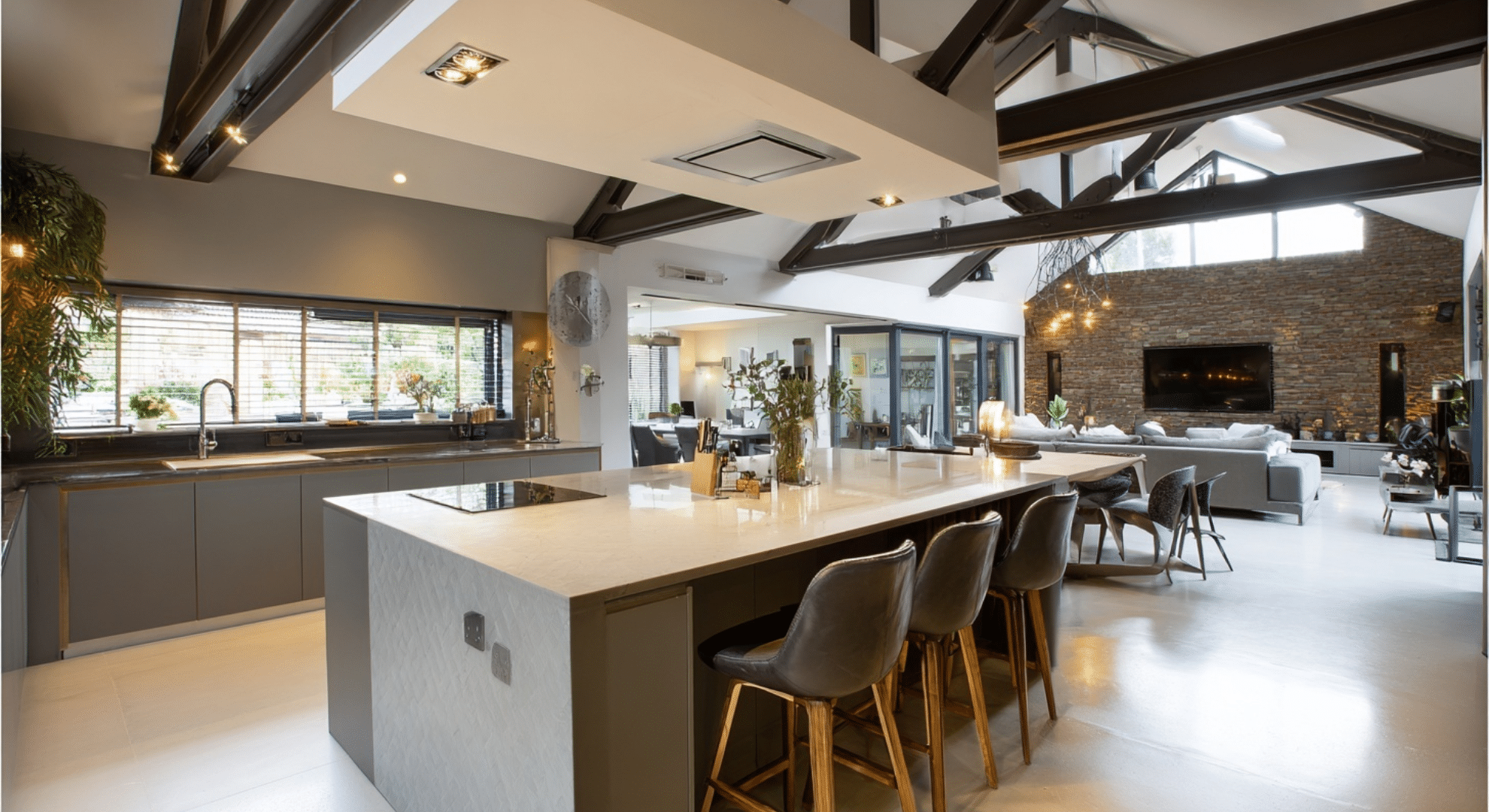
Kitchens with an island often work best when the island becomes the “hub.” It separates the kitchen from the rest of the space without needing a wall. Put bar stools on one side and use the back of the island to face the living or dining area.
This setup keeps everything open but gives a clear border between cooking and relaxing zones.
4. Back-to-Back Seating Zones
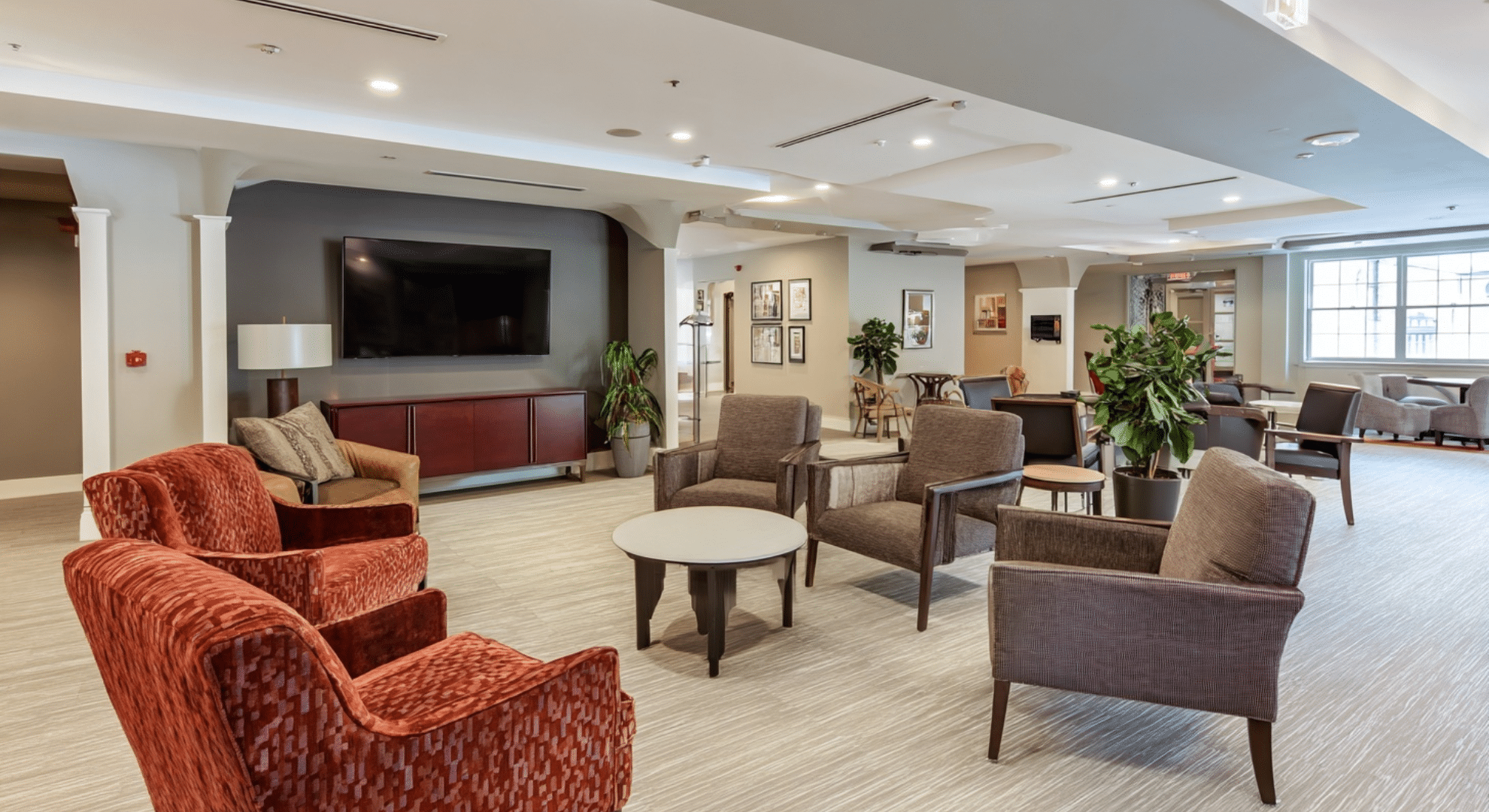
For large open spaces, try placing two seating areas back to back. One side can face the TV or fireplace, while the other can be for quiet things—like reading or talking. Use two sofas or a sofa and chairs to make the setup.
This trick keeps the room open, but gives it more than one purpose without making things feel messy.
5. Floating Furniture Layout With Clear Walkways
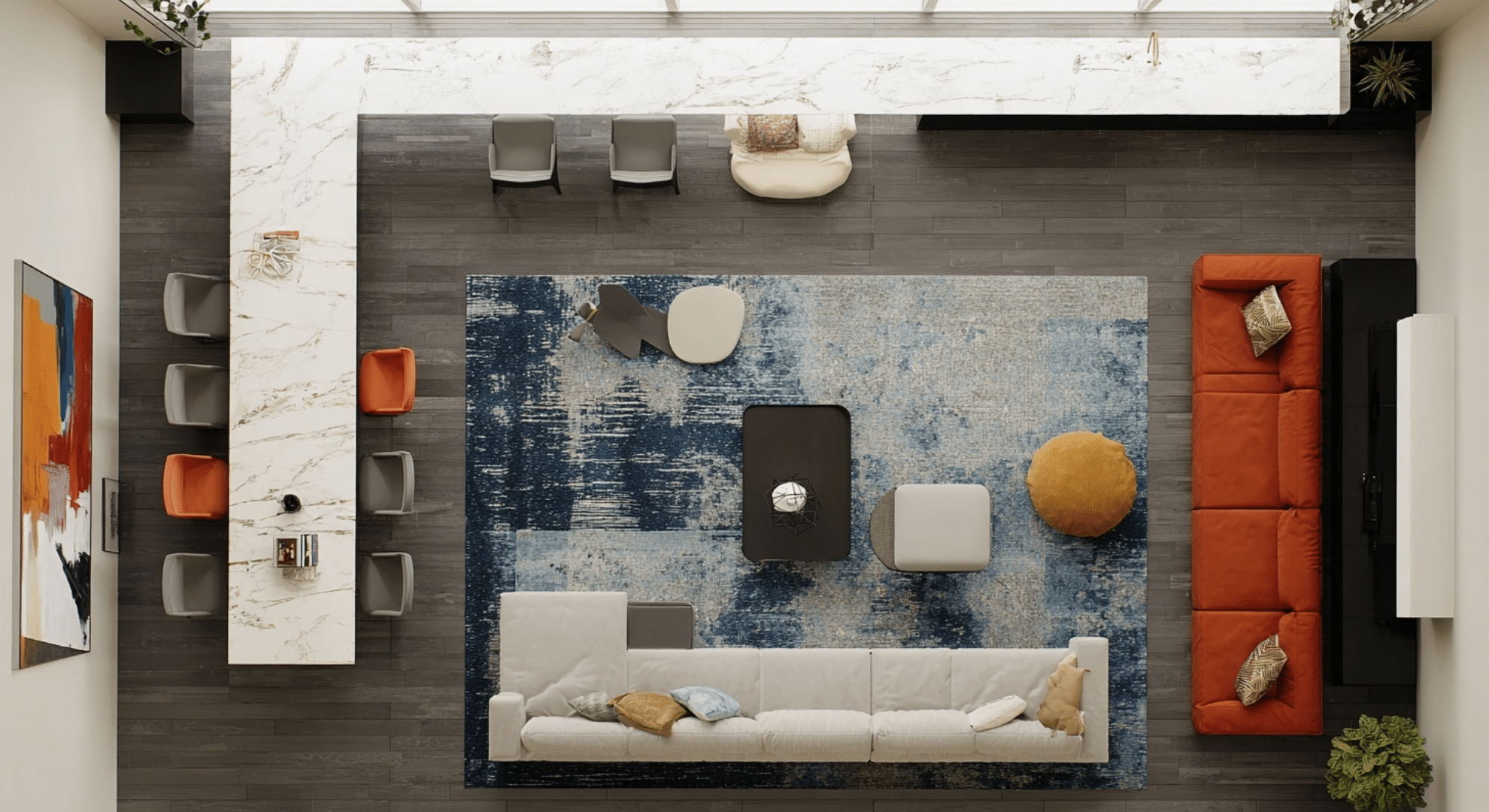
Don’t shove your furniture against the walls. Try floating your sofa and chairs in the middle of the room. Leave space to walk behind and around them. Use rugs and side tables to help shape each zone.
This layout works great in square or large rooms and makes everything feel more thoughtful, even if your home isn’t that big.
6. Angled Furniture for Awkward Open Layouts
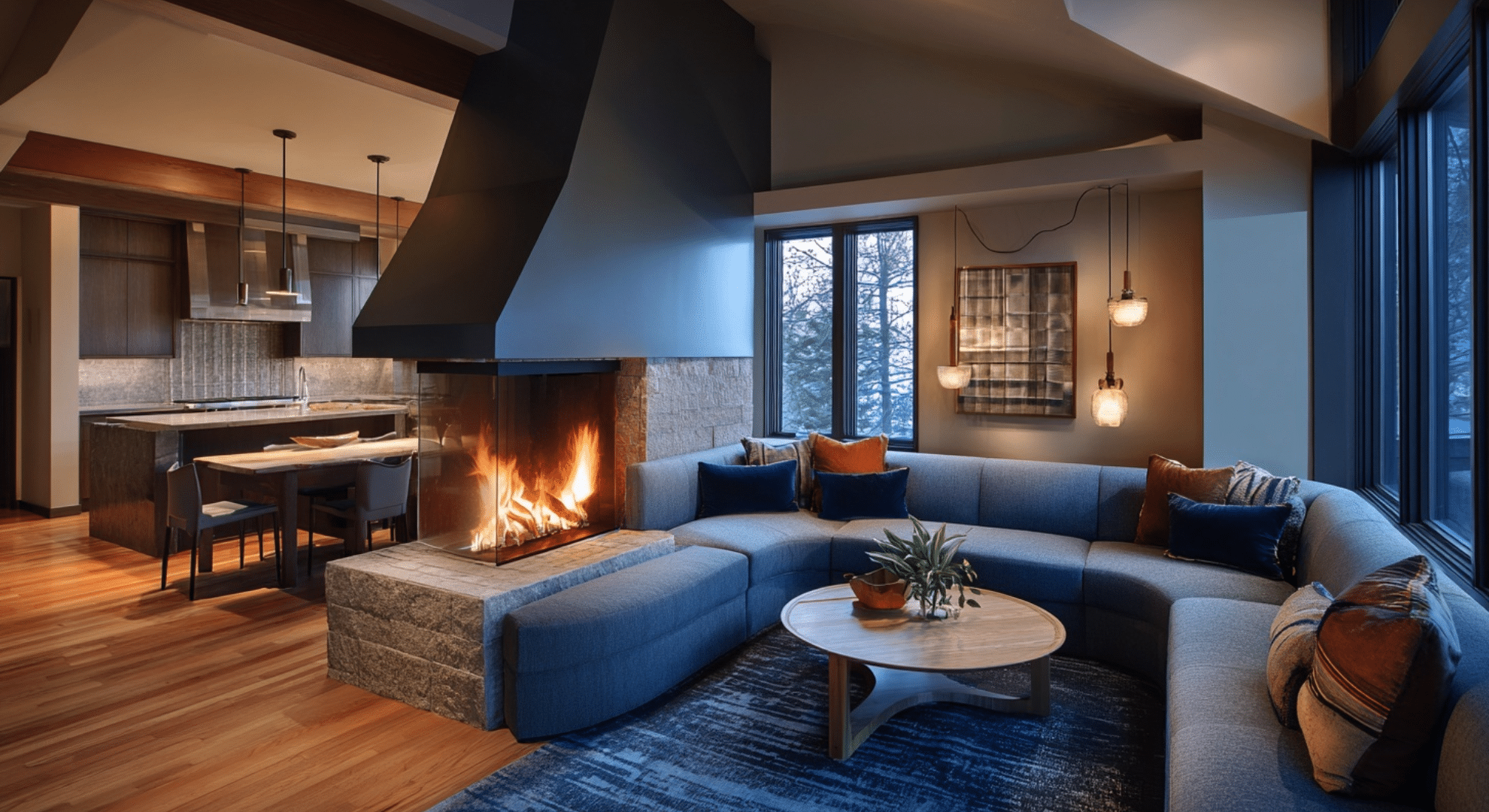
Sometimes open spaces are weirdly shaped. Corners don’t line up, or walls are at strange angles. That’s okay. Try putting a sofa or chair at a slight angle instead of forcing everything to sit straight.
It can help balance the space and make it feel more natural. Angled layouts also help direct the flow through the room in a smoother way.
7. Long-and-Narrow Open Floor Plan Setup
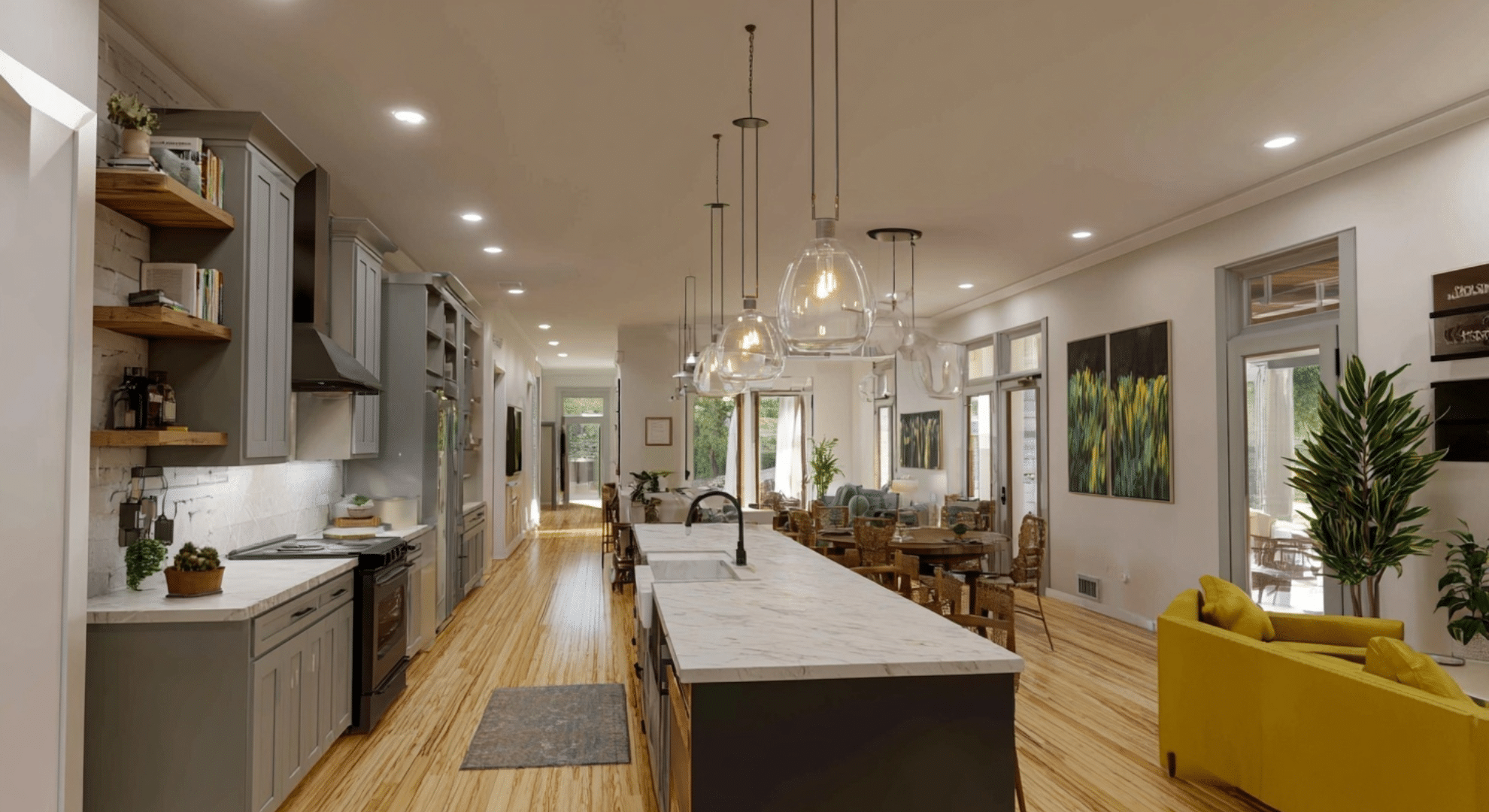
If your space is long and skinny, think in rows. Start with the kitchen on one end, then the dining table, and then the living area. Each zone flows into the next without needing walls. Use rugs, lighting, and furniture placement to break up the space so it doesn’t feel like a hallway.
Keep walkways clear along one side so it’s easy to move through.
8. Large Area Rug Zoning Strategy
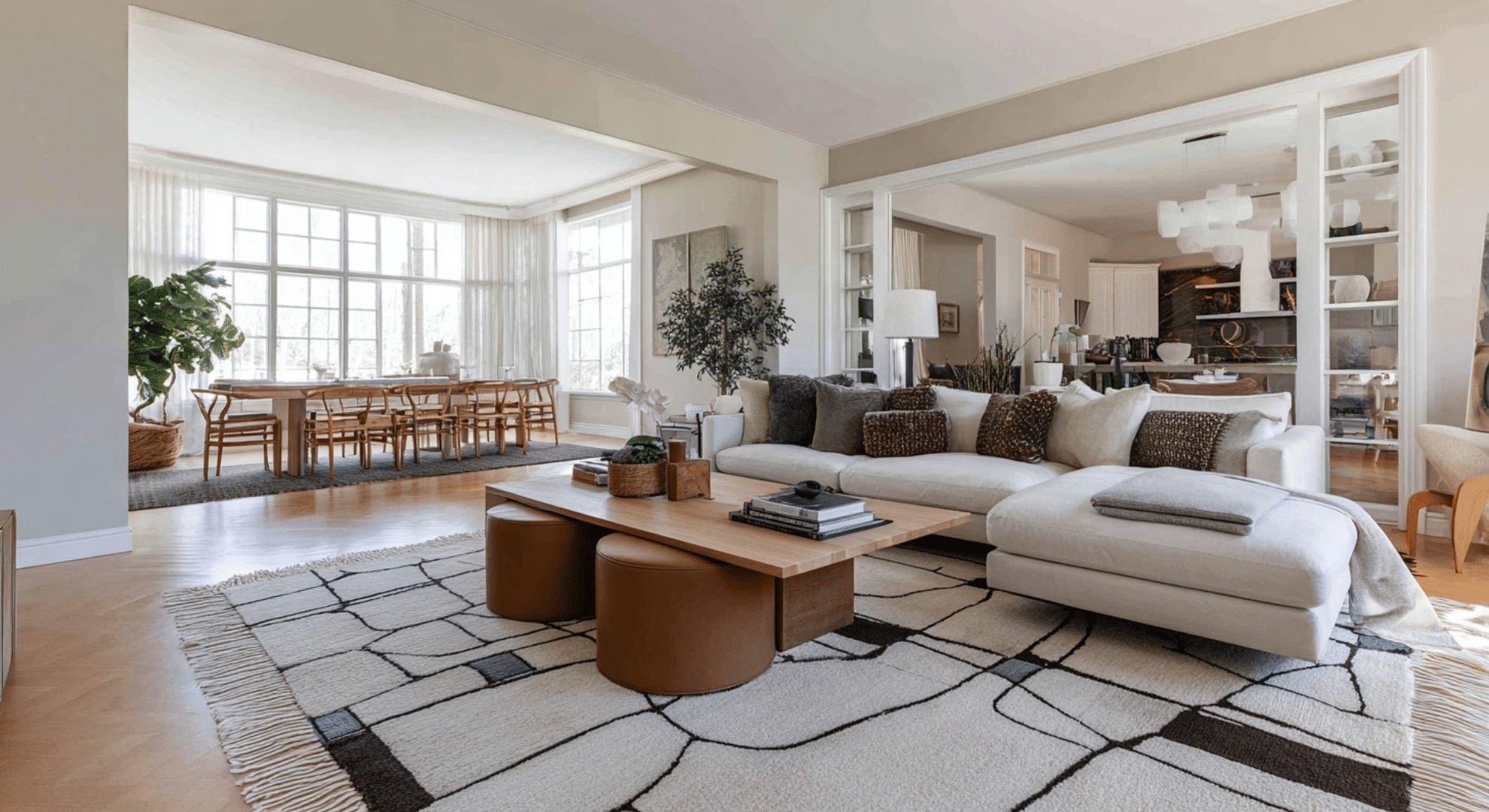
Rugs are one of the easiest ways to split a room. A big rug under your sofa and chairs can mark the living area. Another under the dining table can show that’s where meals happen. Rugs give each zone a “home base.”
Just make sure the rug fits the space; if it’s too small, it gets lost. The right rug helps anchor the furniture and make the space feel complete.
9. Layered Lighting to Define Each Zone
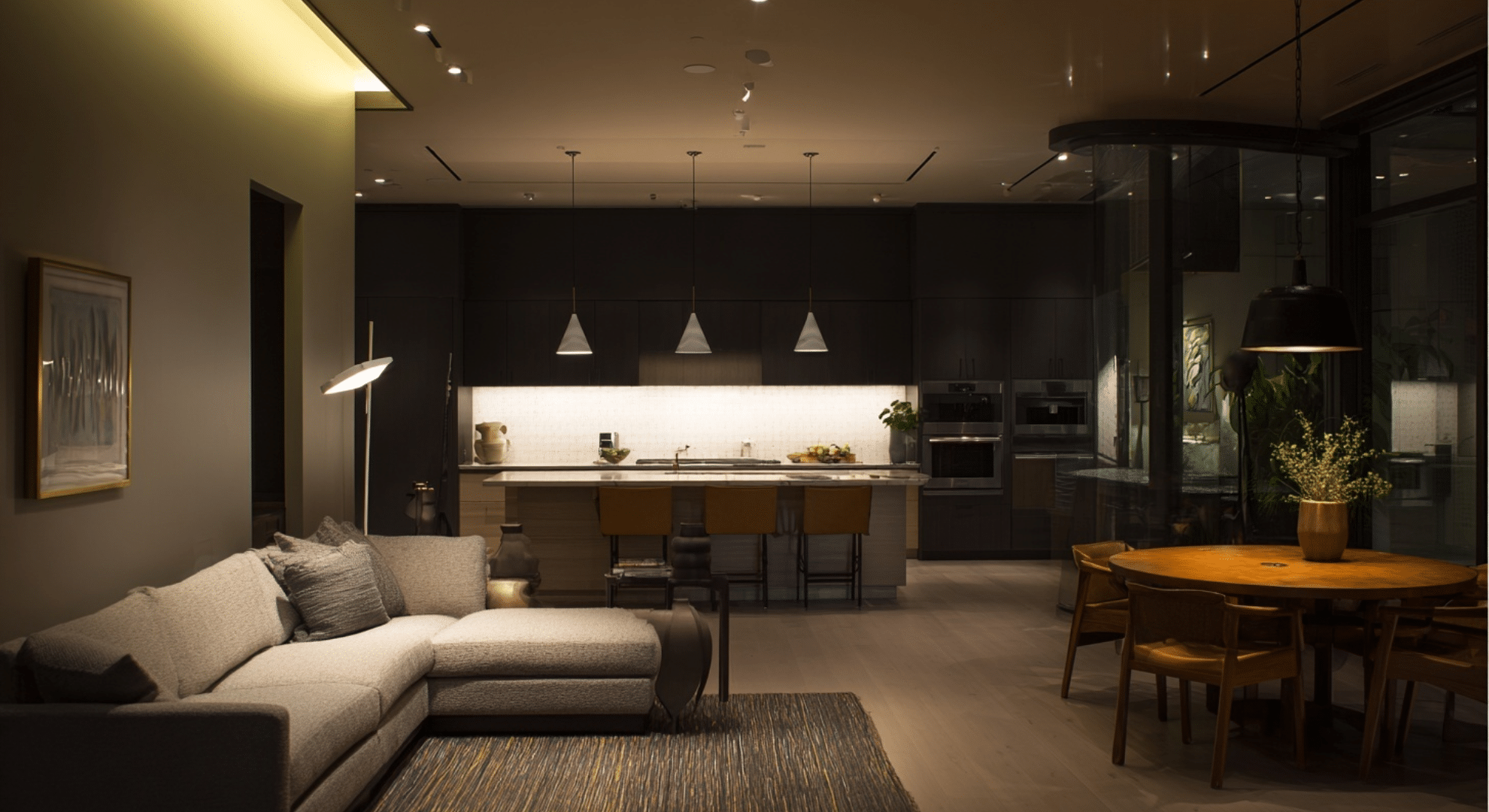
Lighting does more than help you see, it helps shape the space. Use different kinds of lights for each zone. Hang a pendant over the dining table. Add floor lamps by the sofa. Put task lighting in the kitchen.
Each light creates a mood and helps tell your brain what the space is for. Plus, it adds warmth and makes your space feel more comfortable.
10. Open Shelving as a Soft Divider
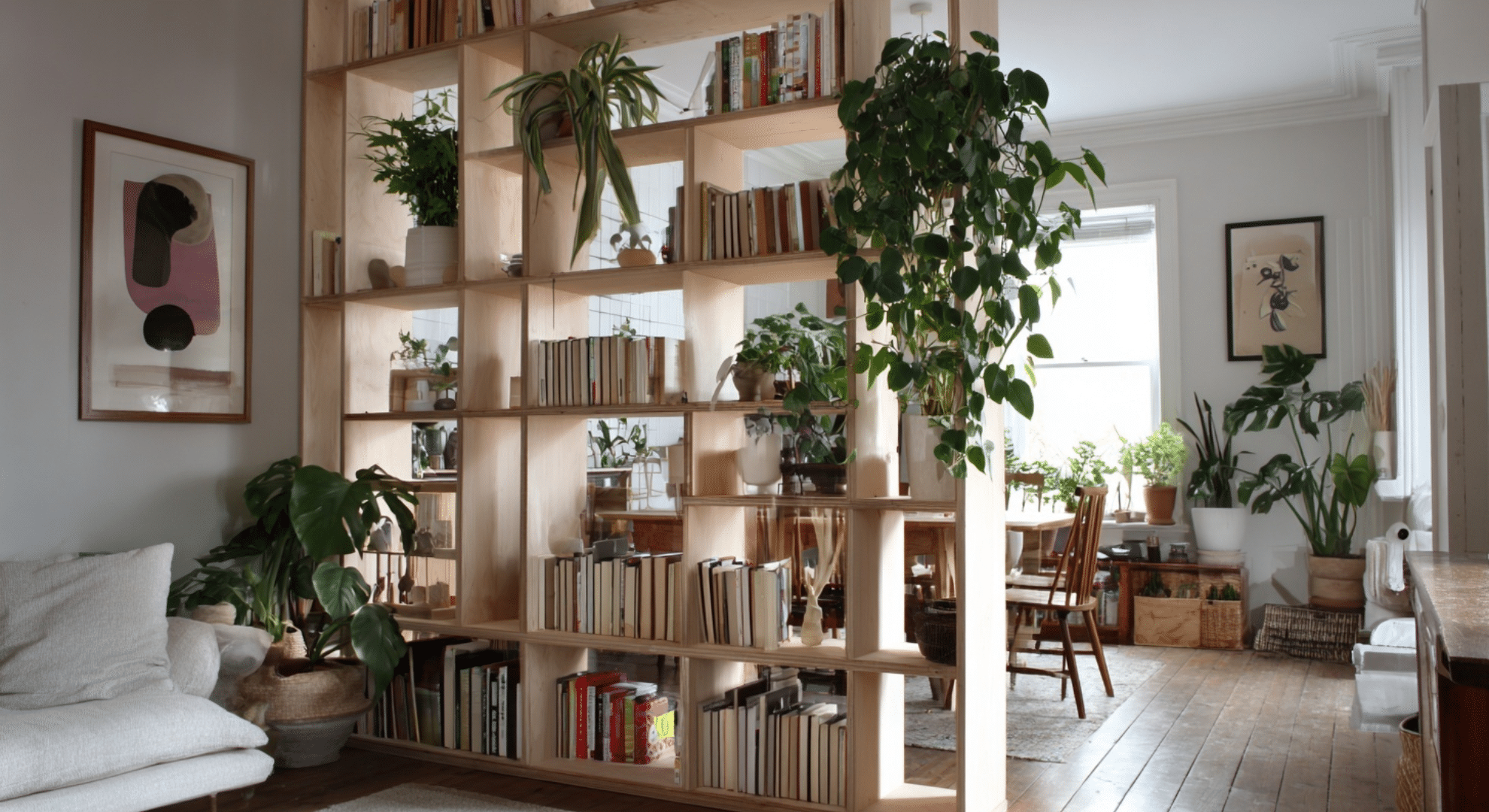
You don’t need a wall to separate spaces. Try using open shelves to gently split the room. They give some visual break, but still let light through. They can hold books, plants, or baskets, while also working as a divider.
Shelves like this help you keep the open feel, but still create a clear boundary between, say, the living and dining areas.
11. Console Tables for Subtle Boundaries
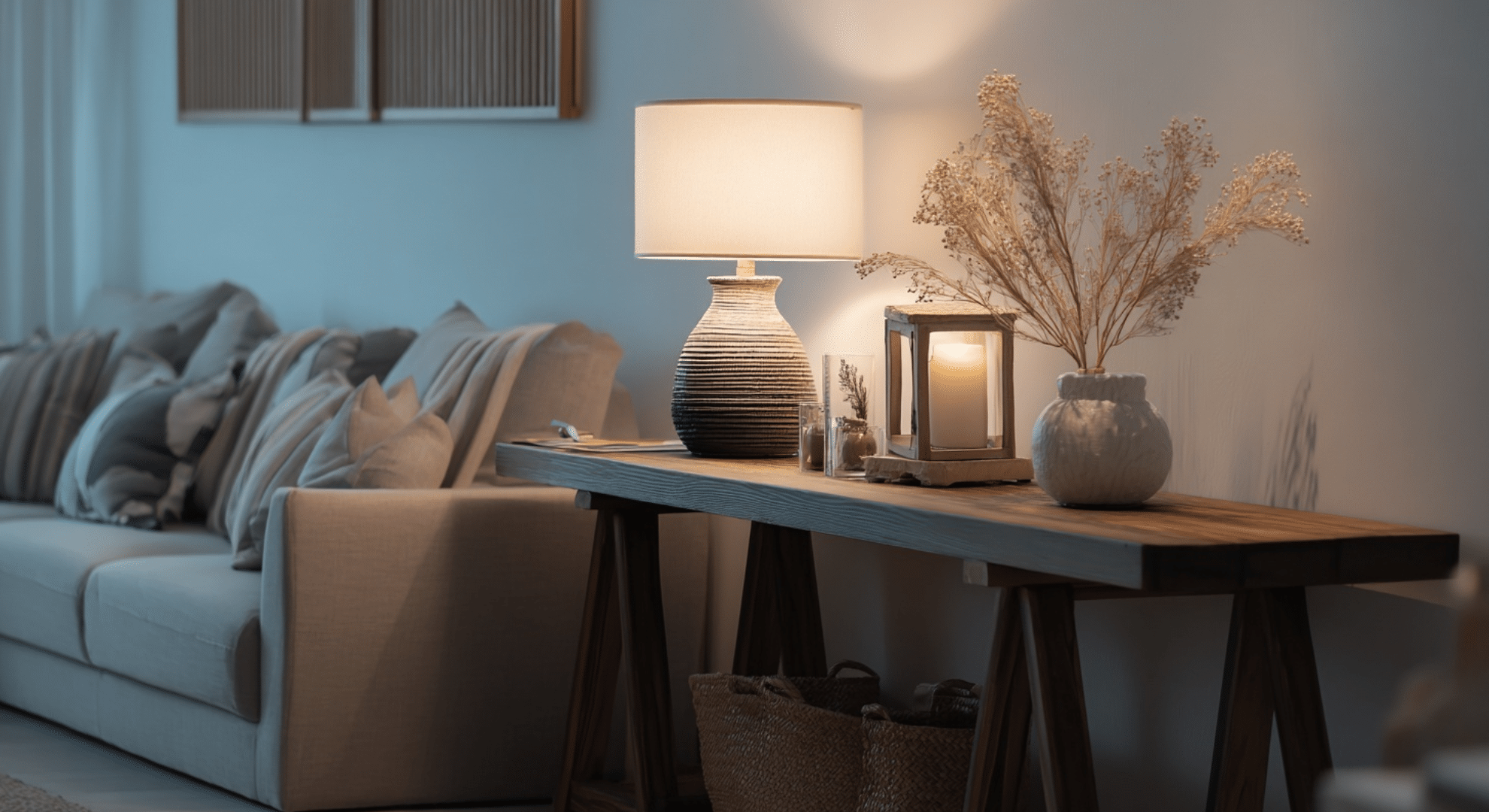
A slim console table behind a sofa is a great way to mark the end of one zone and the start of another. It creates a small edge without blocking your view. You can add a lamp, small storage, or decor.
It’s simple, but makes a big difference in how the space feels. It’s also a great way to add function without crowding the room.
12. Ceiling Treatments to Mark Zones
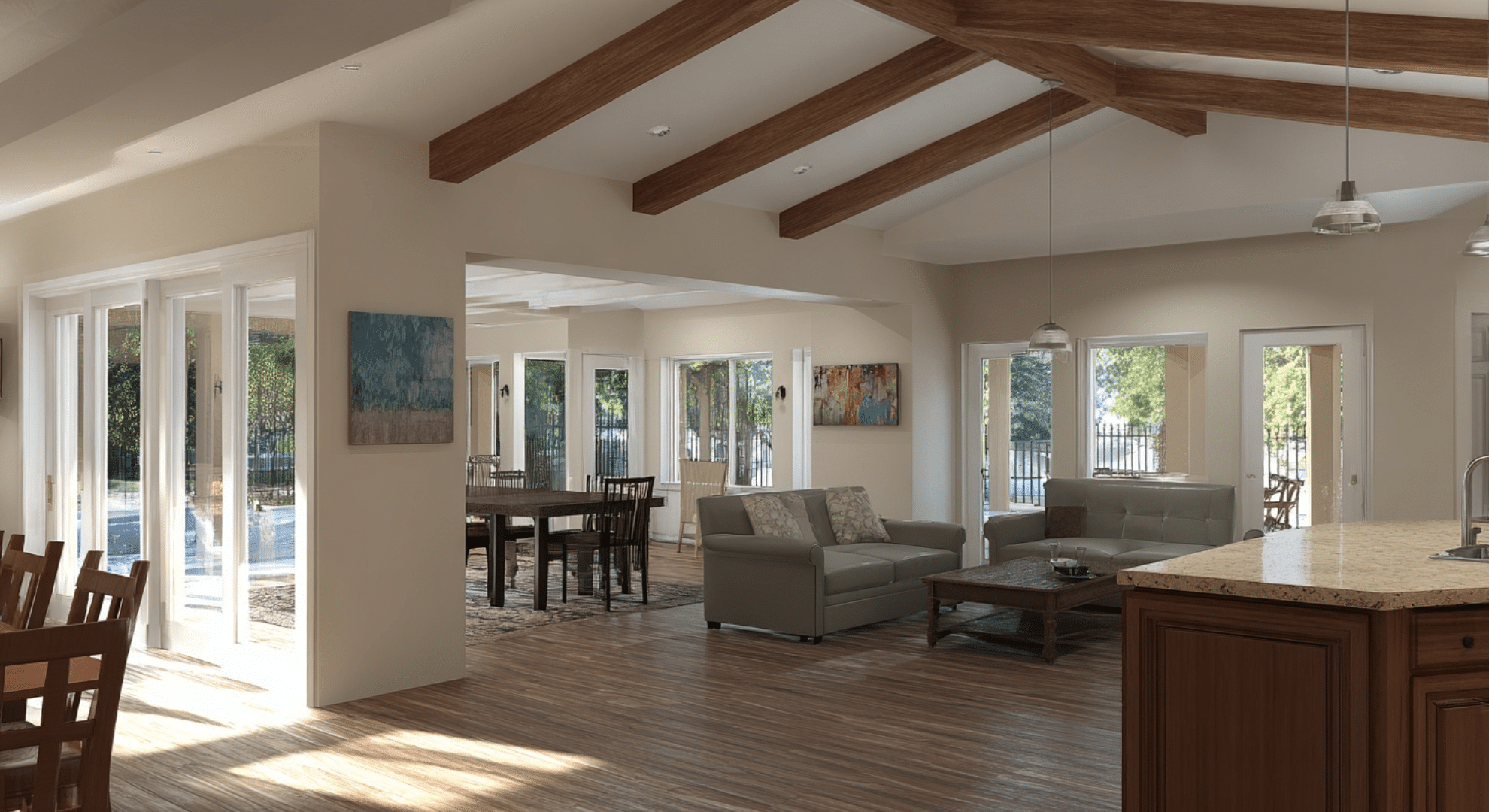
The ceiling is often forgotten, but it’s a smart place to define space. You can use beams, painted sections, or even just a change in lighting to show where one zone starts and another stops.
For example, a wood ceiling over the dining area can make it feel more cozy and separate, even if it’s in the middle of a larger space.
13. Mixed Flooring to Signal Transitions
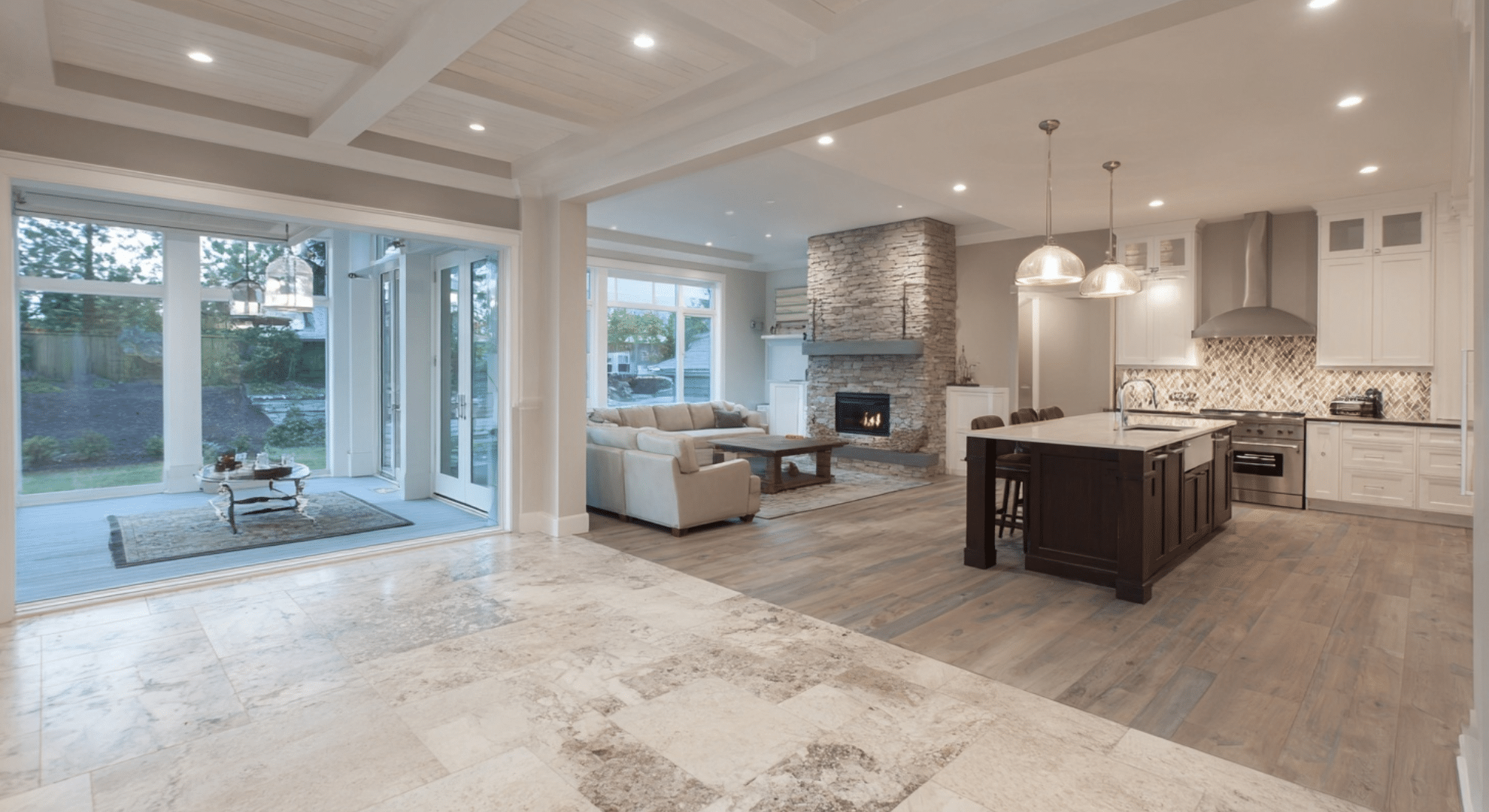
Using two types of flooring can help break up open spaces. Maybe the kitchen has tile and the living room has wood or vinyl. Or a rug over wood signals a sitting zone.
Changing the floor under your feet changes how the room feels without adding anything extra. It’s a simple way to give each area its own look while still keeping everything connected.
Furniture Ideas That Help Open Floor Plans Work
Choosing the right furniture can make or break your open floor plan. In wide, connected spaces, furniture does more than just give you a place to sit—it also helps shape how the room feels and flows.
These smart furniture-based ideas will help you define zones, keep things open, and make the space work for real life:
14. Sectional-Based Open Living Area

A sectional is a great fit for open layouts because it naturally shapes a space. It creates a corner without needing walls. You can use the back of the sectional to divide the living room from the kitchen or dining space.
It also seats more people without needing lots of chairs. Choose one with clean lines to keep it from feeling too bulky in an open space.
15. Dual Sofa Layout for Large Spaces
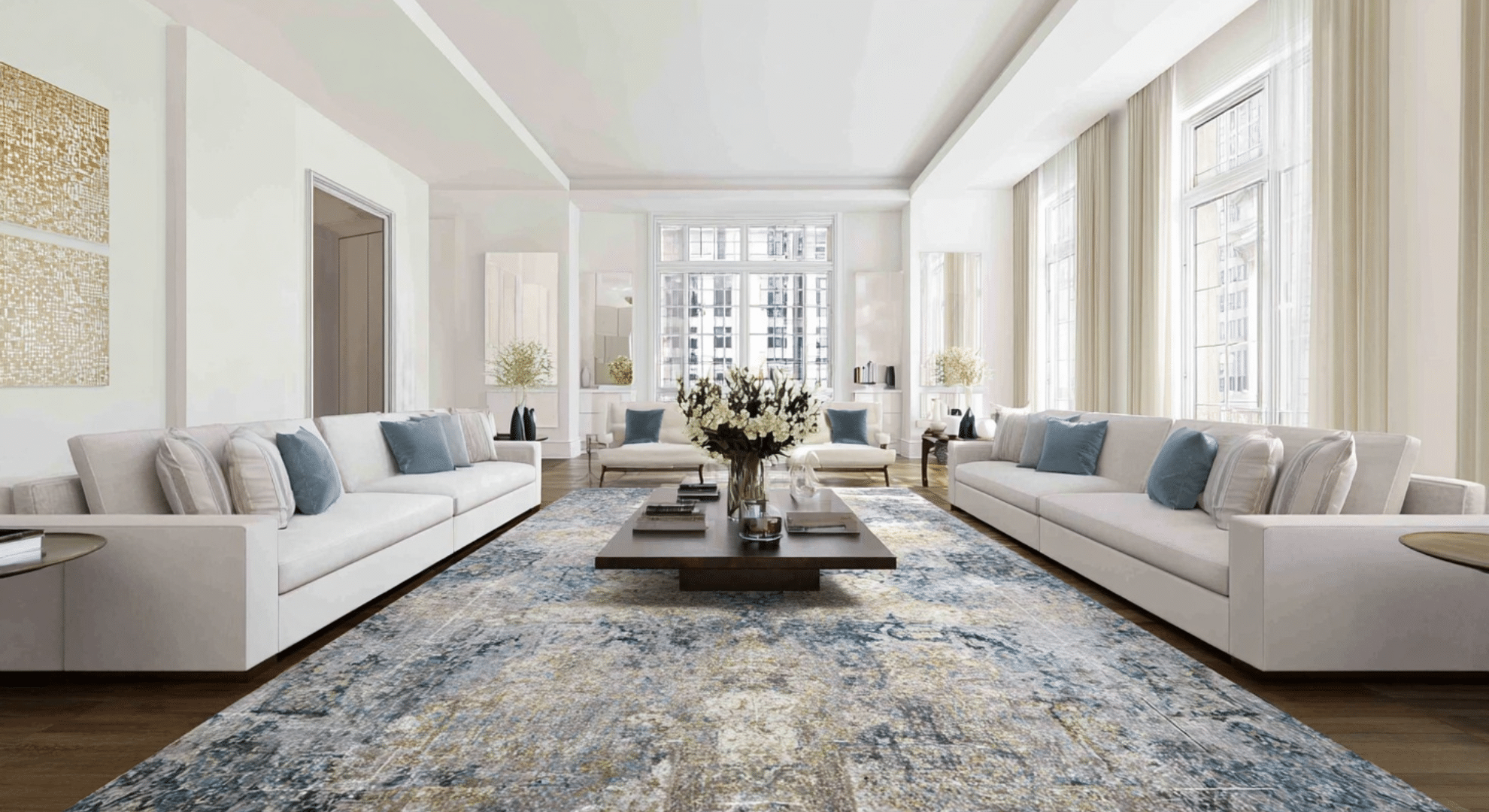
If you have a big open room, try using two sofas. Place them facing each other with a coffee table in between. This makes a strong, clear living zone without any walls.
It’s great for conversation and works well in long rooms. It also helps anchor the space so your furniture doesn’t feel like it’s floating.
16. Round Dining Tables in Open Plans
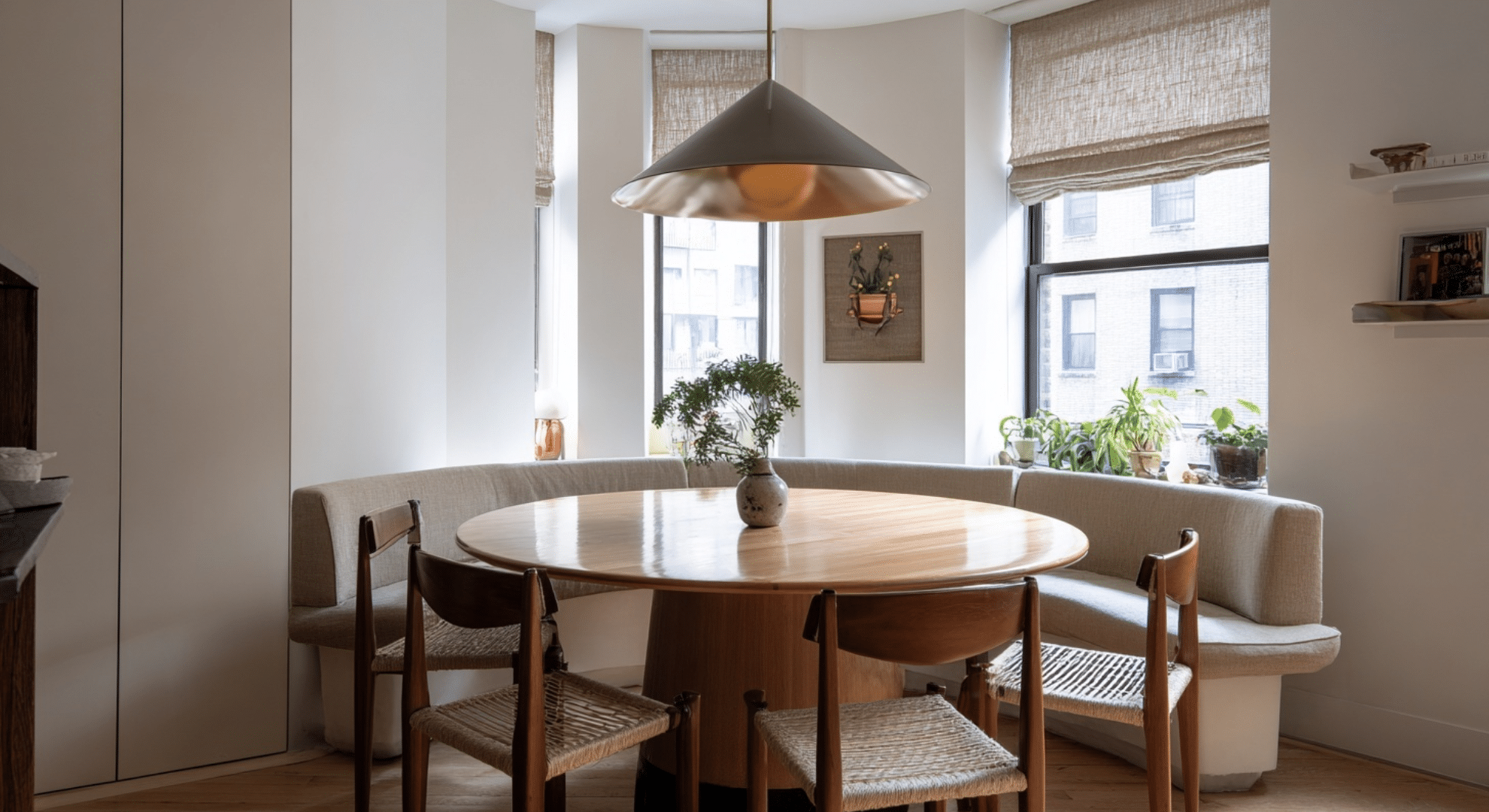
Square and rectangle tables take up more visual space. A round dining table is softer and easier to move around in an open layout.
It helps keep things flowing and doesn’t block walkways as much. Plus, it works well in tighter spots or corners without making the room feel crowded.
17. Bench Seating to Save Visual Space
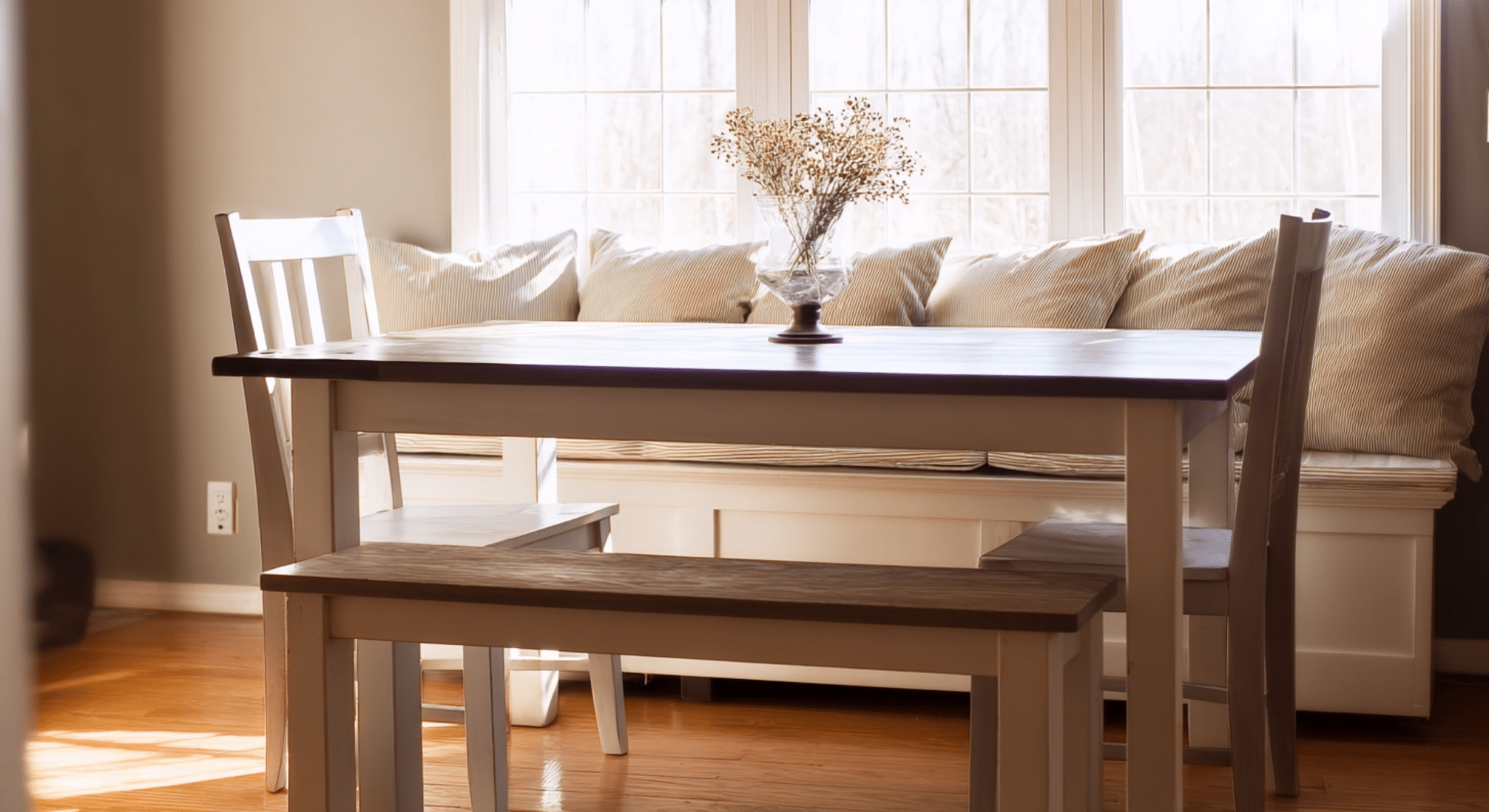
Benches can be a smart swap for chairs, especially in dining zones. They take up less space and are easy to tuck under the table when not in use.
This keeps walkways clear and the room feeling open. You can also use a bench near a window or along a wall to add seating without adding bulk.
18. Low-Profile Furniture for Better Sightlines
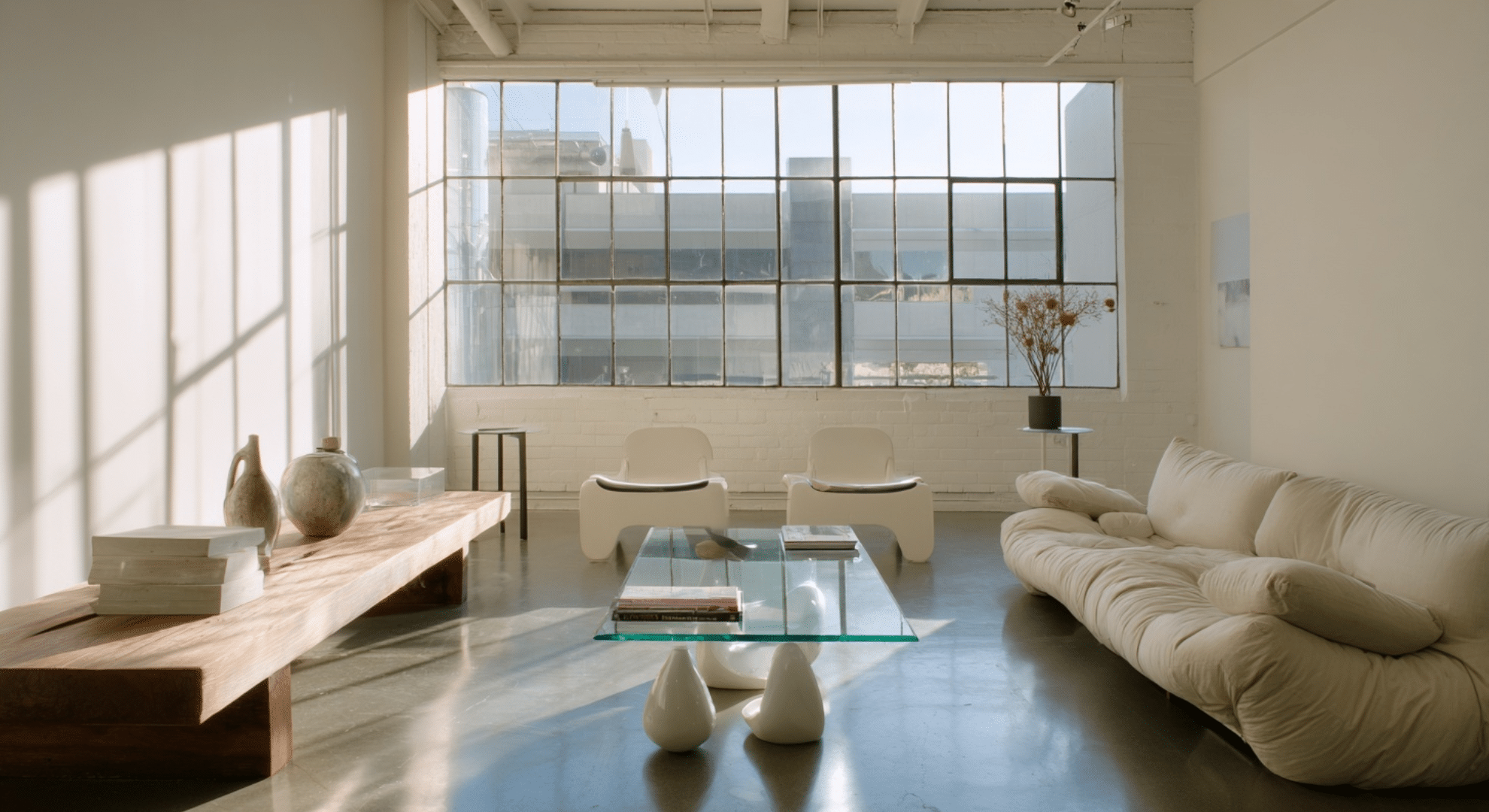
In open spaces, tall furniture can feel like a wall. Instead, try using pieces with lower backs and open legs.
These let light pass through and make the room feel larger. A low sofa or coffee table won’t block your view, and it helps keep the whole space feeling bright and airy.
19. Statement Chairs to Define Corners
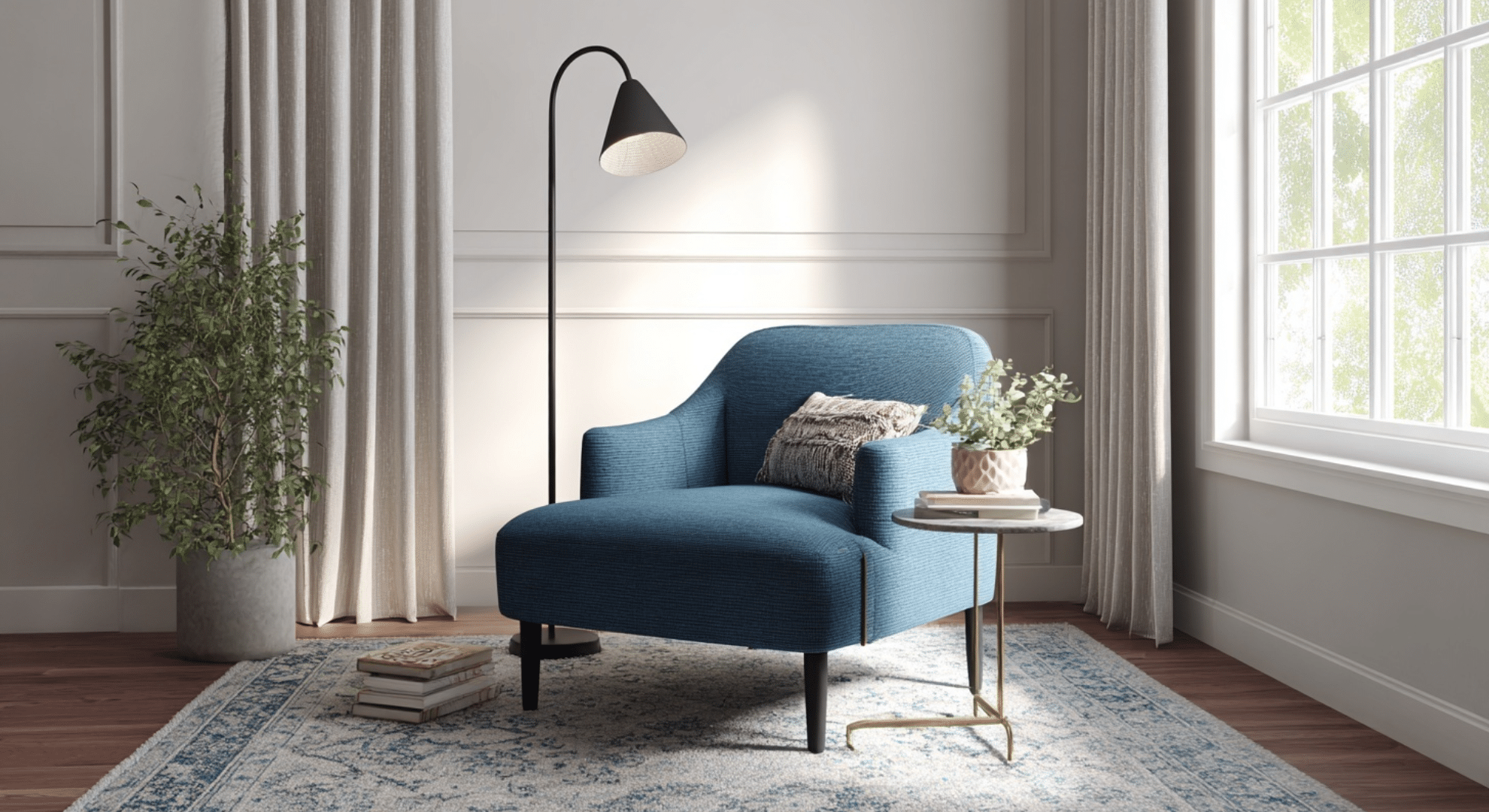
Have an empty corner that feels awkward? Add a bold chair to give it purpose. A comfy lounge chair, small reading spot, or even a sculptural seat can help shape the space without taking over.
Statement chairs work great as zone markers, they give the eyes a stopping point and help define edges in an open room.
Small Open Floor Plan Ideas
Open floor plans aren’t just for big homes. Even in small spaces, they can help things feel larger, if you keep it smart and simple. When there’s not a lot of room to play with, every piece and placement matters.
These ideas focus on making the most of small open layouts without crowding the space or losing comfort:
20. Scaled-Down Furniture Layouts
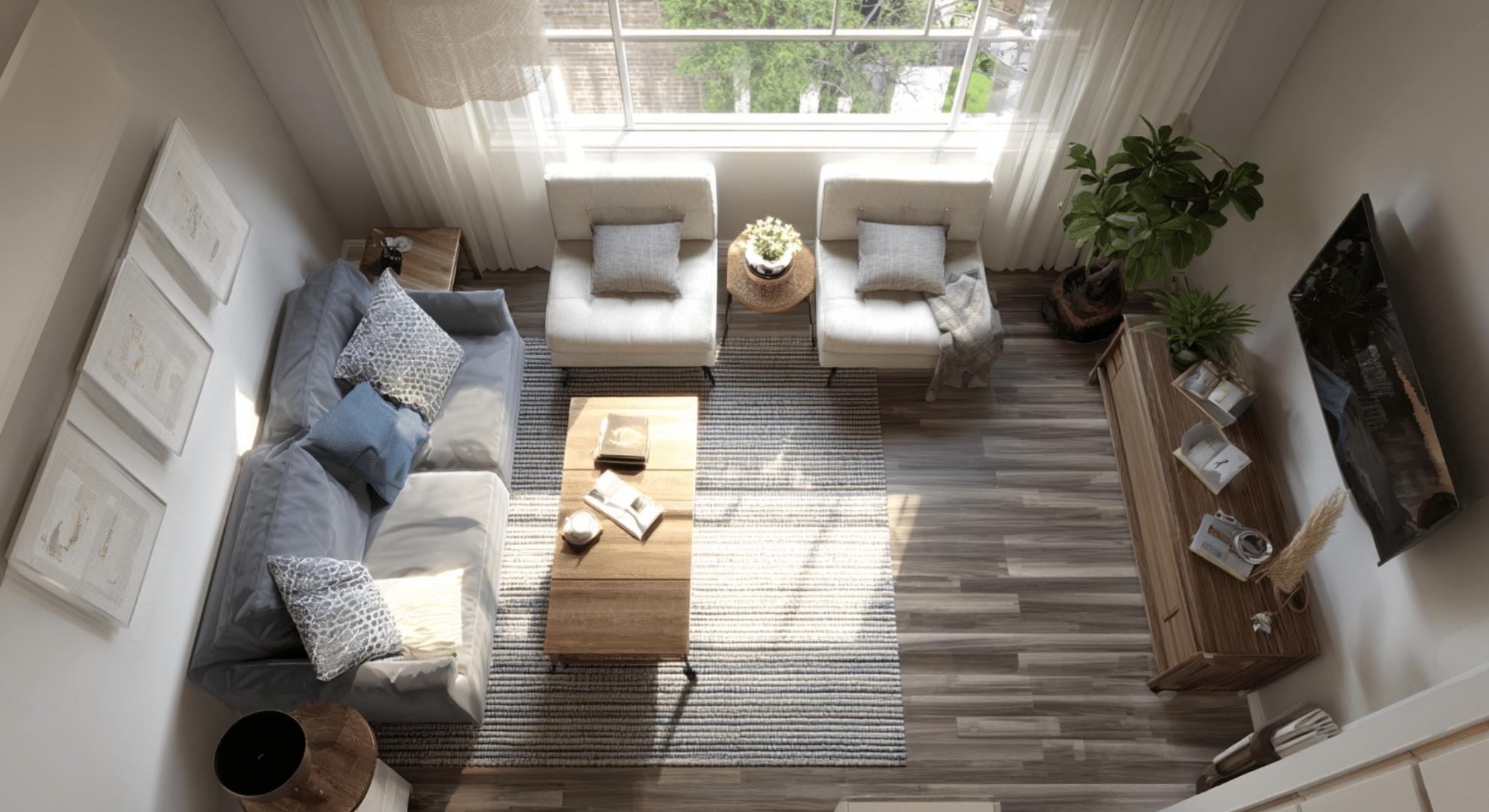
Big furniture makes small spaces feel even smaller. Instead of full-size sectionals or chunky chairs, go for smaller-scale sofas, armless chairs, and light-looking pieces. Choose furniture with slim legs or open sides.
This lets the space feel more open. Keep walkways clear and avoid pushing everything to the edges. A few right-sized pieces are better than too many large ones.
21. Multi-Use Furniture Zones
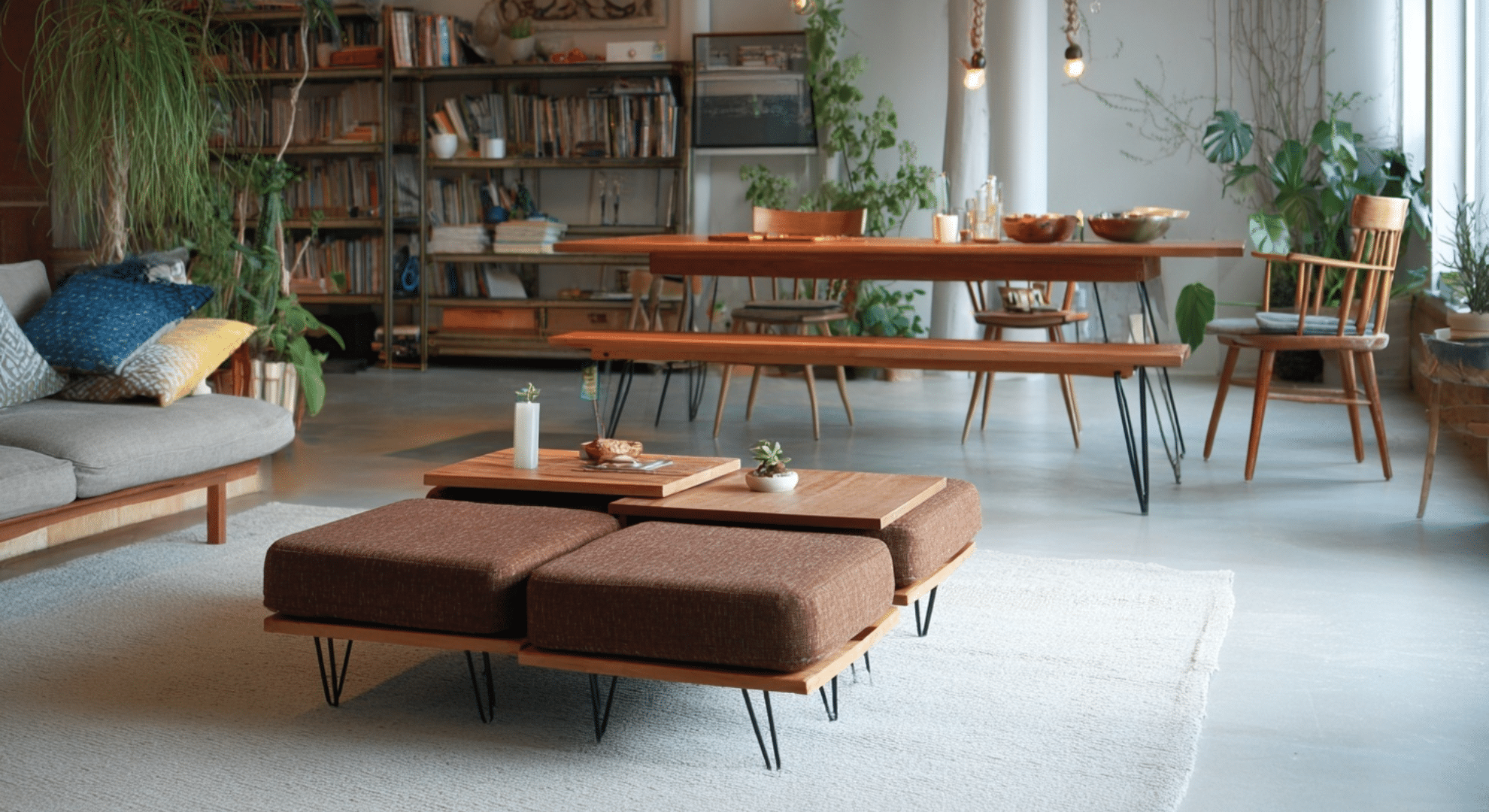
In small open spaces, your furniture has to work harder. Try using items that do more than one job like an ottoman that doubles as a coffee table or a dining table that also works as a desk.
Let one zone serve more than one purpose. A sofa area can be for relaxing and working. This way, you make use of the space without adding clutter.
22. Wall-Driven Layouts for Tight Spaces
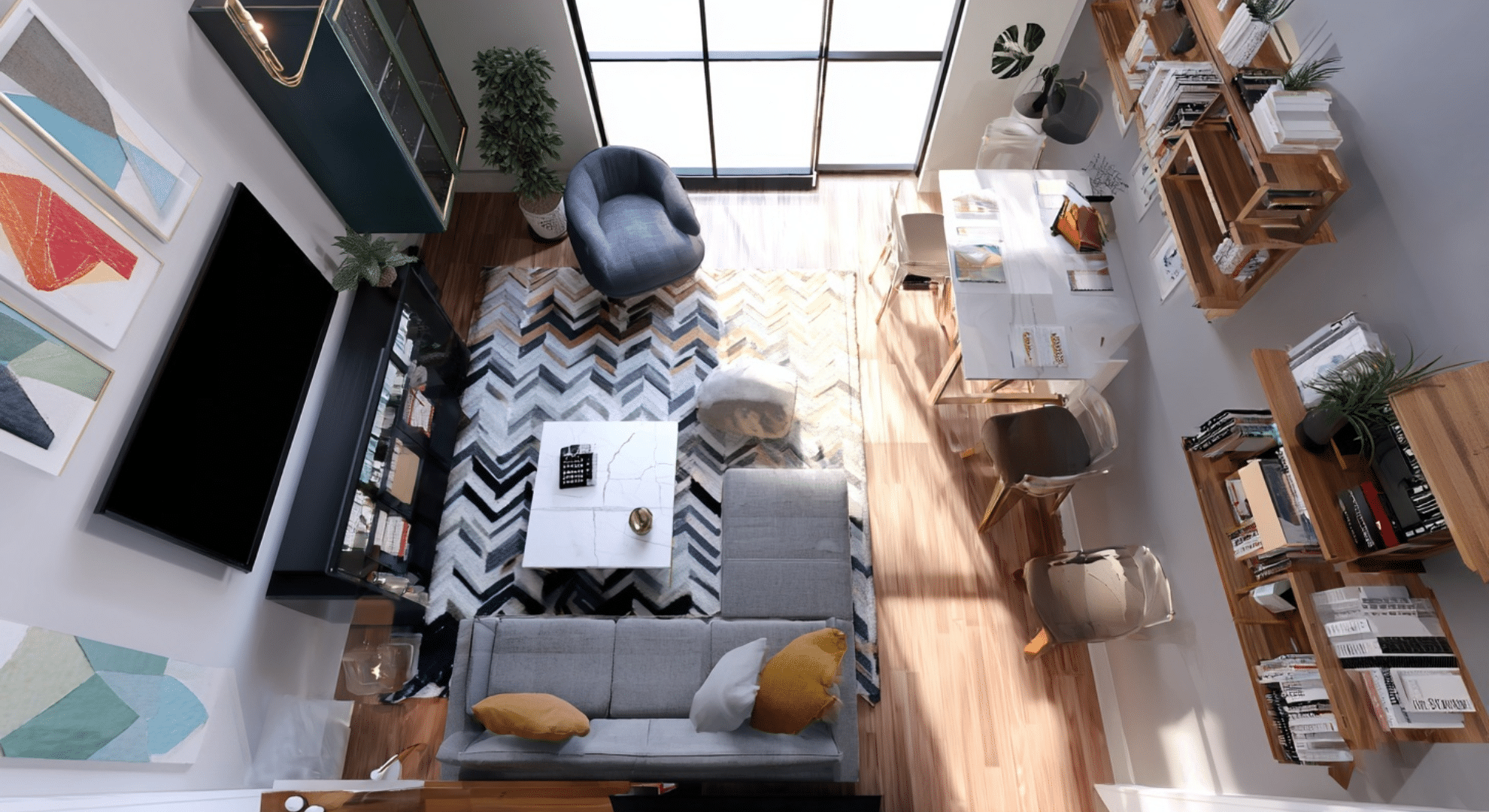
When floor space is limited, make the walls do some work. Float your sofa in front of a wall to free up the center. Mount your TV instead of using a stand.
Add shelves or wall hooks for storage. Wall-driven layouts help open up the middle of the room so it feels bigger and easier to move through.
23. Visual Continuity With One Core Color
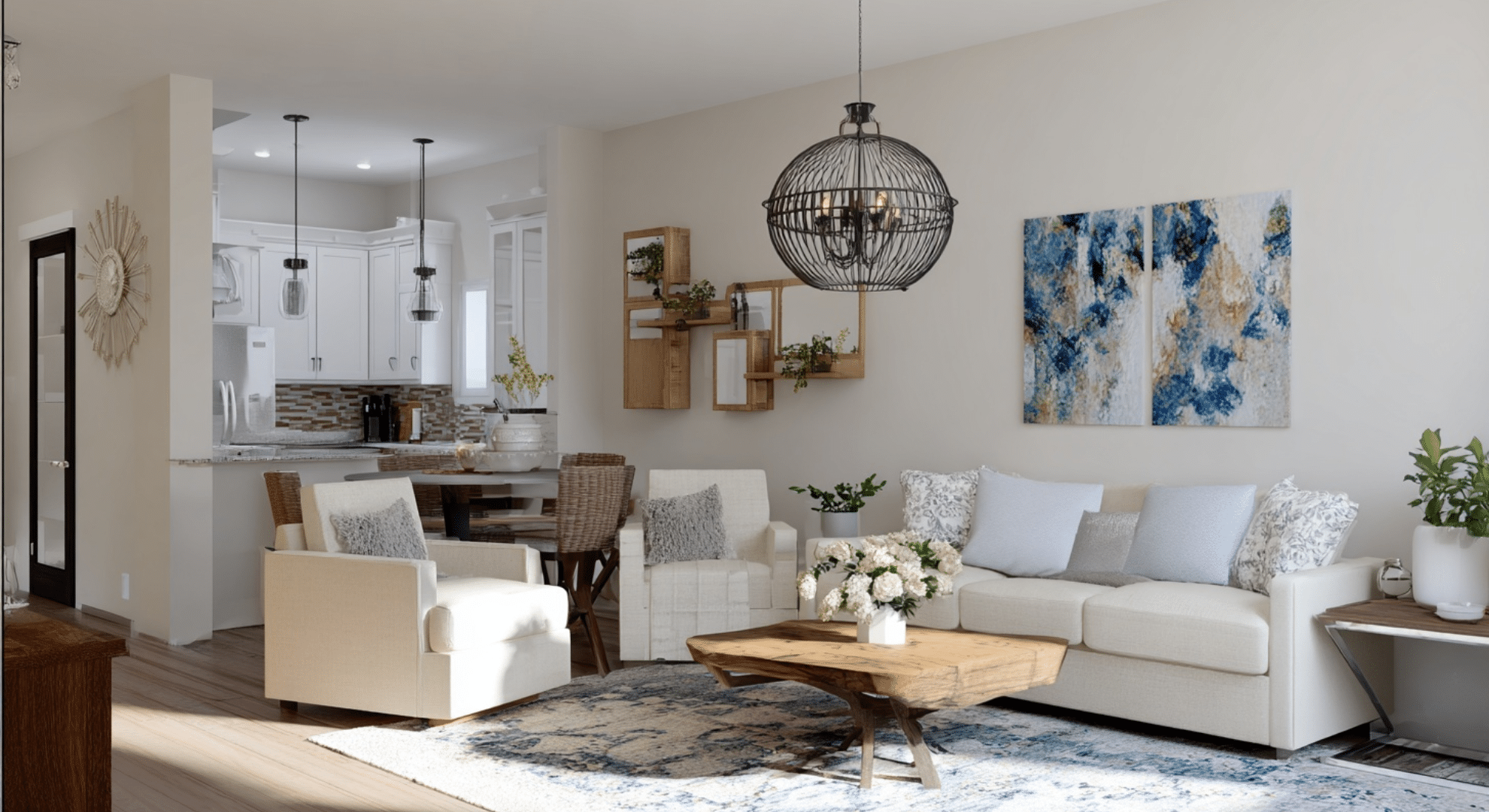
Too many colors or patterns can make a small open space feel busy and chopped up. Instead, pick one main color and use it across the space; walls, furniture, and even rugs.
You can still add small accents, but the main color ties everything together. This makes the room feel calm, open, and larger than it really is.
24. Minimal Zone Count for Simplicity
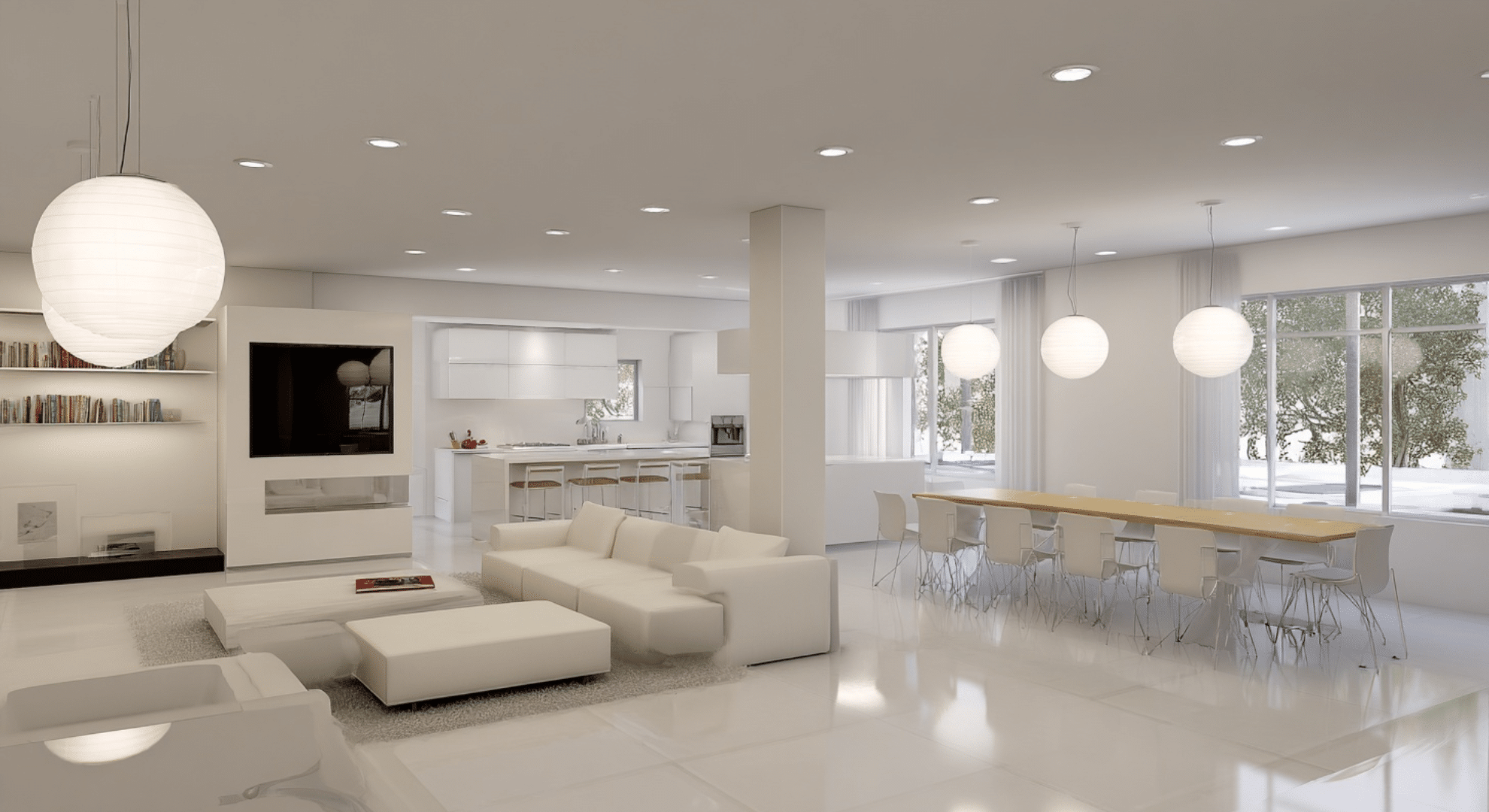
In a small space, less is more. Instead of trying to fit a living zone, dining zone, work zone, and reading nook all in one area, choose the two zones you need most.
Fewer zones keep things clean and make the space easier to live in. Clear purpose in each area makes the layout feel intentional, not cramped.
Large Open Floor Plan Ideas
Big open floor plans give you more room to play, but they also come with their own set of problems.
Too much space can feel empty, disconnected, or confusing if it’s not handled well.
These ideas are made for large spaces and focus on how to bring warmth, balance, and clear zones into a bigger room so it feels cozy, not cold:
25. Oversized Rugs to Prevent Floating Zones
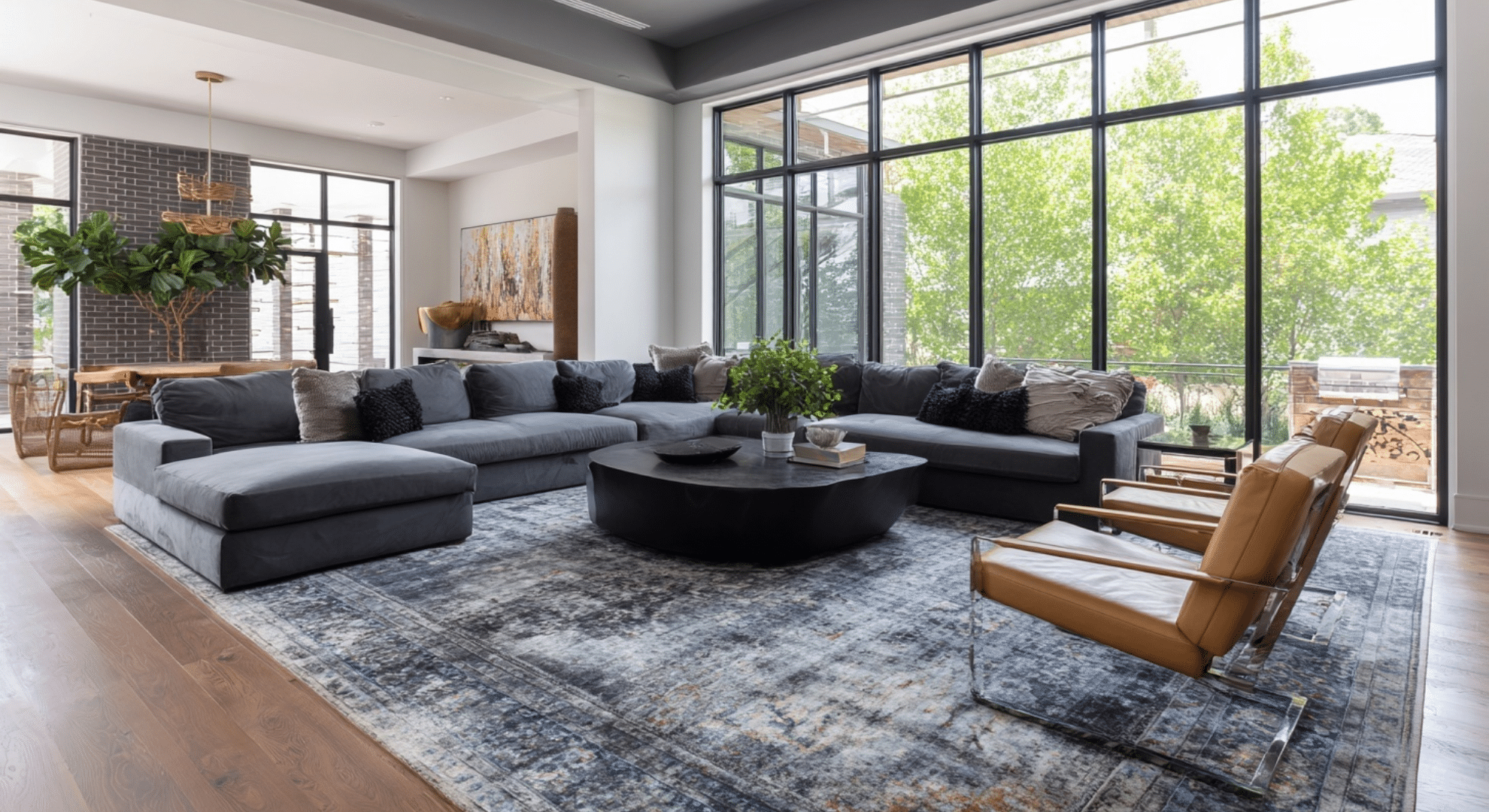
In large rooms, regular-size rugs often look too small. That makes furniture look like it’s floating with no anchor.
Use extra-large rugs to pull seating areas together. A rug should sit under most of the furniture in the zone, not just the coffee table. This gives the area a clear shape and helps the eye understand the layout.
26. Multiple Seating Areas for Balance
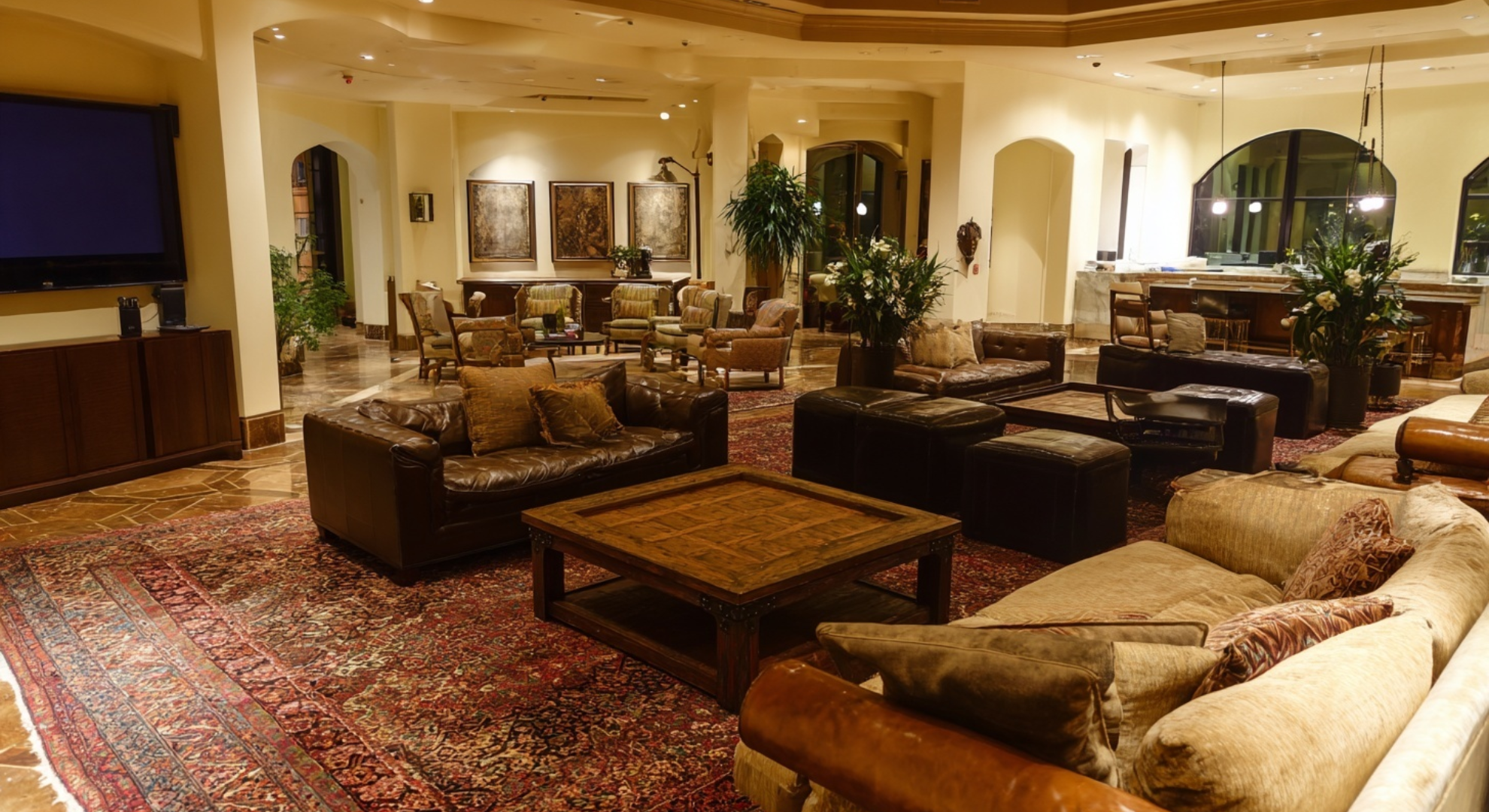
One sofa in the middle of a huge room will look lost. If you have the space, create two or more seating zones.
One can be for watching TV. Another can be for reading or having coffee. This breaks the room into useful spots and makes it feel full in a good way, not scattered. Just be sure to leave enough space to walk between them.
27. Long Dining Tables for Proportion
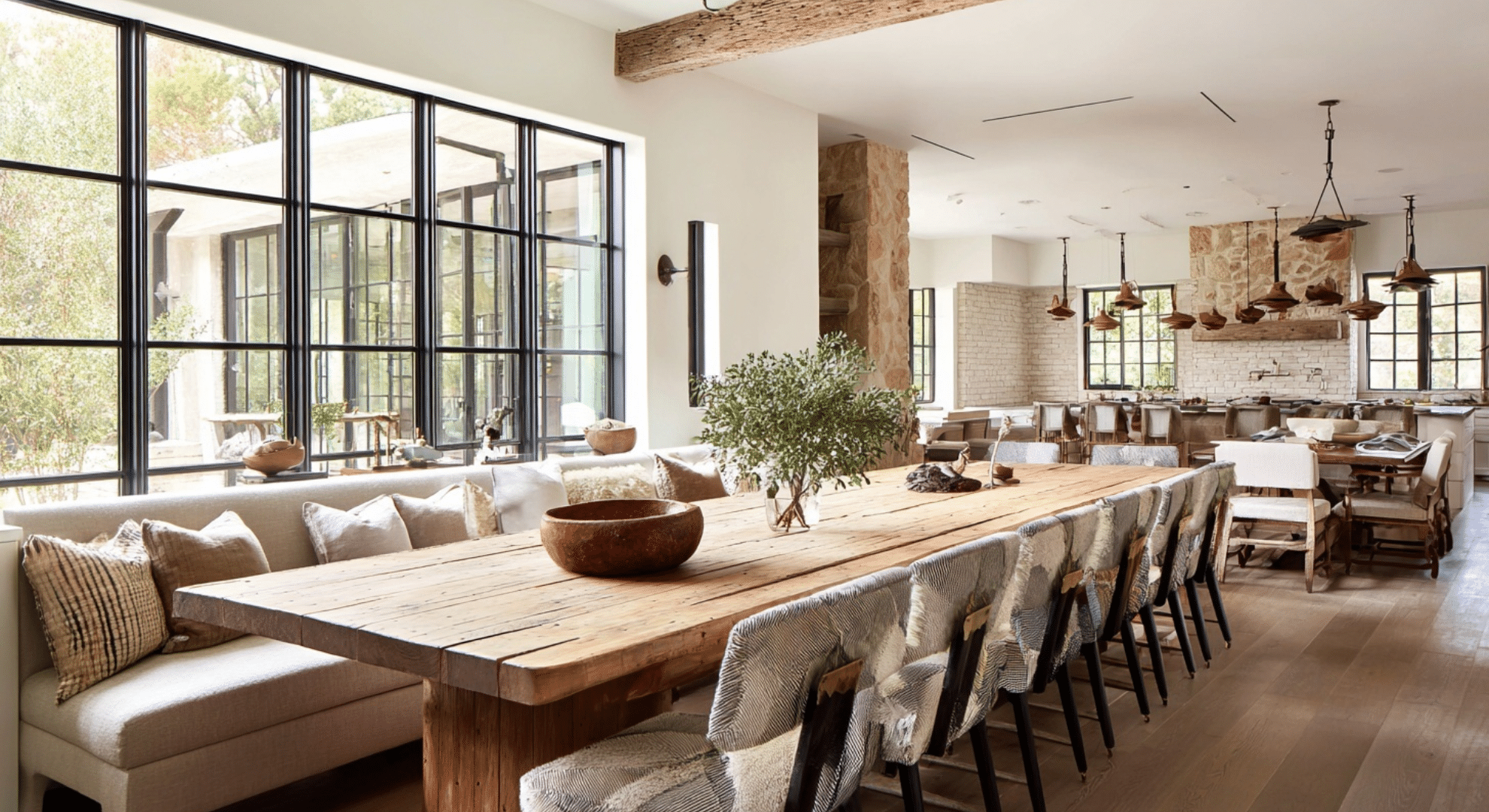
Tiny tables get swallowed up in large open areas. A long dining table helps fill space and gives the room the right balance.
It makes gatherings feel natural and makes the table feel like it belongs. You can even add a bench or mix chairs to make it more casual, without losing the bold size of the layout.
28. Layered Textures to Avoid Emptiness
Big spaces can feel echoey or flat if everything is hard or smooth.
Add texture in layers, like a soft rug, a chunky throw, woven baskets, and fabric chairs. This helps the space feel full without needing more stuff. It also keeps things from feeling cold or empty, even when there’s lots of open air.
29. Symmetry-Based Layouts in Big Rooms
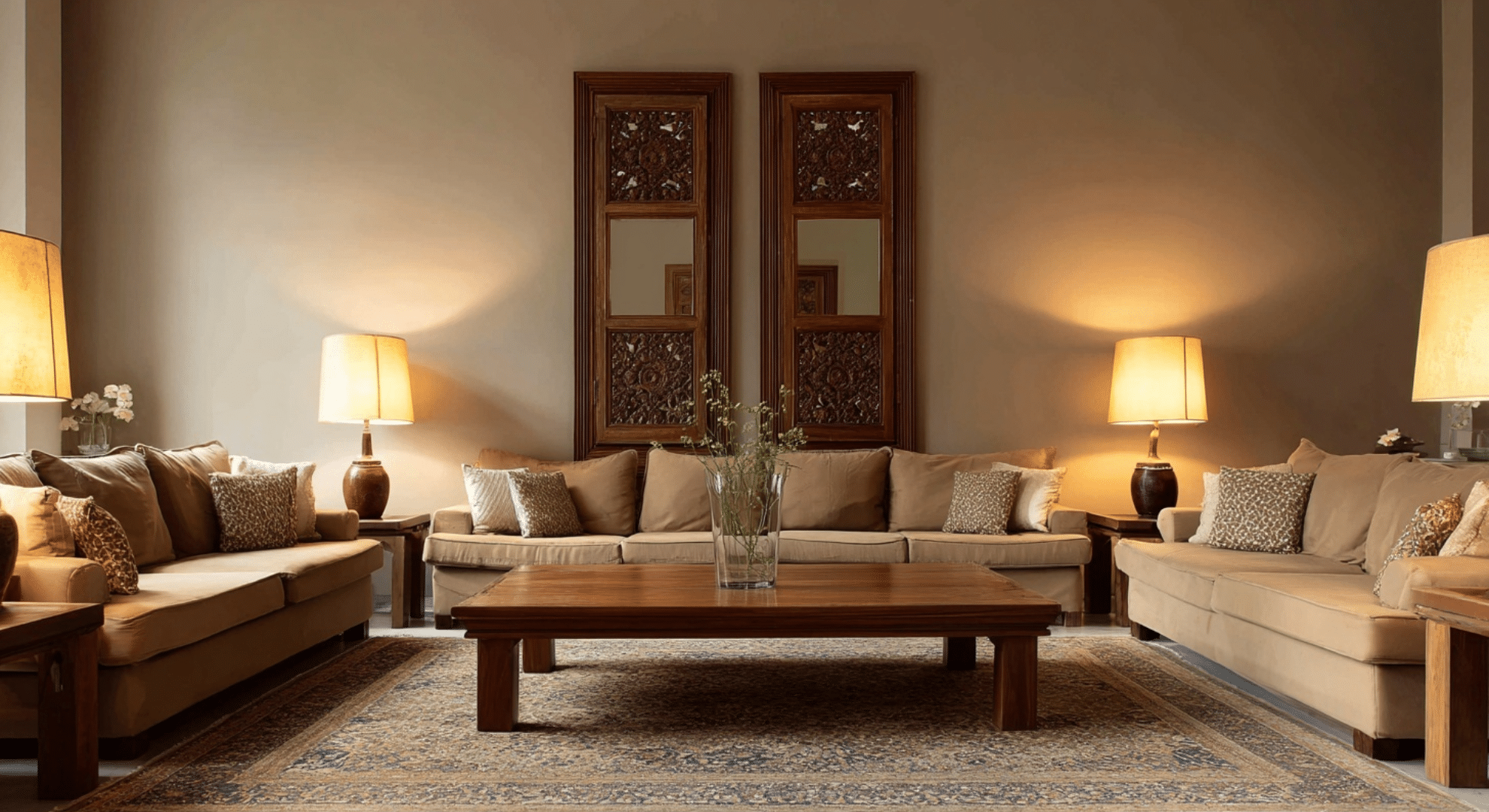
In large rooms, symmetry can bring calm and structure. Matching sofas, chairs, or lights on both sides of the space help the layout feel grounded.
It doesn’t have to be perfect, but using pairs or mirroring layouts keeps the room from feeling lopsided or random.
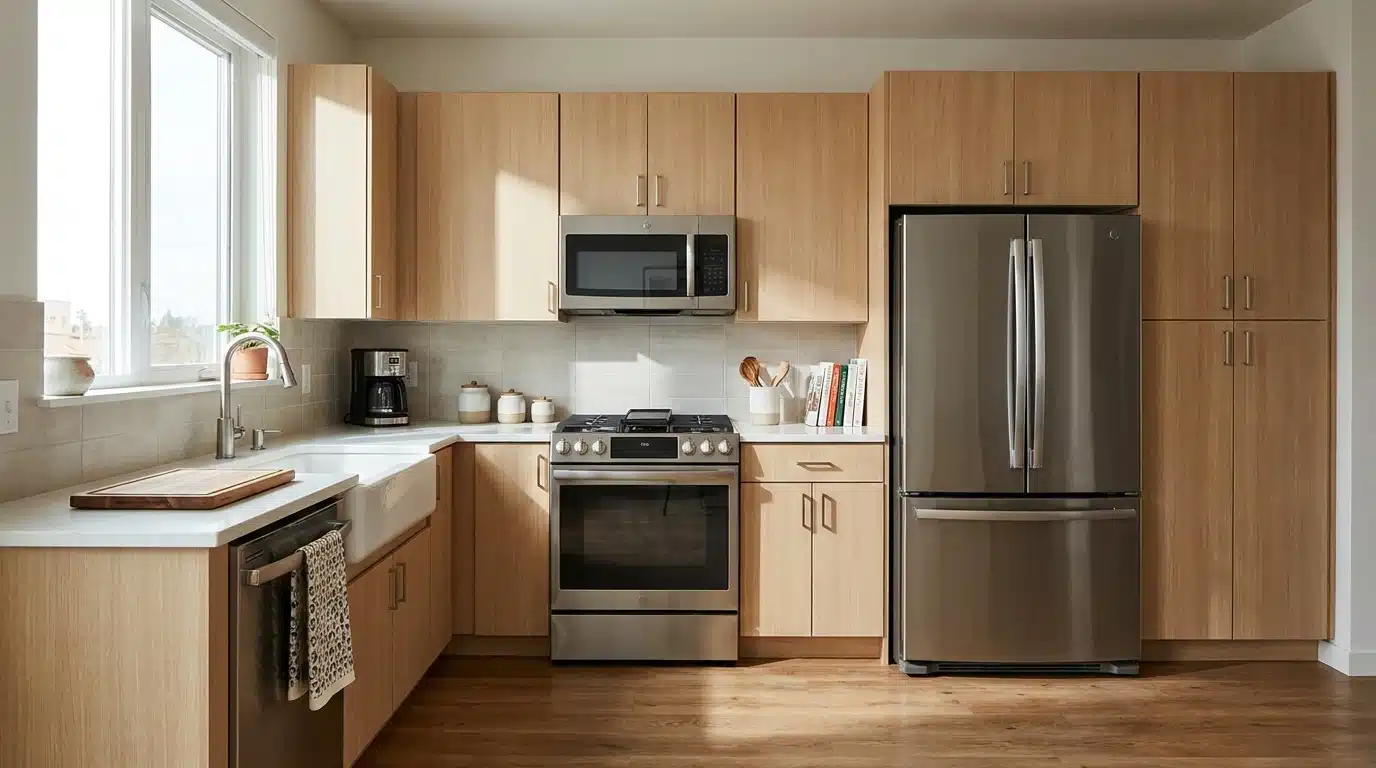
Kitchen-Focused Open Plan Ideas
In many open layouts, the kitchen is part of the main space. That means it should look good, feel connected, and also stand apart just enough to work well.
These ideas help you make your kitchen fit with the rest of the room while still doing its job:
30. Waterfall Island as a Visual Stop
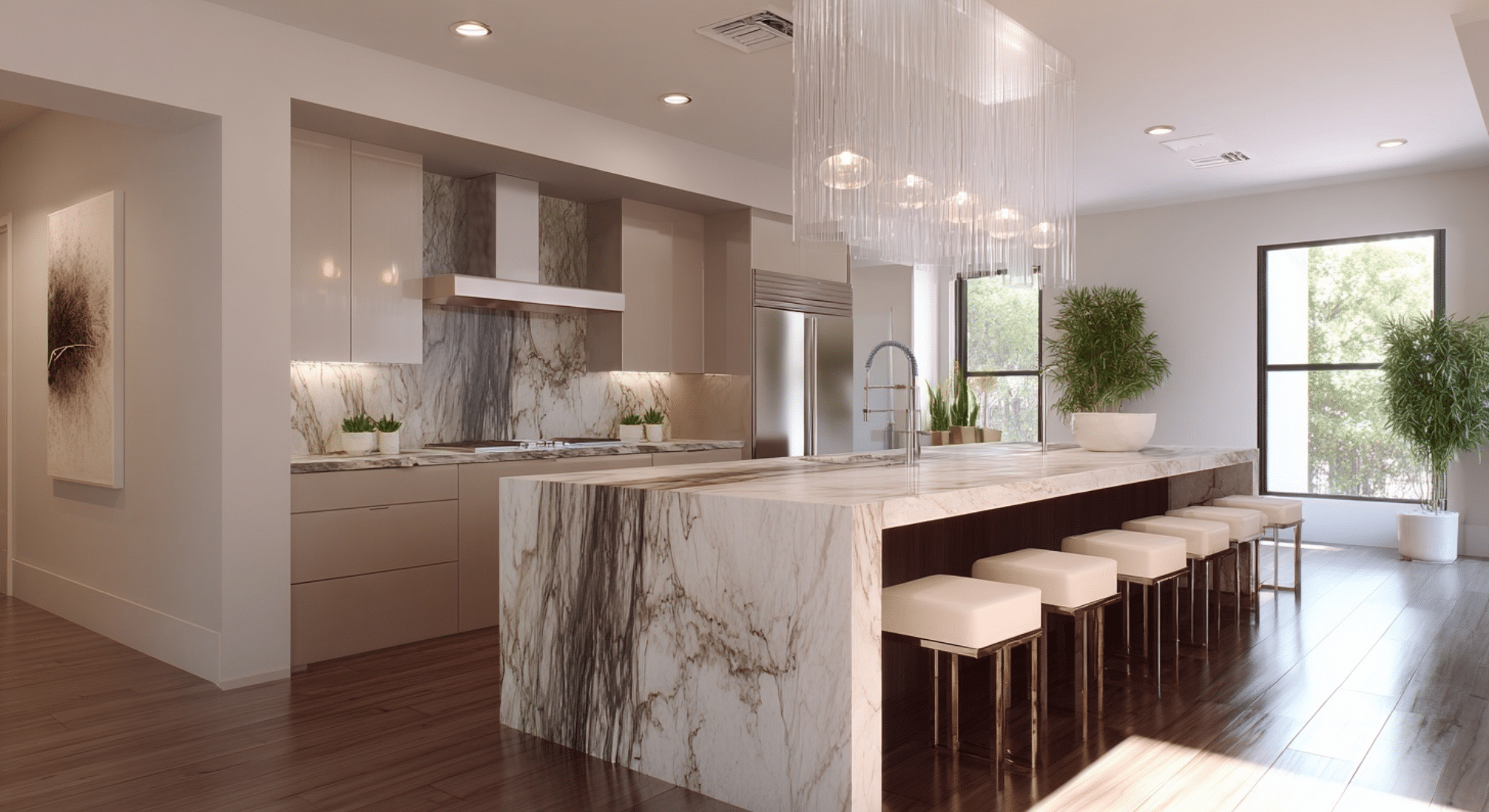
In a big open room, a waterfall island (where the counter continues down the sides) gives the kitchen a strong center.
It draws the eye and helps set a visual stop between the cooking zone and the rest of the space. It also adds a clean look without using any walls.
31. Two-Tone Kitchen to Separate Zones
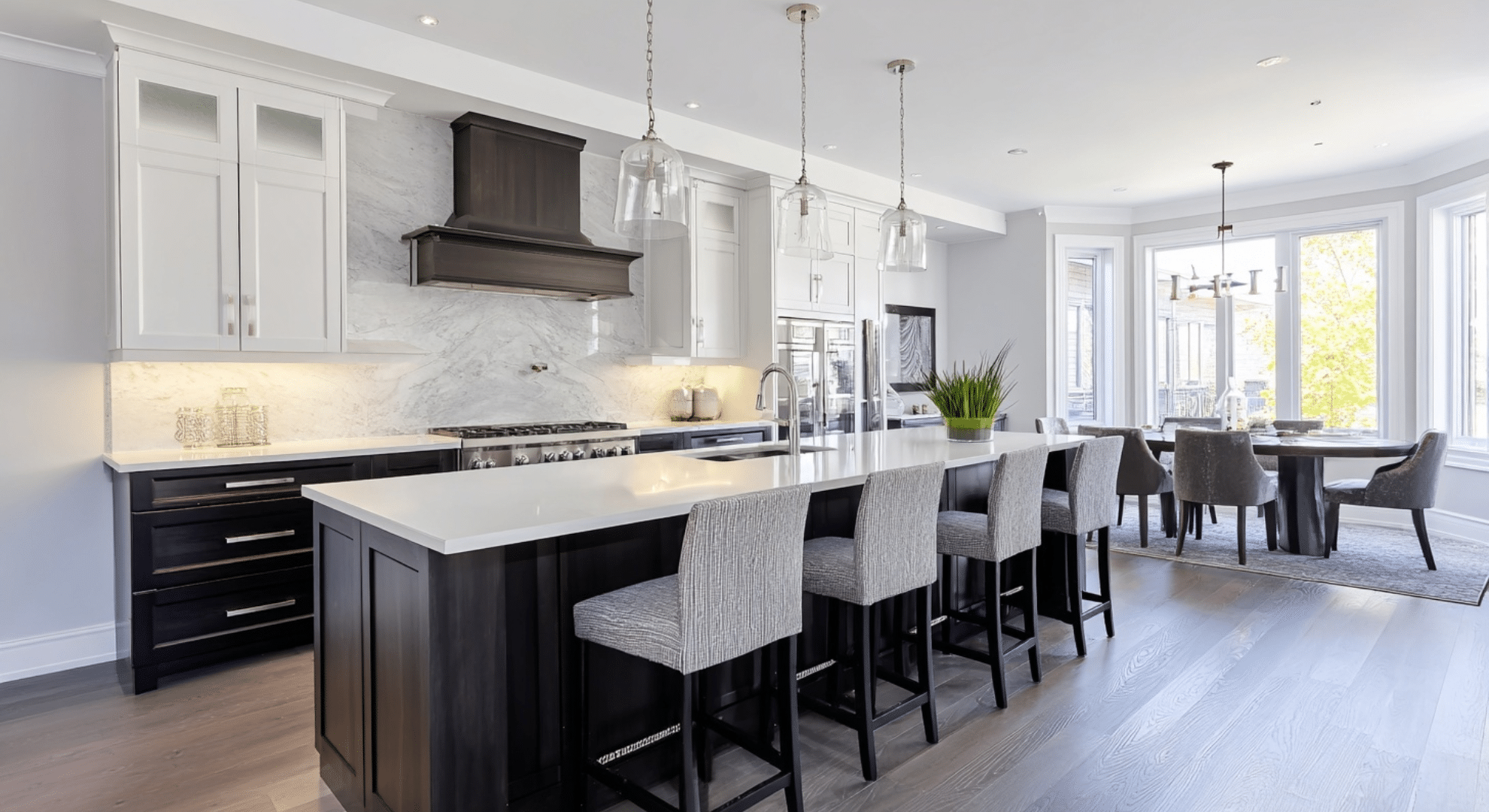
Using two colors in the kitchen like dark cabinets below and lighter ones above helps break up the space.
It can also help the kitchen stand out from the living area without needing dividers. Try matching one of the colors to a nearby piece of furniture to help it feel connected.
32. Bar Seating as a Transitional Element
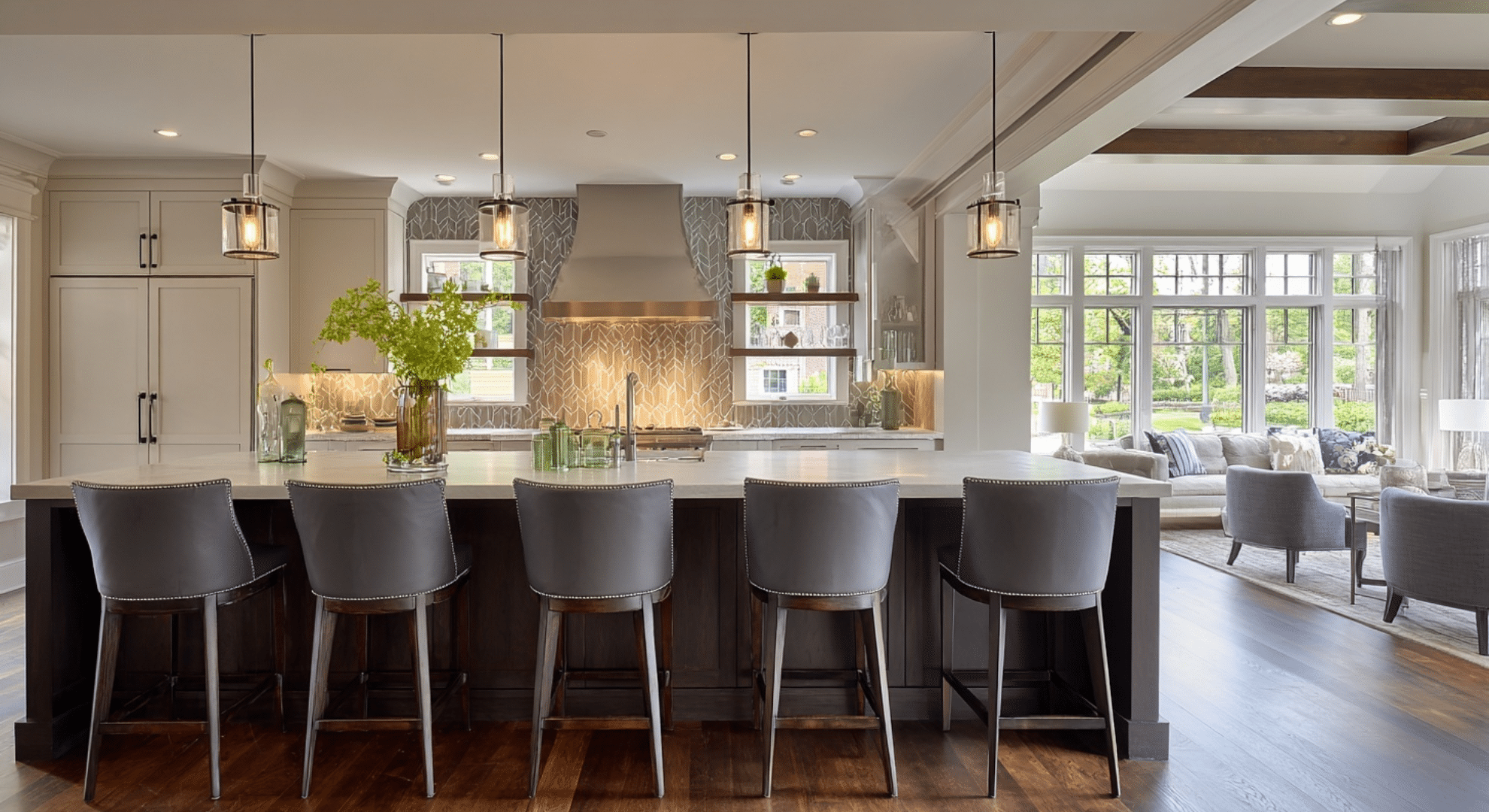
Bar stools at the island or a high counter can create a soft barrier between the kitchen and living area.
It’s still open, but gives people a place to sit and chat without walking into the cooking space. This transitional zone helps manage the flow of the space in a natural way.
33. Lighting Changes Between Kitchen and Living Areas
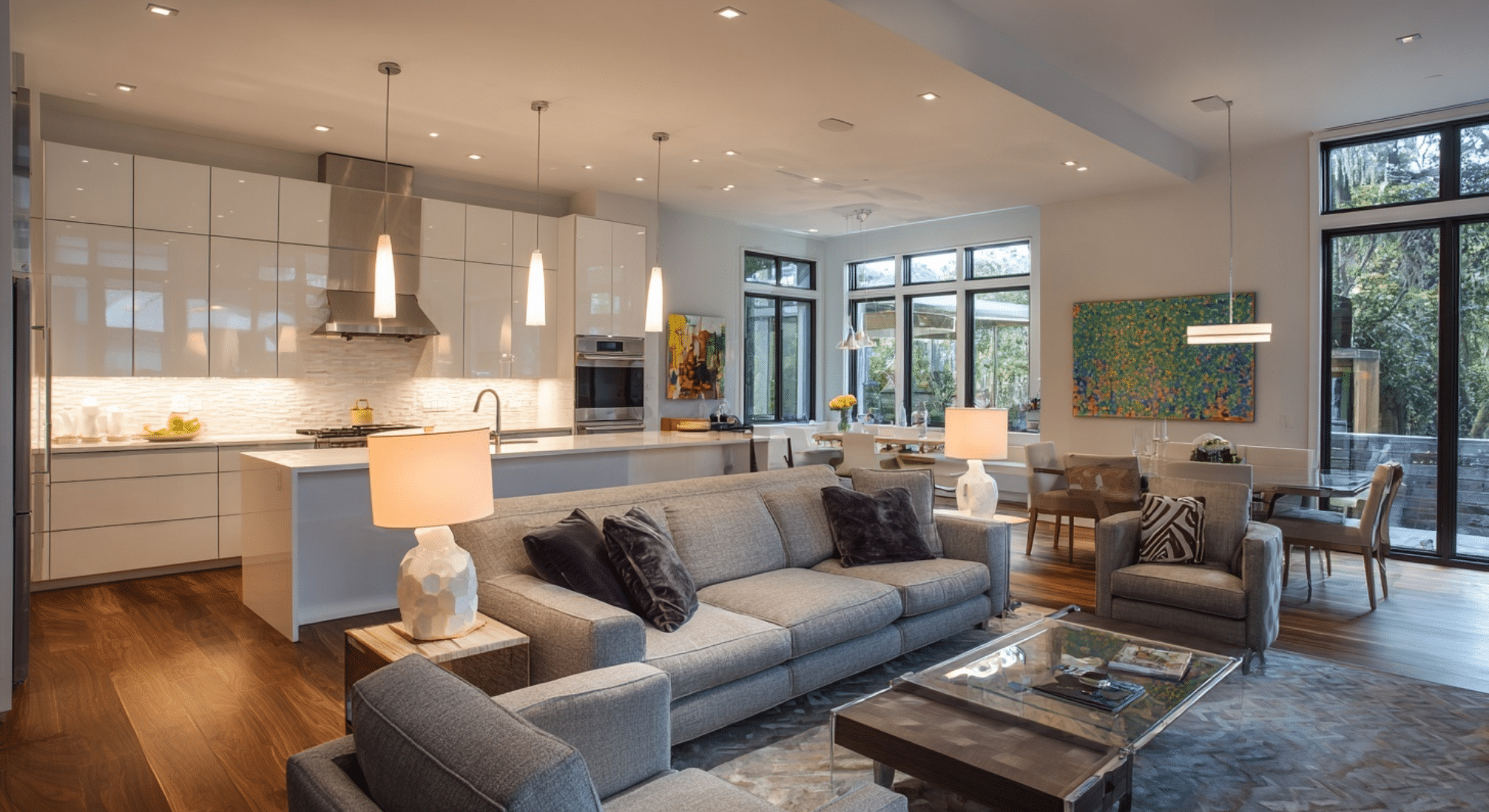
Lighting can tell you where one space ends and another begins. Use pendants or track lighting in the kitchen, and floor or table lamps in the living space.
This gentle shift helps your brain separate the zones, even when there are no walls. It also makes each area feel more comfortable for what it’s meant to do.
Style-Driven Open Floor Plan Ideas
Even with everything open, your space should still show your style, without feeling messy or clashing.
The trick? Choose one clear look and use it all the way through. That doesn’t mean boring, it means cohesive.
These ideas help you shape your open floor plan with style that feels consistent, not confusing.
34. Modern Clean-Line Open Layout
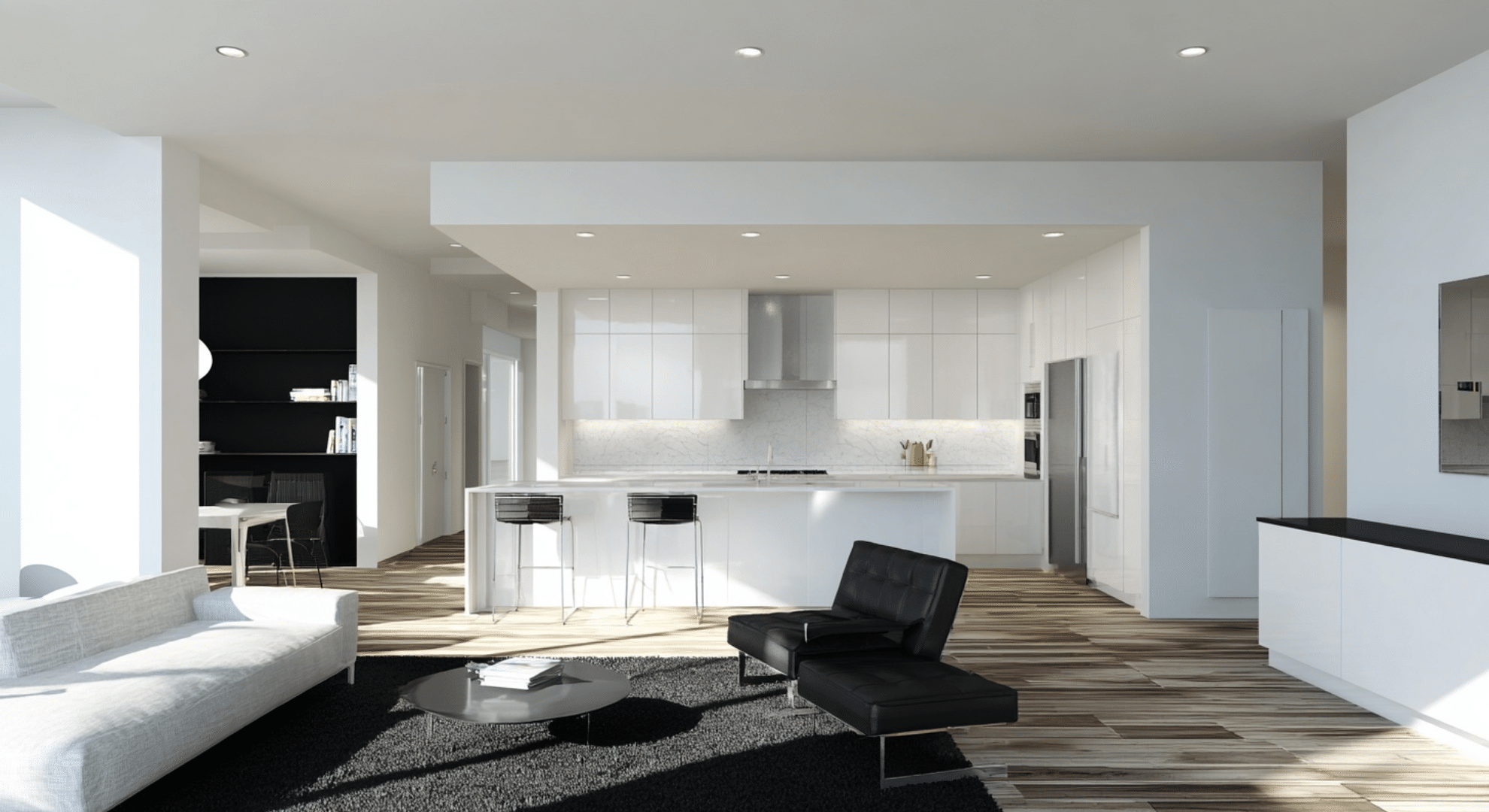
If you like modern style, go for simple shapes, smooth surfaces, and minimal clutter. Use straight-edged furniture, flat-panel cabinets, and a few strong accent pieces.
Stick to a small color palette like black, white, and one bold color. Keep decor light. This helps the whole open layout feel fresh, clear, and calm.
35. Cozy Casual Open Floor Plan
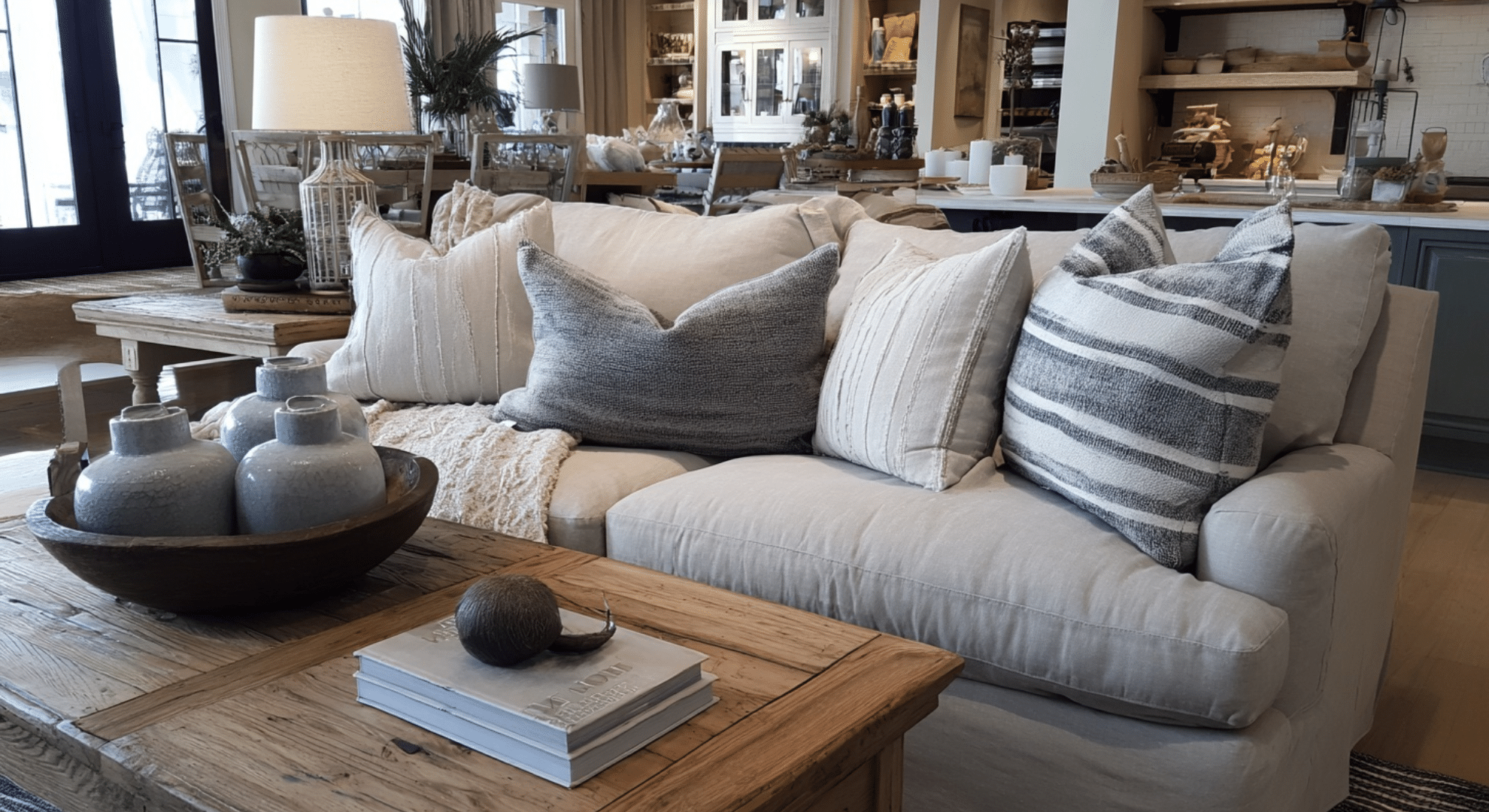
Want something more relaxed? A casual style works great in open spaces.
Think soft cushions, warm fabrics, simple wood furniture, and low-maintenance finishes. Use textures like cotton, linen, or soft knits. This look makes large spaces feel lived-in and friendly without feeling messy.
36. Transitional Open Concept Setup
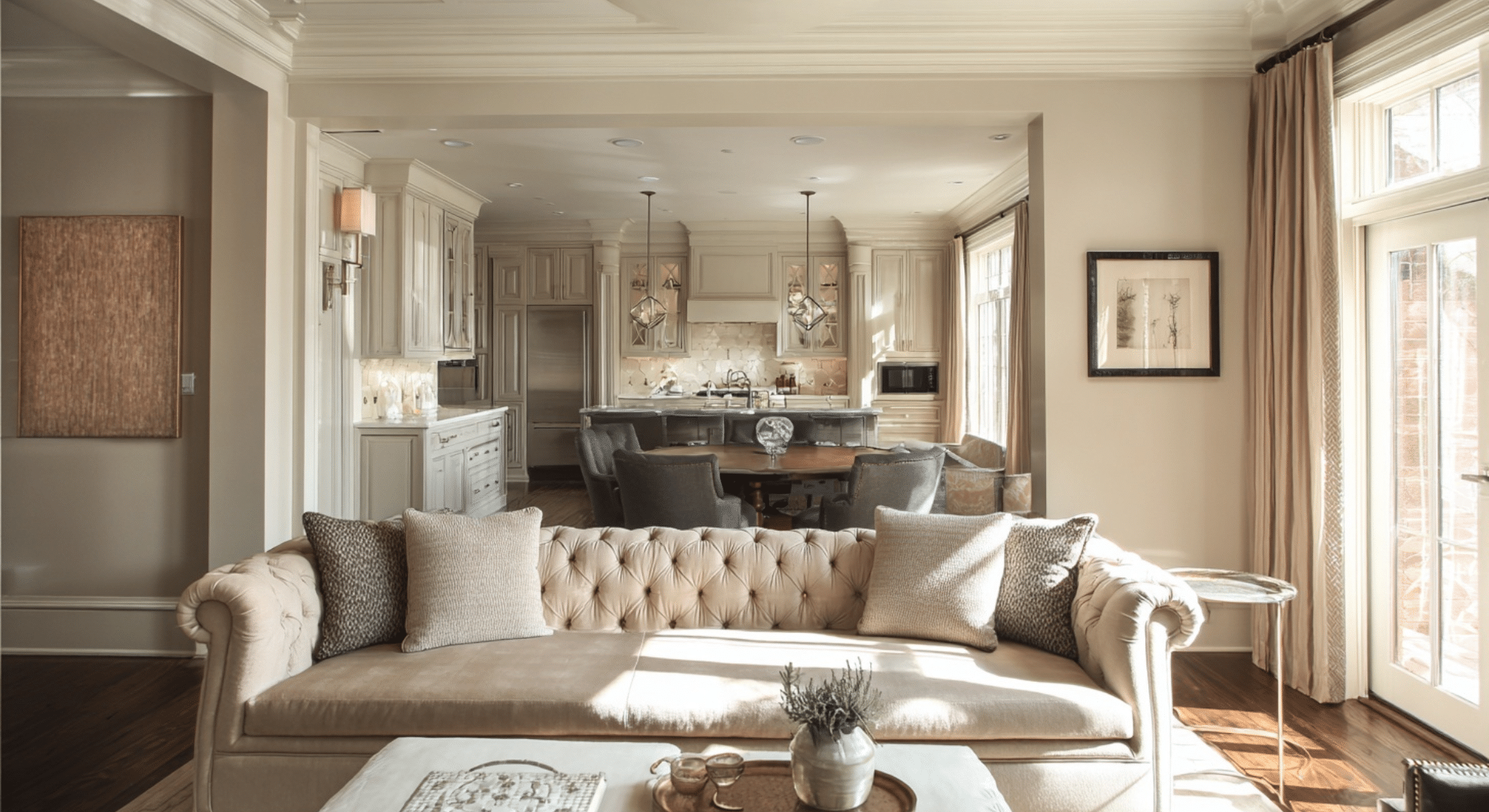
Transitional style mixes old and new, but keeps everything balanced. In open layouts, this means combining classic furniture shapes with updated materials. Try pairing a traditional sofa with a modern coffee table.
Keep colors soft and furniture clean-lined. It’s a great choice if you like a mix, but still want the room to feel pulled together.
37. Warm Neutral Open Living Space
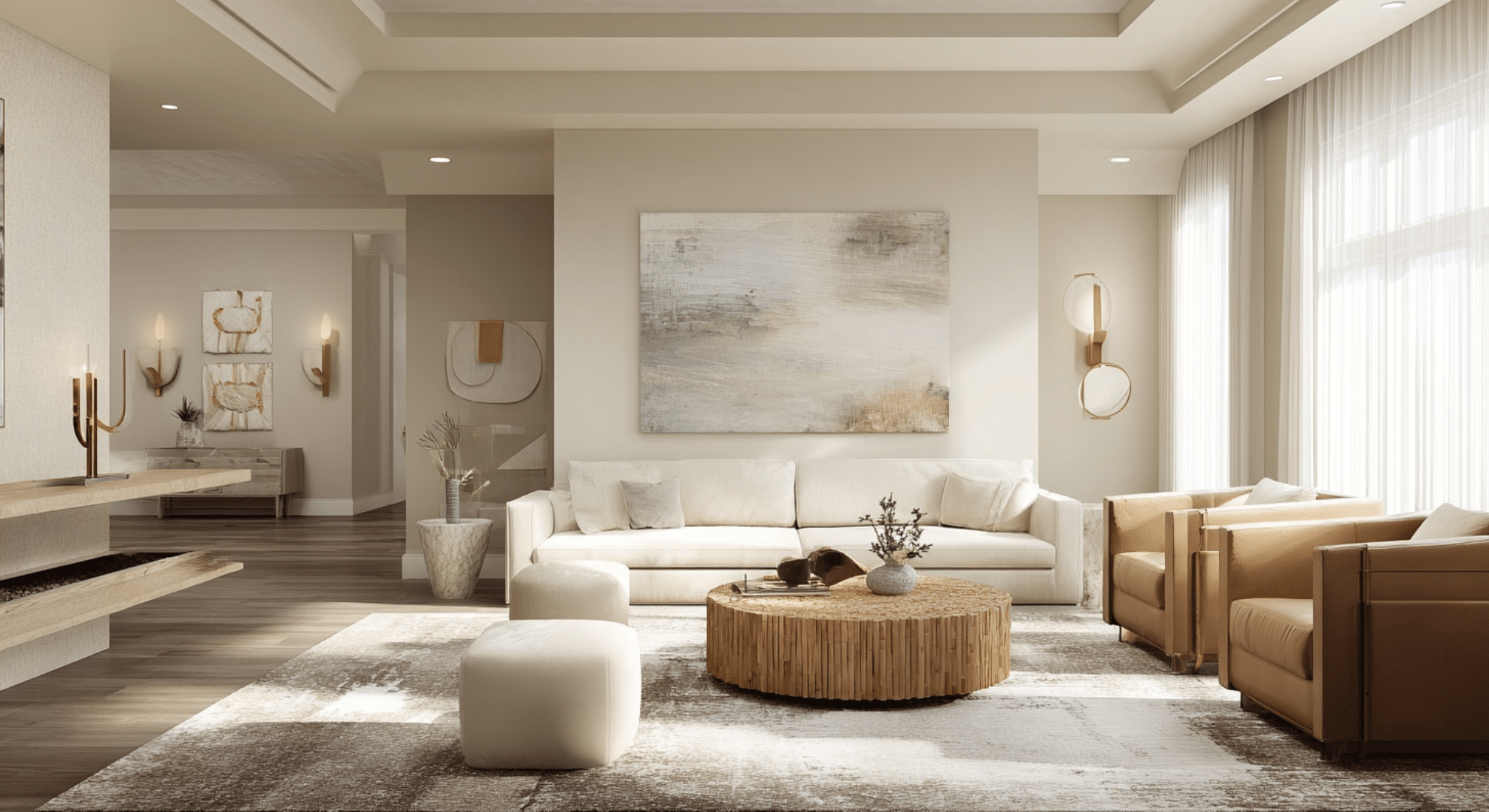
Use warm neutral tones like tan, cream, soft gray, and light brown to create flow.
This kind of palette keeps an open layout, feeling soft and natural. You can layer different textures like woven rugs, soft throws, and wood accents to add depth without adding visual clutter.
38. Light Wood–Focused Open Layout
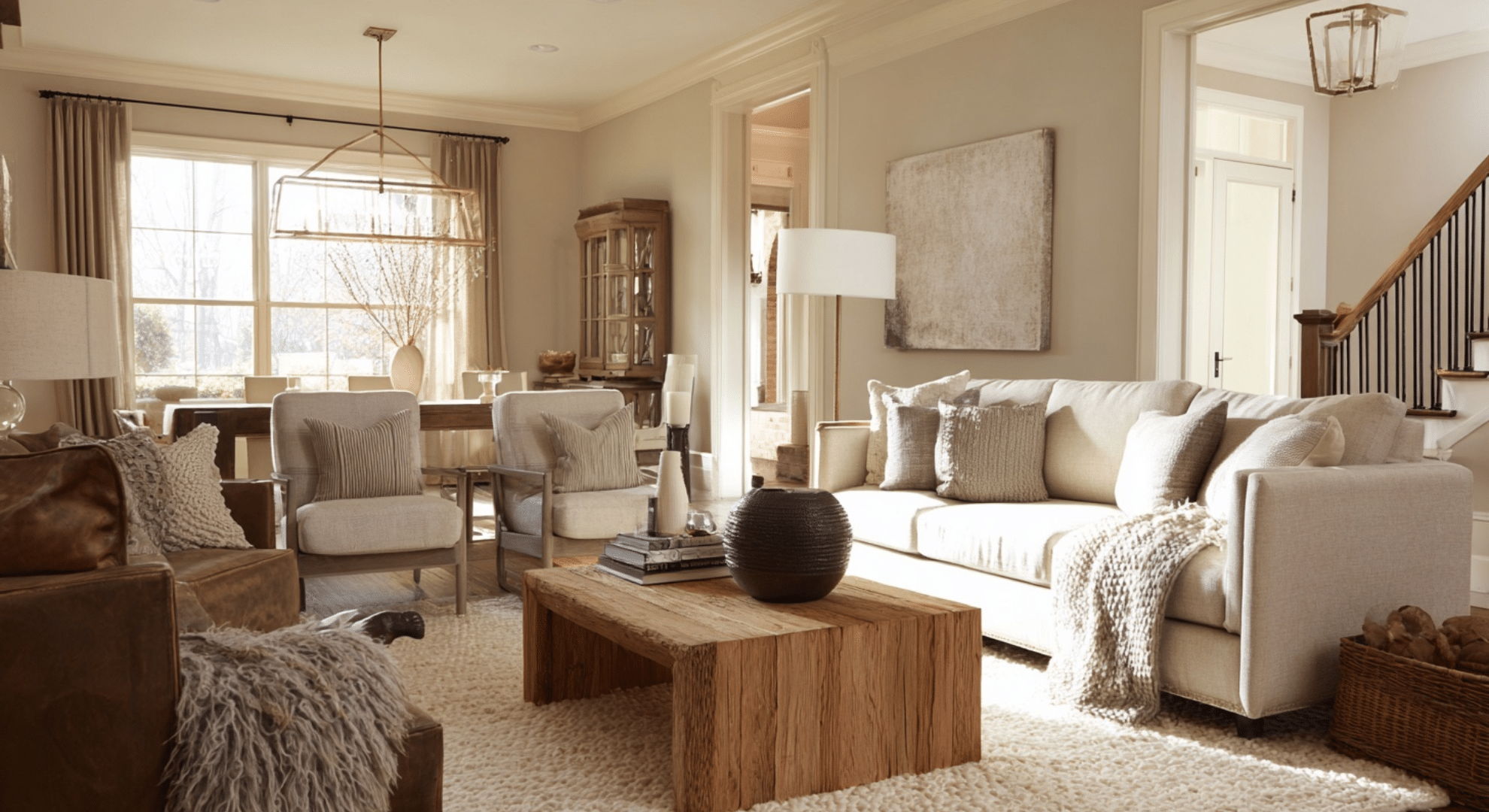
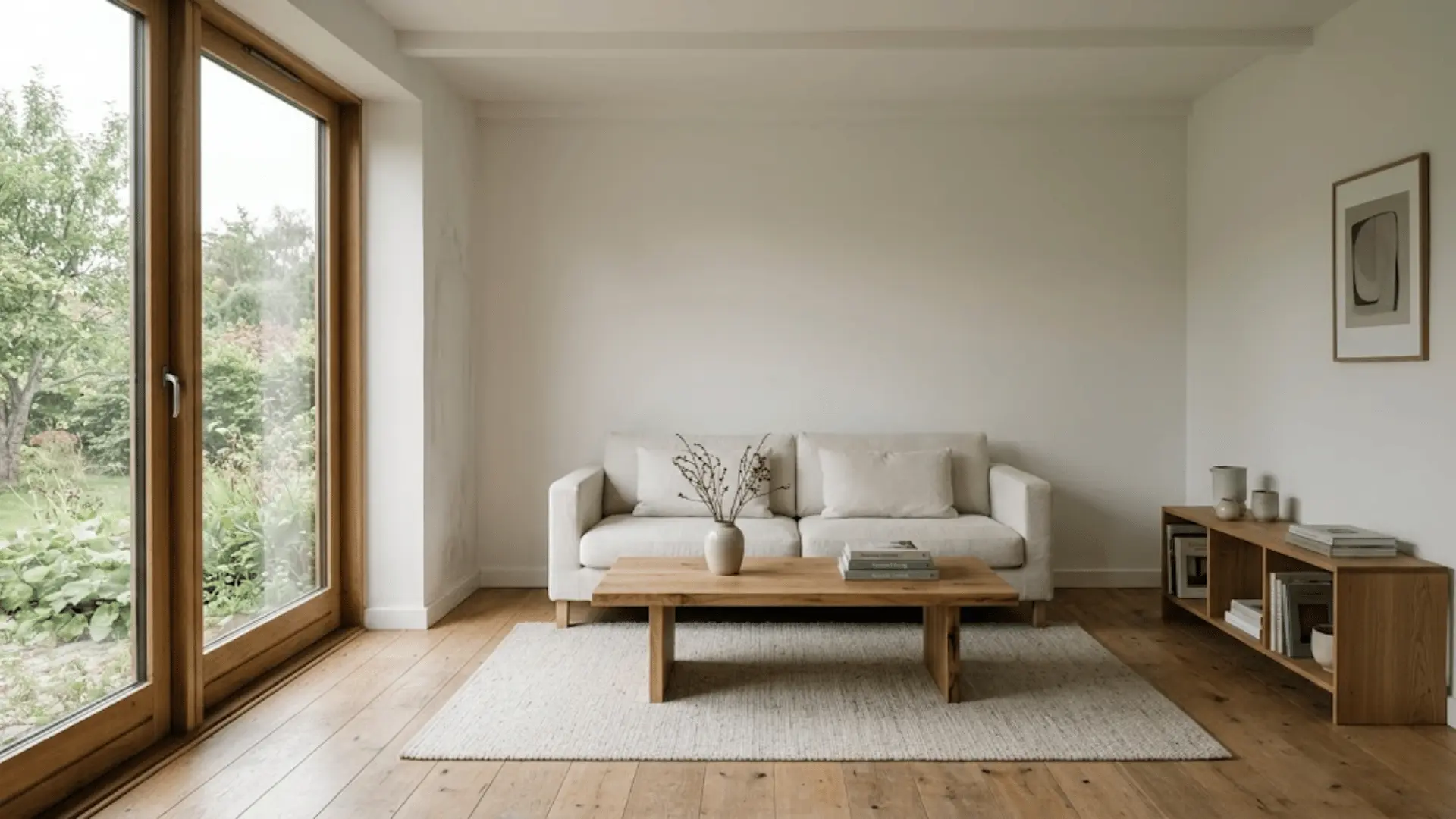
Using light wood throughout your floors, furniture, and accents helps tie all zones together. It works well with Scandinavian, casual, or minimal styles.
Keep walls light and clean, and add a few black or metal accents for contrast. The result is a bright, airy space that feels clean without being cold.
Problem-Solving Ideas Most Blogs Miss
Some open floor plan problems don’t get talked about enough.
It’s not just about style, it’s also about how the space feels and functions every day. These ideas help you fix the most common pain points:
39. Noise-Reducing Open Floor Plan Setup
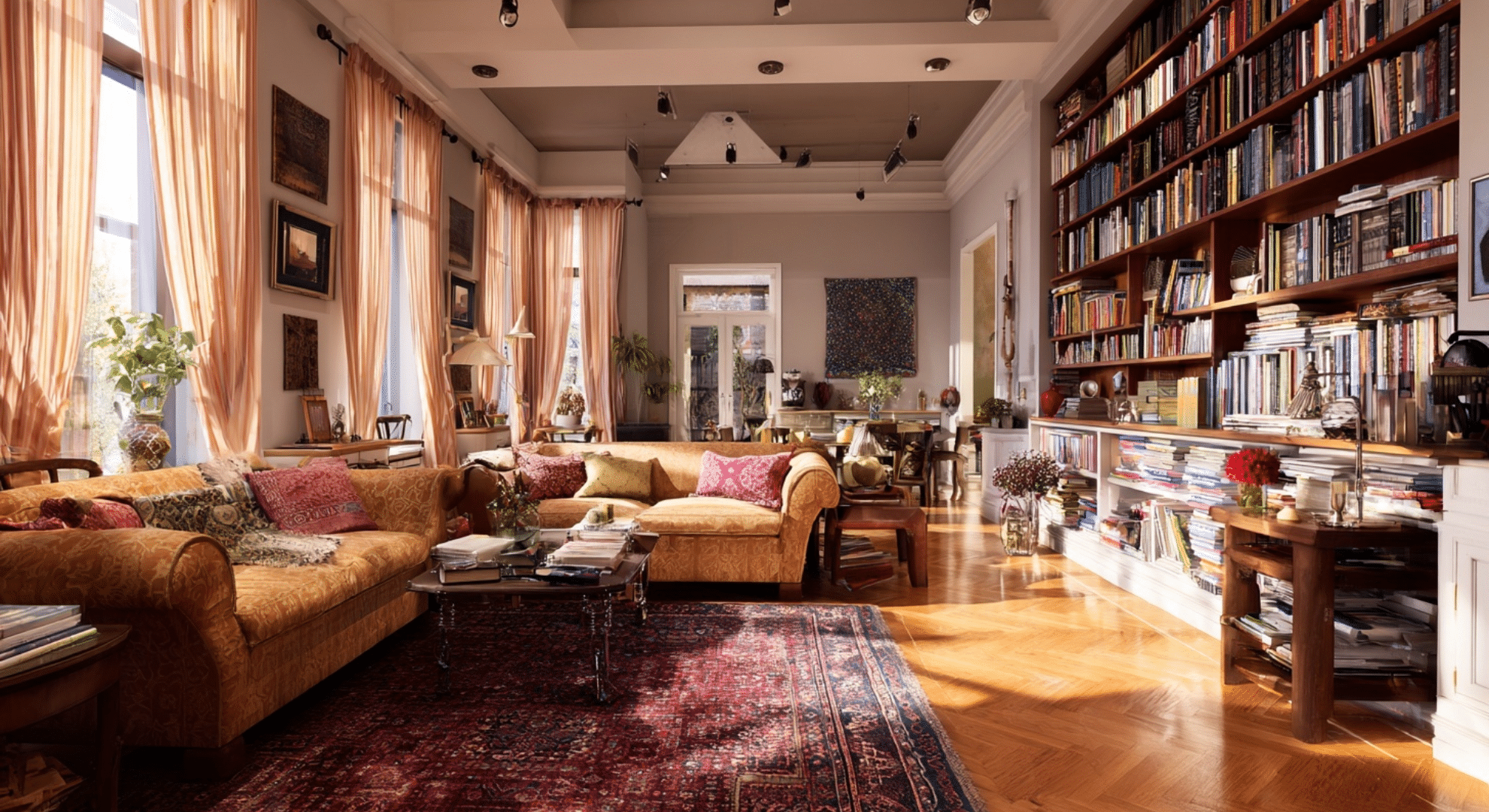
Open layouts can be noisy. Sound bounces off hard surfaces and travels fast.
Try adding soft materials like rugs, curtains, and upholstered furniture to help soak up noise. Bookshelves, room dividers, or fabric wall hangings can also help reduce echo without closing things off.
40. Storage-Focused Open Layout Design
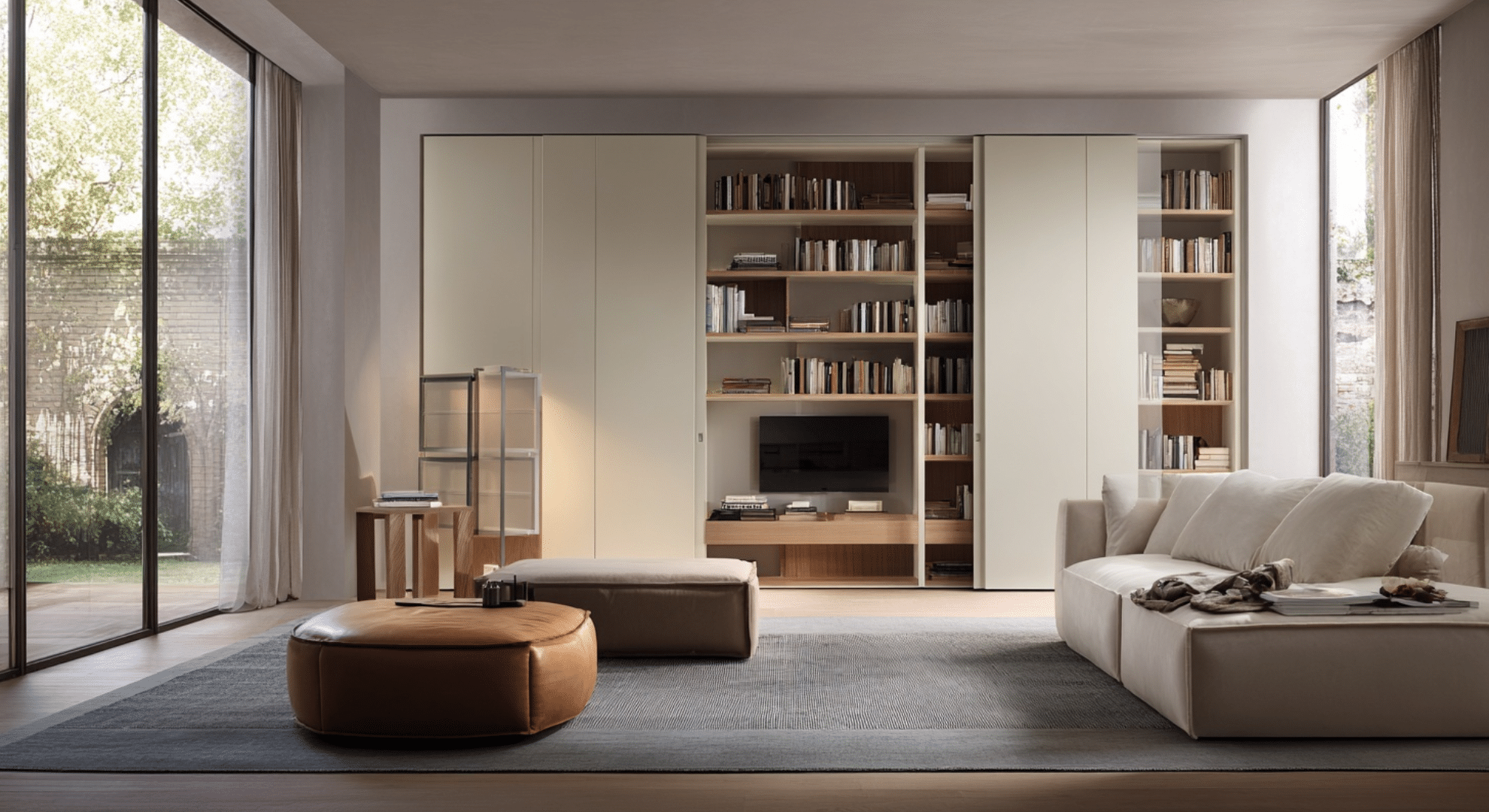
Open plans often mean fewer walls, which can also mean less storage.
Use smart furniture like storage ottomans, sideboards, and benches with hidden space. Add floating shelves or built-ins where possible. Closed storage keeps clutter out of sight, so your open plan doesn’t start to feel messy.
41. Open Concept Floor Plans That Still Feel Private
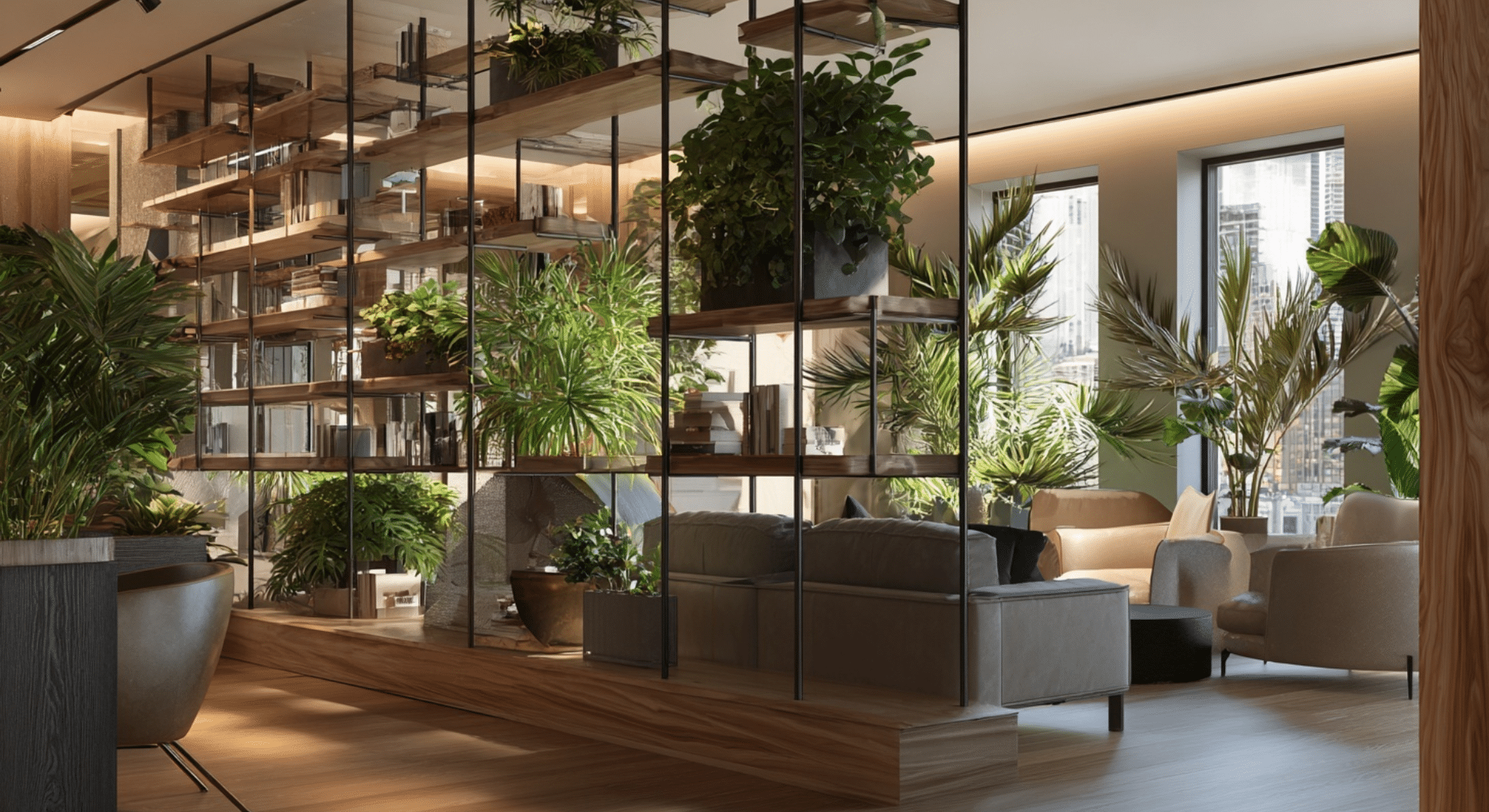
Just because it’s open doesn’t mean it can’t feel private and cozy. Use tall plants, folding screens, or shelf dividers to add a little separation. You can also turn furniture slightly inward to give each zone its own feel.
Add curtains or sliding panels if you need more privacy in spots like a work-from-home zone or guest bed nook.
How to Choose the Right Ideas for Your Open Floor Plan
With so many open floor plan ideas out there, it’s easy to feel stuck. What works in one home might not work in yours—and that’s okay. The trick is to match ideas to your room’s size, shape, and how you live.
A small space might need fewer zones and lighter furniture. A large room might need bigger rugs or extra seating areas. Just because something looks good in a photo doesn’t mean it fits your space.
Before you commit, test things out.
Use painter’s tape to mark rug sizes or furniture spots. Try moving pieces around for a day or two. See how the room feels before making big changes.
This way, you don’t waste time or money and your layout will work for real life, not just for looks. It’s all about finding what works for you, not copying someone else’s setup.
Are Open Floor Plans Still Popular Today?
Yes; but with a twist.
Open floor plans are still popular, especially in newer homes and remodels.
They make small spaces feel bigger, bring in more light, and help people feel connected. If you like to cook and still talk to others, or keep an eye on kids while working or relaxing, open layouts still make sense.
But not everyone loves them the same way anymore.
Some homeowners are rethinking open concepts. They miss having quiet areas or separate rooms for work, study, or rest. During the past few years, more people have worked from home, so privacy matters more now.
That said, many of the complaints come from bad layout choices, not the open plan itself. A smart setup with clear zones, noise control, and a little separation can fix most of the issues. When planned well, open floor plans can still be both useful and comfortable today.
Common Mistakes People Make With Open Floor Plan Ideas
Open floor plans can be tricky. What looks simple at first can get messy fast if you don’t plan things out.
Some of the most common mistakes come from trying to do too much or not thinking through how the space should really work. Here are mistakes to watch out for:
- Using too many layout ideas at once and crowding the space
- Mixing furniture styles or setups that clash with each other
- Choosing oversized furniture that overwhelms the room
- Picking rugs that are too small for the zone they’re in
- Forgetting to leave walkways and clear paths between zones
- Letting every wall and corner fill up with decor or furniture
- Not using lighting to separate areas or set a mood
- Treating the whole space like one big room with no purpose
Avoiding these mistakes helps your open floor plan feel natural, clear, and easy to use every day. A little planning goes a long way.
Final Thoughts
Sometimes, all it takes is one fresh idea to see your home differently. That’s what happened when I tried out a few open floor plan ideas, spaces that once felt cramped started to feel calm and connected.
You’ve seen how small layout choices can shift the whole feel of a room. Now it’s your turn to shape your space in a way that works for you and the way you live.
Keep things simple. Let the rooms breathe. Let people move easily.
And if this got you thinking, there’s more to check out. Keep checking out other blogs for easy tips and real ideas that can help you build a home that finally feels right!