Picking the right kitchen cabinets is honestly one of the most exciting parts of designing a kitchen.
The shape, the finish, the detailing all add up to a feeling.
Some kitchens call for something warm and handcrafted, others lean into sharp lines and a gallery-like stillness. Cabinet styles carry that personality, and there are so many worth knowing about.
Scroll through, find what speaks to you, and let that be your starting point.
How Cabinet Types and Styles Differ?
When people talk about cabinets, “types” and “styles” often get used interchangeably, but they actually mean different things.
Cabinet types refer to structure, such as how they’re built, where they’re placed, and how much customization they offer.
Cabinet styles, on the other hand, are all about aesthetics, the door design, finish, and detailing that give your kitchen its personality.
One decision shapes your storage and budget, the other shapes your visual story. Getting both right is what makes a kitchen feel as functional as it looks beautiful.
The Only Cabinet Style Roundup You’ll Ever Need
Cabinet styles set the visual mood, while cabinet types determine how they’re built and how well they work for your space.
Knowing both helps you make a choice that feels just as good as it looks.
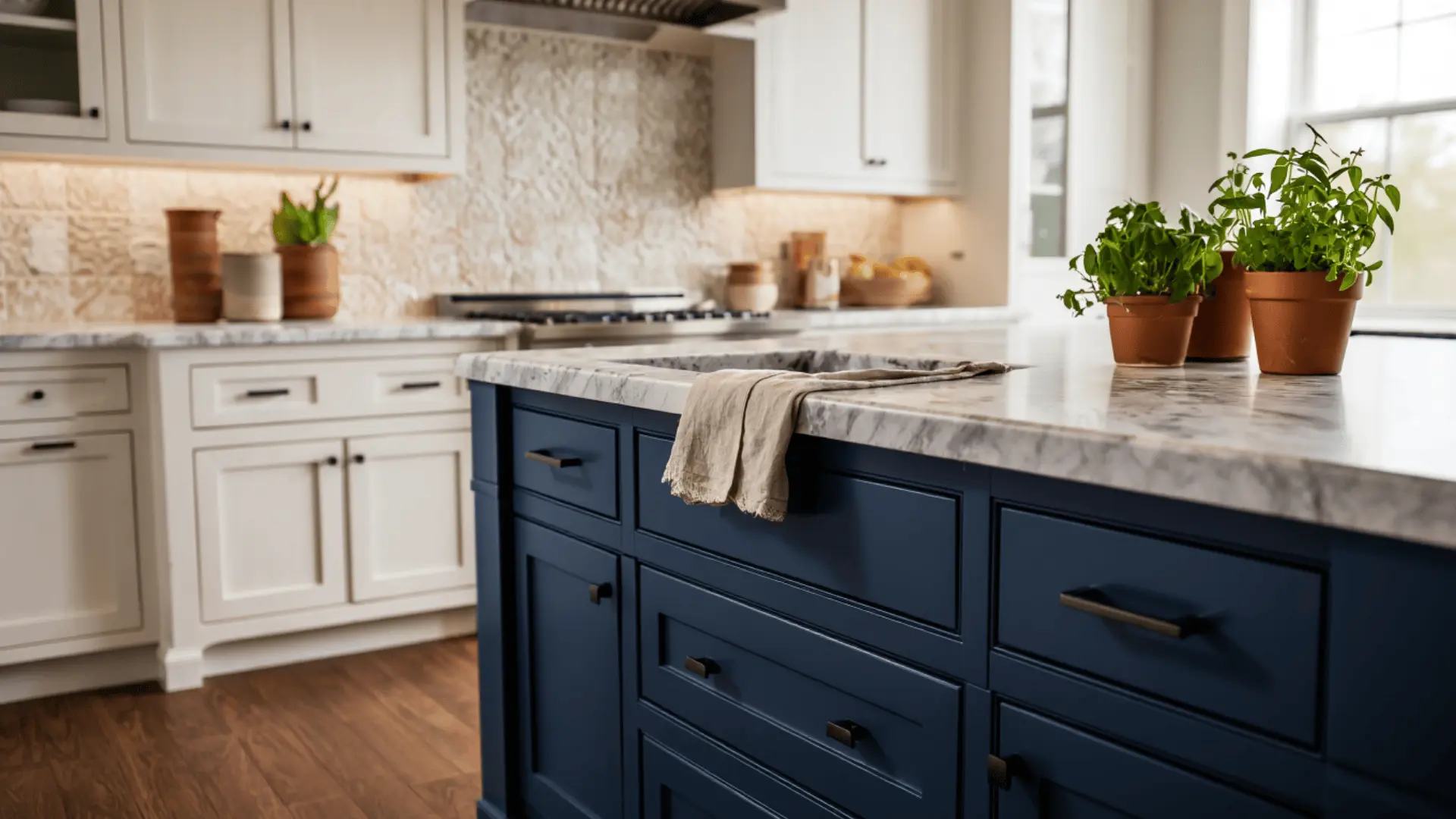
1. Shaker Cabinets
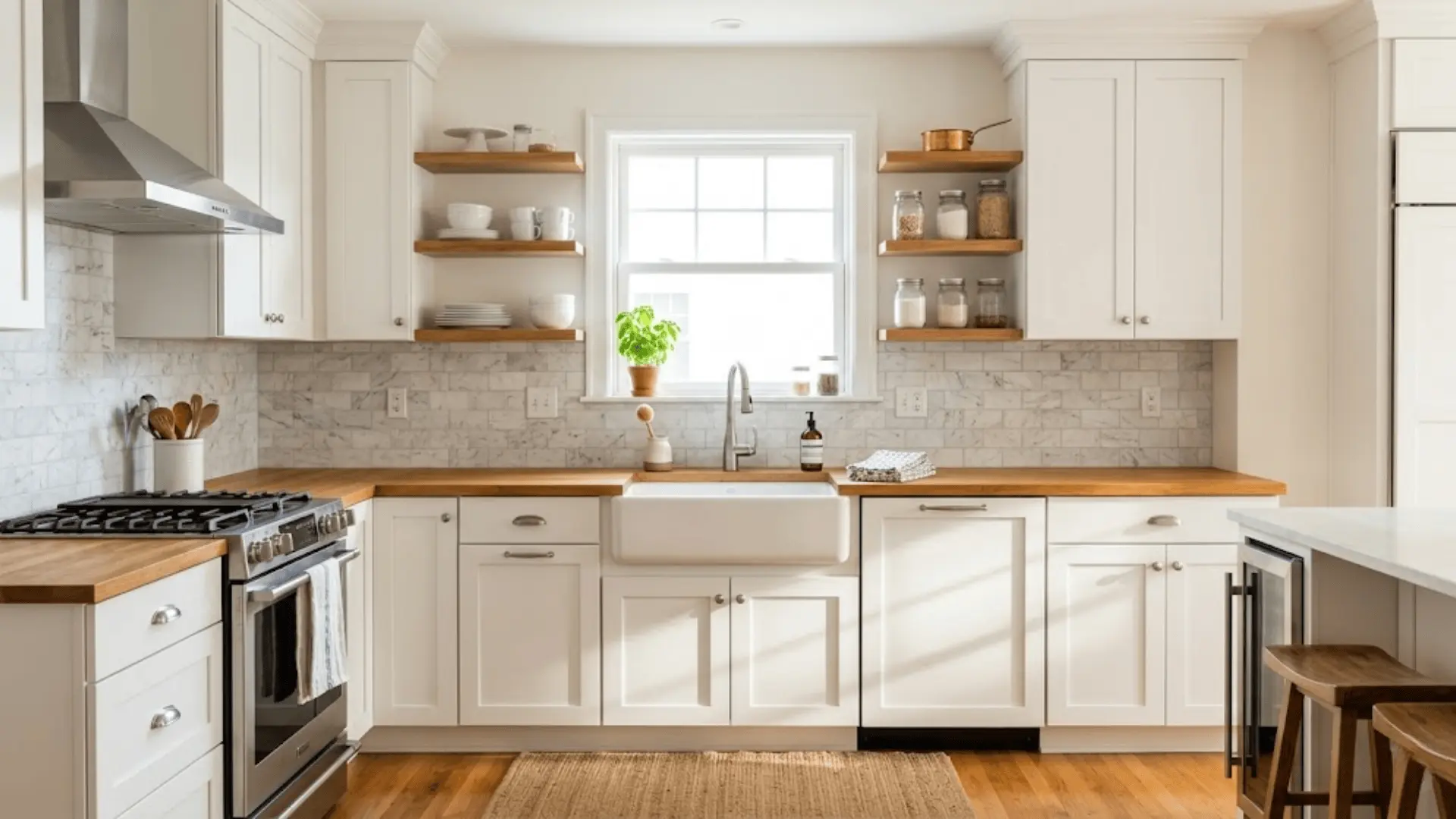
If there’s one cabinet style that never really goes out of fashion, it’s Shaker. Defined by a flat center panel and a clean, simple frame, Shaker cabinets have this quiet confidence about them.
They work beautifully in transitional, modern, and farmhouse kitchens alike. The reason they’re so widely loved in American homes is simple: they complement almost any aesthetic without trying too hard.
2. Flat-Panel Cabinets
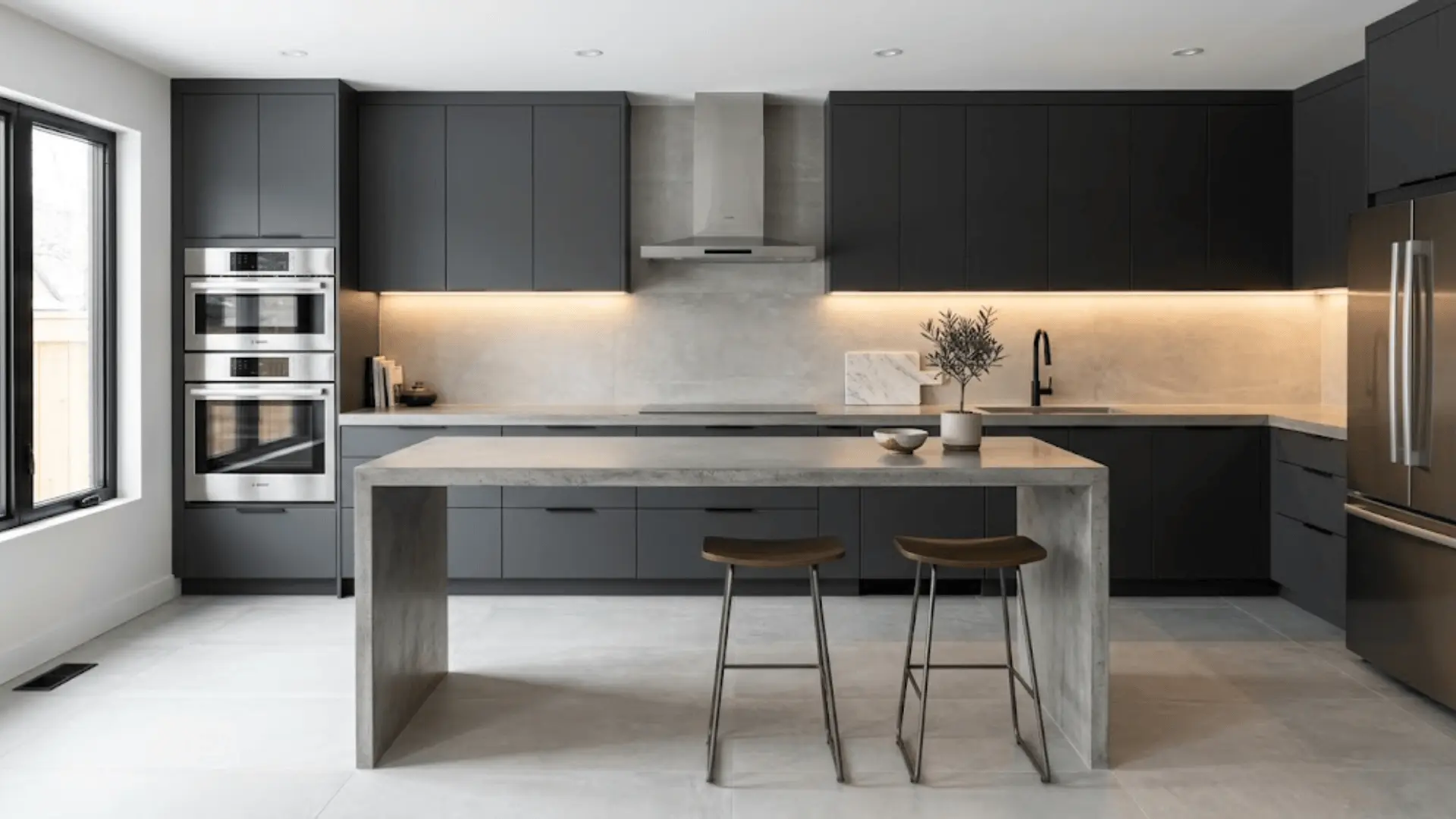
Flat-panel cabinets are exactly what they sound like: completely smooth, no detailing, no grooves, just a clean flat surface. They’re the go-to for modern and contemporary kitchens that lean into simplicity.
Beyond the look, they’re genuinely easy to maintain since there are no ridges collecting dust or grease. If your kitchen vision is sleek and uncluttered, slab cabinets deliver that effortlessly.
3. Raised Panel Cabinets
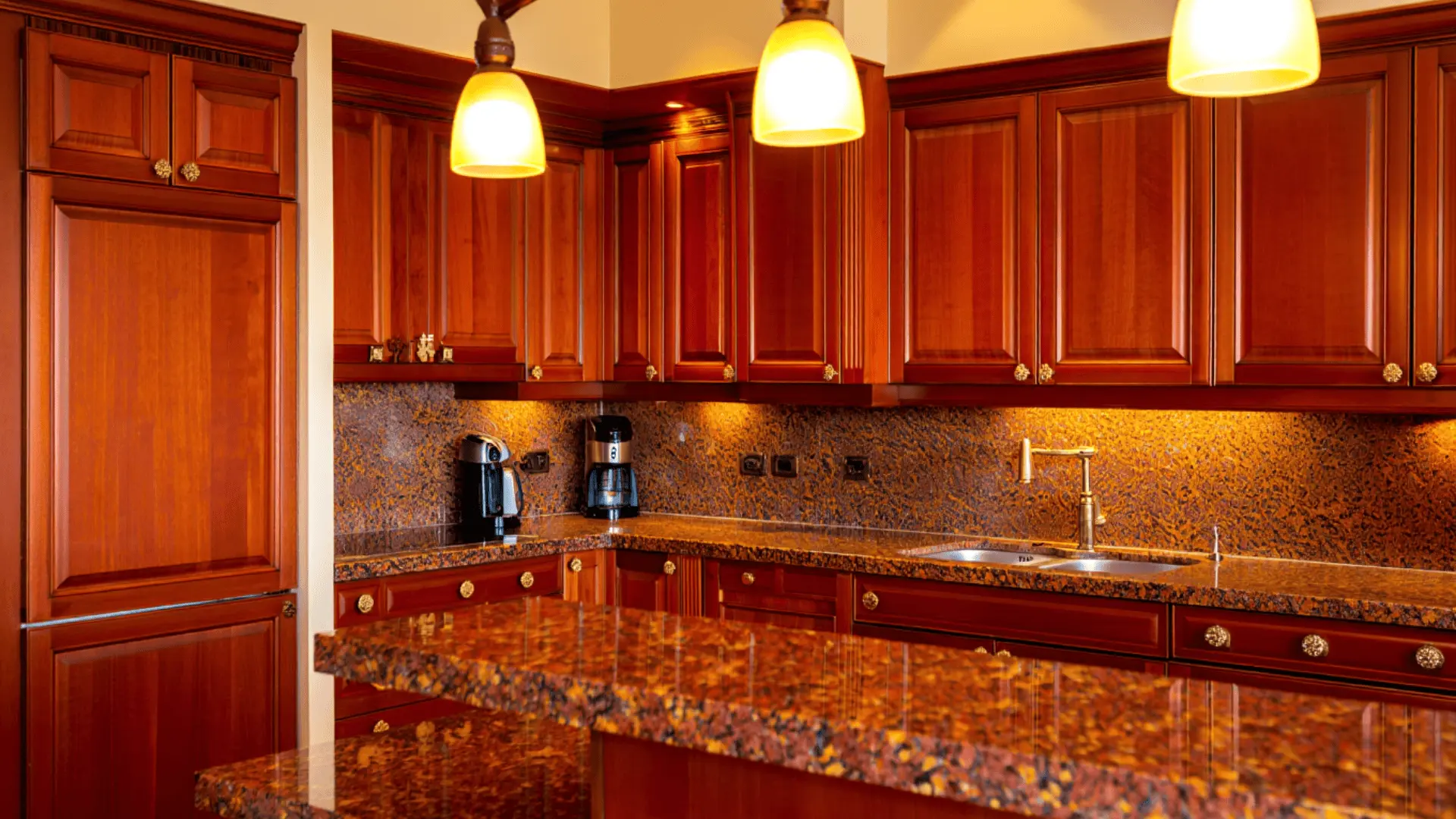
Raised panel cabinets bring a sense of depth and craftsmanship that feels distinctly traditional. The center panel sits slightly elevated above the surrounding frame, creating a dimensional, sculpted look.
They’re a natural fit for classic and formal kitchens where detail and richness matter. If your space leans ornate and classic, raised panel cabinets carry that story really well.
4. Inset Cabinets
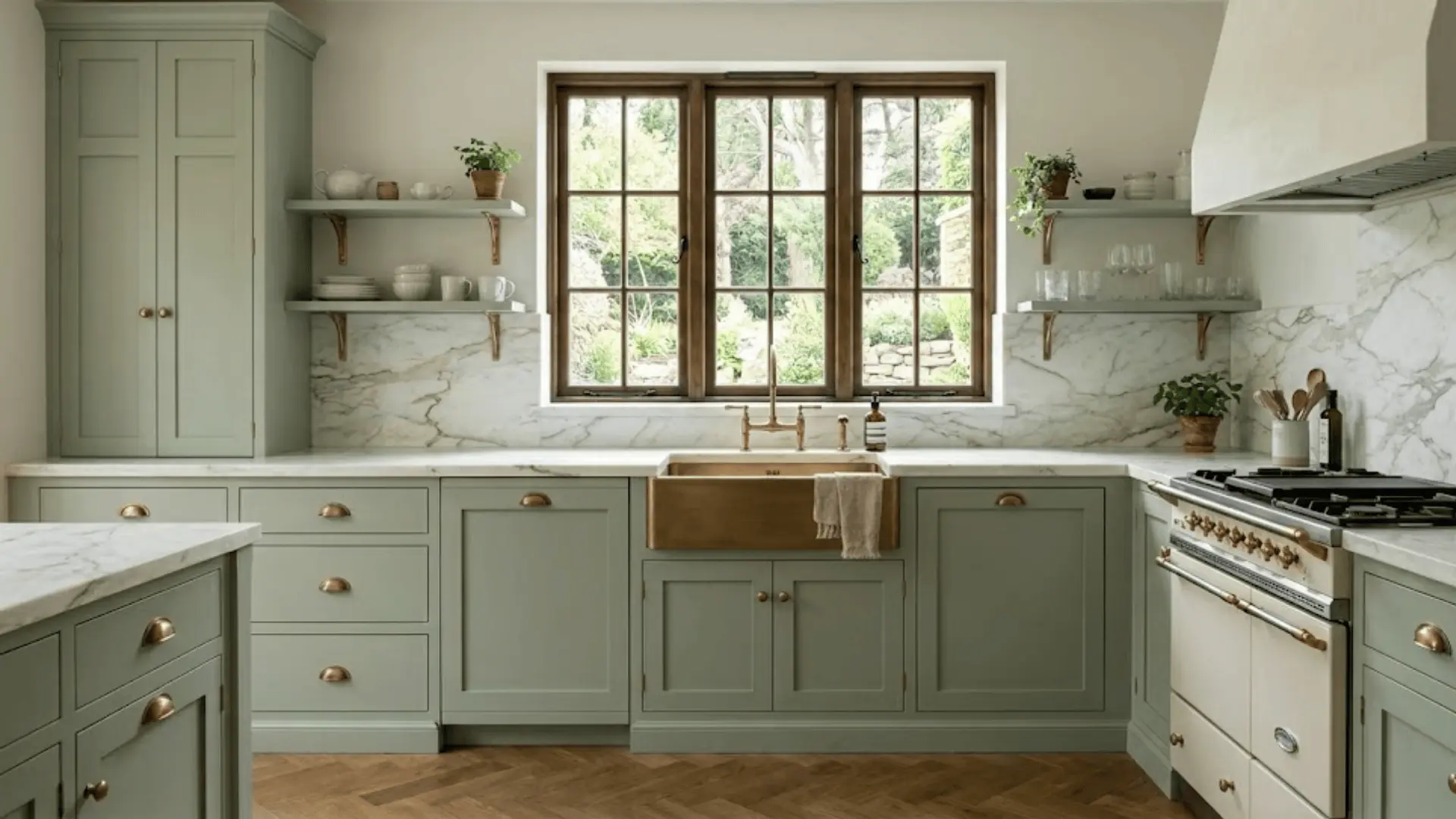
Inset cabinets have a tailored, almost furniture-like quality to them. The doors sit flush inside the cabinet frame rather than overlapping it, which creates an incredibly precise, refined finish.
They’re most common in high-end and custom kitchens, and for good reason. The craftsmanship required is more demanding, but the result is a look that feels genuinely bespoke.
5. Beadboard Cabinets
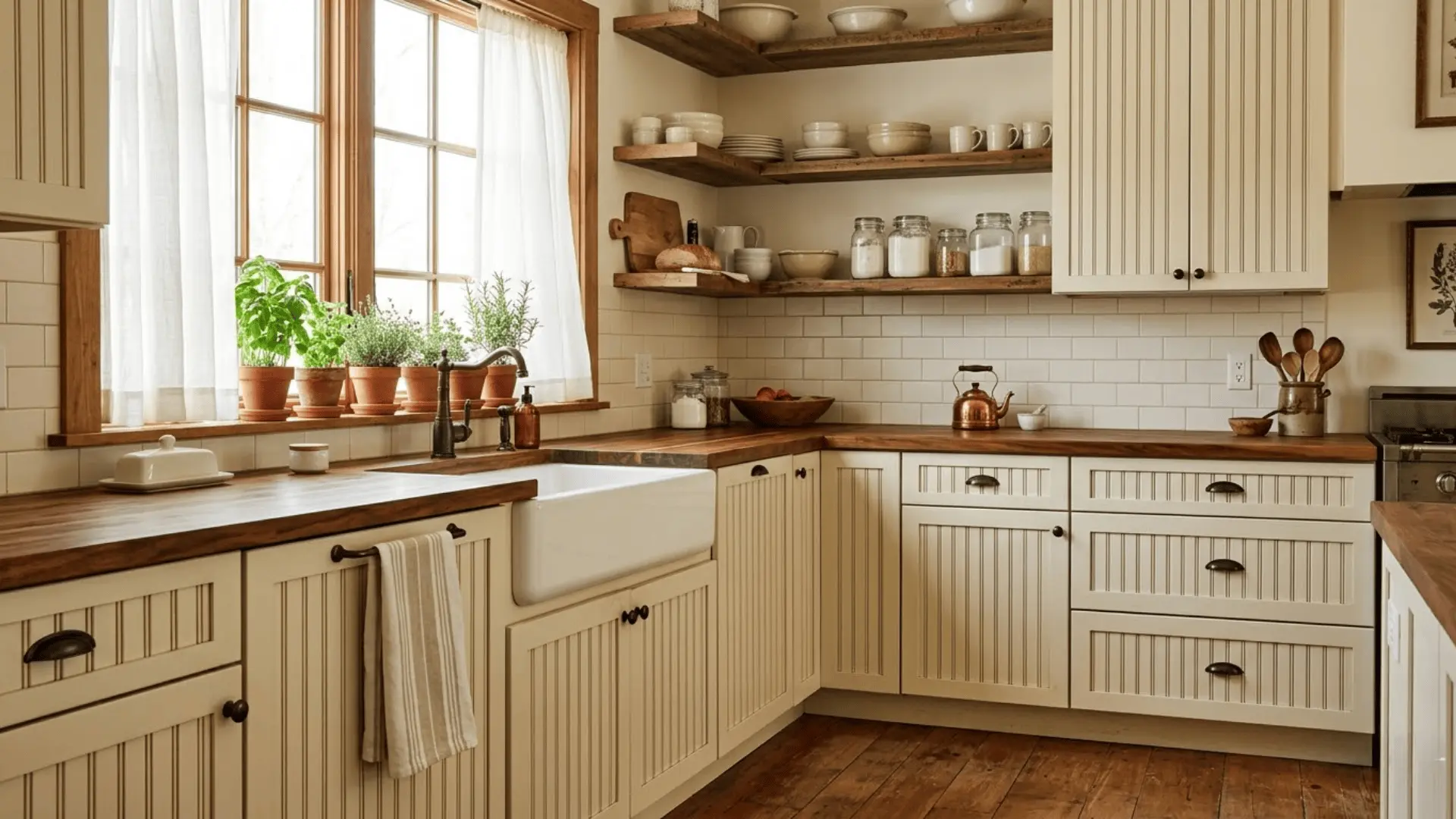
Beadboard cabinets bring texture and a laid-back cottage charm that feels warm and inviting. The vertical grooves running along the cabinet fronts add subtle visual interest without being loud about it.
They’re a natural fit for farmhouse and coastal kitchens where the goal is comfort over formality. Paired with soft paint tones, they can make a kitchen feel incredibly cozy.
6. Glass-Front Cabinets
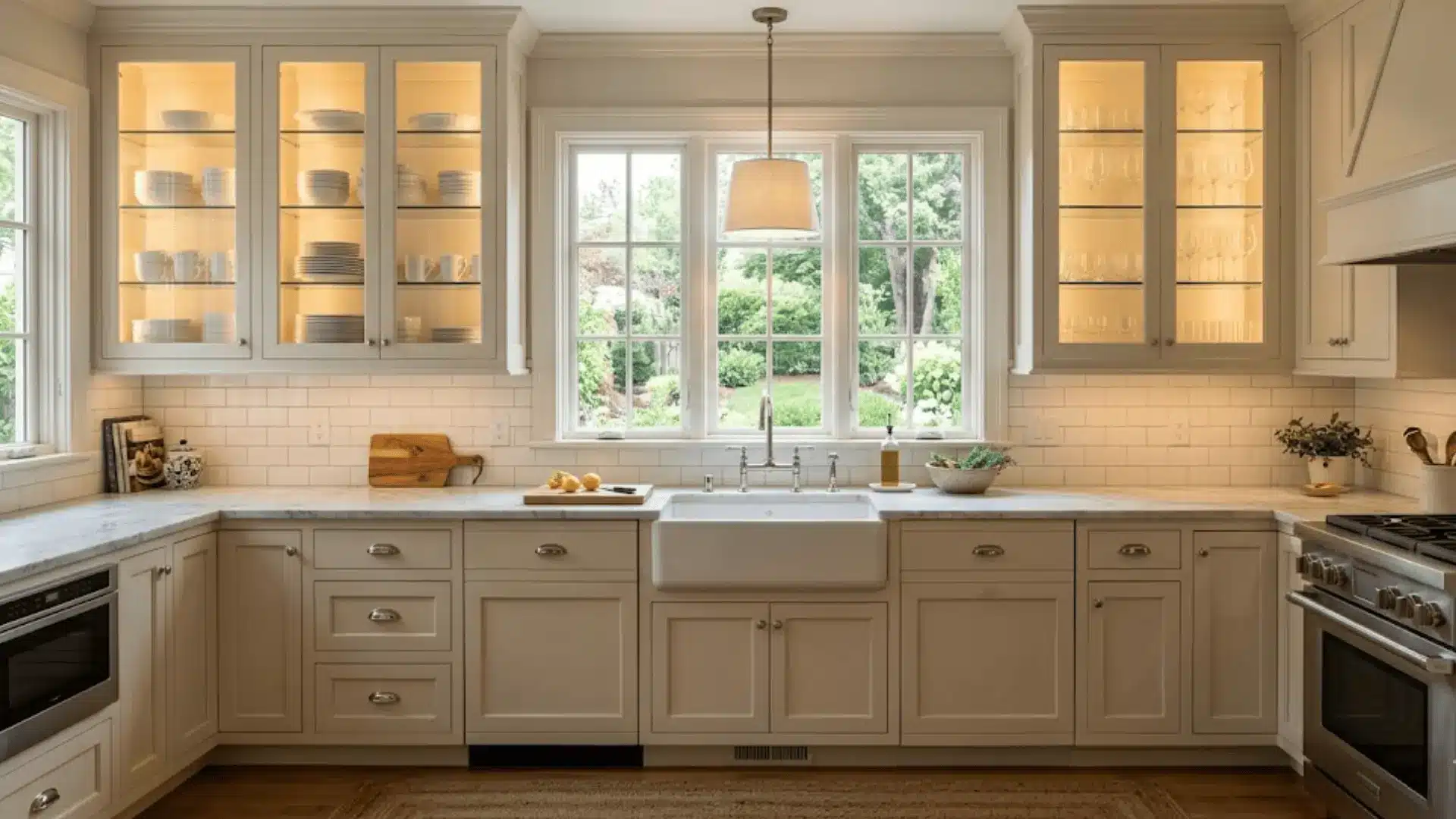
Glass-front cabinets are where storage meets display. The glass panels open up the visual space while giving you a chance to show off beautiful dishware, glassware, or curated décor.
They work especially well when you want a kitchen that feels a little lighter and less closed off. Even a few glass-front uppers mixed into a mostly solid cabinet layout can make a noticeable difference.
7. Louvered Cabinets
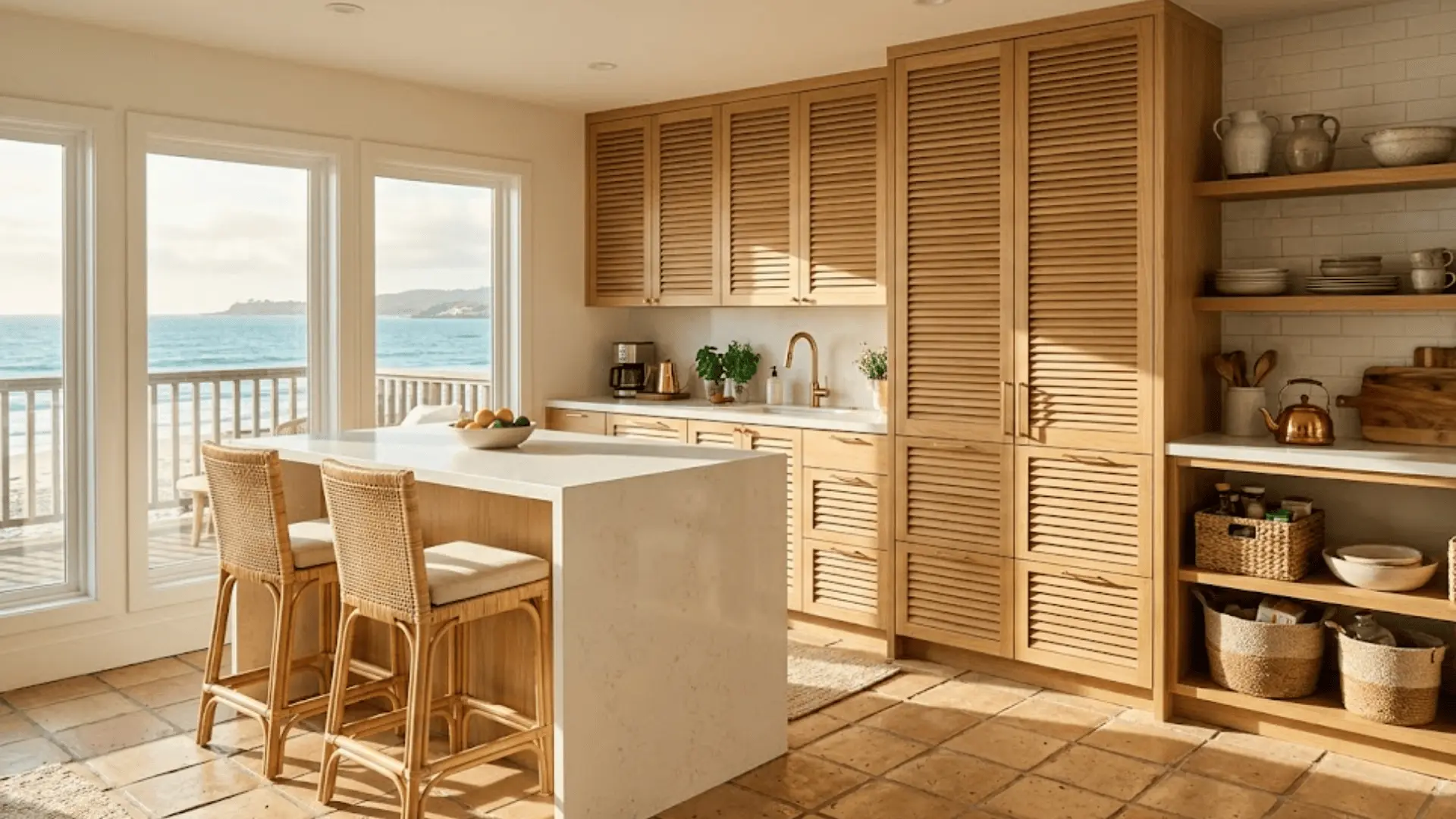
Louvered cabinets are a niche choice, but a memorable one. Inspired by window shutters, the horizontal slats add texture and allow airflow, making them practical for humid spaces or areas near appliances that generate heat.
Beyond function, they bring a relaxed, almost resort-like quality to a kitchen. They’re not for every space, but in the right setting, they’re quietly striking.
8. Distressed Cabinets
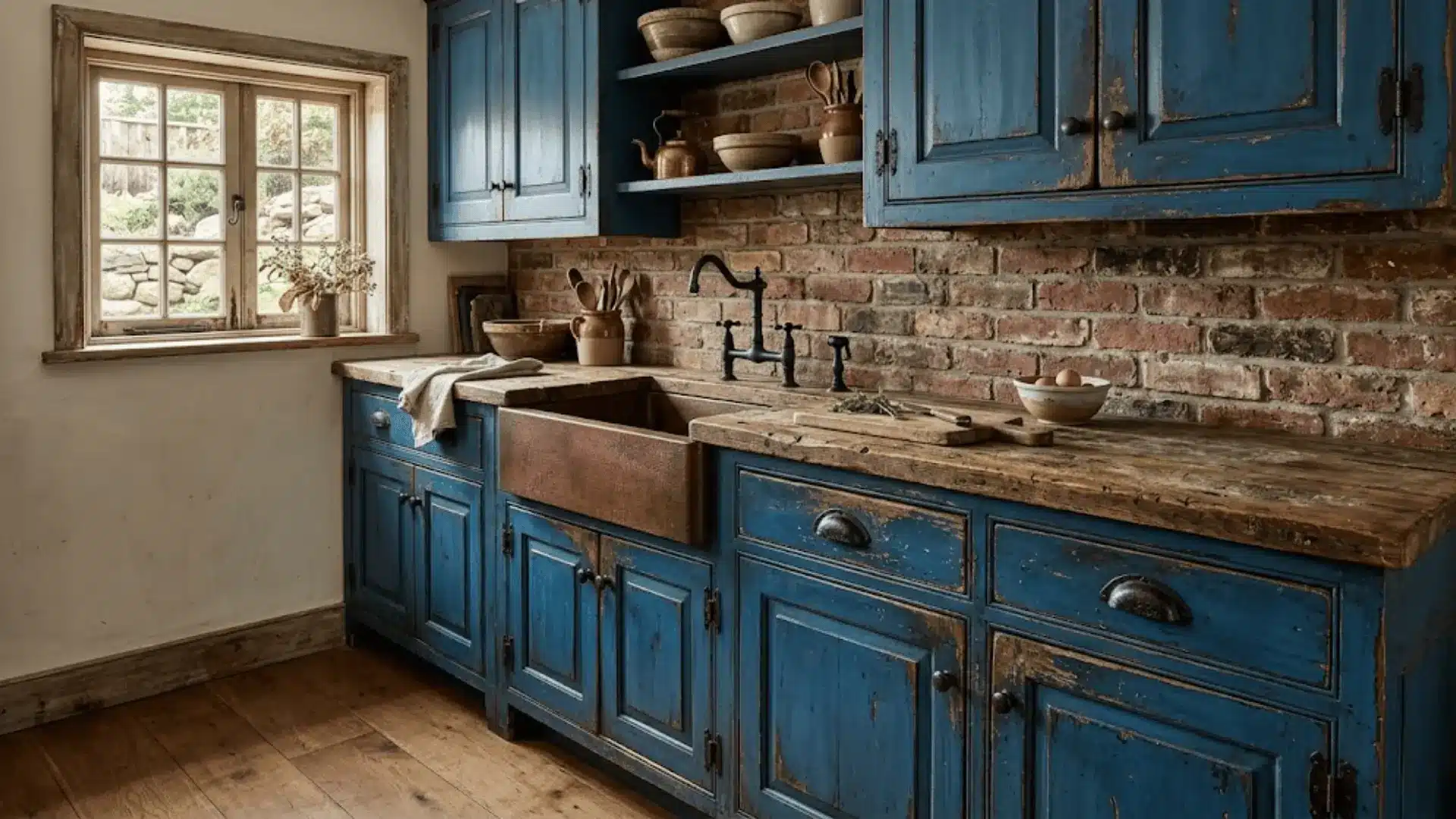
Distressed cabinets are designed to look like they’ve lived a little. The artificially aged, weathered finish gives them a vintage, antique quality that fits naturally into rustic and farmhouse kitchens.
Nicks, worn edges, and faded paint are all part of the appeal. It’s a style that makes a kitchen feel collected over time rather than all put together at once.
9. Open Shelving Cabinets
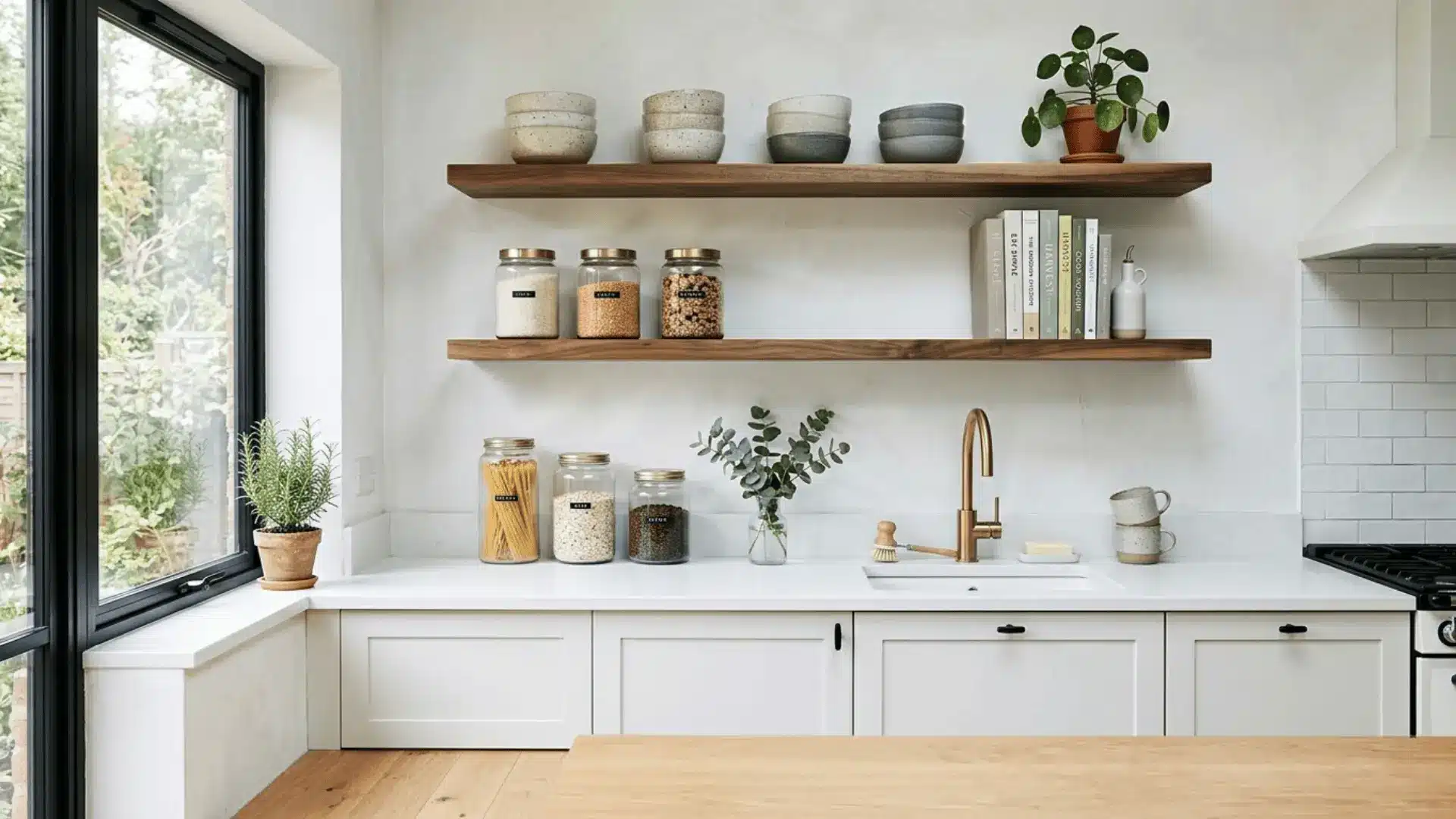
Open shelving throws out the door entirely, and somehow it works. The fully open, doorless design keeps the kitchen feeling airy and accessible, which is why it’s such a popular choice in modern and casual spaces.
It does ask you to stay a little more organized since everything is on display, but that’s also part of the charm. Styled well, open shelves can look incredibly intentional.
10. Floating Cabinets
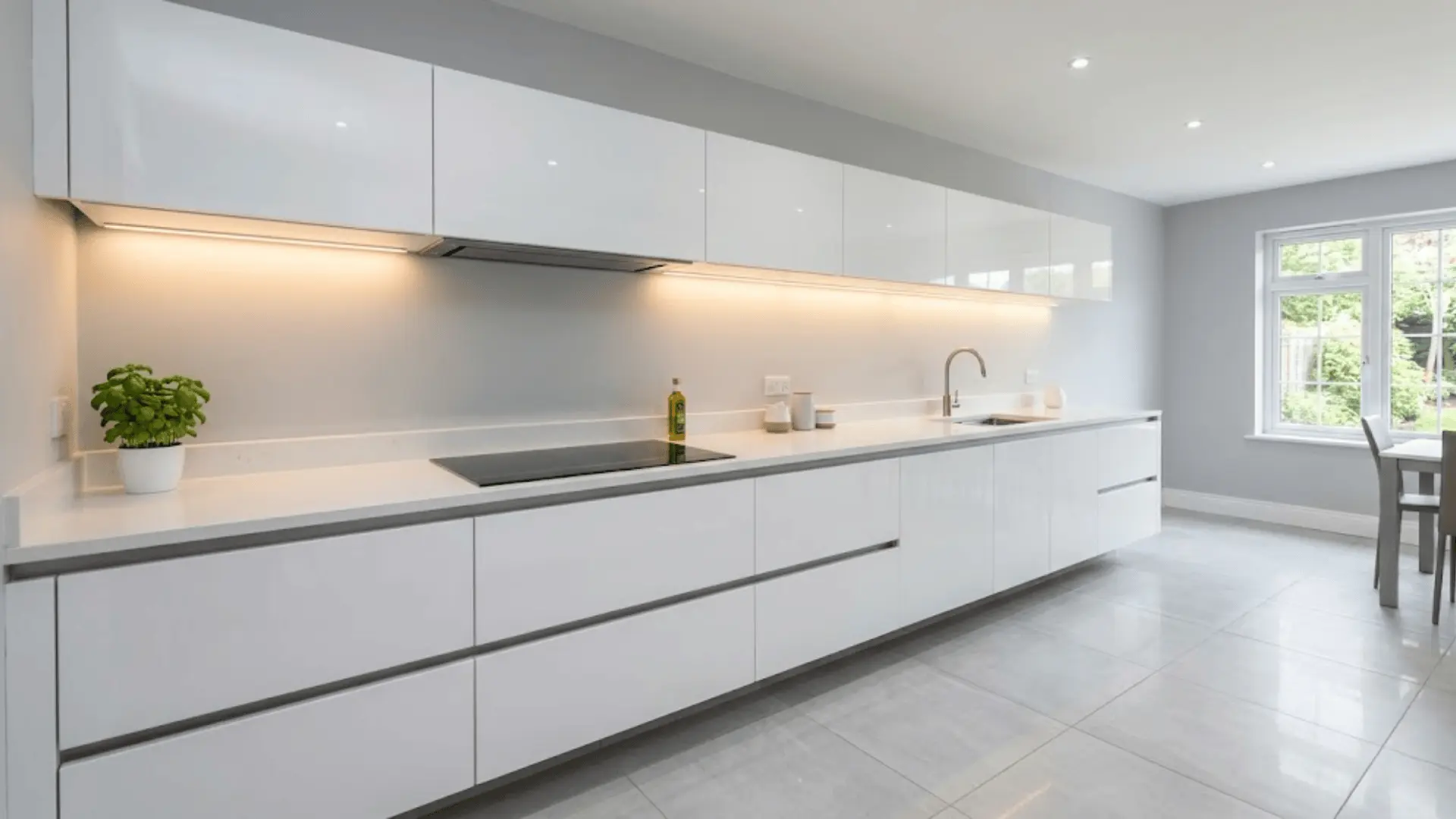
Floating cabinets are wall-mounted with no visible legs or supports, which gives them a clean, almost suspended appearance that makes a kitchen feel more spacious.
They’re a staple in contemporary kitchen design and work especially well in smaller spaces where visual lightness matters. The area beneath them can also be used for subtle lighting, adding a soft, layered glow to the room.
11. Frameless Cabinets
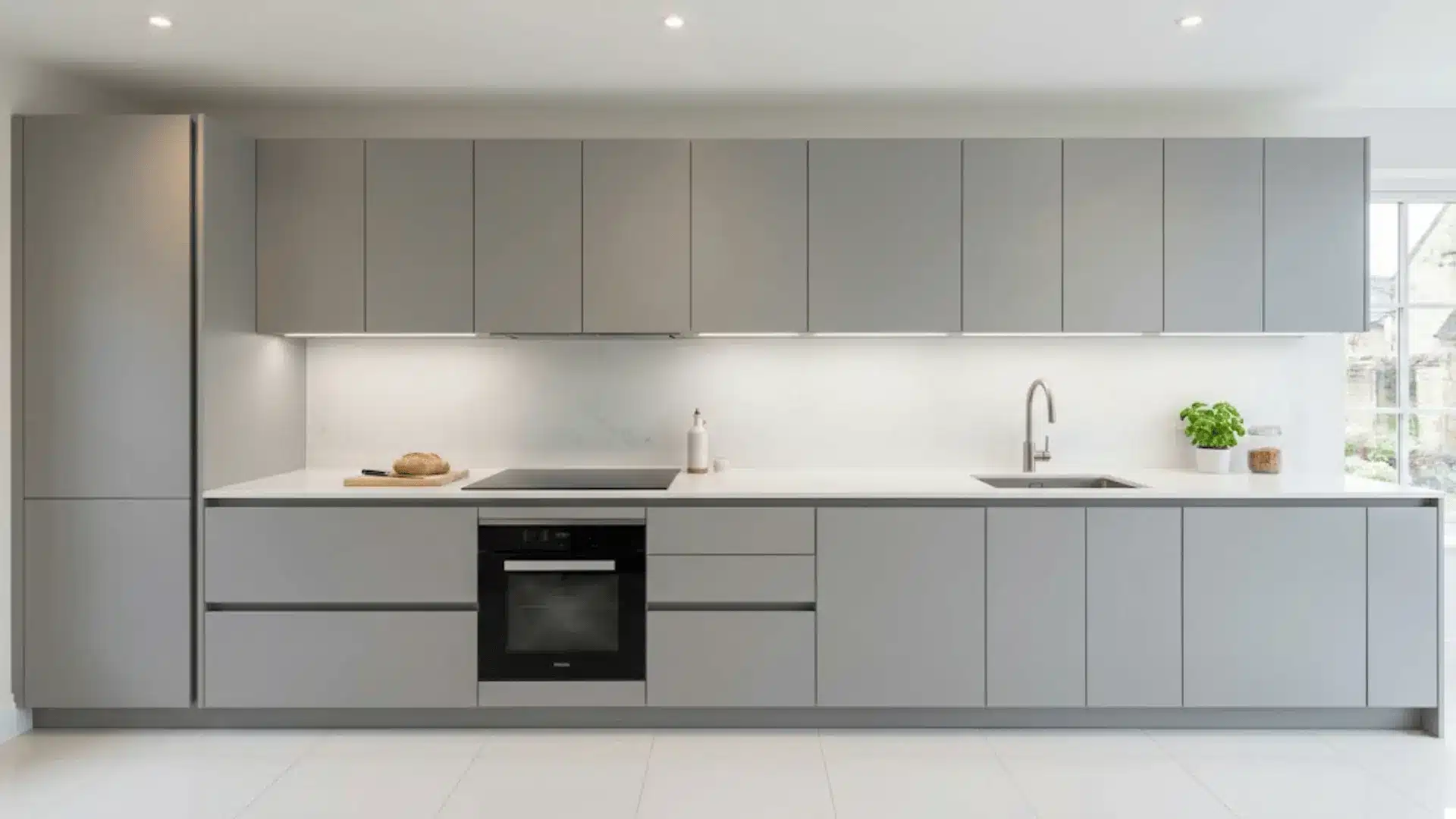
Frameless cabinets skip the face frame entirely, with doors attaching directly to the cabinet box for a flush, seamless look. This construction also means slightly more usable interior storage, which is a practical bonus.
Popular in modern and European-inspired kitchens, they have a clean, uninterrupted surface that pairs naturally with minimalist hardware or no hardware at all.
12. Framed Cabinets
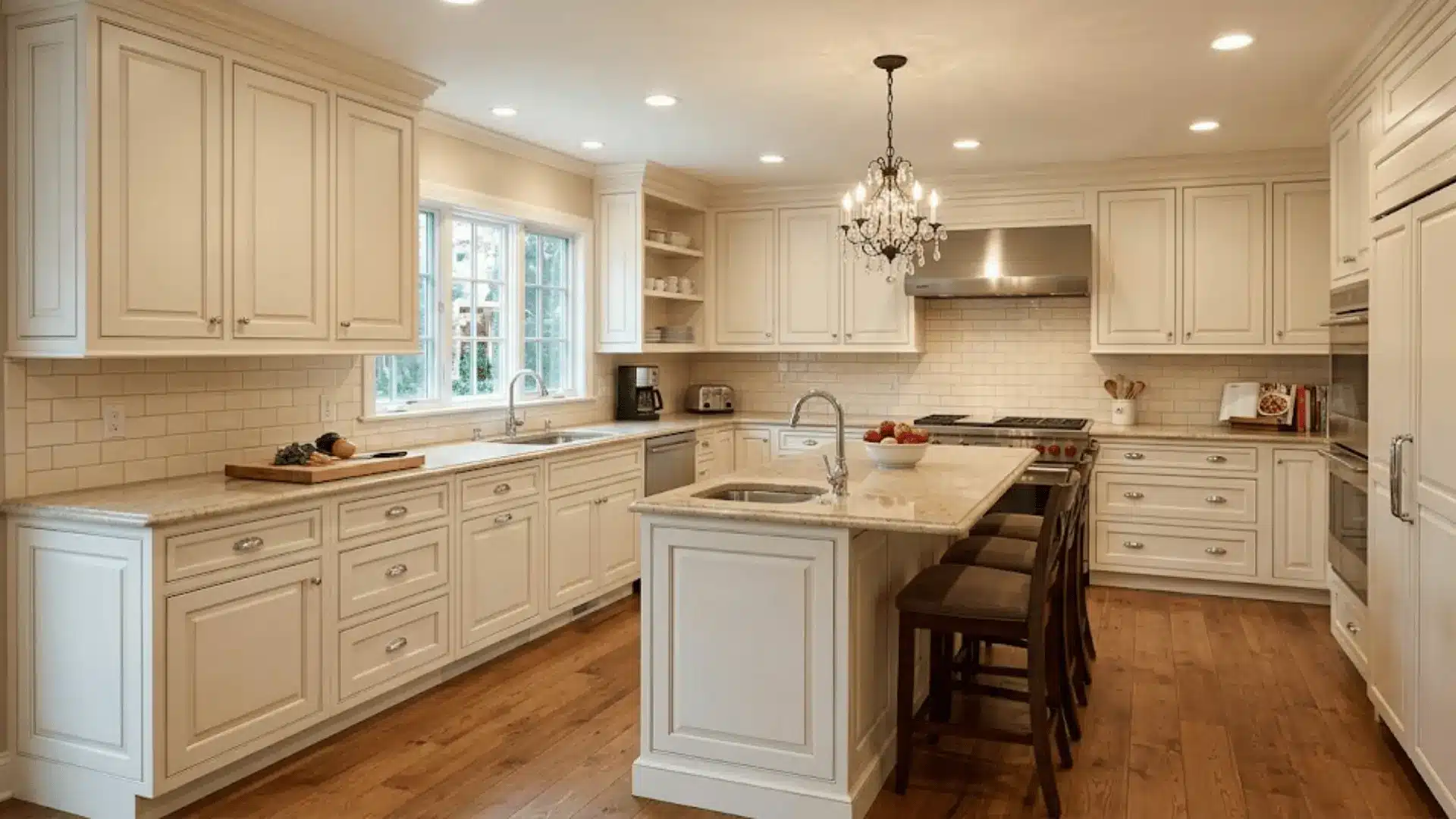
Framed cabinets are the classic American standard for good reason. The front frame adds structural strength and a traditional, familiar look that has been a kitchen staple for decades.
The frame creates a slightly more defined, furniture-like appearance compared to frameless construction. They’re versatile enough to work across many styles but feel most at home in traditional and transitional kitchens.
13. Custom Cabinets
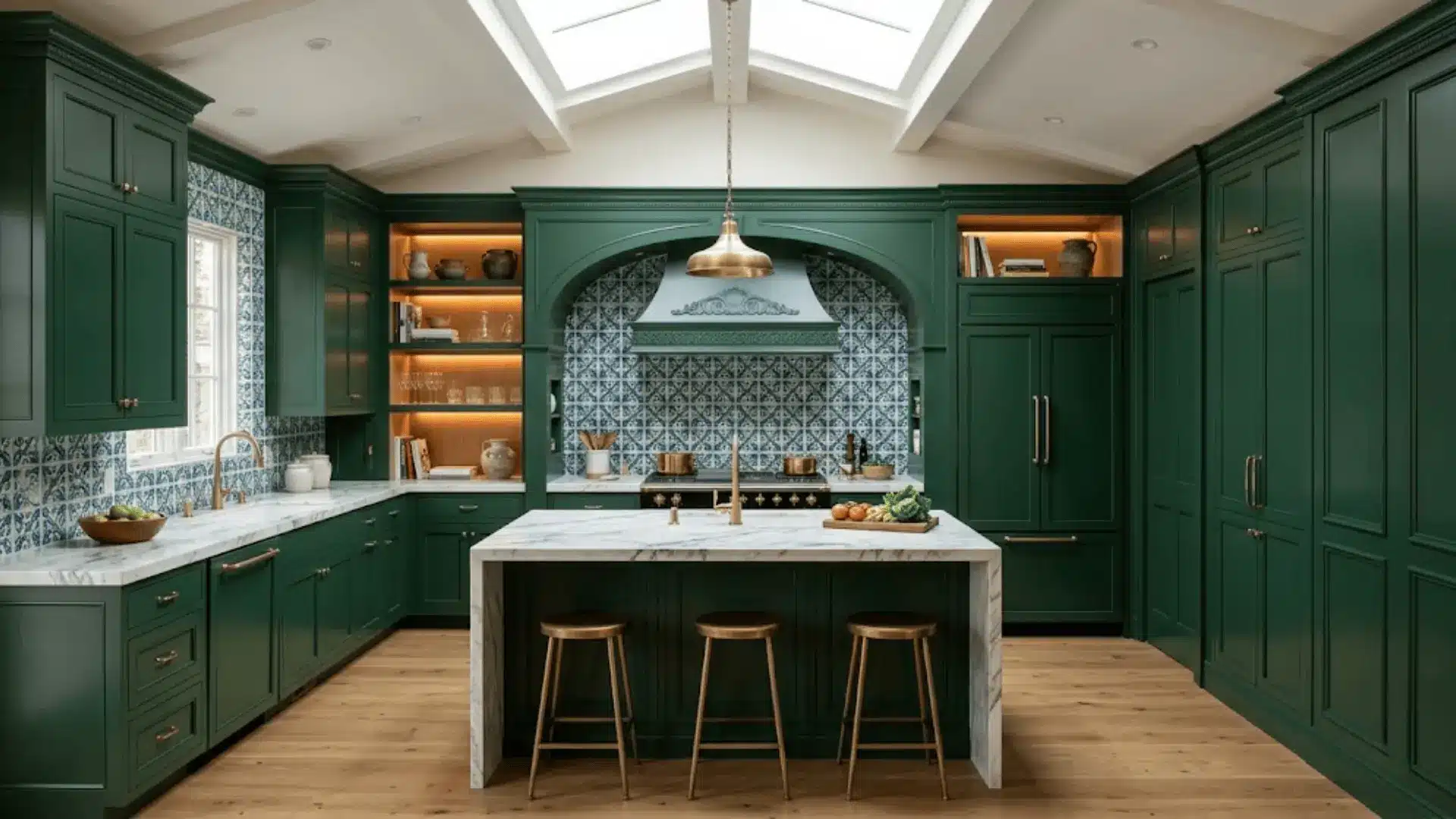
Custom cabinets are built entirely around your space, your needs, and your vision. Every dimension, finish, and feature is made to order, which means nothing is a compromise.
They handle unusual layouts, specific storage needs, and design visions that pre-made options simply can’t match. The investment is higher, but the fit is perfect in a way that off-the-shelf cabinets rarely are.
14. Semi-Custom Cabinets
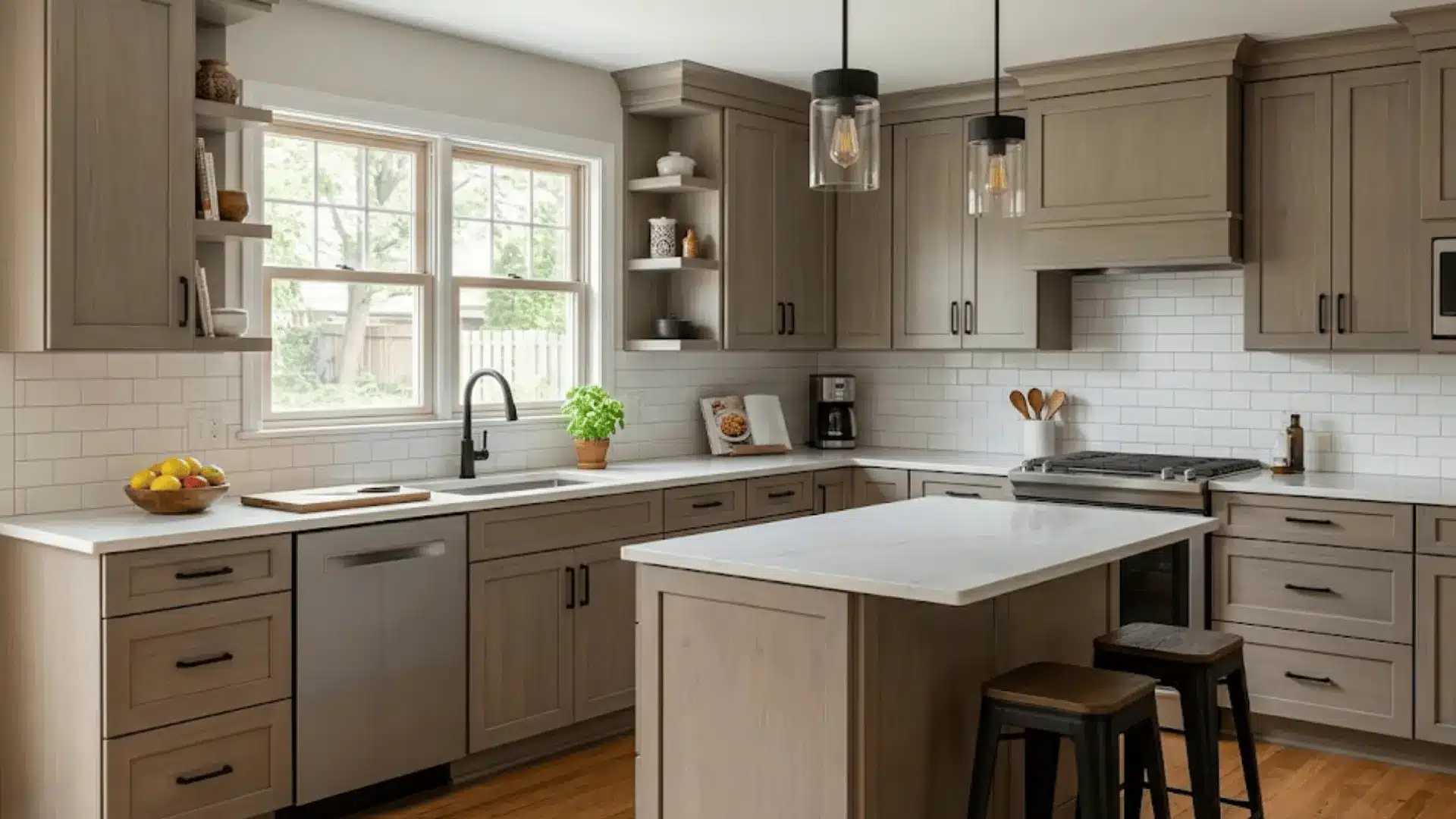
Semi-custom cabinets sit comfortably in the middle ground. You start with a pre-made base but have real flexibility in sizing, finishes, and interior features, which makes them a smart choice for mid-range kitchen upgrades.
You get more personality than stock cabinets without the full cost of going completely custom. For most homeowners, it’s a genuinely satisfying balance between budget and design.
15. Stock Cabinets
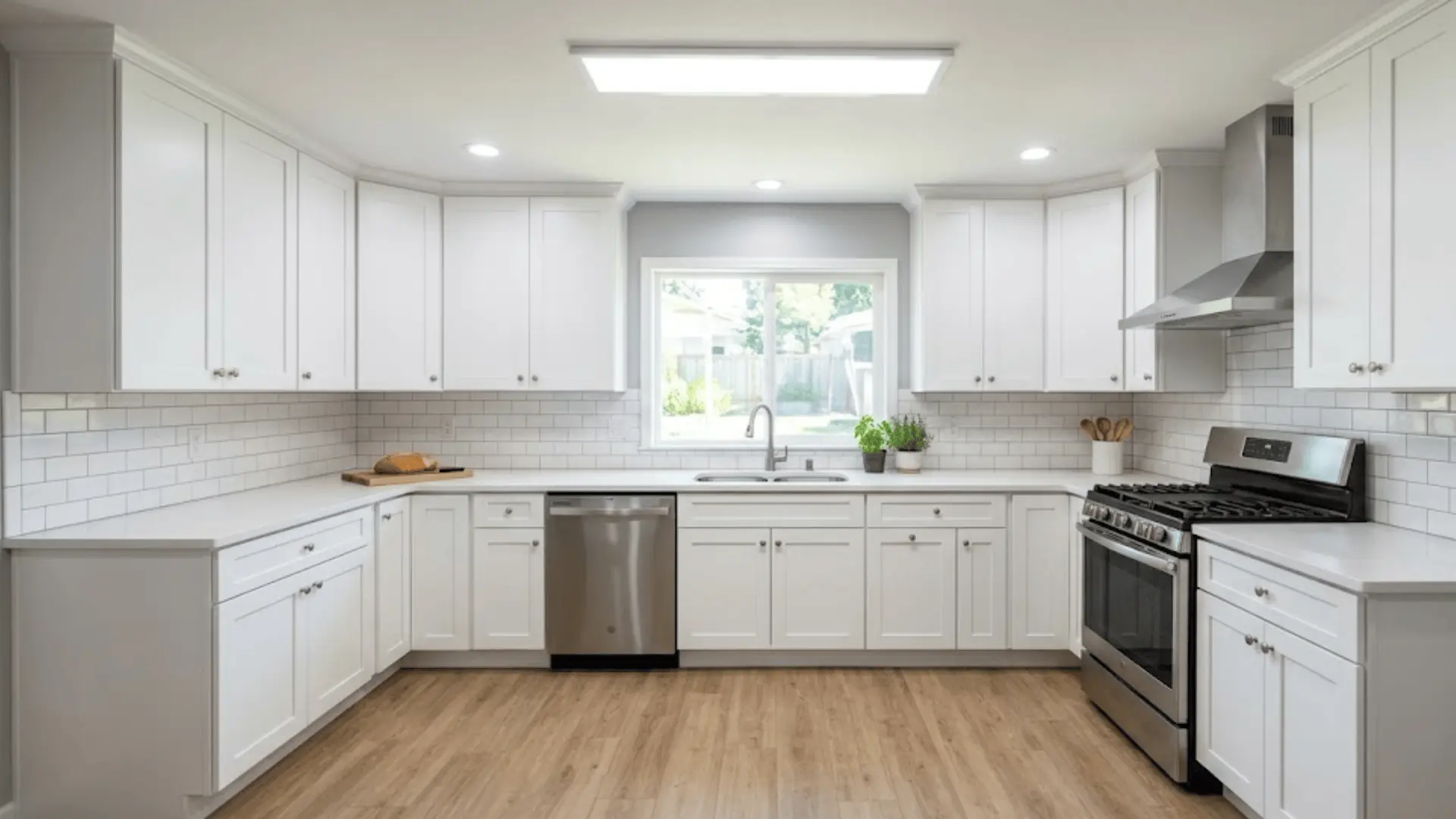
Stock cabinets come in standard sizes, making them the most affordable and quickest option. They’re ideal for budget remodels or rentals where speed and cost outweigh customization.
The range of styles has improved significantly over the years, so finding something that looks good without a long lead time is very much possible.
Cabinet Types by Layout
Before settling on a style, it helps to understand how cabinet layout shapes the way your kitchen actually functions.
The placement of each cabinet type affects storage capacity, workflow, and how the space comes together as a whole.
| Cabinet Type | Placement | Purpose | Best For |
|---|---|---|---|
| Base Cabinets | Installed on the floor | Anchors the lower layout and supports countertops | Pots, pans, and everyday cooking essentials |
| Wall Cabinets | Mounted above counters | Upper storage without consuming floor space | Dishes, glassware, spices, and pantry staples |
| Tall (Pantry) Cabinets | Floor to ceiling | Full-height storage that maximizes vertical space | Bulk groceries, appliances, and cleaning supplies |
| Corner Cabinets | Positioned at kitchen corners | Turns awkward corners into functional storage | Pull-outs, lazy Susans, and hard-to-place items |
How to Choose the Right Cabinet Style?
The right cabinet style isn’t just about what looks good; it’s about what works for your kitchen, your lifestyle, and your budget. Keep these points in mind before you decide.
- Match Your Design Vision: Modern kitchens lean toward slab and frameless cabinets, traditional spaces suit raised panel and framed styles, and farmhouse kitchens feel most at home with Shaker or beadboard.
- Think About Upkeep: Smooth, flat surfaces are far easier to clean and maintain than heavily detailed or grooved cabinet fronts.
- Set Your Budget Early: Stock cabinets are the most affordable, semi-custom offers flexibility at a mid-range price, and custom is a premium investment for specific needs.
- Prioritize Storage Layout: The cabinet types you choose, base, wall, tall, or corner, directly shape how functional and efficient your kitchen feels day to day.
- Consider the Long Game: Trendy styles can date quickly, so if longevity matters, leaning toward a classic like Shaker or a clean slab is rarely a decision people regret.
A little clarity on these fronts goes a long way in making a choice that feels right, well beyond the renovation.
Popular Cabinet Style Trends in the U.S.
American kitchen design has been shifting toward cleaner, more intentional spaces, and cabinet choices are reflecting that.
Here’s a quick look at what’s trending right now.
| Trend | Popular Style | Why It Works | Best For |
|---|---|---|---|
| Clean lines and simplicity | Slab and frameless cabinets | Feels calm, uncluttered, and easy to maintain | Modern and contemporary kitchens |
| Enduring versatility | Shaker cabinets | Works across multiple aesthetics without dating quickly | Transitional and farmhouse kitchens |
| Modern minimalism | Flat-panel slab cabinets | Sleek, handle-free designs with seamless finishes | Contemporary and urban kitchens |
Wrapping Up
Choosing among the many types of cabinets eventually comes down to what feels right for your space, your habits, and the kitchen you’ve always pictured.
Some people are drawn to warmth and character, others want clean lines and quiet simplicity, and honestly, both are completely valid directions.
These are decisions you’ll live with every day, so taking the time to get them right is always worth it.
Found a style that speaks to you? Drop it in the comments below!