When you install a new asphalt driveway or parking lot, you expect it to last for years. Most people focus on the asphalt itself, but drainage is a factor that has a huge impact on how long the surface stays in good condition.
Water is one of the biggest reasons asphalt begins to crack, sink, and wear out early. If rainwater cannot flow away properly, it slowly weakens the pavement and damages the foundation underneath. Good drainage helps protect your asphalt, reduces repair costs, and keeps the surface looking clean and smooth for much longer. If you want your pavement to stay durable and safe, drainage should never be overlooked.
Why Water Damages Asphalt So Quickly
Asphalt is strong, but it is not completely waterproof. Over time, small cracks and weak spots can allow water to enter the surface. Once moisture reaches the base layer underneath the asphalt, problems begin to develop.
Water softens the ground beneath the pavement and weakens the support structure. This often leads to cracks, potholes, sinking areas, and uneven surfaces. Heavy rain can make these issues worse, especially when water sits on the pavement for long periods.
Temperature changes can also speed up the damage. Moisture trapped inside small cracks expands and contracts as temperatures rise and fall. This movement slowly causes the asphalt to break apart. That is why experienced contractors handling asphalt paving Raleigh NC projects pay close attention to drainage before beginning any installation or resurfacing work.
Common Drainage Problems that Shorten Pavement Life
Many drainage problems start small but become expensive if they are ignored for too long. Here are some of the most common issues that can damage asphalt surfaces:
- Improper grading: Asphalt needs a slight slope so water can drain away naturally. If the surface is uneven, water collects in certain areas and slowly weakens the pavement.
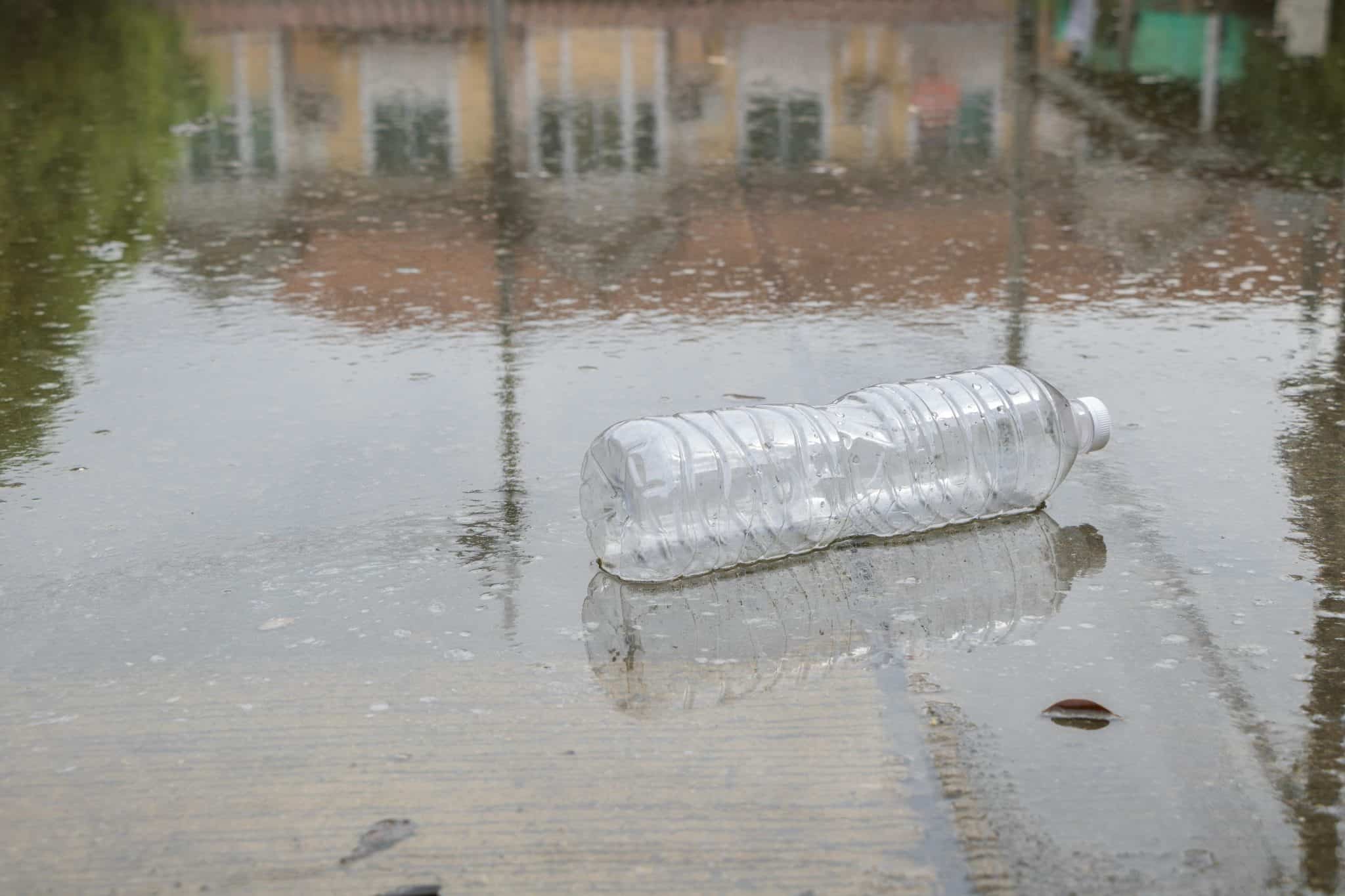
- Low spots: These spots collect after rain. Even small puddles can damage asphalt over time because standing water slowly seeps into the surface.
- Clogged gutters or drains: Drainage systems also play an important role. Blocked drains or gutters can force large amounts of water onto a driveway or parking lot during heavy rain. This extra moisture often causes cracks and edge damage.
- Soil erosion underneath the pavement: In some cases, water can wash away the soil beneath the asphalt. When the foundation becomes weak, the pavement may begin to sink or develop uneven sections.
How Proper Drainage Protects Your Asphalt
Good drainage helps asphalt stay stronger and last much longer. When water moves away from the pavement correctly, the base layer remains stable and the surface experiences less stress. Professional paving contractors use grading techniques that direct water safely away from the asphalt. They may also install drainage channels, catch basins, or edge protection systems to improve water flow. These features help prevent standing water and reduce the risk of cracks, potholes, and surface damage.
Proper drainage also lowers long-term maintenance costs. Pavements that stay dry usually need fewer repairs and keep their appearance longer. This is especially important for commercial properties where damaged asphalt can create safety concerns and leave a poor impression on visitors or customers.
If drainage problems already exist, contractors may recommend asphalt milling or resurfacing to correct uneven areas before applying new pavement. Repairing the slope first helps prevent the same issues from returning later.
Signs Your Asphalt May Have Drainage Issues
Drainage problems are often easy to spot once you know what to look for. Here are several warning signs that your pavement may not be draining properly:
- Standing water that remains after rain
- Cracks spreading quickly across the surface
- Potholes forming in the same areas repeatedly
- Sunken or uneven pavement sections
- Crumbling edges along the driveway or parking lot
- Frequent patch repairs that fail too soon
- Water flowing toward garages or building entrances
Fixing drainage issues early can help you avoid more expensive repairs later. A professional inspection can identify the cause of the problem and recommend the best solution before major damage develops.
Endnote
A long-lasting asphalt surface depends on more than quality materials alone. Proper drainage is one of the most important parts of protecting your pavement from early damage. When water drains away correctly, your asphalt stays smoother, stronger, and easier to maintain. Whether you own a residential driveway or a commercial parking lot, working with experienced paving professionals can help you protect your investment and extend the life of your asphalt for years to come.