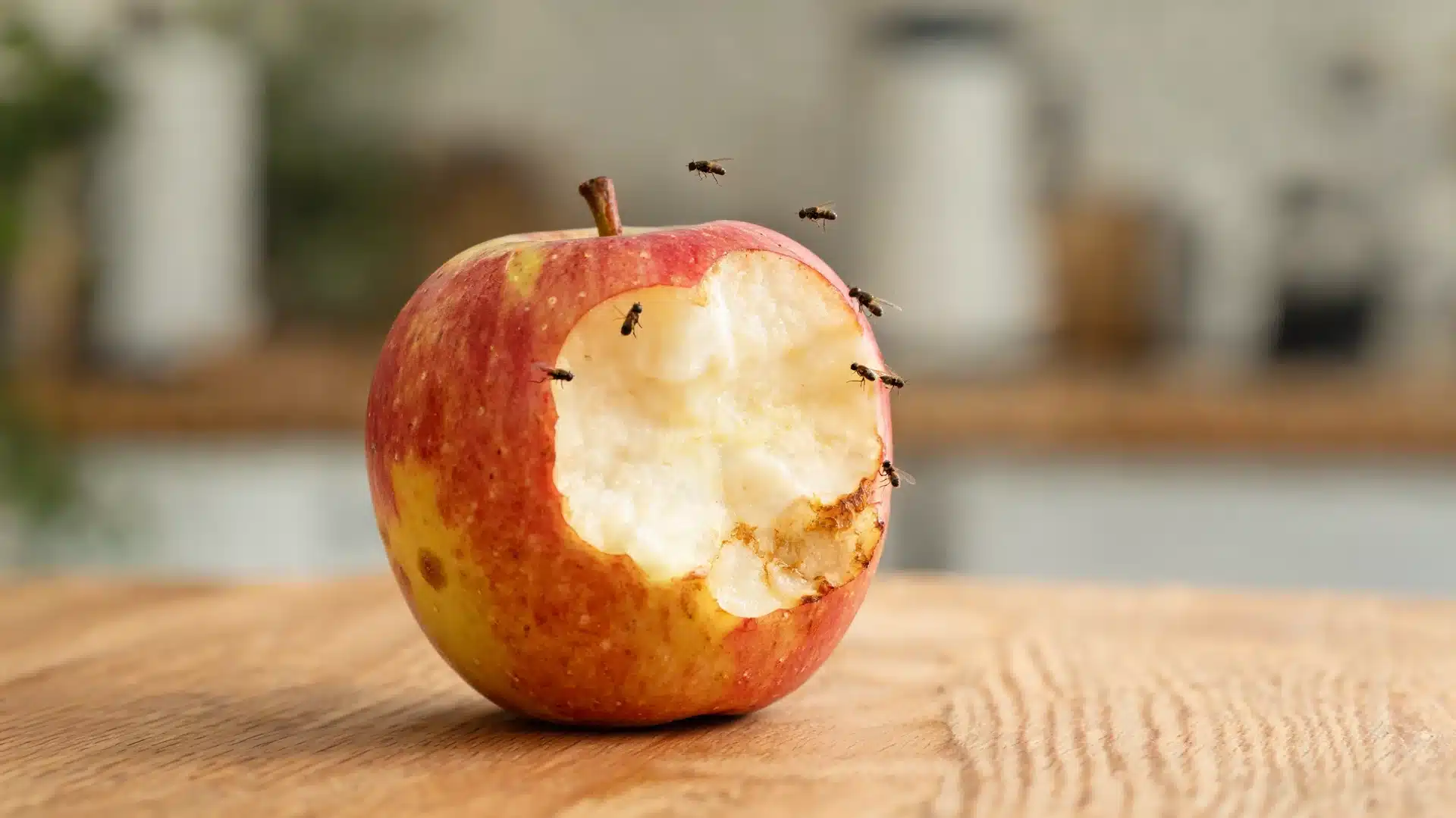
One afternoon, you set a few bananas on the counter, and by the next morning, tiny flies are circling the fruit bowl. No open windows, no obvious mess, yet there they are.
“Where do fruit flies come from so fast?” catches most people off guard, because the answer is not as simple as “they flew in.” These small flies do not appear from thin air.
They arrive on produce you just bought, slip through gaps in screens, or breed quietly in drains and trash cans long before you notice them. Knowing the actual source is the only way to get rid of them for good.
What are Fruit Flies?
Fruit flies are tiny flies, often only a few millimeters long, most commonly belonging to the genus Drosophila.
The species you are most likely to see indoors is Drosophila melanogaster or the closely related Drosophila suzukii. They are typically tan or brown with a rounded body and, in many common species, distinctly red eyes.
You will find them hovering near overripe fruit, garbage bins, recycling containers, kitchen drains, and anywhere fermented or decaying organic matter is present.
A single female can lay up to 500 eggs in her lifetime, and under warm indoor conditions, the full cycle from egg to adult can be completed in as little as 8 to 14 days, according to a study published by Springer on Drosophila developmental stages.
Why Do Fruit Flies Suddenly Appear?
Fruit flies seem to appear suddenly because their early stages are hidden. Eggs are tiny and laid on soft, fermenting food where you cannot see them.
Larvae hatch, feed inside the decaying material, then move nearby to pupate. By the time you notice adult flies, the life cycle may already be well along.
Warm rooms accelerate the problem. Eggs hatch quickly, larvae grow quickly, and adults can begin mating soon after emerging.
A hidden breeding site was already active before the first fly appeared. Once you remove that source, clean the area, and chill ripe fruit, the infestation slows down.
Where Do Fruit Flies Come From in the House?
The source is usually rotting food, damp residue, or small openings that allow adult flies to reach your kitchen.
1. Grocery Store Produce
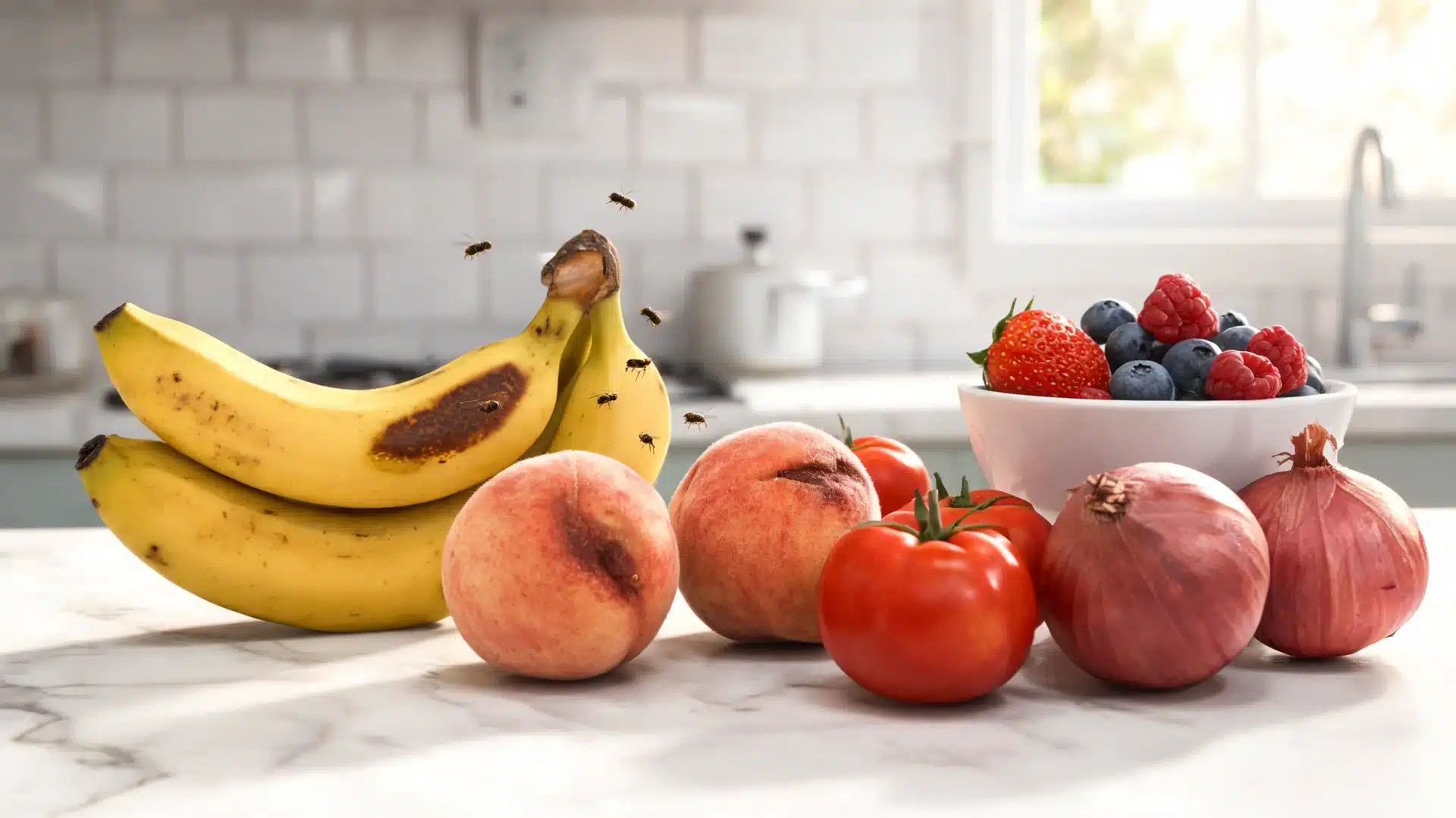
Fruit fly eggs and larvae are frequently present on produce before it reaches your kitchen.
Bananas are among the most common carriers because they ripen quickly and begin fermenting almost immediately once they soften.
Tomatoes, peaches, berries, melons, onions, and potatoes are also frequent sources, especially if they have bruises, splits, or soft spots.
2. Open Doors, Windows, and Damaged Screens
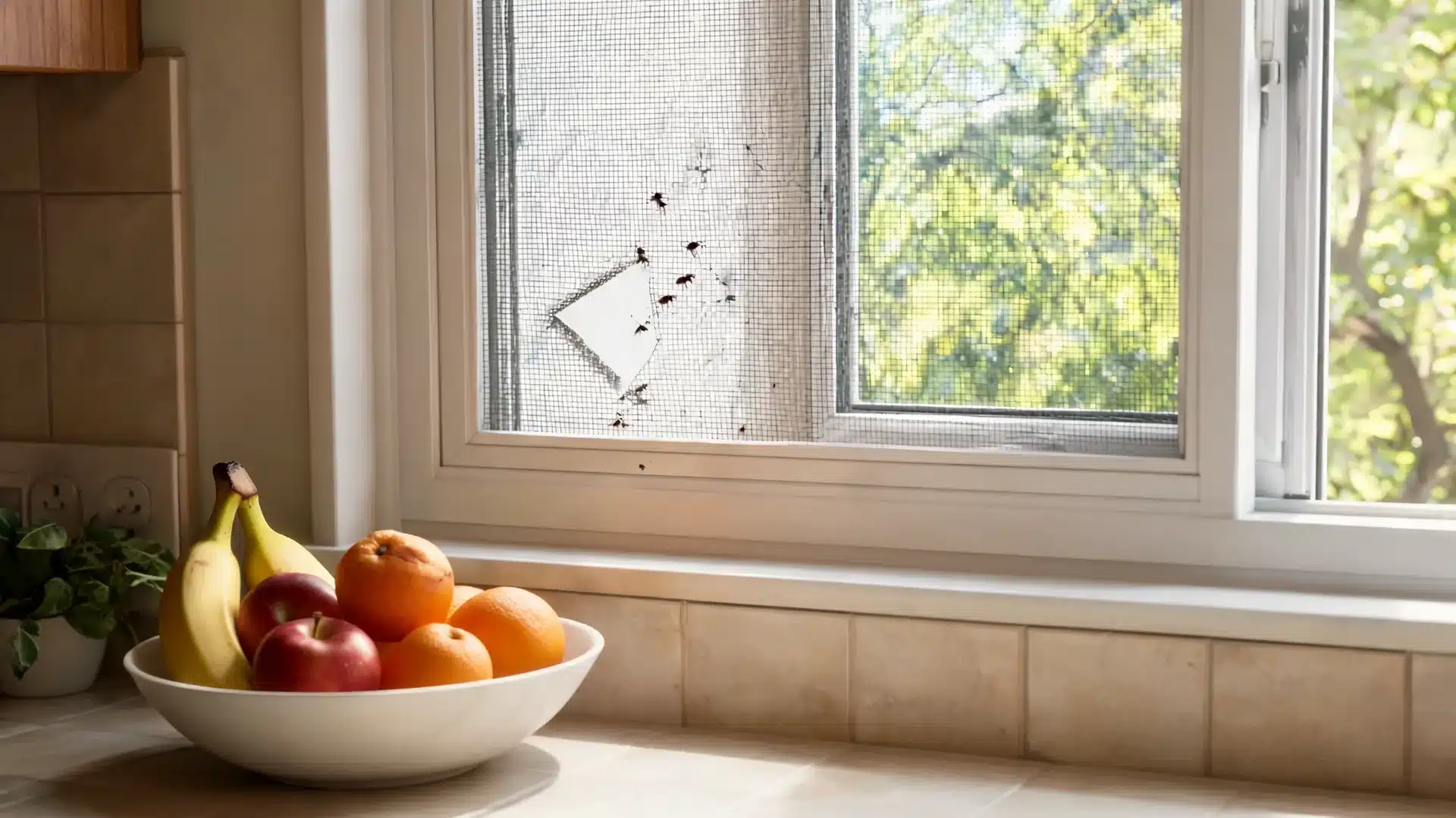
Adult fruit flies move in response to the scent of fermenting organic matter.
A compost bin near an exterior door, trash cans near a window, torn screens, or small gaps around door frames are all enough for them to enter from outside.
3. Kitchen Drains and Garbage Disposals
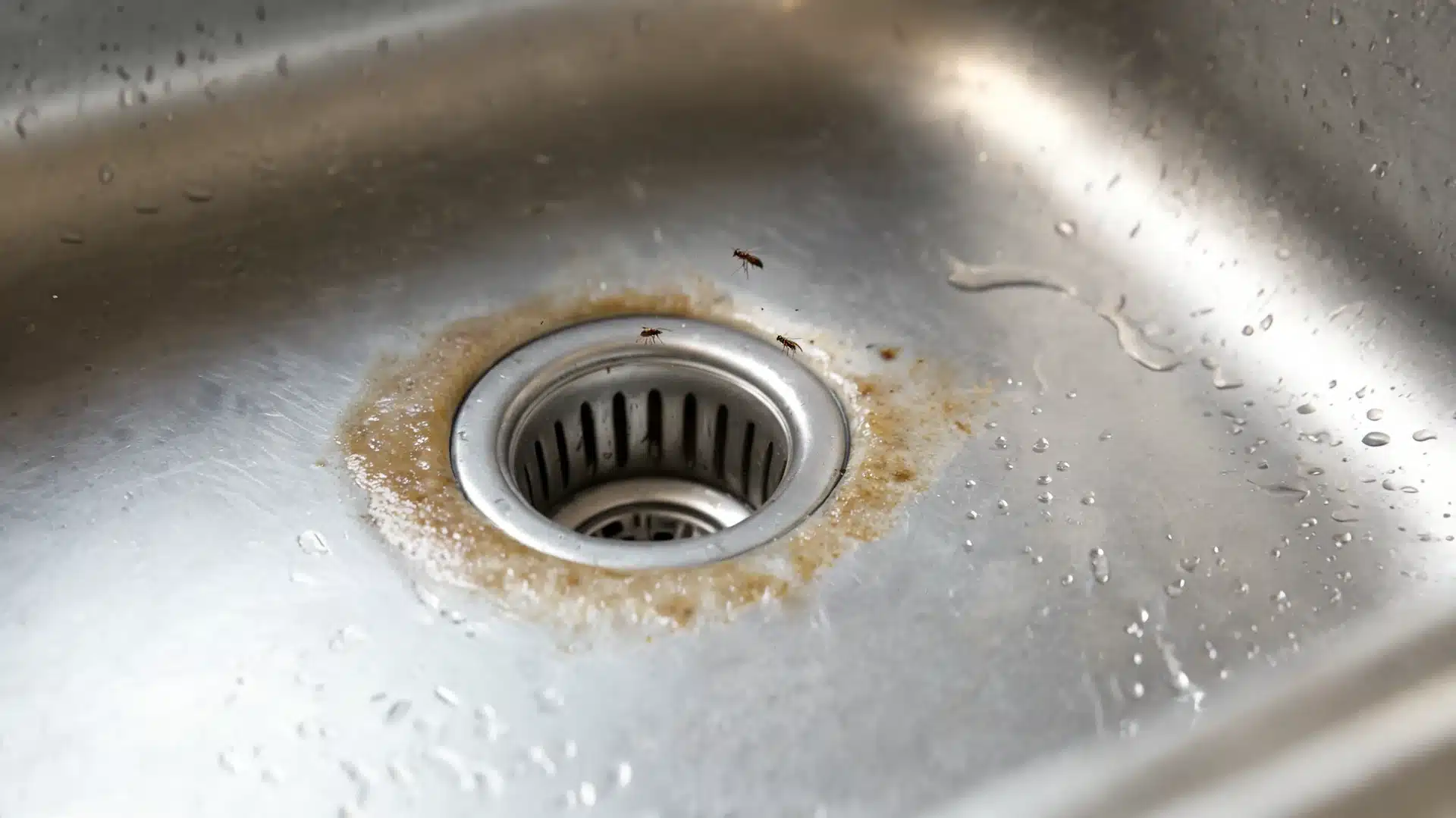
Organic matter, food residue, and slime build up inside drain pipes and garbage disposals over time, creating a moist, fermenting environment ideal for egg-laying.
According to Michigan State University Extension, a simple test can confirm this: cover the drain opening with clear tape, sticky side down, and leave it overnight. Flies present inside the drain will stick to the tape by morning.
4. Trash Cans and Recycling Bins
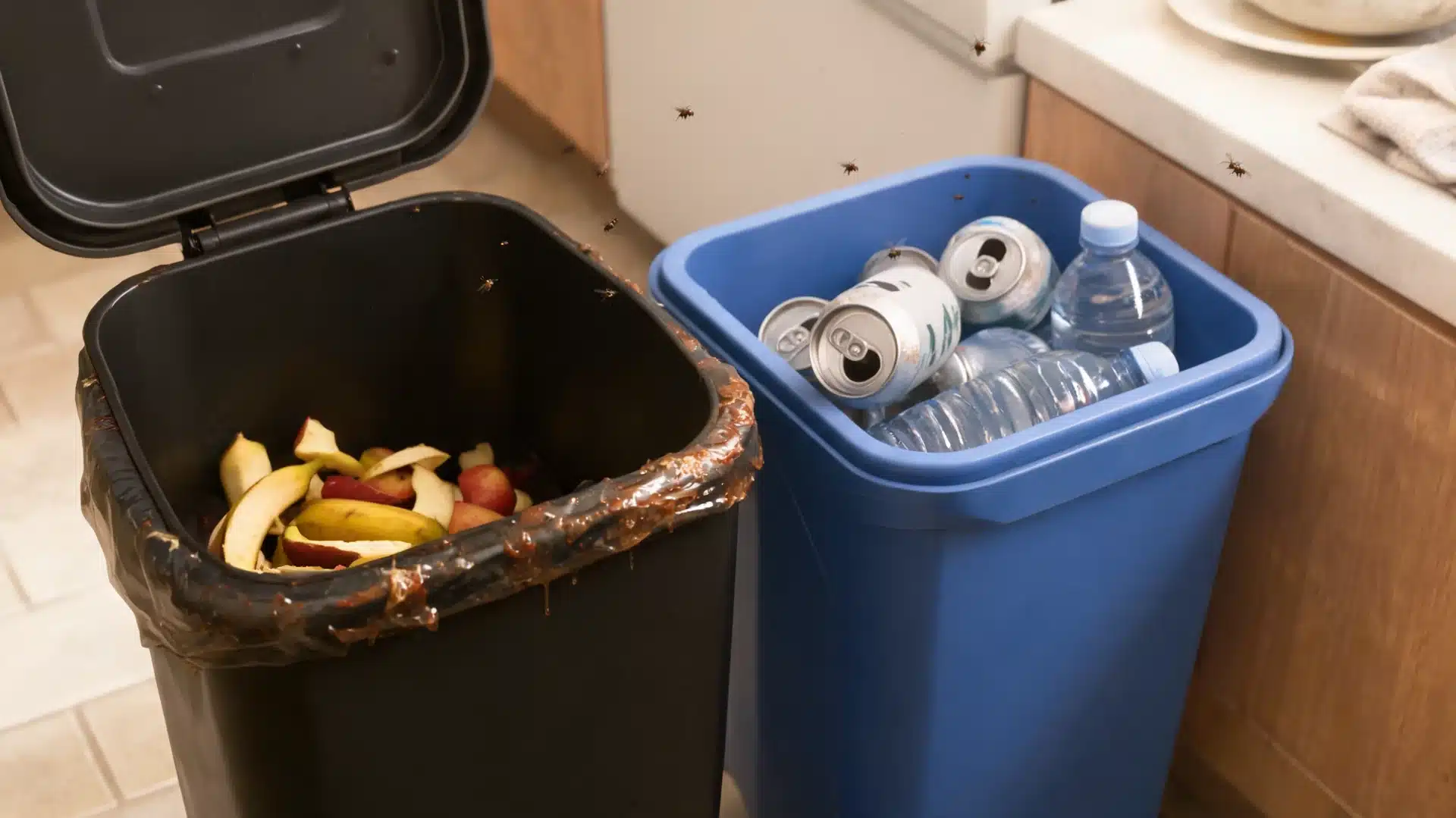
Sticky juice residue, wine or beer bottle dregs, fruit peels, and food packaging all ferment inside bins even after the main trash has been removed.
Recycling bins are especially problematic because rinsing containers is easy to skip. A bin that smells faintly of old juice or alcohol is a reliable breeding site.
5. Hidden Food Sources
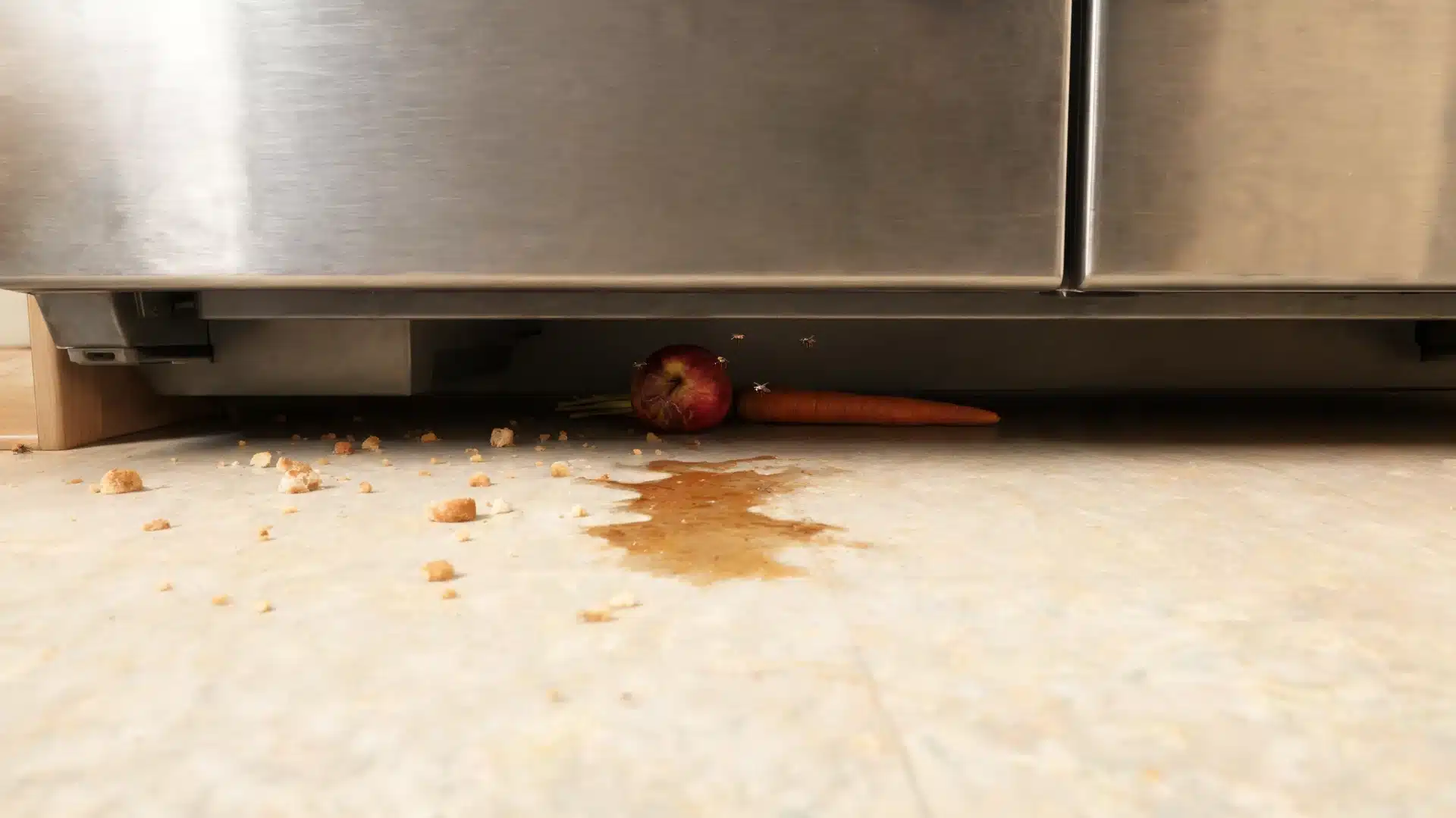
Fruit flies regularly breed in places that are easy to miss: the space under the refrigerator or stove where crumbs and spills accumulate, forgotten produce in the back of a pantry shelf, reusable lunch bags with residue inside, pet food bowls left out, and damp mop heads or cleaning rags that sit wet.
Where Do Fruit Flies Come From if There is No Fruit?
If you have tossed all your fruit and still see flies, the breeding site is somewhere else. Common non-fruit sources include:
- Drains and garbage disposals with organic buildup
- Trash cans with food or drink residue on the interior walls
- Recycling bins holding unrinsed bottles or cans
- Fermented spills under appliances or in pantry corners
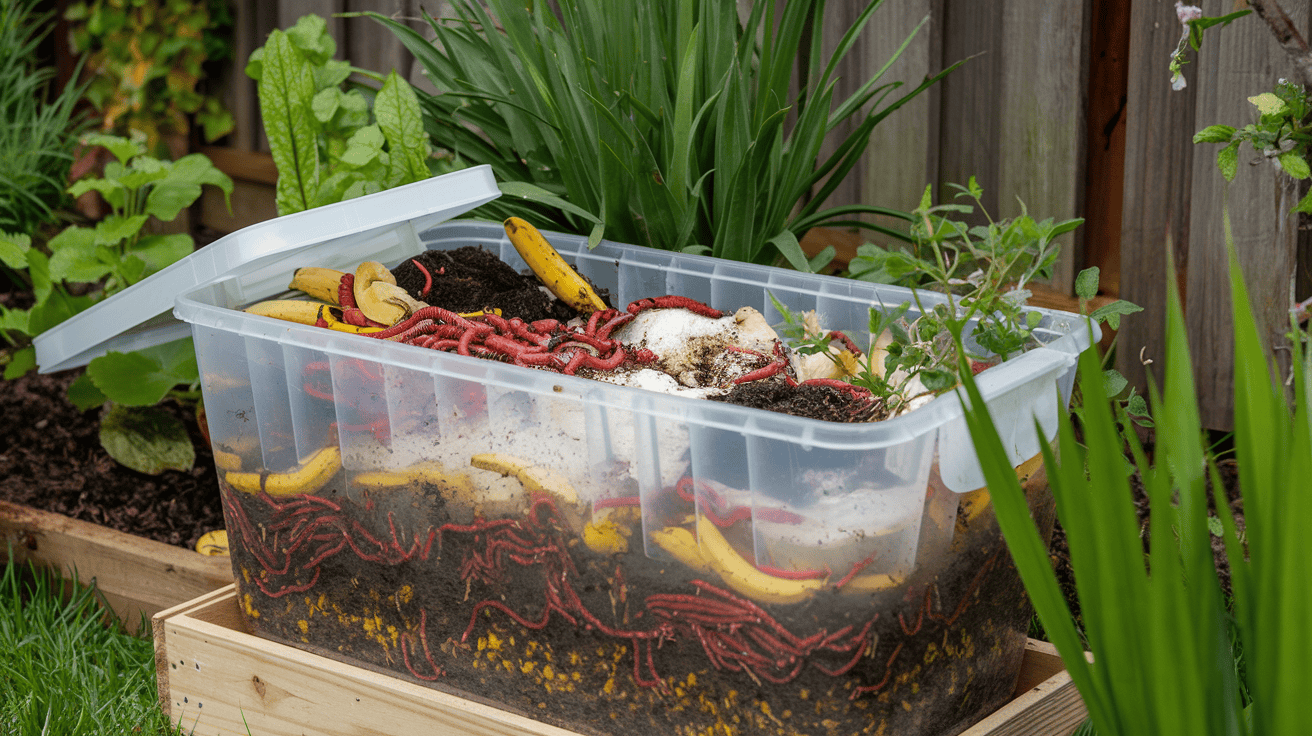
- Indoor compost bins or countertop compost containers
- Damp mop heads, wet sponges, or cleaning rags left in a sink
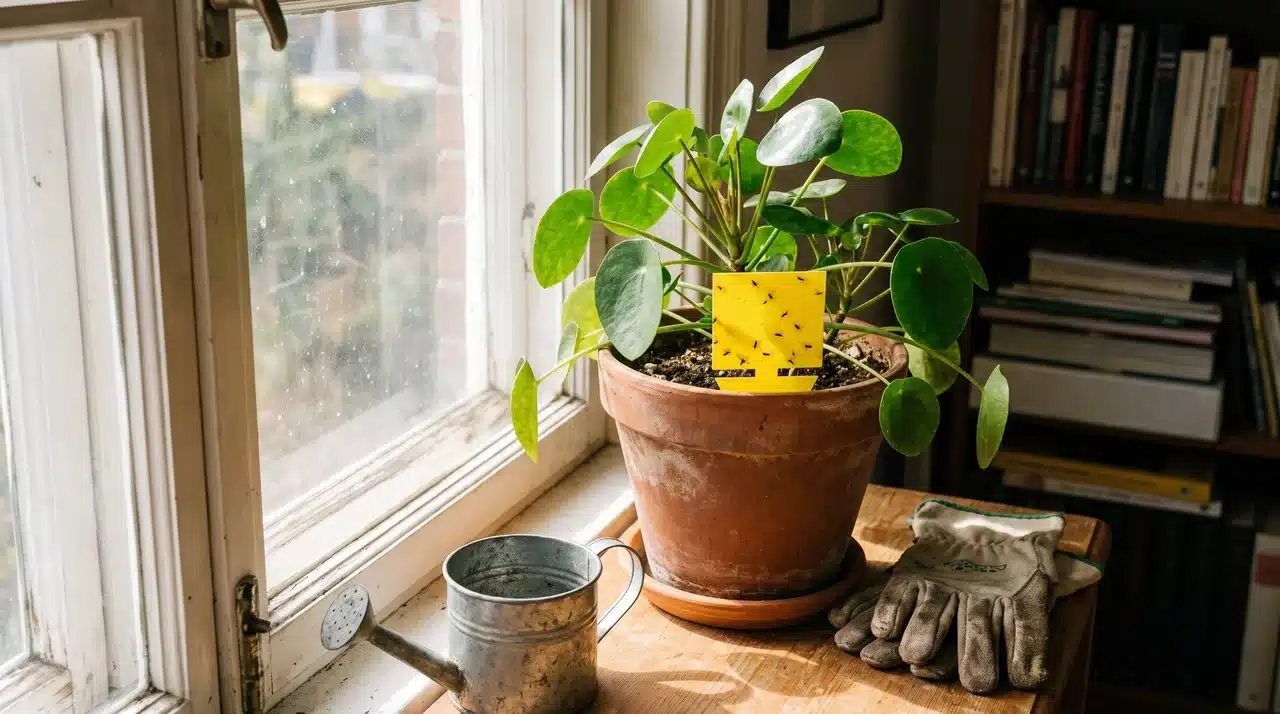
- Houseplant soil, though, flies hovering over plants are more often fungus gnats, not fruit flies
Removing every fermenting or decaying organic site in the home is the only reliable way to break the cycle.
Fruit Fly Life Cycle: Why They Multiply So Fast
| Stage | What Happens | Duration (Warm Conditions) |
|---|---|---|
| Egg | Laid on fermenting organic matter, too small to see | Hatches in about 24 hours |
| Larva | Feeds on yeast and decaying material at the breeding site | 4 to 5 days |
| Pupa | Migrates to a drier nearby surface to complete development | 3 to 4 days |
| Adult | Emerges, mates within hours, and begins laying eggs | Lifespan of 40 to 50 days |
Because adults reproduce almost immediately after emerging, the population grows rapidly without intervention.
The complete egg-to-adult cycle takes as little as 8 to 14 days in a warm kitchen, as documented in research on Drosophila developmental stages.
What Attracts Fruit Flies?
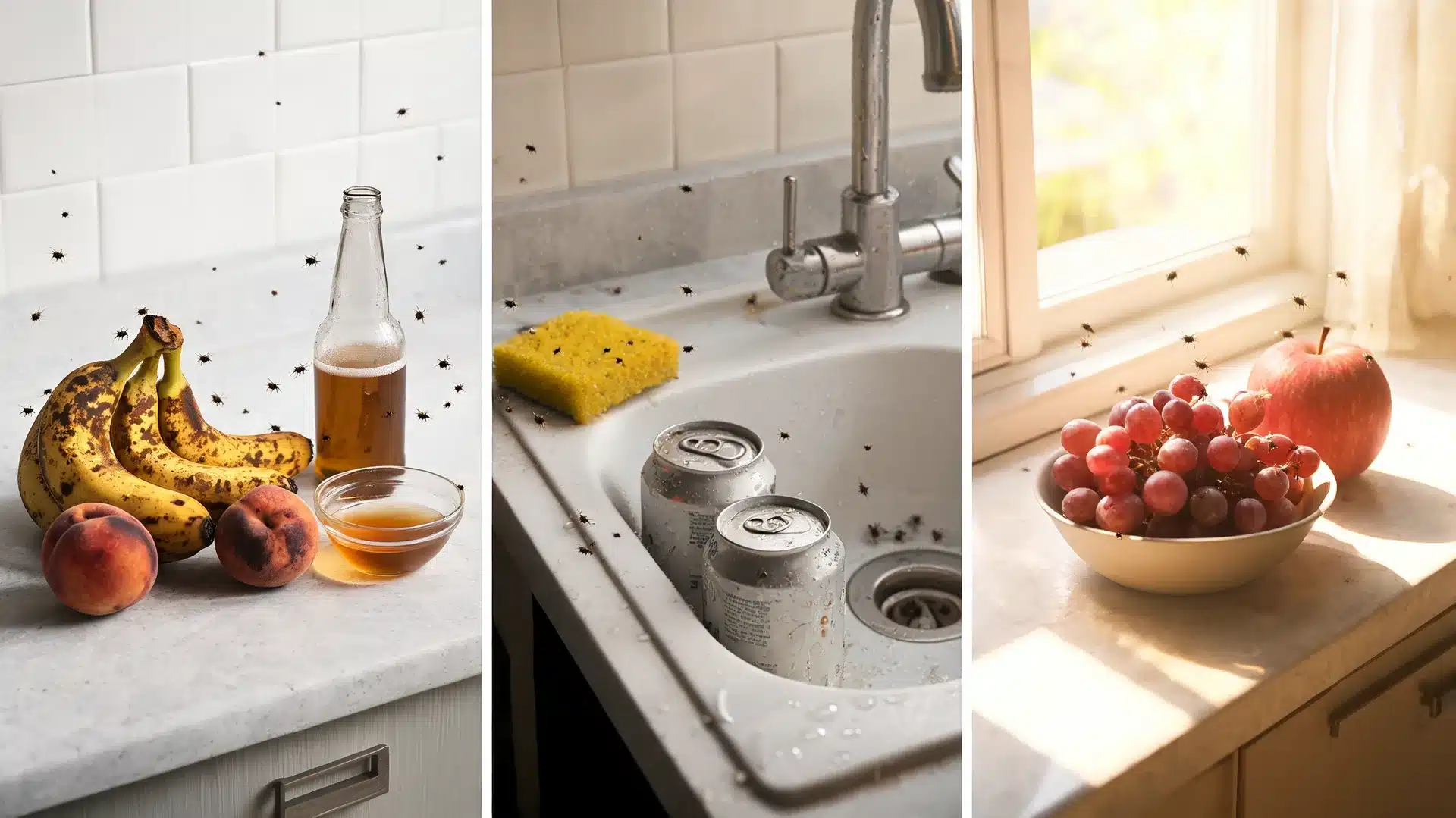
1. Fermentation and Yeast
Fruit flies are attracted to the volatile compounds produced when yeast breaks down sugar in rotting organic matter, not to the fruit itself.
This is why they gather around overripe fruit, spilled wine, beer bottles, apple cider vinegar, and garbage disposals equally. The yeast is the attractant.
2. Moisture
Moisture is a necessary condition for egg development.
Fruit flies target environments that are both fermenting and damp, which is why wet drains, damp sponges, and sticky recycling bins are such reliable sources.
Dry conditions will not support fruit fly larvae even if food residue is present.
3. Warmth
Temperature directly controls the speed of the fruit fly’s life cycle. Warm kitchens compress the development timeline and allow multiple generations to complete within a few weeks.
Refrigerating ripe fruit is one of the most effective preventive measures because cooler temperatures significantly slow development.
Where Do Fruit Flies Lay Eggs?
Females lay fruit fly eggs on or just below the surface of fermenting organic matter. Preferred sites include:
- Soft or rotting fruit, particularly anything with broken skin
- Vegetable scraps in the bottom of a trash can
- The slime lining a kitchen drain or disposal
- Spilled juice, beer, or wine that has not been fully cleaned
- Trash residue inside bins that have not been washed
A single female can lay hundreds of eggs over her lifespan, according to Oklahoma State University Extension. The eggs are too small to see without magnification, which is why the early stages of an infestation are almost always invisible.
Are Fruit Flies Harmful?
Fruit flies do not bite, and they are not as dangerous as mosquitoes or cockroaches. Still, they should not be ignored.
They land on trash, drains, and spoiled matter before moving to counters, dishes, or food-prep areas, carrying bacteria from one surface to another.
Research published in the Journal of Food Protection via ScienceDirect found that fruit flies can act as vectors for foodborne pathogens in food-service environments.
In a home kitchen, the risk is lower, but a growing infestation always indicates an active food or moisture source. Remove it, clean nearby surfaces, and protect exposed food until the flies are gone.
Fruit Flies vs Drain Flies vs Fungus Gnats
Small flies can look alike. Match the pest to its source first, and your treatment will work faster:
| Pest | Where You See Them | Likely Source | Distinguishing Feature |
|---|---|---|---|
| Fruit flies | Fruit bowls, trash, drains, vinegar, alcohol | Fermenting food or organic matter | Tan or brown body, often red eyes |
| Drain flies | Bathrooms, floor drains, utility sinks | Drain pipe buildup and slime | Fuzzy moth-like wings, slower movement |
| Fungus gnats | Houseplants, near windows | Wet potting soil and fungal growth | Long legs, dark body, weak flyer |
Fruit flies in the bathroom are often drain flies. Flies around houseplants are almost always fungus gnats. Getting identification right before treating saves time.
Does Having Fruit Flies Mean Your House Is Dirty?
No. Even very clean homes can get them from grocery-store produce that already has eggs on the skin, or from adult flies entering through a torn screen or an open door.
Fruit flies are drawn to fermentation, not mess. A tidy kitchen can still attract them if one small source is active. If flies keep showing up after a few days, there is likely a hidden breeding site nearby.
Remove it, clean the area, and the problem usually stops.
How to Find the Source of Fruit Flies
| Area | Specific Spot | What to Check | Why It Matters |
| Kitchen | Fruit bowl | Soft fruit, bruises, leaking juice | Common breeding site |
| Kitchen | Trash and recycling | Peels, bottles, cans, sticky residue | Ferments fast |
| Kitchen | Drain and disposal | Slime, food buildup, odors | Supports eggs and larvae |
| Kitchen | Under appliances | Spills, crumbs, old food debris | Hidden source |
| Pantry | Stored produce | Potatoes, onions, produce bags | Often forgotten |
| Bathroom | Sink, drain, and trash | Tape test, wrappers, damp residue | May be drain flies |
Once you find the source, remove it and clean the area. Traps help catch adults, but the problem stops only when breeding sites are gone.
How to Get Rid of Fruit Flies

Step 1: Remove the Breeding Source
This is the only step that actually solves the problem. Traps catch adults, but new adults keep emerging if the breeding site stays active.
Remove or refrigerate all ripe fruit. Empty and rinse the trash can. Rinse recycling.
Clean the kitchen drain by pouring boiling water down it, followed by a baking soda and vinegar flush, then run the garbage disposal with dish soap. Wipe up any fermented spills under appliances.
Step 2: Trap Adult Fruit Flies
While source removal works through the life cycle, trapping reduces the adult population in the meantime.
Pour a small amount of apple cider vinegar into a jar, add one drop of dish soap to break the surface tension, and set it near the area of activity.
The scent draws adults in, and the soap prevents escape. Commercial traps work on the same principle.
Step 3: Keep Cleaning for 7 to 10 Days
Pupae already developing before you removed the source will still emerge as adults.
Maintaining cleanliness, keeping drains flushed, and running traps for 7 to 10 days after source removal ensures the infestation ends rather than restarting from the remaining generation.
How to Prevent Fruit Flies From Coming Back
- Refrigerate ripe or very soft fruit rather than leaving it at room temperature
- Rinse produce before storing it, particularly soft fruit with damaged skin
- Take out kitchen trash frequently, especially during warm months
- Rinse bottles, cans, and cartons before putting them in the recycling bin
- Keep drains clean with a weekly hot water flush or enzymatic drain cleaner
- Repair torn window screens and seal gaps around doors
- Avoid leaving damp sponges, mop heads, or wet cleaning rags sitting out
- Keep compost containers sealed and emptied regularly
When to Call Pest Control
Call pest control when cleaning and traps are not enough:
- Flies keep returning after thorough source removal over two or more weeks
- Flies appear in multiple rooms with no obvious source found
- You cannot confidently identify whether the pest is a fruit fly, drain fly, or fungus gnat
- The infestation is in a restaurant, café, or commercial kitchen where food safety standards apply
Frequently Asked Questions
Can fruit flies survive in the refrigerator?
Adult fruit flies do not survive long at refrigerator temperatures. Cold conditions slow and eventually halt their movement and reproduction. However, eggs on produce can survive cold storage, so washing refrigerated fruit before eating is a reasonable precaution.
How long does a fruit fly infestation typically last?
With source removal and consistent cleaning, most home infestations clear within 1 to 2 weeks, enough time for remaining pupae to emerge and be caught in traps. Without source removal, an infestation continues indefinitely as long as a breeding site stays active.
Do fruit flies only appear in summer?
They are most common in warm months because heat accelerates development. However, fruit flies can appear year-round indoors near drains or wherever fermenting matter is present, regardless of the outdoor season.
Can fruit flies breed in an empty drain with no food residue?
A completely residue-free drain will not sustain a fruit fly population, but truly residue-free drains are uncommon in active kitchens. Organic slime and food film accumulate quickly, so regular drain cleaning is a key preventive step rather than a one-time fix.
Are apple cider vinegar traps more effective than commercial fruit fly traps?
Both work on the same fermentation-based attraction principle. Apple cider vinegar traps are inexpensive and effective; commercial traps use similar attractants in a more contained format. Neither replaces source removal as the primary control method.
Can fruit flies damage houseplants?
Truefruit flies are not plant pests and do not breed in houseplant soil. Flies hovering around plants are more likely to be fungus gnats, which lay eggs in moist potting mix. The two require different treatments, so correct identification matters before treating plants or drains.
Closing Thoughts
Fruit flies usually start with ripe produce, damp drains, trash residue, recycling bins, or hidden spills.
The flies you see are only part of the problem; eggs and larvae may already be developing nearby.
Traps alone rarely fix it. Remove the breeding source, clean sticky or damp areas, refrigerate ripe fruit, and keep it up for a week or two.
Once you cut off food, moisture, and fermentation, the population drops fast. Drop a comment below and let me know if you have ever encountered these little flies.