The coldest night of the year always seems to happen right when your heating decides to quit. I learned this the hard way, which pushed me to actually understand what a furnace is and how it keeps homes livable during winter.
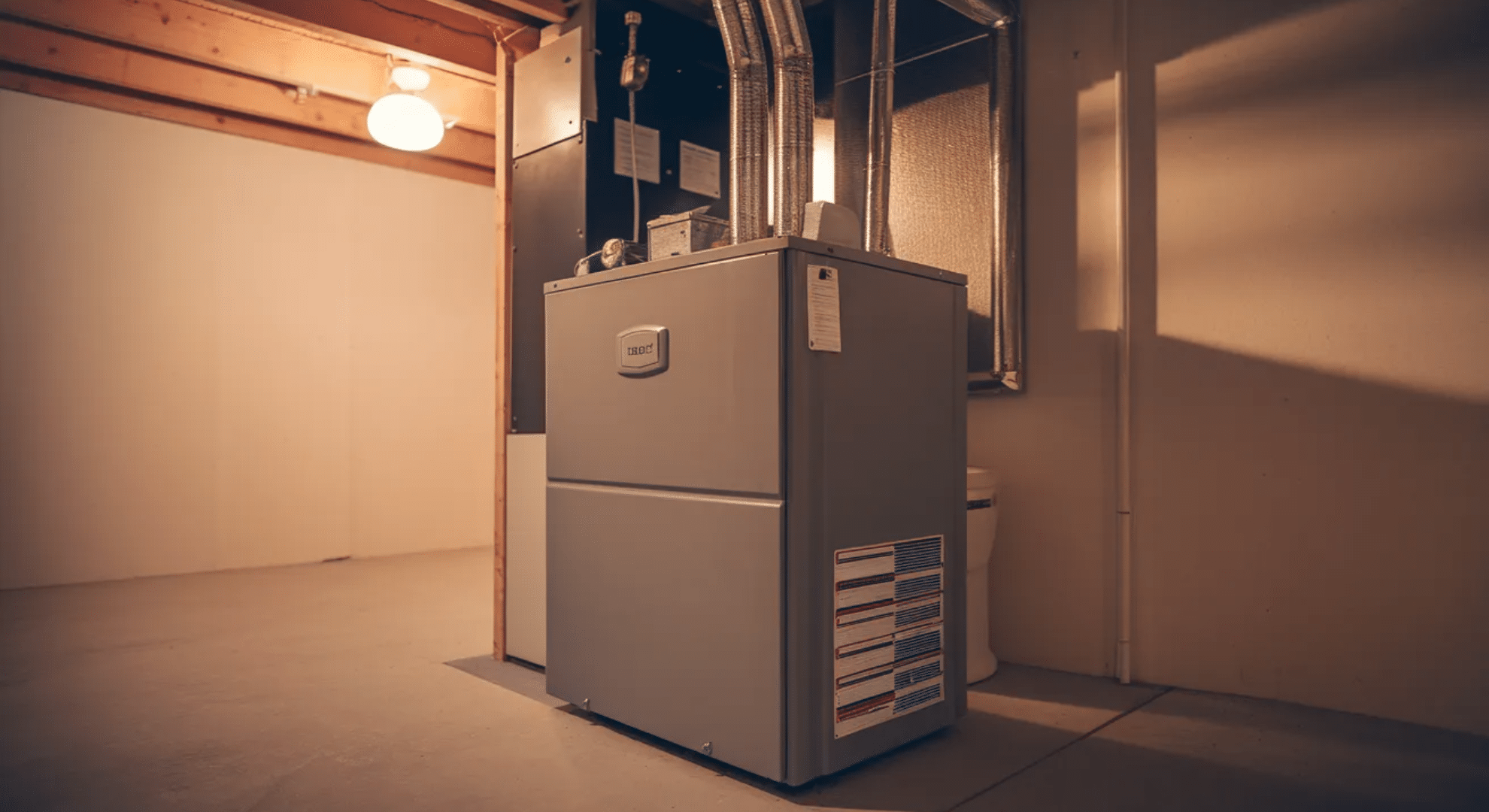
A furnace is essentially a heating appliance that generates warm air and pushes it through your home’s ductwork to maintain comfortable temperatures.
It runs on fuel like natural gas, propane, electricity, or oil, converting that energy into heat you can feel.
You probably take yours for granted until it stops working.
Knowing the basics of how your furnace operates, what type you have, and how to spot problems early can prevent those middle-of-the-night emergencies and keep your home cozy all season long.
What is a Furnace?
A furnace is a heating system that warms air and distributes it throughout your home to keep indoor temperatures comfortable. I’ve worked with different heating setups over the years, and furnaces remain one of the most reliable options for whole-home heating.
The system pulls in cold air, heats it with a fuel source such as natural gas, electricity, propane, or oil, and then pushes the warm air through ducts and vents into every room.
You rely on your furnace more than you probably realize.
It’s the backbone of your home’s comfort during cold months, running quietly in the background to maintain consistent warmth. In my experience, a well-maintained furnace keeps energy bills predictable and prevents those miserable cold snaps inside your house.
Your furnace also impacts indoor air quality since air circulates through it constantly.
Without a functioning furnace, you’d face uncomfortable temperatures, potential pipe freezing, and humidity issues that damage your home.
Understanding How Furnaces Fit Into Your Home’s Heating System

Your home has options when it comes to heating, and understanding where a furnace fits helps you make better decisions.
I’ve seen three main systems in most homes: furnaces that heat air, boilers that heat water, and heat pumps that transfer heat from outside.
Each works differently, but furnaces are the most common because they heat spaces quickly and efficiently.
Your furnace sits at the heart of your home’s heating operation. It pulls cold air from your rooms through return ducts, heats that air in its combustion chamber or heating element, then uses a blower fan to push the warmed air back through supply ducts into every room.
You’ll feel the difference within minutes of it kicking on. The thermostat tells your furnace when to start and stop, creating a cycle that maintains your desired temperature.
This central system means one unit handles heating for your entire house instead of needing separate heaters in each room.
How Does a Furnace Work?
Understanding your furnace’s operation helps you spot problems early and appreciate what’s happening behind the scenes.
The heating cycle starts when your thermostat signals that your home needs warmth.
I’ve watched this process countless times, and it’s pretty straightforward. If you have a gas furnace, a valve opens to release natural gas or propane into the burner assembly.
An electronic ignition or pilot light then ignites that gas. Electric furnaces skip combustion entirely, heating elements warm up when electricity flows through them.
Oil furnaces spray fuel into a combustion chamber where it ignites. Each fuel type creates heat differently, but the end goal is the same.
Key Components of A Furnace and Their Functions
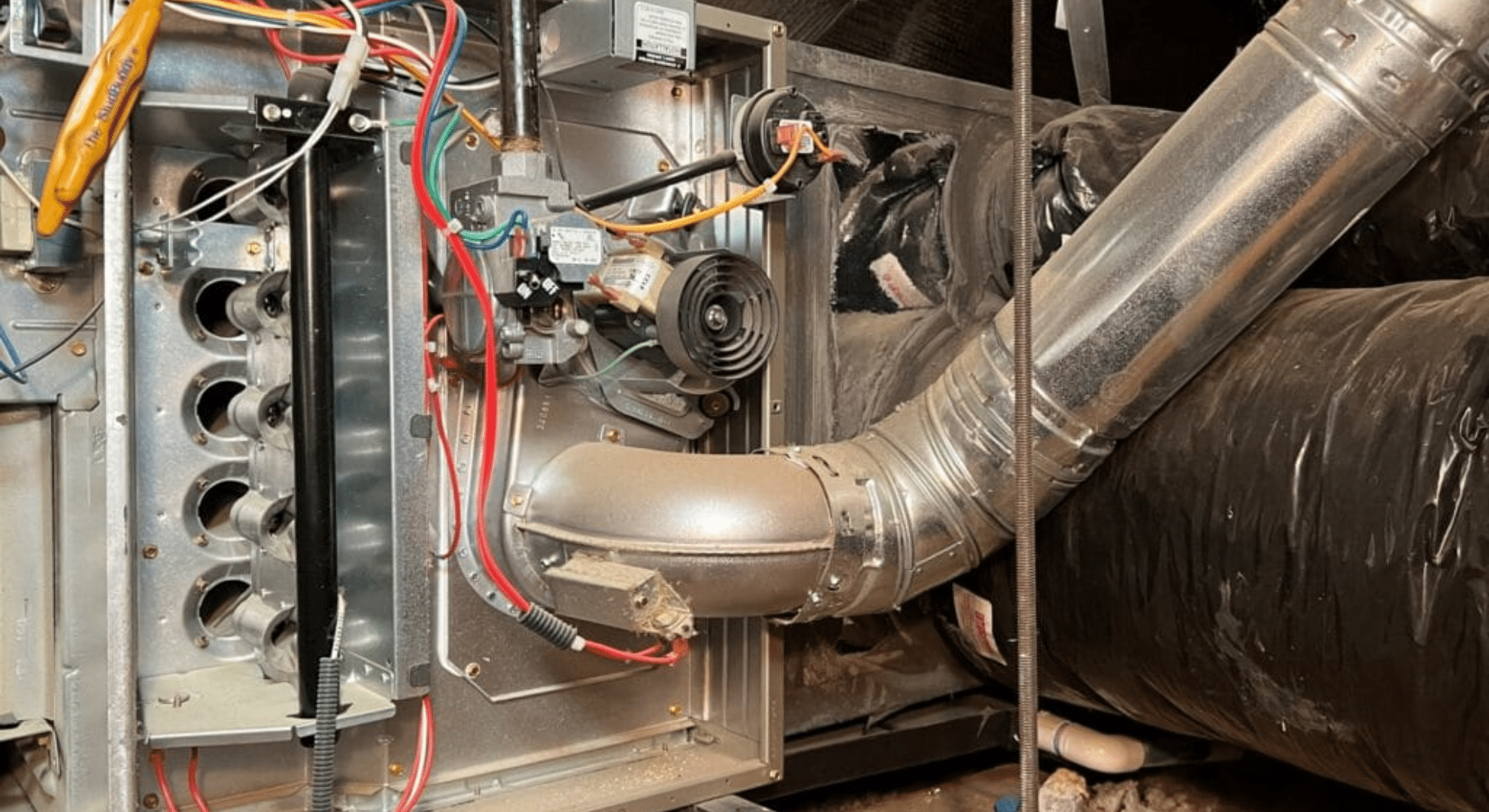
Your furnace relies on several critical parts working together. Burners mix fuel with air and create the flames that generate heat. They need to stay clean for efficient combustion.
The heat exchanger transfers that heat to your home’s air while keeping combustion gases separate. I always tell people this is your furnace’s most important safety component. Your blower motor powers the fan that circulates air throughout your home.
It runs on electricity regardless of your furnace’s fuel type.
The thermostat acts as your system’s brain, monitoring temperature and telling your furnace when to heat. You control this component, but it controls everything else.
Other essential parts include the flue pipe that vents exhaust gases, the air filter that keeps your system clean, and safety sensors that shut things down if problems occur.
The Role of The Heat Exchanger
The heat exchanger is where the magic happens. This metal chamber or series of tubes sits above the burners in gas and oil furnaces. When fuel burns, flames heat the exchanger’s metal surfaces to extremely high temperatures.
Cold air from your home passes over the outside of these hot metal surfaces, warming up without ever touching the flames or combustion gases.
You get clean, heated air while dangerous byproducts vent safely outside. In electric furnaces, air flows directly over the heating elements.
I’ve seen cracked heat exchangers cause serious problems, which is why this component needs regular inspection.
Once air gets heated, your blower fan takes over. This powerful motor and fan assembly pulls cold air from your home through return ducts, pushes it past the heat exchanger or heating elements, then forces that warmed air through supply ducts.
You’ll notice warm air coming from vents throughout your house within minutes. The blower runs continuously during heating cycles, and in my experience, it’s one of the hardest-working parts of your system.
Modern furnaces have variable-speed blowers that adjust airflow based on your home’s needs, making them quieter and more efficient.
Types of Furnaces and How They Work
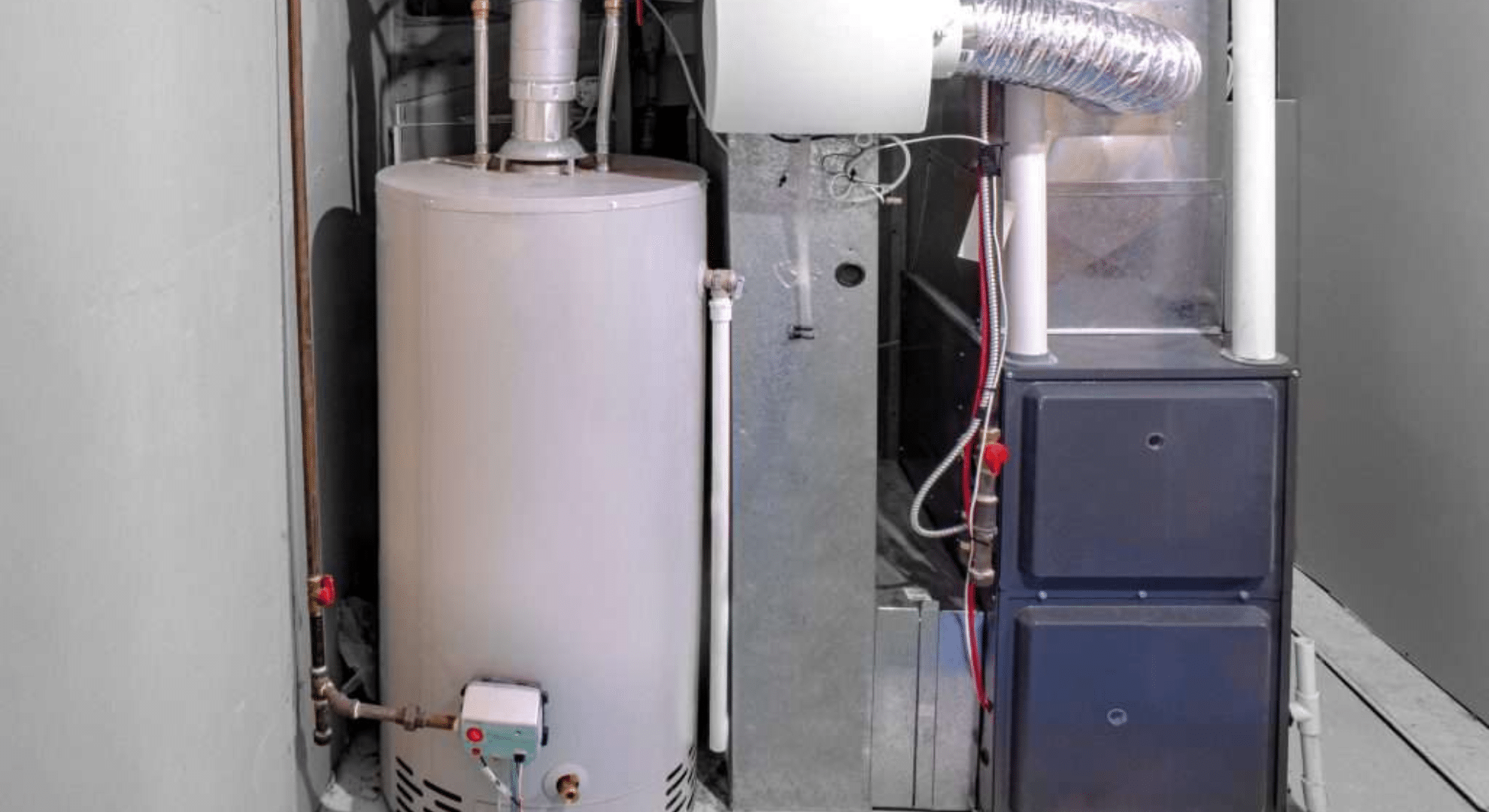
Furnaces come in different varieties based on the fuel they use. I’ve encountered all three main types, and each has unique characteristics that affect performance, cost, and maintenance:
| Furnace Type | How It Works | Efficiency | Best For |
|---|---|---|---|
| Gas Furnace | Burns natural gas or propane in burners; flames heat the heat exchanger; warm air circulates through ducts | 80-98% AFUE rating depending on model | Homes with natural gas access; cold climates needing powerful, cost-effective heating |
| Electric Furnace | Electric current flows through heating elements; air passes over hot elements and warms up | Nearly 100% efficient at converting electricity to heat | Mild climates; homes without gas lines; smaller spaces with lower heating demands |
| Oil Furnace | Oil sprays into the combustion chamber and ignites; flames heat the exchanger; exhaust vents outside | 80-90% AFUE rating; requires more maintenance | Rural areas without gas access, regions with competitive oil prices |
Your choice depends on fuel availability in your area and long-term operating costs. Gas furnaces dominate in most regions because they balance efficiency with affordability, but your specific situation might make electric or oil the smarter pick.
Common Furnace Issues and Troubleshooting
Even well-maintained furnaces run into problems occasionally. I’ve dealt with most of these issues firsthand, and knowing what to look for helps you decide when to DIY and when to call a professional:
- Furnace won’t turn on: Check your thermostat settings first, then verify the circuit breaker hasn’t tripped. You might also have a tripped safety switch or dead batteries in your thermostat.
- Not producing enough heat: This usually means a dirty air filter restricting airflow or a malfunctioning thermostat. In my experience, replacing the filter solves this problem about half the time.
- Blower runs continuously: Your fan setting might be on “ON” instead of “AUTO” at the thermostat. If that’s not it, you could have a faulty limit switch that needs professional attention.
- Strange noises (banging, rattling, squealing): Banging often indicates dirty burners or delayed ignition. Rattling suggests loose panels or ductwork. Squealing typically means your blower motor needs lubrication or replacement.
- Pilot light or ignition problems: Gas furnaces with pilot lights may need relighting. Electronic ignition systems might have faulty sensors. You’ll need a technician if the pilot won’t stay lit after multiple attempts.
- Furnace cycles on and off frequently: Called short cycling, this wastes energy and strains your system. Dirty filters, thermostat issues, or an oversized furnace typically cause this problem.
- Yellow or flickering burner flame: A healthy gas furnace flame should be blue. Yellow or flickering flames indicate incomplete combustion and potential carbon monoxide risks. Turn off your furnace and call a professional immediately.
- Cold air blowing from vents: Your pilot light might be out, or you could have a malfunctioning heat exchanger. Check simple things like thermostat settings first, but this often requires professional diagnosis.
Catching these issues early prevents bigger problems down the road. You can handle some fixes yourself, but don’t hesitate to call an HVAC technician when something feels beyond your comfort level or involves gas connections and safety components.
When to Call a Professional for Repairs
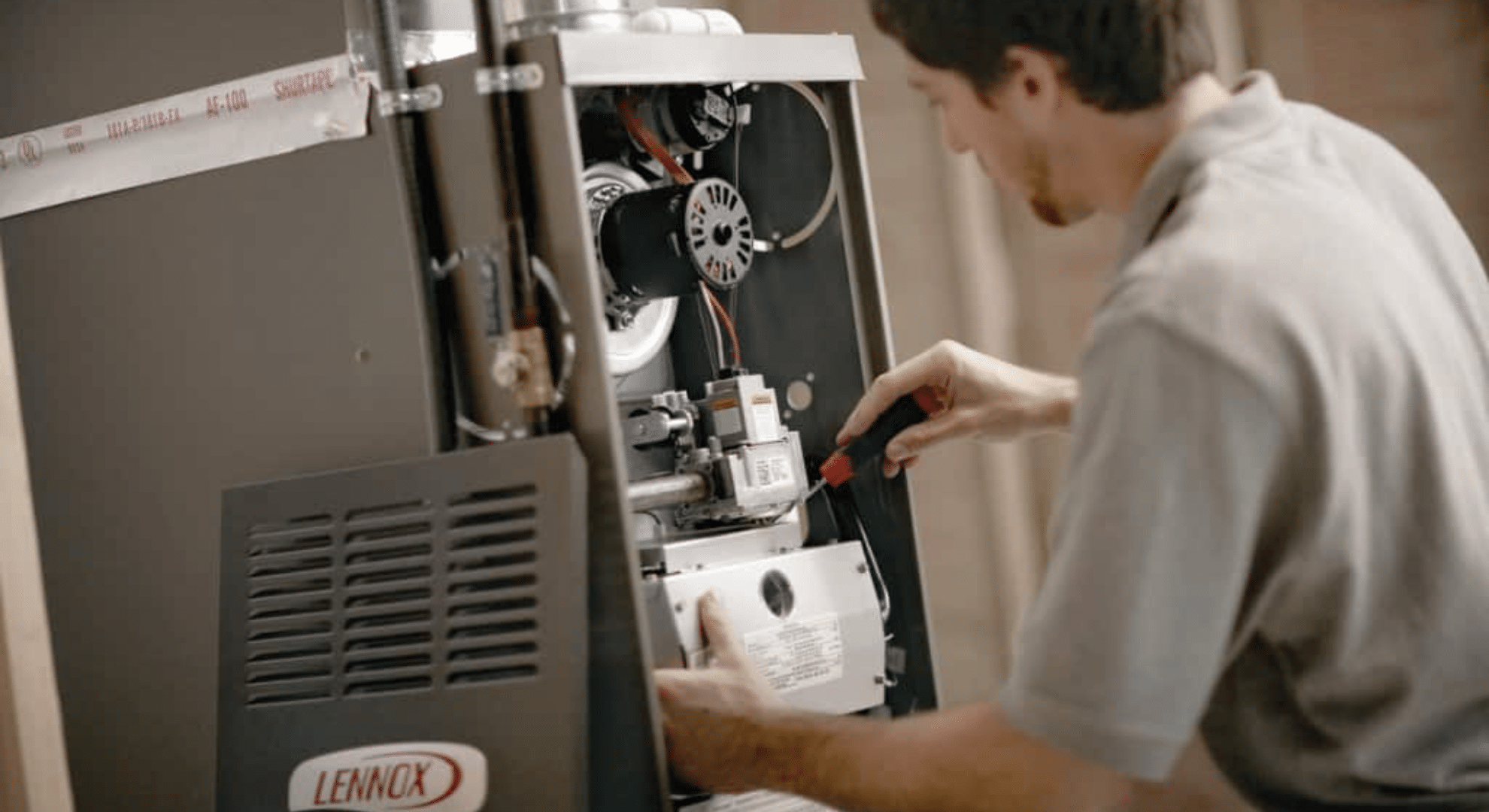
You should call an HVAC technician whenever you smell gas, notice a yellow burner flame, or suspect carbon monoxide issues.
I never mess around with safety concerns, and you shouldn’t either. Professional help is also necessary when your furnace won’t ignite, the heat exchanger shows cracks, or electrical components fail.
You’ll need expert service for refrigerant issues in dual-fuel systems, complex motor replacements, or when troubleshooting doesn’t solve the problem.
If your furnace is more than 15 years old and needs major repairs, a professional can tell you whether fixing or replacing makes financial sense. Annual maintenance from a licensed technician catches problems before they become emergencies.
Don’t attempt repairs involving gas lines, electrical wiring, or internal components unless you’re traine, the risks aren’t worth it.
Furnace Maintenance
Regular maintenance keeps your furnace running efficiently and prevents expensive breakdowns. I’ve learned that a little attention throughout the year saves you from major headaches during the coldest months:
- Replace air filters regularly: Change your filter every 1-3 months, depending on usage and filter type. Dirty filters restrict airflow, make your furnace work harder, and increase energy bills significantly.
- Keep vents and registers clear: Make sure furniture, curtains, and other objects aren’t blocking your supply and return vents. You need unobstructed airflow for your system to heat effectively and efficiently.
- Clean around your furnace: Dust and debris around your furnace can get sucked into the system. I make it a habit to vacuum around the unit and keep the area clear of stored items.
- Check your thermostat batteries: Dead batteries can shut down your entire heating system. Replace them annually, or whenever you notice your thermostat display dimming or acting erratically.
- Inspect the flame and pilot light: If you have a gas furnace, check that the flame burns blue and steady. A yellow or flickering flame means incomplete combustion and requires immediate professional attention.
- Lubricate moving parts: Some blower motors need annual lubrication. Check your owner’s manual to see if yours has oil ports, and add a few drops of motor oil if recommended.
- Test your carbon monoxide detector: This isn’t furnace maintenance exactly, but it’s critical for safety. Test your detector monthly and replace batteries twice yearly to ensure it’ll alert you to dangerous gas leaks.
- Schedule annual professional inspections: A certified HVAC technician should inspect your furnace before each heating season. They’ll catch issues you might miss, clean internal components, and verify everything operates safely.
Consistent maintenance extends your furnace’s lifespan and keeps it running at peak efficiency. You’ll spend less on repairs and energy bills when you stay on top of these simple tasks throughout the year.
Furnace vs. Other Heating Systems
Choosing the right heating system affects your comfort and budget for years. I’ve compared these options for different homes, and each system has strengths depending on your climate and needs:
| Heating System | How It Works | Pros | Cons |
|---|---|---|---|
| Furnace | Heats the air and distributes it through the ductwork | Fast heating; works in extreme cold; affordable upfront cost; widely available service | Requires ductwork; can dry indoor air; needs regular filter changes |
| Boiler | Heats water and distributes it through radiators or radiant floor systems | Provides even, comfortable heat; doesn’t dry air; quiet operation | Slower to heat spaces; expensive to install; limited cooling options |
| Heat Pump | Transfers heat from outside air or ground into your home | Heats and cools; highly efficient in mild climates; lower operating costs | Less effective below 25°F; higher upfront cost; may need backup heat |
| Electric Baseboard | Electric resistance heaters in individual rooms | Low installation cost; no ductwork needed; zone control | Expensive to operate; slow heating; takes up wall space |
Your location and existing infrastructure play huge roles in which system makes sense. Furnaces remain the go-to choice for most homeowners because they deliver reliable heat quickly, especially in regions with harsh winters where other systems struggle.
Choosing the Right Furnace for Your Home
Picking the right furnace involves more than just grabbing the cheapest option. I’ve seen homeowners regret rushed decisions, so take time to consider what actually fits your situation.
Start with your home’s size. You need a furnace with the correct BTU rating to heat your square footage efficiently. Too small means constant running and cold spots. Too large causes short cycling and wasted energy.
Consider fuel availability in your area. Natural gas costs less to operate than electricity in most regions, but you’ll need an existing gas line. Electric furnaces work anywhere but expect higher monthly bills.
Look at efficiency ratings. High-efficiency furnaces cost more upfront but save money over the long term through lower energy consumption.
Your climate matters here; invest in efficiency if you run your furnace heavily.
Check warranty coverage and local service availability. You want a brand with reliable support and technicians who know the equipment well.
How to Increase Your Furnace’s Energy Efficiency
Lower your thermostat by a few degrees and wear warmer clothes indoors. You’ll barely notice the difference, but your energy bill will. I keep mine at 68°F during the day and drop it to 62°F at night.
Programmable thermostats automate these adjustments perfectly.
Seal air leaks around windows and doors to prevent heat loss. Add insulation to your attic since heat rises and escapes through your roof. These upgrades make your furnace work less to maintain comfortable temperatures.
Clean filters and well-maintained furnaces use 15-20% less energy than neglected ones.
I’ve watched my bills drop after simple maintenance tasks.
AFUE measures how much fuel converts to heat. An 80% AFUE furnace wastes 20 cents of every dollar on fuel. High-efficiency models reach 95-98% AFUE, saving significantly over time.
Conclusion
I’ve walked you through everything about furnaces, from how they work to keeping them running efficiently.
Understanding what a furnace is and how it operates puts you in control of your home’s comfort and helps you make smarter decisions about maintenance and repairs.
You now know the warning signs that need attention, the maintenance tasks that prevent breakdowns, and how to choose the right system for your space.
Regular care keeps your furnace reliable and your energy bills manageable.
Take action on what you’ve learned here. Check your filter, schedule that overdue inspection, or simply pay closer attention to how your system performs.
Want more ways to improve your home’s comfort and efficiency? Check out other guides for practical tips that make homeownership easier!