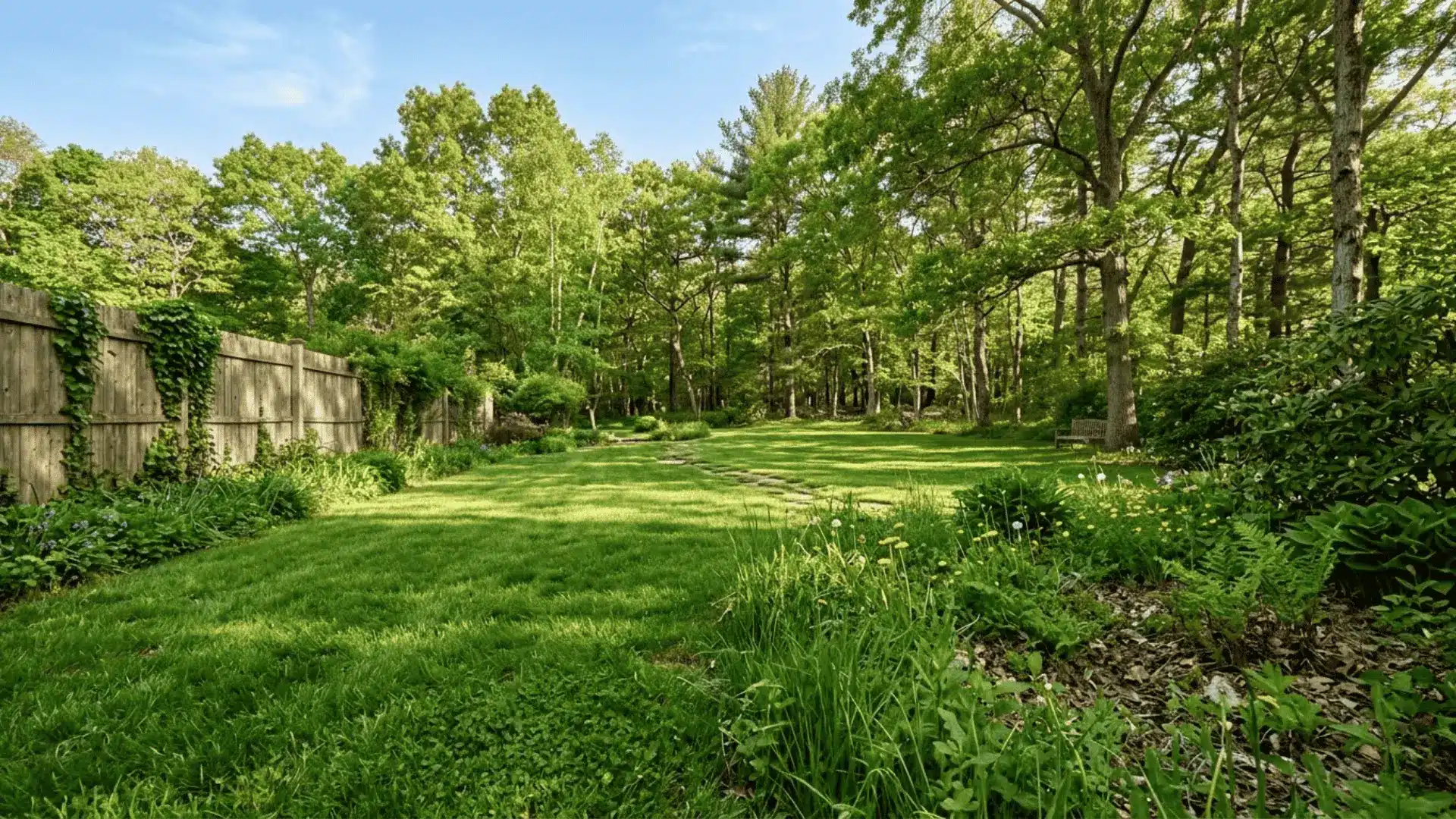
Ticks tend to show up right when you want to be outside the most, tucked into tall grass and shady corners, just waiting for a warm afternoon to work against you.
And beyond the annoyance, they carry real risks, Lyme disease being the one most people know by name.
Keeping your yard safe does not have to feel overwhelming or overly complicated, though.
Natural remedies, smart landscaping habits, and reliable tick yard treatment options all play a role here, and this guide covers exactly what works so your outdoor space can feel like yours again.
Why Ticks are Showing Up in Your Yard?
Ticks do not just appear out of nowhere. They are drawn to yards that offer exactly what they need to survive: cool shade, moisture, and tall grass to hide in.
Dense vegetation gives them the perfect environment to wait for a host to pass by.
Wildlife like deer and mice are frequent carriers, and even pets can unknowingly bring ticks in from a walk or a run through nearby brush.
If your yard borders wooded or overgrown areas, the chances of a tick population settling in go up significantly. Your yard’s surroundings matter just as much as the yard itself.
Signs Your Yard May Have a Tick Problem
Spotting a tick once might feel like a fluke, but if it keeps happening, your yard is likely telling you something worth paying attention to.
- Ticks are regularly showing up on your pets after they have been outside.
- Your clothing catches ticks after walks through the yard or garden.
- Tall grass, leaf piles, or overgrown patches are scattered across your space.
- The yard borders a wooded area, dense shrubs, or unkempt neighboring land.
- Shaded, damp corners of your yard never quite seem to dry out.
If a few of these feel familiar, it is a good sign that a proper tick yard treatment plan is worth putting in place sooner rather than later.
Tick Yard Treatment Methods That Work
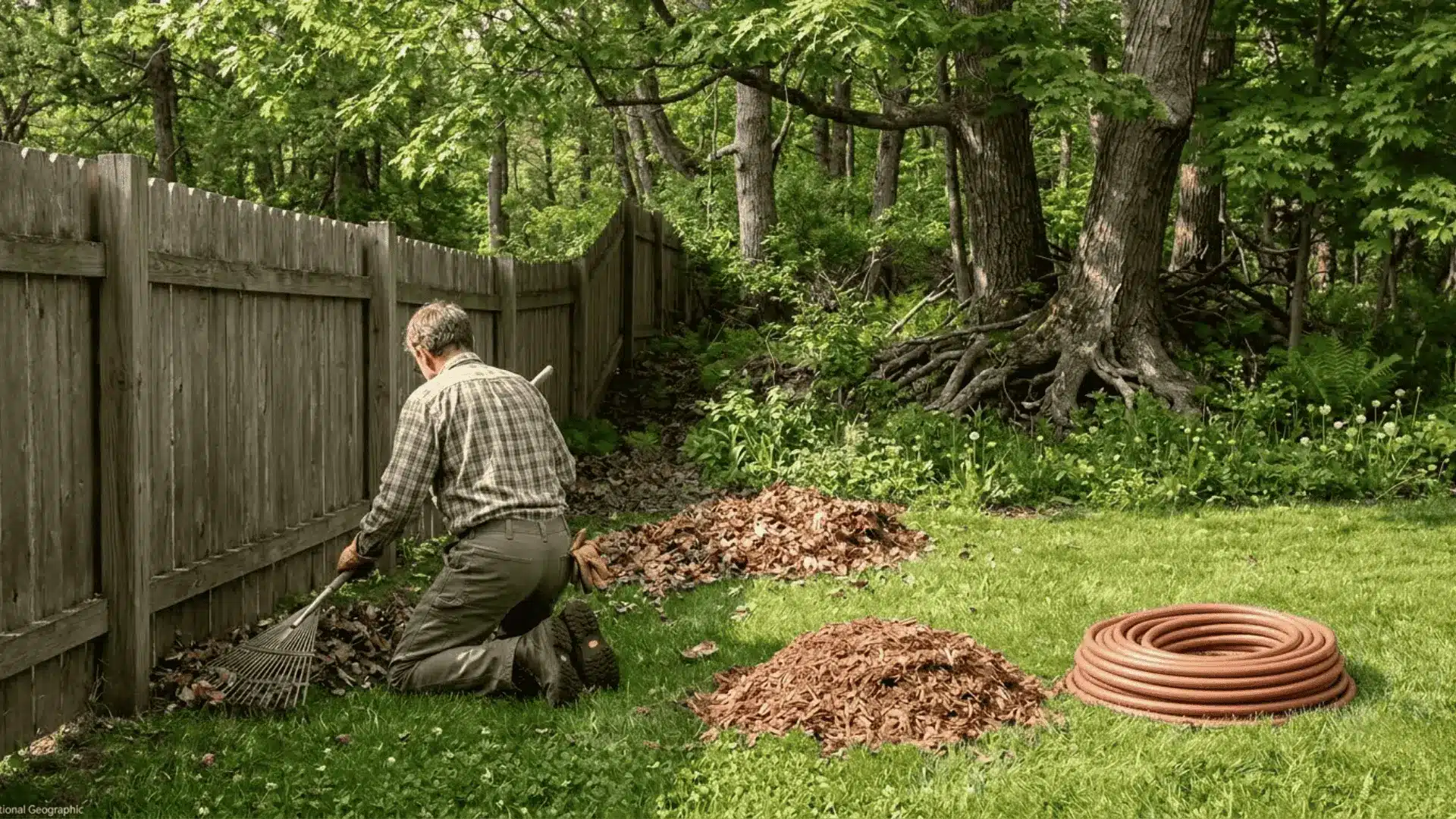
Treating your yard for ticks is less about one big fix and more about layering smart habits together.
The methods below cover everything from simple upkeep to targeted tick yard treatment strategies that make a real difference.
1. Keep Grass Short and Remove Yard Debris
Ticks prefer to stay low, tucked into tall grass where it stays cool and humid. Mowing regularly cuts down on the kind of environment they are drawn to.
Aim to keep grass trimmed and clear out any dead leaves, brush piles, or garden debris that tends to collect in corners and along edges; those spots are prime hiding ground.
2. Clear Leaf Litter and Brush
Damp, decomposing organic matter is exactly where ticks like to settle in and wait. Raking out leaf litter, clearing brush, and keeping garden beds tidy go a long way in making your yard less inviting.
Pay extra attention to shaded areas and spots where moisture tends to linger after rain.
3. Create a Gravel or Mulch Barrier
A simple barrier between your lawn and any wooded or overgrown areas can slow tick migration considerably.
Here is how to put one in place:
- Step 1: Identify the boundary line between your yard and the wooded or brushy area.
- Step 2: Clear the strip of any existing grass or debris.
- Step 3: Lay down a wide band of gravel or wood chip mulch along that edge.
4. Use Cedar Mulch in Garden Beds
Not all mulch works the same way. Eastern Red Cedar mulch contains natural oils that ticks actively avoid, making it a quiet but effective part of your tick yard treatment plan.
Spreading it across garden beds and around the base of trees and shrubs adds a layer of protection right where ticks tend to travel through.
5. Apply Yard-Safe Tick Sprays
Both store-bought and DIY sprays can bring tick populations down when applied consistently.
- Cutter Backyard Bug Control Spray Concentrate attaches right to your garden hose for easy coverage.
- Wondercide Flea & Tick Yard Spray is a plant-based option safe around kids and pets.
- For broader coverage across the lawn and perimeter, Ortho Home Defense Insect Killer is a dependable choice.
Focus the application on shaded, overgrown patches for best results.
6. Treat the Yard Perimeter
The edges of your yard do most of the heavy lifting when it comes to tick entry points. Fence lines, wooded borders, and shaded corners are where ticks tend to cross in from surrounding areas.
Concentrating your treatment along these zones rather than across the entire yard makes the process more efficient and often more effective.
Natural Tick Yard Treatment Options
If you would rather skip the chemicals altogether, there are gentler ways to work tick control into your yard routine. These natural options will not replace a full treatment plan, but they add a quiet, consistent layer of protection.
Essential Oil Sprays
Natural oils like cedarwood and peppermint are known to repel ticks and are easy to work into a simple DIY spray.
A few things to keep in mind before you start:
- Mix cedarwood or peppermint oil with water and a small amount of liquid soap to help it bind.
- Spray along grass edges, garden borders, and shaded patches every few weeks.
- Reapply after rain since the potency fades with moisture.
Diatomaceous Earth Around Yard Edges
Food-grade diatomaceous earth works by physically breaking down the outer shell of crawling insects, ticks included. It is low-risk and easy to apply when used correctly.
- Sprinkle a fine layer along yard edges, fence lines, and garden beds.
- Keep it dry, as moisture reduces its effectiveness significantly.
- Reapply after watering or rainfall for consistent results.
Plant Tick-Repelling Herbs
Certain plants naturally release oils and scents that ticks tend to avoid, making them a pretty and practical addition to any yard.
- Lavender, rosemary, and mint are among the most commonly recommended choices.
- Plant them along borders, pathways, or near seating areas for the most impact.
- They work best as a deterrent alongside other tick yard treatment methods, not as a standalone fix.
Chemical Tick Yard Treatments
Chemical treatments tend to work faster and cover more ground than natural alternatives, making them a solid option when tick pressure in your yard is high.
Here is a quick breakdown of the main types worth knowing about.
| Treatment Type | How It Works | Best Used For | Product |
|---|---|---|---|
| Permethrin-Based Sprays | Kills ticks on contact, lasts up to 28 days | Lawn surfaces and perimeter zones | Martin’s Permethrin 10% |
| Insect Growth Regulators | Disrupts the tick life cycle at the larval stage | Heavy or recurring tick activity | Black Flag Flea & Tick Killer with IGR |
| Granular Tick Control | Slow-release granules target ticks above and below ground | Dense grass and hard-to-spray areas | Sevin Insect Killer Lawn Granules |
Landscaping Changes That Reduce Ticks
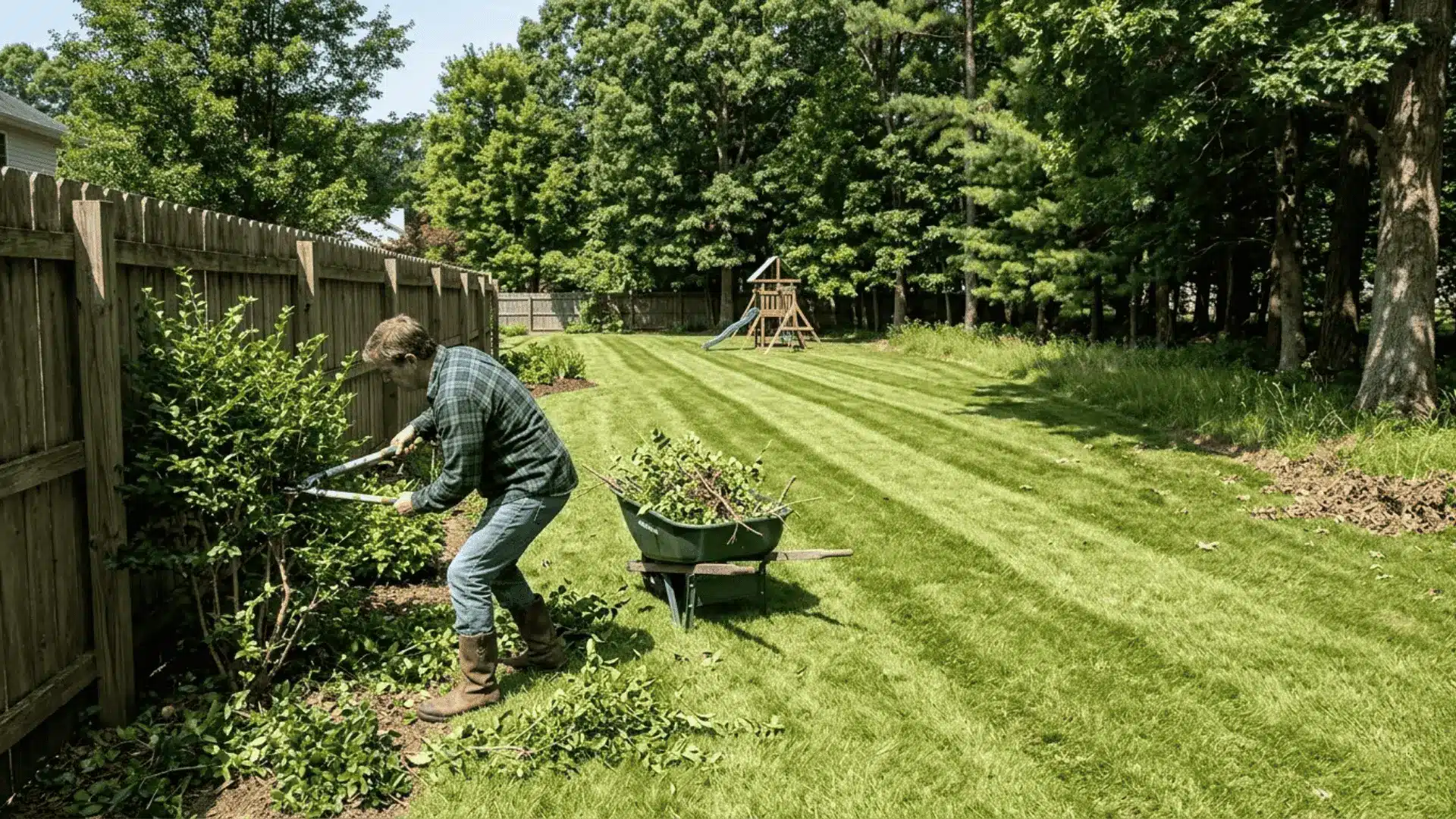
A few thoughtful changes to how your yard is set up can make a bigger difference than any spray on its own. Ticks are highly environment-driven, and adjusting your space takes away a lot of what they rely on.
- Trim back trees and shrubs to let more sunlight reach the ground; ticks struggle in warm, dry, exposed areas.
- Clear out brush piles, wood stacks, and garden debris regularly, as these are prime hiding and nesting spots.
- Keep play areas, seating, and high-traffic zones positioned away from wooded edges or overgrown borders.
- Mow along fence lines and property edges where shade and moisture tend to collect.
These changes do not require a full yard overhaul. Even a few of them applied consistently can quietly shift your yard into a space that is far less hospitable to ticks over time.
How Often to Treat Your Yard for Ticks?
Ticks are most active through spring and into early summer, so that window is when consistent treatment matters most.
For chemical and spray-based options, applying every 3 to 6 weeks during peak season keeps protection levels steady without gaps.
Natural treatments like essential oil sprays tend to break down faster and may need refreshing every 2 to 3 weeks, especially after rain.
Outside of peak season, a monthly check-in and light treatment along the yard perimeter is usually enough to stay ahead of any activity before it has a chance to build up.
Protecting Pets and Family From Yard Ticks
Treating the yard is only part of the picture. Keeping pets and family protected means building a few simple habits into your everyday outdoor routine as well.
- Check pets thoroughly after time outside, paying close attention to ears, paws, and under the collar.
- Run your hands along your own skin and hairline after spending time in grassy or wooded areas.
- Wear long socks and tucked-in pants when working near yard edges or overgrown patches.
- Talk to your vet about a reliable tick preventative for dogs and cats that spend time outdoors.
- Shower soon after outdoor activity to catch any ticks before they have a chance to attach.
A little awareness goes a long way. The yard treatment handles the environment, but these habits close the gap and keep everyone that much safer day to day.
Final Thoughts
Taking back your yard from ticks is completely doable when the right approach is in place.
Natural remedies, smart landscaping, or a targeted tick yard treatment plan all work best when applied with consistency.
Small, steady habits build up into a yard that feels genuinely safe and enjoyable to spend time in. Start with one or two changes and go from there.
Have a tip or a product that has worked well? Drop it in the comments below; someone else might find it just as helpful.