Many homeowners first think about a heat pump water heater on the day their old gas tank starts leaking. That is the worst time to make the decision, because the switch involves more than swapping one tank for another. Planning a few months ahead gives you time to check your electrical capacity, pick a location, and line up incentives before any work begins.
How a Heat Pump Water Heater Works
A heat pump water heater does not make heat by burning gas or running a heating element. It pulls warmth from the surrounding air and moves it into the water, much like a refrigerator working in reverse. Because it moves heat instead of creating it, it uses far less energy than a standard electric tank. Most models also include backup electric elements for periods of heavy demand.
Check the Space Before You Buy
The unit needs air to work with. Manufacturers list a minimum room size or ventilation requirement, and a tight closet may need louvered doors or ducting. Garages and basements are the most common spots.
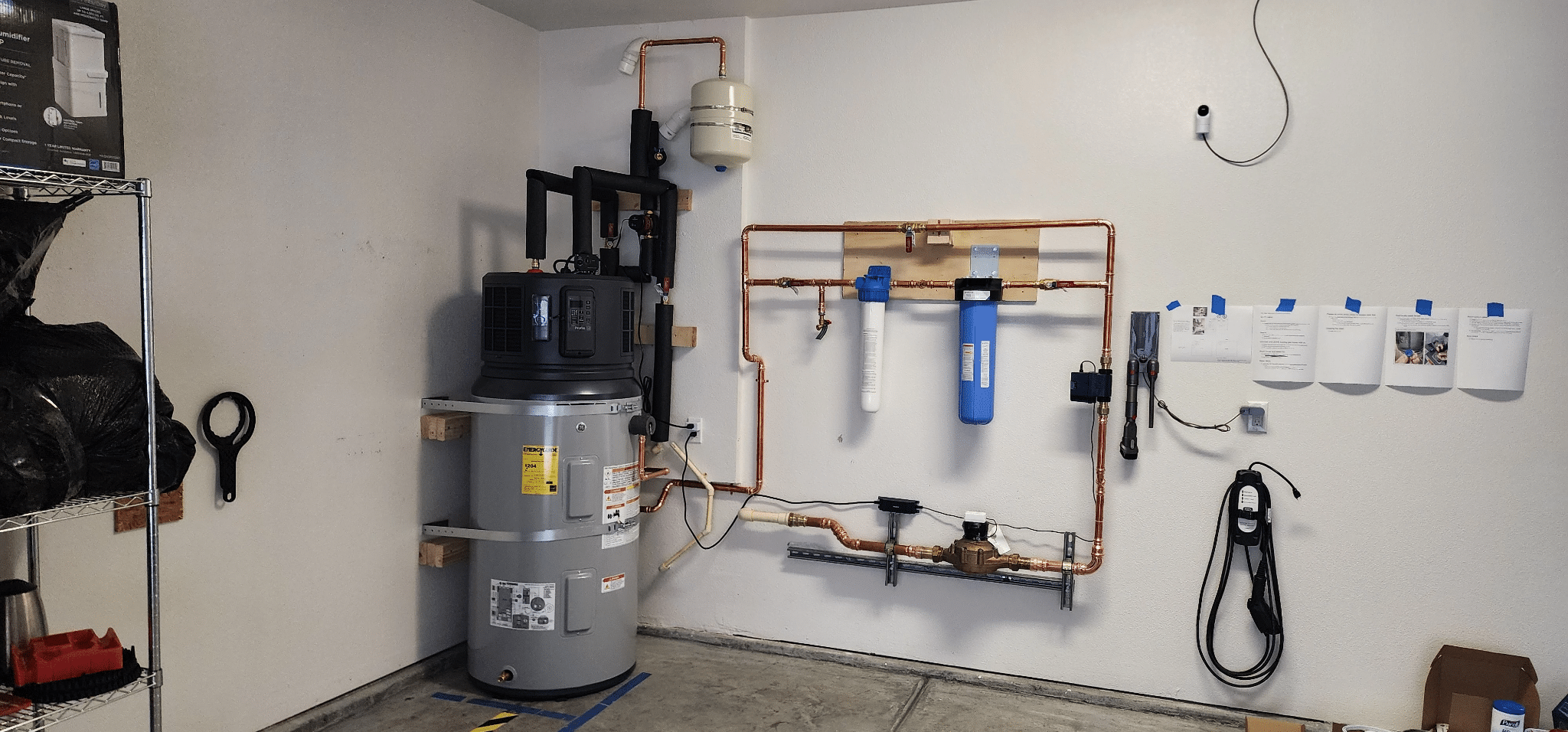
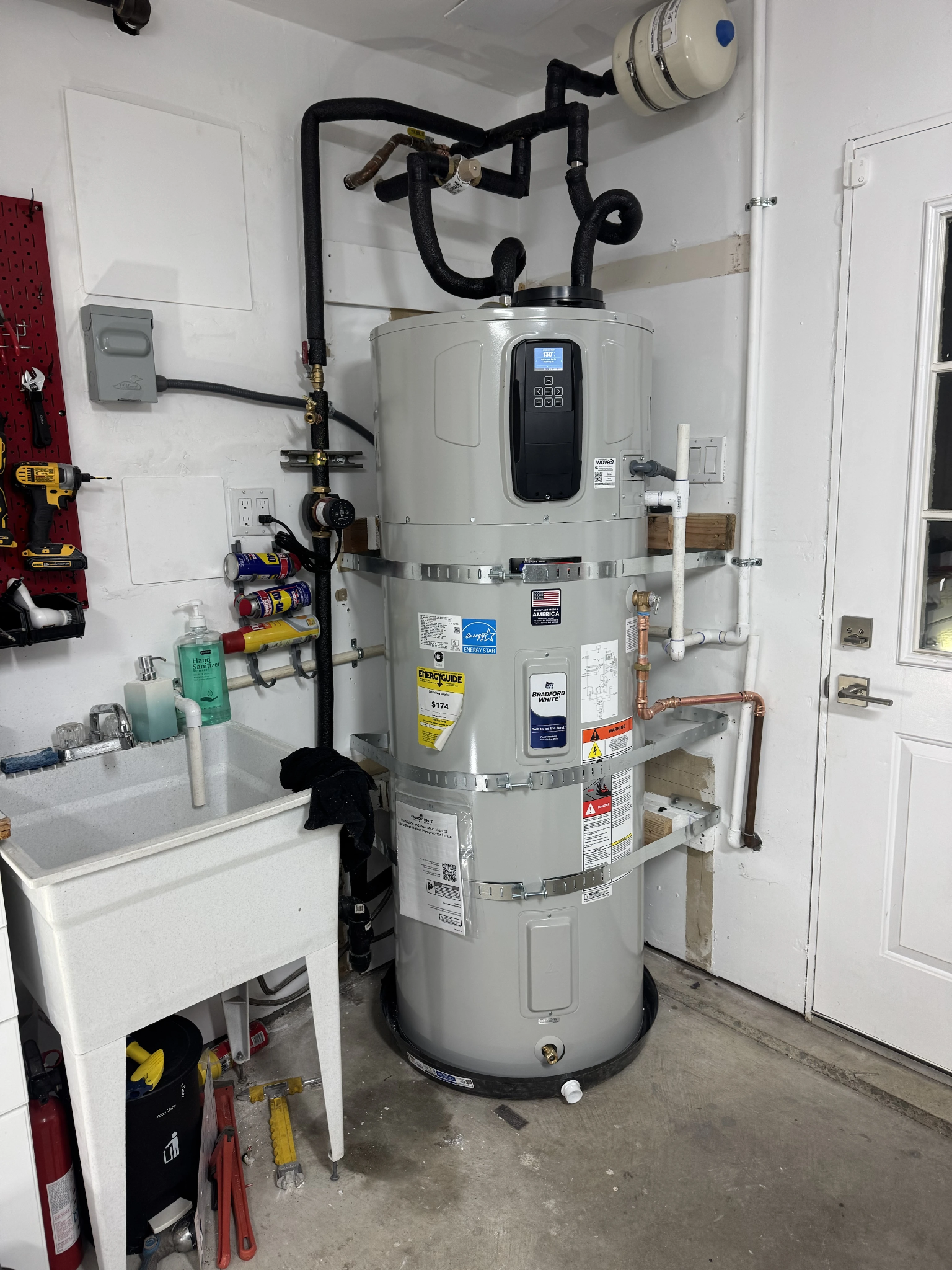
Height matters too. Many heat pump models are taller than the gas tank they replace because the compressor sits on top. The unit also produces condensate, so it needs a drain or a condensate pump nearby. And it cools the room slightly as it runs, which is welcome in a warm garage and less welcome in a small laundry room.
Electrical Capacity Decides the Budget
A gas water heater needs little or no electricity. A standard 240-volt heat pump unit needs a dedicated circuit, often with a 30-amp breaker. Before anything else, have someone look at your electrical panel. If there is room for a new breaker, the job stays simple. If the panel is full or the service is small, you may be looking at a panel upgrade, which changes both the cost and the timeline.
Some manufacturers now offer 120-volt plug-in models built for homes without spare panel capacity. They can work well for smaller households, although they recover more slowly after heavy use.
What Happens to the Gas Line and the Vent
Once the old tank is removed, the gas supply that fed it has to be capped and tested for leaks, and the flue that vented it is no longer needed. If the water heater was the only gas appliance in that part of the house, the switch also removes a combustion appliance from your living space. This part of the job belongs with a licensed plumber.
Sizing and Recovery
In efficiency mode, a heat pump unit heats water more slowly than a gas burner. For that reason, many households size up, for example from a 40-gallon gas tank to a 50 or 65-gallon heat pump model. Most units let you switch to a hybrid or high-demand mode when guests are staying, and many connect to an app so you can change settings or schedule heating around your utility rate plan.
Permits and Inspection
A water heater replacement requires a permit in most California cities, and a gas-to-electric switch usually involves both plumbing and electrical work. The inspector checks seismic strapping, the temperature and pressure relief valve discharge, condensate drainage, and the electrical connection. Skipping the permit can create problems when you sell the house, and it almost always rules you out of incentive programs.
Rebates and Incentives
This is where planning ahead pays off most. Many local electric providers and city utilities offer incentives for replacing a gas water heater with a heat pump model, and they can cover a large share of the equipment cost. The rules differ by provider. Some require that you are switching from gas rather than replacing an electric tank, some require a model from an approved list, and nearly all require a permitted installation that has passed final inspection. Funding levels and amounts can also change during the year.
If you live in Santa Clara or San Mateo County, this overview of heat pump water heater rebate programs in the Bay Area explains which provider serves which city and what each program asks for. Check your eligibility before you buy the unit, not after.
Is the Switch Worth It?
For most homes with enough space and electrical capacity, a heat pump water heater lowers energy use and takes a gas appliance out of the house. The upfront cost is higher than a like-for-like gas tank, but incentives can narrow that gap considerably. The homes that struggle are the ones with no room around the unit and a full panel with no budget for an upgrade. Knowing which group your home falls into before the old tank fails is the best way to make the switch on your own schedule.