
Choosing between mulch and wood chips looks simple from the outside, but once you start working in the yard, you realize each one changes the soil, the look of the space, and even how your plants grow.
Most people only see the surface, but there’s a whole story underneath: how fast the material breaks down, what kind of soil life it encourages, and the way different plants respond to it.
In this blog, I walk through the key differences, costs, safety concerns, and the situations where one clearly outperforms the other. By the end, you’ll know exactly what belongs in your garden.
A Quick Look at Mulch and Wood Chips Side-by-Side
You know, people overcomplicate this stuff. It’s not a riddle. You’re just looking at two materials that do similar jobs but behave differently. So here’s the short story:
| Feature | Mulch | Wood Chips |
|---|---|---|
| Appearance | Finer, smoother, looks tidy in beds | Chunky, rustic, more natural-looking |
| Cost | Usually higher; bagged mulch gets pricey | Often cheap; arborist chips can be free |
| Longevity | Breaks down faster; needs refreshing more often | Lasts longer; holds up for years |
| Decomposition Speed | Quick breakdown; feeds soil sooner | Slow breakdown; long-term soil building |
| Soil Health Impact | Boosts nutrients fast; bacteria-heavy | Builds fungal networks; improves structure over time |
| Best Uses | Flower beds, veggie gardens, areas where looks matter | Trees, shrubs, pathways, spaces needing long-term cover |
| Maintenance | Reapply yearly; can compact if too fine | Refresh every few years; old chips turn into soil |
Wood Chips vs. Mulch: Key Differences
Here’s the part most people want to know: how these two materials actually behave in the garden and what sets them apart once you put them to work.
What is Mulch?
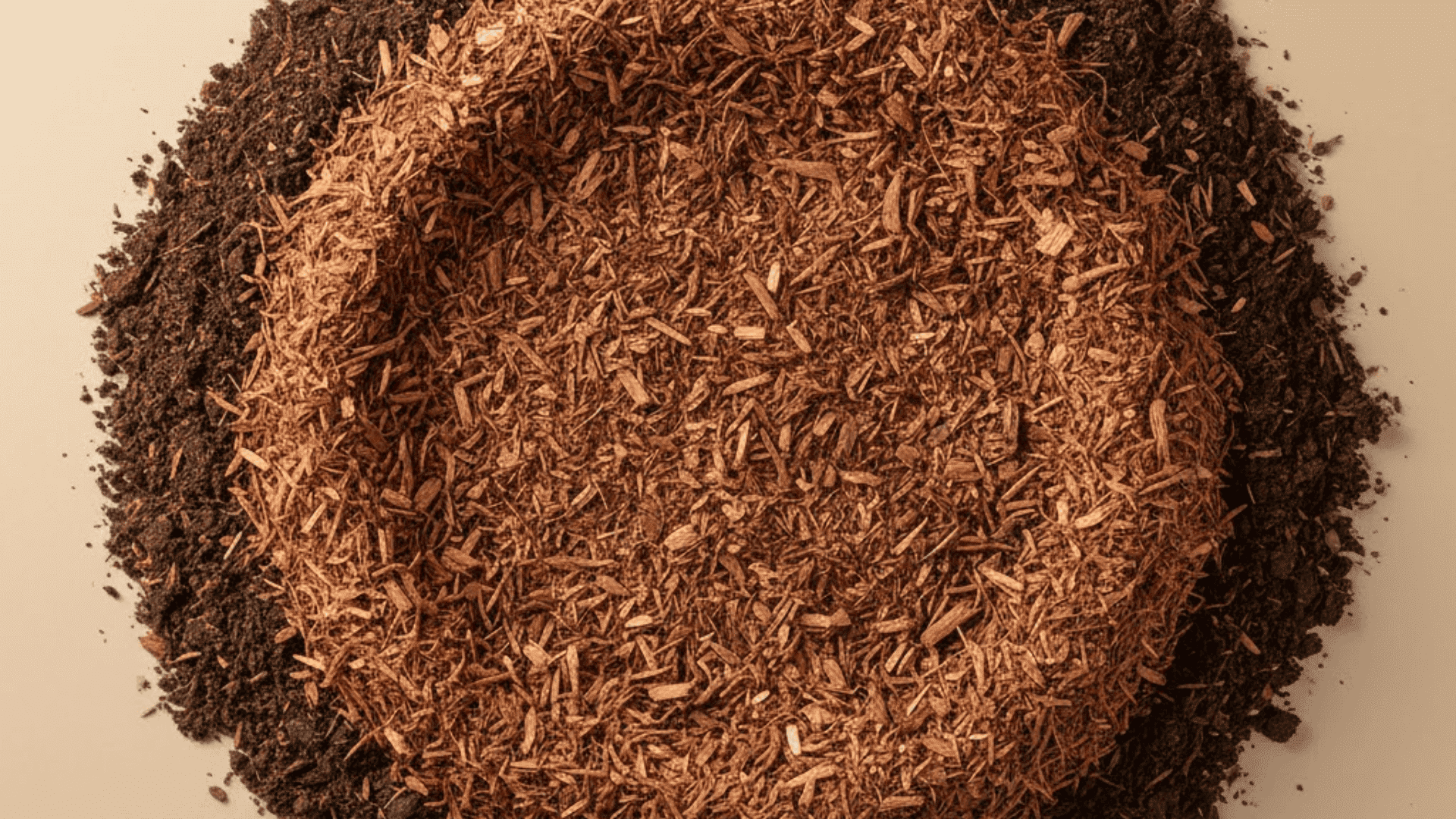
Mulch is basically anything you spread on top of the soil to protect it. Most people think of the shredded bark from the hardware store, but it’s a whole category, not one material.
Mulch can be bark. It can be compost. It can be leaves. Sometimes it’s dyed to look a certain way. Sometimes it’s natural and smells like a forest after rain.
The whole point is simple: keep moisture in, keep weeds down, and help the soil stay healthy.
Types of Mulch
- Shredded bark: This is the classic. Runs through machines until it gets that fine, stringy look. Comes from hardwood or softwood. Easy to spread and looks clean in beds.
- Compost mulch: This is basically finished compost used as a top layer. Dark, soft, and nutrient-rich. Plants love it because it works fast.
- Leaf mulch: Shredded leaves. Lighter, softer, breaks down quickly. Great for veggie beds and improving soil fast.
- Dyed mulch: Same shredded bark, but colored for looks. Red, black, brown. People like it because it makes the yard look sharp, but it doesn’t add much beyond appearance.
How Mulch is Made
Most mulch starts as wood byproducts. Lumber mills take bark, grind it, shred it, and sometimes age it so it breaks down more predictably.
Compost mulch is made from decomposed plant matter. Leaf mulch comes from shredded leaves run through a blower or mower. The process is basically turning natural waste into something useful.
Mulch: Pros and Cons
| Pros | Cons |
|---|---|
| Looks clean in gardenbeds. Gives everything a sharp, tidy feel if presentation matters. | Doesn’t last long. Needs refreshing often, sometimes every year depending on weather. |
| Breaks down quickly and feeds thesoil. Fine texture decomposes fast and releases nutrients plants can use right away. | Can form a crust if too fine. Triple-shred mulch can pack tight and block water from reaching the soil. |
| Good at suppressingweeds. Blocks sunlight from weed seeds, which keeps things under control. | Color-dyed mulches offer looks, not soil health. Mostly decorative and can fade in sun; doesn’t add much to the soil. |
| Works in many garden settings. Veggies, flowers, containers, slopes; it adapts easily. | Not ideal for very wet areas. Holds extra moisture in soil that’s already soggy, which can stress plants. |
What are Wood Chips?
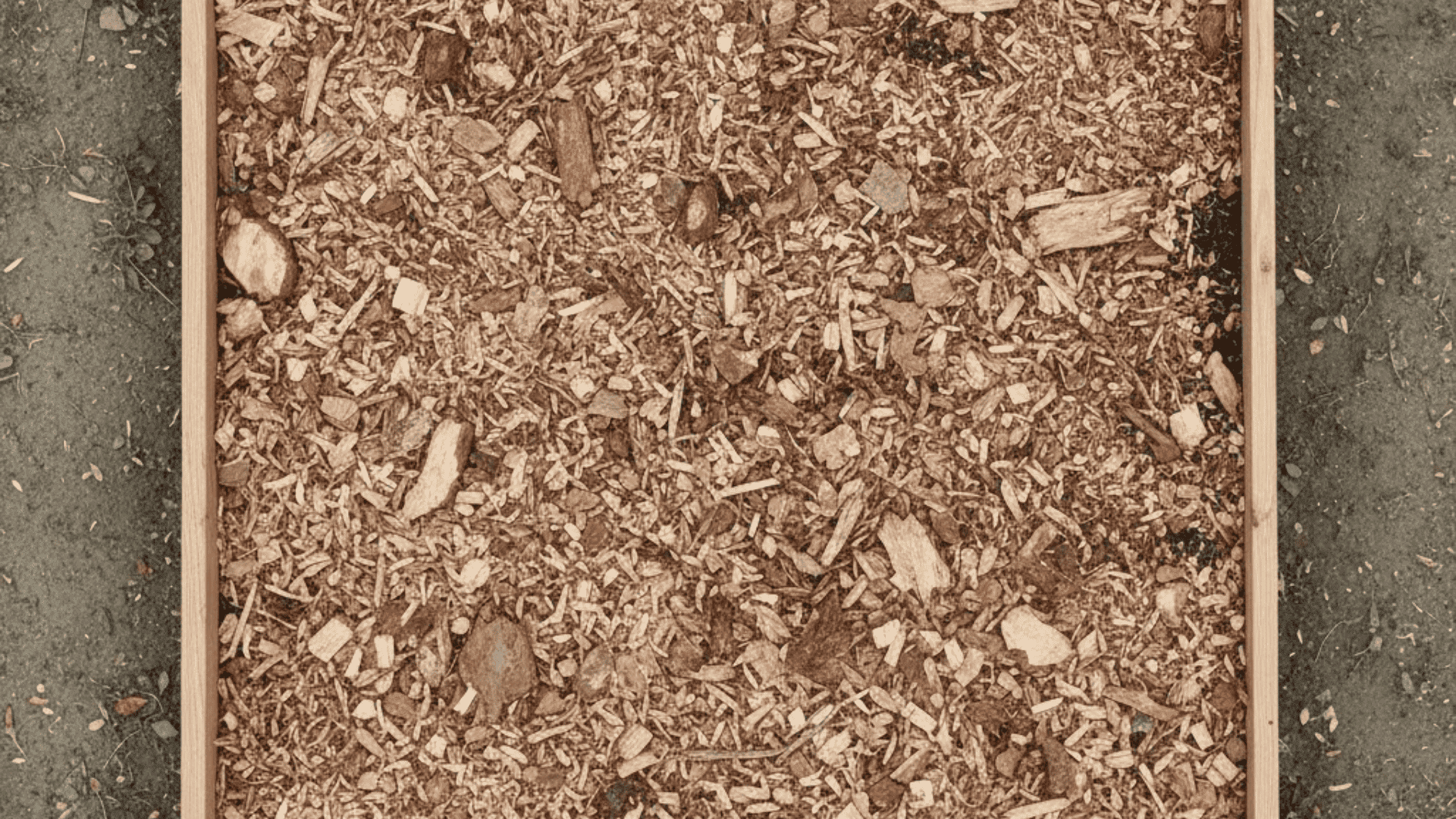
Wood chips are small, chunky pieces of wood produced when branches, logs, or whole trees run through a chipper.
They’re rougher and more natural-looking than typical bagged mulch, and they break down slowly over time. People use them because they build soil in the long run, especially around trees and shrubs.
Types of Wood Chips
There are two main kinds gardeners deal with, and they behave differently.
Arborist Chips
These are the real ones. Fresh from tree-service crews. Mixed sizes. Leaves, twigs, bark, everything. They’re messy in a good way and usually free if you can get a load delivered. They break down slowly and support fungal activity in the soil.
Bagged Wood Chips
These are more uniform, cleaner, and sold at home-improvement stores. Usually just chunks of wood with the leafy stuff removed. They look nice, but don’t bring the same diversity or soil-building benefits as arborist chips. Mainly used when aesthetics matter.
Wood Chips: Pros and Cons
| Pros | Cons |
|---|---|
| Long-lasting ground cover. Stays in place and breaks down slowly, so you don’t have to refresh it every year. | Can tie up nitrogen if mixed into soil. Fresh chips can steal nitrogen from plant roots when tilled in, but they’re safe as a top layer. |
| Great for trees and shrubs. Fungal networks develop under wood chips and support woody plants over time. | Chunky look isn’t for everyone. The rough texture can feel too rustic in decorative landscape beds. |
| Improves soil structure long-term. As chips decompose, they create loose, rich soil underneath. | Not ideal for fast-feeding annuals. Veggies and flowers that want quick nutrients do better with finer mulch. |
| Often cheap or free. Arborist chips cover big areas without draining your budget. | Can attract mushrooms or harmless fungi. Normal part of decomposition, but some gardeners don’t like the appearance. |
How Mulch and Wood Chips Affect Your Soil
So here’s the deal, and I’ll keep it simple because soil science gets messy fast. Mulch and wood chips both help the ground, but they don’t help it the same way. They behave like two different personalities in the garden.
Mulch works fast. It breaks down quickly and feeds the soil right away. When it decomposes, it leans heavily on bacteria. That’s the kind of system most annual plants like to live in.
Veggies, flowers, anything that grows fast and wants nutrients now; they respond really well to that quick hit.
Woodchips play the long game. They don’t rush. They sit on top, break down slowly, and build this whole fungal network underneath.
Fungi love woody material, and that fungal community is what trees and shrubs naturally grow with. It’s steady, supportive, and it reshapes the soil over time into something richer and looser.
Which Plants Prefer Which?
Plants that prefer mulch (bacteria-heavy soil):
Vegetables, herbs, annual flowers, anything shallow-rooted that feeds fast and doesn’t stick around forever. They don’t need deep fungal systems. They just want good food now.
Plants that prefer wood chips (fungal-dominant soil):
Trees, shrubs, berries, perennials with woody stems. They evolved to grow in forests full of decomposing branches and fungal networks. Wood chips feel like home to them.
It’s not a competition. They’re just different tools for different kinds of plants. If you match the material to what the plant naturally grows with, the whole garden runs more smoothly.
Aesthetic Comparison: Mulch vs. Wood Chips
When people talk about mulch versus wood chips, this is the part they actually see. It’s the vibe of the yard. The first impression. Plants do their thing either way, but the look you get changes a lot depending on what you use.
Flower Beds
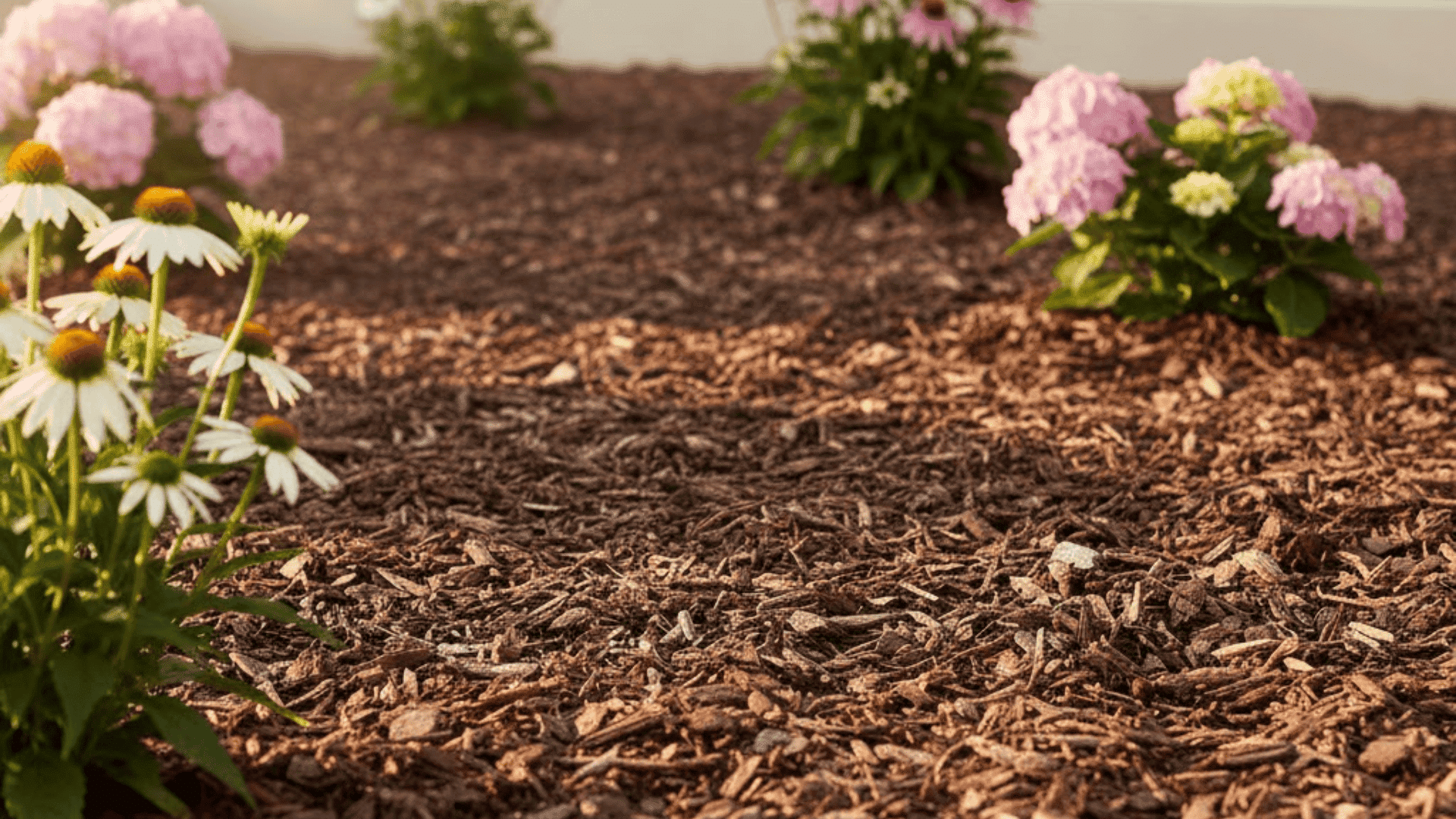
Mulch gives you that clean, polished finish. Smooth surface. Even color. Everything looks intentional, like you meant to make the bed look that sharp. Landscapers lean on mulch here because it frames flowers without stealing attention.
Wood chips look more natural and rugged. Bigger pieces, uneven texture. Some people love that forest-floor energy, but it won’t give you the same “manicured” look. It works if you want something relaxed and earthy.
Pathways
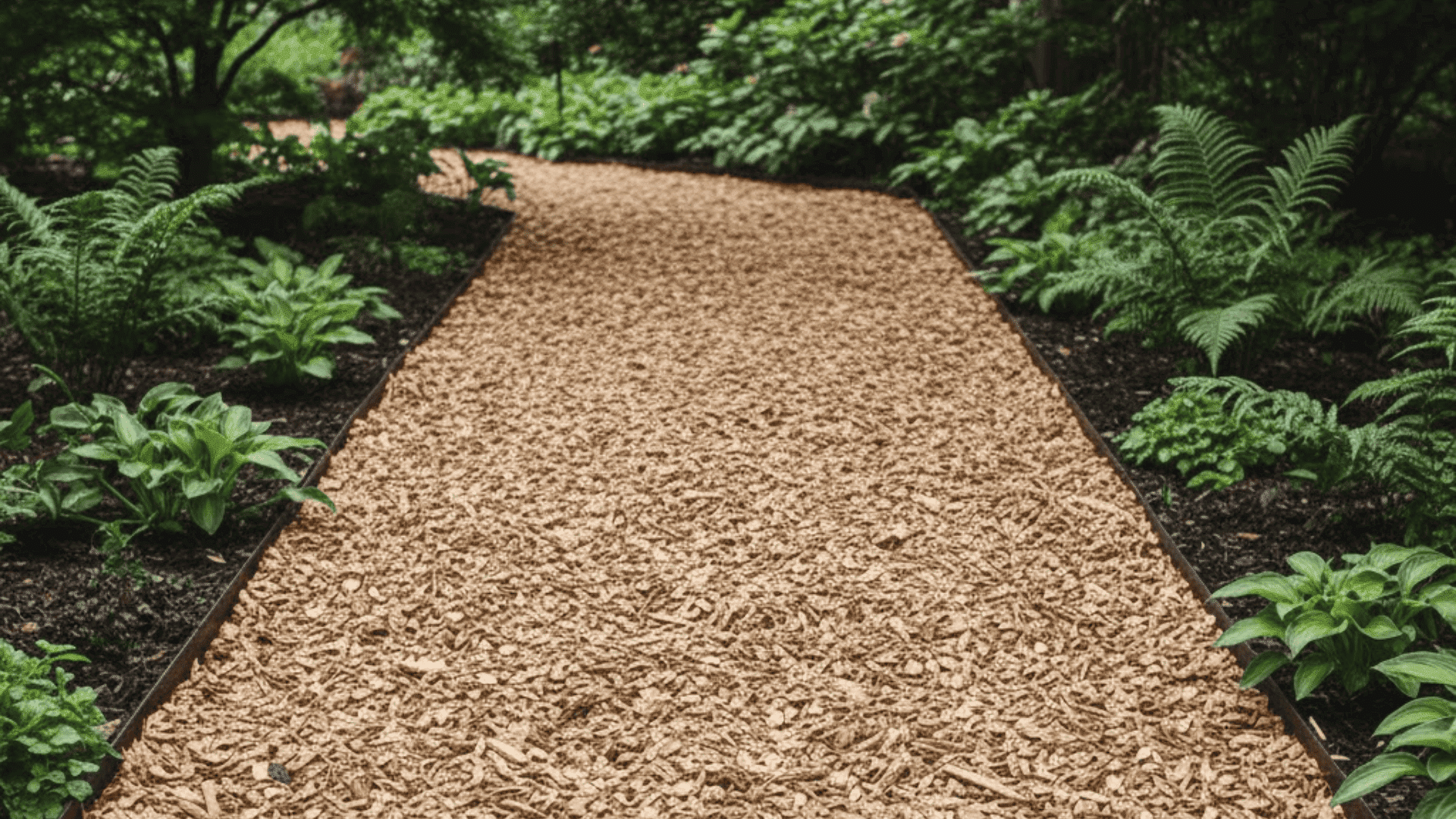
Mulch can work in pathways, but it gets kicked around and breaks down fast. You’ll be topping it up a lot. Good for short-term paths but not the best long-term choice.
This is where wood chips shine. They look like outdoor trails. Soft to walk on. They hold up well and stay in place. After a while they start blending into the soil and feel like part of the landscape. Great for greenhouse paths, walking trails, or garden walkways.
Around Trees
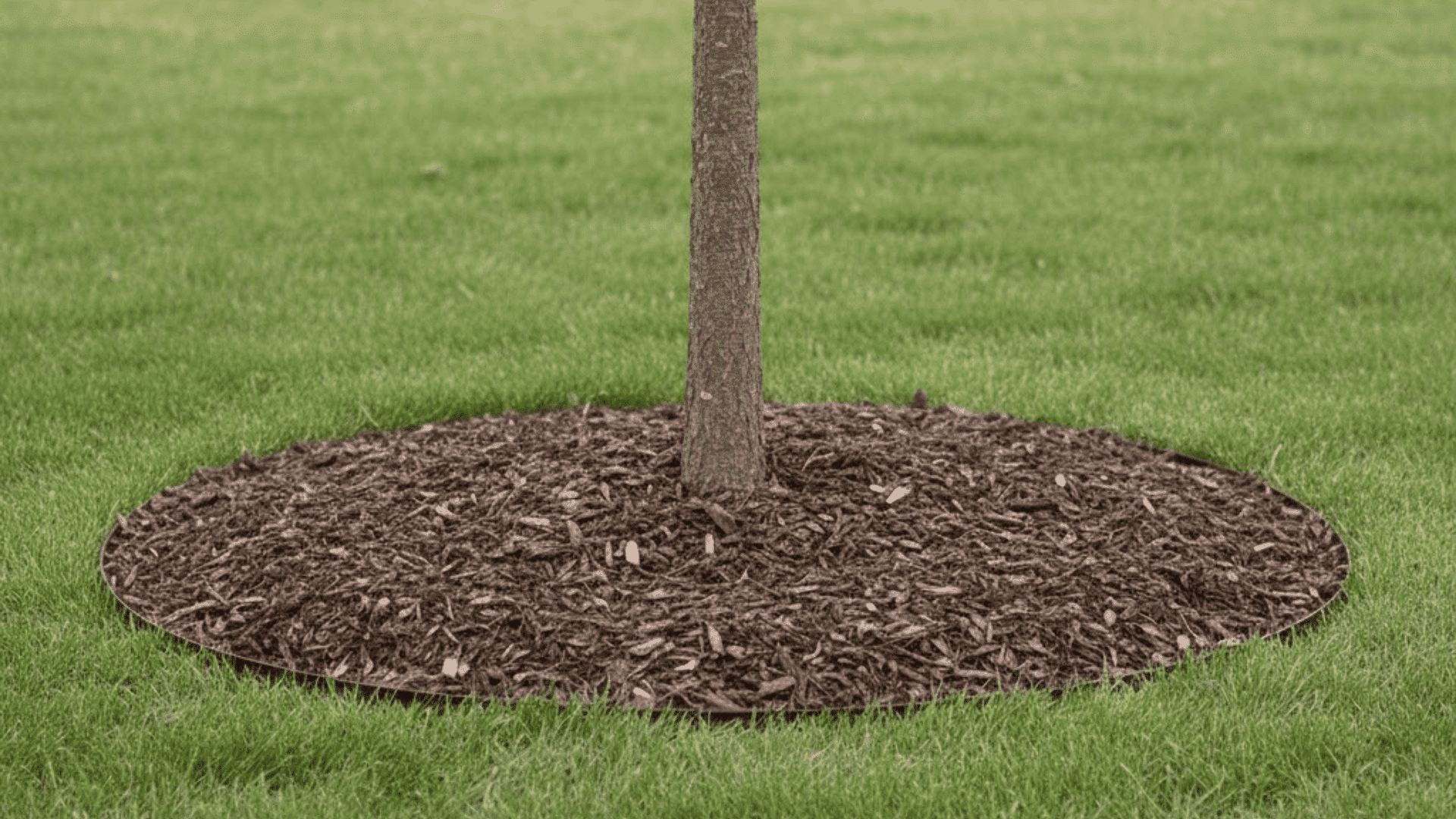
Mulch looks tidy around trees, especially in front yards. It gives a finished, uniform ring that blends into the grass and keeps things neat.
Wood chips look like a natural woodland setting. They give a thicker, chunkier ring around the trunk. Very “forest” energy. And because trees naturally grow with fallen branches and woody debris around them, the whole thing just looks right.
What Mulch and Wood Chips Really Cost
Cost is where the differences between mulch and wood chips get obvious. Here’s a simple breakdown so you can see what you’re paying for now, and what you’ll have to pay for later.
| Category | Mulch | Wood Chips |
|---|---|---|
| Typical Price per Cubic Yard | $35–$60 per yard (bagged or bulk) | $20–$40 per yard (bulk) |
| Delivery Fees | $40–$100 depending on distance and minimum order | $20–$50 for arborist chips; $40–$100 for commercial loads |
| Free Options | Rare | Common; arborist chips often free or very cheap |
| How Long It Lasts | 1–2 years; breaks down quickly | 2–3 years; slow breakdown means fewer refreshes |
| Long-Term Cost | Higher; needs frequent replacement | Lower; lasts longer and free options exist |
Key Takeaways:
- Mulch costs more over time because it breaks down fast.
- Wood chips can be much cheaper, especially if you grab arborist loads.
- Delivery fees can double your cost if you’re not paying attention.
- For big areas or long-term projects, wood chips usually win financially.
- If looks matter more than budget, mulch still has the edge.
How to Apply Mulch or Wood Chips the Right Way
Getting this part right matters more than people think. You can buy the perfect material and still choke a plant if you spread it wrong. So here’s the no-nonsense way to lay mulch or wood chips so they actually help your garden instead of hurting it.
1. Start With the Right Depth
Mulch: Keep it around 2 to 3 inches . Enough to block weeds and hold moisture, but not so thick that it smothers the soil.
Wood Chips: Go a little deeper: 3 to 4 inches . Chips are chunkier and let more air through, so they can sit heavier without causing problems.
2. Keep Space Around Stems and Trunks
This is the part people mess up all the time. Donot pile anything against a tree trunk or the base of a plant. That’s how you trap moisture, rot the bark, and invite pests.
Leave a 3- to 6-inch gap around stems and trunks. Think of it like a little moat. Plants need to breathe.
3. Refresh the Layer Each Year
Mulch: By the end of the season, mulch starts shrinking into the soil. In spring, rake it lightly, break up any crust, and add just enough to bring it back to 2–3 inches.
Wood Chips: These last longer. Every year or two, just top them up with a light layer. Underneath, you’ll see rich, dark soil forming, which means it’s working.
4. Layer It the Right Way
If your soil is rough, clay-heavy, or full of weeds, prep it before you spread anything.
- Knock down existing weeds.
- Water the soil first if it’s bone-dry.
- For pathways, cardboard under wood chips helps keep weeds down for years.
- For garden beds, skip the cardboard; roots need to move freely.
Then spread your mulch or chips in an even layer. No volcano piles. No burying plants. Just a steady blanket across the soil.
Choosing Between Mulch and Wood Chips
Different parts of the garden want different things. You don’t have to pick mulch or wood chips for everything. You match the material to the job, and the whole space just works better. Here’s the breakdown:
For flower beds: Mulch usually wins here. It looks cleaner, settles nicely, and doesn’t steal attention from the plants. The quick breakdown also feeds shallow roots fast.
For trees and shrubs: Wood chips are the clear choice. Trees evolved in fungal soil systems, and chips support that. They hold moisture, cool the roots, and build long-term structure.
For vegetable gardens: Mulch works better for veggies because they’re fast growers and need nutrients right away. Leaf mulch or compost mulch is ideal. Use wood chips only in walkways, not mixed into planting rows.
For pathways: Wood chips shine. They’re soft to walk on, they stay put, and they break down slowly. Mulch moves around too much and disappears too fast under foot traffic.
For wet or dry climates: In wet areas, mulch can trap too much moisture and get slimy, so wood chips breathe better. In hot, dry climates, mulch helps hold water close to the soil surface, but wood chips keep the ground cooler.
Your choice depends on the plants: annuals want mulch; woody plants and pathways want chips.
Alternatives to Mulch and Wood Chips
Sometimes mulch or wood chips aren’t the right fit, or you just want something that behaves differently in the garden. Here are the common alternatives people use:
| Material | What It Is | Best Uses | Why You’d Choose It |
|---|---|---|---|
| Straw | Dried stalks from grain crops; light and airy | Vegetable gardens, cold protection, soil warming | Breaks down fast, keeps soil moist, great for seedlings, easy to move aside when planting |
| Leaf Mulch | Shredded leaves from trees; soft and flexible | Veggie beds, perennial beds, improving poor soil | Adds nutrients quickly, builds soil fast, mimics natural forest floor, free in fall |
| Compost Mulch | Finished compost used as a top layer | Gardens needing nutrient boosts, poor soil areas | Feeds plants immediately, improves structure, helps retain moisture, ideal for annuals |
| Pine Bark Nuggets | Chunky pieces of pine bark | Decorative beds, areas needing long-lasting cover | Attractive look, slow to break down, stays in place better than fine mulch |
Wrapping Up
So when you step back and look at the whole picture, the mulch vs. wood chips decision isn’t about which one is “better.” It’s about choosing the material that fits your plants, your climate, your budget, and the kind of maintenance you’re willing to handle.
One works fast, the other works slowly. One gives you a clean, finished look, the other builds long-term soil health. When you match the material to the job, the entire garden responds.
Start with the option that fits your space, and take the first step toward a smoother season.
If you’re digging this breakdown, explore other garden guides for clearer, easier tips on every part of your yard.
Frequently Asked Questions
Do wood chips attract termites?
Wood chips don’t lure termites in from nowhere, but if termites already live in the area, the chips can give them a place to settle. The easy fix is keeping chips a few inches away from your home’s foundation so you don’t create accidental shelter.
What is the 3-3-3 mulching rule?
The rule keeps plants safe and breathing: apply mulch 3 inches deep, keep it 3 inches away from the trunk or stem, and spread it in a 3-foot radius around young trees. It prevents rot, keeps pests off the bark, and gives roots a clean, protected zone.
Is mulch better for weed control?
Mulch usually does a better job because it forms a tighter, more uniform layer that blocks sunlight from reaching weed seeds. Wood chips still reduce weeds, but the chunkier pieces leave small gaps, which can let tougher or wind-blown seeds sneak through.
Are wood chips safe for veggies?
They’re completely safe as long as you don’t mix them into the soil. Use them on pathways or around the outside of planting beds. Veggies prefer mulch or compost in the actual growing area because those materials break down faster and feed the plants directly.