Watering your houseplants sounds simple enough, right?
But getting it just right is honestly one of the most loving things you can do for your green little companions.
Most indoor plants struggle not because of neglect, but because of too much or too little water, and knowing the difference changes everything.
Here, you will learn how to read your plants, build a watering rhythm that actually works, and avoid the mistakes that quietly stress them out.
Think of it as learning your plant’s language, one drop at a time.
Why Proper Watering Matters for Houseplants?
Water is essentially the lifeline of every plant in your home. It carries nutrients from the soil straight to the roots, keeps leaves firm and healthy, and supports every bit of growth you see.
When that balance gets disrupted, plants feel it fast.
Overwatering suffocates roots by cutting off oxygen, while underwatering leaves plants too stressed to absorb anything at all. Both extremes show up in drooping leaves, yellowing, and stunted growth.
Getting your watering right is not about following a rigid schedule; it is about understanding what your plant actually needs to thrive.
How Often to Water Houseplants?
Watering frequency is rarely one-size-fits-all, and that is actually a good thing. Once you understand what influences your plant’s thirst, building a rhythm feels intuitive.
Keep in mind that common houseplant pests can sometimes mimic watering stress, so it is always worth ruling that out early.
Factors That Affect Watering Frequency
Several things work together to determine how often your plant needs a drink:
- Plant Type: Succulents and cacti prefer dry spells, while tropical plants like consistent moisture.
- Pot Size: Smaller pots dry out faster and need more frequent watering than larger ones.
- Pot Material: Terracotta breathes and dries soil quicker, while plastic retains moisture longer.
- Indoor Temperature: Warmer rooms speed up evaporation, meaning your plants will need water sooner.
- Humidity Levels: Drier air pulls moisture from both soil and leaves, increasing watering needs.
Seasonal Watering Changes
Your plant’s water needs shift with the seasons, so your routine should too. Here is a simple breakdown to help you adjust throughout the year:
| Season | Plant Activity | Watering Frequency |
|---|---|---|
| Spring | Active growth begins | Increase gradually |
| Summer | Peak growing season | Water more frequently |
| Fall | Growth starts slowing | Begin reducing water |
| Winter | Dormant or resting | Water sparingly |
How to Tell When Your Houseplants Need Water?
Learning to read your plant is a skill that develops quietly over time.
Once you know what to look for, catching early signs of stress becomes second nature and saves your plant before things get serious.
Checking Soil Moisture
The most reliable way to know if your plant needs water is simply to check the soil directly. Push your finger about an inch into the soil and feel for moisture. If it feels dry at that depth, it is usually time to water.
For plants that prefer drier conditions, waiting until the top two inches are dry is a safer approach. This small habit alone can prevent most watering mistakes.
Signs of Underwatering vs. Overwatering
Both underwatering and overwatering send distress signals; they just look a little different.
Here is how to tell them apart at a glance:
| Symptom | Underwatered | Overwatered |
|---|---|---|
| Soil condition | Bone dry, pulling from edges | Soggy, staying wet for days |
| Leaves | Wilting, curling inward | Yellowing, soft, and mushy |
| Leaf edges | Crispy and brown | Brown but soft or slimy |
| Stems | Thin and weak | Soft, rotting at the base |
| Roots | Dry and shriveled | Dark, mushy, signs of rot |
Best Methods for Watering Houseplants
Not every plant appreciates being watered the same way, and the method you choose can make a real difference in how well your plant absorbs moisture.
These three approaches cover most indoor plant needs beautifully.
1. Top Watering Method
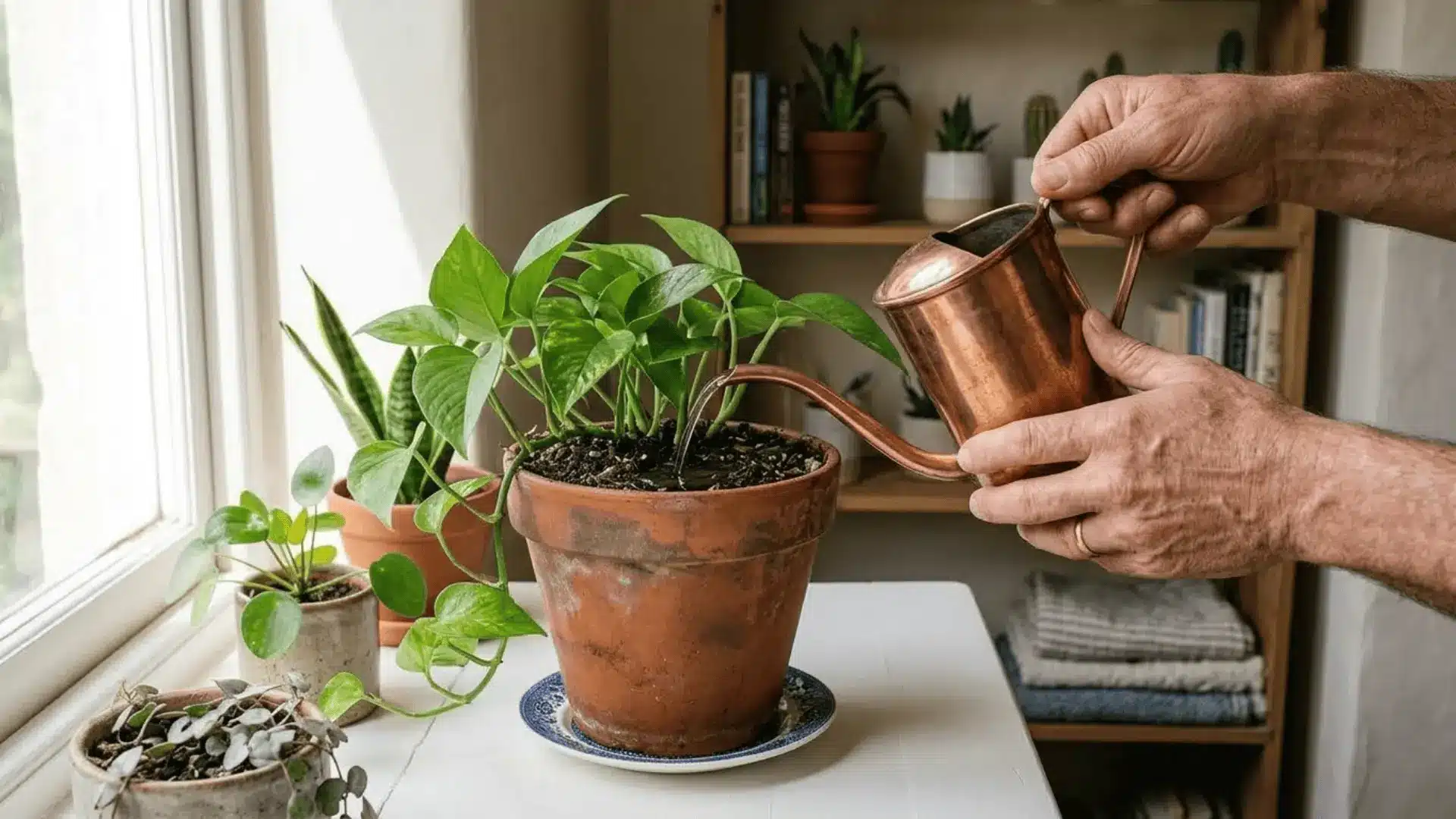
This is the most common approach and works well for the majority of houseplants.
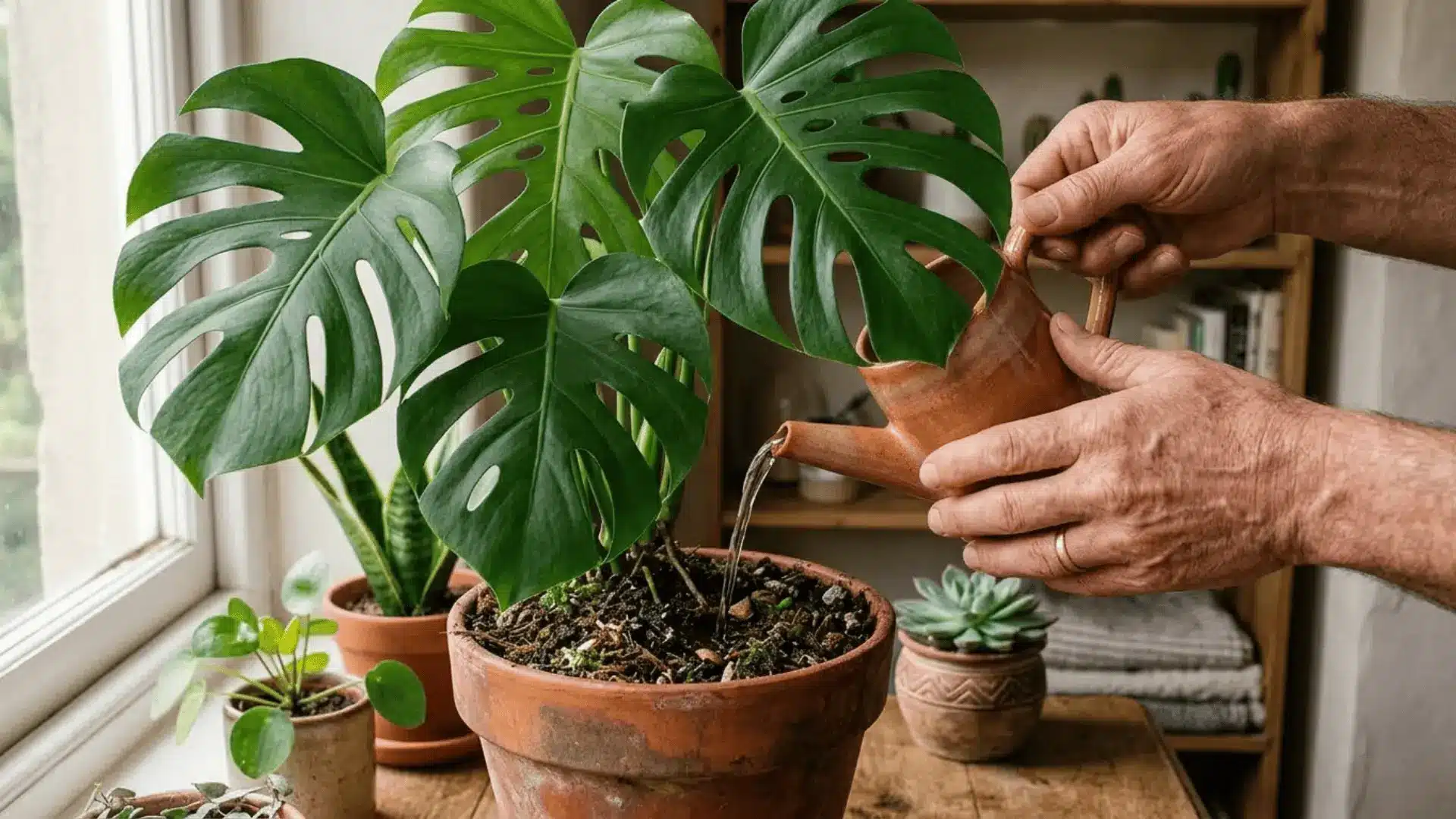
Slowly pour water directly onto the soil surface, moving around the base of the plant to ensure even distribution. Water until it drains freely from the bottom, then empty the saucer after about thirty minutes.
Here is how to do it right:
- Pour water slowly and close to the soil to avoid splashing leaves.
- Water evenly around the base rather than in one single spot.
- Stop once water flows steadily out of the drainage holes.
- Always empty the saucer to prevent roots from sitting in standing water.
2. Bottom Watering Method
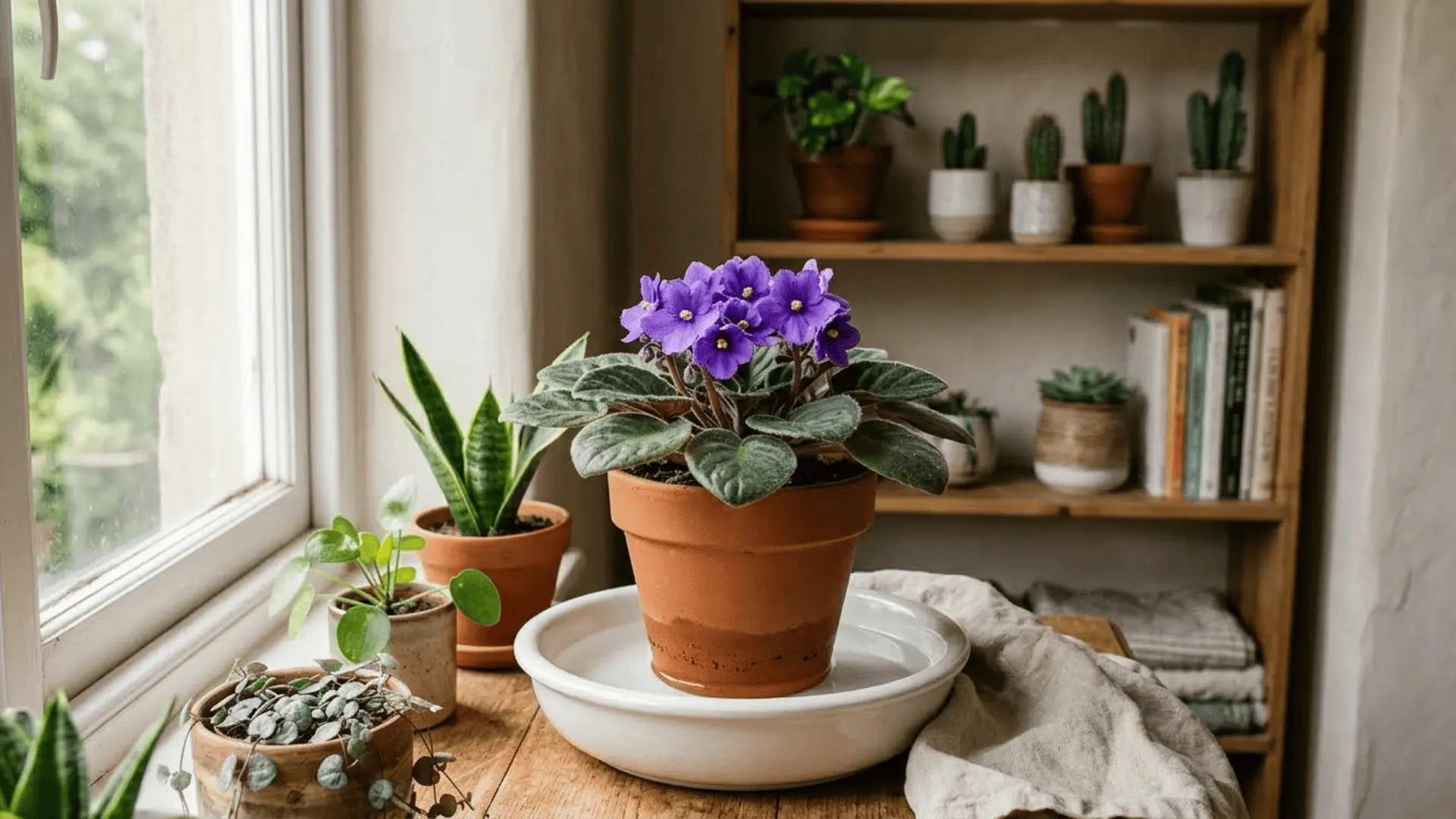
Bottom watering is a gentler approach that lets the plant draw up moisture at its own pace.
Place the pot in a shallow tray or basin filled with water and let it sit for about twenty to thirty minutes. The soil absorbs water through the drainage holes from below, encouraging deeper root growth.
This method works especially well for plants prone to rot or those with sensitive leaves like African violets.
3. Soaking Method for Dry Soil
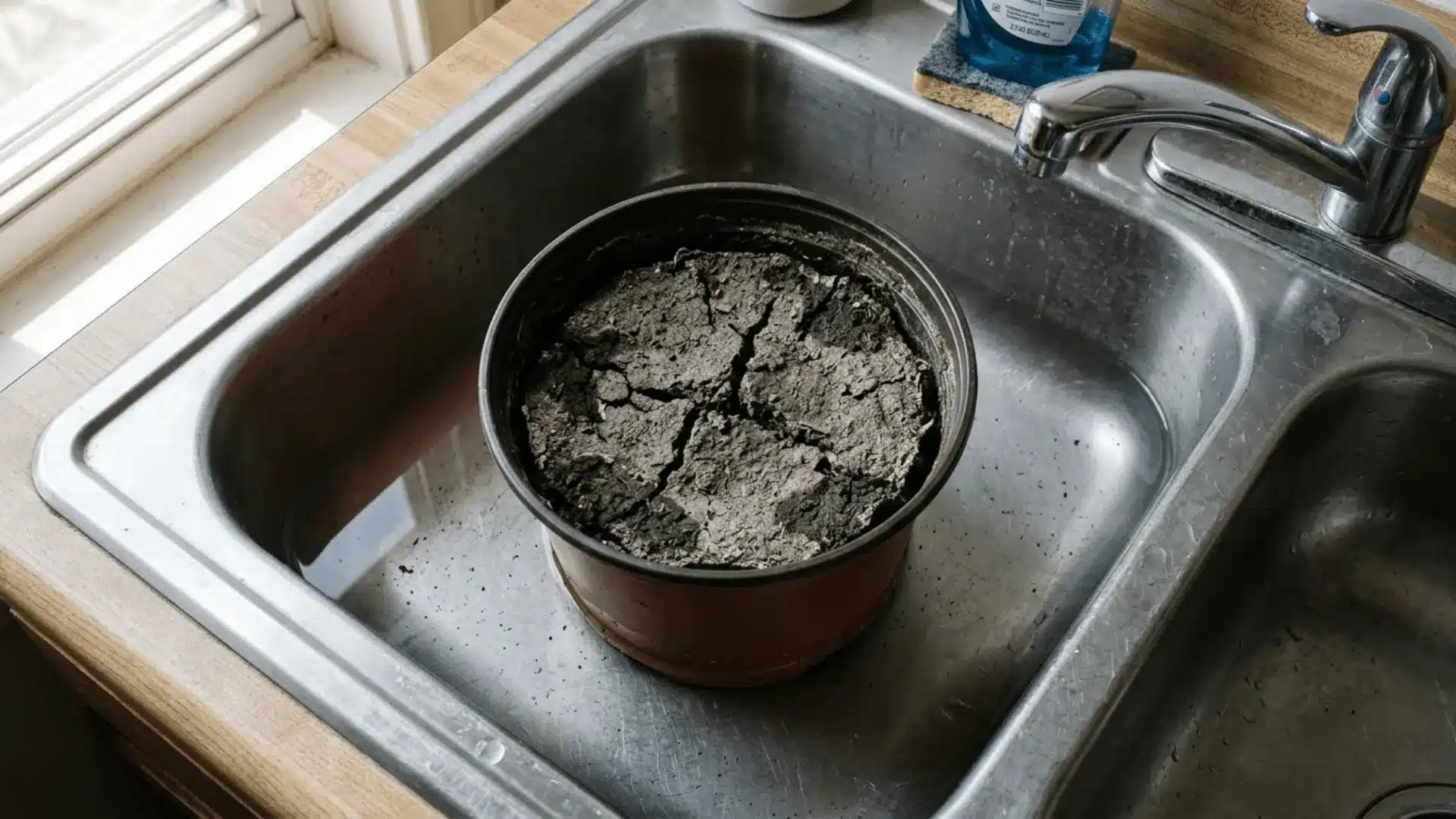
When soil gets extremely dry, it can shrink away from the pot edges and start repelling water rather than absorbing it. Soaking helps rehydrate it fully.
Here is how to do it:
- Place the entire pot in a basin or sink filled with water.
- Let it soak for 30 minutes to an hour until the soil feels evenly moist.
- Lift the pot out and allow all excess water to drain completely.
- Return the plant to its spot only once drainage has stopped.
Choosing the Right Water for Houseplants
The type of water you use matters more than most people realize. Different water sources affect your plant’s roots, soil chemistry, and overall health in ways that quietly add up over time.
| Water Type | Best For | Things to Keep in Mind |
|---|---|---|
| Tap water | Most common houseplants | Let it sit overnight to allow chlorine to dissipate before using |
| Filtered water | Sensitive plants like peace lilies and ferns | Gentler on roots and free from most chemical additives |
| Rainwater | Almost all houseplants | Naturally soft and nutrient-rich, plants genuinely love it |
| Distilled water | Highly sensitive or finicky plants | Pure but lacks minerals, so occasional fertilizing helps balance it out |
| Room temperature water | Every houseplant across the board | Cold water can shock roots and slow absorption, always let it warm up first |
If your tap water is heavily treated with fluoride or chloride, consider switching to filtered or rainwater for sensitive plants. Chemical buildup in soil can stress roots and cause browning leaf tips, often mistaken for underwatering.
How Pot and Soil Choice Affect Watering?
Your pot and soil do just as much work as your watering can. Drainage holes are non-negotiable since, without them, water pools at the bottom and quietly rots the roots.
Well-draining soil keeps moisture balanced, letting roots breathe without staying waterlogged.
Soil mix matters too, as heavy, compact soil holds too much water while a light, airy mix supports healthier absorption.
Pot material plays its own role as well. Terracotta naturally wicks moisture away faster, while plastic and ceramic retain it longer, directly influencing how often your plant will need watering.
Houseplants With Different Watering Needs
Every plant comes with its own relationship with water, and working with that rather than against it makes all the difference.
Here is a quick look at some popular houseplants and what they actually prefer:
| Plant | Watering Frequency | Soil Preference | What to Watch |
|---|---|---|---|
| Monstera deliciosa | Every one to two weeks | Moist but well-draining | Top inch of soil should dry out between waterings |
| Peace lily | Once a week | Consistently moist | Droops visibly when it is thirsty, very communicative plant |
| Snake plant | Every two to six weeks | Dry, well-draining | Thrives on neglect, too much water does more harm than good |
| Pothos | Every one to two weeks | Slightly dry between waterings | Yellowing leaves are usually a sign of overwatering |
Tips for Better Houseplant Watering
Small habits practiced consistently tend to make the biggest difference in how well your plants thrive.
These simple tips can help you water smarter, not harder:
- Invest in a moisture meter to take the guesswork out of checking soil, especially for plants with less obvious thirst cues.
- Group plants with similar watering needs together so your routine stays simple and no plant gets overlooked.
- Brighter light means faster evaporation, so plants sitting in sunny spots will naturally need water more often than those in lower light.
- Lift your pots before and after watering to get a feel for how heavy a well-watered plant is versus a dry one.
- Keep a loose watering journal to track patterns, especially through seasonal changes when plant needs shift gradually.
Once these habits settle into your routine, watering starts feeling less like a chore and more like a quiet, rewarding part of caring for your space.
Wrapping Up
Learning how to water houseplants well is honestly one of those things that gets more intuitive the longer you practice it.
Your plants are always communicating, and now you have the tools to actually listen. Every home, every plant, and every season brings something slightly different, so stay curious and keep adjusting as you go.
There is something genuinely rewarding about watching a plant flourish simply because you figured out what it needed.
Got a watering tip that has worked wonders for you? Drop it in the comments below, would love to hear what is working in your space.
Frequently Asked Questions (FAQs)
How Often Should Houseplants Be Watered?
There is no universal answer, as it depends on the plant type, pot size, season, and your home environment. Checking the soil before watering is always more reliable than following a fixed schedule.
Is it Better to Bottom Water Houseplants?
It works beautifully for plants prone to rot or those with moisture-sensitive leaves, but it is not essential for every plant. Top watering done correctly works just as well for most common houseplants.
What Time of Day is Best to Water Houseplants?
Morning is ideal since it gives soil and leaves time to dry naturally through the day. Watering late in the evening can leave excess moisture sitting overnight, encouraging mold and root rot.