Getting paint off concrete can feel like it’s stuck there for good.
I’ve been there, looking at splatters or spills that won’t budge with just water and soap. You probably want to clean it without making a bigger mess or damaging the surface.
That’s where knowing the right steps makes a big difference.
If you’re wondering how to remove paint from concrete, this blog walks you through it all, what tools work best, how to use them safely, and how to treat both old and new paint.
You’ll also learn ways to clean up without harsh stuff. Ready to fix the spot that’s been bothering you?
There’s more than one way to get the job done, and I’ll help you find the one that fits.
Why It’s Hard to Get Paint Off Concrete
Concrete may look strong, but it’s full of tiny holes. These holes pull in paint like a sponge. That’s why the paint doesn’t just sit on top, it soaks in deep.
Some folks try one method and it works fast. Others try the same thing and get no results. This happens because not all concrete is the same. Some are smooth, others rough. Some paints are water-based, others oil-based.
Online advice often adds to the confusion. One person swears by vinegar, another says it ruined their driveway. It’s not that they’re wrong; it’s that their surfaces and paint types were different.
The biggest mistake? Going too hard, too fast. Using strong tools or harsh chemicals right away can damage the concrete, leaving marks that don’t go away.
Before jumping into any method, it helps to understand why things work or don’t so you don’t end up making the problem worse.
How to Remove Paint From Concrete Without Assuming
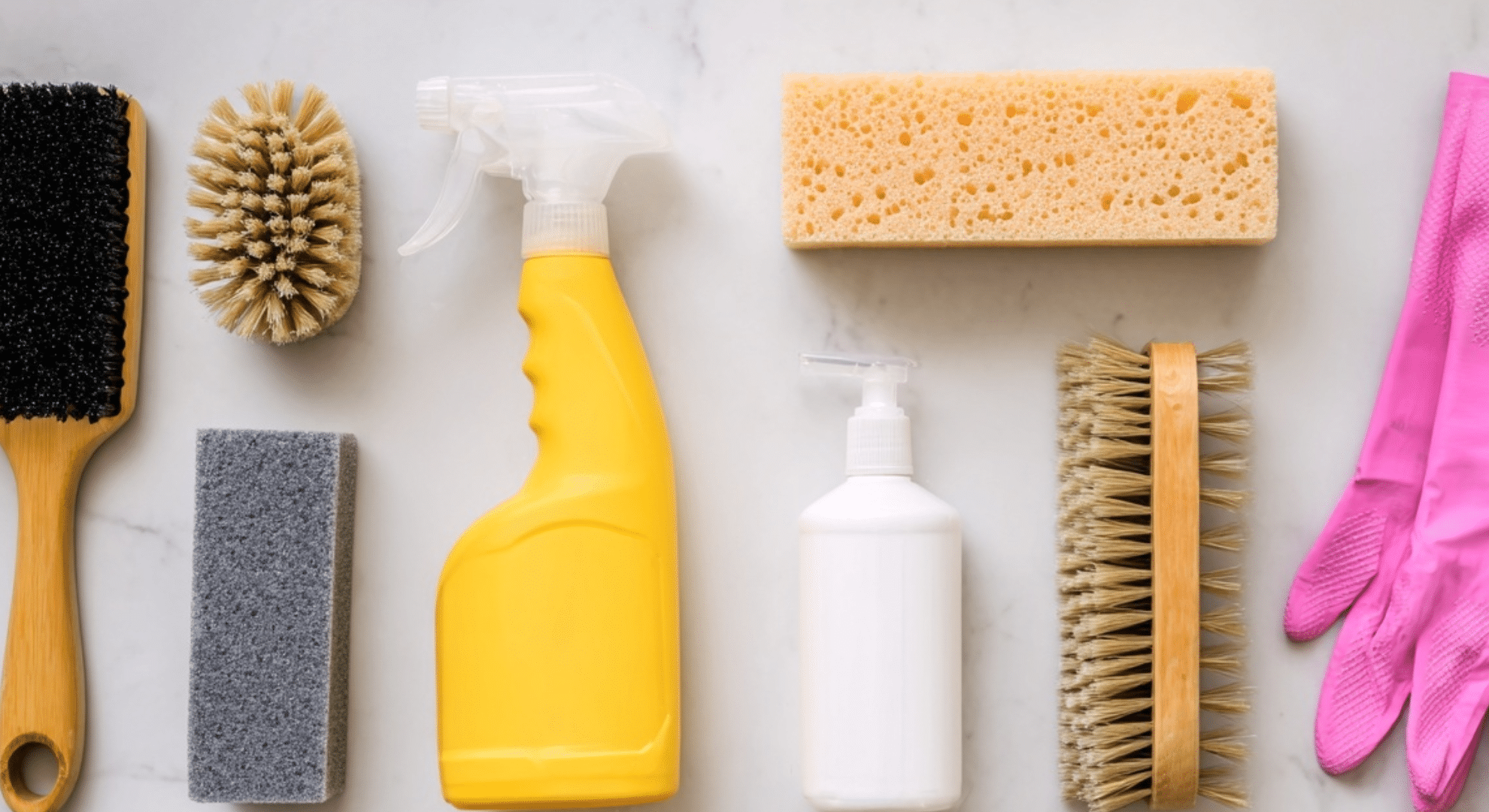
Trying random fixes can waste time and make things worse. A step-by-step plan helps you avoid that. When you know what to try first, what to try next, and when to stop, you’re more likely to get good results without wrecking the surface.
Start gentle. That’s the key. You don’t need strong chemicals or power tools right away. Use simple things first, like soap, water, or a scraper. If that doesn’t work, then move to stronger stuff.
This “mild first” mindset keeps the concrete safe. It also helps you understand how deep the paint has gone. If the paint is fresh, mild might be enough.
If it’s old and soaked in, you’ll know it’s time for stronger steps.
With this smart, careful approach, you save effort and protect the surface. No more guessing. Just clear, steady progress.
What People Ask First When Trying to Get Paint Off Concrete

When folks run into paint on concrete, they often head to places like Reddit’s r/DIY, Facebook cleaning groups, and DIY forums like Houzz. The same questions pop up again and again:
“What actually worked for you?”
“Did vinegar help or make it worse?”
“What ruined your concrete so I can avoid it?”
“What do you wish you tried first instead of wasting time?”
These aren’t just casual questions, they come from frustration. People don’t want to waste time, money, or damage their surface.
Some say vinegar worked wonders. Others say it etched the concrete. A few wish they started with a pressure washer, while others regret using one at all.
The lesson? Everyone’s results are different, but the concerns are the same.
These questions help shape smarter, safer steps and save others from learning the hard way.
Know What You’re Working With First
Before grabbing any cleaner or tool, stop and take a closer look. The type of paint, how long it’s been there, and the kind of concrete all matter. Skipping this step is one of the biggest reasons people fail to get good results.
Start with the paint. Is it still wet or has it dried? Fresh paint is easier to wipe up with just soap and water. Dried paint, especially if it’s been there a while, takes more effort.
Next, figure out the type of paint. Latex paint (water-based) is easier to remove than oil-based paint, which sticks harder and goes deeper into the surface. If you’re not sure, try rubbing alcohol on a small spot. If the paint smears, it’s latex. If not, it’s likely oil-based.
Then check your concrete. Is it sealed or unsealed? Sealed concrete has a barrier that keeps paint on top, while unsealed concrete soaks it in.
Knowing these details helps you pick the right method early and avoid trial-and-error that wastes time or damages the surface.
How to Tell If the Paint is Latex or Oil-Based
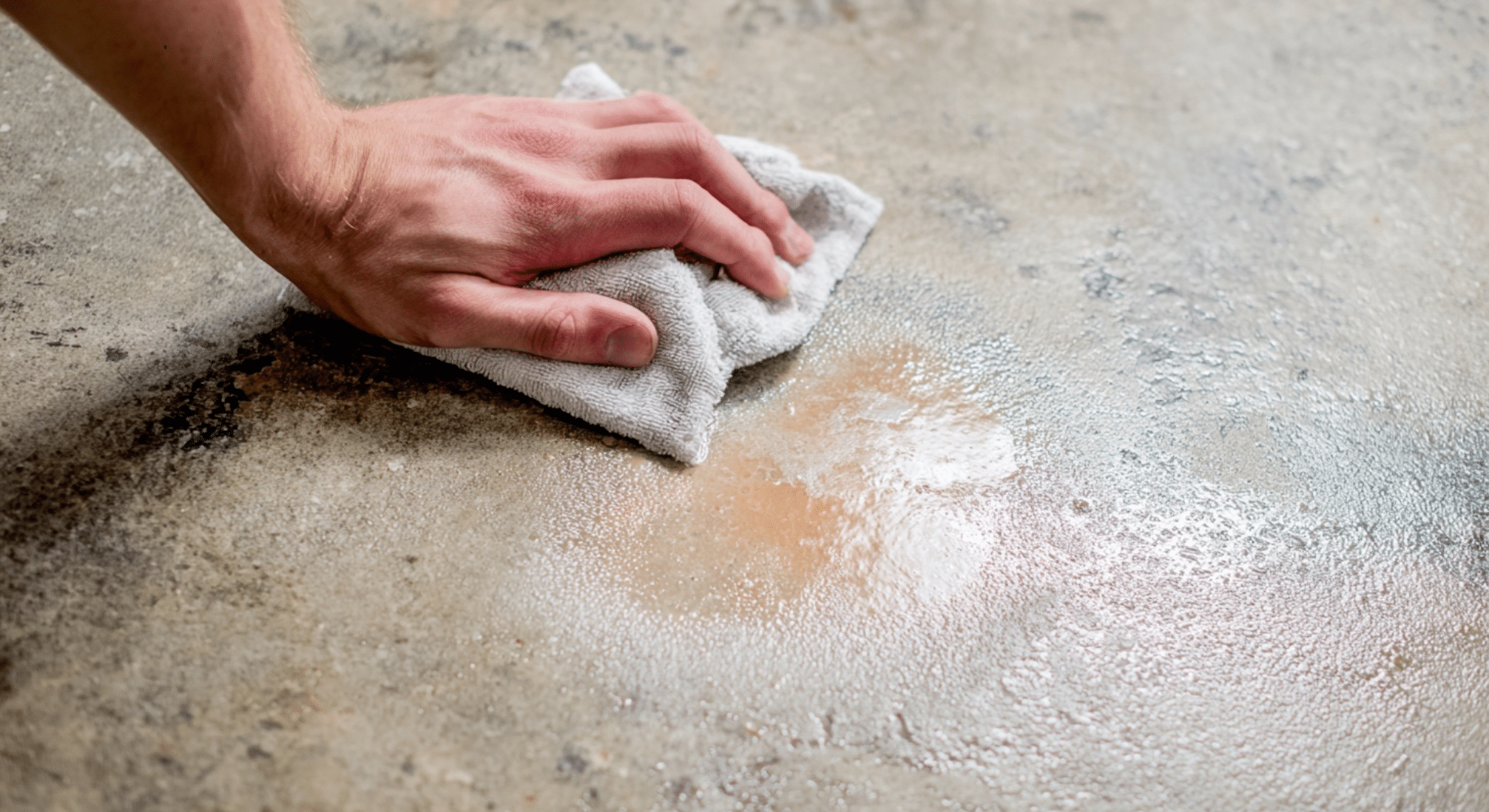
You don’t need fancy tools to figure this out. A quick test with rubbing alcohol or water can help.
Start with the alcohol test. Dab some rubbing alcohol or acetone on a rag and rub it on the painted spot. If the paint starts to smear or come off, it’s latex. If nothing happens, it’s probably oil-based.
You can also look at the paint. Latex paint tends to look smoother and dries with a soft, flexible feel. It might peel or flake over time. Oil-based paint usually looks glossier and feels harder. It also tends to chip instead of peel.
Why does this matter? Because removal methods are different.
Latex paint often responds well to soap, water, or mild paint removers. Oil-based paint is tougher, you might need a stronger chemical or more sanding to get it out.
Figuring this out first saves time and helps you choose a method that actually works. It also lowers the risk of damage from using something too harsh too soon.
Mild Methods That Often Work for Fresh or Light Paint
If you’re researching how to get paint off concrete, it’s smart to begin with gentle solutions before moving to strong chemicals or tools.
Many guides and DIY articles show these mild methods as starter steps that sometimes succeed and sometimes don’t, depending on the age of the paint and the surface type.
1. Hot Water and Dish Soap
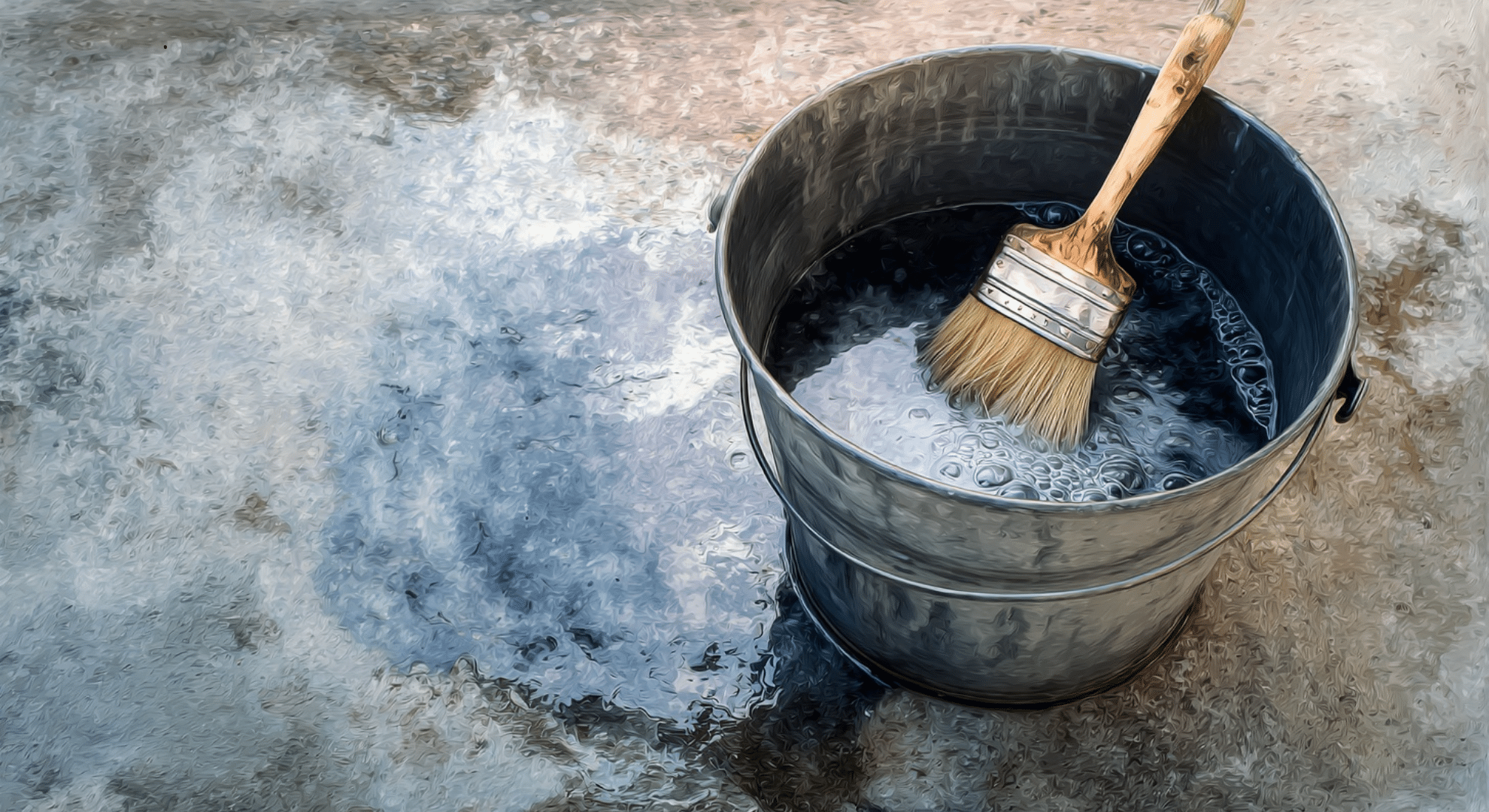
Warm, soapy water with elbow grease can lift fresh, light paint before it dries into the surface. This is often recommended in natural cleanup guides that stress beginning with the least aggressive option first.
Where people report trouble: If the paint has already dried in deep pores, this method might barely touch it.
2. Vinegar
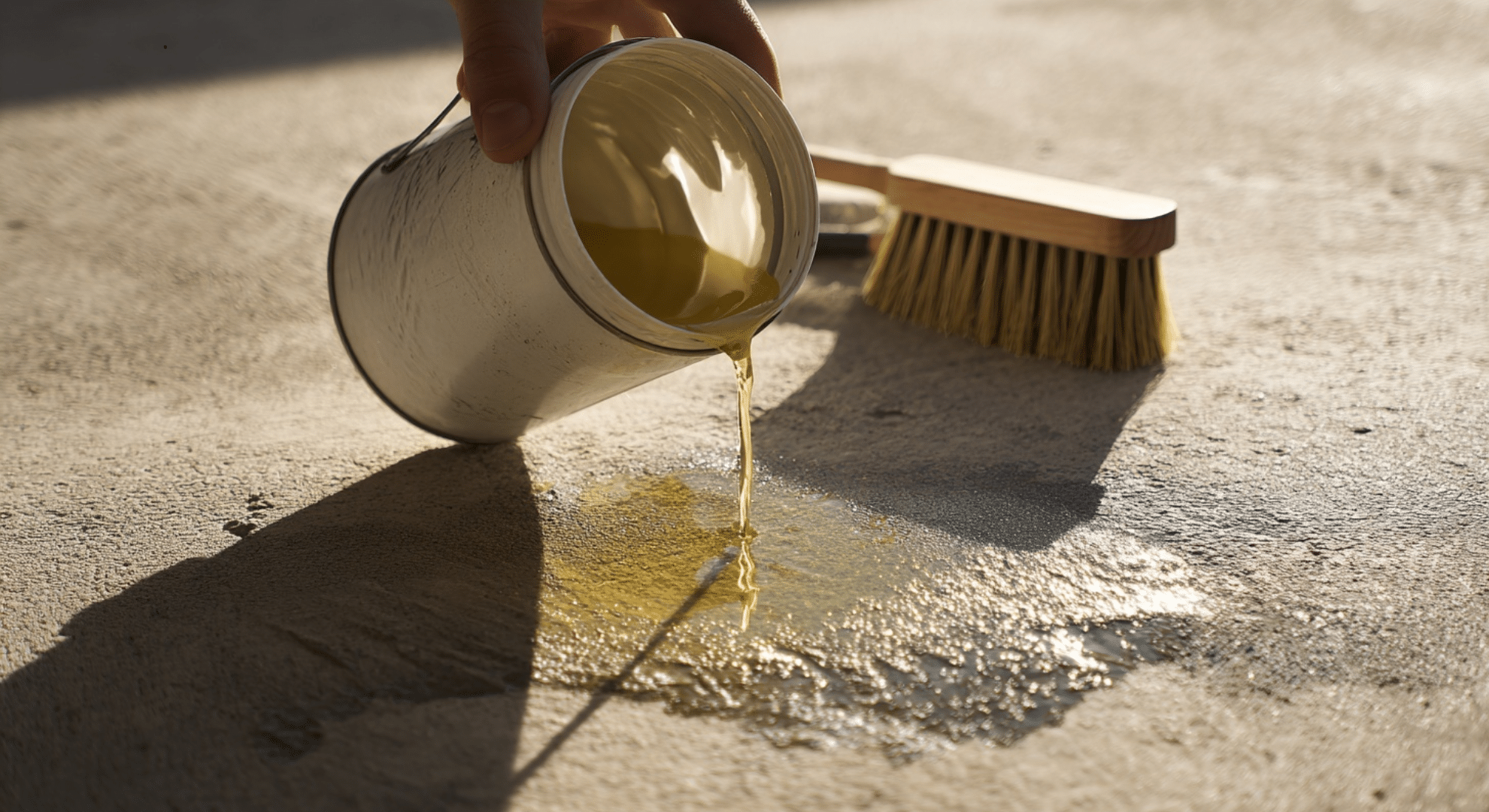
Concrete cleaning guides show that applying warm vinegar can soften paint enough to scrub it away, especially water‑based types.
Where it sometimes fails: Some experts warn vinegar doesn’t work well on old or oil‑based paints and can even mildly etch concrete if left too long.
3. Absorbent Materials for Wet Paint
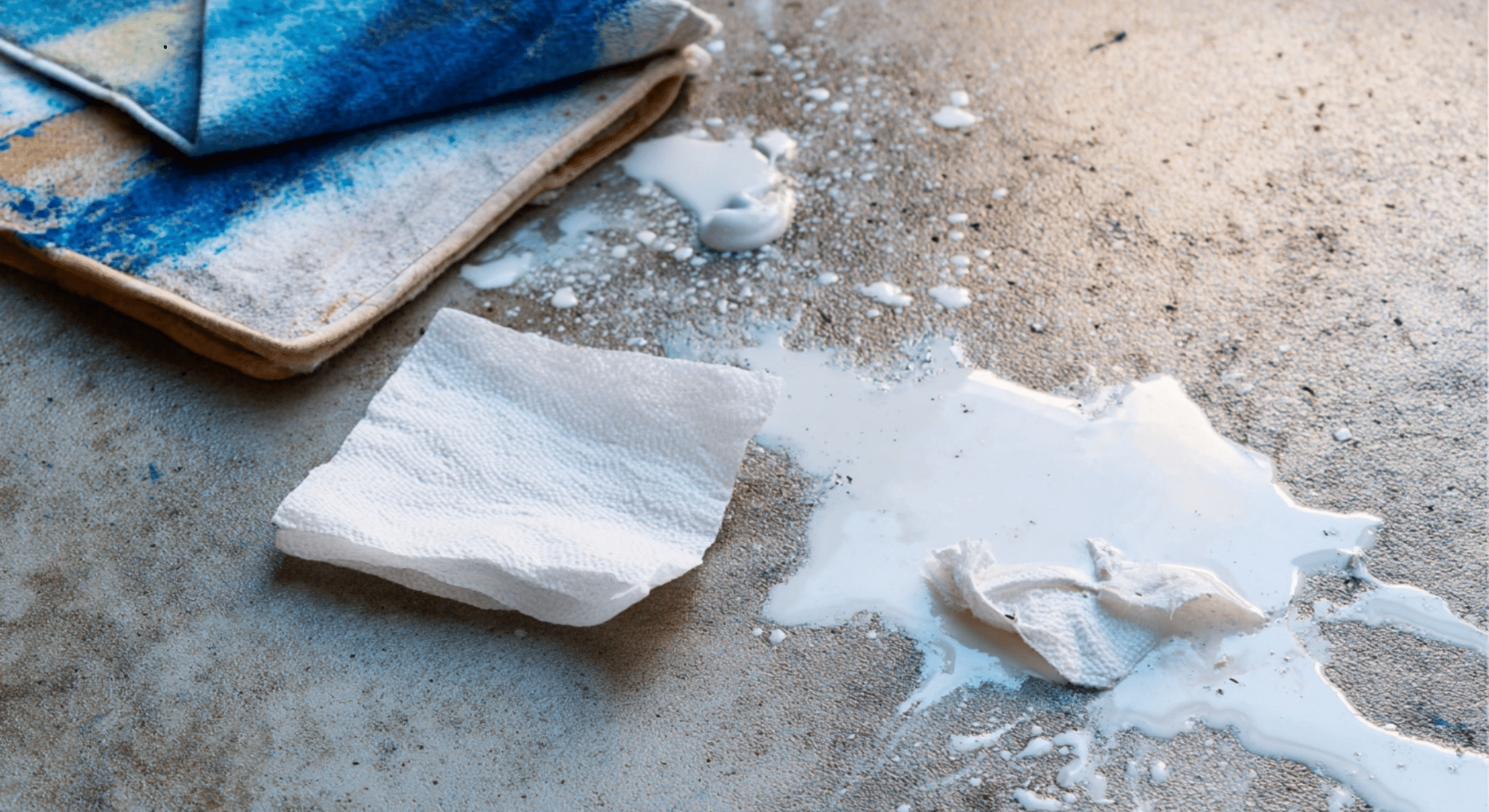
For truly fresh spills, using rags, paper towels, or cat litter to blot the paint keeps it from spreading.
Common mistake: Rubbing or scrubbing too hard too soon pushes paint deeper, which many DIYers note in cleanup tips.
Start with these first, then adjust based on what you’re up against.
Mechanical Methods for Heavy or Layered Paint
If soft methods don’t work and the paint is thick, old, or in layers, you may need stronger tools. These mechanical options are usually a last resort:
1. Pressure Washing
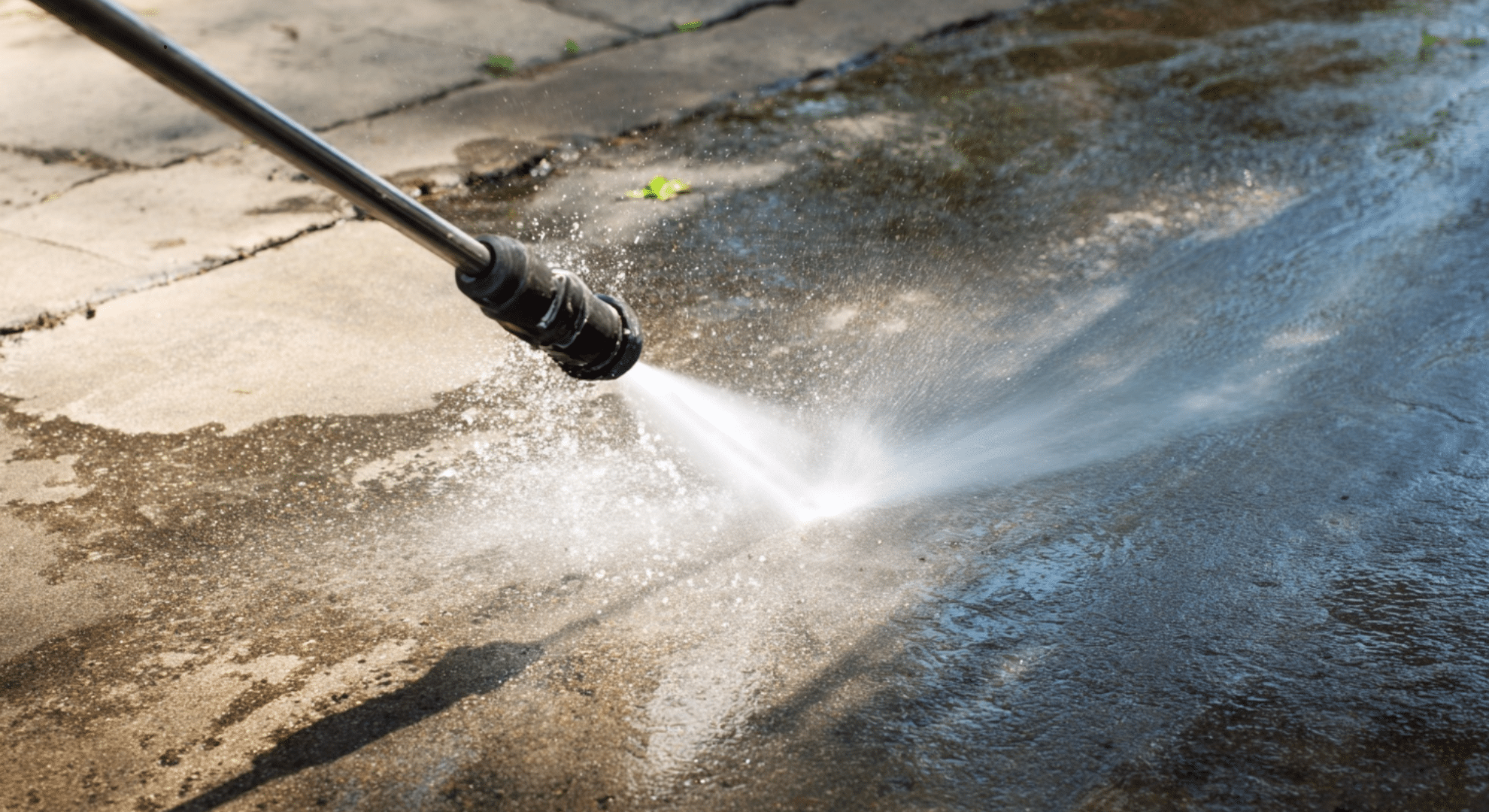
This can help lift paint that’s stuck deep in the concrete. It works best on large areas like driveways or patios. Use a fan tip, not a pinpoint stream, and keep the pressure below 3000 PSI to avoid gouging the surface.
Warning: Too much pressure or getting too close can leave marks you can’t fix.
2. Wire Brushes
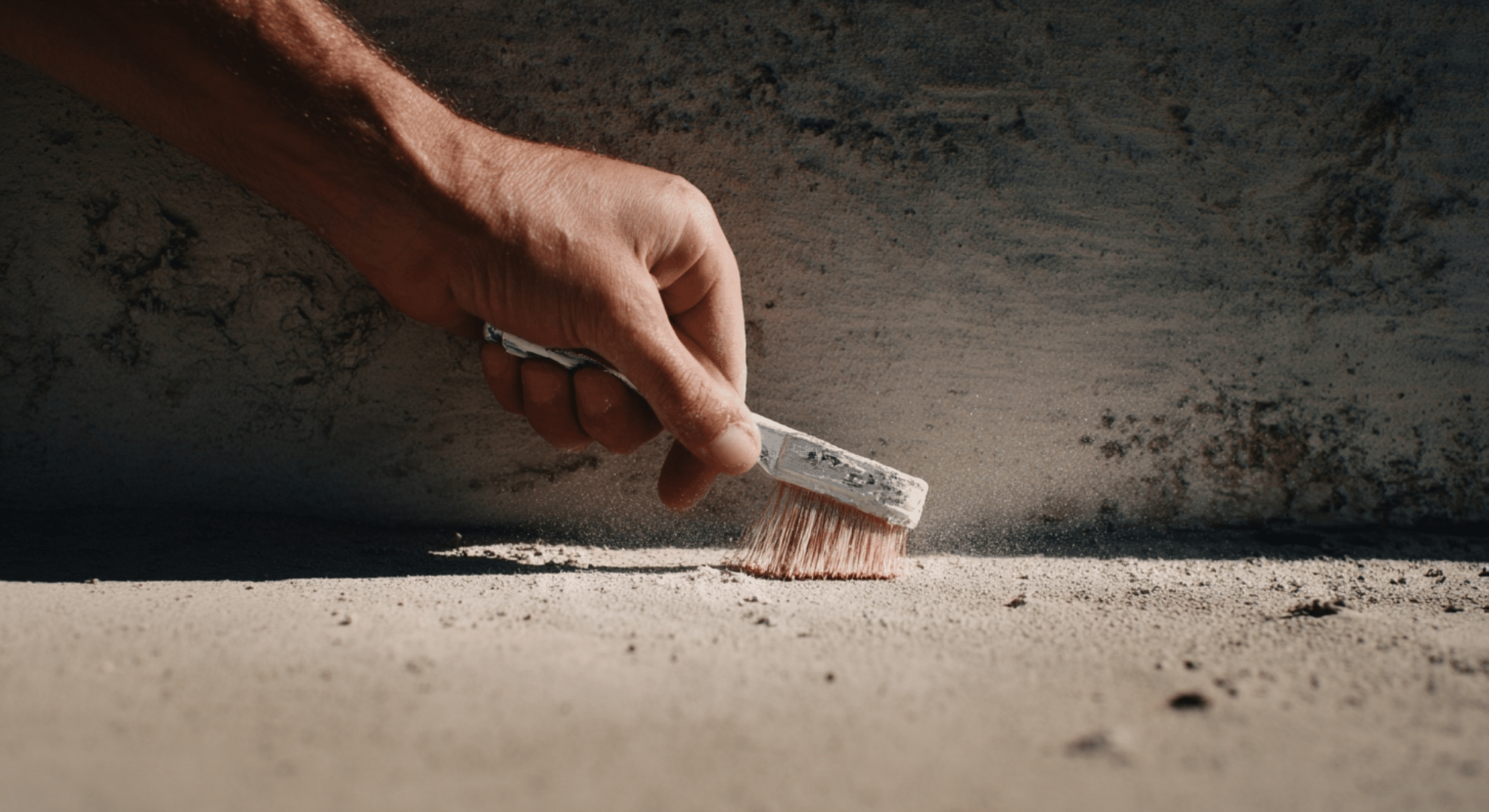
For small spots, a wire brush (handheld or drill-mounted) can break up dried paint.
Downside: It’s slow and can scratch the surface if you’re too rough.
3. Grinders
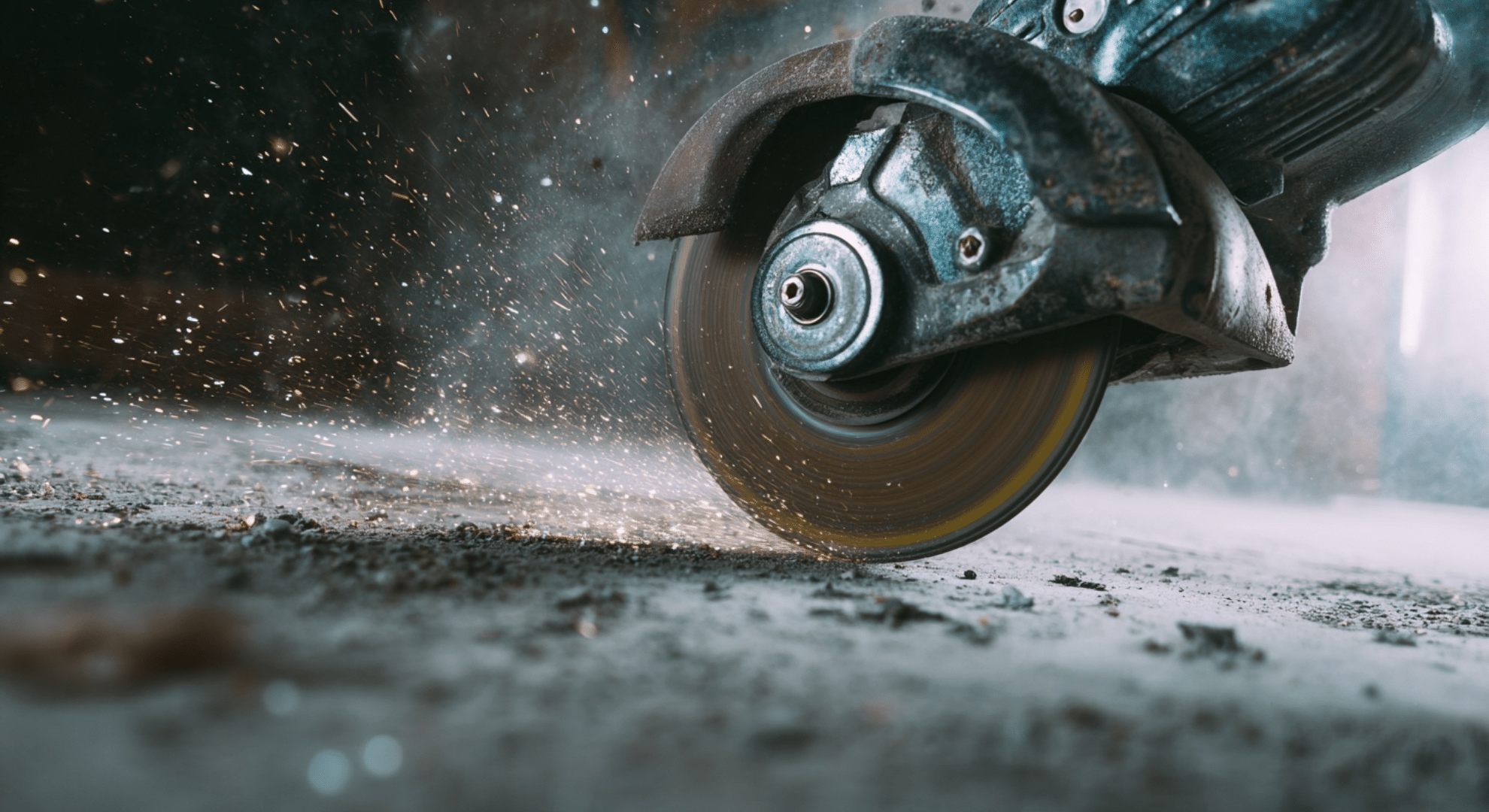
Angle grinders with a concrete wheel can remove layers of paint fast.
Caution: They remove concrete too, so you’ll change the surface texture.
4. Professional Blasting
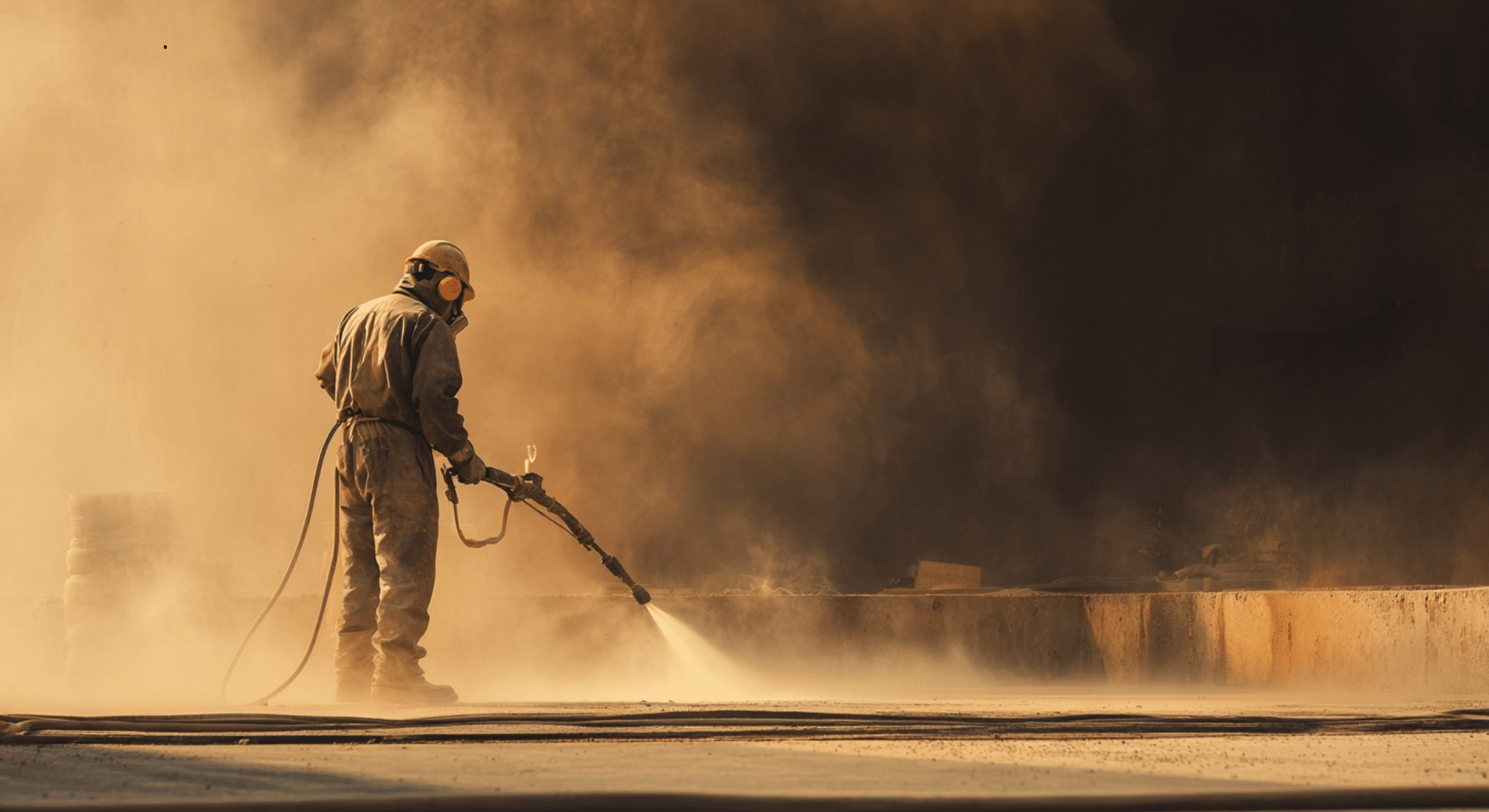
Tools like soda or sand blasters are used by pros for large, tough jobs.
Best for: Paint that covers a wide area or has been sealed in.
Note: Expensive and usually loud and dusty, so it’s not ideal for small jobs.
Only try these after milder methods fail, and be sure you know the risks.
What Not to Use on Concrete Even If Someone Says It’s Fine
You’re scrolling through a forum. Someone says, “Muriatic acid worked great for me: just pour, scrub, rinse.” Sounds easy, right?
But then you try it. And the next day, your clean patch is now rough, faded, and marked up for good. That’s the part they didn’t mention. Muriatic acid does strip paint, but it can also eat into your surface if you’re not exact.
Another user posts a video grinding off old paint. Looks simple. But what you don’t see?
They’ve done it before. You haven’t. So when your grinder digs too deep or leaves swirl marks, it’s not easy to undo.
People mean well. But every concrete surface is different. So is every paint type. What worked in one backyard might ruin your garage.
Before using strong acids or harsh tools, take a breath. Test first.
Go slow. Don’t let someone else’s “quick win” become your long-term mess.
How Removal Methods Change Based on Where the Paint Is
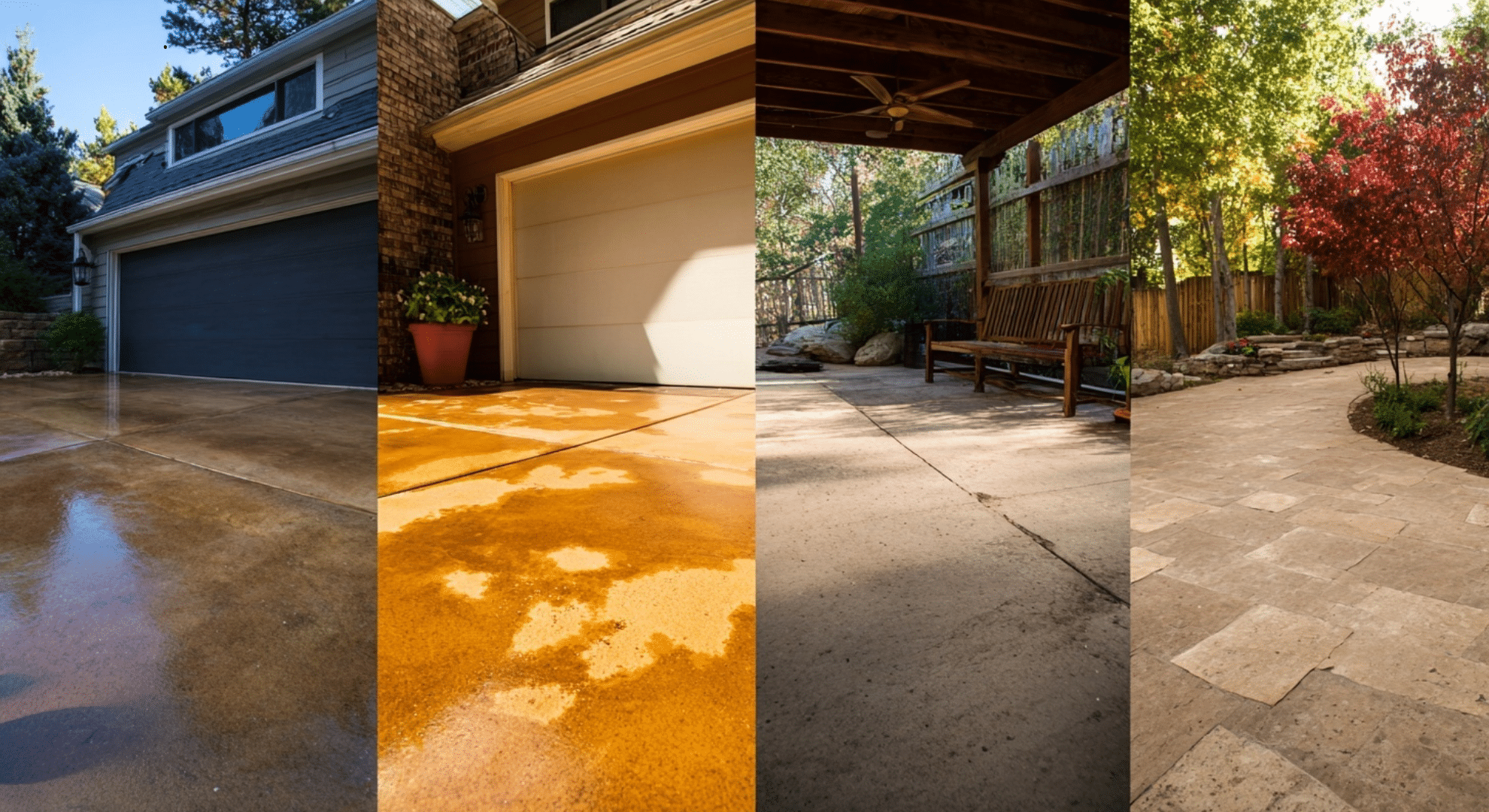
Where the paint sits changes everything. What works on a sunny driveway might fail in a damp basement. Some spots need stronger tools, others need a lighter touch to avoid damage.
Here’s a quick breakdown of how methods shift based on the location:
| Surface | What to Know | Best First Steps | What to Avoid |
|---|---|---|---|
| Driveways | Usually unsealed and exposed to weather; rougher texture absorbs paint fast. | Pressure washing, mild stripper | High-pressure blasts too close to surface |
| Garage Floors | Often sealed or coated; smooth finish can make paint easier to scrape. | Scraping, gentle chemical remover | Strong acid that damages seal or coating |
| Basement Floors | Often cool, damp, and unsealed—paint soaks deep. | Paint remover gel, wire brush | Water-heavy methods that don’t dry quickly |
| Patios/Porches | Can be sealed or stamped; surface design may be decorative or uneven. | Gentle scraping, test in corners first | Grinders that leave visible scratches or marks |
Always match the method to the surface. It’s not just about what removes paint, it’s about what keeps your concrete safe after it’s gone.
Safety Lessons Shared by DIYers and Contractors
People who’ve been there share more than just tool tips, they talk about what went wrong and what they’d never do again.
These aren’t your usual “wear gloves” warnings. They’re real lessons that can save your health and your concrete:
Ventilation Isn’t Optional
DIYers on Home Improvement tell stories of using paint strippers in garages or basements with windows shut. Minutes later: headaches, burning eyes, and strong fumes that stuck around for days.
If you smell it, you’re breathing it. Open windows, use fans, and never treat ventilation as an afterthought.
Solvent-Soaked Rags Can Catch Fire
Many don’t realize rags soaked in paint thinner or remover can self-ignite. A contractor on Contractor Talk shared how a bundled rag started smoldering in a trash bin.
Always lay solvent rags flat to dry or store them in a metal container with a lid.
Concrete Can Be Damaged for Good
In forums like DIYChatroom, people show before-and-after photos: bright clean spots turned chalky or etched from acid or grinding. The paint came off… but so did the surface.
Knowing When to Stop
Sometimes, walking away is safer than pushing forward. If you feel dizzy, the concrete starts to chip, or your gut says it’s too much; stop. That pause might save your lungs, your floor, or your weekend.
Conclusion
Getting paint off concrete doesn’t have to be a game. I walked through what works, what to avoid, and why the right method depends on the surface and the paint.
Now that you know how to remove paint from concrete, you can make smarter choices and skip the mistakes most people make.
Take what you’ve learned here and apply it with care: start small, stay safe, and don’t rush the process.
One thing that often helps? Testing a small spot first, no matter what method you use. It can save you a lot of trouble later.
There’s more to learn if you’re tackling other cleanup or DIY tasks. Check out other blogs for helpful tips that actually work!