
It’s frustrating to feel like your home isn’t fully yours because of tiny, unwanted guests. That’s honestly how I felt when I kept spotting bugs in corners, sinks, and sometimes even in my bed sheets.
If you’re asking how to get rid of bugs in the house without turning your home upside down, I’m with you.
There’s a simple way to handle this without harsh chemicals or spending too much money. I’ll show you how I did it, step-by-step. You’ll learn where bugs hide, what attracts them, and how to keep them out for good.
It’s not just about removing them, it’s also about making sure they don’t come back. Ready to get your space back under control?
What’s Really Causing Bugs to Show Up Indoors
Bugs don’t show up because you did something wrong. They come inside because your home meets their basic needs, food, water, and shelter. That’s it.
Changes in weather, like heat, heavy rain, or cold, can push bugs indoors. They’re just looking for a safe spot to survive. Damp areas like under sinks, in basements, or near leaky pipes are big attractions. Leftover crumbs, trash that isn’t sealed, or even pet food can draw them in.
And those tiny cracks around doors, windows, or your foundation? That’s all they need to slip through.
Even if your house is clean, bugs can still find a way. Clean doesn’t mean sealed or bug-proof. It’s important to know this isn’t your fault; it’s just something that happens in almost every home.
Once you know what’s causing the problem, it’s easier to fix. Don’t worry, we’ll take this one step at a time and make things better.
How to Get Rid of Bugs in Your House the Right Way

Reaching for a spray might feel like the fastest fix, but it often doesn’t work long-term. Sprays can kill the bugs you see, but they don’t fix the real problem: where the bugs are coming from and why they chose your home.
Here’s what really works, step by step:
- Inspect: Look around your home. Check under sinks, behind furniture, near windows, and anywhere dark or damp. Try to spot where the bugs are hiding or getting in.
- Block: Seal up cracks, holes, or gaps in walls, windows, doors, and pipes. If they can’t get in, they can’t stay.
- Remove: Clean up food spills, take out trash often, and use traps or safe pest control methods to get rid of the bugs already inside.
- Prevent: Fix leaks, store food in sealed containers, and keep clutter down.
Real success doesn’t mean zero bugs overnight. It means fewer over time,and that shows you’re winning.
First Steps to Take Before Using Any Bug Treatment
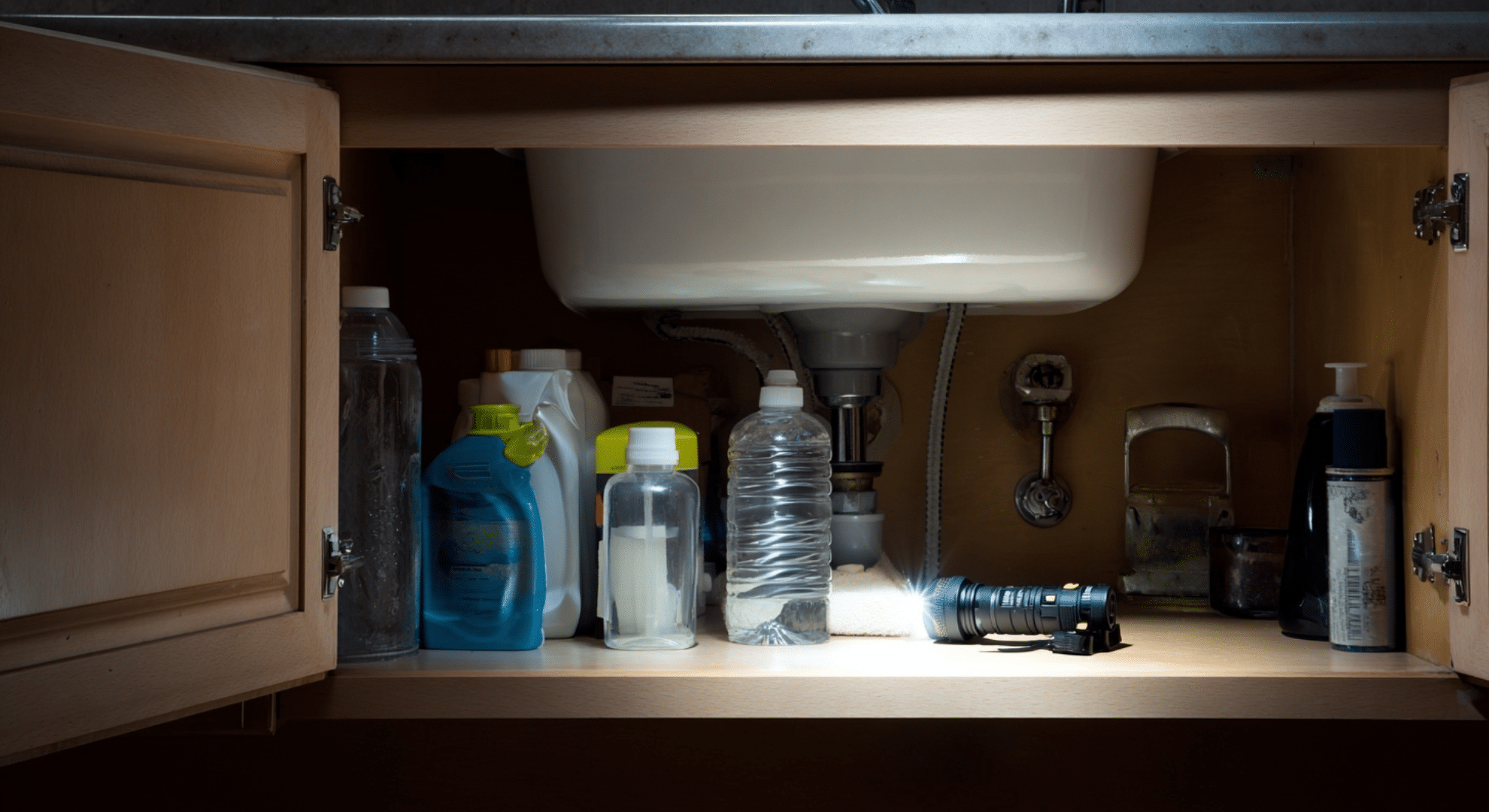
Before you spray anything or set traps, the first step is knowing what you’re dealing with. Bug problems can be sneaky, but they leave signs. Taking a few minutes to check key spots can save you time and frustration later.
Quick Inspection Checklist:
- Look around windows and doors for cracks or gaps
- Check under sinks, behind toilets, and near pipes for damp spots
- Search kitchen counters, backsplashes, and behind appliances for crumbs or spills
- Inspect basements, garages, and attics for signs of bugs or droppings
- Check around trash bins, especially if they aren’t sealed
Common Entry Points:
- Gaps around window screens
- Door frames and thresholds
- Vents, wall cracks, and where cables enter your home
- Garage doors left open for long periods
Moisture and Food Signs:
- Water rings under sinks or soft walls
- Standing water in trays, pots, or pet bowls
- Uncovered food, crumbs, or sticky spots in kitchen corners
Clean These First:
- Kitchen counters
- Floors near trash cans
- Under appliances
- Pantry shelves
A focused clean-up in these spots cuts off food and water, the two main things bugs want. This step gives you a strong head start before using any treatment.
How to Remove Bugs Based on Where You See Them
Different bugs show up in different parts of the house. That’s because each type is drawn to certain things like food, water, or shelter.
The best way to handle bugs is to target your action based on where they are and what they’re after.
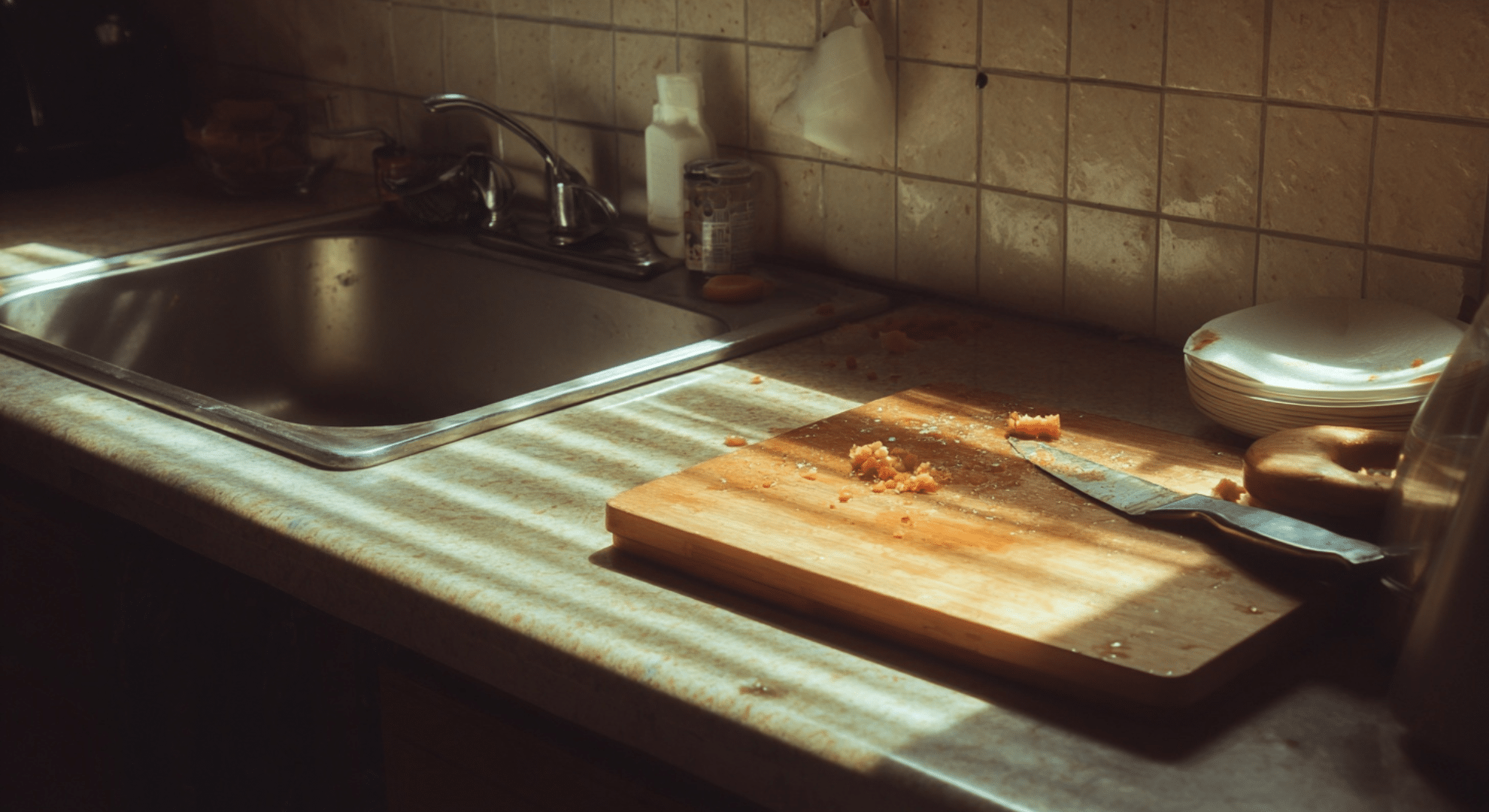
Bugs in the Kitchen
Ants
Why they’re there: Ants come looking for crumbs, sweet spills, and grease. Even a tiny drop of juice or a sticky jar lid can draw them in.
What removes them: Wipe down all surfaces daily with soapy water. Use ant bait traps near where they travel,these take poison back to the nest.
What keeps them from returning: Seal food in airtight containers. Clean up spills fast. Take out the trash often and seal up entry points around windows and under sinks.
Roaches
Why they’re there: Roaches love warmth, moisture, and any kind of food,especially leftovers and grease. They also hide in cardboard and dark corners.
What removes them: Set gel bait or roach traps in dark, hidden spots like behind the fridge or under the stove. Clean up crumbs, oil, and food residue.
What keeps them from returning: Keep areas dry, especially at night. Store food tightly. Toss old boxes and don’t leave dirty dishes in the sink overnight.
Fruit Flies
Why they’re there: Overripe fruit, dirty trash cans, and damp drains are their favorite spots.
What removes them: Toss any rotting fruit. Scrub trash bins. Pour boiling water or vinegar down the drains. Use a fruit fly trap made from apple cider vinegar and a few drops of dish soap.
What keeps them from returning: Rinse fruit when you bring it home. Take the trash out regularly. Keep the drain clean and dry.
Bugs in the Bathroom
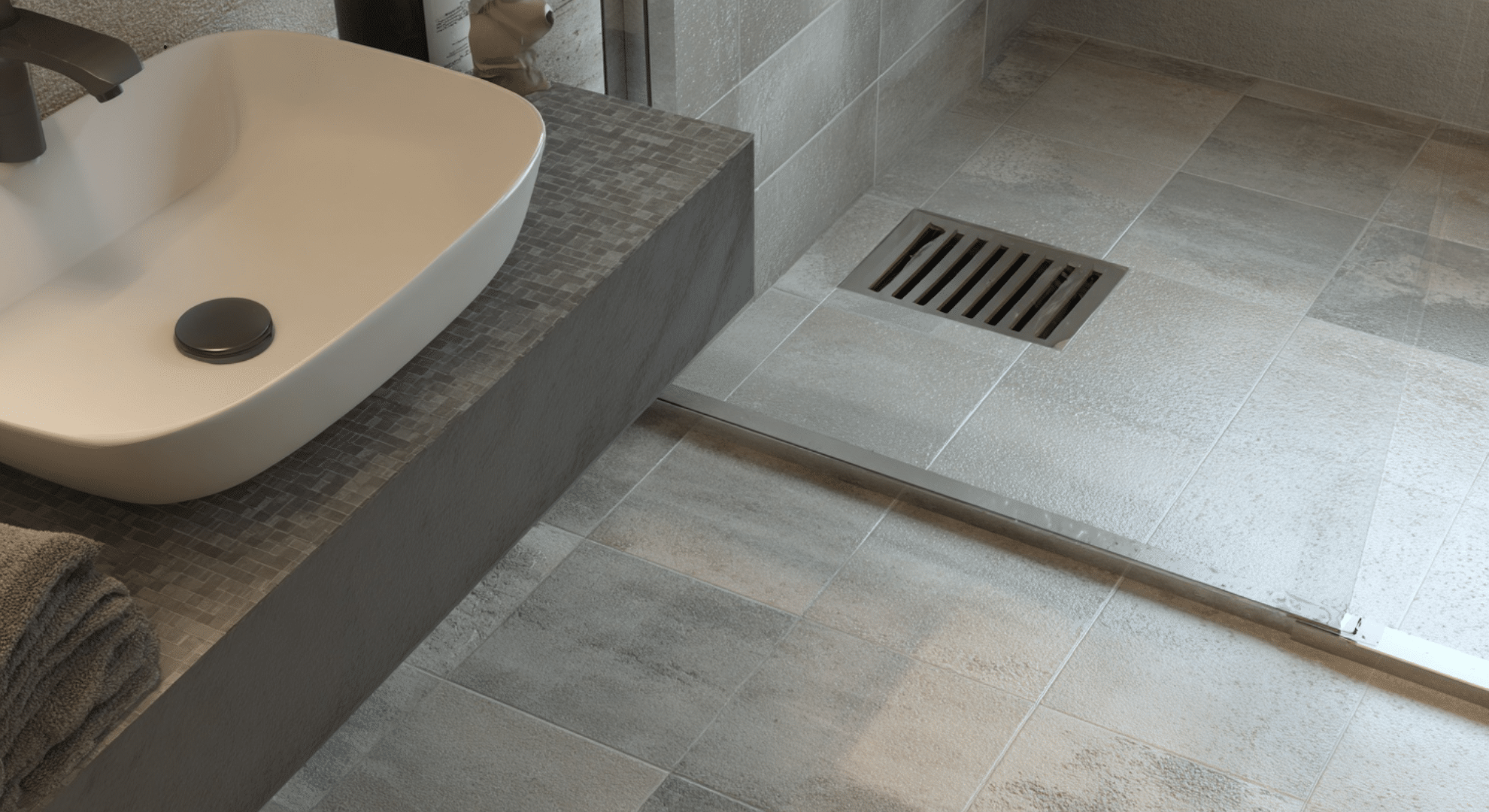
Drain Flies
Why they’re there: These tiny flies lay eggs in the gunk inside bathroom drains. Moisture and built-up slime feed them.
What removes them: Clean drains using a stiff brush and a mix of baking soda and vinegar, followed by hot water. Use a drain cleaner if needed.
What keeps them from returning: Run hot water down the drain daily. Clean sink and shower drains weekly. Fix any leaks.
Silverfish
Why they’re there: Silverfish like damp, dark spots and feed on paper, glue, and skin cells. Bathrooms give them easy access to both.
What removes them: Reduce humidity with a fan or dehumidifier. Use sticky traps in corners. Remove piles of paper or unused bathroom products.
What keeps them from returning: Keep the area dry. Seal cracks in walls and floors. Store paper goods in sealed containers.
Bugs in Bedrooms and Living Areas

Spiders
Why they’re there: Spiders don’t come for you; they come for other bugs. If they’re around, it usually means there’s a food source nearby.
What removes them: Vacuum up spiders and their webs. Remove clutter where bugs hide. Use a cup and paper to catch and release them outside if you prefer not to kill them.
What keeps them from returning: Keep rooms clean and dry. Close up gaps around windows. Reduce the bug population in the rest of the house.
Carpet Beetles
Why they’re there: These beetles lay eggs in fabrics. Their larvae feed on clothes, rugs, and furniture.
What removes them: Wash affected fabrics in hot water. Vacuum carpets, drapes, and furniture often. Use insect spray on cracks and edges if needed.
What keeps them from returning: Store clothes in sealed bins. Keep floors and fabric clean. Regularly check closets and under furniture.
Bed Bug Warning Signs
Why they’re there: Bed bugs hitch rides in luggage, secondhand furniture, or even clothing. They hide in mattresses and feed at night.
What removes them: Look for small dark spots on sheets, itchy bites in a line, or bugs along mattress seams. If you suspect bed bugs, act fast. Wash all bedding in hot water and dry on high heat. Vacuum well. You may need help from a pest expert.
What keeps them from returning: Don’t bring in used mattresses or furniture without checking carefully. Use mattress covers. Keep luggage off beds and wash clothes after trips.
Bugs Around Windows, Doors, and Plants
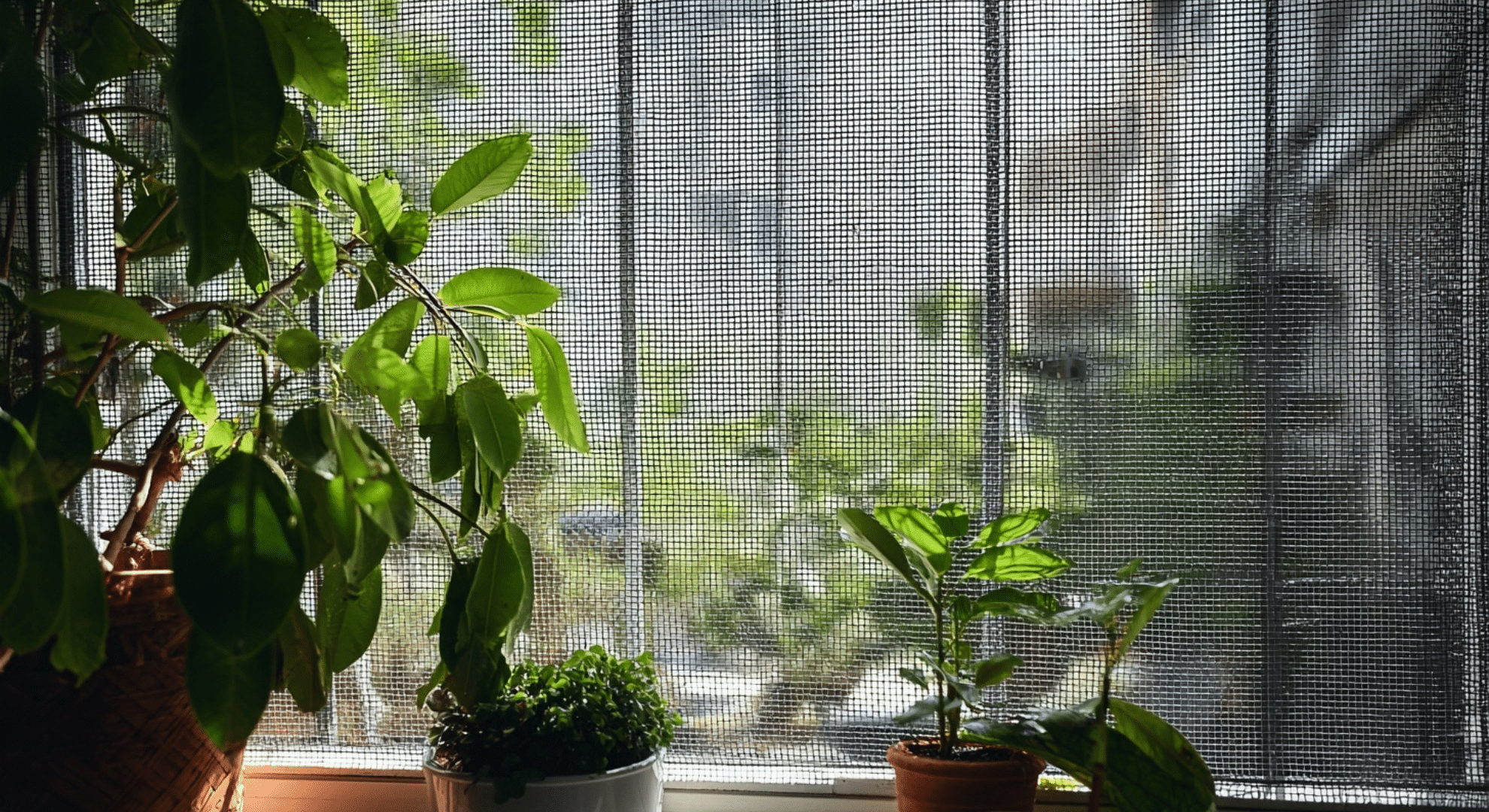
Gnats
Why they’re there: Gnats love damp soil and humidity. Overwatered plants and open windows bring them inside.
What removes them: Let plant soil dry out between waterings. Use yellow sticky traps near pots. Clean windowsills.
What keeps them from returning: Water plants only when needed. Trim dead leaves. Keep window screens in good shape.
Beetles
Why they’re there: Many beetles sneak in looking for warmth or to lay eggs. Some are drawn to light or houseplants.
What removes them: Catch and release, or vacuum them up. Use window and door seals. Remove indoor plants with visible pests.
What keeps them from returning: Fix screen tears. Keep outdoor lights off near entry points. Avoid leaving doors open for long.
Seasonal Invaders
Why they’re there: These bugs try to get indoors during colder months to stay warm.
What removes them: Vacuum them gently (don’t squish stink bugs, they smell). Release outside if possible. Use a soapy water spray for groups.
What keeps them from returning: Seal windows, doors, and attic vents. Add weather stripping where needed. Keep outside walls clear of leaves or debris.
These simple actions, based on location and type, make a big difference. Bug problems get easier to handle once you understand who you’re dealing with and why they’re there.
When Home Fixes Are Not Enough
Sometimes, no matter how clean or careful you are, bugs keep coming back. That’s when it might be more than just a small issue.
If you’re seeing the same bugs every day, finding droppings, eggs, or smelling strange odors, those are signs of a real infestation.
Roaches, termites, bed bugs, and large ant colonies often need expert help because they hide deep and spread fast.
Pest control services don’t just spray and leave. They inspect every corner, find where bugs are nesting, and use stronger treatments than what’s sold in stores.
They also help spot things you may have missed, like wall gaps or damp wood. Before calling, take notes on what bugs you’ve seen, where, and how often. Snap a few pictures if possible.
Clean the area lightly, but don’t move everything, so they can see the problem clearly. Getting help isn’t failure, it’s a smart move when home steps aren’t enough.
When Home Fixes Are Not Enough
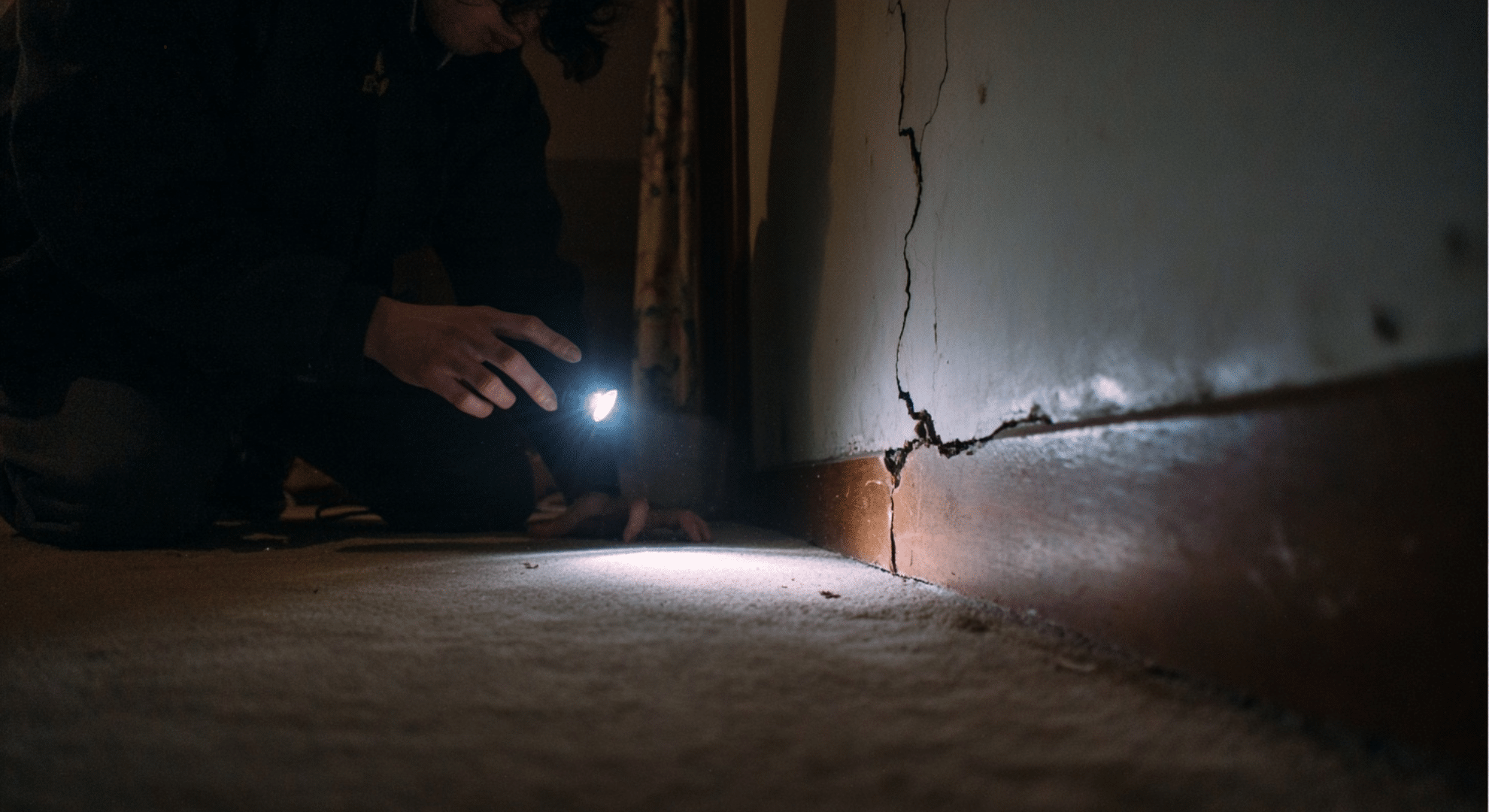
Sometimes, home steps help but don’t fully solve the problem. This doesn’t mean you failed. It usually means the bugs are settled deeper than what basic cleaning or store products can reach.
| What to Look For | What It Means |
|---|---|
| Bugs are showing up daily | Likely a nest or colony nearby |
| Droppings, shed skins, or eggs | Bugs are living and breeding indoors |
| Strong, musty, or oily smells | Often linked to roaches or rodents |
| Bugs during the daytime | Some pests only come out when numbers are high |
| Wall damage or soft wood | Possible termites or carpenter ants |
| Bites appearing overnight | Could be bed bugs |
| Traps are filling up fast | The problem is larger than surface level |
Certain bugs often need expert help. These include bed bugs, termites, roaches, and large ant colonies. Pest control works differently because they inspect hidden areas, find nesting spots, and treat the source,not just what you see.
Before calling, write down where and when you see bugs. Don’t deep clean right before the visit. This helps them see the full picture and fix it faster.
How to Stop Bugs From Coming Back Long Term
Keeping bugs away for good isn’t about doing one big thing; it’s about small habits that add up. Here are key actions that help keep your home bug-free, without stress or harsh chemicals:
- Wipe kitchen counters daily to remove crumbs and spills that attract ants and roaches
- Take out the trash regularly and rinse food containers before tossing them
- Fix leaks and wipe up water around sinks, tubs, and pet bowls to cut off moisture
- Seal cracks and gaps around doors, windows, and pipes so bugs can’t sneak in
- Vacuum weekly, especially under furniture and along walls where bugs like to hide
- Keep outdoor areas clean, like trimming plants away from your house and emptying standing water
- Check and repair screens and seals at the start of each season to block seasonal bugs
Stick to these habits, and over time, your home will become a place bugs just don’t want to be.
Conclusion
Getting rid of bugs wasn’t just about spraying and hoping, they kept coming back until I made simple changes and stuck with them. Knowing where bugs hide, why they show up, and how to block them made a big difference.
Now you know how to get rid of bugs in the house the right way, step by step, with no panic. You’ve got tools to clean, seal, and stay ahead of them. These small habits make your space feel calmer, cleaner, and fully yours again.
Keep an eye out, stay consistent, and take action early. It’s easier than it seems once you get going.
If this helped, check out more easy, straight-to-the-point blogs to keep your home in shape. There’s more where this came from, go check it out!