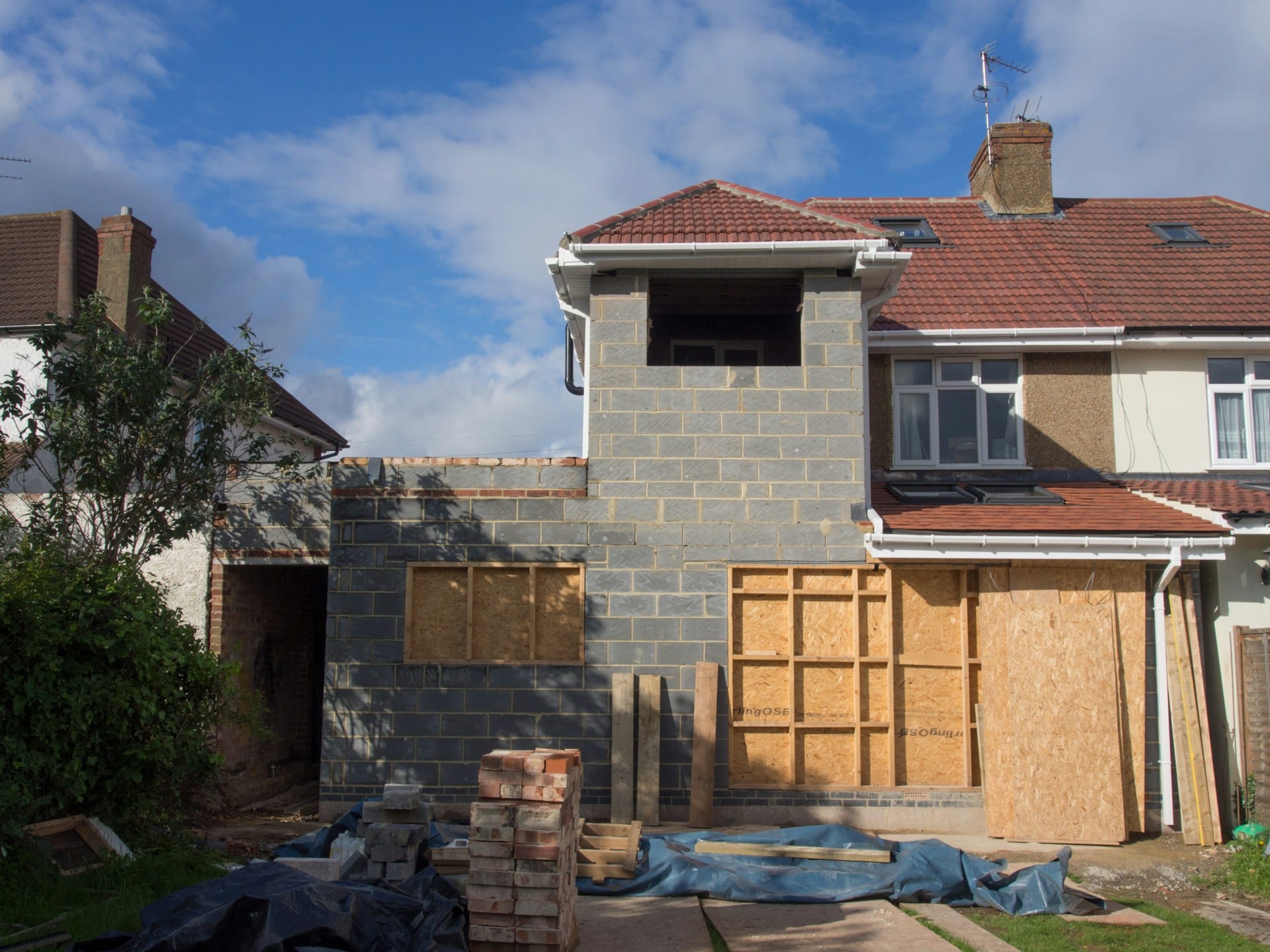
Taking on a home extension project is a big step. Whether you’re adding a rear extension, planning a double storey extension, or creating more living space with a kitchen extension, choosing the right builder will shape the entire outcome.
If you’re researching modular house extensions in Scotland, it’s worth understanding how different companies approach design, planning permission, and project management before making a decision.
There are a few factors that separate a good builder from the right builder — and getting this right early can save time, money, and stress over the course of your extension project.
Start With a Clear Plan
Before speaking to prospective builders, take time to define your home extension.
Think about:
- The type of house extension you want (rear extension, double storey rear extension, loft conversion)
- Your realistic budget
- The additional living space you need
- Any key features or layout changes
A clear brief helps suitable builders provide accurate quotes and ensures your project starts on the right footing.
Understand Planning Permission and Building Regulations
Planning permission and building regulations go hand in hand.
Some extensions fall under permitted development rights, but many projects — especially a double storey extension — will require approval from your local council or local authority.
Even if planning permission isn’t needed, building regulations approval is essential. This ensures your building work meets safety and structural standards.
A reputable builder should guide you through:
- Planning and building regulations
- Building control requirements
- Local regulations in your local area
Compare At Least Three Builders
One of the biggest mistakes homeowners make is choosing the first builder they speak to.
Instead, get quotes from at least three builders and compare:
- Transparent pricing
- Payment schedule and staged payments
- Estimated timelines
A reliable builder will provide a clear payment plan, often including staged payments aligned with construction phases.
Be cautious of very low quotes — they can lead to issues later in the project.
Review Past Projects and Track Record
A builder’s track record says everything.
Ask to see:
- Previous projects similar to your new extension
- Completed projects and past projects
- Feedback from past clients and previous clients
Client satisfaction and successful projects are strong indicators you’re dealing with experienced professionals.
Look for Design and Build Experience
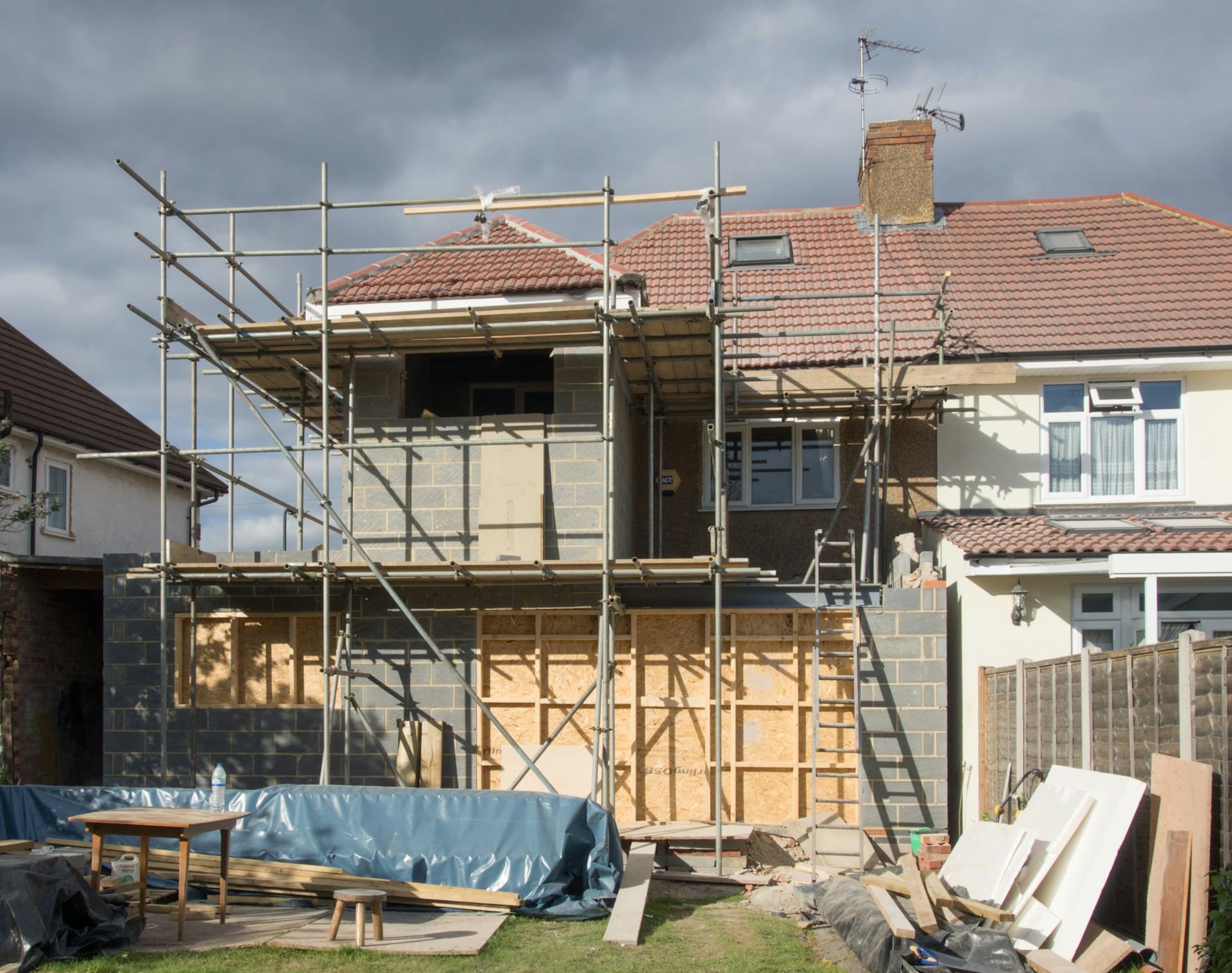
Many homeowners now choose a design and build service, which combines architectural services, construction drawings, and full project management.
This approach simplifies the process and reduces risk.
Look for builders who work with:
- Structural engineers
- Architectural technologists or a chartered architectural technologist
- Professionals who can produce detailed drawings and architectural drawings
Strong design expertise is especially important for complex projects like a double storey or storey extension.
Check Credentials and Insurance
A reputable builder should be fully insured and ideally part of recognised trade associations such as master builders.
Ask for:
- Insurance details
- Memberships
- Evidence of previous building work
This protects you and ensures your project is carried out to a professional standard.
Understand Contracts and Payment Structure
Before work begins, make sure everything is agreed in a written contract.
This should include:
- Scope of work
- Fixed price (where possible)
- Payment schedule and payment plan
- Timeline for completion
Clear agreements help avoid disputes and keep your extension project on track.
Don’t Overlook Project Management
Good project management is what keeps everything running smoothly.
Ask your potential builder:
- Who manages the construction phases?
- How often will you get updates?
- What happens if the project falls behind schedule?
Some companies offer full project management, handling everything from initial consultation to finished project.
Consider Local Experience
Builders with experience in your local area understand:
- Local council expectations
- Planning permission requirements
- Building regulations specific to your region
This can make a big difference, particularly when dealing with permitted development and local authority approvals.
Comparing Different Types of Builders
When choosing a house extension company, you’ll come across a mix of independent builders, larger firms, and design and build specialists.
In Scotland, companies such as Designer Garden Rooms operate alongside local builders and master builders, offering structured build services that cover everything from planning permission through to full project management.
Looking at a range of suitable builders helps you understand:
- Different approaches to design expertise
- Levels of service and support
- Experience across similar home extension projects
Focus on Value, Not Just Price
It’s easy to focus on cost, but the best value comes from:
- A reliable builder with a strong track record
- Transparent pricing
- High-quality building work
Paying slightly more for experienced professionals can lead to a smoother process and a better finished project.
Final Thoughts
Choosing the right builder isn’t just about price — it’s about trust, experience, and how well they manage your home extension project from start to finish.
By comparing at least three builders, reviewing previous projects, and understanding planning permission and building regulations, you’ll be in a strong position to move forward with confidence.
A well-planned approach leads to better results — and ultimately, a new extension that adds both space and long-term value to your home.