For many Gulf Coast homeowners, weekends oscillate between tending the lawn, fixing a drip under the sink, and trying to reclaim a quiet hour with a book. At first glance, these activities appear unrelated. One is contemplative, even abstract; the others are practical and immediate. Yet the most valuable skill cultivated by serious reading-particularly literary reading-is the capacity for empathy: the disciplined habit of stepping outside one’s own assumptions to understand the needs, constraints, and future of something else. Applied deliberately, that same skill becomes the foundation of successful, sustainable gardening and responsible homeownership.
Empathy, in this context, is not sentimental. It is observational, analytical, and forward-looking. It is what allows a reader to infer a character’s inner life from subtle cues, and what allows a homeowner to infer a lawn’s needs from soil texture and leaf colour rather than a calendar reminder. The connection is not metaphorical; it is operational.
The First Perspective Shift: Reading the Needs of a Plant (Beyond the Schedule)
Literary readers learn early that characters rarely state their needs directly. The most important information is often conveyed through setting, tone, and small deviations from routine. A protagonist who grows quiet in a once-familiar room is signaling change. A gardener who relies solely on a watering schedule misses the equivalent cues.
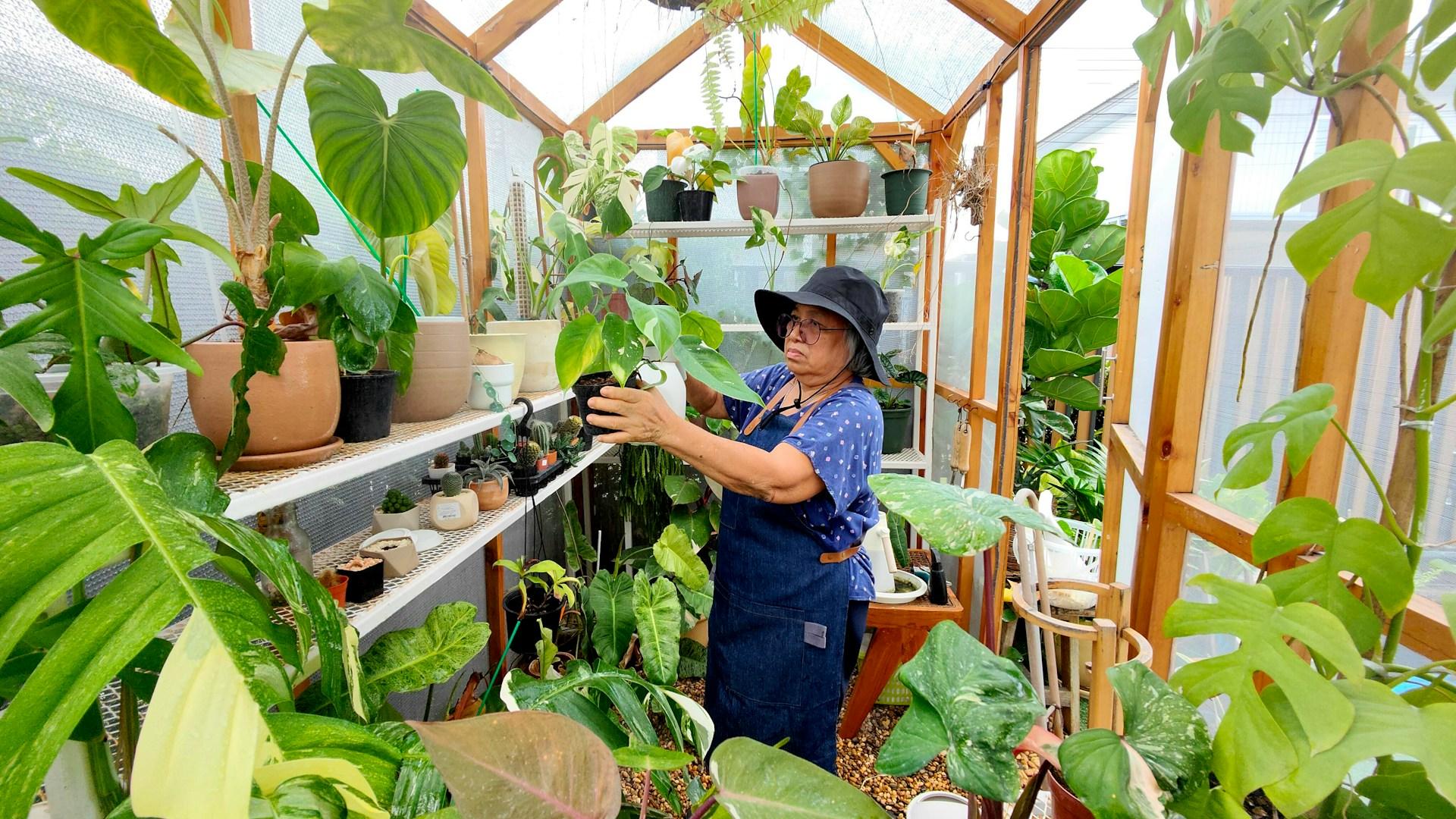
Plants, like well-written characters, are context-dependent. On the Gulf Coast, heat, humidity, and sudden rainfall shifts mean that rigid care schedules are frequently counterproductive. The attentive gardener reads the environment first. Leaf curl, discoloration, or stunted growth are not problems to be solved mechanically; they are expressions of stress. Empathy here means asking, “What is this plant experiencing right now?” rather than “What does the schedule say I should do?”
Literature trains this kind of attention. Readers become adept at noticing patterns and disruptions-what changed, what didn’t, and why that matters. Translated into horticulture, this skill encourages observation before intervention. Is the soil compacted from last week’s storm? Has the reflected heat from a nearby wall increased evaporation? These questions mirror the literary habit of situating a character within their environment before judging their actions.
This is also where modern cognitive tools can play a supporting role. Platforms like MakeHeadway, which focus on sharpening comprehension and perspective through structured learning, reinforce the mental discipline required to slow down and assess context. The goal is not speed, but clarity. A gardener who has taken a reading speed test may discover that comprehension velocity is what truly improves decision-making, whether on the page or in the yard. Understanding precedes action.
From Character Motivation to Project Anticipation: Empathy in Homeowner Decisions
In serious fiction, motivations matter more than events. Readers learn to ask what a character wants now, what they will want later, and how today’s decisions constrain tomorrow’s options. This long-view thinking is directly applicable to home maintenance, where deferred consequences are the rule rather than the exception.
A homeowner who empathises with their house does not see systems as isolated components. HVAC, plumbing, roofing, and drainage form an interconnected narrative. Ignoring a minor condensation issue today is akin to overlooking a character’s early warning sign; the consequences emerge later, and they are rarely convenient.

Empathy-driven maintenance involves anticipating stress points before failure occurs. On the Gulf Coast, humidity places constant pressure on air conditioning systems and building envelopes. Understanding this “motivation” of the climate allows homeowners to prioritize insulation, ventilation, and routine servicing. The question shifts from “Is it broken?” to “What is it likely to need next?”
Literature conditions readers to think in arcs rather than episodes. That mindset discourages reactive homeownership and encourages strategic planning. Replacing a component slightly early may feel inefficient in isolation, but it often prevents cascading failures that are far more costly. The empathetic homeowner recognises that systems, like characters, behave predictably when their constraints are understood.
Cultivating the Soil of Self-Correction: How Literature Builds Resilience in DIY
Complex novels are rarely understood on a first pass. Readers misinterpret motives, overlook foreshadowing, and sometimes need to reread entire sections to grasp the structure of the story. This process builds intellectual resilience: the ability to reassess without frustration. That same resilience is essential for anyone who has attempted a DIY repair.
Every homeowner eventually makes a mistake. A mismeasured cut, an incorrect fitting, or a repair that works briefly before failing. The difference between escalation and resolution lies in the response. Empathy, here, is directed inward as much as outward. Rather than forcing a solution, the resilient DIYer pauses to diagnose. What assumption was wrong? What signal was missed?
Literary analysis teaches readers to revisit earlier chapters with new information. A failing home system benefits from the same approach. Turning off the power, stepping back, and tracing the sequence of actions often reveals the flaw. This is not wasted time; it is disciplined reevaluation.
Importantly, literature normalises revision. Authors revise drafts; readers revise interpretations. DIY culture often stigmatises backtracking, but sustainable home care depends on it. The empathetic homeowner understands that correction is part of the process, not evidence of incompetence. Over time, this mindset reduces stress and improves outcomes, particularly for complex projects that cannot be solved by rote instructions alone.
A Shared Narrative: Using Empathy to Enhance Community and Shared Spaces
Fiction rarely confines itself to a single character. It explores communities-how individual choices affect collective well-being. Readers become attuned to social dynamics, unspoken norms, and shared responsibilities. This awareness translates directly into how homeowners engage with their neighbours and shared environments.
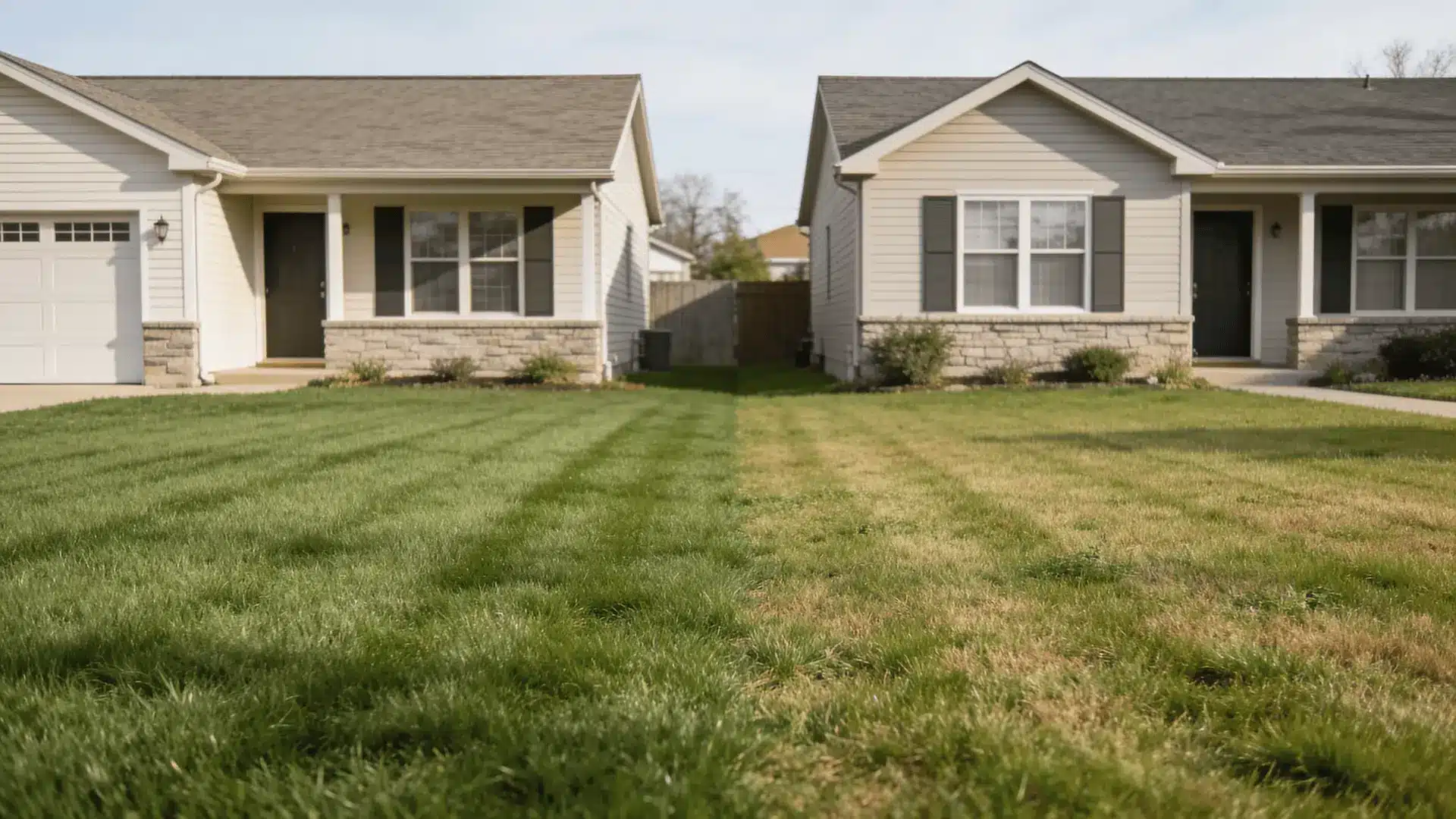
Curb appeal, drainage patterns, and noise are not purely personal concerns. On the Gulf Coast, where weather events can affect entire blocks, one neglected property can exacerbate flooding or pest issues for others. Empathy allows homeowners to see their property as part of a larger system. Maintaining a yard is not merely aesthetic; it contributes to neighbourhood resilience.
HOA guidelines, often viewed as constraints, can be reframed through this lens. They represent an attempt-sometimes imperfect align individual actions with collective outcomes. Empathetic engagement does not require blind compliance, but it does encourage constructive dialogue. Understanding why a rule exists often reveals its practical value, even if its implementation needs adjustment.
Literary readers are accustomed to inhabiting multiple viewpoints simultaneously. Applied locally, this skill improves cooperation on shared projects, from drainage improvements to community gardens. It also fosters patience. Not every neighbour prioritises maintenance in the same way, but recognising differing constraints and motivations leads to solutions rather than conflict.
Ultimately, the same empathy that deepens a reader’s engagement with a story can strengthen the fabric of a neighbourhood. It encourages homeowners to act not just as property managers, but as participants in a shared narrative-one where individual care accumulates into collective benefit.